How much does Invisalign cost?
Having straight teeth never looked so good
Do you dream of having straighter teeth but are concerned by the appearance or cost of braces? Then find out how much does Invisalign cost & the benefits.
HAVING STRAIGHT TEETH NEVER LOOKED SO GOOD
2023 has already been a year like no other as far as technology goes. While some of the tech advances have been a cause for concern, some have been welcomed with open arms. One of these positive technological developments is Invisalign teeth straightening.
While Invisalign has actually been around for over 20 years, only recently has it seen such a great rise in popularity. Why the sudden demand? There are a number of reasons:
Beauty Standards - there has been a real social shift in beauty standards in recent years, with more people wanting to perfect their appearance. Invisalign provides a functional, yet aesthetically appealing alternative to traditional teeth straightening methods due to their almost invisible appearance.
Social Media & Celebrity Influence - people are more influenced by celebrities and social media fashionistas today than ever before. As Invisalign becomes more popular, the influence grows much stronger too. Celebrities such a Justin Bieber and Kendall Jenner have even used Invisalign.
Medical Approval - like with any medical advancement, it takes time to test the long-term effects and fully understand the effectiveness and any potential dangers. Since Invisalign was FDA-approved in 1998, there has been plenty of years worth of testing and many dental professionals are now recommending Invisalign ahead of traditional methods of teeth whitening.

What is Invisalign?
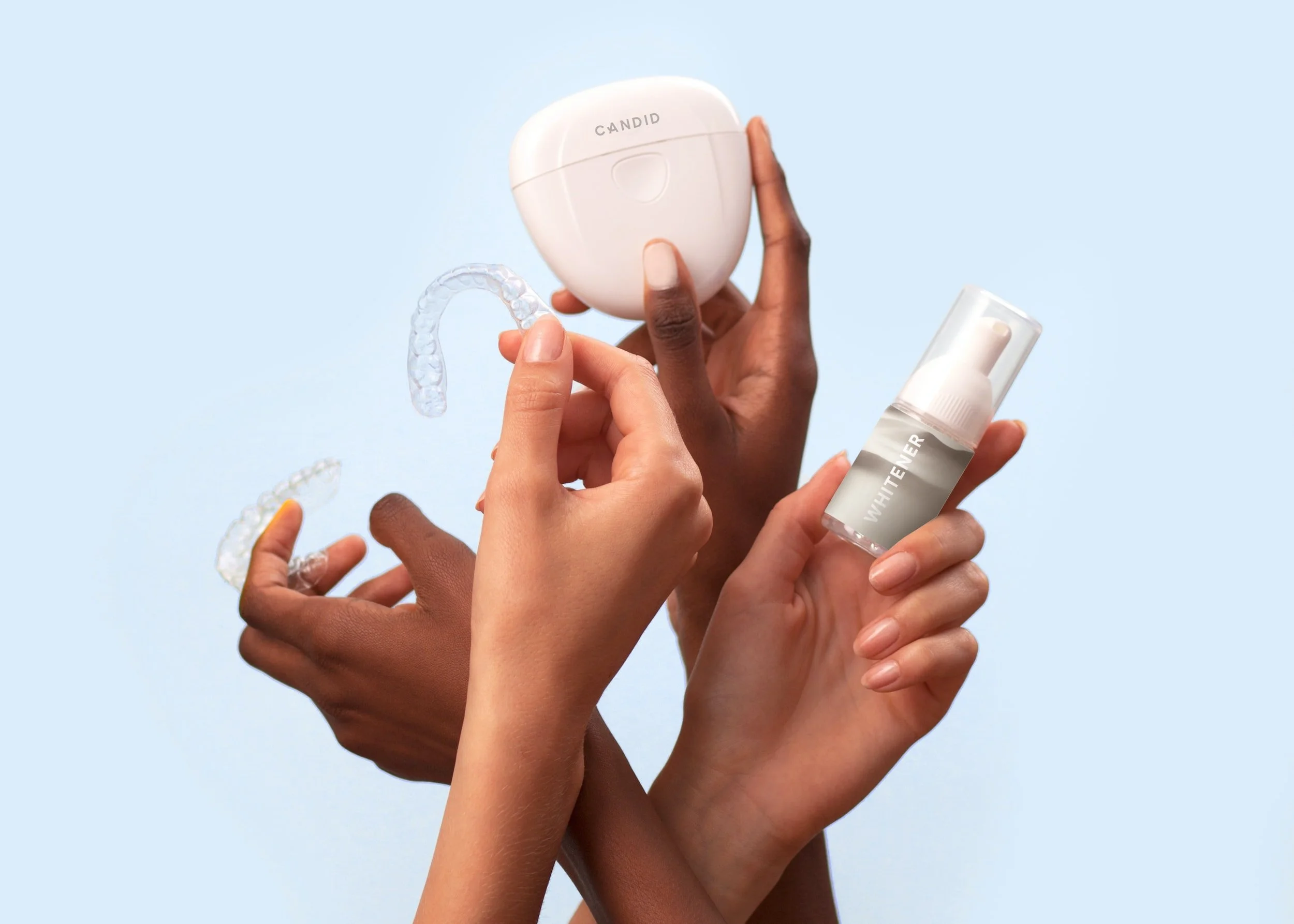
Invisalign is a teeth straightening treatment that uses a series of clear, custom-made aligners to gradually shift the position of the teeth. The aligners are made of a clear, medical-grade plastic material that is virtually invisible when worn, which makes them a particularly popular choice among young adults who want to straighten their teeth without the appearance of traditional metal braces.
During the straightening period, for best results, the aligners should be worn no less than 22 hours each day and need changing out for a new set every two weeks as the teeth gradually shift into the desired position.
As mentioned above, Invisalign is an FDA-approved orthodontic treatment and has been used to successfully straighten the teeth of millions of people worldwide. The treatment is performed by a certified Invisalign provider and it is typically completed within 12 to 18 months, depending on the complexity of the case.
After the completion of treatment, it is strongly recommended that you wear an Invisalign retainer each night to be to prevent any shifting of teeth back to their original position.
How much does Invisalign Cost?
Now we understand what Invisalign is and why it’s so popular, it’s time to evaluate the cost. In Australia, the cost of Invisalign treatment typically ranges from as little as $2,500 to $8,000. This broad variation is dependent on a number of factors, including the severity of the case, the location, and the individual practitioner's fees.
Fortunately, many dental clinics today offer payment plans which can help make the cost of Invisalign treatment more manageable and accessible.

Is Invisalign worth it?
While the price and effectiveness of Invisalign teeth straightening are almost identical to the price of standard metal braces, Invisalign is a far more aesthetic solution since they are clear.
Aside from the appearance and effectiveness advantages, some of the other benefits of Invisalign, as opposed to traditional metal braces, are:
They are removable - this makes it easier to clean the teeth and gums and eat food more comfortably.
Typically faster treatment duration - the completion time usually takes between 6 - 18 months, compared to 2 - 3 years for metal braces
Generally cause less discomfort - they are custom-made to fit an individual's teeth, and are smooth and more comfortable to wear.
Discreet - aligners are more subtle and hard to notice.
Ease of use - Invisalign aligners are easy to use and clean and less prone to breakage. They also don’t get food stuck in them because you take them out when eating.
Invisalign summed up
Overall, for most patients, Invisalign is a fantastic teeth straightening solution. The cost is relative to, if not cheaper than other alternatives, they are highly effective and they look great.
If you’d like to find out more about Invisalign or book a consultation then speak to our team at Emergency Dentists Sydney today.
NEED ADVICE OR EMERGENCY DENTAL CARE IN SYDNEY CBD?
Contact our friendly team

How often should you visit the dentist?
Don’t be a stranger
Regular dental check-ups are essential for maintaining good oral health. But how often should you visit the dentist?
Don’t Be A Stranger!
Regular dental check-ups are essential for maintaining good oral health. But how often should you visit the dentist? The answer to this question can vary depending on your individual needs and circumstances.
The Australian Dental Association (ADA) recommends that most adults should visit the dentist every 6 - 12 months for a routine cleaning and examination. This is known as a "dental check-up" and is typically covered by dental insurance.
During a check-up, the dentist will examine your mouth, clean your teeth and gums, check for cavities and other oral health problems such as tooth decay or gum disease, and make recommendations for any further treatment that may be necessary. The dentist may also take X-rays to check for any hidden problems.
Visiting the dentist regularly is also a great way to keep up with the latest advances in dentistry, such as preventive treatments and cosmetic procedures.
How much does a dental checkup cost in Sydney?
The cost of a dental check-up in Sydney can vary depending on the dentist and the services provided. A standard check-up typically includes examination, cleaning, and X-rays if necessary. The cost can range from around $80 to $200 or more, depending on the level of professional cleaning and the number of X-Rays you receive.
If you have private dental insurance, the cost of a check-up may be partially or fully covered. You may want to check with your insurance provider to find out what is covered under your plan. If you do not have dental insurance, you may be able to find a dentist who offers a payment plan.
How much do dental treatments cost?
When it comes to more complicated dental procedures, costs can vary quite significantly. Here is a breakdown of some of the most popular dental treatments and their average costs in 2023 within Sydney:
Tooth extraction (the removal of a tooth/teeth) - from $250 - $300 per tooth for simple extraction. $300 - $600 for surgical extraction
Teeth Whitening (up to 5 shades whiter teeth) - from $450 - $550 for take-home teeth whitening. $750 - $900 for in-chair whitening.
Invisalign (clear teeth straightening) - from $2,500 - $8,000
Metal Braces (traditional teeth straightening) - from $2,500 - $9,000
Lingual Braces (braces hidden behind the back of teeth) - from $4,500 - $15,000
Dental Implants (artificial titanium roots for missing teeth replacement) - from $2,500 - $4,000 per implant
Dental Crowns (covering for a tooth, to restore its shape and size) - from $1,800 - $2,500 per crown
Root Canal (removes infected tissue inside a tooth) - from $550 - $2,500 per tooth
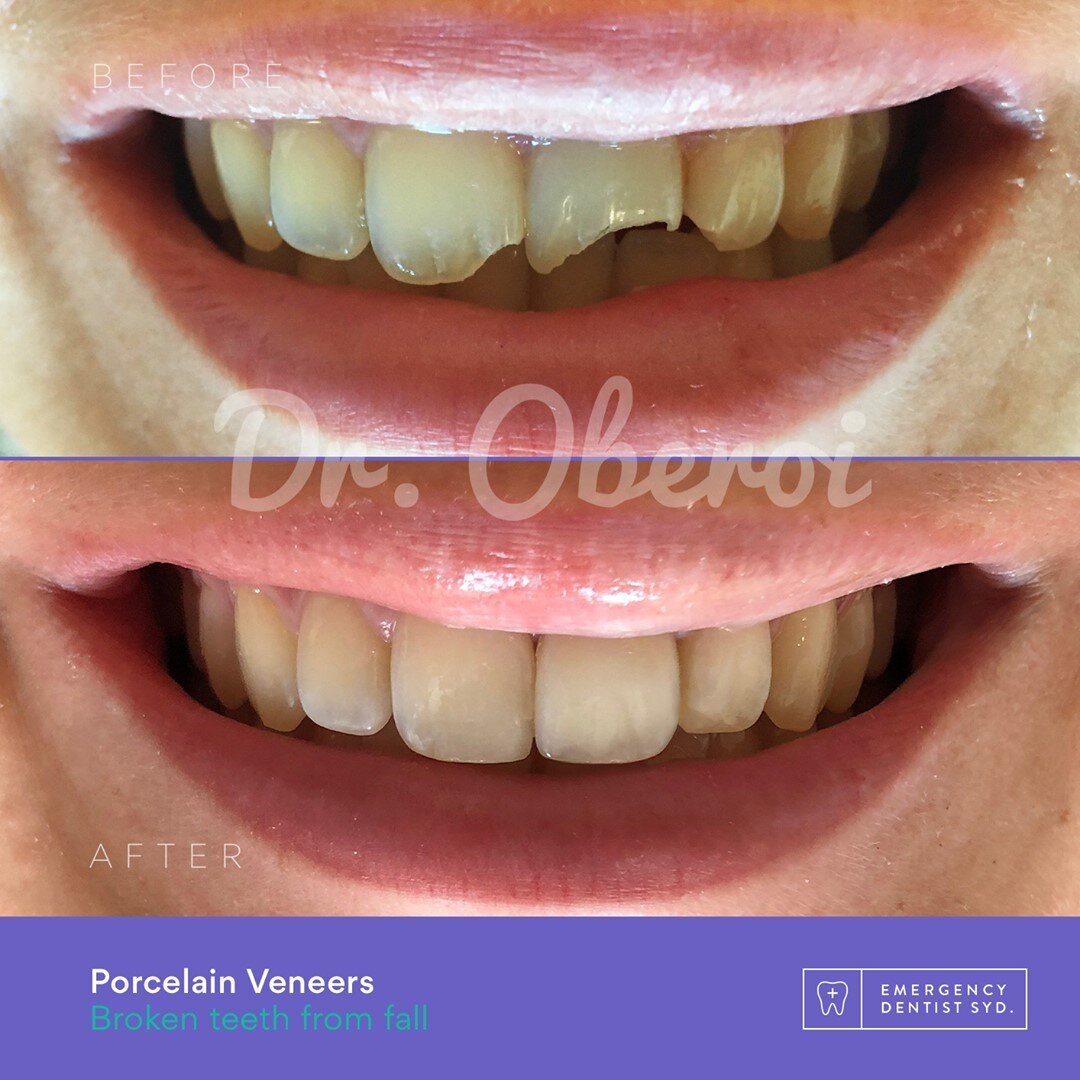
Veneers (custom shells that cover the front surface of teeth to improve appearance) - from $1,800 - $2,500 per tooth (on average, people get 4 - 12 veneers at a time)
Do I need to visit the dentist more frequently after major dental surgery?
After a key treatment, such as orthodontics (teeth straightening), tooth extraction or dental implants, your dentist will typically recommend a specific schedule of post-surgery follow-up appointments to monitor your progress and ensure that the surgery is successful and prevent complications.
For example, after a tooth extraction, you may need to visit the dentist for a follow-up appointment within a week or two to ensure that the extraction site is healing properly.
Similarly, after a dental implant or root canal procedure, it might be necessary to visit the dentist several times over the course of the upcoming year for check-ups and adjustments.
In some cases. patients who have recently received braces may need to visit the dentist every 4-8 weeks for adjustments, while Invisalign patients may require assistance every 6-10 weeks. After the orthodontic treatment is finished, the dentist may recommend that you have check-ups every 6 months to ensure that the teeth stay in their new position, and the bite is comfortable.
After any form of major dental surgery, it is important to practice good oral hygiene to promote healing and prevent infection. Your dentist may give you specific instructions for caring for your teeth and gums, such as avoiding certain foods or using a special type of toothpaste or mouthwash.

When should I seek emergency dental help?
It is important to visit the dentist as soon as possible if you have any symptoms of oral health problems such as tooth pain, bleeding gums, or changes in the appearance of your teeth or gums. In these cases, the faster your response time, the more likely you will be to prevent the problem from getting worse.
Unfortunately, many dentists do not provide after-hours care and securing an impromptu booking slot can be difficult considering dentistry is such a high-demand area of healthcare. However, Emergency Dentist Sydney specialises in urgent dental care. Our entire business model is based on providing fast and effective emergency care, regardless of the time of day or day of the week.
What steps can I take to maintain good oral health?
In addition to regular check-ups, it is essential to practice good oral hygiene at home. This includes brushing your teeth at least twice a day with fluoride toothpaste, flossing at least twice per week, and using an antiseptic mouthwash. It is also important to maintain a healthy diet and avoid foods and drinks that can cause tooth decay.
If you have a higher risk of developing oral health problems, you may need to visit the dentist more frequently. For example, if you have a history of cavities or gum disease, your dentist may recommend more frequent check-ups. Similarly, if you are pregnant, have diabetes, or are a smoker, your dentist may advise that you visit more frequently to help maintain good oral health.
If you are still determining how often you should visit the dentist, the best course of action is to consult with your dentist. They will be able to assess your individual needs and make recommendations based on your personal oral health history.
Need Advice Or Emergency Dental Care In Sydney CBD?
Contact our friendly team


Water flosser vs traditional dental floss
Which option is the best for your oral health
It’s second nature for us all to brush our teeth twice a day but many will skip the crucial step of flossing. When exploring the task of flossing, one may wonder if water flossing is a better solution. Here we go into the pros and cons for each.
Which option is the best for your oral health
It’s second nature for us all to brush our teeth twice a day but many will skip the crucial step of flossing. When exploring the task of flossing, one may wonder if water flossing is a better solution. Here we go into the pros and cons for each.
What is a water flosser?
Water flossers are electrically charged and use water pressure to get in between your teeth and dislodge the plaque hidden there. They are designed to make flossing a bit easier and are excellent for people who wear braces as they can get into those tough spaces that are more difficult for toothbrushes.

How do you use a water flosser?
There are a few steps to follow if you want to get the most out of your water flosser:
Use warm water when filling the tank of your water flosser
Place the tip in your mouth and lean over the sink before turning on or use your water flosser in the shower to avoid creating a wet mess all over your bathroom
Hold at a 90-degree angle in your mouth. Once turned on, the water will push out in pulsing flows to encourage the movement of build-up between the teeth.
Start cleaning your back teeth first and work your way forward with the most emphasis on the gum line as this is where food particles settle. Start at the back teeth and work your way throughout your mouth.
Don’t ignore the backs of your teeth.
Spend at least two minutes using your water flosser and once completed thoroughly empty excess water from the tube to avoid the growth of bacteria.
An important note is that a water flosser should only be used in conjunction with brushing your teeth – it’s in no way a replacement for this.

What are the benefits of a water flosser?
For those with sensitive gums where traditional dental floss may cause pain
Cleaning around braces – particularly after eating
Cleaning crown bridges or any dental implants, particularly when they’re new.
Keeping temporary fillings clean when going through a root canal
Is a water flosser better than traditional dental floss?
This really depends on what you’re using a water flosser for. Traditional floss will also be the chosen method when it comes to daily oral health practices. It's proven to be the most effective way of preventing gingivitis and other gum disease if done correctly and is crucial to reach under the gum line where a toothbrush and water flosser will have difficulty.
Whilst a water flosser may seem like an easier solution, it should only be used when traditional flossing proves to be painful or overly difficult.
If you love the freshly cleaned feeling a water flosser can give, then simply use this with traditional dental floss.
Emergency Dentist Sydney Says
Speak to Emergency Dentist Sydney if you’re on the fence about which option to go with.
Need Advice Or Emergency Dental Care In Sydney CBD?
Contact our friendly team




Will It Hurt?
A guide to what to expect during a dental emergency
The Emergency Dentist Sydney has had patients that described their dental pain as the worst pain they’ve ever experienced. The key to minimising any pain experienced is to not delay treatment as chances are it won’t get better on its own. Here we go into the different reasons you may find yourself in our emergency dentist’s chair.
A guide to what to expect during a dental emergency
The Emergency dentist has had patients describe their dental pain as the worst pain they’ve ever experienced. The key to minimising any pain experienced is to not delay treatment as chances are it won’t get better on its own. Here, we go into the different reasons you may find yourself in our emergency dentist’s chair.
What are my treatment options for dental pain?
The treatment options available for dental pain are:
Removal of the tooth or Extractions
Fillings
Gum Treatment or Periodontal Treatment
Root Canal Treatment
We will need to discuss your dental history and examine you first in order to determine the cause of the pain before treating you. This may involve x-rays and other tests on your mouth, gums, jaw, throat, or sinuses.
Why does dental pain occur and what causes it?

Tooth pain is a condition that can be caused by many different factors. The top three major causes of tooth pain include:
Tooth Decay: Occurs when the bacteria has reached the roots of the teeth resulting in an abscess.
Fractured Tooth or Filling: An exposed nerve can cause an abscess as well as excruciating dental pain.
Gum Disease: There are many ways gum disease can cause tooth pain, especially if left untreated and it develops into periodontitis.
In order to find out the cause a quick examination of your mouth will need to be performed.
Dental Emergency Treatment Tips
For Toothache & Pain
Dental emergencies require immediate action to ensure the best possible outcomes. Contact Us so we can help determine your dental emergency. After you have spoken with us and before we see you, there are a few things you can do (Note: Do not consume alcohol or illicit drugs to relieve pain).
Aching tooth, teeth, gums and mouth
Rinse out your mouth with warm water to cleanse it. Take an anti-inflammatory such as Neurofen to relieve some of the pain. Do not apply aspirin directly.
Object stuck in gums or teeth
Gently try and remove the object then apply pressure with a soft cloth once remove. Alternatively, try gently flossing the area.
Bleeding gums, lips and mouth
Clean the area gently with warm water then apply a cold pack or other cold compress.
Severed gums, lips and mouth
Rinse your mouth out with warm water to cleanse it then apply pressure with a cloth to the area.
Do I need to see a dentist about a toothache?
Yes. If the pain is severe, has come on suddenly, has lasted more than a day, you have a fever, you have other pain associated with your toothache, such as an earache, you should contact us to relieve your pain and treat the problem. Whatever your dental condition turns out to be, it is best to seek treatment before such things as infection start to spread or permanent damage is caused to your mouth or gums.
We will determine the cause, take action to prevent the spread of infection or other permanent damage to your mouth, teeth or gums and then treat your condition.
Will I need pain relief after treatment?
This really depends on the type of treatment you’ve received. For infections, the treatment performed is often enough to relieve the pain where antibiotics are also administered. For treatment of conditions other than infections a few pain relief solutions are:
Local anaesthesia, which is used for simpler procedures such as fillings and root canals.
Happy gas, which can alleviate pain and anxiety during most types of dental procedures.
IV sedation, which is most commonly used for more complex procedures such as wisdom teeth extractions.
Oral sedation, which is used most often for anxious patients.
Can toothache or other dental pain be prevented?
Yes. Regular and proper care of your teeth, such as daily brushing and flossing, are the best ways to ensure you don’t experience sudden dental pain, resulting in the need for emergency dentistry.
Patients who regularly visit the dentist for check-ups and properly take care of their teeth rarely find themselves needing emergency dentistry. There may be no signs at all that your teeth or a tooth may be deteriorating or in need of dental care, which is why prevention is your best option. Visiting your Dentist every 3 to 6 months will allow us to see the potential problems you may not even feel or see.
Need Advice Or Emergency Dental Care In Sydney CBD?
Contact our friendly team

Thirsty? A Guide to Dry Mouth
This condition might be a bit hard to swallow
Most people don’t think twice about producing saliva as it just happens. The Emergency Dentist Sydney knows this isn’t the case for people that suffer from dry mouth, otherwise known as xerostomia. Dry mouth causes discomfort due to a lack of saliva and can affect teeth and gums as well as quality of life.
What is dry mouth and why do I have it?
Dry mouth is due to a lack of saliva being produced in the mouth and can occur for a variety of reasons, such as nerves, stress, sadness. It can also be linked to certain medications you may be taking or a sign of a more serious condition.
Saliva does more than just keep your mouth moist. It assists with the digestion of food, breaking down bacteria and is needed to chew properly and swallow.
Potential reasons that could lead to your dry mouth and lack of saliva include:
Those who smoke cigarettes or vapes tend to experience dry mouth more so than people who don’t.
Many medications list dry mouth as a side effect. Some of these include antihistamines, antidepressants, pain killers and blood pressure medication.
Some medical conditions may lead to dry mouth such as diabetes, cancer, Parkinson's and HIV/AIDS to name a few.
Radiation and chemotherapy may cause loss of saliva or a change in saliva texture during cancer treatment.
Menopause is known to affect the salivary glands.
Some signs that you may have dry mouth
Everyone is likely to experience some form of mouth dryness which generally goes away however, the following symptoms may not disappear which would indicate you have a dry mouth condition which requires treatment. These symptoms include:
Difficulty chewing and swallowing
Bad breath
A sticky, tacky feeling in the mouth
Dryness down to the throat
Tingling or burning sensation on the tongue
Chapped or cracked lips
Decreased sense of taste
Metallic taste in your mouth
Mouth sores/ulcers
Difficulty speaking
Can my dry mouth be treated?
Generally, your dry mouth can be treated but first you must identify the cause of it. There are also a few things you can do that may restore moisture in the mouth, even if it’s just to give you temporary relief – some remedies may include:
Drink water or sugarless drinks often – drinks that contain sugar could make your dry mouth worse.
Avoid caffeine (coffee and tea) as these can cause the mouth to dry out.
Chew sugarless gum or mints as this can stimulate the production of saliva.
Try and cut out smoking and alcohol completely.
Re-evaluate your diet to lessen the intake of spicy or salty and fried foods.
Try a humidifier when sleeping.
Gargle a mouthwash that is designed to help with dry mouth.
If you suspect medication is the cause, always discuss this with your GP as they may be able to offer alternatives.
Need Advice Or Emergency Dental Care In Sydney CBD?
Contact our friendly team

Maintaining Oral Health with Braces
Your teeth will need some extra help during this time
Caring for your oral health when you have braces is a bit trickier but the payoff is amazing if done well. Follow these six tips and your path to beautiful straight teeth should be a bit more simple.
Your teeth will need some extra help during this time
Caring for your oral health when you have braces is a bit trickier but the payoff is amazing if done well. Follow these six tips and your path to beautiful straight teeth should be a bit more simple.
1. Don’t skip brushing your teeth
It’s recommended that you brush at least twice a day for 2 minutes each time. You might want to up the ante on this when you have braces though as they give food particles more places to hide and build up. If you are unable to brush after each meal, try to at least swish some water around to give them a good rinse. It’s always good to keep a toothbrush on you when out and about to keep your teeth clean and your braces free of debris.
2. Keep spare toothbrushes
Usually we’d tell you to replace your toothbrush every 3 months but those of you with braces will understand that you’ll go through toothbrushes a lot faster as your braces will create far more wear and tear on the bristles.
You may need to invest in special toothpick-like tools with bristles to get in to those hard to reach places that a standard toothbrush will find more difficult.
3. Flossing is more important than ever
Once you have your braces applied, you might need to reteach yourself how to floss but mastering this should be your priority.
Tools like a floss threader might come in handy or, that little toothpick tool with bristles we mentioned earlier may also assist you.
You may find that waxed floss is better for you during this time as it won’t shred as easily.
4. Some foods may need to take a backseat
A low sugar diet is great for your teeth in general but, more important than ever when you have braces. Given the additional hurdles you’ll be facing in keeping your teeth clean, you’ll want to do everything you can to avoid plaque build up as this can form cavities in your teeth and you already have enough to deal with right now.
If you want a snack, there’s a few that a better for braces wearers like cheese, yoghurt, fruits and veggies.
Sticky, chewy and hard foods are also a no-go area as they can damage your braces. Try to avoid lollies, popcorn and caramel as these are like magnets for braces and difficult to clean and remove around them.
When it comes to fruit a veggies try cutting them into smaller pieces rather than biting directly into them.
5. Bad habits become worse
Chewing on anything like pens, hard objects or even your nails should be stopped immediately. Doing this can bend the wires of your braces and loosen them causing more unwanted maintenance. Stopping these habits is also a wine for your overall oral health.
6. Keep your regular dental appointments
If your orthodontist and dentist are the same person, then this is super easy. Going to the orthodontist only isn’t enough for your oral care, you also need your regular 6 monthly dental check-ups for thorough cleanings.
Need Advice Or Emergency Dental Care In Sydney CBD?
Contact our friendly team

More Than Just Emergencies
We are experts in all things dental
Emergency Dentist Sydney are experts in emergency treatment but, our doors are also to patients to visit us for a large range of treatments from general dentistry to injectables that will have you feeling great and smiling proudly.
We are experts in all things dental
Emergency Dentist Sydney are experts in emergency treatment but, our doors are also to patients to visit us for a large range of treatments from general dentistry to injectables that will have you feeling great and smiling proudly.
We love all things dental which is why we give patients access to all services to ensure an end-to-end dental experience. Read on for some of the most popular treatments that we have on offer.
General Dentistry
Hygiene & Maintenance: Ironically, you can visit us for your regular check-ups and cleaning which is probably one of the most important steps to keeping you out of the emergency dentist chair. It’s highly recommended that you schedule these appointments every 6 months and keep up to date x-rays
Tooth Grinding & Snoring Solutions: You deserve a good night’s sleep that doesn’t come at the detriment of healthy teeth. Arrange a consultation to discuss your issues so we can create a treatment plan which could include anything from mouthguards to diagnosis and solutions for snoring.
Gum disease treatment: Gum disease is an inflammation or infection of the gums that can progress to affect the bone that surrounds and supports your teeth. We provide treatment for both stages; gingivitis and periodontitis.
Cosmetic Dentistry
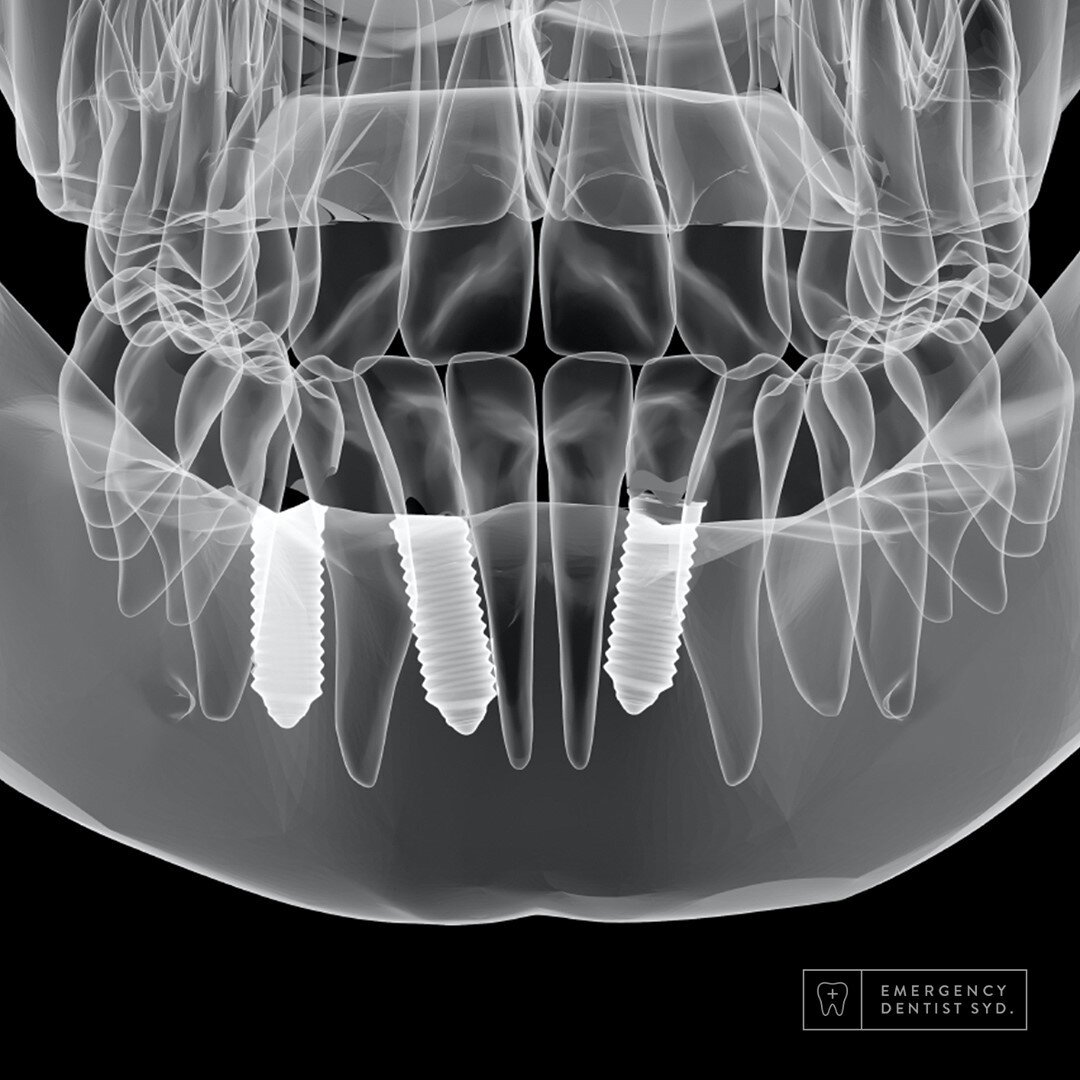
Dental Implants: A dental implant is a great permanent solution for missing teeth A titanium rod is inserted in to the jaw bone with a replacement tooth or teeth mounted on top. After an initial consultation, we will advise the best treatment for you.
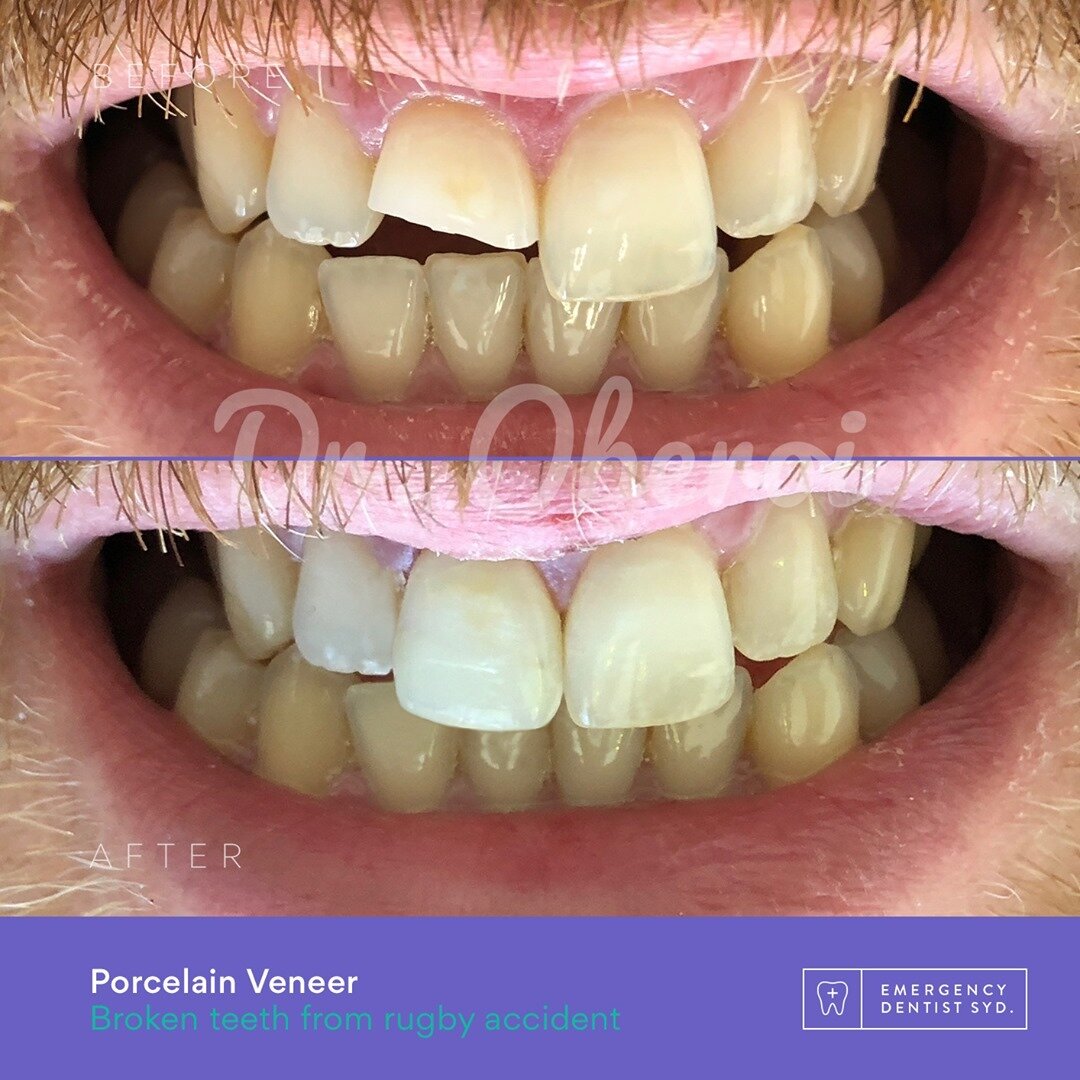
Veneers and crowns: Dental crowns and porcelain veneers can quickly improve crooked, crowded, chipped and gappy smiles. They are both long-term methods and cover your existing teeth. A main difference between crowns and veneers is how much of the tooth they cover: crowns usually encase the whole tooth, whereas veneers only cover the tooth’s front surface.
Teeth whitening: Probably the simplest treatment to give your smile a makeover, with in-chair or at-home options available. White fillings are also a great option and are a great alternative to silver fillings that will stand out more when you smile.
Orthodontics
Teeth straightening: There are so many teeth straightening options now that we’re happy to take you through to ensure you’re going to get the best results. Choice can also come down to aesthetics and budget
Cosmetic Injectables
Dentofacial aesthetics is a new approach in cosmetic dentistry which considers how the overall structure of your face contributes to your smile.
Aesthetic improvements can then be made with Collagen, Restylane and Botox. Dentists have the advantage of specialty training in the structure of the face so we have an extra level of skill when delivering these treatments.
So don’t wait until you have an emergency to visit us and always feel free to contact us to discuss and treatments.
Need Advice Or Emergency Dental Care In Sydney CBD?
Contact our friendly team
How to Avoid a Dental Emergency
A few easy tips to keep you out of the emergency dentist chair
As much as we’d love to see you at The Emergency Dentist Sydney, we understand that you may not want to see us. It’s easier than you’d think to avoid a dental emergency and we’ve got 5 tips to show you how.
A few easy tips to follow to keep you out of the emergency dentist chair
As much as we’d love to see you at The Emergency Dentist Sydney, we understand that you may not want to see us. It’s easier than you’d think to avoid a dental emergency and we’ve got 5 tips to show you how.
1. Don’t ignore abnormalities
Something like a toothache can be a sign of a cavity and ignoring this or putting up with it longer than you should, may result in a bigger issue. Get to the dentist as soon as pain strikes and you might avoid a more complex procedure, like a root canal.
Aside from the teeth you might find something out of the ordinary with your gums or tongue, from swelling or discolouration – there are multiple causes that could be behind this (some severe) so should be investigated by a professional promptly.
2. Maintain a consistent oral care routine
This should be engrained in your memory at this point….
Brush your teeth for two minutes, twice a day and don’t forget your tongue.
Daily flossing is a must – you can even do it on the couch while watch TV.
Rinse your mouth after meals to remove plaque-causing debris
Replace your toothbrush regularly to avoid bacteria build-up and to ensure the bristles are intact to effectively clean.
Following these steps will keep your teeth in tip-top shape for years to come.
3. Reduce sugar intake
We’re not saying cut it out completely (we know it’s in almost everything these days) but, overloading on sugar makes your teeth far more vulnerable to cavities and decay.
Sugar creates an acidic environment, attacking your enamel and weakening the teeth.
4. Wear protection when playing sports (or even when you sleep)
At the Emergency Dentist Sydney, so many of the chipped, broken or knocked-out teeth we see happen on the sports field and could easily have been avoided by wearing a mouthguard.
Mouthguards can also be of benefit if you grind or clench your teeth at night. Without protection, over time you may find that you start wearing away at your teeth.
5. Deal with dental phobias
Commonly, a dental issue becomes an emergency because it was left too long. Waiting until you have no other option will do the opposite for your phobia as you’ll likely be dealing with far more pain than you would have had you come to the dentist earlier.
Check out our blog article for more information on dealing with Dentophobia.
Try as you may to avoid dental issues but if you find yourself needing us, don’t delay in getting in contact. We’re here for you 24/7.
Need Advice Or Emergency Dental Care In Sydney CBD?
Contact our friendly team

Delayed Treatment Can Break the Bank
Avoiding the dentist can result in higher costs
A trip to The Emergency Dentist Sydney, for many people, can be a daunting experience. Some think it will be painful (generally not) and others think that they’ll need to take out a personal loan to cover costs (another myth).
Avoiding the dentist can result in higher costs
A trip to The Emergency Dentist Sydney, for many people, can be a daunting experience. Some think it will be painful (generally not) and others think that they’ll need to take out a personal loan to cover costs (another myth).
We understand that budgets for many can be tight and it’s totally understandable that when faced with dental issues, minds go straight to the financial side. If you’re on the fence about getting immediate treatment there are some things you should first consider.
From little things, big things grow
We’ve said it time and time before – dental problems generally start as something small and easily treatable however, if untreated in a timely fashion, small issues have the potential of becoming more complex. In most cases, the more complex the dental problem the higher the price tag.
Prevention is key
If you’re reading this and you don’t currently have any dental issues of concern, then great, keep reading…
Keeping up to date with your regular dental check-ups is often the most economical method in keeping your oral health in a high standard, meaning you often won’t need treatment outside of a good clean. A thorough, twice yearly teeth cleaning removes bacteria and tartar that, when built up and left to accumulate can cause your teeth harm (e.g. toothaches, tooth decay, losing teeth). Your dentist will also use this time to identify any irregularities that may need additional treatment.
Smile now. Pay Later.
Where treatment is unavoidable and budget is an issue, The Emergency Dentist Sydney also has flexible payment options available through:
After Pay
ZipPay/ZipMoney
Open Pay
So don’t suffer through pain when you don’t have to. The team will be more than happy to take you through all of your options to ensure your oral health is 100%.
Need Advice Or Emergency Dental Care In Sydney CBD?
Contact our friendly team

Dental Emergencies for Children
What to do for your littles ones when toothache or injury strikes
Dental emergencies are stressful enough for adults but can be especially scary for kids. Here we go into detail about the types of emergencies involving children we see at The Emergency Dentist Sydney and what to do to get through it.
Toothache
A toothache can occur for many reasons from food being stuck, decay or even an abscess, which may look like a little pimple on your child’s gums. Whatever the reason, it is best to get in contact asap so that we can diagnose the cause and relieve their pain. Generally, toothaches don’t get better with time, they get worse.
While waiting to get into the dentist chair you may check the mouth for debris and rinse thoroughly or gently use dental floss. It is not recommended however, to apply ice directly to teeth or gums as the tissue is sensitive and could burn.
Abscess
An abscess is an infection that occurs in the root of the tooth and fills with puss when left untreated. Not only does it cause a lot of pain for your child but can also result in breathing difficulties, pain when eating, fever, sensitivity, toothache, facial and gum swelling.
Chipped or broken teeth
It’s a fact of life that kids are pretty active. Playing sport, running around with friends or chewing on things they shouldn’t, may result in a cracked, chipped or broken tooth. If this does happen, contact us immediately so we can evaluate the damage and provide solutions for fixing it.
Dislodged Fillings
If your child’s filling comes loose or falls out, this should be dealt with and replaced quickly as the inner part of the tooth becomes exposed to severe sensitivity or toothache and even tooth decay as bacteria can enter.
Objects in the mouth
No matter how many times you tell your child not to, from time to time they’re going to put things in their mouths that they shouldn’t. Sometimes these objects or parts of the object can become wedged in their teeth. It’s important not to apply a great deal of pressure in trying to remove lodged objects but just gently try with dental floss – if it’s still not budging, best to get them in to see us so we can remove it whilst minimising any other damaged, like broken teeth.
Most importantly, stay calm during your child’s dental emergency to minimise the fear and stress they’re likely to be experiencing. The team at The Emergency Dentist Sydney are very experienced in this area and will have your little one on the path to recovery and smiling again in no time.
Need Advice Or Emergency Dental Care In Sydney CBD?
Contact our friendly team

Bad Habits You Need To Stop
Identifying the habits is the first step towards quitting
We all love a beautiful smile but keeping your smile bright and healthy takes work and there are a few nasty little habits that you need to stop today.
Identifying the habits is the first step towards quitting
We all love a beautiful smile but keeping your smile bright and healthy takes work and there are a few nasty little habits that you need to stop today.
Biting your nails
Probably the most common bad habit, nail-biting can chip your teeth and even have an impact on your jaw. Not to mention the high amounts of germs lurking under fingernails shouldn’t be in your mouth.
Tips to stop:
Bitter-tasting nail polishes that will be sure to turn you off-putting those nails in your mouth.
Other forms of stress relief like a stress ball which also keeps your fingers busy.
Brushing your teeth too hard
A common misconception about brushing your teeth is that the harder you brush, the cleaner the teeth when in fact it can damage your teeth and irritate your gums.
Tips to stop:
Use a soft-bristle toothbrush or an electric toothbrush that alerts you when you’re applying too much pressure.
Grinding or clenching your teeth
Prolonged grinding or clenching can result in jaw paid and weakened teeth that can cause chipping or cracking
Tips to stop:
A night time mouth guard to relieve some pressure
Relaxation exercises
Chewing on ice
Sure, it’s a cooling summer treat but teeth and ice are in battle with each other. Ice will usually break first but, over time the chances of teeth losing the fight gets higher.
Tips to stop:
Try serving your drinks without the ice cubes or sip through a reusable straw to avoid the temptation.
Too much snacking
Snacking is a favourite pastime for many of us but the issue is that often the snacks we choose are high in sugar which puts your teeth at risk of cavities from the bacteria that gets left behind.
Tips to stop:
Choose meals that will fuel you for longer so you don’t feel the need to turn to snacks as often.
Teeth as tools
This is a BAD one. From opening a can with your teeth to ripping a tag off clothing when you can’t find scissors. Any time you choose your teeth over actual tools, you’re at high risk of breaking or chipping your teeth which usually results in the need for a trip to The Emergency Dentist Sydney.
Tips to stop:
Easy…. take the time to actually locate the tool you need. Leave your teeth out of it!
Need Advice Or Emergency Dental Care In Sydney CBD?
Contact our friendly team

The Effects of Sugar On Your Teeth
Don’t let the sweetness fool you
Sugar is in an alarmingly high amount of foods and drinks and unless you’re scanning the ingredients of every single thing you consume, sugar is hard to avoid. Knowing the effects sugar has on us, might just make you a bit more vigilant when making your grocery selections.
What is sugar doing to my teeth?
The bacteria in your mouth that forms plaque absolutely loves sugar! The sugar acts as fuel for the bacteria and saliva present in the mouth and once they all combine it forms plaque which can then dissolve teeth enamel which can eventually lead to cavities.
This constant battle in the mouth means teeth are constantly under attack but these attacks when acids leach minerals from the enamel. Fortunately, this is naturally reversible through remineralisation which replaces those minerals and strengthens the teeth all over again.
The most important things which help here are saliva and fluoride, as they contain minerals such as calcium and phosphates, which are needed to repair teeth.
So I can eat as much sugar as I want?
Nope… sorry. Consuming high amounts of sugar throughout the day can prove too much for the natural remineralisation process.
What you eat and drink is just as important as brushing your teeth and flossing. If you consume nutritious food, rather than foods that are high in carbs, such as high sugar lollies, desserts and sugary drinks - which should only be seen as treats for special occasions. We’re not saying to cut these out of your diet completely but, you should brush your teeth straight after to avoid damage.
How do I avoid long-term teeth damage?
Keep on top of your oral hygiene
Brush your teeth twice a day and if you can, give them a brush after meals. Don’t forget flossing to get those leftover particles from between your teeth and let your gums breathe!
Regular dental checkups
Visiting your dentist every 6 months will not only give you that deep clean that a toothbrush just can’t do, it will also help identify any issues before they become more complex (and more expensive). Regular checkups also mean you're less likely to need a visit to The Emergency Dentist Sydney.
There’s no need to deprive yourself of sugary deliciousness, just don’t forget the struggle of your teeth and don’t forget to treat them right!
Need Advice Or Emergency Dental Care In Sydney CBD?
Contact our friendly team
Patient Care First

Keep Up-To-Date with All Things Oral & General Health
RECENT ARTICLES










For 15 years, we've had one mission - when Sydney has a dental emergency, Emergency Dentist Sydney is there
We're proud to celebrate 15 years of providing emergency dental services to Sydney CBD and surrounding suburbs.