
The Importance of quick action in dental emergencies
The Importance of quick action in dental emergencies
Leaving a dental issue untreated can be incredibly costly, whether through fear, money, or laziness. Learn the importance of quick action in dental emergencies.
React Fast when it comes to a dental emergency
When it comes to dental health, most people think of routine check-ups, cleanings, and the occasional cavity filling. However, dental emergencies are an often overlooked aspect of oral care.
These situations demand immediate attention to prevent severe pain, permanent damage, or even life-threatening complications. This blog will delve into the importance of quick action in dental emergencies, the types of emergencies, the steps to take, and how to prevent them.
Understanding Dental Emergencies
Dental emergencies encompass a range of urgent issues that affect the teeth, gums, and surrounding tissues. These can include severe toothaches, broken or knocked-out teeth, lost fillings, abscesses, and injuries to the mouth.
Recognising the signs of a dental emergency and knowing how to respond promptly can significantly affect the outcome.
Types of Dental Emergencies
Severe Toothache: Persistent, intense tooth pain can indicate an infection or abscess that needs immediate treatment.
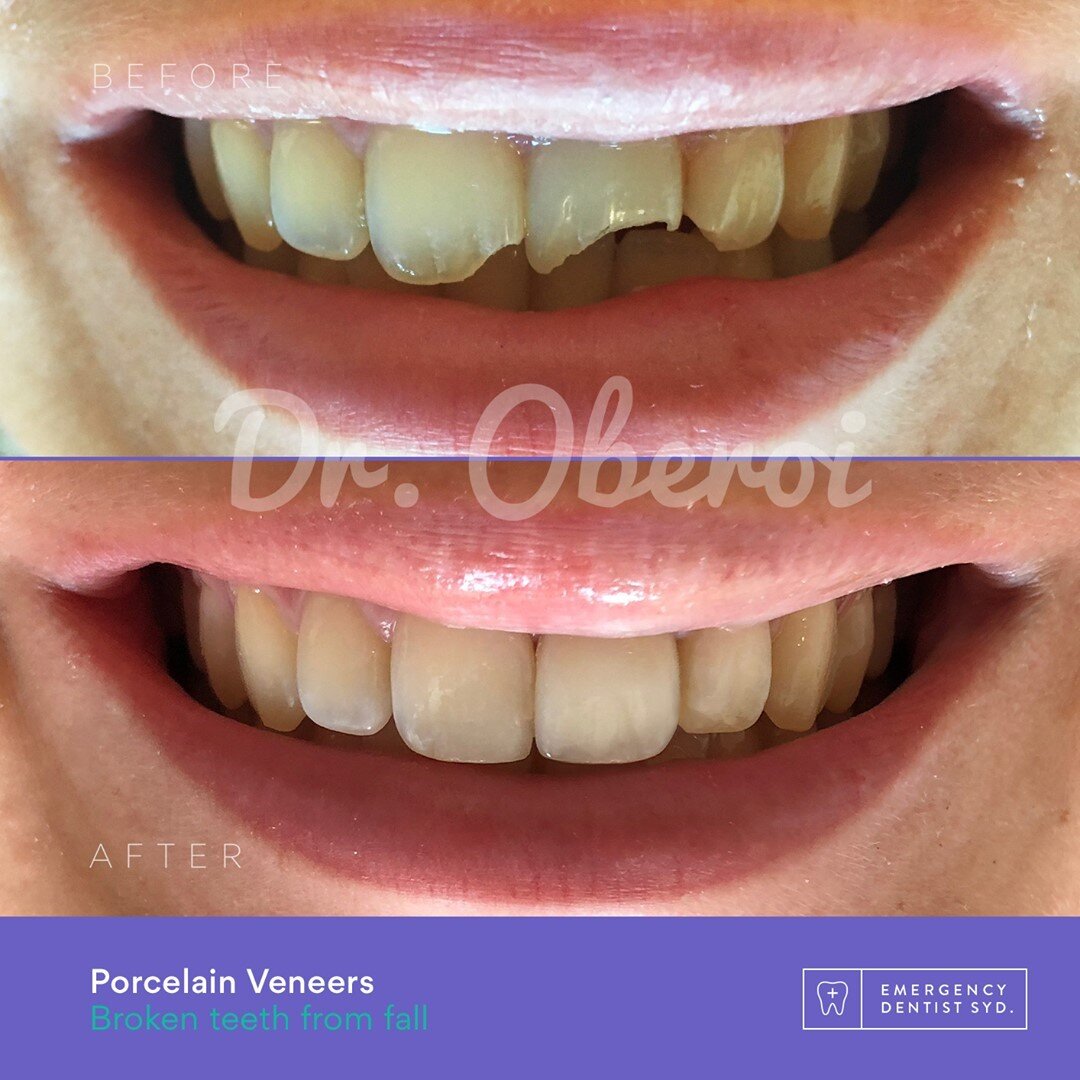
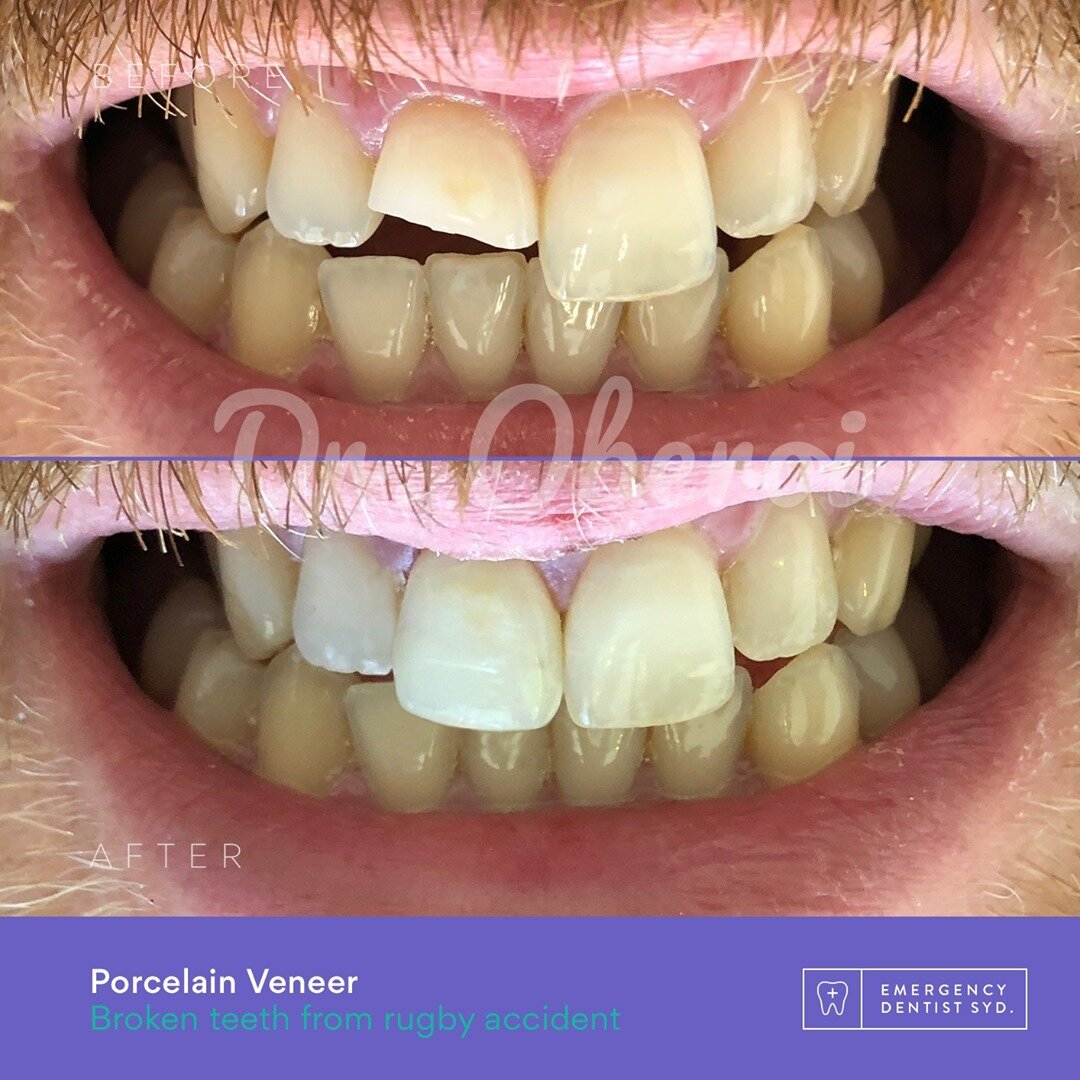
Broken or Chipped Tooth: Accidents or biting on something hard can cause teeth to break or chip, which may expose nerves and lead to pain or infection.
Knocked-Out Tooth: A knocked-out tooth due to trauma requires swift action to potentially save the tooth.
Lost Filling or Crown: When a filling or crown falls out, the tooth is vulnerable to damage and infection.
Abscess: A painful, swollen area in the gums or around a tooth can signal an abscess, a serious infection that needs prompt attention.
Soft Tissue Injuries: Cuts or injuries to the lips, cheeks, or tongue can lead to significant bleeding and require immediate care.
The Importance of Quick Action
Quick action in dental emergencies is crucial for several reasons. First, it can alleviate severe pain, which is often the patient's most immediate concern. Pain can be debilitating, and addressing it swiftly improves the patient's comfort and quality of life.
Secondly, timely intervention can prevent further damage to the teeth and gums. For example, a broken tooth left untreated can become infected or decay further, complicating treatment and increasing costs. In the case of a knocked-out tooth, the chances of successfully re-implanting it decrease significantly if not treated within the first hour.
Lastly, some dental emergencies, such as abscesses, can lead to more severe health issues if not addressed promptly. Infections in the mouth can spread to other parts of the body, leading to serious conditions like sepsis, which can be life-threatening.
Immediate Steps to Take
Knowing what to do in a dental emergency can make all the difference. Here are some immediate steps to take for common dental emergencies:
For Severe Toothaches
Rinse your mouth with warm water to clean it.
Floss gently to remove any trapped food or debris.
Apply a cold compress to the outside of the cheek to reduce swelling.
Avoid aspirin or other painkillers directly on the gums, as they can burn the tissue.
Contact your dentist immediately.
For a Broken or Chipped Tooth
Save any pieces of the tooth.
Rinse your mouth and any broken pieces with warm water.
Apply gauze to the area if there's bleeding.
Use a cold compress to reduce swelling.
Seek dental care as soon as possible.
For a Knocked-Out Tooth
Handle the tooth by the crown, not the root.
Rinse the tooth gently without scrubbing.
Try to place the tooth back in its socket if possible.
If not, keep the tooth moist by placing it in milk or a tooth-preservation solution.
Get to the dentist within an hour for the best chance of saving the tooth.

For Lost Fillings or Crowns
Place a piece of sugarless gum into the cavity or use over-the-counter dental cement.
Avoid using the affected tooth for chewing.
Schedule an appointment with your dentist promptly.
For Abscesses
Rinse your mouth with a mild saltwater solution several times a day.
Avoid pressing on the abscess.
Seek immediate dental care, as abscesses require professional treatment.
For Soft Tissue Injuries
Clean the area with warm water.
Apply pressure to stop bleeding.
Use a cold compress to minimise swelling.
Visit the emergency room if bleeding doesn't stop after a few minutes.
Prevention Tips
While not all dental emergencies can be prevented, protecting your oral health can reduce the risk. Here are some tips:
Maintain regular dental check-ups and cleanings.
Wear a mouthguard during sports or physical activities.
Avoid chewing on hard foods like ice or popcorn kernels.
Practice good oral hygiene, including brushing and flossing daily.
Address any dental issues promptly to prevent them from escalating.
View our complete list of tips here.
Get Emergency Dental Help
Dental emergencies are unpredictable and can be incredibly distressing. However, understanding the importance of quick action, knowing how to respond, and taking preventive measures can significantly impact the outcome.
Book in with Emergency Dentist Sydney swiftly to alleviate pain, prevent further damage, and protect your overall health. Remember, time is of the essence when it comes to dental emergencies.
NEED ADVICE OR EMERGENCY DENTAL CARE IN SYDNEY CBD?
Contact our friendly team


6 ways to deal with a dental emergency
Be ready if a dental emergency calls
Suffering from sudden tooth discomfort? Stop and learn the following 6 ways to deal with a dental emergency before you do anything.
Be ready if a dental Emergency Calls
We've all been there – that unexpected, heart-pounding moment when a dental emergency strikes out of nowhere. Whether it's a sudden toothache, a chipped tooth while messing about or something else, it's essential to know how to handle the situation with a cool head.
In this blog, we'll explore six effective ways to deal with a dental emergency. So, buckle up and let's dive right into these tooth-saving tips!
1. Swift Action is Key:
When it comes to dental emergencies, time is of the essence. The moment you feel that twinge of pain or notice something's not quite right with your teeth, take immediate action. Contact your dentist or an emergency dental clinic as soon as possible. Remember, the sooner you address the issue, the better your chances of minimising pain and preventing further damage. The good news is that Emergency Dentist Sydney operates after hours around the clock so help is at hand whatever the time.
If money is a hurdle standing in your way of getting oral care when you need it, then our range of Payment Plans could help.

2. Keep Calm and Rinse:
Dental emergencies can be nerve-wracking. But remember, maintaining your cool is half the battle won. If you've knocked out a tooth, gently rinse it with water without scrubbing or using soap. If possible, try to place the tooth back in its socket, ensuring not to swallow it. If that's not feasible, keep the tooth in a glass of milk until you can reach a dental professional. Keeping the tooth's root moist is crucial for potential re-implantation. You can find more information on this, amongst other issues here.
3. Temporary Relief with Cold Compresses:
A throbbing toothache can quickly turn your day sour. To ease the pain temporarily, apply a cold compress to the affected area. This can help reduce inflammation and numb the pain to some extent. However, remember that this is a temporary measure, and seeking professional help is essential to address the underlying issue causing the discomfort.
4. Don't Underestimate Over-the-Counter Pain Relievers:
While it's crucial to get professional help for any dental emergency, over-the-counter pain relievers like ibuprofen can provide temporary pain relief until you can see a dentist.

5. Dental Emergency Kit:
If you’ve noticed discomfort or unstable teeth then creating a dental emergency kit is a proactive move. Keeping essentials like a handkerchief, a small container with a lid, and a form of pain relief on you between the time of noticing discomfort and visiting the dentist is a good idea.
6. Prevention is Better Than Cure:
While it might not be an immediate solution during a dental emergency, practising good oral hygiene can significantly reduce the chances of experiencing one. Brush your teeth twice daily, floss regularly, and don't skip those routine dental check-ups. Preventive care can often nip dental problems in the bud, saving you from the intensity of a full-blown emergency.
Facing a dental emergency
Dental emergencies might catch us off guard, but armed with these six strategies, you'll be far better equipped. Your smile is your best accessory, and with these six ways to deal with a dental emergency, you'll keep it shining brightly even in the face of the unexpected.
If you need emergency dental care then contact us here, and if you’d like to learn more about emergency dental care then you can find out more here.
NEED ADVICE OR EMERGENCY DENTAL CARE IN SYDNEY CBD?
Contact our friendly team
Patient Care First

Keep Up-To-Date with All Things Oral & General Health
RECENT ARTICLES







For 15 years, we've had one mission - when Sydney has a dental emergency, Emergency Dentist Sydney is there
We're proud to celebrate 15 years of providing emergency dental services to Sydney CBD and surrounding suburbs.