
How often should you visit the dentist?
Don’t be a stranger
Regular dental check-ups are essential for maintaining good oral health. But how often should you visit the dentist?
Don’t Be A Stranger!
Regular dental check-ups are essential for maintaining good oral health. But how often should you visit the dentist? The answer to this question can vary depending on your individual needs and circumstances.
The Australian Dental Association (ADA) recommends that most adults should visit the dentist every 6 - 12 months for a routine cleaning and examination. This is known as a "dental check-up" and is typically covered by dental insurance.
During a check-up, the dentist will examine your mouth, clean your teeth and gums, check for cavities and other oral health problems such as tooth decay or gum disease, and make recommendations for any further treatment that may be necessary. The dentist may also take X-rays to check for any hidden problems.
Visiting the dentist regularly is also a great way to keep up with the latest advances in dentistry, such as preventive treatments and cosmetic procedures.
How much does a dental checkup cost in Sydney?
The cost of a dental check-up in Sydney can vary depending on the dentist and the services provided. A standard check-up typically includes examination, cleaning, and X-rays if necessary. The cost can range from around $80 to $200 or more, depending on the level of professional cleaning and the number of X-Rays you receive.
If you have private dental insurance, the cost of a check-up may be partially or fully covered. You may want to check with your insurance provider to find out what is covered under your plan. If you do not have dental insurance, you may be able to find a dentist who offers a payment plan.
How much do dental treatments cost?
When it comes to more complicated dental procedures, costs can vary quite significantly. Here is a breakdown of some of the most popular dental treatments and their average costs in 2023 within Sydney:
Tooth extraction (the removal of a tooth/teeth) - from $250 - $300 per tooth for simple extraction. $300 - $600 for surgical extraction
Teeth Whitening (up to 5 shades whiter teeth) - from $450 - $550 for take-home teeth whitening. $750 - $900 for in-chair whitening.
Invisalign (clear teeth straightening) - from $2,500 - $8,000
Metal Braces (traditional teeth straightening) - from $2,500 - $9,000
Lingual Braces (braces hidden behind the back of teeth) - from $4,500 - $15,000
Dental Implants (artificial titanium roots for missing teeth replacement) - from $2,500 - $4,000 per implant
Dental Crowns (covering for a tooth, to restore its shape and size) - from $1,800 - $2,500 per crown
Root Canal (removes infected tissue inside a tooth) - from $550 - $2,500 per tooth
Veneers (custom shells that cover the front surface of teeth to improve appearance) - from $1,800 - $2,500 per tooth (on average, people get 4 - 12 veneers at a time)
Do I need to visit the dentist more frequently after major dental surgery?
After a key treatment, such as orthodontics (teeth straightening), tooth extraction or dental implants, your dentist will typically recommend a specific schedule of post-surgery follow-up appointments to monitor your progress and ensure that the surgery is successful and prevent complications.
For example, after a tooth extraction, you may need to visit the dentist for a follow-up appointment within a week or two to ensure that the extraction site is healing properly.
Similarly, after a dental implant or root canal procedure, it might be necessary to visit the dentist several times over the course of the upcoming year for check-ups and adjustments.
In some cases. patients who have recently received braces may need to visit the dentist every 4-8 weeks for adjustments, while Invisalign patients may require assistance every 6-10 weeks. After the orthodontic treatment is finished, the dentist may recommend that you have check-ups every 6 months to ensure that the teeth stay in their new position, and the bite is comfortable.
After any form of major dental surgery, it is important to practice good oral hygiene to promote healing and prevent infection. Your dentist may give you specific instructions for caring for your teeth and gums, such as avoiding certain foods or using a special type of toothpaste or mouthwash.

When should I seek emergency dental help?
It is important to visit the dentist as soon as possible if you have any symptoms of oral health problems such as tooth pain, bleeding gums, or changes in the appearance of your teeth or gums. In these cases, the faster your response time, the more likely you will be to prevent the problem from getting worse.
Unfortunately, many dentists do not provide after-hours care and securing an impromptu booking slot can be difficult considering dentistry is such a high-demand area of healthcare. However, Emergency Dentist Sydney specialises in urgent dental care. Our entire business model is based on providing fast and effective emergency care, regardless of the time of day or day of the week.
What steps can I take to maintain good oral health?
In addition to regular check-ups, it is essential to practice good oral hygiene at home. This includes brushing your teeth at least twice a day with fluoride toothpaste, flossing at least twice per week, and using an antiseptic mouthwash. It is also important to maintain a healthy diet and avoid foods and drinks that can cause tooth decay.
If you have a higher risk of developing oral health problems, you may need to visit the dentist more frequently. For example, if you have a history of cavities or gum disease, your dentist may recommend more frequent check-ups. Similarly, if you are pregnant, have diabetes, or are a smoker, your dentist may advise that you visit more frequently to help maintain good oral health.
If you are still determining how often you should visit the dentist, the best course of action is to consult with your dentist. They will be able to assess your individual needs and make recommendations based on your personal oral health history.
Need Advice Or Emergency Dental Care In Sydney CBD?
Contact our friendly team


Top 10 Festive Season Dishes Your Dentist Hates
Which are your faves?
Summer has arrived and so has the festive season! This is a time to relax, enjoy good company and great food and drink…. There are a few menu items however that your dentist probably would prefer you to avoid.
Which are your faves?
Summer has arrived and so has the festive season! This is a time to relax, enjoy good company and great food and drink…. There are a few menu items however that your dentist probably would prefer you to avoid.
1. Icey Drinks
We all love a cold drink to get some relief from the heat. But when you get to the bottom of that cocktail, resist the urge to start chomping on the ice. Chewing on a hard substance can damage enamel and you risk dental emergencies such as chipped, cracked, or broken teeth.
2. Mixed nuts
Yummmm… delicious, salty nuts! Who can say no to a little old pistachio? Unless you want a cracked tooth, you should always say no to cracking them open with your teeth!
3. Potato chips
The crunch of a potato chip is so satisfying. But with the good comes the bad… They’re loaded with starch, which becomes sugar that can get trapped in and between the teeth and become food for the bacteria in plaque. Since it’s impossible to stop at one, there’s more acid production from the chips which sticks around for a while. After you’ve finished a bowl, just remember to floss and remove the little bits between your teeth.
4. Bread
It’s harmless, right? Wrong! When you chew bread, your saliva turns starches into sugar transforming it into a paste-like substance, causing it to stick to the crevices between your teeth, causing cavities. Search for alternative carbs, preferably whole wheat as they contain less added sugars and aren’t as easily broken down.
5. Candy
One candy in particular, will make your dentist extra sour… sour candy contains acids that are tougher on your teeth. The way they can cling to teeth means they’re also more likely to cause decay. Try chocolate instead of you need something sweet.
6. Sticky and Delicious
Dried fruits often make an appearance on the cheese board, but many dried fruits are sticky. Sticky foods can damage your teeth since they tend to stay on the teeth longer than other types of food. If you find yourself eating dried fruits or trail mix often, make sure to rinse with water after.
7. Tomato-based sauces
Tomatoes are packed full of many important nutrients and while their beautiful red colouring makes a dish vibrant, the pigment responsible for their deep red colour makes them a major offender for staining.
8. Balsamic vinegar
It may make a tasty salad dressing, but the deep pigmentation in balsamic vinegar means you need to watch out for its effects on your teeth.
9. Coffee and Tea
Many like to indulge in an after-dinner coffee or tea. Perhaps it’s not even your first of the day? Too much of these beverage favourites can stain your teeth. At least there are many teeth whitening options out there!
10. Toothpicks
After feasting on delicious roast meats, you’re likely to have leftovers lodged between your teeth. You should avoid toothpicks as they can damage the gums and if used frequently, can damage the enamel and wear away the roots of the teeth. They can also break and get stuck under your gums, which can be very painful. Reach for the dental floss or toothbrush instead!
Prefer to ignore this list entirely and enjoy yourself? That’s fine…. Just visit Emergency Dentist Sydney for a smile makeover… we’re here for you at any time of the day or night!
Need Advice Or Emergency Dental Care In Sydney CBD?
Contact our friendly team

Dental Emergencies Overseas
Don’t let a toothache ruin your entire trip
Most dental emergencies will cause us to be stressed but, stress levels will be far higher when you experience dental pain overseas. We’ve got some tips to get you through the ordeal so you can get on with the fun of travel.
Don’t let a toothache ruin your entire trip
Most dental emergencies will cause us to be stressed but, stress levels will be far higher when you experience dental pain overseas. We’ve got some tips to get you through the ordeal so you can get on with the fun of travel.
Here at the Emergency Dentist Sydney, we often we have patients come through our doors for followup treatment following a dental emergency they had on holiday.
Travels can be halted following issues like a chipped tooth while dining on a foreign fare to something more serious like dental trauma following a fall.
Unfortunately, we can’t hop on a plane to come a provide treatment but, we do have five tips to get you through the experience as well as what information to get to ensure we can continue treatment if needed.
Buy travel insurance before you leave
Any sort of medical treatment overseas can be very expensive. Purchasing travel insurance that covers dental is a great way of keeping costs down to you can continue putting your hard-earned money towards your holiday.
Don’t freak out
Yes, this is easier said than done but the calmer you stay, the more information you’ll be able to absorb. If language barriers are adding to the stress of the situation, try using translation apps. Don’t be afraid to ask as many questions as needed to put your mind at ease.
Let us know
Feel free to drop us an email letting us know what’s happened. We may be able to give you some general advice. Your overseas dentist may also benefit from us contacting them to provide them with information on any previous treatment you’ve received.
Try and get a photo of the problem
Obviously, it’s a bit hard to take a photo of a toothache but, for something like a chipped tooth it would be good for us to take a look. If the chipped tooth isn’t causing you too much pain, you may even bypass treatment overseas completely and wait until you’re back home.
Keep any documentation
Don’t throw away any dental reports or x-rays provided. They will assist us in understanding any treatment you were given so we can continue with a treatment plan if it’s required.
Finally, once you’re back, book in for a check-up so that we can take a look and ensure everything is in order.
Need Advice Or Emergency Dental Care In Sydney CBD?
Contact our friendly team

Bad Habits You Need To Stop
Identifying the habits is the first step towards quitting
We all love a beautiful smile but keeping your smile bright and healthy takes work and there are a few nasty little habits that you need to stop today.
Identifying the habits is the first step towards quitting
We all love a beautiful smile but keeping your smile bright and healthy takes work and there are a few nasty little habits that you need to stop today.
Biting your nails
Probably the most common bad habit, nail-biting can chip your teeth and even have an impact on your jaw. Not to mention the high amounts of germs lurking under fingernails shouldn’t be in your mouth.
Tips to stop:
Bitter-tasting nail polishes that will be sure to turn you off-putting those nails in your mouth.
Other forms of stress relief like a stress ball which also keeps your fingers busy.
Brushing your teeth too hard
A common misconception about brushing your teeth is that the harder you brush, the cleaner the teeth when in fact it can damage your teeth and irritate your gums.
Tips to stop:
Use a soft-bristle toothbrush or an electric toothbrush that alerts you when you’re applying too much pressure.
Grinding or clenching your teeth
Prolonged grinding or clenching can result in jaw paid and weakened teeth that can cause chipping or cracking
Tips to stop:
A night time mouth guard to relieve some pressure
Relaxation exercises
Chewing on ice
Sure, it’s a cooling summer treat but teeth and ice are in battle with each other. Ice will usually break first but, over time the chances of teeth losing the fight gets higher.
Tips to stop:
Try serving your drinks without the ice cubes or sip through a reusable straw to avoid the temptation.
Too much snacking
Snacking is a favourite pastime for many of us but the issue is that often the snacks we choose are high in sugar which puts your teeth at risk of cavities from the bacteria that gets left behind.
Tips to stop:
Choose meals that will fuel you for longer so you don’t feel the need to turn to snacks as often.
Teeth as tools
This is a BAD one. From opening a can with your teeth to ripping a tag off clothing when you can’t find scissors. Any time you choose your teeth over actual tools, you’re at high risk of breaking or chipping your teeth which usually results in the need for a trip to The Emergency Dentist Sydney.
Tips to stop:
Easy…. take the time to actually locate the tool you need. Leave your teeth out of it!
Need Advice Or Emergency Dental Care In Sydney CBD?
Contact our friendly team

Dentophobia
What is it? And how to move past it
Coming to the dentist isn’t everyone’s favourite thing to do. For some though, it’s more than a chore and is a fear. To help you move beyond the fear, we’ll help you understand what causes it.
What is it? And how to move past it
Coming to the dentist isn’t everyone’s favourite thing to do. For some though, it’s more than a chore and is a fear. To help you move beyond the fear, we’ll help you understand what causes it.
When was the last time you watched a movie where someone goes to a dentist and had a pleasurable experience? Never, is probably the answer. The dentist is usually portrayed as a torture chamber of scary looking tools and even scarier sounds of drills and grinders. At the Emergency Dentist Sydney, this portrayal couldn’t be further from the reality!
We pride ourselves on the skilled treatment of emergency dental procedures with our patient’s peace of mind at the forefront of our treatment.
Dentophobia can be caused by numerous factors but, more often than not, it is caused by a specific fear of something that a patient fears will happen once they’re in the dentist chair. Here are some of the most common concerns.
1. Fear of pain
If you’re visiting the Emergency Dentist Sydney, there’s a high chance that you’re already experiencing some form of pain or discomfort. We understand that this is the case and we’re ready to give you relief with multiple options:
Local anaesthesia, which is used for simpler procedures such as fillings and root canals.
Happy gas, which can alleviate pain and anxiety during most types of dental procedures.
IV sedation, which is most commonly used for more complex procedures such as wisdom teeth extractions.
Oral sedation, which is used most often for anxious patients.
2. Fear of needles
You may not even need an injection and there are other forms of pain relief as mentioned above. The biggest fear when it comes to needles is that they look big and scary. Best thing to do is not look and chances are your dentist won’t be waving it in front of you.
3. Fear of shame
We are not going to shame you about the condition of your teeth. We’re happy you’ve come in and only want to help you on the path to a happy and healthy smile
4. Fear of no control
Laying down with your mouth open with fingers, tools and suction isn’t fun. Some patients get anxious when it comes to swallowing too… We’re very aware of this and will always give our patients a break and are very in tune with any signals that you need us to stop.
5. Fear of history repeating
Maybe you had a bad experience at the dentist when you were a child? Chances are the memory was far worse than the actual experience. Let us know beforehand and we will do our very best to put your mind at ease. Also, dental treatment, particularly emergency dental treatment, has come a long way. Treatment is often faster and comes with a lot less pain (if any) than it used it.
The Emergency Dentist Sydney has seen it all when it comes to fear and anxiety our patients face and we’re ready to help you through it. Don’t put off dental treatment because of this, as dental issues tend to get worse without treatment. Talk to the team about your concerns so we can do what we can to relieve them.
Need Advice Or Emergency Dental Care In Sydney CBD?
Contact our friendly team

How Teeth Grinding Can Affect Your Oral Health
And why you’re more likely to end up at your after hours dentist
And why you’re more likely to end up at your after hours dentist
There are lots of different problems that can affect your oral health. The food and drinks you ingest, your oral health habits, and your genetics can all cause problems and concerns. But did you know that your mood can also affect the health of your teeth? If you often feel anxious or worried, it can cause a condition called bruxism, which can seriously damage your teeth, your gums, and even your jaw. So, here’s what you need to know about it.
What is Bruxism?
Bruxism is a condition that’s caused by anxiety and makes you habitually grind your teeth and clench your jaw. You may find yourself doing this during the day, when you’re stressed, or your partner may complain that you’re doing it at night. Often, people who have bruxism don’t actually realise they’re doing it. You can have bruxism for a long time before the symptoms appear or start to see consequences of it very early on. It all depends on your mouth and on the strength of your jaw. But if you grind your teeth, it will cause problems eventually, including the following issues:
Facial pain.
Earaches.
Jaw pain and stiffness.
Sleep disruptions.
Headaches.
Chipped, cracked or broken teeth.
Broken or damaged fillings.
Worn down teeth leading to sensitivity and even tooth loss.
Causes of Bruxism
Teeth grinding is a fairly common problem these days and is usually related to stress and anxiety. However, there are other factors that may contribute to this habit including:
Certain medications such as antidepressants can cause bruxism.
Poor lifestyle habits such as smoking, drinking, or drug use.
Sleep disorders such as snoring or sleep apnoea.
The Dangers of Grinding
If you suspect that you’re grinding your teeth in your sleep, then it’s important that you see your dentist. They’ll be able to examine your teeth and see if there’s any damage that needs to be fixed before it becomes a major problem.
Teeth grinding can cause your teeth to become worn, exposing the nerve and resulting in mouth pain. It can also cause infections or dental abscesses because of the pressure and gum damage. That’s why it’s really important that you don’t just ignore the problem, even if you don’t experience symptoms immediately. The damage caused by bruxism tends to be cumulative, so if it continues over time you may find yourself making a late-night visit to your after hours dentist with a serious dental issue!
Treating Teeth Grinding
If you grind your teeth, then there are ways to treat the problem. First and foremost, you need to address your stress levels, because bruxism is closely connected to your emotions. So, if you’re stressed, relaxation exercises and practices such as meditation or yoga before bed might help. Cognitive Behavioural Therapy (CBT) can also help to address the source of the stress and anxiety.
Your dentist can also help with more immediately practical ways to cut down on teeth grinding. They can create a mouthguard or splint that’s tailored to your teeth and mouth and will protect your teeth against damage and wear. This won’t prevent you from grinding your teeth but it will act as an airbag to cut down on the sensation and friction.
Emergency Dentist Sydney Says:
So, if you have bruxism or any other dental emergency, contact our Emergency Dentist in Sydney. Our caring and expert staff are available 24 hours a day to help you with all your emergency dental needs.

What Is Your Tongue Trying to Tell You?
Your dentist’s best advice about problem tongues
Your dentist’s best advice about problem tongues
You probably don’t think about the health of your tongue until something goes wrong. But when it does, it can cause a lot of disruption to your life.
Your tongue allows you to taste your food, swallow, and helps you to talk, which is why tongue problems can be so frustrating and uncomfortable. A healthy tongue is pink and covered with small nodules called papillae. When and if this changes, you’ll probably need to make a visit to your after hours dentist to get it checked out.
White Tongue
If your tongue changes from pink to white, then it can be a sign of some serious and not so serious problems. However, as with any noticeable change in your body, it’s important that you get your white tongue checked out by your dentist as soon as possible. Your dentist will be able to identify what’s happening and suggest treatment options.
Some of the conditions that can cause a white tongue are:
Oral thrust
This is a yeast infection that causes white patches on the tongue, gums and inner cheeks. It can be caused by certain medications and is most common in infants, the elderly, and in people with compromised immune systems. This form of white tongue isn’t life threatening, and it can be cleared up using medications or by eating live yoghurt to rebalance the bacteria in your mouth.
Leukoplakia
This is a condition that causes excessive cell growth inside the mouth. It isn’t dangerous on its own, but it can be a precursor to cancer, so you need to get it checked out by your dentist.
Oral lichen planus
This is a mysterious condition with no known cause, but it usually goes away on its own. It often causes a raised network of lacy white lines over the tongue. If you have this condition, make sure your oral health is good by avoiding toxins like alcohol and tobacco and practice good oral hygiene. This will help the condition clear up faster.
Red Tongue
Your tongue should be pink, not red. If this changes, it may be because of the following conditions:
Geographic tongue
This causes patterns of red spots that can have a white border around them over the tongue. This condition is usually harmless, but you should have it checked with your dentist if the patches linger for more than 2 weeks.
Scarlet fever
Scarlet fever can cause your tongue to go red, so if you have a temperature then see your doctor for antibiotics.
Vitamin deficiencies
If you’re deficient in vitamin B-12 or folic acid it can cause your tongue to turn red.
This usually affects children under the age of five and can cause a red tongue. If caught early the disease is easily treatable, so make sure you take your child to the doctor if you suspect they have this illness. It also causes a high fever and redness and swelling in the hands and feet.
A Hairy Black Tongue
This may look a little scary, but it’s usually harmless. If your tongue looks black and hairy it means that the papillae have become too long. It most often occurs in people who have poor oral hygiene habits, are on chemotherapy or antibiotics, or suffer from diabetes. So, if you experience this issue, try to improve your oral hygiene and talk to your doctor about your options.
Sore Tongue
Sometimes, the problem with your tongue isn’t that specific. It may just be sore or have small bumps in it that hurt when you eat. These types of problems are extremely common and most of the time they’ll go away on their own. However, if the mouth pain lingers, make an appointment with your dentist to get the problem checked. They’ll be able to give you peace of mind and tell you what’s happening to your tongue and how to fix it.
Some things that can cause tongue soreness are:
Canker sores, which are often caused by stress.
Smoking, which can irritate the surface of your tongue.
Trauma or injuries such as biting or scalding your tongue on food.
Burning tongue syndrome, which occurs in postmenopausal women and causes a burning sensation.
Inflamed or irritated papillae.
Diabetes can cause tongue soreness.
Oral cancer, which causes lumps on the tongue that are often painless.
If you’re concerned about tongue lumps or soreness, visit your dentist to get it checked out. There’s no shame in being wrong, and it’s far better than worrying about it or neglecting a growth that could turn into something very dangerous.
Emergency Dentist Sydney Says:
If you have a dental emergency, contact our Emergency Dentist in Sydney. Our caring and expert staff are available 24 hours a day to help you with all your emergency dental needs.
NEED ADVICE OR EMERGENCY DENTAL CARE IN SYDNEY CBD?
Contact our friendly team


10 Easy Ways to Boost Your General Health
How to Make 2019 a Healthy Year
How to Make 2019 a Healthy Year
The New Year is coming and with it all the opportunity for change and growth that you could ever want. It’s normal to make resolutions at this time of year, promises that will improve your life, your relationships or your work. While you’re setting these resolutions, make sure to base some on improving your general health as well. And if you’re struggling to find resolutions that will help, here are some that will make 2019 a happy and a healthy year for you.
1. Eat the Rainbow
You probably already know that you need to eat more fruits and vegetables, but did you know that you should be eating a rainbow? Fruits and vegetables of different colours contain different phytonutrients, all of which are essential for good functioning. So if you eat the rainbow every day, you’ll be much closer to getting all the nutrition you need.
2. Laugh More
Laughter does more than make you feel happy. It also boosts your immune system, eases pain and can help fight allergies. This is a habit that children indulge in, but forget as they grow up. So set a resolution to laugh more each day, and seek out ways to make it happen.
3. Drink More Water
Your body is more than 70 percent water, which is why dehydration is so damaging. Water lubricates your joints, makes your skin better and even improves your oral health. So make sure that you’re drinking at least 8 glasses a day to really start seeing a difference in your general health.
4. Get Your 8 Hours
When you’re busy and stressed, the first thing to go is usually sleep. After all, what harm can it do to miss a few hours here and there? But thinking this way is a mistake. No matter what anyone says, your body can’t function at its best if you’re not getting enough sleep. This is time that your body needs to heal, to relax, and to prepare for the new day, so honour that and take the time you need.
5. Exercise Everyday
This doesn’t mean that you have to join a gym. Even a quick walk around the block every day will improve your mood and start toning your muscles. And no matter how busy you are, you can always find 15 minutes to gain these kinds of benefits.
6. Straighten Up
If you sit at a desk all day for work, chances are that your posture isn’t very good. Working at a computer tends to make people round their shoulders and hunch forwards. This can cause neck and back pain and cramps the lungs so it’s harder to breathe. Work on straightening and lifting. Not only will this improve your muscle tone, it will make you feel and look better too.
7. Get to Know Food Labels
You probably don’t really know what’s in your food. If you’re trying to lose weight and struggling, then start learning about the measurements and ingredients on labels. You’ll probably be really surprised which foods have a lot of hidden sugars in them.
8. Go to the Dentist

If your oral health is bad then it can affect your entire body. Infections from your mouth can travel throughout your system and cause heart or lung infections or even end up in your brain. So make sure you visit the dentist regularly and take care of your body from the mouth outwards.
9. Reduce Stress
Stress is one of the biggest killers in the modern world. It’s linked to heart disease, stroke and different types of cancers as well as to mental health disorders. So if you really want to improve your life, look at your stress levels and take steps to reduce or eliminate causes of stress. You can also adopt practices that reduce stress such as yoga or meditation.
10. Connect to Others
This is the big one. A recent Harvard study conducted over decades showed that the key to health and happiness is relationships. Not money. Not your job or car. It’s how connected you feel to the people and to the world around you. This is a truth that’s often forgotten in the modern world with devastating results. Loneliness or disconnection has been linked to mental health disorders as well as to a variety of physical diseases and problems. So have a look at your relationships. Do you have enough in-person relationships? How connected do you feel to those people? And if you have reasons to be concerned, then take steps to improve the relationships you have and to forge new ones. This is one change that you will never regret.
Emergency Dentist Sydney Says:
So have a happy and a healthy Christmas and New Year. And if you have a dental emergency over the festive season, contact our Emergency Dentist in Sydney. Our caring and expert staff are available 24 hours a day to help you with all your emergency dental needs.

Don't Ignore Your Dental Health
Your Teeth and Gums are Important
Your Teeth and Gums are Important
What most people don’t know is that it is dangerous to ignore your oral health because it actually impacts your overall health. There could be a number of reasons why people ignore their dental health, such as fear of visiting the dentist or being too lazy to regularly brush your teeth. Poor dental care can lead to a number of big problems such as infection, tooth loss, and pain. We want to let you know the importance of treating your teeth and gums so that you don’t come across these big problems.
Signs of Poor Dental Care
When your dental health is being neglected, it will show in a number of ways including:
Bad breath
Receding gums
Stained or rotten teeth
Loose or broken teeth
Avoiding the dentist
Not brushing and flossing regularly
If left ignored and untreated, these conditions will eventually lead to bigger problems affecting your overall health.
The Dangers of Poor Dental Care
Neglecting your dental health can lead to more than rotten teeth and bad breath. If teeth aren’t thoroughly cleaned and checked regularly they can get infected. This can lead to pain and inflammation, and even to tooth loss. The infection from your mouth can even get into the bloodstream and infect other parts of the body, including the heart. In cases like this, the consequences can be very serious. You may only suffer from sore gums and sensitive teeth at first, but over time a lack of dental hygiene can negatively affect your entire system and overall health. It is vital to visit your dentist before it gets to this stage.
What You Can Do
If you’ve been neglecting your dental health for whatever reason it’s important that you take measures to ensure it doesn’t get worse. See your dentist as soon as you can and establish good hygiene habits. This means brushing twice a day and flossing.
Emergency Dentist Sydney Says:
Taking care of your teeth and gums should be your top priority. Don’t ignore your dental health and you will have a smile you’re proud to show off.

5 Tips To Keep Cavities At Bay
Protect and Prevent
Protect and Prevent
Our teeth have outer coatings called enamel. They are a hard, protective layer but once it is weakened by the different types of foods and drinks we consume, especially junk and acidic foods, a pit forms in or on the tooth surface. This is called a cavity and is the result of tooth decay. Children are very prone to cavities, as they are more likely to miss spots while brushing their teeth. Because of this, many people think only children can get cavities, which is not true. Adults get cavities for the exact same reason but don’t worry, there are many ways to prevent them! Have a read below for our top 5 tips to keep these cavities away for good.
1. Twice Daily Brushing and Flossing
This is a no-brainer, however, what most people don’t know is that the way you brush and what you use to brush are extremely important. Proper brushing includes using short, gentle strokes and paying extra attention to the back teeth. Don’t forget to brush your tongue too! We recommend a toothbrush with soft bristles or an electric toothbrush. Hard bristles will continue to take away the enamel on your teeth. Flossing is also really important as it is the best tool to remove trapped food from in between teeth. Your oral hygiene routine is a very simple yet effective way to prevent tooth decay and it only takes 2 minutes!
2. Mouth Wash
To reduce the amount of bacteria in your mouth after eating or drinking, use an antibacterial mouth rinse. A mouthwash containing fluoride is also another option as it is a natural mineral that strengthens tooth enamel and prevents cavities.
3. Drink More Water
Water is the healthiest drink and staying hydrated helps your body in many ways including your oral health. It’s hard not to drink your favourite soft drink or a fruit juice with your meals. Sorry to say but drinks that are high in sugar or very acidic are bad for your teeth. They take away the enamel on your teeth which will eventually lead to cavities. Our best tip for you is to drink a glass of water after having a cup of coffee, tea or any drink so that it can wash away the acid lingering in your mouth. It can also keep your saliva from becoming too sugary so that the sugars won’t transfer onto your teeth. Another great tip is to use a straw when drinking soft drinks and juices as it will keep the sugar off your teeth and out of your saliva.
4. No Smokes
The health risks related to smoking cigarettes such as cancer are plastered all over cigarette packets and tv ads, however, most people are still unaware of the damages it can cause on your teeth. Smoking cigarettes not only stain your teeth and give you bad breath but can lead to gum disease, tooth loss, and even oral cancer. Cigar smoking and tobacco chewing can also be just as bad. So even though it is difficult to quit, keep trying as it really is better for your health and the people around you.
5. Regular Check-Ups
It is super important to visit your dentist every 6 months for a deep clean. All the built-up plaque and tartar will be removed leaving your teeth and gums feeling fresh but more importantly to prevent any diseases such as gingivitis. For those who can feel a cavity on the way, there are also treatments for that including dental sealants.
Cavity prevention starts at home. Just follow the above tips and you can prevent tooth decay. If you already have a cavity or feel like you do, do not hesitate to call your dentist and make an appointment.
Emergency Dentist Sydney Says:
Your oral health is important so don’t delay any dental check ups and continue brushing your teeth everyday – the proper way.

Protect Your Teeth From Injuries
The Importance of Wearing a Mouthguard
The Importance of Wearing a Mouth Guard
Taking care of your teeth is very important but it doesn’t mean just brushing your teeth and eating healthy – it means always protecting them, especially when participating in sports and activities that can result in an injury to the face. Mouth guards provide the protection your teeth and gums need during play and practice. To help you decide if you or your child needs this protection, have a read below for a quick guide on mouth guards.
Why Buy a Mouth Guard?
Mouth guards help protect the teeth, gums, tongue and the mouth in general from impact or injury. It minimises the risk of teeth getting chipped or knocked out and helps cushion a blow to the face. Because some sports are extremely physical, you never know what can happen. Rather than losing a tooth or damaging the sensitive tissues of the mouth, it is a good idea to invest in a mouth guard. In the end, you will be saving money and more importantly protecting your mouth.
When Should Kids Wear a Mouth Guard?
Some kids love sport because they can run around with teammates and have a lot of fun. However, some sports can be dangerous and so it is essential to protect every part of their body. Mouth guards should be part of their sport gear from an early age just like knee pads and helmets. If your child plays AFL, any other type of football, hockey, or does boxing, they definitely need a mouth guard.
Why Buy a Custom Made Mouth Guard?
You can buy cheap mouth guards over the counter these days but custom made mouth guards are the way to go. Even though they are quite expensive, treating sport related dental injuries cause a bigger hole in your pocket. Custom mouth guards are a worthwhile investment. They are designed to fit perfectly to the unique shape of you or your child’s mouth and teeth. This means that they’re more comfortable to wear and provide the best protection. A bonus is that you won’t have to argue with your kid about using them if they get to choose a mouth guard to come in their favourite colour.
How Your Dentist Makes the Mouth Guard
Your dentist will make an impression of the mouth and teeth during a visit. The mouth guard will be ready after a week or so. Your dentist will make sure the mouth guard is the right fit and five you tips on how to care and maintain the mouth guard. So simple!
Emergency Dentist Sydney Says:
A custom made mouthguard is the best option if you or your child plays sport. With our custom-made mouth guards, we’ll help you protect your teeth.

Dental Hypersensitivity
Why Are My Teeth so Sensitive?
Why Are My Teeth so Sensitive?

Dental Hypersensitivity is a common problem for a lot of people aged between 20 and 50. Have you ever had a hot or cold drink and as soon as you started drinking, felt a sharp pain on your tooth/teeth? Does it also happen when you eat or drink something sweet or acidic? You are experiencing this kind of pain because you have hypersensitive teeth. Here are the top two reasons why you may have dental hypersensitivity.
What Causes Tooth Sensitivity?
Gum Recession
The most highest leading cause of tooth sensitivity is gum recession and there are many reasons why you can have receding gums. It can be a result of aggressive tooth brushing, using a hard toothbrush, gum disease, a very acidic diet and even ageing.
Each tooth has a layer of enamel and the root of each tooth has a soft layer called cementum. When the cementum wears off because of gum recession, the underlying dentin layer (the layer that surrounds the nerve) is exposed. The dentin contains thousands of channels that run from the surface of the tooth to the central nerve and when these channels are stimulated by certain foods or drinks, it travels to the nerves inside the tooth causing a sharp sensation.
Enamel Wear
Enamel, which is the layer on the surface of your teeth, is actually the hardest substance in the human body. However, it can still wear away over time, slowly exposing the underlying dentin layer which leads to dental hypersensitivity. There are a few causes of enamel wear such as: bruxism (teeth grinding), aggressive and improper brushing, using abrasive tooth pastes, or having too much acidic foods and drinks. A chipped or cracked tooth can also expose the dentin, which is why it is extremely important to visit the dentist when this happens
How to Prevent Tooth Sensitivity?
You can do a number of things at home to prevent painful tooth sensitivity.
Maintain good oral hygiene – brushing correctly
Use a soft bristle tooth brush
Using a non abrasive tooth paste or one that reduces sensitivity
Avoid acidic foods and drinks
More importantly, it is best to have regular dental visits because your dentist can detect early signs of enamel wear. Your dentist can also teach you proper brushing techniques and let you know which tooth pastes to use, as well as provide other prevention methods
Emergency Dentist Sydney Says:
Dental hypersensitivity should not be ignored no matter how short or low the pain is. Ignoring your sensitive teeth can lead to other oral health problems so make sure to have regular dental check ups with your dentist.
Patient Care First

Keep Up-To-Date with All Things Oral & General Health
RECENT ARTICLES


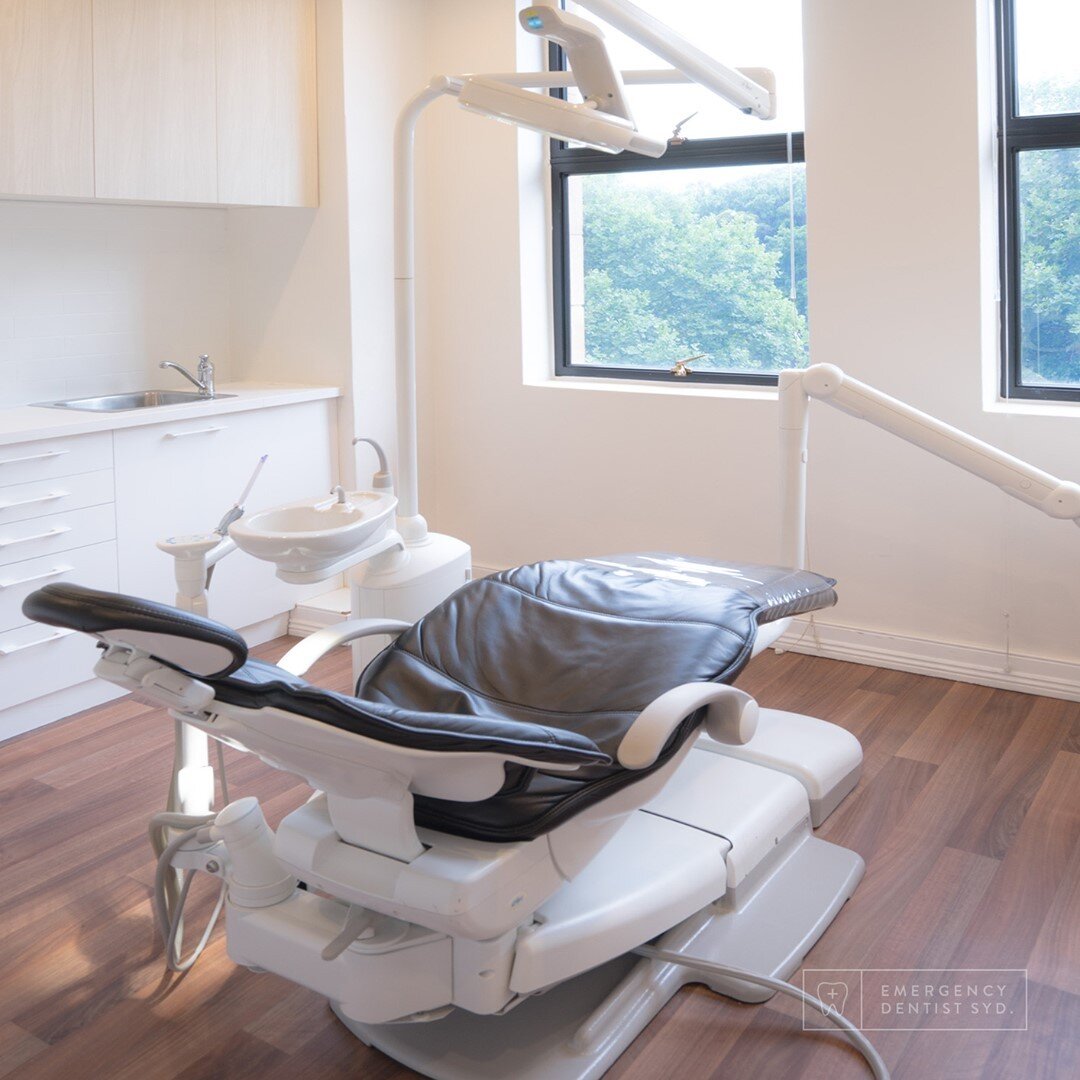
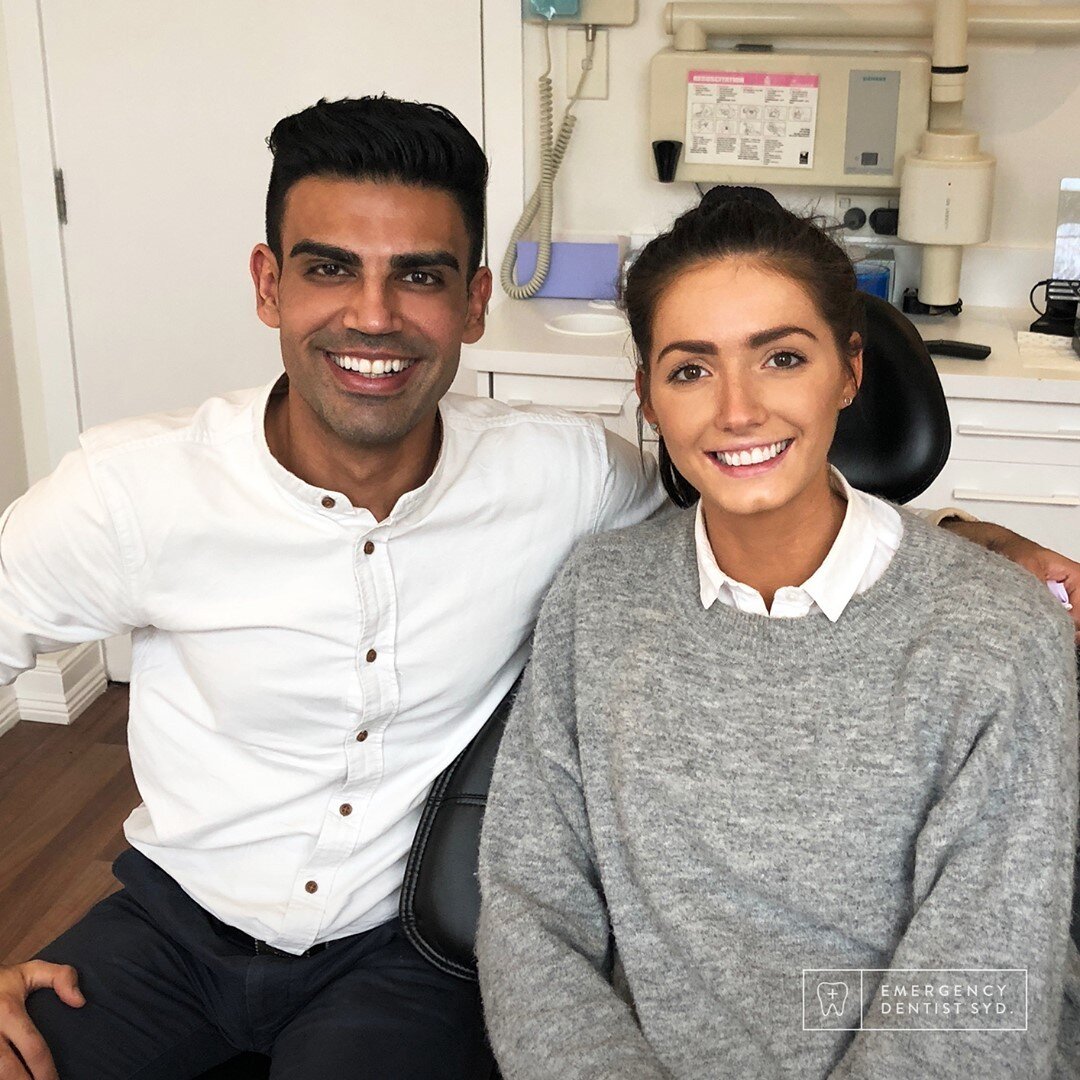
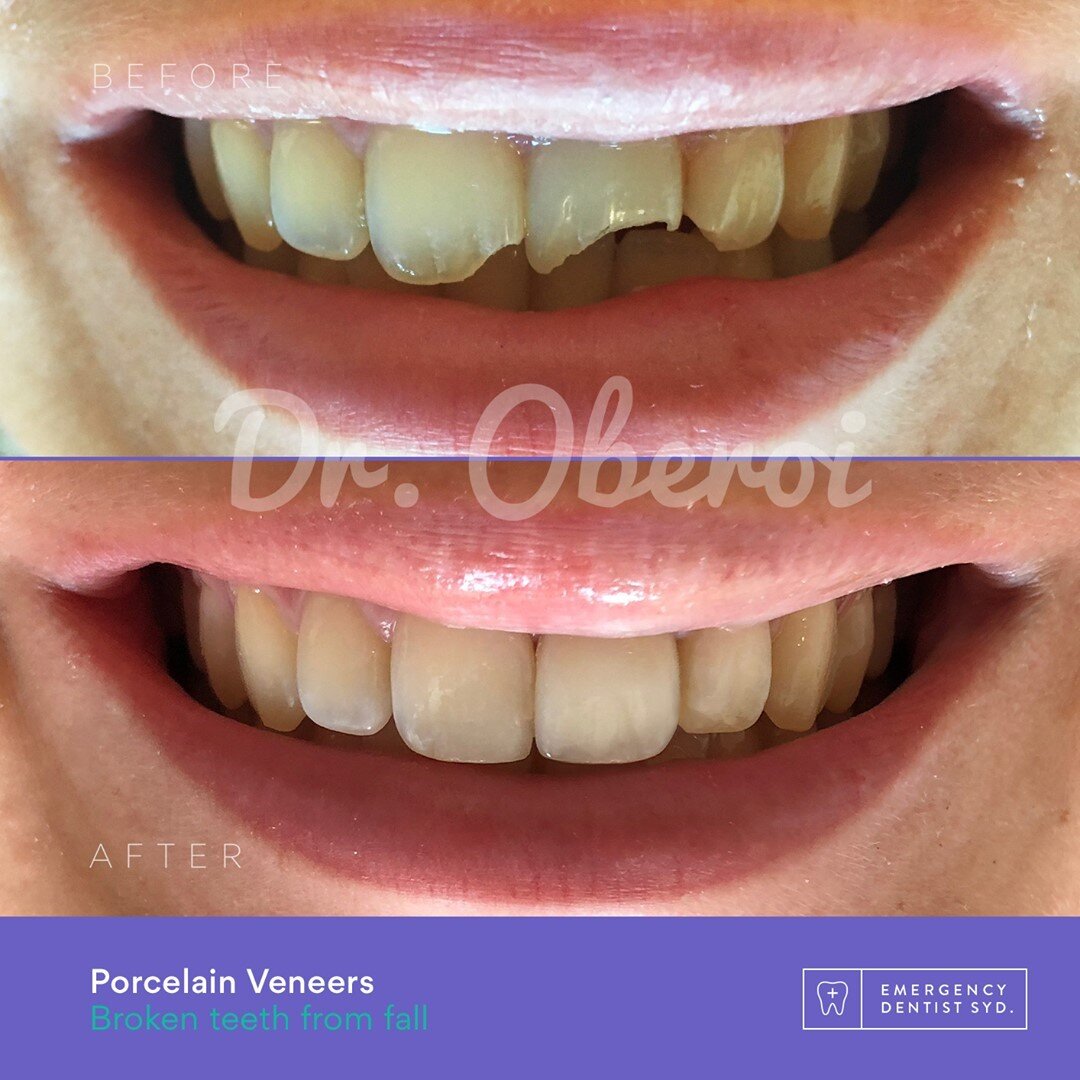




For 15 years, we've had one mission - when Sydney has a dental emergency, Emergency Dentist Sydney is there
We're proud to celebrate 15 years of providing emergency dental services to Sydney CBD and surrounding suburbs.