
What to do with a cracked tooth?
What to do with a cracked tooth?
Learn how to detect, prevent and treat a cracked tooth in this comprehensive guide. Emergency Dentist Sydney is available around the clock to support you.
Learn how to detect, prevent and treat a cracked tooth
A cracked tooth can be both painful and concerning, requiring prompt attention to prevent further complications. It’s also incredibly likely that you will chip a tooth at some stage in your lifetime.
Here's a comprehensive guide on how to manage a cracked tooth.
Recognising a Cracked Tooth
Cracks in teeth can manifest in various forms, each with distinct characteristics:
Craze Lines: Superficial cracks in the enamel that are typically painless and common among adults.
Fractured Cusp: Occurs when a piece of a tooth's chewing surface breaks off, often around a filling. This may not cause significant pain.
Cracked Tooth: A crack extending from the chewing surface toward the root, potentially causing pain when chewing or sensitivity to temperature.
Split Tooth: A crack that has progressed to separate the tooth into distinct segments, often resulting in significant discomfort.
Vertical Root Fracture: Begins below the gum line and extends upward, possibly leading to gum infection and discomfort.
Immediate Steps to Take
If you suspect a cracked tooth, consider the following measures:
Rinse Your Mouth: Gently rinse with warm water to cleanse the area and reduce the risk of infection.
Avoid Chewing on the Affected Side: To prevent exacerbating the crack, refrain from using the damaged tooth for chewing.
Manage Pain: Apply a cold compress to the cheek near the affected area to reduce swelling and numb the pain. Over-the-counter pain relievers, such as ibuprofen, can also provide relief.
Protect the Tooth: If possible, cover the cracked tooth with dental wax or sugarless chewing gum to shield it from further damage.

Seeking Professional Dental Care
It's imperative to consult a dentist promptly. Delaying treatment can lead to complications such as infection or tooth loss. Your dentist will assess the severity of the crack and recommend appropriate treatment, which may include:
Bonding: Applying a tooth-coloured resin to fill the crack.
Crown: Placing a custom-made cap over the tooth to protect and restore its function.
Root Canal Treatment: If the crack has reached the tooth's pulp, a root canal may be necessary to remove damaged tissue and save the tooth.
Extraction: In cases where the tooth cannot be saved, removal may be the only option.
Preventing Cracked Teeth
To minimise the risk of cracking a tooth:
Avoid Hard Foods: Steer clear of biting down on hard substances like ice, unpopped popcorn kernels, or hard lollies.
Wear a Mouthguard: If you engage in contact sports or grind your teeth at night, using a mouthguard can provide essential protection.
Maintain Regular Dental Check-ups: Routine visits to your dentist can help identify potential issues before they become serious.
Understanding the Costs
In Australia, dental treatment costs can vary. Below are some approximate averages:
Dental Bonding: Approximately AUD 150–AUD 500 per tooth.
Crowns: Can range from AUD 1,000 to AUD 2,500 per tooth, depending on the material used.
Root Canal Treatment: Costs may vary between AUD 800 and AUD 2,000, influenced by the tooth's location and the complexity of the procedure.
Extraction: Generally costs between AUD 150 and AUD 300 per tooth.
Get emergency support for your cracked tooth
A cracked tooth requires immediate attention to prevent further damage and alleviate discomfort. By following the steps outlined above and seeking prompt dental care from Emergency Dentist Sydney, you can ensure the best possible outcome for your oral health.
NEED ADVICE OR EMERGENCY DENTAL CARE IN SYDNEY CBD?
Contact our friendly team


Signs of Urgent Dental Issues
Signs of urgent dental issues
Identify 7 signs of urgent dental issues that require professional attention. Find out what they are and don't hesitate if you notice any of these issues.
When to Seek Immediate Dental Attention
Dental health often flies under the radar until a pressing issue arises.
While some discomforts can wait until your next scheduled appointment, others demand immediate attention. Ignoring these signs could lead to complications, long-term damage, or even serious health concerns.
Let’s explore the key indicators that you should never overlook.
1. Severe Toothache
Pain is your body’s alarm system. While mild discomfort might result from something as simple as food stuck between your teeth, severe or persistent toothache can signal:
Tooth decay or infection: Untreated cavities can worsen into abscesses.
Trauma: A cracked or broken tooth may expose nerves, causing sharp pain.
Painkillers may offer temporary relief, but they’re no substitute for professional care. See your dentist immediately to prevent escalation.
2. Bleeding That Won’t Stop
Gums that bleed occasionally during brushing might indicate gingivitis, but profuse or unexplained bleeding can suggest more serious conditions, such as:
Advanced gum disease (periodontitis).
Injury to the soft tissues of the mouth.
Blood clotting disorders.
If bleeding is excessive or doesn’t subside within 15 minutes of applying pressure, contact a dentist or emergency service.
3. Swelling or Abscesses
Facial swelling, especially around the jaw or cheeks, often points to infection. Dental abscesses occur when bacteria invade the tooth’s pulp or gum tissue, leading to pus-filled pockets. Signs include:
Throbbing pain.
Fever.
A foul taste in your mouth.
Left untreated, an abscess can spread infection to other areas, potentially becoming life-threatening. Immediate dental care is crucial.
4. Broken or Knocked-Out Teeth
Accidents can happen, whether it’s a sporting mishap or an unexpected fall. If a tooth is broken or knocked out:
Locate the tooth: Handle it by the crown, not the root.
Rinse gently: Use water to remove dirt but avoid scrubbing.
Store it properly: Place it in milk or saliva to keep it moist.
See a dentist as soon as possible. A knocked-out tooth can often be re-implanted if treated within an hour.

5. Loose or Shifting Teeth
Teeth should not move once they’ve fully developed. If an adult tooth becomes loose, it may indicate:
Advanced gum disease.
Trauma.
Bone loss due to osteoporosis.
Prompt dental intervention is necessary to identify the root cause and preserve your smile.
6. Unexplained Lumps or Growths
Any unusual lump, bump, or lesion in the mouth could warrant investigation. While some may be benign, others could be early signs of oral cancer. Indicators include:
White or red patches on the gums or tongue.
Difficulty swallowing.
Persistent sores that don’t heal.
Early detection is key in successfully treating oral cancer, so don’t delay a professional assessment.
7. Sudden Sensitivity to Hot or Cold
Temporary sensitivity is often manageable with desensitising toothpaste. However, a sudden and sharp pain from hot or cold foods might point to:
A cracked tooth.
Decay reaching the tooth's nerve.
Receding gums exposing the tooth’s root.
Seeking early treatment can prevent further damage and preserve your natural tooth structure.
Final Thoughts: Don’t Wait to Seek Help
Dental emergencies can strike without warning, and delaying care may lead to irreversible consequences. If you experience any of the signs above, don’t hesitate—reach out to Emergency Dentist Sydney immediately. We offer around-the-clock emergency appointments, ensuring you receive the care you need, when you need it.
Prioritising your dental health today can save you from significant discomfort and expense tomorrow.
NEED ADVICE OR EMERGENCY DENTAL CARE IN SYDNEY CBD?
Contact our friendly team


Tips to boost recovery from dental trauma
First Aid Tips for a Knocked-Out Tooth
Maximise & speed up your recovery after dental trauma with these 10 top tips.
Follow these 10 tips to help with dental recovery
Experiencing dental trauma can be daunting.
Whether from a sports accident, a fall, or simply a misstep, the pain, disruption, and unease that come with dental injuries can feel overwhelming. But the good news? There are ways to support your body’s recovery process, soothe discomfort, and get back to smiling with confidence.
Here’s a practical guide to boosting your recovery from dental trauma in a way that’s both effective and compassionate.
1. Seek Immediate Dental Care – Don’t Wait It Out
If you’ve suffered any sort of dental trauma, the first step is seeing a professional. For minor chips or tooth sensitivity, you might be tempted to tough it out. But even small injuries can hide deeper issues like cracks, internal bleeding, or nerve damage.
Seeing a dentist soon after the incident helps identify underlying issues and can prevent future complications. And if it’s a severe injury—say a knocked-out tooth or heavy bleeding—it’s a good idea to head straight to an emergency dental service.
2. Be Kind to Your Teeth and Jaw
Following a dental injury, the affected area is going to need some extra care. Avoid chewing on hard or crunchy foods, as this can further irritate or even worsen the trauma. Opt for soft foods—think yoghurt, smoothies, mashed potatoes, and soups—that won’t strain your jaw or teeth.
In addition, avoid extreme temperatures. Hot or cold foods and drinks can worsen pain and sensitivity, especially if any nerves are exposed. Think lukewarm and gentle!
3. Rest and Reduce Physical Activity
After an injury, it’s tempting to get right back to regular routines. But dental trauma, just like any other physical injury, requires rest for effective healing.
Reducing physical exertion and avoiding activities that might risk another bump or jolt can help avoid unnecessary strain on your jaw and teeth. A weekend break or a few days off from intense exercise can be a small price to pay for better long-term recovery.
4. Use Cold Compresses to Reduce Swelling
Swelling is common after a dental injury, and it can be painful. A cold compress applied to the outside of your cheek for 10-15 minutes at a time can help numb pain and reduce inflammation.
Repeat every few hours for the first 24-48 hours after your injury. Just remember to wrap any ice packs in a cloth to prevent direct contact with your skin.
5. Take Pain Relief (but Only as Directed)
For many, dental trauma leads to persistent throbbing pain. Over-the-counter pain relievers, like ibuprofen or paracetamol, can provide effective relief. Not only do they help manage pain, but they also reduce inflammation, supporting the healing process.
Always stick to the dosage instructions and avoid taking more than recommended. If the pain worsens or isn’t relieved with painkillers, this could be a sign that something more complex is going on, so reach out to your dentist.
6. Rinse with Saltwater to Keep the Area Clean
Saltwater is a powerful natural disinfectant and can help keep the injured area clean while reducing the risk of infection. Mix a teaspoon of salt into a glass of warm water and gently rinse your mouth, especially after eating.
This process helps remove food particles and bacteria from around the injury site. Avoid any mouthwashes with alcohol, which can irritate the soft tissues and cause a burning sensation.
7. Maintain Oral Hygiene (with a Gentle Touch)
While you’ll want to keep your teeth clean, be mindful around the affected area. Use a soft-bristled toothbrush and avoid aggressive brushing, as this can disrupt any healing tissue.
If flossing hurts, focus on other areas for a few days but don’t skip the routine entirely. Good oral hygiene is vital to prevent infection and support recovery.
8. Keep Stress in Check
The discomfort and inconvenience of dental trauma can be stressful, especially if it affects your smile or speech. But stress can slow down the body’s natural healing processes.
Make time for activities that help you relax, whether it’s reading, meditating, or spending time with loved ones. And remember that feeling frustrated or worried is entirely normal; you’re not alone in this experience.
9. Eat Nutrient-Dense Foods
Your body needs good nutrition to support healing. Focus on nutrient-dense foods rich in vitamins and minerals, like leafy greens, berries, nuts, and seeds.
Vitamin C, found in citrus fruits, and calcium-rich foods, like dairy products or fortified plant milk, are particularly beneficial for recovery. The healing process takes energy, so ensure you’re fuelling yourself with balanced meals.
10. Trust the Healing Process
While it’s tempting to constantly check on your progress, recovery takes time. Teeth, gums, and jaw tissues are resilient, but they also need patience and care to heal fully.
Regular check-ins with your dentist will help track progress and catch any issues, so you don’t have to worry about doing it all yourself.
A Word of Encouragement
Dental trauma can feel overwhelming, but remember that you’re capable of handling it. With professional guidance, supportive habits, and a bit of patience, you’ll be back to your routine—and your smile—soon enough.
Be kind to yourself, embrace the healing journey, and know that each day, you’re taking a step closer to full recovery. And, if you need support, don’t hesitate to lean on friends, family, or professionals who can guide you along the way.
In the end, dental trauma is just another life bump in the road. But with the right care and a positive outlook, you’ll get through it and come out stronger, both in spirit and smile.
NEED ADVICE OR EMERGENCY DENTAL CARE IN SYDNEY CBD?
Contact our friendly team




First Aid Tips for a Knocked-Out Tooth
First Aid Tips for a Knocked-Out Tooth
Read these 5 tips to have the best chance of saving a tooth after having it knocked out. Reacting fast & effectively can save your tooth & money!
Learn the 5 steps to take after suffering from a knocked-out tooth
A knocked-out tooth can be a traumatic experience, but it’s important to act quickly and calmly to increase the chances of saving the tooth. Teeth can be reimplanted, but timing is critical — ideally, a dentist should reinsert the tooth within 30 minutes to an hour after the incident, but if it’s longer then there’s still a chance of success.
In this blog post, we’ll walk you through essential first-aid tips to handle this dental emergency effectively.
1. Take a Deep Breath and Stay Calm
Yes, seeing a tooth on the ground is freaky. But the most important thing you can do right away is stay calm. Panicking won’t help anyone, and you'll need to focus to handle the situation effectively.
Start by making sure there aren’t any other injuries. If someone hits their head or is bleeding heavily, you might need to call 000 or head to the ER first. But if the knocked-out tooth is the main issue, let’s deal with that.
If there’s bleeding from the mouth, grab a clean cloth or some gauze and press it gently over the area to stop the bleeding.
Quick Tip:
If a child has knocked out a baby tooth, don’t try to reinsert it. Take them to the dentist, but let the tooth go — it’s better for the permanent tooth underneath.
2. Find the Tooth and Handle It Carefully
Now, find the tooth. And when you do, handle it with care! This is important: don’t touch the root (the part that was inside the gum). Instead, hold the tooth by the crown, which is the part that sticks out in the mouth.
What to Do:
Rinse the tooth: If it’s dirty, gently rinse it with milk or a saline solution. If you don’t have either, you can use water but do not scrub the tooth or use soap. You want to protect those cells on the root.
Reinsert it if you can: If you're feeling brave, try to put the tooth back into the socket. Make sure the tooth faces the right way (check the other teeth for reference), and gently push it in. Once it’s in, bite down softly on a piece of gauze or cloth to keep it in place. Even if it feels loose, it’s better than leaving the tooth out.
Quick Tip:
Don’t force the tooth back in. If it doesn’t go in easily, that’s okay. We’ll figure out another way to save it.
3. Keep the Tooth Moist
If you can’t put the tooth back in the socket, the next best thing you can do is keep it moist. Drying out is bad news for the tooth — it needs to stay hydrated to have any chance of being reattached.
How to Keep It Moist:
Put it in milk: This is probably your best bet if you can’t reinsert it. Milk helps keep the tooth’s root cells alive.
Use a tooth preservation kit: If you’ve got one of these handy, use it! These kits are specifically designed to preserve knocked-out teeth.
Hold it in your mouth: If no other options are available, place the tooth between your cheek and gums. It’s not the best solution, but saliva can help keep it moist.
Saline solution: If you’ve got access to saline (from a first aid kit or even by mixing a little salt with water), use that to store the tooth.
Quick Tip:
Avoid putting the tooth in regular water for too long. Water can actually harm the root cells, making it harder to reattach.

4. Get to the Dentist — Fast!
Time is everything when it comes to saving a knocked-out tooth. You’ve got about 30 minutes to an hour to get it back in place, so call your dentist right away and let them know you’re coming. If your dentist’s office is closed, check if they have an emergency line, or find an urgent dental care clinic nearby.
If there are any other serious injuries, you may need to head to the hospital first but still try to get the tooth to a dentist as quickly as possible.
Quick Tip:
It’s always a good idea to have your dentist’s emergency contact information saved in your phone, just in case something like this happens.
5. Manage the Pain and Swelling
While you’re on your way to the dentist, the person who lost the tooth might be in some pain. Here’s what you can do to help with that:
Cold compress: Hold a cold compress or an ice pack (wrapped in a cloth) to the outside of the cheek to reduce swelling and numb the area a little.
Pain relievers: You can take over-the-counter pain relievers like ibuprofen or acetaminophen, but avoid putting any pain-relief gels directly on the gums or tooth area.
Prevention is Always Better
While knowing what to do in an emergency is super helpful, it’s even better if you can prevent these situations in the first place. If you or your kids play sports, wearing a mouthguard can protect your teeth from these kinds of accidents. And regular dentist visits will help keep your teeth strong and healthy, reducing the risk of them being knocked out in the first place.
Ultimately, dealing with a knocked-out tooth doesn’t have to be a nightmare. If you stay calm, act fast, and follow these steps, you’ve got a good chance of saving the tooth. Just remember: every minute counts!
Emergency Dentist Sydney is available around the clock to provide fast, effective support. Book in or call us today!
NEED ADVICE OR EMERGENCY DENTAL CARE IN SYDNEY CBD?
Contact our friendly team

What is Dental Pain and How to Fix It
What is Dental Pain and How to Fix It
While most of the time being silent and invisible, tooth pain can cause severe distress. Learn the causes of tooth pain and how to fix and prevent it here.
Unravelling the mystery of dental pain
At Emergency Dentist Sydney, we know dental pain can be one of the most discomforting experiences, disrupting our daily routines and causing considerable distress.
Understanding the root causes of dental pain is crucial for maintaining oral health and seeking timely treatment. In this comprehensive guide, we delve into the various factors that contribute to dental pain, shedding light on common culprits and offering insights into effective management strategies.
Types of Dental Pain
Dental pain can manifest in various forms, ranging from mild sensitivity to excruciating throbbing sensations. Identifying the type of dental pain can provide valuable clues about its underlying causes.
For instance, sharp, intermittent pain may indicate issues like dental decay or a cracked tooth, while persistent, dull pain could signify gum disease or infection.
Common Causes of Dental Pain
Dental Decay:
Among the primary causes of dental pain is dental decay, commonly known as cavities. When plaque—a sticky film of bacteria—accumulates on the teeth, it produces acids that erode the tooth enamel, leading to cavities. As decay progresses, it can expose the sensitive inner layers of the tooth, triggering pain and discomfort.
Gum Disease:
Gum disease, or periodontal disease, is another prevalent cause of dental pain. It occurs when bacteria infect the gums, causing inflammation and weakening the tissues supporting the teeth. In advanced stages, gum disease can lead to gum recession, tooth mobility, and persistent pain.
Dental Infections:
Untreated dental decay or trauma can pave the way for bacterial infections within the tooth pulp or surrounding tissues. Abscesses, or pus-filled sacs, may form as a result, causing intense pain, swelling, and even systemic complications if left untreated.
Tooth Trauma:
Accidental trauma, such as a fall or sports injury, can inflict damage to the teeth, gums, or jawbone, resulting in acute dental pain. Fractured teeth, dislodged restorations, or soft tissue injuries can all contribute to discomfort and require prompt intervention by an emergency dentist.
Tooth Sensitivity:
Tooth sensitivity, characterised by brief, sharp pain in response to stimuli like hot, cold, sweet, or acidic foods, can stem from various factors, including enamel erosion, gum recession, or exposed tooth roots.
While often manageable with desensitising toothpaste or dental treatments, persistent sensitivity may signal underlying issues requiring professional evaluation.

Management and Prevention:
Effective management of dental pain involves a multifaceted approach tailored to the underlying cause. In many cases, early intervention can prevent minor issues from escalating into severe dental emergencies. Here are some strategies for managing and preventing dental pain:
Maintain Oral Hygiene:
Regular brushing, flossing, and routine dental check-ups are fundamental for preventing dental decay, gum disease, and other oral health problems. Proper oral hygiene practices can help remove plaque and bacteria, minimising the risk of painful dental conditions.
Watch Your Diet:
Limiting sugary snacks and acidic beverages can help safeguard against dental decay and erosion. Opt for a balanced diet rich in calcium, vitamins, and minerals to promote strong teeth and gums.
Address Dental Issues Promptly:
Don't ignore dental pain or discomfort, as it may indicate underlying problems requiring professional attention. Schedule regular dental exams and address any concerns or symptoms promptly to prevent complications and alleviate pain.
Use Protective Gear:
Wearing mouthguards during sports activities or activities that pose a risk of dental injury can help prevent trauma and reduce the likelihood of dental emergencies.

Manage dental pain with the help of a professional
Understanding the causes of dental pain empowers individuals to take proactive steps toward maintaining optimal oral health and seeking timely treatment when needed.
By adopting good oral hygiene habits, addressing dental issues promptly, and prioritising preventive care, we can minimise the risk of dental pain and enjoy a lifetime of healthy smiles.
Remember, your emergency dentist in Sydney is here to provide compassionate care and alleviate your dental discomfort, ensuring your oral well-being remains a top priority.
NEED ADVICE OR EMERGENCY DENTAL CARE IN SYDNEY CBD?
Contact our friendly team

The Importance of quick action in dental emergencies
The Importance of quick action in dental emergencies
Leaving a dental issue untreated can be incredibly costly, whether through fear, money, or laziness. Learn the importance of quick action in dental emergencies.
React Fast when it comes to a dental emergency
When it comes to dental health, most people think of routine check-ups, cleanings, and the occasional cavity filling. However, dental emergencies are an often overlooked aspect of oral care.
These situations demand immediate attention to prevent severe pain, permanent damage, or even life-threatening complications. This blog will delve into the importance of quick action in dental emergencies, the types of emergencies, the steps to take, and how to prevent them.
Understanding Dental Emergencies
Dental emergencies encompass a range of urgent issues that affect the teeth, gums, and surrounding tissues. These can include severe toothaches, broken or knocked-out teeth, lost fillings, abscesses, and injuries to the mouth.
Recognising the signs of a dental emergency and knowing how to respond promptly can significantly affect the outcome.
Types of Dental Emergencies
Severe Toothache: Persistent, intense tooth pain can indicate an infection or abscess that needs immediate treatment.
Broken or Chipped Tooth: Accidents or biting on something hard can cause teeth to break or chip, which may expose nerves and lead to pain or infection.
Knocked-Out Tooth: A knocked-out tooth due to trauma requires swift action to potentially save the tooth.
Lost Filling or Crown: When a filling or crown falls out, the tooth is vulnerable to damage and infection.
Abscess: A painful, swollen area in the gums or around a tooth can signal an abscess, a serious infection that needs prompt attention.
Soft Tissue Injuries: Cuts or injuries to the lips, cheeks, or tongue can lead to significant bleeding and require immediate care.
The Importance of Quick Action
Quick action in dental emergencies is crucial for several reasons. First, it can alleviate severe pain, which is often the patient's most immediate concern. Pain can be debilitating, and addressing it swiftly improves the patient's comfort and quality of life.
Secondly, timely intervention can prevent further damage to the teeth and gums. For example, a broken tooth left untreated can become infected or decay further, complicating treatment and increasing costs. In the case of a knocked-out tooth, the chances of successfully re-implanting it decrease significantly if not treated within the first hour.
Lastly, some dental emergencies, such as abscesses, can lead to more severe health issues if not addressed promptly. Infections in the mouth can spread to other parts of the body, leading to serious conditions like sepsis, which can be life-threatening.
Immediate Steps to Take
Knowing what to do in a dental emergency can make all the difference. Here are some immediate steps to take for common dental emergencies:
For Severe Toothaches
Rinse your mouth with warm water to clean it.
Floss gently to remove any trapped food or debris.
Apply a cold compress to the outside of the cheek to reduce swelling.
Avoid aspirin or other painkillers directly on the gums, as they can burn the tissue.
Contact your dentist immediately.
For a Broken or Chipped Tooth
Save any pieces of the tooth.
Rinse your mouth and any broken pieces with warm water.
Apply gauze to the area if there's bleeding.
Use a cold compress to reduce swelling.
Seek dental care as soon as possible.
For a Knocked-Out Tooth
Handle the tooth by the crown, not the root.
Rinse the tooth gently without scrubbing.
Try to place the tooth back in its socket if possible.
If not, keep the tooth moist by placing it in milk or a tooth-preservation solution.
Get to the dentist within an hour for the best chance of saving the tooth.

For Lost Fillings or Crowns
Place a piece of sugarless gum into the cavity or use over-the-counter dental cement.
Avoid using the affected tooth for chewing.
Schedule an appointment with your dentist promptly.
For Abscesses
Rinse your mouth with a mild saltwater solution several times a day.
Avoid pressing on the abscess.
Seek immediate dental care, as abscesses require professional treatment.
For Soft Tissue Injuries
Clean the area with warm water.
Apply pressure to stop bleeding.
Use a cold compress to minimise swelling.
Visit the emergency room if bleeding doesn't stop after a few minutes.
Prevention Tips
While not all dental emergencies can be prevented, protecting your oral health can reduce the risk. Here are some tips:
Maintain regular dental check-ups and cleanings.
Wear a mouthguard during sports or physical activities.
Avoid chewing on hard foods like ice or popcorn kernels.
Practice good oral hygiene, including brushing and flossing daily.
Address any dental issues promptly to prevent them from escalating.
View our complete list of tips here.
Get Emergency Dental Help
Dental emergencies are unpredictable and can be incredibly distressing. However, understanding the importance of quick action, knowing how to respond, and taking preventive measures can significantly impact the outcome.
Book in with Emergency Dentist Sydney swiftly to alleviate pain, prevent further damage, and protect your overall health. Remember, time is of the essence when it comes to dental emergencies.
NEED ADVICE OR EMERGENCY DENTAL CARE IN SYDNEY CBD?
Contact our friendly team

What to do with a lost filling or crown
What to do with a lost filling or crown
If you have a lost filling or crown, then before panicking, follow these 6 simple steps. Prevent further damage and discomfort with this helpful blog.
Lost Filling or Crown: Steps to take until you can see an emergency dentist
Losing a filling or crown can be a distressing experience, but knowing how to manage the situation until you can see an emergency dentist can help prevent further damage and alleviate discomfort. Here are the steps you should take:
1. Assess the Situation
Identify the Problem: Determine if you have lost a filling or a crown.
Check for Pain: Assess whether you are experiencing pain, sensitivity to hot or cold, or discomfort when chewing.
2. Clean the Area
Rinse Your Mouth: Use warm water to rinse your mouth thoroughly. This helps to remove any debris that might be around the affected area.
Brush Gently: If the area has no sharp edges, gently brush it with a soft-bristled toothbrush to keep it clean.
3. Protect the Tooth
Temporary Filling Material: If you have dental cement or a temporary filling material from the pharmacy, you can use it to cover the exposed area. Follow the instructions on the package.
Sugar-Free Gum: Without dental cement, you can use sugar-free gum to cover the cavity temporarily.
4. Manage Discomfort
Over-the-counter Pain Relief: Take over-the-counter pain relievers like ibuprofen or acetaminophen if you are experiencing pain.
Avoid Certain Foods: Avoid very hot, cold, or sugary foods and beverages that might aggravate the sensitivity.
Chew on the Other Side: To prevent further damage, try to chew on the opposite side of your mouth.

5. Retain the Crown
Save the Crown: If your crown has fallen out, clean it and keep it in a safe place. Your dentist may be able to reattach it.
Temporary Reattachment: If you have dental adhesive, you can try to temporarily reattach the crown. Make sure to follow the instructions carefully.
6. Schedule an Emergency Dental Appointment
Contact Your Dentist: Call your dentist as soon as possible to explain the situation and schedule an emergency appointment.
Provide Details: Give your dentist details about how the filling or crown was lost and any symptoms you are experiencing.
Get Emergency Dental Help
While losing a filling or crown can be concerning, these steps can help manage the situation until you can see an emergency dentist.
Maintaining oral hygiene, protecting the affected area, and managing pain are vital in preventing further complications. Always seek professional dental care as soon as possible to address the issue properly.
Emergency Dentist Sydney provides effective and affordable support around the clock. Contact us today if you’ve lost a filling or crown.
NEED ADVICE OR EMERGENCY DENTAL CARE IN SYDNEY CBD?
Contact our friendly team
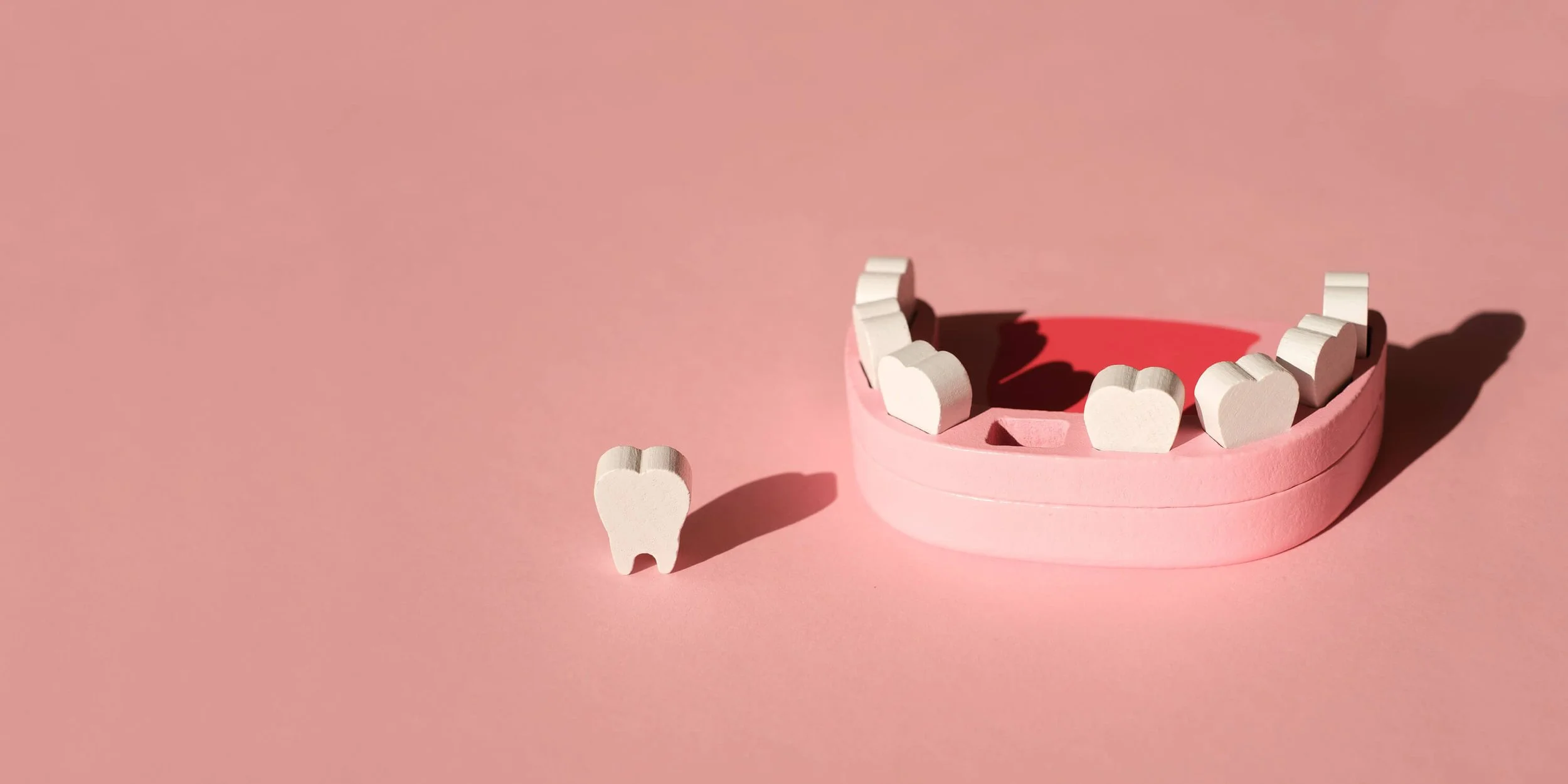
What to do if your tooth falls out
What to do if your tooth falls out
Follow these key steps to know what to do if your tooth falls out. Emergency Dentist Sydney work around the clock so help is always at hand.
Take the right steps if your tooth falls out
Losing a tooth can be a distressing experience, but knowing how to react promptly and effectively can significantly impact the outcome. Whether it's due to an accident, decay, or other factors, understanding the causes of teeth falling out, maintaining good oral health, and knowing the essential steps to follow in case of a dental emergency can make a significant difference.
Causes of teeth falling out
There are several common causes that can lead to the loss of a tooth. These can include poor oral hygiene, which can result in gum disease and tooth decay. Additionally, traumatic accidents, such as falls, sports injuries, or vehicle accidents, can also result in the loss of a tooth.
Certain medical conditions like osteoporosis or periodontal disease can also contribute to tooth loss. Understanding these causes is crucial for taking preventive measures to protect your dental health.
How to maintain good oral health
Maintaining good oral hygiene is key to preventing tooth loss and promoting overall oral health. Regular brushing and flossing, along with routine visits to the dentist, are essential practices that can help prevent tooth decay and gum disease.
Additionally, adopting a healthy diet low in sugary foods and acidic beverages can significantly contribute to the well-being of your teeth and gums. Moreover, avoiding harmful habits like smoking and excessive consumption of alcohol can play a crucial role in maintaining strong and healthy teeth.
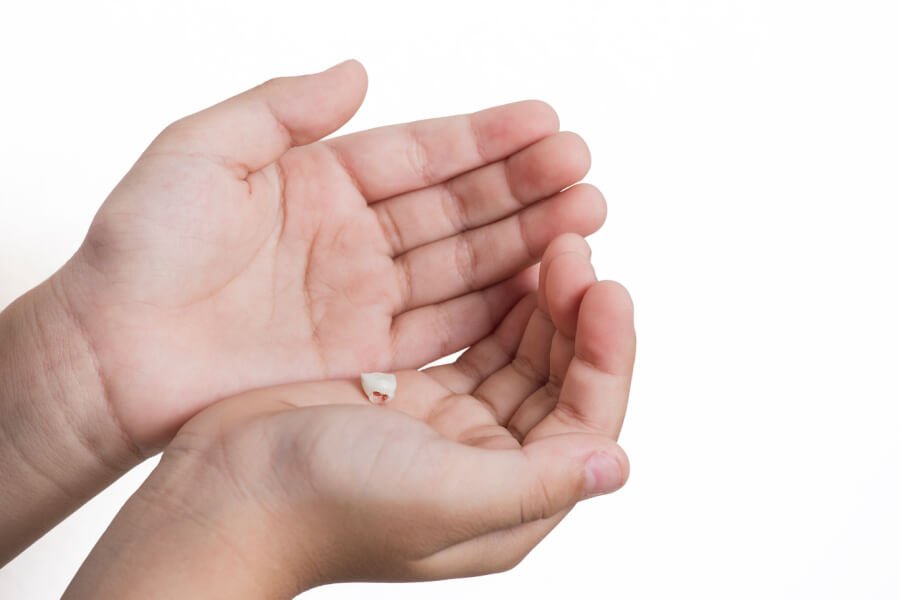
5 key steps to follow if your tooth falls out
Stay Calm: It's crucial to remain composed to assess the situation accurately.
Handle the tooth with care: If the tooth is salvageable, avoid touching the root and handle it by the crown.
Rinse the tooth: Use water to clean the tooth without scrubbing or removing any attached tissues.
Reposition the tooth if possible: Try to reinsert the tooth into the socket gently if it's feasible. Alternatively, place it between the cheek and teeth, away from the affected area, to keep it warm and moist. You can also place it in a container of milk until you receive dental help.
Seek immediate dental care: Regardless of the success of reinsertion, it's essential to seek professional dental assistance as soon as possible to increase the chances of saving the tooth.
By following these steps, you can improve the likelihood of saving your tooth and preventing further complications that may arise from tooth loss. Learn more about emergency dental care tips here too.
Get emergency help if your tooth falls out
Taking proactive measures to understand the causes of teeth falling out, practising good oral hygiene, and knowing the essential steps to take in case of a dental emergency can help safeguard your dental health and ensure a prompt and effective response in times of distress.
Remember, prompt action and regular dental care are crucial elements in maintaining a healthy and radiant smile.
NEED ADVICE OR EMERGENCY DENTAL CARE IN SYDNEY CBD?
Contact our friendly team

6 ways to deal with a dental emergency
Be ready if a dental emergency calls
Suffering from sudden tooth discomfort? Stop and learn the following 6 ways to deal with a dental emergency before you do anything.
Be ready if a dental Emergency Calls
We've all been there – that unexpected, heart-pounding moment when a dental emergency strikes out of nowhere. Whether it's a sudden toothache, a chipped tooth while messing about or something else, it's essential to know how to handle the situation with a cool head.
In this blog, we'll explore six effective ways to deal with a dental emergency. So, buckle up and let's dive right into these tooth-saving tips!
1. Swift Action is Key:
When it comes to dental emergencies, time is of the essence. The moment you feel that twinge of pain or notice something's not quite right with your teeth, take immediate action. Contact your dentist or an emergency dental clinic as soon as possible. Remember, the sooner you address the issue, the better your chances of minimising pain and preventing further damage. The good news is that Emergency Dentist Sydney operates after hours around the clock so help is at hand whatever the time.
If money is a hurdle standing in your way of getting oral care when you need it, then our range of Payment Plans could help.
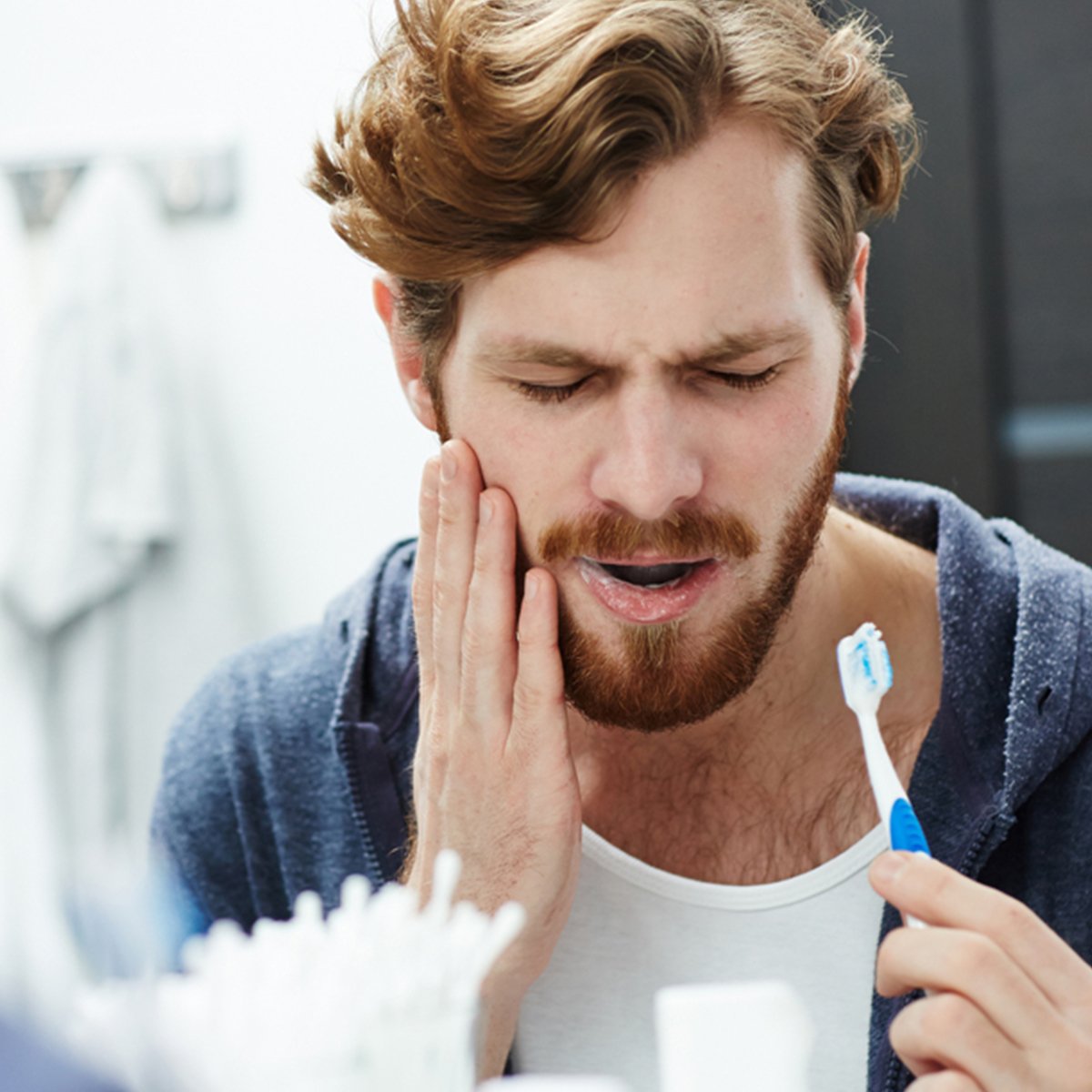
2. Keep Calm and Rinse:
Dental emergencies can be nerve-wracking. But remember, maintaining your cool is half the battle won. If you've knocked out a tooth, gently rinse it with water without scrubbing or using soap. If possible, try to place the tooth back in its socket, ensuring not to swallow it. If that's not feasible, keep the tooth in a glass of milk until you can reach a dental professional. Keeping the tooth's root moist is crucial for potential re-implantation. You can find more information on this, amongst other issues here.
3. Temporary Relief with Cold Compresses:
A throbbing toothache can quickly turn your day sour. To ease the pain temporarily, apply a cold compress to the affected area. This can help reduce inflammation and numb the pain to some extent. However, remember that this is a temporary measure, and seeking professional help is essential to address the underlying issue causing the discomfort.
4. Don't Underestimate Over-the-Counter Pain Relievers:
While it's crucial to get professional help for any dental emergency, over-the-counter pain relievers like ibuprofen can provide temporary pain relief until you can see a dentist.

5. Dental Emergency Kit:
If you’ve noticed discomfort or unstable teeth then creating a dental emergency kit is a proactive move. Keeping essentials like a handkerchief, a small container with a lid, and a form of pain relief on you between the time of noticing discomfort and visiting the dentist is a good idea.
6. Prevention is Better Than Cure:
While it might not be an immediate solution during a dental emergency, practising good oral hygiene can significantly reduce the chances of experiencing one. Brush your teeth twice daily, floss regularly, and don't skip those routine dental check-ups. Preventive care can often nip dental problems in the bud, saving you from the intensity of a full-blown emergency.
Facing a dental emergency
Dental emergencies might catch us off guard, but armed with these six strategies, you'll be far better equipped. Your smile is your best accessory, and with these six ways to deal with a dental emergency, you'll keep it shining brightly even in the face of the unexpected.
If you need emergency dental care then contact us here, and if you’d like to learn more about emergency dental care then you can find out more here.
NEED ADVICE OR EMERGENCY DENTAL CARE IN SYDNEY CBD?
Contact our friendly team

How important is flossing your teeth
A floss a day keeps the dentist away
Flossing is something that is overlooked by many, but so important to your oral health. Learn how important flossing is and why you should floss here.
A floss a day keeps the dentist away
Be honest, do you floss your teeth? Given the fact that you’re reading this very article, it’s likely that the answer is either “No” or “Erm, sometimes…” Well, today we’re going to explore the often-overlooked but crucial aspect of oral hygiene: flossing!
Many of us diligently brush our teeth twice a day, but flossing tends to be the forgotten step in our oral care routine. In this friendly and informative blog, we'll delve into the significance of flossing, its benefits, and why it's a vital practice for maintaining a healthy smile.
The Basics of Flossing
Flossing is the act of using a thin, flexible piece of string called dental floss to clean between your teeth and along the gumline. This process helps to remove food particles, plaque, and bacteria that your toothbrush might miss.
Dental floss can be made of nylon or Teflon and comes in various types, such as waxed or unwaxed, flavoured or unflavored, in different thicknesses, and even in pressurised water form (we’ll get to this later) to cater to individual preferences.

The Importance of Flossing
Imagine your teeth as a set of interconnected pearls on a necklace. While brushing effectively cleans the outer surfaces and chewing surfaces of your teeth, it cannot reach the tight spaces between each pearl. These interdental spaces are where flossing plays a crucial role.
If you neglect to floss, plaque can accumulate, harden into tartar, and lead to various dental issues, including:
Cavities: Plaque and food particles trapped between teeth can create cavities, which can be painful and require costly dental procedures to fix.
Gum Disease: When plaque is left to thrive, it irritates and inflames the gums, leading to gingivitis. Untreated gingivitis can progress to periodontitis, a more severe form of gum disease that can cause tooth loss.
Bad Breath: The presence of food debris and bacteria can result in persistent bad breath, also known as halitosis.
Discolouration: Stains from food, drinks, and tobacco can easily become trapped between teeth and contribute to unsightly discolouration.
The Right Way to Floss
Traditional string floss may be tricky to grasp the hang of at first, but with a little practice, it becomes an easy and effective habit. However, if you are struggling then “floss picks” might be a better option for you because they have a little handle to make things easier, and even further, water flossers are becoming incredibly popular.
Here's a step-by-step guide to proper flossing (if you’re using floss picks or a water flosser then you can skip step 1):
1. Start with Enough Floss: Cut about 18 inches of floss and wind the ends around your middle fingers, leaving a couple of inches of floss to work with.
2. Slide Between Teeth: Gently slide the floss between your teeth using a sawing motion. Avoid snapping or forcing the floss, as this may damage your gums.
3. Form a "C" Shape: Curve the floss into a "C" shape around each tooth and carefully glide it under the gumline. Be gentle to prevent injuring the sensitive gum tissue.
4. Use a Clean Section: As you move from one tooth to the next, use a clean section of floss. Reusing the same segment can redistribute bacteria.
5. Be Thorough Yet Gentle: Make sure to floss both sides of each tooth and along the gumline, but do so with a light touch to protect your gums.
Flossing Tips for Success
To make flossing an integral part of your oral care routine, consider these helpful tips:
1. Floss Once a Day: Aim to floss at least once a day, preferably before bedtime, to remove accumulated debris and plaque from the day's meals.
2. Choose the Right Floss: Experiment with different types of floss until you find one that suits your teeth and gums. Whether you prefer waxed, unwaxed, flavoured, unflavored or water floss, the right choice is one that encourages you to floss regularly.
3. Flossing Tools: If traditional flossing is challenging for you, consider using floss picks, dental sticks, water flossers or interdental brushes to clean between your teeth effectively.
4. Make it a Family Affair: Encourage your family members, including children, to floss regularly. Lead by example, and make flossing a fun and interactive activity for everyone.

A floss a day keeps the dentist away
As much as we love to fix our patients' dental problems, we also love to prevent them from becoming a problem in the first place.
Aside from brushing and regulating your sugar intake, flossing is another key thing that can help you prevent future dental issues; saving you time, money and TEETH!
A lot of people overlook flossing, but it is such an important component of oral hygiene. By taking a few minutes each day to floss, you can enhance your smile's appearance and safeguard your teeth and gums for years to come.
If you feel as though your teeth are due a professional clean or if you’d like some advice or assistance then book in with us today and we’ll be happy to help.
NEED ADVICE OR EMERGENCY DENTAL CARE IN SYDNEY CBD?
Contact our friendly team

The science behind a perfect smile
Unveiling the secrets to a winning grin
For 99% of us, a perfect smile doesn't come without hard work. Learn the secrets and the science behind a perfect smile here.
Unveiling the 5 Secrets to a Winning Grin
Have you ever wondered why a smile has such a captivating effect on people? A perfect smile has the power to light up a room and create a lasting impression. But what lies beneath that gleaming grin?
Today, we're diving into the science behind a perfect smile, unravelling the secrets that make it so enchanting. From dental aesthetics to the psychology behind it, get ready to uncover the magic that lies within your pearly whites.
The Anatomy of a Beautiful Smile:
The journey to a perfect smile begins with understanding the elements that contribute to its aesthetics. Our teeth, gums, and lips each play a crucial role in crafting that stunning smile.
The alignment, colour, shape, and overall health of your teeth are essential factors that determine its appeal. Dentists work tirelessly to ensure these components harmonise to create a mesmerising smile.
If your teeth are crooked then an orthodontist could help to straighten them through the use of braces or Invisalign. Alternatively, veneers may be a viable solution to completely reshape your smile. If you have discoloured teeth then teeth whitening can be very effective. If you have a gummy smile, you could take advantage of gum reshaping and if your lips are unappealing then lip enhancement could be your answer.
The Art of Cosmetic Dentistry:
When nature falls short, modern dentistry can step in to enhance our smiles. Cosmetic dentistry encompasses various procedures aimed at improving the appearance of teeth and gums.
As listed above, teeth whitening, veneers and orthodontic treatments are just a few examples of the cosmetic tools dentists can use to sculpt the perfect smile. By addressing imperfections, cosmetic dentistry can work wonders in transforming an ordinary smile into a dazzling one.
The Psychological Impact:
Beyond the physical attributes, there's a psychological aspect to a perfect smile that makes it truly irresistible. Numerous studies have shown that smiling has a profound effect on our well-being and how others perceive us.
A genuine smile signals happiness, confidence, and approachability. It creates an instant connection, boosting interpersonal relationships and opening doors to new opportunities. So, a perfect smile isn't just about aesthetics; it's also about harnessing the power of positivity and self-assurance.
The Science of Smiling:
Did you know that there is a science behind smiling? When we smile, our brain releases endorphins, neurotransmitters that elevate our mood and reduce stress. Smiling not only affects our emotional well-being but also benefits our physical health.
Smiling can boost our immune system, decrease blood pressure, and even improve pain tolerance. So, the science behind a perfect smile goes far beyond appearance alone; it directly impacts our overall health and happiness.
Maintaining a Perfect Smile:
Achieving a perfect smile is one thing, but maintaining it is equally important. Good oral hygiene practices such as regular brushing, flossing, and dental check-ups are crucial in preserving the health and beauty of your smile.
It's also important to watch our diet, limiting foods and beverages that can stain or damage our teeth. Remember, prevention is the key to keeping that radiant smile intact.
Perfect Your Own Smile
A perfect smile is not just a happy accident; it's a combination of art, science, and personal well-being. Understanding the anatomy of a beautiful smile, embracing the art of cosmetic dentistry, and recognising the psychological and physiological benefits of smiling all contribute to creating that winning grin.
So, whether you were born with a Hollywood smile or considering enhancing yours through dental procedures, remember that a perfect smile is more than just a physical attribute. It's a reflection of your confidence, joy, and overall health.
If you need urgent care, then the team at Emergency Dentist Sydney are versatile in fixing dental issues, offering a range of services. Get in touch with us now if you need to perfect your smile fast.
NEED ADVICE OR EMERGENCY DENTAL CARE IN SYDNEY CBD?
Contact our friendly team

Is Dental Insurance Worth It?
Learn how to look after your teeth and your wallet
Wondering is dental insurance worth it? This blog has you covered. Learn the benefits, drawbacks, costs & more associated with dental insurance.
Learn how to look after your teeth and your wallet
Dental insurance is a type of insurance that helps cover the cost of dental care.
It can be purchased as a standalone policy or as part of a larger health insurance plan. While dental insurance is not required by law, it can be a valuable investment for many people. Whether dental insurance is worth getting depends on an individual's unique situation.
Nobody likes spending money on medical expenses if they can help it, which is why dental insurance is a bit of a catch-22.
There’s a chance that you may end up spending more over time with dental insurance than you normally would just for standard checkups. If you manage to maintain a clean bill of health then you’re likely to only need to spend $100 - $200 per year on standard checkups.
However, if you start requiring orthodontic treatment, tooth extraction root canal or other dental more expensive dental products then without dental insurance, the bills are going to pile up and they will most likely be unplanned, putting you out of pocket.
Make sure you have a good dentist before looking into a dental insurance plan
Before even looking into dental insurance, the first thing you should always do is make sure that your current dentist is of the highest standard. If your dentist is experienced and reputable and you have built a relationship where you can trust them then you are less likely to require extensive treatments. This is because they will be able to provide you with effective advice and treatments which will help to keep your teeth in the best possible condition.
If you are in between dentists or aren’t confident in your current one, then we recommend visiting Paramount Dental Sydney. They are rated 4.8* on Google, are excellently located within Sydney CBD and have award-winning dental surgeons.
A good dentist may even be able to recommend a dental insurance provider which could save you the hassle of searching around aimlessly.

The key benefits of dental insurance
It can help cover the cost of routine dental care, such as cleanings and check-ups. These routine procedures are essential for maintaining good oral health, and they can help prevent more severe and costly dental issues from arising in the future. With dental insurance, the cost of routine procedures is usually significantly reduced, which can help make dental care more affordable overall for many people.
Dental insurance can help cover the cost of more extensive dental procedures, such as fillings, crowns and orthodontic treatments. These procedures can be very costly without insurance and often come as an unexpected surprise. Many people may not be able to afford them without the help of their insurance.
It can be a good investment for people who have pre-existing dental conditions, such as gum disease, cavities, or missing teeth which will likely need more extensive care. Since these issues are likely to be expensive and potentially require regular attention, dental insurance could really save you here.
You’re more likely to have good dental hygiene and visit the dentist more often if you’ve committed to a dental insurance plan. This is because you’re likely to make the most of your investment. According to the Australian Institute of Health and Welfare, for those without dental insurance, 56% of patients would avoid going to the dentist regularly, compared to just 26% of patients with dental insurance.
Downsides to dental insurance
Dental insurance plans often come with annual spending caps and limits on the number of visits and procedures covered. This varies based on the plan you are on, but the entire cost of a procedure may not be covered, leaving the policyholder to pay some costs out of pocket.
Insurance policies can have strict guidelines and requirements that must be met in order to receive coverage. Many policies require that individuals see a dentist for a cleaning and check-up at least twice a year in order to receive coverage for more extensive procedures.
An obvious downside is that dental insurance can be expensive. The cost can vary depending on the individual's age, location, and the type of plan they choose. (we cover this further below).
How much does dental insurance cost in Australia?
In general, basic dental insurance policies in Australia can start at around $20 to $30 per month for an individual and $60 to $80 per month for a family.
These policies typically cover the cost of routine dental care, such as cleanings and check-ups. More extensive coverage, such as coverage for fillings, crowns, and orthodontic treatments, can be more expensive and can range from $50 to $100 per month for an individual and $150 to $200 per month for a family.
As you can see, even if you pay $20 per month, this is $240 per year, which is likely to be more expensive than a standard checkup. However, if you require more expensive dental care then even plans as expensive as $100 per month will likely save you money in the long run for complicated procedures such as root canal.
Aside from the type of plan you choose, dental insurance in Australia varies in price depending on a number of factors:
The older you are, the more likely you’ll be to require dental care and therefore, the price of insurance will be greater than that of a young adult.
Dental insurance premiums tend to be higher in areas with a higher cost of living or where dental services are more expensive. Major cities like Sydney are likely to have more expensive dental insurance premiums due to the higher operating costs including overhead expenses, salaries, and rent.
On the other hand, areas with a higher concentration of dental providers may have more competitive pricing and a wider range of options for insurance coverage. Meanwhile, remote or rural areas with limited access to dental services may be more expensive to compensate for the reduced availability. This is backed up by research done by the Australian Dental Association - Australian Dental Journal 2007

What to look out for when choosing a dental insurance company
It's always advisable to shop around and compare the different policies and providers in order to find the best deal and the right options suitable to you. Before doing anything, make sure to check with your employer or your existing health fund if they offer any dental coverage, as many health insurance companies also provide dental coverage options.
There are some great insurance comparison sites including Canstar, Finder and Compare The Market which can help you to compare prices and plans so you can find something that suits you.
It’s also worth checking for discounts or promotions that might be available through the insurance providers themselves, comparison sites and in some cases through reward schemes that you may be able to take advantage of through your bank, such as CommBank Rewards.
Another thing to look out for when choosing a dental insurance company is to make sure you choose your plan wisely. Some providers will try to lure you into extras that you don’t need or may have hidden fees. Be careful to select a reputable provider with positive customer reviews and transparent pricing and features.
One final thing to watch out for is the waiting period before you can claim dental insurance. Often, after taking out dental cover, you will have to wait 3 - 6 months for basic dental care (e.g. standard checkups) to be covered, 6 - 12 months for more extensive treatments (e.g. tooth extraction) and in some extreme cases, more than 12 months.
Dental insurance companies in Australia
There are many dental insurance companies operating in Australia that offer a range of different policies.
Some of the top dental insurance companies in Australia include HCF, Bupa, Medibank, nib, Australian Unity, and CBHS. These companies are well-established and have a reputation for providing high-quality coverage and excellent customer service.
Should I get dental insurance?
Well, the answer is, it depends…
Whether or not you should opt for dental insurance depends on the current state of your oral health. If your dentist has advised you that your teeth are in great shape and so long as you brush and floss regularly, as well as visiting the dentist at least once per year then there shouldn’t be a real need for dental insurance.
However, if your oral hygiene habits aren’t the best or your dentist has advised you that you may potentially need more intricate dental work in the future then dental insurance could be a good option for you.
Emergency Dentist Sydney Says
If you decide that dental insurance is worth it for you then go ahead and explore your options. If you need help deciding then you can contact us below and we’ll be happy to assist you.
NEED ADVICE OR EMERGENCY DENTAL CARE IN SYDNEY CBD?
Contact our friendly team
Patient Care First

Keep Up-To-Date with All Things Oral & General Health
RECENT ARTICLES







For 15 years, we've had one mission - when Sydney has a dental emergency, Emergency Dentist Sydney is there
We're proud to celebrate 15 years of providing emergency dental services to Sydney CBD and surrounding suburbs.