
Will It Hurt?
A guide to what to expect during a dental emergency
The Emergency Dentist Sydney has had patients that described their dental pain as the worst pain they’ve ever experienced. The key to minimising any pain experienced is to not delay treatment as chances are it won’t get better on its own. Here we go into the different reasons you may find yourself in our emergency dentist’s chair.
A guide to what to expect during a dental emergency
The Emergency dentist has had patients describe their dental pain as the worst pain they’ve ever experienced. The key to minimising any pain experienced is to not delay treatment as chances are it won’t get better on its own. Here, we go into the different reasons you may find yourself in our emergency dentist’s chair.
What are my treatment options for dental pain?
The treatment options available for dental pain are:
Removal of the tooth or Extractions
Fillings
Gum Treatment or Periodontal Treatment
Root Canal Treatment
We will need to discuss your dental history and examine you first in order to determine the cause of the pain before treating you. This may involve x-rays and other tests on your mouth, gums, jaw, throat, or sinuses.
Why does dental pain occur and what causes it?

Tooth pain is a condition that can be caused by many different factors. The top three major causes of tooth pain include:
Tooth Decay: Occurs when the bacteria has reached the roots of the teeth resulting in an abscess.
Fractured Tooth or Filling: An exposed nerve can cause an abscess as well as excruciating dental pain.
Gum Disease: There are many ways gum disease can cause tooth pain, especially if left untreated and it develops into periodontitis.
In order to find out the cause a quick examination of your mouth will need to be performed.
Dental Emergency Treatment Tips
For Toothache & Pain
Dental emergencies require immediate action to ensure the best possible outcomes. Contact Us so we can help determine your dental emergency. After you have spoken with us and before we see you, there are a few things you can do (Note: Do not consume alcohol or illicit drugs to relieve pain).
Aching tooth, teeth, gums and mouth
Rinse out your mouth with warm water to cleanse it. Take an anti-inflammatory such as Neurofen to relieve some of the pain. Do not apply aspirin directly.
Object stuck in gums or teeth
Gently try and remove the object then apply pressure with a soft cloth once remove. Alternatively, try gently flossing the area.
Bleeding gums, lips and mouth
Clean the area gently with warm water then apply a cold pack or other cold compress.
Severed gums, lips and mouth
Rinse your mouth out with warm water to cleanse it then apply pressure with a cloth to the area.
Do I need to see a dentist about a toothache?
Yes. If the pain is severe, has come on suddenly, has lasted more than a day, you have a fever, you have other pain associated with your toothache, such as an earache, you should contact us to relieve your pain and treat the problem. Whatever your dental condition turns out to be, it is best to seek treatment before such things as infection start to spread or permanent damage is caused to your mouth or gums.
We will determine the cause, take action to prevent the spread of infection or other permanent damage to your mouth, teeth or gums and then treat your condition.
Will I need pain relief after treatment?
This really depends on the type of treatment you’ve received. For infections, the treatment performed is often enough to relieve the pain where antibiotics are also administered. For treatment of conditions other than infections a few pain relief solutions are:
Local anaesthesia, which is used for simpler procedures such as fillings and root canals.
Happy gas, which can alleviate pain and anxiety during most types of dental procedures.
IV sedation, which is most commonly used for more complex procedures such as wisdom teeth extractions.
Oral sedation, which is used most often for anxious patients.
Can toothache or other dental pain be prevented?
Yes. Regular and proper care of your teeth, such as daily brushing and flossing, are the best ways to ensure you don’t experience sudden dental pain, resulting in the need for emergency dentistry.
Patients who regularly visit the dentist for check-ups and properly take care of their teeth rarely find themselves needing emergency dentistry. There may be no signs at all that your teeth or a tooth may be deteriorating or in need of dental care, which is why prevention is your best option. Visiting your Dentist every 3 to 6 months will allow us to see the potential problems you may not even feel or see.
Need Advice Or Emergency Dental Care In Sydney CBD?
Contact our friendly team


Thirsty? A Guide to Dry Mouth
This condition might be a bit hard to swallow
Most people don’t think twice about producing saliva as it just happens. The Emergency Dentist Sydney knows this isn’t the case for people that suffer from dry mouth, otherwise known as xerostomia. Dry mouth causes discomfort due to a lack of saliva and can affect teeth and gums as well as quality of life.
This condition might be a bit hard to swallow
Most people don’t think twice about producing saliva as it just happens. The Emergency Dentist Sydney knows this isn’t the case for people that suffer from dry mouth, otherwise known as xerostomia. Dry mouth causes discomfort due to a lack of saliva and can affect teeth and gums as well as quality of life.
What is dry mouth and why do I have it?
Dry mouth is due to a lack of saliva being produced in the mouth and can occur for a variety of reasons, such as nerves, stress, sadness. It can also be linked to certain medications you may be taking or a sign of a more serious condition.
Saliva does more than just keep your mouth moist. It assists with the digestion of food, breaking down bacteria and is needed to chew properly and swallow.
Potential reasons that could lead to your dry mouth and lack of saliva include:
Those who smoke cigarettes or vapes tend to experience dry mouth more so than people who don’t.
Many medications list dry mouth as a side effect. Some of these include antihistamines, antidepressants, pain killers and blood pressure medication.
Some medical conditions may lead to dry mouth such as diabetes, cancer, Parkinson's and HIV/AIDS to name a few.
Radiation and chemotherapy may cause loss of saliva or a change in saliva texture during cancer treatment.
Menopause is known to affect the salivary glands.
Some signs that you may have dry mouth
Everyone is likely to experience some form of mouth dryness which generally goes away however, the following symptoms may not disappear which would indicate you have a dry mouth condition which requires treatment. These symptoms include:
Difficulty chewing and swallowing
Bad breath
A sticky, tacky feeling in the mouth
Dryness down to the throat
Tingling or burning sensation on the tongue
Chapped or cracked lips
Decreased sense of taste
Metallic taste in your mouth
Mouth sores/ulcers
Difficulty speaking
Can my dry mouth be treated?
Generally, your dry mouth can be treated but first you must identify the cause of it. There are also a few things you can do that may restore moisture in the mouth, even if it’s just to give you temporary relief – some remedies may include:
Drink water or sugarless drinks often – drinks that contain sugar could make your dry mouth worse.
Avoid caffeine (coffee and tea) as these can cause the mouth to dry out.
Chew sugarless gum or mints as this can stimulate the production of saliva.
Try and cut out smoking and alcohol completely.
Re-evaluate your diet to lessen the intake of spicy or salty and fried foods.
Try a humidifier when sleeping.
Gargle a mouthwash that is designed to help with dry mouth.
If you suspect medication is the cause, always discuss this with your GP as they may be able to offer alternatives.
Need Advice Or Emergency Dental Care In Sydney CBD?
Contact our friendly team

Maintaining Oral Health with Braces
Your teeth will need some extra help during this time
Caring for your oral health when you have braces is a bit trickier but the payoff is amazing if done well. Follow these six tips and your path to beautiful straight teeth should be a bit more simple.
Your teeth will need some extra help during this time
Caring for your oral health when you have braces is a bit trickier but the payoff is amazing if done well. Follow these six tips and your path to beautiful straight teeth should be a bit more simple.
1. Don’t skip brushing your teeth
It’s recommended that you brush at least twice a day for 2 minutes each time. You might want to up the ante on this when you have braces though as they give food particles more places to hide and build up. If you are unable to brush after each meal, try to at least swish some water around to give them a good rinse. It’s always good to keep a toothbrush on you when out and about to keep your teeth clean and your braces free of debris.
2. Keep spare toothbrushes
Usually we’d tell you to replace your toothbrush every 3 months but those of you with braces will understand that you’ll go through toothbrushes a lot faster as your braces will create far more wear and tear on the bristles.
You may need to invest in special toothpick-like tools with bristles to get in to those hard to reach places that a standard toothbrush will find more difficult.
3. Flossing is more important than ever
Once you have your braces applied, you might need to reteach yourself how to floss but mastering this should be your priority.
Tools like a floss threader might come in handy or, that little toothpick tool with bristles we mentioned earlier may also assist you.
You may find that waxed floss is better for you during this time as it won’t shred as easily.
4. Some foods may need to take a backseat
A low sugar diet is great for your teeth in general but, more important than ever when you have braces. Given the additional hurdles you’ll be facing in keeping your teeth clean, you’ll want to do everything you can to avoid plaque build up as this can form cavities in your teeth and you already have enough to deal with right now.
If you want a snack, there’s a few that a better for braces wearers like cheese, yoghurt, fruits and veggies.
Sticky, chewy and hard foods are also a no-go area as they can damage your braces. Try to avoid lollies, popcorn and caramel as these are like magnets for braces and difficult to clean and remove around them.
When it comes to fruit a veggies try cutting them into smaller pieces rather than biting directly into them.
5. Bad habits become worse
Chewing on anything like pens, hard objects or even your nails should be stopped immediately. Doing this can bend the wires of your braces and loosen them causing more unwanted maintenance. Stopping these habits is also a wine for your overall oral health.
6. Keep your regular dental appointments
If your orthodontist and dentist are the same person, then this is super easy. Going to the orthodontist only isn’t enough for your oral care, you also need your regular 6 monthly dental check-ups for thorough cleanings.
Need Advice Or Emergency Dental Care In Sydney CBD?
Contact our friendly team

Top 10 Festive Season Dishes Your Dentist Hates
Which are your faves?
Summer has arrived and so has the festive season! This is a time to relax, enjoy good company and great food and drink…. There are a few menu items however that your dentist probably would prefer you to avoid.
Which are your faves?
Summer has arrived and so has the festive season! This is a time to relax, enjoy good company and great food and drink…. There are a few menu items however that your dentist probably would prefer you to avoid.
1. Icey Drinks
We all love a cold drink to get some relief from the heat. But when you get to the bottom of that cocktail, resist the urge to start chomping on the ice. Chewing on a hard substance can damage enamel and you risk dental emergencies such as chipped, cracked, or broken teeth.
2. Mixed nuts
Yummmm… delicious, salty nuts! Who can say no to a little old pistachio? Unless you want a cracked tooth, you should always say no to cracking them open with your teeth!
3. Potato chips
The crunch of a potato chip is so satisfying. But with the good comes the bad… They’re loaded with starch, which becomes sugar that can get trapped in and between the teeth and become food for the bacteria in plaque. Since it’s impossible to stop at one, there’s more acid production from the chips which sticks around for a while. After you’ve finished a bowl, just remember to floss and remove the little bits between your teeth.
4. Bread
It’s harmless, right? Wrong! When you chew bread, your saliva turns starches into sugar transforming it into a paste-like substance, causing it to stick to the crevices between your teeth, causing cavities. Search for alternative carbs, preferably whole wheat as they contain less added sugars and aren’t as easily broken down.
5. Candy
One candy in particular, will make your dentist extra sour… sour candy contains acids that are tougher on your teeth. The way they can cling to teeth means they’re also more likely to cause decay. Try chocolate instead of you need something sweet.
6. Sticky and Delicious
Dried fruits often make an appearance on the cheese board, but many dried fruits are sticky. Sticky foods can damage your teeth since they tend to stay on the teeth longer than other types of food. If you find yourself eating dried fruits or trail mix often, make sure to rinse with water after.
7. Tomato-based sauces
Tomatoes are packed full of many important nutrients and while their beautiful red colouring makes a dish vibrant, the pigment responsible for their deep red colour makes them a major offender for staining.
8. Balsamic vinegar
It may make a tasty salad dressing, but the deep pigmentation in balsamic vinegar means you need to watch out for its effects on your teeth.
9. Coffee and Tea
Many like to indulge in an after-dinner coffee or tea. Perhaps it’s not even your first of the day? Too much of these beverage favourites can stain your teeth. At least there are many teeth whitening options out there!
10. Toothpicks
After feasting on delicious roast meats, you’re likely to have leftovers lodged between your teeth. You should avoid toothpicks as they can damage the gums and if used frequently, can damage the enamel and wear away the roots of the teeth. They can also break and get stuck under your gums, which can be very painful. Reach for the dental floss or toothbrush instead!
Prefer to ignore this list entirely and enjoy yourself? That’s fine…. Just visit Emergency Dentist Sydney for a smile makeover… we’re here for you at any time of the day or night!
Need Advice Or Emergency Dental Care In Sydney CBD?
Contact our friendly team

Dental Emergencies for Children
What to do for your littles ones when toothache or injury strikes
Dental emergencies are stressful enough for adults but can be especially scary for kids. Here we go into detail about the types of emergencies involving children we see at The Emergency Dentist Sydney and what to do to get through it.
What to do for your littles ones when toothache or injury strikes
Dental emergencies are stressful enough for adults but can be especially scary for kids. Here we go into detail about the types of emergencies involving children we see at The Emergency Dentist Sydney and what to do to get through it.
Toothache
A toothache can occur for many reasons from food being stuck, decay or even an abscess, which may look like a little pimple on your child’s gums. Whatever the reason, it is best to get in contact asap so that we can diagnose the cause and relieve their pain. Generally, toothaches don’t get better with time, they get worse.
While waiting to get into the dentist chair you may check the mouth for debris and rinse thoroughly or gently use dental floss. It is not recommended however, to apply ice directly to teeth or gums as the tissue is sensitive and could burn.
Abscess
An abscess is an infection that occurs in the root of the tooth and fills with puss when left untreated. Not only does it cause a lot of pain for your child but can also result in breathing difficulties, pain when eating, fever, sensitivity, toothache, facial and gum swelling.
Chipped or broken teeth
It’s a fact of life that kids are pretty active. Playing sport, running around with friends or chewing on things they shouldn’t, may result in a cracked, chipped or broken tooth. If this does happen, contact us immediately so we can evaluate the damage and provide solutions for fixing it.
Dislodged Fillings
If your child’s filling comes loose or falls out, this should be dealt with and replaced quickly as the inner part of the tooth becomes exposed to severe sensitivity or toothache and even tooth decay as bacteria can enter.
Objects in the mouth
No matter how many times you tell your child not to, from time to time they’re going to put things in their mouths that they shouldn’t. Sometimes these objects or parts of the object can become wedged in their teeth. It’s important not to apply a great deal of pressure in trying to remove lodged objects but just gently try with dental floss – if it’s still not budging, best to get them in to see us so we can remove it whilst minimising any other damaged, like broken teeth.
Most importantly, stay calm during your child’s dental emergency to minimise the fear and stress they’re likely to be experiencing. The team at The Emergency Dentist Sydney are very experienced in this area and will have your little one on the path to recovery and smiling again in no time.
Need Advice Or Emergency Dental Care In Sydney CBD?
Contact our friendly team

Dental Emergencies Overseas
Don’t let a toothache ruin your entire trip
Most dental emergencies will cause us to be stressed but, stress levels will be far higher when you experience dental pain overseas. We’ve got some tips to get you through the ordeal so you can get on with the fun of travel.
Don’t let a toothache ruin your entire trip
Most dental emergencies will cause us to be stressed but, stress levels will be far higher when you experience dental pain overseas. We’ve got some tips to get you through the ordeal so you can get on with the fun of travel.
Here at the Emergency Dentist Sydney, we often we have patients come through our doors for followup treatment following a dental emergency they had on holiday.
Travels can be halted following issues like a chipped tooth while dining on a foreign fare to something more serious like dental trauma following a fall.
Unfortunately, we can’t hop on a plane to come a provide treatment but, we do have five tips to get you through the experience as well as what information to get to ensure we can continue treatment if needed.
Buy travel insurance before you leave
Any sort of medical treatment overseas can be very expensive. Purchasing travel insurance that covers dental is a great way of keeping costs down to you can continue putting your hard-earned money towards your holiday.
Don’t freak out
Yes, this is easier said than done but the calmer you stay, the more information you’ll be able to absorb. If language barriers are adding to the stress of the situation, try using translation apps. Don’t be afraid to ask as many questions as needed to put your mind at ease.
Let us know
Feel free to drop us an email letting us know what’s happened. We may be able to give you some general advice. Your overseas dentist may also benefit from us contacting them to provide them with information on any previous treatment you’ve received.
Try and get a photo of the problem
Obviously, it’s a bit hard to take a photo of a toothache but, for something like a chipped tooth it would be good for us to take a look. If the chipped tooth isn’t causing you too much pain, you may even bypass treatment overseas completely and wait until you’re back home.
Keep any documentation
Don’t throw away any dental reports or x-rays provided. They will assist us in understanding any treatment you were given so we can continue with a treatment plan if it’s required.
Finally, once you’re back, book in for a check-up so that we can take a look and ensure everything is in order.
Need Advice Or Emergency Dental Care In Sydney CBD?
Contact our friendly team

Root Canal vs Removing Teeth
Weigh Your Options
When faced with a root canal, removing the tooth instead seems like the easier option but often isn’t ideal.
Weigh Your Options
When faced with a root canal, removing the tooth instead seems like the easier option but often isn’t ideal. Both options for treatment are solutions for teeth that have extensive damage or decay. If your dentist has given you these options, it is important to understand exactly what is involved with each choice.
Root Canal

When the inner layer (the pulp) of a tooth is badly damaged or deteriorated - and even completely dead, a root canal might just be the only way the tooth can be saved.
The tooth is numbed with a local anaesthetic to open it up and expose the tooth canal which is needed to properly inspect and diagnose the issue.
The tooth is then cleaned from the inside out and then filled with a temporary filling which will remain until your follow-up appointment, usually one or two weeks later.
When you come back for your follow up, your tooth will be restored with a permanent crown for further protection. It will feel like a brand new tooth!
A root canal is a common and straightforward procedure that usually results in very little discomfort.
Tooth Extraction

Just like the root canal, tooth removal will begin with a local anesthetic to completely numb the area so you don’t feel any pain when your dentist uses their tools to pull the tooth out. The worst part of this procedure is generally the sounds you hear but it should not hurt!
Bleeding is normal for a tooth extraction, so you may be sent home with gauze to soak anything up. Some pain is also not uncommon so you might want to drop by the chemist on the way home. Discuss this with your dentist though as you might require a prescription.
It can take up to two weeks for the extraction site to fully heal but most will feel better after two or three days. It is very important to follow your dentist’s instructions about aftercare when it comes to spitting, drinking through a straw, eating, and brushing your teeth.
Many people have a misconception that the tooth doesn’t need to be replaced; however, without replacing the tooth, your other teeth can move and shift out of place. So if you’re thinking of going down the path of tooth removal to save costs, it may not always be the cheaper option.
It is always best to take your dentist’s advice and thankfully, regardless of the treatment, The Emergency Dentist Sydney has flexible payment options to suit any budget.
Need Advice Or Emergency Dental Care In Sydney CBD?
Contact our friendly team

Bad Habits You Need To Stop
Identifying the habits is the first step towards quitting
We all love a beautiful smile but keeping your smile bright and healthy takes work and there are a few nasty little habits that you need to stop today.
Identifying the habits is the first step towards quitting
We all love a beautiful smile but keeping your smile bright and healthy takes work and there are a few nasty little habits that you need to stop today.
Biting your nails
Probably the most common bad habit, nail-biting can chip your teeth and even have an impact on your jaw. Not to mention the high amounts of germs lurking under fingernails shouldn’t be in your mouth.
Tips to stop:
Bitter-tasting nail polishes that will be sure to turn you off-putting those nails in your mouth.
Other forms of stress relief like a stress ball which also keeps your fingers busy.
Brushing your teeth too hard
A common misconception about brushing your teeth is that the harder you brush, the cleaner the teeth when in fact it can damage your teeth and irritate your gums.
Tips to stop:
Use a soft-bristle toothbrush or an electric toothbrush that alerts you when you’re applying too much pressure.
Grinding or clenching your teeth
Prolonged grinding or clenching can result in jaw paid and weakened teeth that can cause chipping or cracking
Tips to stop:
A night time mouth guard to relieve some pressure
Relaxation exercises
Chewing on ice
Sure, it’s a cooling summer treat but teeth and ice are in battle with each other. Ice will usually break first but, over time the chances of teeth losing the fight gets higher.
Tips to stop:
Try serving your drinks without the ice cubes or sip through a reusable straw to avoid the temptation.
Too much snacking
Snacking is a favourite pastime for many of us but the issue is that often the snacks we choose are high in sugar which puts your teeth at risk of cavities from the bacteria that gets left behind.
Tips to stop:
Choose meals that will fuel you for longer so you don’t feel the need to turn to snacks as often.
Teeth as tools
This is a BAD one. From opening a can with your teeth to ripping a tag off clothing when you can’t find scissors. Any time you choose your teeth over actual tools, you’re at high risk of breaking or chipping your teeth which usually results in the need for a trip to The Emergency Dentist Sydney.
Tips to stop:
Easy…. take the time to actually locate the tool you need. Leave your teeth out of it!
Need Advice Or Emergency Dental Care In Sydney CBD?
Contact our friendly team

The Effects of Sugar On Your Teeth
Don’t let the sweetness fool you
Sugar is in an alarmingly high amount of foods and drinks and unless you’re scanning the ingredients of every single thing you consume, sugar is hard to avoid. Knowing the effects sugar has on us, might just make you a bit more vigilant when making your grocery selections.
Don’t let the sweetness fool you
Sugar is in an alarmingly high amount of foods and drinks and unless you’re scanning the ingredients of every single thing you consume, sugar is hard to avoid. Knowing the effects sugar has on us, might just make you a bit more vigilant when making your grocery selections.
What is sugar doing to my teeth?
The bacteria in your mouth that forms plaque absolutely loves sugar! The sugar acts as fuel for the bacteria and saliva present in the mouth and once they all combine it forms plaque which can then dissolve teeth enamel which can eventually lead to cavities.
This constant battle in the mouth means teeth are constantly under attack but these attacks when acids leach minerals from the enamel. Fortunately, this is naturally reversible through remineralisation which replaces those minerals and strengthens the teeth all over again.
The most important things which help here are saliva and fluoride, as they contain minerals such as calcium and phosphates, which are needed to repair teeth.
So I can eat as much sugar as I want?
Nope… sorry. Consuming high amounts of sugar throughout the day can prove too much for the natural remineralisation process.
What you eat and drink is just as important as brushing your teeth and flossing. If you consume nutritious food, rather than foods that are high in carbs, such as high sugar lollies, desserts and sugary drinks - which should only be seen as treats for special occasions. We’re not saying to cut these out of your diet completely but, you should brush your teeth straight after to avoid damage.
How do I avoid long-term teeth damage?
Keep on top of your oral hygiene
Brush your teeth twice a day and if you can, give them a brush after meals. Don’t forget flossing to get those leftover particles from between your teeth and let your gums breathe!
Regular dental checkups
Visiting your dentist every 6 months will not only give you that deep clean that a toothbrush just can’t do, it will also help identify any issues before they become more complex (and more expensive). Regular checkups also mean you're less likely to need a visit to The Emergency Dentist Sydney.
There’s no need to deprive yourself of sugary deliciousness, just don’t forget the struggle of your teeth and don’t forget to treat them right!
Need Advice Or Emergency Dental Care In Sydney CBD?
Contact our friendly team

What happens to your teeth when you don’t brush
A Timeline of Oral Health Complications
Chances are, we’ve all had nights here and there where we’ve been super tired and gone to bed without brushing our teeth. No need to stress, your teeth won’t instantly rot and fall out. Forgetting too often? That could be a slippery slope into some dental issues down the track.
A Timeline of Oral Health Complications
Chances are, we’ve all had nights here and there where we’ve been super tired and gone to bed without brushing our teeth. No need to stress, your teeth won’t instantly rot and fall out. Forgetting too often? That could be a slippery slope into some dental issues down the track.
Brushing our teeth twice a day is the simplest task we can all complete to avoid a magnitude of health issues – not just cavities and toothaches. Before you get a little too relaxed with your dental hygiene routine here are some of the issues you might encounter…
Oral health
Plaque isn’t always visible but brushing keeps plaque at bay and improves the overall health of your teeth.
Cavities
When you don’t remove plaque, which is a sticky film containing bacteria coating the teeth it can begin to penetrate the protective enamel of your teeth, all the way down to the under layers… causing cavities. Untreated cavities then can cause infections that can in turn cause the loss of the tooth.
Gingivitis
Plaque and cavities can become the perfect storm which can cause gingivitis – the nasty condition behind bad breath and bleeding, inflamed gums.
Periodontitis
Gingivitis is one of the first steps towards periodontitis. This condition is a bone infection and also the leading cause of tooth loss.
Heart disease
Studies have shown that people who regularly brush their teeth at least 2 times a day and keep up with their regular dentist appointments are not as likely to experience atrial fibrillation and heart failure.

A timeline of what happens when you don’t brush your teeth…
One Day
Plaque starts to work instantly. It begins by decalcifying dentin which is the protective material under teeth enamel. Simply brushing your teeth can halt this potential damaging process.
One week
Plaque will have built up quite a bit in a week – that is going to give you particularly bad breath and your teeth will have that ‘furry feeling’. Not the cute kind of furry but rather old food particles settling in place on your teeth.
One year
Hard to say for sure and this may be dependent on your overall health. But one year without brushing your teeth will likely result in an extreme build up of plaque causing cavities, gum disease and tooth loss. So… DO NOT stop brushing your teeth for a day, let alone a year!
Basic Tips
Brush twice a day and floss often.
Avoid too much sugar in food and drinks.
Don’t skip dental check-ups.
Emergency Dentist Sydney Says
Now that you know how the story of the person who stopped brushing their teeth ends, we hope that it helps you stay on top of your daily routine so you can keep smiling. While it’s ok to skip brushing once or twice…. Don’t make it a habit.
Contact our team for advice.
Need Advice Or Emergency Dental Care In Sydney CBD?
Contact our friendly team


Dentophobia
What is it? And how to move past it
Coming to the dentist isn’t everyone’s favourite thing to do. For some though, it’s more than a chore and is a fear. To help you move beyond the fear, we’ll help you understand what causes it.
What is it? And how to move past it
Coming to the dentist isn’t everyone’s favourite thing to do. For some though, it’s more than a chore and is a fear. To help you move beyond the fear, we’ll help you understand what causes it.
When was the last time you watched a movie where someone goes to a dentist and had a pleasurable experience? Never, is probably the answer. The dentist is usually portrayed as a torture chamber of scary looking tools and even scarier sounds of drills and grinders. At the Emergency Dentist Sydney, this portrayal couldn’t be further from the reality!
We pride ourselves on the skilled treatment of emergency dental procedures with our patient’s peace of mind at the forefront of our treatment.
Dentophobia can be caused by numerous factors but, more often than not, it is caused by a specific fear of something that a patient fears will happen once they’re in the dentist chair. Here are some of the most common concerns.
1. Fear of pain
If you’re visiting the Emergency Dentist Sydney, there’s a high chance that you’re already experiencing some form of pain or discomfort. We understand that this is the case and we’re ready to give you relief with multiple options:
Local anaesthesia, which is used for simpler procedures such as fillings and root canals.
Happy gas, which can alleviate pain and anxiety during most types of dental procedures.
IV sedation, which is most commonly used for more complex procedures such as wisdom teeth extractions.
Oral sedation, which is used most often for anxious patients.
2. Fear of needles
You may not even need an injection and there are other forms of pain relief as mentioned above. The biggest fear when it comes to needles is that they look big and scary. Best thing to do is not look and chances are your dentist won’t be waving it in front of you.
3. Fear of shame
We are not going to shame you about the condition of your teeth. We’re happy you’ve come in and only want to help you on the path to a happy and healthy smile
4. Fear of no control
Laying down with your mouth open with fingers, tools and suction isn’t fun. Some patients get anxious when it comes to swallowing too… We’re very aware of this and will always give our patients a break and are very in tune with any signals that you need us to stop.
5. Fear of history repeating
Maybe you had a bad experience at the dentist when you were a child? Chances are the memory was far worse than the actual experience. Let us know beforehand and we will do our very best to put your mind at ease. Also, dental treatment, particularly emergency dental treatment, has come a long way. Treatment is often faster and comes with a lot less pain (if any) than it used it.
The Emergency Dentist Sydney has seen it all when it comes to fear and anxiety our patients face and we’re ready to help you through it. Don’t put off dental treatment because of this, as dental issues tend to get worse without treatment. Talk to the team about your concerns so we can do what we can to relieve them.
Need Advice Or Emergency Dental Care In Sydney CBD?
Contact our friendly team

After Hours Dentist Sydney
Because toothaches don’t wait for business hours
At The Emergency Dentist Sydney we are experts in afterhours emergency dentistry. We have spent many hours, over several years, being one of the original providers of this type of care in Sydney.
Because toothaches don’t wait for business hours
At The Emergency Dentist Sydney we are experts in afterhours emergency dentistry. We have spent many hours, over several years, being one of the original providers of this type of care in Sydney.

Through extensive experience in emergency dental treatment, we are experts in treating:
✓ Toothaches
✓ Broken, cracked or chipped teeth
✓ Damaged or failed fixtures, such as veneers and crowns
✓ As well as any other dental emergency that may arise when other dentists in Sydney are closed for the day…
The Emergency Dentist Sydney are highly skilled in the following procedures:
Immediate Pain Relief
Pain relief is our number one cause for treatment. Our priority is to relieve your pain while maintaining the integrity of your health and teeth.
Successful Root Canals
We have performed thousands of successful root canals which save you from infection and save your teeth from needing extraction.
Saving Cracked Teeth
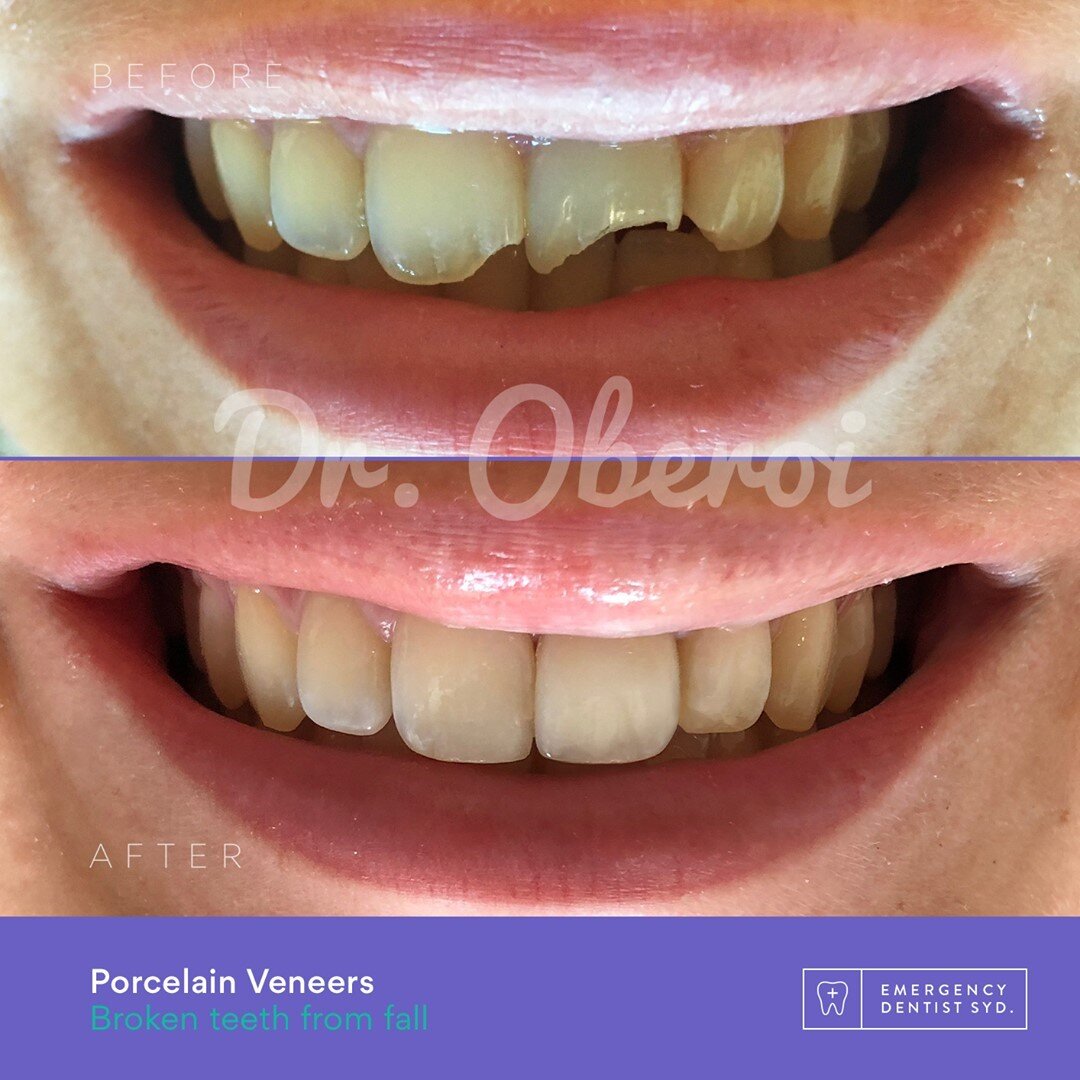
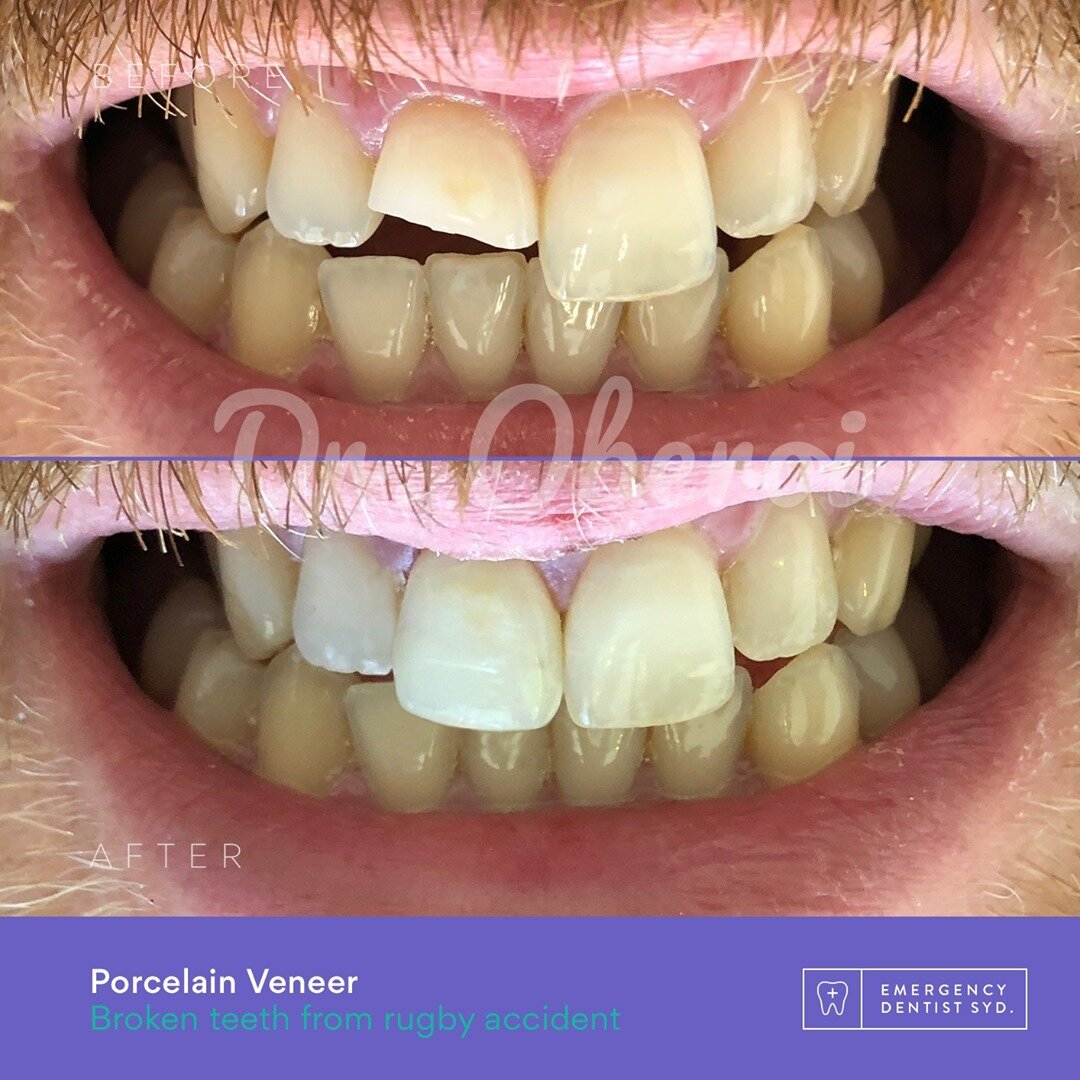
Our patients frequently attend our practice after hours with cracked teeth from accidents. It can be worrying but we can repair cracked teeth in one visit.
Repairing Broken Teeth
Broken teeth can't be ignored and should be looked after by experienced dentists such as ours.
Mending Broken Fixtures
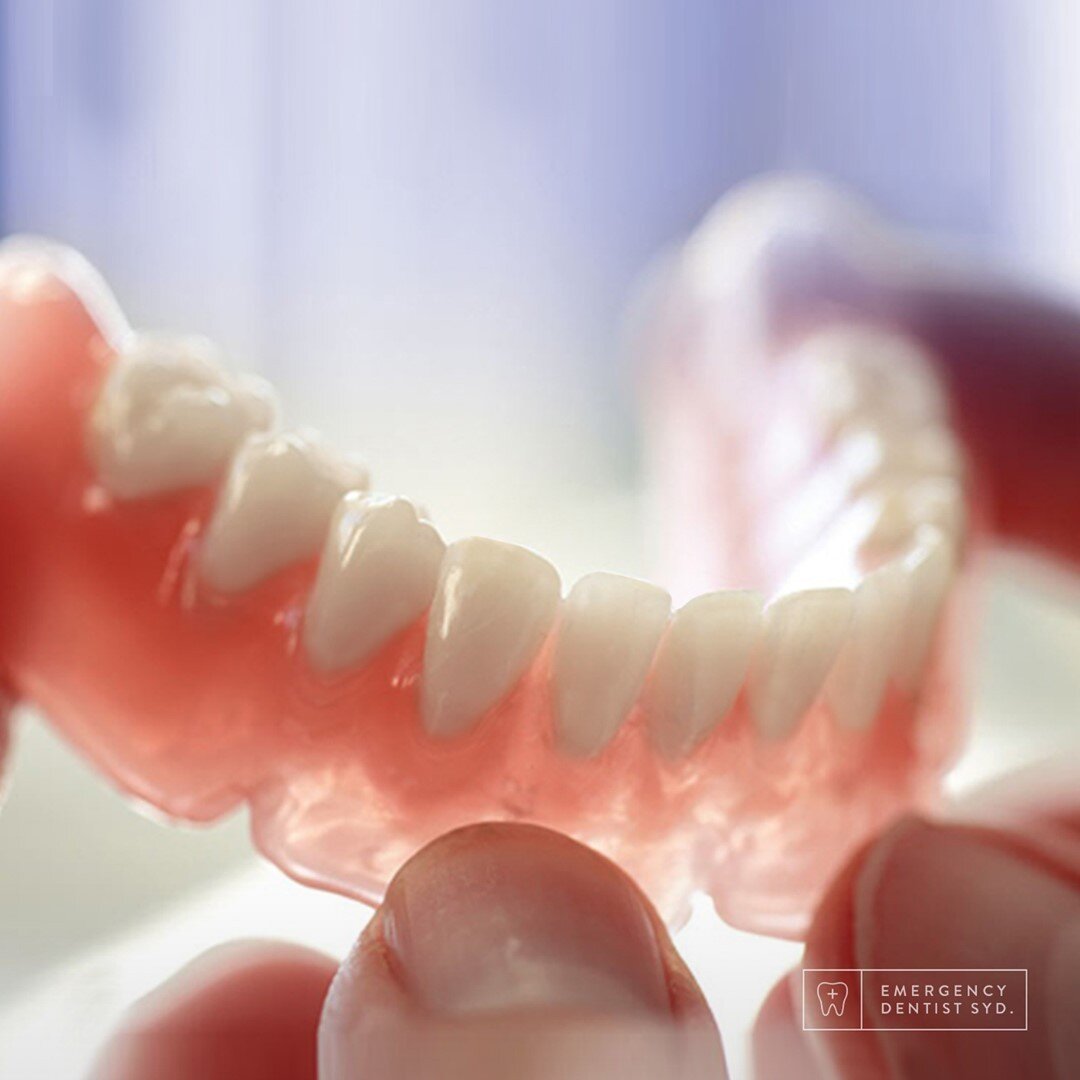
Compromised crowns, veneers, dentures and orthodontics can be uncomfortable and embarrassing. We can fully repair all of these fixtures or ensure they are saved so you can return to your regular specialist during business hours.
Extractions
If all avenues have been explored and you require your teeth to be pulled, we have you covered. Our dentists are experienced in all extractions including simple extractions, surgical, sectional and wisdom teeth.
Our entire team is highly qualified when it comes to emergency treatment. We understand that dental pain can be a scary experience and we do all we can to ensure we put you at ease. From pain relief, even to payment. Don’t delay in contacting us because, chances are, the problems won’t fix themselves but they may get worse.
Need Advice Or Emergency Dental Care In Sydney CBD?
Contact our friendly team
Patient Care First

Keep Up-To-Date with All Things Oral & General Health
RECENT ARTICLES







For 15 years, we've had one mission - when Sydney has a dental emergency, Emergency Dentist Sydney is there
We're proud to celebrate 15 years of providing emergency dental services to Sydney CBD and surrounding suburbs.