

Emergency Dental Advice From Over a Decade of Treating Dental Emergencies in Sydney
We’re experts in emergency dentistry
After more than a decade of treating emergency dental patients, we’ve seen just about every type of dental emergency imaginable.
We’re experts in emergency dentistry
After more than a decade of treating emergency dental patients, we’ve seen just about every type of dental emergency imaginable.
Severe toothaches that suddenly become unbearable. Teeth broken while eating. Sporting injuries. Falls on the pavement. Dental infections that have been ignored for too long. Crowns coming loose at the worst possible time. And patients arriving after an accident, wondering whether their damaged tooth can still be saved.
As Principal Dentist at Emergency Dentist Sydney, Dr Oberoi has spent many years treating patients when something has unexpectedly gone wrong with their teeth. While not every dental emergency can be prevented, many can. And when an accident does happen, knowing what to do next can make a significant difference.
Here is some of the advice from our princpical dentist, Dr Oberoi, who treats emergency dental patients daily.
1. Prevention Is Still the Best Emergency Dental Treatment
Many dental emergencies begin long before pain starts. Decay, cracks, gum disease and infections often develop slowly before becoming urgent. Regular dental check-ups allow your Sydney Dentist to detect issues early.
Good prevention includes:
Brushing twice daily with fluoride toothpaste
Cleaning between teeth daily
Regular dental check-ups and cleans
Not delaying known dental treatment
Avoiding hard objects and using teeth as tools
Wearing a mouthguard for sport
Seeking advice early when something feels wrong
Recurring toothache should never be ignored, even if it comes and goes.
2. Toothache Is One of the Most Common Emergencies
Severe toothache is a leading reason people see an emergency dentist. Causes may include decay, infection, nerve inflammation, failed fillings or cracks. Pain relief may help temporarily, but it does not fix the cause. Treatment depends on diagnosis and may include fillings, root canal treatment, repair or extraction if necessary.
3. Don’t Ignore Swelling or Infection
Swelling in the face or gums can indicate infection and should be taken seriously. Symptoms may include pain, swelling, bad taste or difficulty biting. These infections can worsen quickly. Seek prompt care from Emergency Dentist Sydney rather than waiting. If swelling affects breathing or swallowing, seek urgent medical attention.
4. Broken Teeth Are Very Common
Teeth can break from obvious trauma or simple biting. Often they are already weakened by decay, large fillings or cracks. If a tooth breaks, avoid chewing on it and see a dentist as soon as possible. Early assessment improves the chance of saving the tooth.
5. If a Tooth Is Knocked Out
Time is critical. Handle the tooth by the crown, rinse gently if needed, and keep it moist in milk or a preservation solution. An adult tooth may sometimes be placed back into the socket. Do not attempt this with a baby tooth. Contact Emergency Dentist Sydney immediately so we can give you the best advice and treatment.
6. Sporting Injuries Are Often Preventable
Sports-related dental injuries are common but often avoidable. A properly fitted mouthguard significantly reduces risk. If you play contact or high-impact sports, speak to us about protection.
7. Falls Can Cause Serious Dental Damage
Everyday falls are a major cause of dental trauma. Damage may include loose, displaced or fractured teeth, even if not immediately obvious. After any significant impact to the mouth, a dental check is recommended.

8. Lost Fillings and Crowns
A lost filling or crown may not hurt at first, but the tooth becomes vulnerable. Avoid chewing on it, keep it clean, and book a dental visit. Do not use household glue to reattach crowns. If the pain is significant, please contact Emergency Dentist Sydney immediately.
9. Saving the Natural Tooth Is Often Possible
Many damaged teeth can be saved with fillings, crowns or root canal treatment. Root canal therapy is often used to treat infection and preserve natural teeth. At Emergency Dentist Sydney, this is a common and effective treatment.
10. Sometimes Extraction Is Necessary
If a tooth is too damaged or infected, extraction may be the best option. After removal, replacement options such as implants or bridges can be discussed once healing occurs.
11. Don’t Self-Diagnose
Online information can be helpful, but it cannot replace a professional examination. Similar symptoms can have very different causes, so proper diagnosis is essential, especially with pain, swelling or trauma.
12. Common Emergency Treatments
These include:
Examinations and X-rays
Pain and infection treatment
Fillings and repairs
Root canal treatment
Extractions
Treatment of broken or knocked-out teeth
Temporary restorations
Treatment depends on the specific problem.
13. When You’re Unsure
If you are unsure whether something is an emergency, contact a dentist. You do not need to diagnose it yourself. Seek advice for pain, swelling, bleeding, broken teeth or trauma.
Our Advice
After more than a decade in emergency dentistry, the key message is simple: treat small problems early and act quickly when emergencies happen. Good oral care and regular check-ups prevent many issues, but accidents still occur. When they do, knowing where to find an experienced Sydney Dentist or after hours dentist like our expert dentists at Emergency Dentist Sydney can make all the difference.
Expert Emergency Dentists Sydney
At Emergency Dentist Sydney, our team has treated thousands of patients experiencing toothaches, infections, broken teeth, lost teeth and dental trauma. We understand that these situations rarely happen at a convenient time.
If you experience a dental emergency in Sydney, contact Emergency Dentist Sydney for professional advice and emergency dental care from a team with more than a decade of experience helping Sydney patients when they need a dentist most.
Expert Emergency Dentist Sydney CBD
Contact our friendly team


Why Sydney Has Trusted Us for Emergency Dental Care for Over a Decade
For 15 years, we've had one mission - when Sydney has a dental emergency, Emergency Dentist Sydney is there
We're proud to celebrate 15 years of providing emergency dental services to Sydney CBD and surrounding suburbs.
Emergency Dentist Sydney are the experts in emergency dental care
Emergency Dentist Sydney has been providing dedicated emergency and after-hours dental care from Sydney CBD for more than a decade. We’re proud of the expert dental care we provide 365 days a year.
When you have a dental emergency, choosing a dentist isn't quite the same as booking a routine check-up.
You may be in significant pain. A tooth may have broken or been knocked out. A crown or veneer may have suddenly come loose. You might have an infection that needs urgent treatment. And very often, it happens at exactly the wrong time; at night, on a weekend or when your regular dentist is closed.
In these situations, experience matters. Emergency Dentist Sydney has been providing dedicated emergency and after-hours dental care from Sydney CBD for more than a decade. During that time, we have treatedthousands of patients experiencing almost every kind of dental emergency imaginable.
It is what we do, day after day.
More Than a Decade of Emergency Dental Care in Sydney
Emergency dentistry presents a different set of challenges from everyday dental care. Patients often arrive without an appointment history, experiencing significant pain or following an unexpected accident. The dentist needs to quickly assess what has happened, relieve the immediate problem and determine the best way to protect the patient's long-term dental health.
Our team has spent years doing exactly that. As one of Sydney's original providers dedicated to after-hours emergency dental care, we have developed extensive experience treating patients when other dental practices are closed.
From our practice on Elizabeth Street in Sydney CBD, we have helped people from across Sydney with urgent dental problems for well over a decade.
Thousands of Sydney Patients Treated
Experience isn't simply measured by how long a dental practice has existed. It is also measured by the number and variety of cases its dentists have treated.
Over the years, thousands of patients have come through our doors needing urgent dental care. Some arrive with severe toothache that has kept them awake all night. Others have broken a tooth eating dinner, lost a crown before an important event or damaged their teeth in an accident.
We've treated dental injuries caused by falls, sporting accidents, cycling accidents and countless other unexpected situations. Every emergency is different, but having treated thousands of them gives our team considerable experience in identifying the problem and determining what can be done.
Saving Cracked and Broken Teeth
A cracked or broken tooth can look alarming, particularly when the damage occurs suddenly. But a damaged tooth doesn't necessarily mean a lost tooth.
Our dentists regularly treat cracked, chipped and broken teeth caused by accidents, trauma and everyday mishaps. Depending on the extent of the damage, there may be several options available to repair or restore the tooth.
Our experience with dental trauma allows us to assess what can be saved and recommend an appropriate treatment.
Repairing Crowns, Veneers and Other Dental Work
Dental emergencies don't only happen to natural teeth. Crowns can come loose. Veneers can break. Dentures can become damaged. Existing dental restorations and orthodontic appliances can unexpectedly cause problems. We regularly see patients experiencing problems with existing dental work.
Where possible, we can repair the problem immediately. In other circumstances, we can stabilise the area, make the patient comfortable and help protect the existing dental work until they can return to their regular dentist.
When a Tooth Can't Be Saved
Saving a natural tooth is always preferable when it is clinically appropriate. Unfortunately, sometimes the damage or infection is too extensive. When extraction becomes necessary, our dentists are experienced in a range of procedures including simple, surgical, sectional and wisdom tooth extractions. The important part is understanding the available options before making that decision.
Immediate Pain Relief Is a Priority
Many people don't begin searching for an emergency dentist until they're already in considerable pain. That's why pain relief is one of our primary treatment priorities. We don't simply want to temporarily mask the symptoms. Our dentists work to identify what is causing the pain and determine the appropriate treatment while considering the health and integrity of the affected tooth.

Emergency Dentist Sydney is nesteled in the heart of Sydney’s CBD, opposite HydePark at St James Trust, 185 Elizabeth Street.
Experience You Can Actually See
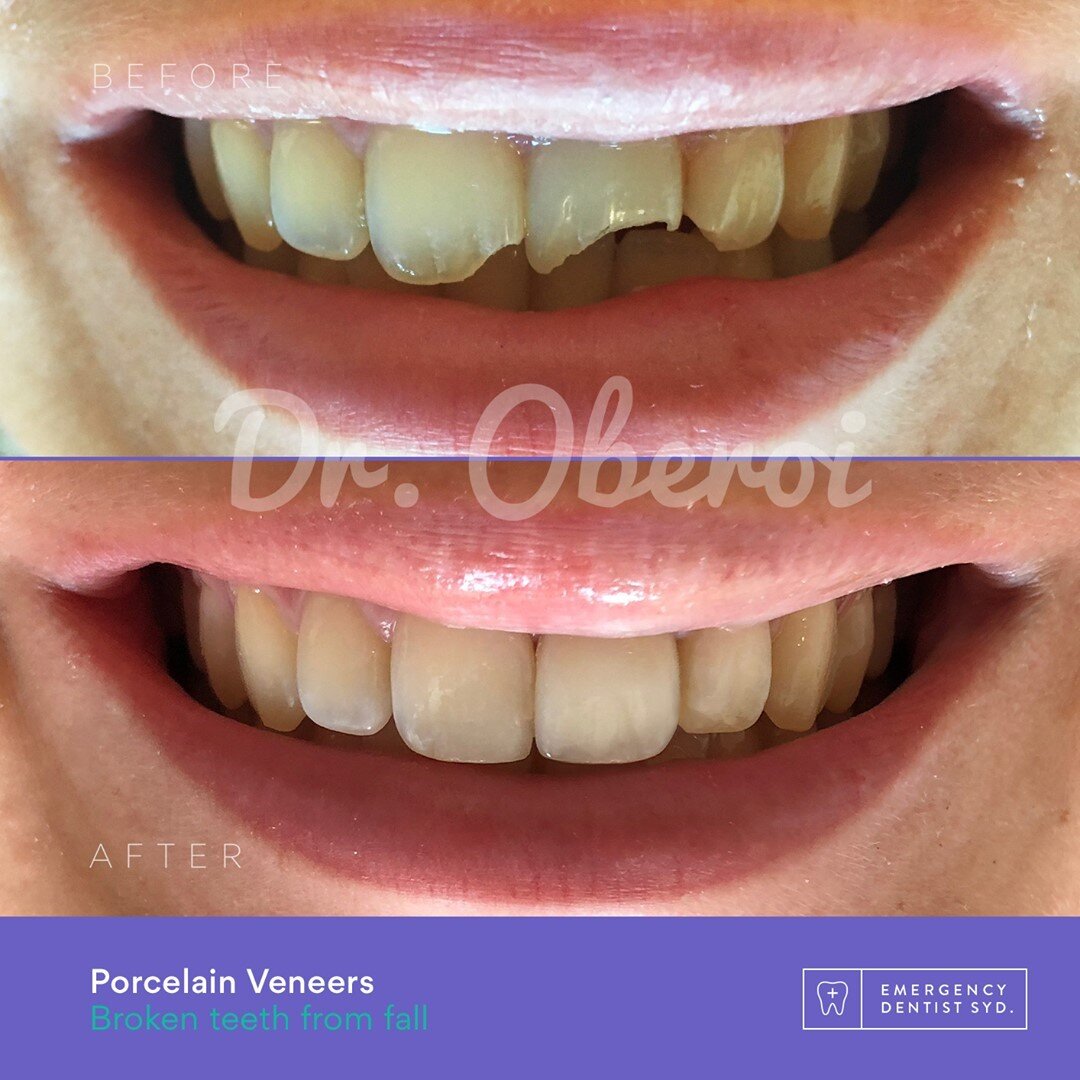
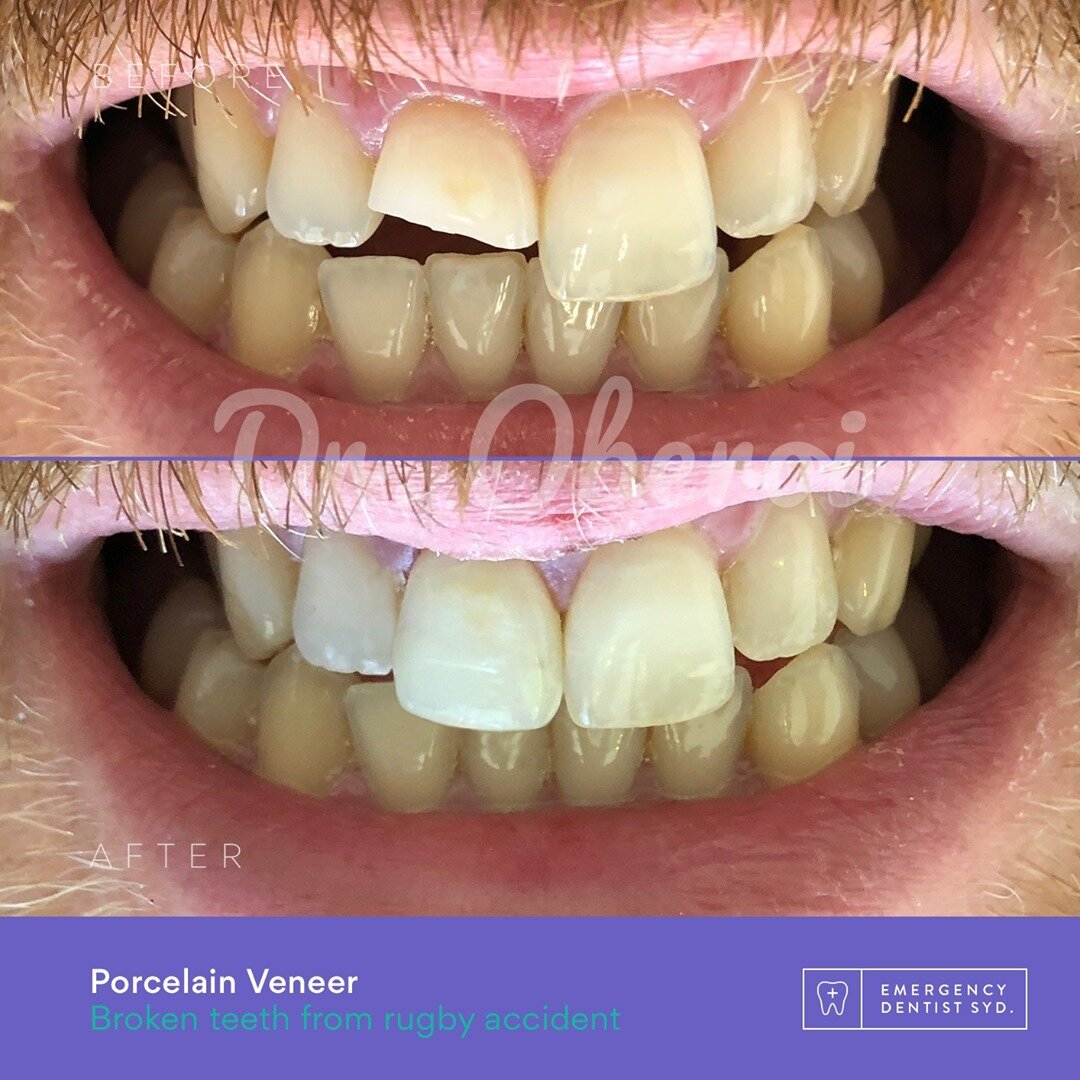
Trust shouldn't depend solely on what a dental practice says about itself. Over the years, we have documented examples of emergency dental treatments performed at our Sydney practice, including before-and-after cases involving damaged and broken teeth.
Our Smile Gallery provides real examples of the kinds of situations we encounter and the results that can sometimes be achieved through emergency dental treatment.
Patient Care Comes First
Dental emergencies can be stressful. You may be in pain, unsure what has happened and worried about whether your tooth can be saved. For people attending late at night or outside normal business hours, simply finding somewhere that can help can be a relief.
That's why our approach has always been about more than treating a tooth. Our Sydney CBD location is easily accessible by public transport, parking can be arranged nearby, and for after-hours appointments, our team can meet patients at the entrance of our secure building and bring them inside. We want patients to feel looked after from the moment they contact us.
A Trusted Emergency Dentist in Sydney
We have built our reputation one emergency at a time over more than a decade of providing dedicated emergency dental care in Sydney. During this time, we have treated thousands of patients, performed thousands of successful root canal procedures, and helped relieve countless cases of severe toothache.
Our team has extensive experience repairing broken and cracked teeth, rescuing damaged dental restorations, and saving natural teeth that might otherwise have been lost. Emergency Dentist Sydney was established specifically to provide professional, reliable dental care when people unexpectedly need it most, and after more than a decade, that commitment remains exactly the same.
Our trusted team is ready for your dental emergency
If you're experiencing severe toothache, a broken or cracked tooth, a dental infection, a lost crown or veneer, or another unexpected dental problem, contact Emergency Dentist Sydney.
Our team provides emergency and after-hours dental care from 185 Elizabeth Street, Sydney CBD, helping patients when regular dental practices may be unavailable.
Dental emergency? Don't wait and hope it gets better. Get experienced advice and treatment when you need it.
Expert Emergency Dentist Sydney CBD
Contact our friendly team


Can Root Canal Therapy Be Done in Dental Emergencies?
Can Root Canal Therapy Be Done in Dental Emergencies?
Root canal therapy is a critical way to address infections and save teeth from extraction. But can root canal therapy be performed during dental emergencies?
Everything you need to know about root canal therapy.
When dental emergencies strike, the pain and urgency can be overwhelming. From severe toothaches to traumatic injuries, the need for immediate dental care becomes paramount.
Among the various treatments available, root canal therapy stands as a critical procedure for addressing infections and saving teeth from extraction. But can root canal therapy be performed during dental emergencies?
Let's delve into this question to understand the role of root canal therapy in emergency dental care.
Understanding Root Canal Therapy
Root canal therapy, often referred to as endodontic treatment, is a procedure aimed at saving a severely infected or damaged tooth. It involves removing the infected pulp tissue from within the tooth, cleaning and disinfecting the root canals, and then sealing them to prevent further infection.
Common reasons why root canal therapy might be necessary include:
Deep decay that has reached the pulp of the tooth.
Trauma or injury to the tooth that has caused damage to the pulp.
Infection or abscess at the root of the tooth.
The procedure is typically performed by an endodontist or a general dentist with specialised training in endodontics.
Emergency Dental Situations
Dental emergencies encompass a wide range of urgent dental issues that require immediate attention. Some of the common dental emergencies include:
Severe toothache or dental pain.
Trauma or injury to the teeth or jaw.
Swelling or abscess in the mouth.
Loose or knocked-out teeth.
In many cases, these emergencies involve conditions that might necessitate root canal therapy to alleviate pain, treat infection, and preserve the affected tooth.

Can Root Canal Therapy Be Done in Dental Emergencies?
The short answer is yes, root canal therapy can indeed be performed during dental emergencies. In fact, it often serves as a crucial intervention to address acute dental problems and provide relief to patients experiencing severe pain or discomfort.
Here's why root canal therapy is a viable option in dental emergencies
Pain Relief: Dental emergencies often involve intense pain, which can be caused by infection or inflammation of the dental pulp. Root canal therapy targets the source of the pain by removing the infected tissue, thereby offering prompt relief to the patient.
Infection Control: Untreated dental infections can spread rapidly and lead to serious complications, including systemic infections and abscess formation. Root canal therapy effectively removes the infected pulp and disinfects the root canal system, halting the spread of infection and promoting healing.
Tooth Preservation: In many cases, the alternative to root canal therapy is tooth extraction. However, preserving natural teeth is always preferable whenever possible. Root canal therapy allows the dentist to save the natural tooth structure, maintaining oral function and aesthetics in the long term.
Immediate Intervention: Dental emergencies demand swift action to address the underlying issues and alleviate the patient's distress. Root canal therapy can often be performed during the emergency visit, providing timely treatment and preventing the escalation of dental problems.
Comprehensive Care: Emergency dental practices, such as Emergency Dentist Sydney, are equipped to handle a wide range of dental emergencies, including those requiring root canal therapy. They have the necessary expertise, equipment, and resources to perform the procedure efficiently and effectively.
Need Emergency Root Canal?
Root canal therapy plays a vital role in emergency dental care, offering a reliable solution for addressing severe infections, relieving pain, and preserving natural teeth. When faced with a dental emergency involving tooth infection or trauma, seeking prompt treatment from a qualified emergency dentist is crucial. With timely intervention, root canal therapy can help patients regain comfort, functionality, and peace of mind amidst dental crises.
Remember, if you're experiencing a dental emergency, don't hesitate to contact Emergency Dentist Sydney or your nearest emergency dental clinic for immediate assistance. Your oral health and well-being are paramount, and timely intervention can make all the difference in preserving your smile.
NEED ADVICE OR EMERGENCY DENTAL CARE IN SYDNEY CBD?
Contact our friendly team





What to do with a cracked tooth?
What to do with a cracked tooth?
Learn how to detect, prevent and treat a cracked tooth in this comprehensive guide. Emergency Dentist Sydney is available around the clock to support you.
Learn how to detect, prevent and treat a cracked tooth
A cracked tooth can be both painful and concerning, requiring prompt attention to prevent further complications. It’s also incredibly likely that you will chip a tooth at some stage in your lifetime.
Here's a comprehensive guide on how to manage a cracked tooth.
Recognising a Cracked Tooth
Cracks in teeth can manifest in various forms, each with distinct characteristics:
Craze Lines: Superficial cracks in the enamel that are typically painless and common among adults.
Fractured Cusp: Occurs when a piece of a tooth's chewing surface breaks off, often around a filling. This may not cause significant pain.
Cracked Tooth: A crack extending from the chewing surface toward the root, potentially causing pain when chewing or sensitivity to temperature.
Split Tooth: A crack that has progressed to separate the tooth into distinct segments, often resulting in significant discomfort.
Vertical Root Fracture: Begins below the gum line and extends upward, possibly leading to gum infection and discomfort.
Immediate Steps to Take
If you suspect a cracked tooth, consider the following measures:
Rinse Your Mouth: Gently rinse with warm water to cleanse the area and reduce the risk of infection.
Avoid Chewing on the Affected Side: To prevent exacerbating the crack, refrain from using the damaged tooth for chewing.
Manage Pain: Apply a cold compress to the cheek near the affected area to reduce swelling and numb the pain. Over-the-counter pain relievers, such as ibuprofen, can also provide relief.
Protect the Tooth: If possible, cover the cracked tooth with dental wax or sugarless chewing gum to shield it from further damage.

Seeking Professional Dental Care
It's imperative to consult a dentist promptly. Delaying treatment can lead to complications such as infection or tooth loss. Your dentist will assess the severity of the crack and recommend appropriate treatment, which may include:
Bonding: Applying a tooth-coloured resin to fill the crack.
Crown: Placing a custom-made cap over the tooth to protect and restore its function.
Root Canal Treatment: If the crack has reached the tooth's pulp, a root canal may be necessary to remove damaged tissue and save the tooth.
Extraction: In cases where the tooth cannot be saved, removal may be the only option.
Preventing Cracked Teeth
To minimise the risk of cracking a tooth:
Avoid Hard Foods: Steer clear of biting down on hard substances like ice, unpopped popcorn kernels, or hard lollies.
Wear a Mouthguard: If you engage in contact sports or grind your teeth at night, using a mouthguard can provide essential protection.
Maintain Regular Dental Check-ups: Routine visits to your dentist can help identify potential issues before they become serious.
Understanding the Costs
In Australia, dental treatment costs can vary. Below are some approximate averages:
Dental Bonding: Approximately AUD 150–AUD 500 per tooth.
Crowns: Can range from AUD 1,000 to AUD 2,500 per tooth, depending on the material used.
Root Canal Treatment: Costs may vary between AUD 800 and AUD 2,000, influenced by the tooth's location and the complexity of the procedure.
Extraction: Generally costs between AUD 150 and AUD 300 per tooth.
Get emergency support for your cracked tooth
A cracked tooth requires immediate attention to prevent further damage and alleviate discomfort. By following the steps outlined above and seeking prompt dental care from Emergency Dentist Sydney, you can ensure the best possible outcome for your oral health.
NEED ADVICE OR EMERGENCY DENTAL CARE IN SYDNEY CBD?
Contact our friendly team

Signs of Urgent Dental Issues
Signs of urgent dental issues
Identify 7 signs of urgent dental issues that require professional attention. Find out what they are and don't hesitate if you notice any of these issues.
When to Seek Immediate Dental Attention
Dental health often flies under the radar until a pressing issue arises.
While some discomforts can wait until your next scheduled appointment, others demand immediate attention. Ignoring these signs could lead to complications, long-term damage, or even serious health concerns.
Let’s explore the key indicators that you should never overlook.
1. Severe Toothache
Pain is your body’s alarm system. While mild discomfort might result from something as simple as food stuck between your teeth, severe or persistent toothache can signal:
Tooth decay or infection: Untreated cavities can worsen into abscesses.
Trauma: A cracked or broken tooth may expose nerves, causing sharp pain.
Painkillers may offer temporary relief, but they’re no substitute for professional care. See your dentist immediately to prevent escalation.
2. Bleeding That Won’t Stop
Gums that bleed occasionally during brushing might indicate gingivitis, but profuse or unexplained bleeding can suggest more serious conditions, such as:
Advanced gum disease (periodontitis).
Injury to the soft tissues of the mouth.
Blood clotting disorders.
If bleeding is excessive or doesn’t subside within 15 minutes of applying pressure, contact a dentist or emergency service.
3. Swelling or Abscesses
Facial swelling, especially around the jaw or cheeks, often points to infection. Dental abscesses occur when bacteria invade the tooth’s pulp or gum tissue, leading to pus-filled pockets. Signs include:
Throbbing pain.
Fever.
A foul taste in your mouth.
Left untreated, an abscess can spread infection to other areas, potentially becoming life-threatening. Immediate dental care is crucial.
4. Broken or Knocked-Out Teeth
Accidents can happen, whether it’s a sporting mishap or an unexpected fall. If a tooth is broken or knocked out:
Locate the tooth: Handle it by the crown, not the root.
Rinse gently: Use water to remove dirt but avoid scrubbing.
Store it properly: Place it in milk or saliva to keep it moist.
See a dentist as soon as possible. A knocked-out tooth can often be re-implanted if treated within an hour.

5. Loose or Shifting Teeth
Teeth should not move once they’ve fully developed. If an adult tooth becomes loose, it may indicate:
Advanced gum disease.
Trauma.
Bone loss due to osteoporosis.
Prompt dental intervention is necessary to identify the root cause and preserve your smile.
6. Unexplained Lumps or Growths
Any unusual lump, bump, or lesion in the mouth could warrant investigation. While some may be benign, others could be early signs of oral cancer. Indicators include:
White or red patches on the gums or tongue.
Difficulty swallowing.
Persistent sores that don’t heal.
Early detection is key in successfully treating oral cancer, so don’t delay a professional assessment.
7. Sudden Sensitivity to Hot or Cold
Temporary sensitivity is often manageable with desensitising toothpaste. However, a sudden and sharp pain from hot or cold foods might point to:
A cracked tooth.
Decay reaching the tooth's nerve.
Receding gums exposing the tooth’s root.
Seeking early treatment can prevent further damage and preserve your natural tooth structure.
Final Thoughts: Don’t Wait to Seek Help
Dental emergencies can strike without warning, and delaying care may lead to irreversible consequences. If you experience any of the signs above, don’t hesitate—reach out to Emergency Dentist Sydney immediately. We offer around-the-clock emergency appointments, ensuring you receive the care you need, when you need it.
Prioritising your dental health today can save you from significant discomfort and expense tomorrow.
NEED ADVICE OR EMERGENCY DENTAL CARE IN SYDNEY CBD?
Contact our friendly team

Tips to boost recovery from dental trauma
First Aid Tips for a Knocked-Out Tooth
Maximise & speed up your recovery after dental trauma with these 10 top tips.
Follow these 10 tips to help with dental recovery
Experiencing dental trauma can be daunting.
Whether from a sports accident, a fall, or simply a misstep, the pain, disruption, and unease that come with dental injuries can feel overwhelming. But the good news? There are ways to support your body’s recovery process, soothe discomfort, and get back to smiling with confidence.
Here’s a practical guide to boosting your recovery from dental trauma in a way that’s both effective and compassionate.
1. Seek Immediate Dental Care – Don’t Wait It Out
If you’ve suffered any sort of dental trauma, the first step is seeing a professional. For minor chips or tooth sensitivity, you might be tempted to tough it out. But even small injuries can hide deeper issues like cracks, internal bleeding, or nerve damage.
Seeing a dentist soon after the incident helps identify underlying issues and can prevent future complications. And if it’s a severe injury—say a knocked-out tooth or heavy bleeding—it’s a good idea to head straight to an emergency dental service.
2. Be Kind to Your Teeth and Jaw
Following a dental injury, the affected area is going to need some extra care. Avoid chewing on hard or crunchy foods, as this can further irritate or even worsen the trauma. Opt for soft foods—think yoghurt, smoothies, mashed potatoes, and soups—that won’t strain your jaw or teeth.
In addition, avoid extreme temperatures. Hot or cold foods and drinks can worsen pain and sensitivity, especially if any nerves are exposed. Think lukewarm and gentle!
3. Rest and Reduce Physical Activity
After an injury, it’s tempting to get right back to regular routines. But dental trauma, just like any other physical injury, requires rest for effective healing.
Reducing physical exertion and avoiding activities that might risk another bump or jolt can help avoid unnecessary strain on your jaw and teeth. A weekend break or a few days off from intense exercise can be a small price to pay for better long-term recovery.
4. Use Cold Compresses to Reduce Swelling
Swelling is common after a dental injury, and it can be painful. A cold compress applied to the outside of your cheek for 10-15 minutes at a time can help numb pain and reduce inflammation.
Repeat every few hours for the first 24-48 hours after your injury. Just remember to wrap any ice packs in a cloth to prevent direct contact with your skin.
5. Take Pain Relief (but Only as Directed)
For many, dental trauma leads to persistent throbbing pain. Over-the-counter pain relievers, like ibuprofen or paracetamol, can provide effective relief. Not only do they help manage pain, but they also reduce inflammation, supporting the healing process.
Always stick to the dosage instructions and avoid taking more than recommended. If the pain worsens or isn’t relieved with painkillers, this could be a sign that something more complex is going on, so reach out to your dentist.
6. Rinse with Saltwater to Keep the Area Clean
Saltwater is a powerful natural disinfectant and can help keep the injured area clean while reducing the risk of infection. Mix a teaspoon of salt into a glass of warm water and gently rinse your mouth, especially after eating.
This process helps remove food particles and bacteria from around the injury site. Avoid any mouthwashes with alcohol, which can irritate the soft tissues and cause a burning sensation.
7. Maintain Oral Hygiene (with a Gentle Touch)
While you’ll want to keep your teeth clean, be mindful around the affected area. Use a soft-bristled toothbrush and avoid aggressive brushing, as this can disrupt any healing tissue.
If flossing hurts, focus on other areas for a few days but don’t skip the routine entirely. Good oral hygiene is vital to prevent infection and support recovery.
8. Keep Stress in Check
The discomfort and inconvenience of dental trauma can be stressful, especially if it affects your smile or speech. But stress can slow down the body’s natural healing processes.
Make time for activities that help you relax, whether it’s reading, meditating, or spending time with loved ones. And remember that feeling frustrated or worried is entirely normal; you’re not alone in this experience.
9. Eat Nutrient-Dense Foods
Your body needs good nutrition to support healing. Focus on nutrient-dense foods rich in vitamins and minerals, like leafy greens, berries, nuts, and seeds.
Vitamin C, found in citrus fruits, and calcium-rich foods, like dairy products or fortified plant milk, are particularly beneficial for recovery. The healing process takes energy, so ensure you’re fuelling yourself with balanced meals.
10. Trust the Healing Process
While it’s tempting to constantly check on your progress, recovery takes time. Teeth, gums, and jaw tissues are resilient, but they also need patience and care to heal fully.
Regular check-ins with your dentist will help track progress and catch any issues, so you don’t have to worry about doing it all yourself.
A Word of Encouragement
Dental trauma can feel overwhelming, but remember that you’re capable of handling it. With professional guidance, supportive habits, and a bit of patience, you’ll be back to your routine—and your smile—soon enough.
Be kind to yourself, embrace the healing journey, and know that each day, you’re taking a step closer to full recovery. And, if you need support, don’t hesitate to lean on friends, family, or professionals who can guide you along the way.
In the end, dental trauma is just another life bump in the road. But with the right care and a positive outlook, you’ll get through it and come out stronger, both in spirit and smile.
NEED ADVICE OR EMERGENCY DENTAL CARE IN SYDNEY CBD?
Contact our friendly team


First Aid Tips for a Knocked-Out Tooth
First Aid Tips for a Knocked-Out Tooth
Read these 5 tips to have the best chance of saving a tooth after having it knocked out. Reacting fast & effectively can save your tooth & money!
Learn the 5 steps to take after suffering from a knocked-out tooth
A knocked-out tooth can be a traumatic experience, but it’s important to act quickly and calmly to increase the chances of saving the tooth. Teeth can be reimplanted, but timing is critical — ideally, a dentist should reinsert the tooth within 30 minutes to an hour after the incident, but if it’s longer then there’s still a chance of success.
In this blog post, we’ll walk you through essential first-aid tips to handle this dental emergency effectively.
1. Take a Deep Breath and Stay Calm
Yes, seeing a tooth on the ground is freaky. But the most important thing you can do right away is stay calm. Panicking won’t help anyone, and you'll need to focus to handle the situation effectively.
Start by making sure there aren’t any other injuries. If someone hits their head or is bleeding heavily, you might need to call 000 or head to the ER first. But if the knocked-out tooth is the main issue, let’s deal with that.
If there’s bleeding from the mouth, grab a clean cloth or some gauze and press it gently over the area to stop the bleeding.
Quick Tip:
If a child has knocked out a baby tooth, don’t try to reinsert it. Take them to the dentist, but let the tooth go — it’s better for the permanent tooth underneath.
2. Find the Tooth and Handle It Carefully
Now, find the tooth. And when you do, handle it with care! This is important: don’t touch the root (the part that was inside the gum). Instead, hold the tooth by the crown, which is the part that sticks out in the mouth.
What to Do:
Rinse the tooth: If it’s dirty, gently rinse it with milk or a saline solution. If you don’t have either, you can use water but do not scrub the tooth or use soap. You want to protect those cells on the root.
Reinsert it if you can: If you're feeling brave, try to put the tooth back into the socket. Make sure the tooth faces the right way (check the other teeth for reference), and gently push it in. Once it’s in, bite down softly on a piece of gauze or cloth to keep it in place. Even if it feels loose, it’s better than leaving the tooth out.
Quick Tip:
Don’t force the tooth back in. If it doesn’t go in easily, that’s okay. We’ll figure out another way to save it.
3. Keep the Tooth Moist
If you can’t put the tooth back in the socket, the next best thing you can do is keep it moist. Drying out is bad news for the tooth — it needs to stay hydrated to have any chance of being reattached.
How to Keep It Moist:
Put it in milk: This is probably your best bet if you can’t reinsert it. Milk helps keep the tooth’s root cells alive.
Use a tooth preservation kit: If you’ve got one of these handy, use it! These kits are specifically designed to preserve knocked-out teeth.
Hold it in your mouth: If no other options are available, place the tooth between your cheek and gums. It’s not the best solution, but saliva can help keep it moist.
Saline solution: If you’ve got access to saline (from a first aid kit or even by mixing a little salt with water), use that to store the tooth.
Quick Tip:
Avoid putting the tooth in regular water for too long. Water can actually harm the root cells, making it harder to reattach.

4. Get to the Dentist — Fast!
Time is everything when it comes to saving a knocked-out tooth. You’ve got about 30 minutes to an hour to get it back in place, so call your dentist right away and let them know you’re coming. If your dentist’s office is closed, check if they have an emergency line, or find an urgent dental care clinic nearby.
If there are any other serious injuries, you may need to head to the hospital first but still try to get the tooth to a dentist as quickly as possible.
Quick Tip:
It’s always a good idea to have your dentist’s emergency contact information saved in your phone, just in case something like this happens.
5. Manage the Pain and Swelling
While you’re on your way to the dentist, the person who lost the tooth might be in some pain. Here’s what you can do to help with that:
Cold compress: Hold a cold compress or an ice pack (wrapped in a cloth) to the outside of the cheek to reduce swelling and numb the area a little.
Pain relievers: You can take over-the-counter pain relievers like ibuprofen or acetaminophen, but avoid putting any pain-relief gels directly on the gums or tooth area.
Prevention is Always Better
While knowing what to do in an emergency is super helpful, it’s even better if you can prevent these situations in the first place. If you or your kids play sports, wearing a mouthguard can protect your teeth from these kinds of accidents. And regular dentist visits will help keep your teeth strong and healthy, reducing the risk of them being knocked out in the first place.
Ultimately, dealing with a knocked-out tooth doesn’t have to be a nightmare. If you stay calm, act fast, and follow these steps, you’ve got a good chance of saving the tooth. Just remember: every minute counts!
Emergency Dentist Sydney is available around the clock to provide fast, effective support. Book in or call us today!
NEED ADVICE OR EMERGENCY DENTAL CARE IN SYDNEY CBD?
Contact our friendly team

What is Dental Pain and How to Fix It
What is Dental Pain and How to Fix It
While most of the time being silent and invisible, tooth pain can cause severe distress. Learn the causes of tooth pain and how to fix and prevent it here.
Unravelling the mystery of dental pain
At Emergency Dentist Sydney, we know dental pain can be one of the most discomforting experiences, disrupting our daily routines and causing considerable distress.
Understanding the root causes of dental pain is crucial for maintaining oral health and seeking timely treatment. In this comprehensive guide, we delve into the various factors that contribute to dental pain, shedding light on common culprits and offering insights into effective management strategies.
Types of Dental Pain
Dental pain can manifest in various forms, ranging from mild sensitivity to excruciating throbbing sensations. Identifying the type of dental pain can provide valuable clues about its underlying causes.
For instance, sharp, intermittent pain may indicate issues like dental decay or a cracked tooth, while persistent, dull pain could signify gum disease or infection.
Common Causes of Dental Pain
Dental Decay:
Among the primary causes of dental pain is dental decay, commonly known as cavities. When plaque—a sticky film of bacteria—accumulates on the teeth, it produces acids that erode the tooth enamel, leading to cavities. As decay progresses, it can expose the sensitive inner layers of the tooth, triggering pain and discomfort.
Gum Disease:
Gum disease, or periodontal disease, is another prevalent cause of dental pain. It occurs when bacteria infect the gums, causing inflammation and weakening the tissues supporting the teeth. In advanced stages, gum disease can lead to gum recession, tooth mobility, and persistent pain.
Dental Infections:
Untreated dental decay or trauma can pave the way for bacterial infections within the tooth pulp or surrounding tissues. Abscesses, or pus-filled sacs, may form as a result, causing intense pain, swelling, and even systemic complications if left untreated.
Tooth Trauma:
Accidental trauma, such as a fall or sports injury, can inflict damage to the teeth, gums, or jawbone, resulting in acute dental pain. Fractured teeth, dislodged restorations, or soft tissue injuries can all contribute to discomfort and require prompt intervention by an emergency dentist.
Tooth Sensitivity:
Tooth sensitivity, characterised by brief, sharp pain in response to stimuli like hot, cold, sweet, or acidic foods, can stem from various factors, including enamel erosion, gum recession, or exposed tooth roots.
While often manageable with desensitising toothpaste or dental treatments, persistent sensitivity may signal underlying issues requiring professional evaluation.

Management and Prevention:
Effective management of dental pain involves a multifaceted approach tailored to the underlying cause. In many cases, early intervention can prevent minor issues from escalating into severe dental emergencies. Here are some strategies for managing and preventing dental pain:
Maintain Oral Hygiene:
Regular brushing, flossing, and routine dental check-ups are fundamental for preventing dental decay, gum disease, and other oral health problems. Proper oral hygiene practices can help remove plaque and bacteria, minimising the risk of painful dental conditions.
Watch Your Diet:
Limiting sugary snacks and acidic beverages can help safeguard against dental decay and erosion. Opt for a balanced diet rich in calcium, vitamins, and minerals to promote strong teeth and gums.
Address Dental Issues Promptly:
Don't ignore dental pain or discomfort, as it may indicate underlying problems requiring professional attention. Schedule regular dental exams and address any concerns or symptoms promptly to prevent complications and alleviate pain.
Use Protective Gear:
Wearing mouthguards during sports activities or activities that pose a risk of dental injury can help prevent trauma and reduce the likelihood of dental emergencies.

Manage dental pain with the help of a professional
Understanding the causes of dental pain empowers individuals to take proactive steps toward maintaining optimal oral health and seeking timely treatment when needed.
By adopting good oral hygiene habits, addressing dental issues promptly, and prioritising preventive care, we can minimise the risk of dental pain and enjoy a lifetime of healthy smiles.
Remember, your emergency dentist in Sydney is here to provide compassionate care and alleviate your dental discomfort, ensuring your oral well-being remains a top priority.
NEED ADVICE OR EMERGENCY DENTAL CARE IN SYDNEY CBD?
Contact our friendly team

What are the Causes of Toothache?
What are the Causes of Toothache?
Toothache can be extremely disruptive. If you're suffering, then learn how to minimise the symptoms and treat the problem effectively here.
Identifying the Causes of Toothache and When to Seek Emergency Treatment
Toothaches can be an incredibly disruptive and painful experience, impacting daily activities and overall well-being. Understanding the causes of toothache and knowing when to seek emergency treatment is crucial for effective pain management and preventing further dental issues.
This blog will explore common causes of toothache, symptoms to watch for, and guidelines for determining when emergency dental care is necessary.
Common Causes of Toothache
Toothaches can result from a variety of dental and non-dental issues. Some of the most common causes include:
1. Tooth Decay
Tooth decay is the most prevalent cause of toothache. Cavities form when bacteria in the mouth produce acids that erode tooth enamel, leading to pain and sensitivity. If left untreated, the decay can reach the tooth's inner layers, causing more severe pain and potentially leading to an abscess.
2. Gum Disease
Gum disease, or periodontal disease, is an infection of the tissues surrounding and supporting the teeth. In its early stages, known as gingivitis, the gums may become red, swollen, and bleed easily. If the condition progresses to periodontitis, it can lead to toothache, receding gums, and tooth loss.
3. Tooth Abscess
A tooth abscess is a pocket of pus caused by a bacterial infection. It can occur at the tip of the root (periapical abscess) or in the gums (periodontal abscess). Abscesses cause severe, throbbing pain and can lead to swelling, fever, and swollen lymph nodes. Immediate treatment is necessary to prevent the infection from spreading.
4. Tooth Fractures
A cracked or fractured tooth can cause significant pain, especially when biting or chewing. Fractures can occur due to trauma, biting down on hard objects, or grinding teeth. Depending on the severity, a fractured tooth may require restorative procedures or even extraction.
5. Tooth Sensitivity
Tooth sensitivity can result from enamel erosion, gum recession, or exposed tooth roots. It often causes sharp pain when consuming hot, cold, sweet, or acidic foods and beverages. Desensitizing toothpaste and proper oral hygiene can help manage mild sensitivity, but severe cases may require professional treatment.
6. Impacted Wisdom Teeth
Wisdom teeth, or third molars, often cause pain when they don’t have enough room to emerge properly. Impacted wisdom teeth can lead to swelling, infection, and damage to adjacent teeth. Surgical removal is often necessary to alleviate pain and prevent complications.
7. Dental Procedures
Sometimes, toothache can occur after dental treatments like fillings, crowns, or root canals. While some discomfort is normal, persistent pain may indicate an issue with the procedure or an underlying problem that needs attention.

When to Seek Emergency Dental Treatment
Not all toothaches require immediate attention, but certain symptoms indicate the need for emergency dental care. Here are some signs that you should seek prompt treatment:
1. Severe Pain
If you experience intense, unrelenting pain that doesn’t respond to over-the-counter pain relievers, it’s time to see a dentist. Severe pain can indicate a serious issue like an abscess or a fractured tooth.
2. Swelling
Swelling in the face or gums is a sign of infection and can indicate an abscess or gum disease. Swelling that spreads to the neck or causes difficulty breathing or swallowing requires immediate medical attention.
3. Fever
A fever accompanying a toothache suggests an infection that may be spreading. Seek emergency dental care to prevent further complications.
4. Persistent Bleeding
Uncontrolled bleeding from the gums or around a tooth indicates injury or advanced gum disease. Emergency treatment is necessary to address the underlying cause and stop the bleeding.
5. Lost Filling or Crown
A lost filling or crown can expose the tooth to bacteria and further damage, leading to pain and sensitivity. Prompt repair is needed to protect the tooth and restore function.
6. Trauma
Injuries to the mouth or teeth from accidents or sports can cause fractures, dislodged teeth, or damage to the soft tissues. Emergency dental care is crucial to manage pain, prevent infection, and save damaged teeth if possible.
7. Abscess
An abscessed tooth is a dental emergency that requires immediate attention. Symptoms include severe pain, swelling, fever, and a bad taste in the mouth. Treatment typically involves draining the abscess and addressing the infection to prevent it from spreading.
Managing Toothache at Home
While waiting for emergency dental care, you can take steps to manage toothache and reduce discomfort:
Over-the-Counter Pain Relievers: Non-prescription pain relievers like ibuprofen or acetaminophen can help alleviate pain and reduce inflammation.
Cold Compress: Applying a cold compress to the outside of the cheek can help numb the area and reduce swelling.
Saltwater Rinse: Rinsing with warm salt water can help clean the affected area and reduce inflammation.
Avoid Triggers: Avoid hot, cold, sweet, or acidic foods and beverages that can exacerbate pain.
Get treated for toothache with emergency dentist Sydney
Understanding the causes of toothache and knowing when to seek emergency treatment is essential for maintaining oral health and preventing complications. While some toothaches can be managed with home remedies and routine dental visits, others require immediate professional care.
If you experience severe pain, swelling, fever, or other concerning symptoms, never hesitate to get in touch with us. We work around the clock, 7 days a week, to fix dental emergencies. Early intervention can greatly improve the chances of a positive outcome.
NEED ADVICE OR EMERGENCY DENTAL CARE IN SYDNEY CBD?
Contact our friendly team

The Importance of quick action in dental emergencies
The Importance of quick action in dental emergencies
Leaving a dental issue untreated can be incredibly costly, whether through fear, money, or laziness. Learn the importance of quick action in dental emergencies.
React Fast when it comes to a dental emergency
When it comes to dental health, most people think of routine check-ups, cleanings, and the occasional cavity filling. However, dental emergencies are an often overlooked aspect of oral care.
These situations demand immediate attention to prevent severe pain, permanent damage, or even life-threatening complications. This blog will delve into the importance of quick action in dental emergencies, the types of emergencies, the steps to take, and how to prevent them.
Understanding Dental Emergencies
Dental emergencies encompass a range of urgent issues that affect the teeth, gums, and surrounding tissues. These can include severe toothaches, broken or knocked-out teeth, lost fillings, abscesses, and injuries to the mouth.
Recognising the signs of a dental emergency and knowing how to respond promptly can significantly affect the outcome.
Types of Dental Emergencies
Severe Toothache: Persistent, intense tooth pain can indicate an infection or abscess that needs immediate treatment.
Broken or Chipped Tooth: Accidents or biting on something hard can cause teeth to break or chip, which may expose nerves and lead to pain or infection.
Knocked-Out Tooth: A knocked-out tooth due to trauma requires swift action to potentially save the tooth.
Lost Filling or Crown: When a filling or crown falls out, the tooth is vulnerable to damage and infection.
Abscess: A painful, swollen area in the gums or around a tooth can signal an abscess, a serious infection that needs prompt attention.
Soft Tissue Injuries: Cuts or injuries to the lips, cheeks, or tongue can lead to significant bleeding and require immediate care.
The Importance of Quick Action
Quick action in dental emergencies is crucial for several reasons. First, it can alleviate severe pain, which is often the patient's most immediate concern. Pain can be debilitating, and addressing it swiftly improves the patient's comfort and quality of life.
Secondly, timely intervention can prevent further damage to the teeth and gums. For example, a broken tooth left untreated can become infected or decay further, complicating treatment and increasing costs. In the case of a knocked-out tooth, the chances of successfully re-implanting it decrease significantly if not treated within the first hour.
Lastly, some dental emergencies, such as abscesses, can lead to more severe health issues if not addressed promptly. Infections in the mouth can spread to other parts of the body, leading to serious conditions like sepsis, which can be life-threatening.
Immediate Steps to Take
Knowing what to do in a dental emergency can make all the difference. Here are some immediate steps to take for common dental emergencies:
For Severe Toothaches
Rinse your mouth with warm water to clean it.
Floss gently to remove any trapped food or debris.
Apply a cold compress to the outside of the cheek to reduce swelling.
Avoid aspirin or other painkillers directly on the gums, as they can burn the tissue.
Contact your dentist immediately.
For a Broken or Chipped Tooth
Save any pieces of the tooth.
Rinse your mouth and any broken pieces with warm water.
Apply gauze to the area if there's bleeding.
Use a cold compress to reduce swelling.
Seek dental care as soon as possible.
For a Knocked-Out Tooth
Handle the tooth by the crown, not the root.
Rinse the tooth gently without scrubbing.
Try to place the tooth back in its socket if possible.
If not, keep the tooth moist by placing it in milk or a tooth-preservation solution.
Get to the dentist within an hour for the best chance of saving the tooth.

For Lost Fillings or Crowns
Place a piece of sugarless gum into the cavity or use over-the-counter dental cement.
Avoid using the affected tooth for chewing.
Schedule an appointment with your dentist promptly.
For Abscesses
Rinse your mouth with a mild saltwater solution several times a day.
Avoid pressing on the abscess.
Seek immediate dental care, as abscesses require professional treatment.
For Soft Tissue Injuries
Clean the area with warm water.
Apply pressure to stop bleeding.
Use a cold compress to minimise swelling.
Visit the emergency room if bleeding doesn't stop after a few minutes.
Prevention Tips
While not all dental emergencies can be prevented, protecting your oral health can reduce the risk. Here are some tips:
Maintain regular dental check-ups and cleanings.
Wear a mouthguard during sports or physical activities.
Avoid chewing on hard foods like ice or popcorn kernels.
Practice good oral hygiene, including brushing and flossing daily.
Address any dental issues promptly to prevent them from escalating.
View our complete list of tips here.
Get Emergency Dental Help
Dental emergencies are unpredictable and can be incredibly distressing. However, understanding the importance of quick action, knowing how to respond, and taking preventive measures can significantly impact the outcome.
Book in with Emergency Dentist Sydney swiftly to alleviate pain, prevent further damage, and protect your overall health. Remember, time is of the essence when it comes to dental emergencies.
NEED ADVICE OR EMERGENCY DENTAL CARE IN SYDNEY CBD?
Contact our friendly team

What to do with a lost filling or crown
What to do with a lost filling or crown
If you have a lost filling or crown, then before panicking, follow these 6 simple steps. Prevent further damage and discomfort with this helpful blog.
Lost Filling or Crown: Steps to take until you can see an emergency dentist
Losing a filling or crown can be a distressing experience, but knowing how to manage the situation until you can see an emergency dentist can help prevent further damage and alleviate discomfort. Here are the steps you should take:
1. Assess the Situation
Identify the Problem: Determine if you have lost a filling or a crown.
Check for Pain: Assess whether you are experiencing pain, sensitivity to hot or cold, or discomfort when chewing.
2. Clean the Area
Rinse Your Mouth: Use warm water to rinse your mouth thoroughly. This helps to remove any debris that might be around the affected area.
Brush Gently: If the area has no sharp edges, gently brush it with a soft-bristled toothbrush to keep it clean.
3. Protect the Tooth
Temporary Filling Material: If you have dental cement or a temporary filling material from the pharmacy, you can use it to cover the exposed area. Follow the instructions on the package.
Sugar-Free Gum: Without dental cement, you can use sugar-free gum to cover the cavity temporarily.
4. Manage Discomfort
Over-the-counter Pain Relief: Take over-the-counter pain relievers like ibuprofen or acetaminophen if you are experiencing pain.
Avoid Certain Foods: Avoid very hot, cold, or sugary foods and beverages that might aggravate the sensitivity.
Chew on the Other Side: To prevent further damage, try to chew on the opposite side of your mouth.

5. Retain the Crown
Save the Crown: If your crown has fallen out, clean it and keep it in a safe place. Your dentist may be able to reattach it.
Temporary Reattachment: If you have dental adhesive, you can try to temporarily reattach the crown. Make sure to follow the instructions carefully.
6. Schedule an Emergency Dental Appointment
Contact Your Dentist: Call your dentist as soon as possible to explain the situation and schedule an emergency appointment.
Provide Details: Give your dentist details about how the filling or crown was lost and any symptoms you are experiencing.
Get Emergency Dental Help
While losing a filling or crown can be concerning, these steps can help manage the situation until you can see an emergency dentist.
Maintaining oral hygiene, protecting the affected area, and managing pain are vital in preventing further complications. Always seek professional dental care as soon as possible to address the issue properly.
Emergency Dentist Sydney provides effective and affordable support around the clock. Contact us today if you’ve lost a filling or crown.
NEED ADVICE OR EMERGENCY DENTAL CARE IN SYDNEY CBD?
Contact our friendly team

All you need to know about Oral Surgery
What is Oral Surgery?
Discover all there is to know about oral surgery. Understand the types of treatments, costs, and recovery in this easy-to-understand blog!
Learn the ins and outs of oral surgery: The treatments, costs, & recovery processes
Oral surgery is a specialised branch of dentistry that focuses on diagnosing and treating a wide range of conditions affecting the mouth, teeth, jaws, and face.
While the idea of surgery can be daunting, understanding what oral surgery involves, why it may be necessary, the different types available, associated costs, and the recovery process can help demystify the procedure and prepare you for what to expect.
What is Oral Surgery?
Oral surgery refers to procedures performed in or around your mouth and jaw. It is typically carried out by an oral and maxillofacial surgeon—a dentist with specialised surgical training.
Oral surgeons are qualified to treat various conditions, including impacted teeth, tooth loss, jaw-related issues, and even cosmetic concerns. These professionals have extensive training beyond dental school and often complete an additional four to six years of residency in a hospital-based surgical environment.
Why is Oral Surgery Needed?
Oral surgery is needed for various reasons, ranging from addressing dental health issues to enhancing the function and appearance of the oral and maxillofacial region. Here are some common scenarios where oral surgery is required:
Impacted Teeth: Wisdom teeth, or third molars, often do not have enough room to emerge properly and can become impacted. This can lead to pain, infection, and damage to adjacent teeth.
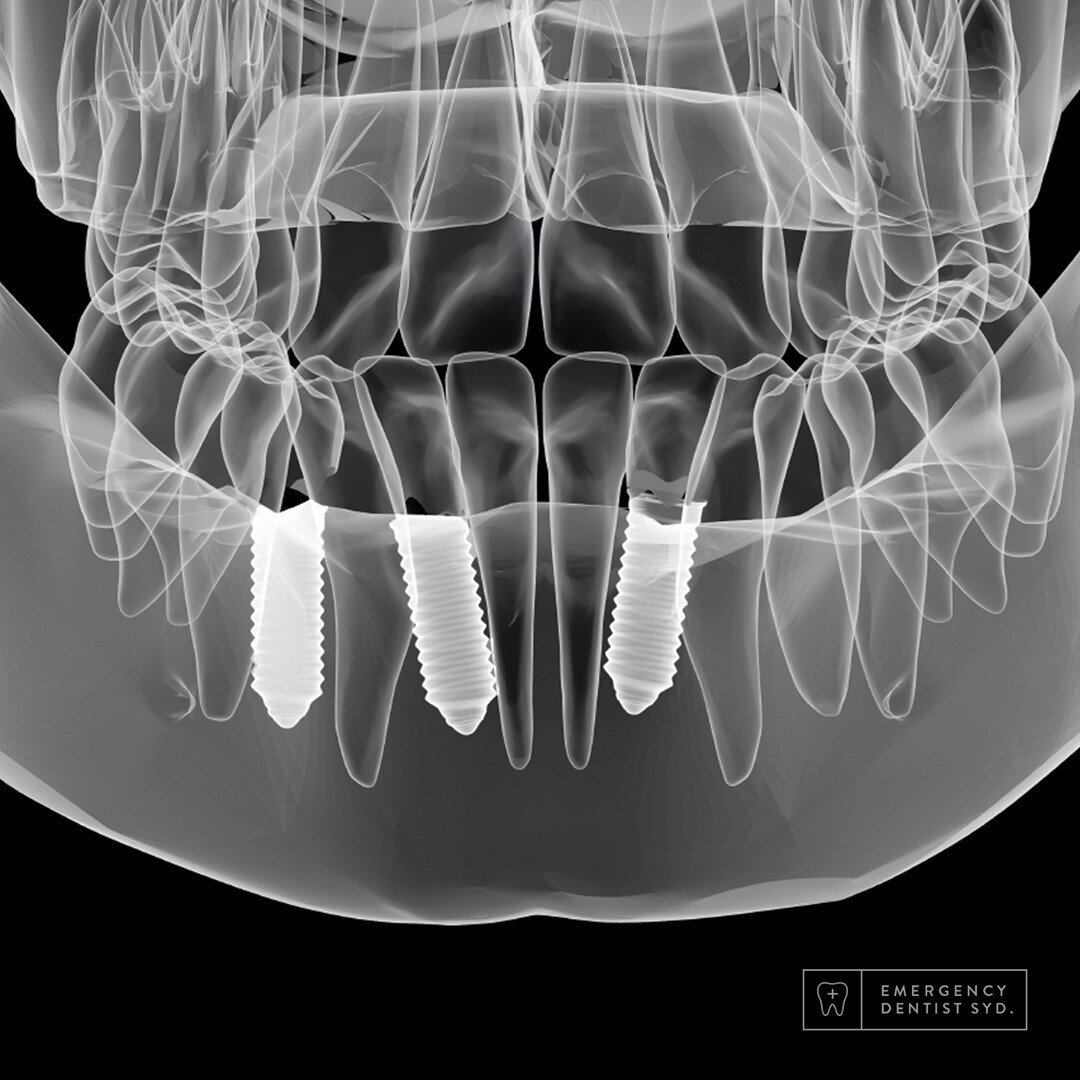
Tooth Loss: Dental implants are a common oral surgery procedure used to replace missing teeth. Implants provide a stable foundation for artificial teeth and help preserve jawbone structure.
Jaw Problems: Conditions like temporomandibular joint (TMJ) disorders, misaligned jaws, or congenital jaw defects may require surgical intervention to improve function and relieve pain.
Oral Cancer: Oral surgeons perform biopsies and remove malignant growths in the mouth, ensuring the affected tissue is thoroughly excised.
Facial Trauma: Accidents or injuries that result in broken facial bones, teeth, or jaw require surgical repair to restore proper function and appearance.
Cosmetic Reasons: Procedures such as corrective jaw surgery (orthognathic surgery) can enhance facial aesthetics and improve bite function.
The Types of Oral Surgery
Oral surgery encompasses a variety of procedures, each tailored to address specific conditions. Here are some of the most common types:
Tooth Extractions: Removing teeth that are damaged, decayed, or impacted, including wisdom teeth.
Dental Implants: Metal posts are placed into the jawbone to act as roots for artificial teeth.
Bone Grafts: Adding bone to jaw areas where bone loss has occurred, often in preparation for implants.
Orthognathic Surgery: Correcting misaligned jaws to improve bite and facial symmetry.
TMJ Surgery: Treating temporomandibular joint disorders to relieve pain and improve function.
Biopsies and Lesion Removal: Removing and analysing suspicious oral tissue to diagnose or treat oral cancer.
Cleft Lip and Palate Repair: Correcting congenital deformities to restore function and appearance.
The Costs of Oral Surgery
The cost of oral surgery varies widely depending on the type and complexity of the procedure, the surgeon's expertise, and geographic location. Here is a rough estimate of what you might expect for different types of oral surgeries within Australia:
Tooth Extractions:
Simple extractions: $100 to $400 per tooth.
Surgical extractions: $300 to $800 per tooth.
Wisdom teeth extractions: $300 to $1,000 per tooth.
Dental Implants:
$4,000 to $7,000 per implant, including the crown.
Bone Grafts:
$300 to $1,800, depending on the size and complexity of the graft.
Orthognathic Surgery:
$25,000 to $50,000 or more, often covered partially by insurance.
TMJ Surgery:
$7,000 to $70,000, depending on the extent of the procedure and whether one or both joints are involved.
Biopsies and Lesion Removal:
$700 to $3,000, depending on the complexity and pathology involved.
It's important to check with your private health insurance provider to understand what portion of these costs might be covered under your plan.
Some procedures may be considered medically necessary and thus eligible for insurance reimbursement, while others, especially cosmetic procedures, may not be covered.

The Recovery Process
The recovery process after oral surgery varies depending on the procedure, but there are general guidelines that can help ensure a smooth healing period:
Follow Post-Operative Instructions: Your oral surgeon will provide specific instructions on how to care for the surgical site, including information on medications, diet, and activity restrictions.
Manage Pain and Swelling: In the initial days following surgery, over-the-counter pain relievers, prescribed medications, and cold compresses can help manage discomfort and reduce swelling.
Maintain Oral Hygiene: Keeping the surgical site clean is crucial to prevent infection. Your surgeon may recommend a gentle rinse with salt water and avoiding vigorous brushing near the surgical area.
Dietary Adjustments: Soft foods and liquids are recommended initially. Gradually reintroduce solid foods as healing progresses.
Avoid Strenuous Activities: Rest is essential to allow your body to heal. Avoid heavy lifting, strenuous exercise, and smoking, as these can impede recovery.
Monitor for Complications: Be alert for signs of infection, excessive bleeding, or unusual pain, and contact your surgeon if any issues arise.
Recovery times can range from a few days to several weeks, depending on the complexity of the surgery and individual healing rates.
Speak to the Specialists
Understanding oral surgery's ins and outs can help you approach the procedure confidently. Whether addressing dental health issues, improving function, or enhancing aesthetics, oral surgery is crucial in maintaining and improving oral and overall health.
If you need oral surgery, consult a qualified oral and maxillofacial surgeon to discuss your options and ensure the best possible outcome.
Emergency Dentist Sydney is an expert in the dental field. Whether you need in-hours or around-the-clock support, we are here for you. Book a consultation today.
NEED ADVICE OR EMERGENCY DENTAL CARE IN SYDNEY CBD?
Contact our friendly team
Patient Care First

Keep Up-To-Date with All Things Oral & General Health
RECENT ARTICLES





Is Dental Phobia a big fear of yours? Then ask for Dental Sedation at The #EmergencyDentist Sydney...