

Can Root Canal Therapy Be Done in Dental Emergencies?
Can Root Canal Therapy Be Done in Dental Emergencies?
Root canal therapy is a critical way to address infections and save teeth from extraction. But can root canal therapy be performed during dental emergencies?
Everything you need to know about root canal therapy.
When dental emergencies strike, the pain and urgency can be overwhelming. From severe toothaches to traumatic injuries, the need for immediate dental care becomes paramount.
Among the various treatments available, root canal therapy stands as a critical procedure for addressing infections and saving teeth from extraction. But can root canal therapy be performed during dental emergencies?
Let's delve into this question to understand the role of root canal therapy in emergency dental care.
Understanding Root Canal Therapy
Root canal therapy, often referred to as endodontic treatment, is a procedure aimed at saving a severely infected or damaged tooth. It involves removing the infected pulp tissue from within the tooth, cleaning and disinfecting the root canals, and then sealing them to prevent further infection.
Common reasons why root canal therapy might be necessary include:
Deep decay that has reached the pulp of the tooth.
Trauma or injury to the tooth that has caused damage to the pulp.
Infection or abscess at the root of the tooth.
The procedure is typically performed by an endodontist or a general dentist with specialised training in endodontics.
Emergency Dental Situations
Dental emergencies encompass a wide range of urgent dental issues that require immediate attention. Some of the common dental emergencies include:
Severe toothache or dental pain.
Trauma or injury to the teeth or jaw.
Swelling or abscess in the mouth.
Loose or knocked-out teeth.
In many cases, these emergencies involve conditions that might necessitate root canal therapy to alleviate pain, treat infection, and preserve the affected tooth.

Can Root Canal Therapy Be Done in Dental Emergencies?
The short answer is yes, root canal therapy can indeed be performed during dental emergencies. In fact, it often serves as a crucial intervention to address acute dental problems and provide relief to patients experiencing severe pain or discomfort.
Here's why root canal therapy is a viable option in dental emergencies
Pain Relief: Dental emergencies often involve intense pain, which can be caused by infection or inflammation of the dental pulp. Root canal therapy targets the source of the pain by removing the infected tissue, thereby offering prompt relief to the patient.
Infection Control: Untreated dental infections can spread rapidly and lead to serious complications, including systemic infections and abscess formation. Root canal therapy effectively removes the infected pulp and disinfects the root canal system, halting the spread of infection and promoting healing.
Tooth Preservation: In many cases, the alternative to root canal therapy is tooth extraction. However, preserving natural teeth is always preferable whenever possible. Root canal therapy allows the dentist to save the natural tooth structure, maintaining oral function and aesthetics in the long term.
Immediate Intervention: Dental emergencies demand swift action to address the underlying issues and alleviate the patient's distress. Root canal therapy can often be performed during the emergency visit, providing timely treatment and preventing the escalation of dental problems.
Comprehensive Care: Emergency dental practices, such as Emergency Dentist Sydney, are equipped to handle a wide range of dental emergencies, including those requiring root canal therapy. They have the necessary expertise, equipment, and resources to perform the procedure efficiently and effectively.
Need Emergency Root Canal?
Root canal therapy plays a vital role in emergency dental care, offering a reliable solution for addressing severe infections, relieving pain, and preserving natural teeth. When faced with a dental emergency involving tooth infection or trauma, seeking prompt treatment from a qualified emergency dentist is crucial. With timely intervention, root canal therapy can help patients regain comfort, functionality, and peace of mind amidst dental crises.
Remember, if you're experiencing a dental emergency, don't hesitate to contact Emergency Dentist Sydney or your nearest emergency dental clinic for immediate assistance. Your oral health and well-being are paramount, and timely intervention can make all the difference in preserving your smile.
NEED ADVICE OR EMERGENCY DENTAL CARE IN SYDNEY CBD?
Contact our friendly team




Root Canal vs Removing Teeth
Weigh Your Options
When faced with a root canal, removing the tooth instead seems like the easier option but often isn’t ideal.
Weigh Your Options
When faced with a root canal, removing the tooth instead seems like the easier option but often isn’t ideal. Both options for treatment are solutions for teeth that have extensive damage or decay. If your dentist has given you these options, it is important to understand exactly what is involved with each choice.
Root Canal

When the inner layer (the pulp) of a tooth is badly damaged or deteriorated - and even completely dead, a root canal might just be the only way the tooth can be saved.
The tooth is numbed with a local anaesthetic to open it up and expose the tooth canal which is needed to properly inspect and diagnose the issue.
The tooth is then cleaned from the inside out and then filled with a temporary filling which will remain until your follow-up appointment, usually one or two weeks later.
When you come back for your follow up, your tooth will be restored with a permanent crown for further protection. It will feel like a brand new tooth!
A root canal is a common and straightforward procedure that usually results in very little discomfort.
Tooth Extraction

Just like the root canal, tooth removal will begin with a local anesthetic to completely numb the area so you don’t feel any pain when your dentist uses their tools to pull the tooth out. The worst part of this procedure is generally the sounds you hear but it should not hurt!
Bleeding is normal for a tooth extraction, so you may be sent home with gauze to soak anything up. Some pain is also not uncommon so you might want to drop by the chemist on the way home. Discuss this with your dentist though as you might require a prescription.
It can take up to two weeks for the extraction site to fully heal but most will feel better after two or three days. It is very important to follow your dentist’s instructions about aftercare when it comes to spitting, drinking through a straw, eating, and brushing your teeth.
Many people have a misconception that the tooth doesn’t need to be replaced; however, without replacing the tooth, your other teeth can move and shift out of place. So if you’re thinking of going down the path of tooth removal to save costs, it may not always be the cheaper option.
It is always best to take your dentist’s advice and thankfully, regardless of the treatment, The Emergency Dentist Sydney has flexible payment options to suit any budget.
Need Advice Or Emergency Dental Care In Sydney CBD?
Contact our friendly team

What is a Pulp Extirpation?
One way that your dentist can alleviate your toothache
One way your dentist can alleviate your toothache
A toothache can be torturous. It can make it hard for you to eat, drink, and even make talking a chore.
There are a lot of different problems that can cause a toothache, and most of them your dentist can help treat or even completely eliminate. Ignoring a toothache won’t make it go away. Instead, you need to see your after hours dentist immediately to get the cause treated. That way, you can get on with your life again.
Do you Need a Pulp Extirpation?
If you have a toothache, then it’s actually the pulp of your tooth that’s hurting. Pulp is the soft inner tissue that includes blood vessels, lymph nodes, and nerves. It’s the part of your tooth that you’ll probably never see because it’s protected by the hard outer shell. But that doesn’t mean that the pulp won’t cause problems, because if it becomes infected or damaged it will cause you a lot of pain. And if the damage or infection is really severe, your dentist will have to do a pulp extirpation.
Common causes of severe tooth damage or infection
Deep decay or decay under a filling.
Teeth grinding that wears away the enamel and damages the pulp.
Trauma or injury.
Creaks or chips that go deeper than the enamel and damage the pulp.
Advanced stages of gum disease.
Most of the time, if you address any dental problems early, you won’t have to have a pulp extirpation. It’s only when you put off treatment that you’ll find yourself rushing to your after hours dentist with damage and tooth pain severe enough to make a pulp extirpation necessary.
What is a Pulp Extirpation Treatment?
If the infection is beyond treatment, then your dentist will perform a pulp extirpation treatment as part of a root canal. This will essentially clean out the infected pulp while leaving the dead shell of it behind. The infection will be cleared out and the tooth will be filled with a permanent material that protects it from damage. That means you’ll be able to use it to chew like all the other teeth and because the nerves are gone it will never hurt again.
The treatment you receive will depend on the extent of the infection, but here’s a general idea of what your dentist will do:
The tooth will be numbed using a local.
A small hole is drilled in the top using a laser.
Your dentist will perform the pulp extirpation and remove all the infected matter from inside the tooth shell.
The inside of the tooth will be cleaned thoroughly to remove any sign of infection.
The tooth is filled with permanent filling material and then sealed.
A crown is put on top.
Your dentist can complete this treatment in a single visit. This will almost immediately relieve any pain you feel in the tooth because of the infection. However, if the infection has spread to your gums you may have to wait and take antibiotics before your mouth is back to its normal state of good health once more.
Why you Need the Treatment
You might think that you can delay your pulp extirpation treatment. After all, the damage is already done, right? So, you might as well take your time. But delaying this treatment will just make the situation even worse. It means that the infection will have more time to spread through your mouth or down into your jaw bone. You could lose the tooth entirely, or even lose bone from your jaw. Dental infections have also been known to travel throughout the body, particularly to the lungs or brain. And that’s where it could cause some very serious problems.
So, don’t even think about delaying your treatment. Visit your dentist for a pulp extirpation and get immediate relief from the pain while safeguarding your health at the same time.
Emergency Dentist Sydney Says
If you have a dental emergency, contact our Emergency Dentist in Sydney. Our caring and expert staff are available 24 hours a day to help you with all your emergency dental needs.
Need Advice Or Emergency Dental Care In Sydney CBD?
Contact our friendly team


Symptoms Of A Damaged Root Canal To Watch Out For
When to rush to your after hours dentist
When to rush to your after hours dentist
If you have severe pain in a tooth or teeth it might mean that you have bigger problems than a cavity. Damage to the root canal most often occurs when you’ve neglected your oral health for a while. A little pain, managed with painkillers, can often turn into a big pain that results in an emergency visit to your after hours dentist. If you’re experiencing tooth pain that just won’t go away, here are some of the warning signs that you need a dentist, fast.
What is Dental Pulp?
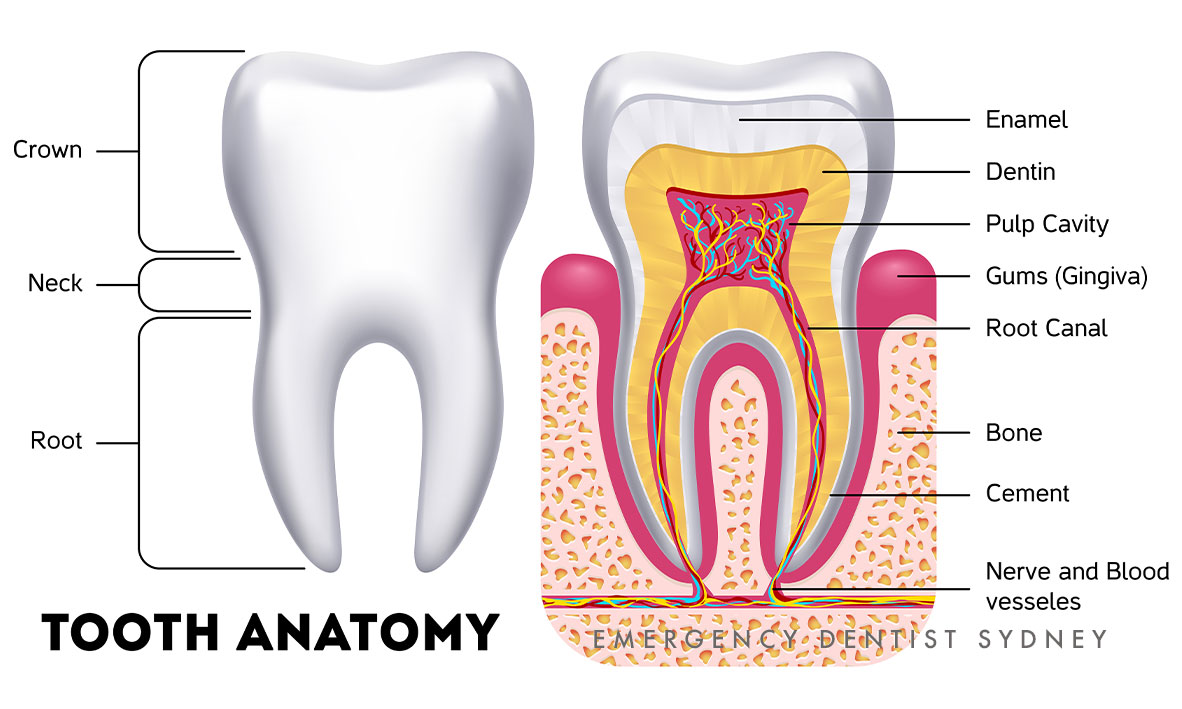
Dental pulp is the soft material in the centre of your teeth. It contains the nerve, connective tissue and blood vessels. Basically, it’s everything inside the hard enamel exterior of your teeth. When this part of your tooth becomes badly infected, you may need a root canal to take away the pain and save the tooth. Here are some of the symptoms that you’ll experience when you have a dental pulp infection:
Pain when chewing or biting down.
Discolouration on the gum around the infected tooth.
Ongoing dull or severe pain in the roots or gums.
Swelling in the gum around the affected tooth.
A bad taste in your mouth because of pus coming from the infected area.
If you experience any of these symptoms, you need to visit your after hours dentist as soon as possible to get the problem fixed. However, you may not experience any severe symptoms at all when you have a tooth infection. This is why you need to have regular check-ups to check on your oral health and pick up any hidden problems.
What Causes Tooth Infections?
When your tooth is infected it isn’t the hard, outer surface that’s the issue. The outer surface is made of enamel, which doesn’t contain any living cells, so it can’t get infected. Instead, it’s the dental pulp, the soft inner parts of the tooth, which are the problem.
There are several things that can cause the dental pulp to become infected. This includes:
Large fillings.
A crack or chip in the tooth.
Face trauma.
Deep decay.
Repeated dental procedures on the same area.
When you experience these issues, bacteria can get through the enamel and into the dental pulp. The bacteria then multiply inside the chamber and cause an infection. If left untreated, the infection can spread throughout your mouth, threatening the health of other teeth. It may also get into your bloodstream and cause infections in other part of the body, including your brain. This is obviously a very serious situation that you want to avoid at all costs.
Treating an Infected Tooth
If an infection is caught early, then a course of antibiotics may clear it up. However, if the infection is too entrenched then you will need a root canal. This is a procedure that a lot of people are afraid of, usually because of stories about root canals from the past. You’ve probably heard about the pain and discomfort of this procedure from older relatives. However, dentistry has come a long way over the last couple of decades. These days, root canals are no more painful or traumatic than a normal filling.
Today’s root canals can usually be completed in a single visit unless the infection is so bad that it needs additional treatment. Before the root canal, your dentist will examine your mouth and take X-rays, so they know exactly what’s happening with your tooth. Here’s what to expect on the day of the procedure:
The tooth is numbed using a local anaesthetic.
Your dentist will use a laser to make a small hole in the crown of the tooth.
The infected pulp is removed, and the empty chamber is cleaned thoroughly.
The root canal filling is put into place.
Once this is complete, the hole is sealed, and a permanent crown is put on the tooth.
This procedure should be completely pain-free and takes around 30 minutes to complete. In fact, the pain of your infected tooth is usually far worse than the root canal treatment. And once you’re done, the tooth is literally dead. There’s no soft tissue to get infected again and the tooth has no nerve, so you shouldn’t experience any pain or problem with it from that point forward.
Emergency Dentist Sydney Says:
If you have an infected tooth or other dental emergency, contact our Emergency Dentist in Sydney. Our caring and expert staff are available 24 hours a day to help you with all your emergency dental needs.
Need Advice Or Emergency Dental Care In Sydney CBD?
Contact our friendly team

Busting the Myths of Root Canal Surgery
How this dental procedure has changed over the years.
How this dental procedure has changed over the years.
Root canals have a bad reputation. There are a lot of stories going around about these procedures, most of them because of historical treatments and mistakes. Dentistry has come a long way in the last few decades, but these rumours are persistent. If you’ve been putting off your dental treatment because of old stories, here are some of the myths you need to forget.
1. Root Canals are Painful
Actually, the decay and the infection that makes a root canal necessary are painful and the root canal removes the cause of the pain and relieves it. During the root canal procedure itself your mouth will be numbed using a local anaesthetic, so you might find that it’s the most comfortable you’ve been since the problem started. You may experience some pain as the needle goes into your gum to make it numb, but your dentist can help with this as well with some numbing salve. Afterwards, the infection will be gone but the damage done to surrounding tissue will remain. This is why you may still experience some discomfort until your mouth completely heals. But it will be far less painful than the gum pain and toothache that came before it.
2. You Need Several Appointments for a Root Canal
Most of the time, a root canal can be completed in a single appointment. It’s only if you’ve ignored the problem for a long time or have additional conditions and problems that you will need more than one appointment.
3. Dental Problems Always Hurt
A lot of people avoid the dentist because they believe that if their mouth doesn’t hurt, there’s nothing wrong. Unfortunately, this approach usually results in a late-night trip to the emergency dentist with severe pain or infection. Depending on your mouth and your pain tolerance, you can have a serious dental problem without much pain. That’s why regular check-ups and cleans are so important, because they give your dentist a chance to assess your overall oral health.
4. A Root Canal Spreads Infection
This is an old myth based on outdated information. Having a root canal doesn’t allow the infection in your tooth to spread throughout your body. Your mouth, and every other part of your body, is filled with bacteria, which is only a problem when infection develops and is left to fester.
5. Root Canals Kill the Tooth
A tooth can’t be killed. What a root canal does is remove the infected pulp inside the hard shell of your tooth. The tooth is then filled with a permanent filling material that allows it to function as normal. This saves the tooth, eliminates the infection, and save you from pain and future oral health problems.
6. An Extraction is more Effective
An extraction will get rid of the pain and infection certainly, but it will also cause long term oral health problems. When you have a missing tooth, it causes bone loss. The shape of your jaw will change, and the surrounding teeth will collapse towards the gap. The gap in your teeth can also become a breeding ground for infection and be difficult to keep clean. On the other hand, when you have a root canal the tooth is saved and will function just like the other teeth. So, if possible, try to make sure that you keep all your teeth.
7. A Root Canal is Temporary
Lots of people believe that the effects of a root canal don’t last. This is probably because of stories about people’s teeth breaking after this treatment. When the pulp is removed from your tooth it can become brittle and break during chewing or biting. That’s why your dentist will fit a crown over the top of the tooth to strengthen and protect it. So, make sure you don’t ship this essential step to ensure that the benefits of your treatment are permanent.
Emergency Dentist Sydney Says:
If you have a dental emergency, contact our Emergency Dentist in Sydney. Our caring and expert staff are available 24 hours a day to help you with all your emergency dental needs.

Should You Expect Pain After A Root Canal?
Your dentist’s best advice and information after this procedure
Your dentist’s best advice and information after this procedure
Dental pain before, during, and after dental procedures is one of the more common reasons why people avoid the dentists. And this goes double for root canals, because they’re one of the most feared dental procedures out there. But there’s no reason for this, because dental procedures have improved a lot over the years.
In short, it isn’t uncommon for patients to experience pain post-procedure. It can take several days for ongoing and new pain to subside. It is important to remember that root canal treatment is invasive and requires time to heal. We encourage all of our patients to keep our phone number handy and keep in touch post-procedure so that we can provide ongoing advice and reassurance.
If you have a root canal and experience pain afterwards, here’s why and what to do about it.
1. Inflammation
When you have a root canal, it’s usually because of decay that has caused infection in the pulp of a tooth. Your dentist will remove the infected pulp and clear away the cause of the pain and inflammation. But if the infection has spread to the gums or surrounding tissue, it will still take time before the swelling around the tooth subsides. The procedure itself may also cause some inflammation. Just make sure you follow your dentist’s instructions about taking anti-inflammatory medications after your procedure and the pain should ease in a few days.
2. Too Large Fillings
When the pulp is scooped out of your infected tooth, your dentist will fill it with a rubber like material. If too much is used it will cause pain every time you bite. Fortunately, this is a simple problem to fix. Your dentist will just need to adjust the filling.
3. Surrounding Tissue Damage
Your dentist performs root canals all the time, and chances are that everything will go as normal. However, there’s always a chance that the surrounding tissue will be damaged by the procedure. This can occur in a variety of ways. The file used to clean the tooth can slip and poke into the tissue below, the bacteria can escape into surrounding tissue, or the filling can overflow. In all these cases you will just need time for the tissue to heal and then the pain will vanish.
4. Infection
5. Follow Pre-op Instructions
Your dentist will give you a list of instructions to follow in the hours leading up to your surgery. Make sure that you follow them to avoid problems during or after your treatment. Here are some instructions your dentist will give you:
Don’t eat or drink for between 6-12 hours before the surgery.
You mustn’t drive for 24 hours after, so make sure that someone is coming to pick you up afterwards.
If you’re anxious before your surgery, then let the dentist know because they have treatment options that can help.
Get plenty of rest in the week after your surgery.
Emergency Dentist Sydney Says:
Pain following root canal treatment can occur and is not an indication of a failed treatment. Give your mouth time to heal and keep in touch with your dentist for advice and reassurance.

What To Expect From Pulp Extirpation
How this treatment will benefit your oral health
How this treatment will benefit your oral health
Tooth pain is a very common reason to visit an after hours dentist. Most of the time, when you experience tooth pain, it will be because of a large cavity that has caused an infection.
And when this occurs you may need a root canal, which means that your dentist will perform a pulp extirpation first. This might sound scary, but it’s a fairly simple procedure that will save your tooth and almost immediately alleviate your pain. So if you need this procedure, here’s what to expect.
A Pulp Extirpation is part of a root canal treatment procedure
What is a Root Canal?
Root canals are usually performed when you have a tooth that’s so badly damaged from infection or injury that it can’t be fixed. This procedure will save the infected tooth. This is important because if you have the tooth removed, it can lead to further problems. When you have missing teeth, it can cause bone loss and make other teeth cave in towards the gap. To avoid this, you will need to have additional dental surgery to get a dental implant, which is a replacement tooth that’s attached to a titanium rod your dentist will surgically implant in your gum. The best way to avoid these problems is to have a root canal, which involves scooping out the pulp and replacing it with inert material. .
What is Pulp Extirpation?
Pulp extirpation involves removing the pulp from inside the tooth as part of the root canal procedure. You may need to have this treatment if you experience the following symptoms:
Pain or discomfort when biting down.
Pain that ranges from dull to severe in the roots and gum.
Discolouration on the gum that excretes pus.
Gum swelling around the infected tooth or teeth.
As part of the root canal procedure, your dentist will need to remove the pulp of your tooth or teeth. The pulp is a soft material that includes blood vessels and nerves. It’s often referred to as the nerve and extends from the root of the tooth nearly all the way to the tip. The pulp allows you to sense hot and cold and is the part of the tooth that feels pain when it becomes infected. Without the pulp, the tooth is basically dead and can’t feel anything, though the outer shell can still function perfectly well without the inner living matter.
During a pulp extirpation, your dentist will basically remove all of the infected inner tissue of the affected tooth. This will remove all the bacteria that’s causing the pain and infection and prevent it from travelling into the tooth. After the pulp is removed, it can be replaced with an inert material that preserves the strength of the tooth, saves it from extraction, and allows it to function as normal.
The Pulp Extirpation Procedure
If you need to have this procedure performed, here’s what to expect from the treatment:
You will be given a local anaesthetic.
Your dentist will make a hole in your tooth using the laser.
The pulp extirpation is performed and the infected pulp is removed.
The inside of the tooth is cleaned to prepare for the next stage of the root canal.
Inert material is put into the tooth.
The hole in the tooth is sealed and a crown is placed on the tooth.
The pulp extirpation can be performed on one visit. However, if the infection is severe you may need to make several trips to the dentist before the infection is cleared completely.
Emergency Dentist Sydney Says:
If you have a dental emergency, contact our Emergency Dentist in Sydney. Our caring and expert staff are available 24 hours a day to help you with all your emergency dental needs.
Need Advice Or Emergency Dental Care In Sydney CBD?
Contact our friendly team

Patient Care First

Keep Up-To-Date with All Things Oral & General Health
RECENT ARTICLES








Spring has well and truly landed in Sydney and there's a lot to look forward to, including all of those delicious warm weather treats you've been missing all winter long...