

I Have an Abscess
So You Have an Abscess. What Does That Mean?
So You Have an Abscess. What Does That Mean?
Your mouth is a sensitive and delicate area which is why there are so many things that can go wrong if poorly treated. Dental hygiene is vitally important as well as visiting your dentist regularly. One very major mouth problem is abscesses. If your mouth or jaw is aching and there is swelling and pain, you may have an abscessed tooth. Here is a guide on everything you need to know about abscesses.
What is an Abscess?
An abscessed tooth is an infection within a tooth. It is a pocket of pus that forms at different regions of the tooth and for different reasons. A gingival abscess (gum abscess) occurs on the surface of the tissue at the gum line of the teeth. If left untreated, it can lead to a periodontal abscess which the abscess on the tissue of the gum line drives deeper into the gum pockets. A periapical abscess commences in the soft pulp of the tooth, which later on will travel down to the nerves of the tooth.
Wherever the location of your abscess, it will become inflamed and can swell severely, obstructing your ability to chew or swallow properly. The abscess will keep growing and causing more pain so it is important to visit your dentist as soon as these symptoms occur.
Other symptoms of an abscess usually include:
A reddened area around the site
A bad taste in your mouth
Swollen face
Sensitive teeth to hot or cold food and drinks
Swollen glands in the neck
A pea-sized bump inside the mouth
As your condition advances, you may experience other symptoms such as a fever, vomiting, chills or nausea.
Where Do They Come From?
An abscess usually occurs because of poor dental health. Your mouth naturally contains bacteria but when your teeth are not regularly cleaned well, plaque will form on your teeth and gums, resulting in infections and decay. Other possible causes include:
Gum disease (gingivitis)
Dental injury (cracked tooth)
A poor diet
Some medications
Neglecting small wounds in the mouth or surgical sites from previous dental visits.
How Can They Be Treated?
If you have an abscess, you need to visit your dentist immediately. This is especially important if you feel sick or have any other symptoms of an advanced infection. The treatment depends on the seriousness of your condition but usually your dentist will drain the site to get rid of the pus and give you painkillers and antibiotics to combat the infection. A root canal treatment can also be carried out. A tooth extraction only happens if it is a severe infection of the tooth that cannot be saved.
If your abscess ruptures at home, before you can get to the dentist, rinse with warm water to help clear out all the pus and see your dentist as soon as possible.
Why You Shouldn't Delay Treatment
Waiting for the pain to subside or delaying treatment is the last thing you want to do. The pain may stop but that doesn’t stop the infection. The infection will continue to spread, leading to bigger problems. Early treatment can cure the infection and save the tooth.
Emergency Dentist Sydney Says:
If you suspect an abscessed tooth, it is crucial to visit a dentist as soon as possible, even if you are not in any more pain.

Do I Really Have a Dental Emergency?
What counts as one?
What counts as one?
It's late. Most businesses, including your regular dentist's office - have been closed for hours and won't be open again for hours either. Or if it's the weekend, possibly days. Which would usually be fine. Except you have a toothache that just won't quit. Or a chipped tooth that is both sharp and painful. Or, worse still, a tooth that is hanging by a thread, or knocked out altogether. But it is late, getting across town might be a pain and although you know that emergency dentists exist, don't they charge an arm and a leg?
The fact is that it is important to know what kinds of oral health problems or dental injuries do require emergency treatment and which can probably wait until a more civilised hour. No, if you can avoid a mad midnight dash to the dentist's it's probably more convenient, but it won't always be the best thing for your oral health.

Take that knocked out tooth for example. A couple of decades ago everyone would have told you to suck it up, stop crying and deal with the fact that the tooth was gone. These days a lot has changed and a tooth that has been dislodged can be saved, but usually only if you act fast.
The toothache that just won't quit? Even though you have taken the bottle-recommended dose of Nurofen - and then some Panadol - twice and it's still there throbbing away, although in a slightly more muted fashion than before? Is that worth a visit to an emergency dentist? Will they be able to help or is toughing it out until the morning the most sensible option here?
Figuring out what is or isn't a dental emergency can indeed be hard. However, as a general rule of thumb all of the following may very well be 'serious' enough to warrant the emergency trip:
A knocked-out tooth
A severely chipped tooth that is very sensitive (indicating that there may be nerve damage)
Objects stuck in the tooth
Severely bleeding teeth or gums
An abscessed tooth or gum area that is causing a great deal of pain.
One of the best things you can do in any potential emergency oral health situation is give an emergency dentist a call before you go anywhere. The staff at Emergency Dentist Sydney are available via phone 24 hours a day, seven days a week. They are all trained to help even the most panicked patients and advise them about the best way to proceed to treat their unique dental emergency.
That might involve coming in to see a dentist right away, making an appointment for the next day or, in some rare cases, proceeding to the hospital emergency department instead.
The one thing you should not do is wait and wonder. It's only a simple phone call and if it turns out the problem can wait no one will think any less of you for having checked. Your oral health is hugely important - and so is your peace of mind - so no matter what the time it's better to be safe than sorry!
Emergency Dentist Sydney Says:
Want to learn more about dental emergencies and their basic treatments? Check out the informative guide we put together here.

Resolving Oral Health Problems in Emergencies
Our best advice for when you least expect it...
Our Best Advice
Most people do know that regular dental checkups are a must for the good of their oral health in the same way that a checkup with their GP is for the rest of their body. What they don't always understand is why emergency dentists exist. That is until they need one that is.
Oral health emergencies - broken teeth, knocked out teeth, severe toothache - are no respecters of schedules and appointments. And as 'silly' as it sounds, until it happens to you, tooth pain can be some of the worst there is, especially at midnight on a Sunday evening. That's why emergency dentists exist though, to help people deal with their oral health emergencies as soon as possible to get the best possible results.
What Can an Emergency Dentist Really Do?
If you have yet to ever need the services of an emergency dentist, you might wonder just what they can do, and how taking a trip to one in the middle of the night, or on a big public holiday, can make a difference versus waiting for an appointment during 'normal' business hours. The simple answer is that often prompt treatment can not only help relieve pain - which is the number one reason people seek emergency dental care - but also get treatments started that, if delayed, could lead to poorer outcomes. Here are some examples.
A Knocked-Out Tooth

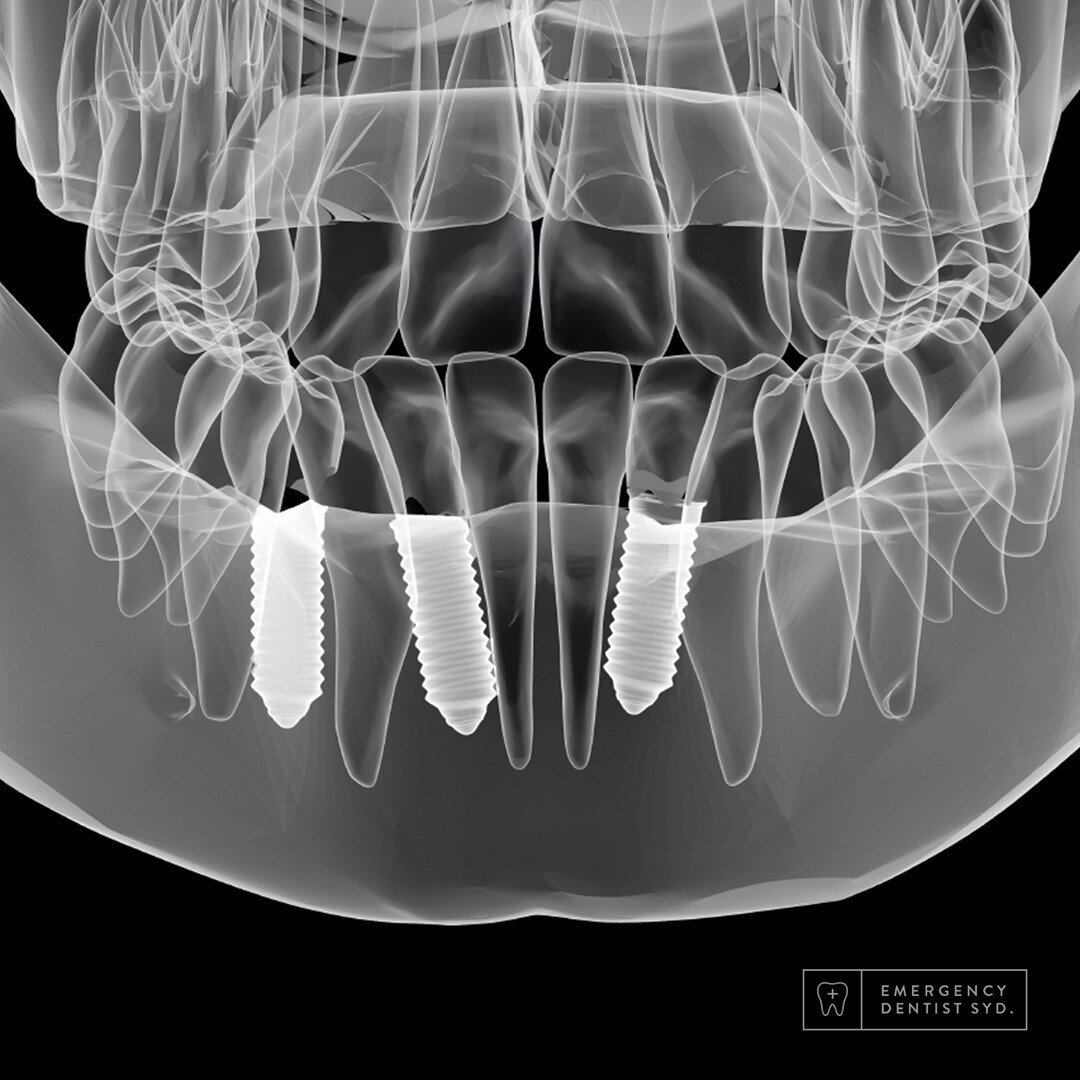
Dental implants have become a popular treatment.
Getting a tooth knocked out is for many one of their worst nightmares, especially if it's one that is in a very visible spot. As shocking and upsetting as it is though, fast action can make all the difference.
What you might not know is that if an adult tooth is intact it can often be saved if action is taken within the hour. So, in this situation, getting yourself - and that tooth - off to the dentist as soon as possible is a must. If the tooth can be re-implanted and it 'takes' you may still need a root canal later but at least you'll still have your natural tooth. And if it can't, it's not the end of the world as your emergency dentist can help get the process of getting an implant or dental bridge to replace it started.
A Painful Chipped Tooth
It's all too easy to chip a tooth. Bite into something a little too hard - a very cold ice lolly, a hard piece of crackling, a very crisp apple - and a piece of your tooth may suddenly be gone.
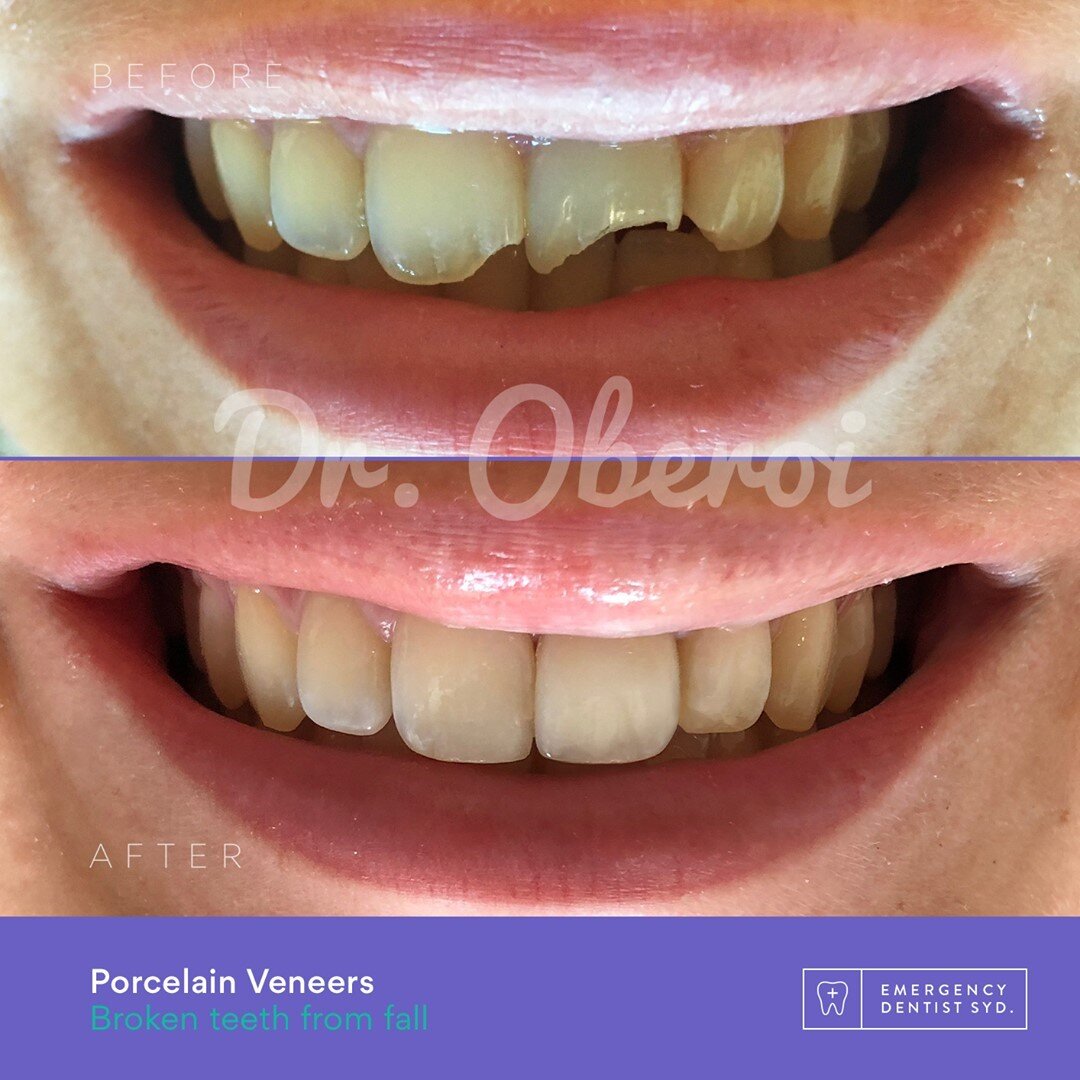
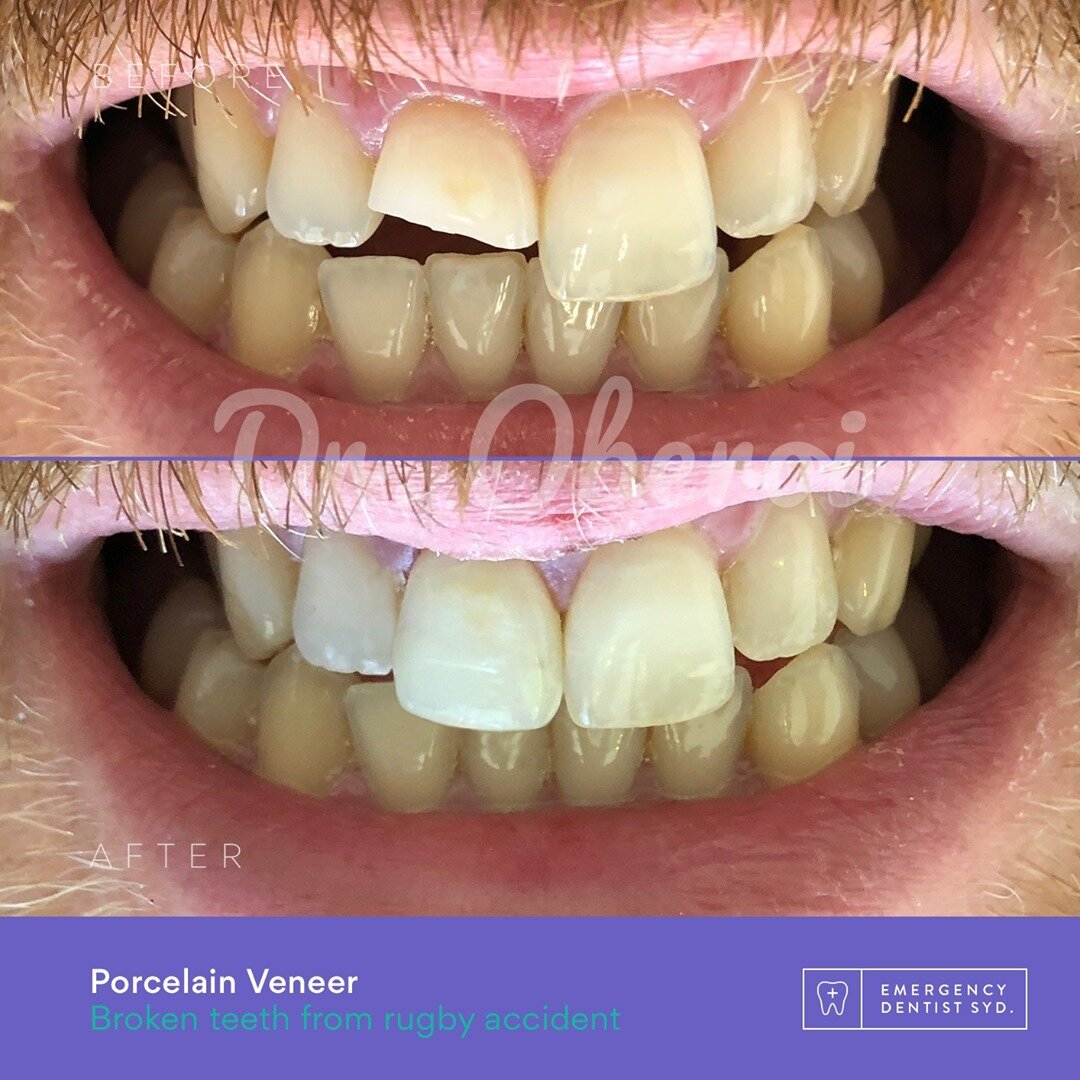
A small chip doesn't always have to be treated after hours but if there is pain present, discomfort or distress from the appearance of the tooth, it should be treated as soon as possible. As a solution there are a few options depending on the damage. Dental composites (bonding), crowns, porcelain veneers and fillings can all be used to treat a chipped tooth.
Abscesses

Traditional and laser root canal treatment.
Some of the most severe toothache people experience is not actually cause by their teeth at all, but by an abscess, either in the gum or the pulpal (soft) matter in a tooth's root. Pain aside - and the pain can be truly excruciating - these abscesses are often infected, and so treating them immediately is a must. The underlying cause of the abscess - gum disease, tooth necrosis - will probably call for additional treatments but an emergency dentist can begin the diagnosis process and get you on the antibiotics that will treat infection and begin killing that terrible pain.
These are just a few of the conditions that warrant a speedy visit to an emergency dentist, there are more. Although not all oral health emergencies can be solved overnight, the faster you get help, the better, a great reason to make sure that you add the number of an emergency dentist to that list of important numbers in your phone (or on your fridge).
The Emergency Dentist Says:
The faster you get help for your oral health emergency the better the outcome is likely to be. And if you're not sure if yours is a real emergency give us a call and we'll help you figure it out.
Patient Care First

Keep Up-To-Date with All Things Oral & General Health
RECENT ARTICLES







For 15 years, we've had one mission - when Sydney has a dental emergency, Emergency Dentist Sydney is there
We're proud to celebrate 15 years of providing emergency dental services to Sydney CBD and surrounding suburbs.