

What to do with a cracked tooth?
What to do with a cracked tooth?
Learn how to detect, prevent and treat a cracked tooth in this comprehensive guide. Emergency Dentist Sydney is available around the clock to support you.
Learn how to detect, prevent and treat a cracked tooth
A cracked tooth can be both painful and concerning, requiring prompt attention to prevent further complications. It’s also incredibly likely that you will chip a tooth at some stage in your lifetime.
Here's a comprehensive guide on how to manage a cracked tooth.
Recognising a Cracked Tooth
Cracks in teeth can manifest in various forms, each with distinct characteristics:
Craze Lines: Superficial cracks in the enamel that are typically painless and common among adults.
Fractured Cusp: Occurs when a piece of a tooth's chewing surface breaks off, often around a filling. This may not cause significant pain.
Cracked Tooth: A crack extending from the chewing surface toward the root, potentially causing pain when chewing or sensitivity to temperature.
Split Tooth: A crack that has progressed to separate the tooth into distinct segments, often resulting in significant discomfort.
Vertical Root Fracture: Begins below the gum line and extends upward, possibly leading to gum infection and discomfort.
Immediate Steps to Take
If you suspect a cracked tooth, consider the following measures:
Rinse Your Mouth: Gently rinse with warm water to cleanse the area and reduce the risk of infection.
Avoid Chewing on the Affected Side: To prevent exacerbating the crack, refrain from using the damaged tooth for chewing.
Manage Pain: Apply a cold compress to the cheek near the affected area to reduce swelling and numb the pain. Over-the-counter pain relievers, such as ibuprofen, can also provide relief.
Protect the Tooth: If possible, cover the cracked tooth with dental wax or sugarless chewing gum to shield it from further damage.

Seeking Professional Dental Care
It's imperative to consult a dentist promptly. Delaying treatment can lead to complications such as infection or tooth loss. Your dentist will assess the severity of the crack and recommend appropriate treatment, which may include:
Bonding: Applying a tooth-coloured resin to fill the crack.
Crown: Placing a custom-made cap over the tooth to protect and restore its function.
Root Canal Treatment: If the crack has reached the tooth's pulp, a root canal may be necessary to remove damaged tissue and save the tooth.
Extraction: In cases where the tooth cannot be saved, removal may be the only option.
Preventing Cracked Teeth
To minimise the risk of cracking a tooth:
Avoid Hard Foods: Steer clear of biting down on hard substances like ice, unpopped popcorn kernels, or hard lollies.
Wear a Mouthguard: If you engage in contact sports or grind your teeth at night, using a mouthguard can provide essential protection.
Maintain Regular Dental Check-ups: Routine visits to your dentist can help identify potential issues before they become serious.
Understanding the Costs
In Australia, dental treatment costs can vary. Below are some approximate averages:
Dental Bonding: Approximately AUD 150–AUD 500 per tooth.
Crowns: Can range from AUD 1,000 to AUD 2,500 per tooth, depending on the material used.
Root Canal Treatment: Costs may vary between AUD 800 and AUD 2,000, influenced by the tooth's location and the complexity of the procedure.
Extraction: Generally costs between AUD 150 and AUD 300 per tooth.
Get emergency support for your cracked tooth
A cracked tooth requires immediate attention to prevent further damage and alleviate discomfort. By following the steps outlined above and seeking prompt dental care from Emergency Dentist Sydney, you can ensure the best possible outcome for your oral health.
NEED ADVICE OR EMERGENCY DENTAL CARE IN SYDNEY CBD?
Contact our friendly team


Can I ignore a cracked tooth?
Can I ignore a cracked tooth?
Do you grind your teeth? Do you already have a cracked tooth? This article could save you a tooth or two. Learn what to do if you have a cracked tooth here.
The Dilemma of a Cracked Tooth: To Ignore or Not to Ignore?
A cracked tooth might seem like a minor inconvenience, but it could signal underlying issues that, if left unaddressed, could lead to significant complications. Understanding the causes, potential risks, and available remedies is crucial for maintaining oral health.
Causes Behind a Cracked Tooth
Various factors contribute to a cracked tooth, including unexpected trauma, biting down on hard substances, bruxism (teeth grinding), or even simple temperature changes causing contractions within the tooth structure.
Some of the most common causes include biting into hard candy, opening bottles with your teeth, biting popcorn kernels and even biting items such as plum or olive seeds by accident. Each of these can easily cause a tooth to crack.
Solutions for a Cracked Tooth
When faced with a cracked tooth, seeking urgent dental care is crucial. The approach to fixing a cracked tooth depends on the extent of damage and its location within the tooth structure. There are 4 main solutions, which we discuss in depth below:
Dental Bonding: Repairing Minor Cracks
Dental bonding involves applying a tooth-coloured resin material to the affected tooth. This method effectively repairs minor cracks and chips, restoring the tooth's functionality and appearance.
Dental Crown: Protecting and Restoring
For more substantial damage, a dental crown might be necessary. This involves placing a cap over the damaged tooth, protecting it from further harm while restoring its strength and aesthetics.
Root Canal Treatment: Addressing Deeper Damage
In cases where the crack extends deeper into the tooth, affecting the pulp, a root canal might be recommended. This procedure involves removing the damaged pulp, cleaning the area, and sealing it to prevent infection, thus preserving the tooth's integrity.
Tooth Extraction: A Last Resort
In severe instances where the tooth is extensively damaged and cannot be salvaged, extraction becomes the last resort. While not the ideal scenario, it eliminates the risk of infection spreading and allows for potential replacement options like implants or bridges.

Risks Associated with Neglecting a Damaged Tooth
Ignoring a cracked tooth can lead to various complications, including heightened sensitivity, pain, an increased risk of infection, and potential tooth loss. Delaying treatment might escalate the problem, making it more challenging and costlier to address later.
Preventing a Cracked Tooth
As mentioned, prompt action is crucial when dealing with a cracked tooth. Even seemingly minor cracks can worsen over time if left untreated, potentially leading to more extensive procedures or tooth loss.
Taking preventive measures, such as avoiding hard substances and using a mouthguard if you grind your teeth, significantly reduces the risk of developing a cracked tooth.
Need help with a cracked tooth?
A cracked tooth demands attention and timely intervention. Now you understand the causes, available treatments, and risks associated with neglecting a damaged tooth, you will be more capable of making appropriate decisions about your own oral health.
Remember, consulting a dental professional is imperative for proper assessment and tailored treatment, ensuring the preservation of your beautiful smile and overall dental well-being. Don't wait; prioritise your oral health to prevent minor cracks from turning into major problems.
The team at Emergency Dentist Sydney are here to help, no matter what day or time. We work around the clock for you.
NEED ADVICE OR EMERGENCY DENTAL CARE IN SYDNEY CBD?
Contact our friendly team

"Just Take My Tooth Out."
Is This What You Should Be Saying?
Is This What You Should Be Saying?
If you have tooth pain, it can be tempting to do whatever is necessary to immediately fix the problem. If you do this, it will allow you to go back to your normal life with as little disruption as possible. However, this kind of speed can cause its own problems. It can lead to you making the wrong decision for your long term oral health. That’s why you need to carefully consider the alternatives before you ask an after hours dentist to remove a troublesome tooth.
Why Some People Choose Extraction
If you have a really severe toothache or cracked tooth, you might think that the best solution is to just get rid of the tooth. There may be a number of reasons for making this decision. As Dr. Oberoi from Emergency Dentist Sydney says, “Some people who want their tooth taken out do it because they don’t think they can afford to keep it, or they don’t fully understand the value of having your own teeth.”
You might also be experiencing severe pain or just don’t seem to have the time to get the problem fixed properly. Unfortunately, you might think that you can just get your tooth out and go through the rest of your life as if nothing happened, but this isn’t usually the case. Having a missing tooth or teeth can cause a variety of problems in the long term. This includes the following:
Chewing will be more difficult.
The shape of your face will change.
Your speech can be affected.
The gap might show when you smile, making you feel self-conscious.
The health of your remaining teeth will be affected, resulting in a higher chance of further decay.
Teeth support each other in the right position, so if you have one removed it will lead to the others slowly collapsing into the gap.
Teeth are meant to work as a unit, so when one is missing, your oral health overall will decline. So if you get a tooth removed impulsively, it will probably lead to more serious problems down the road.
The Alternatives to Extraction
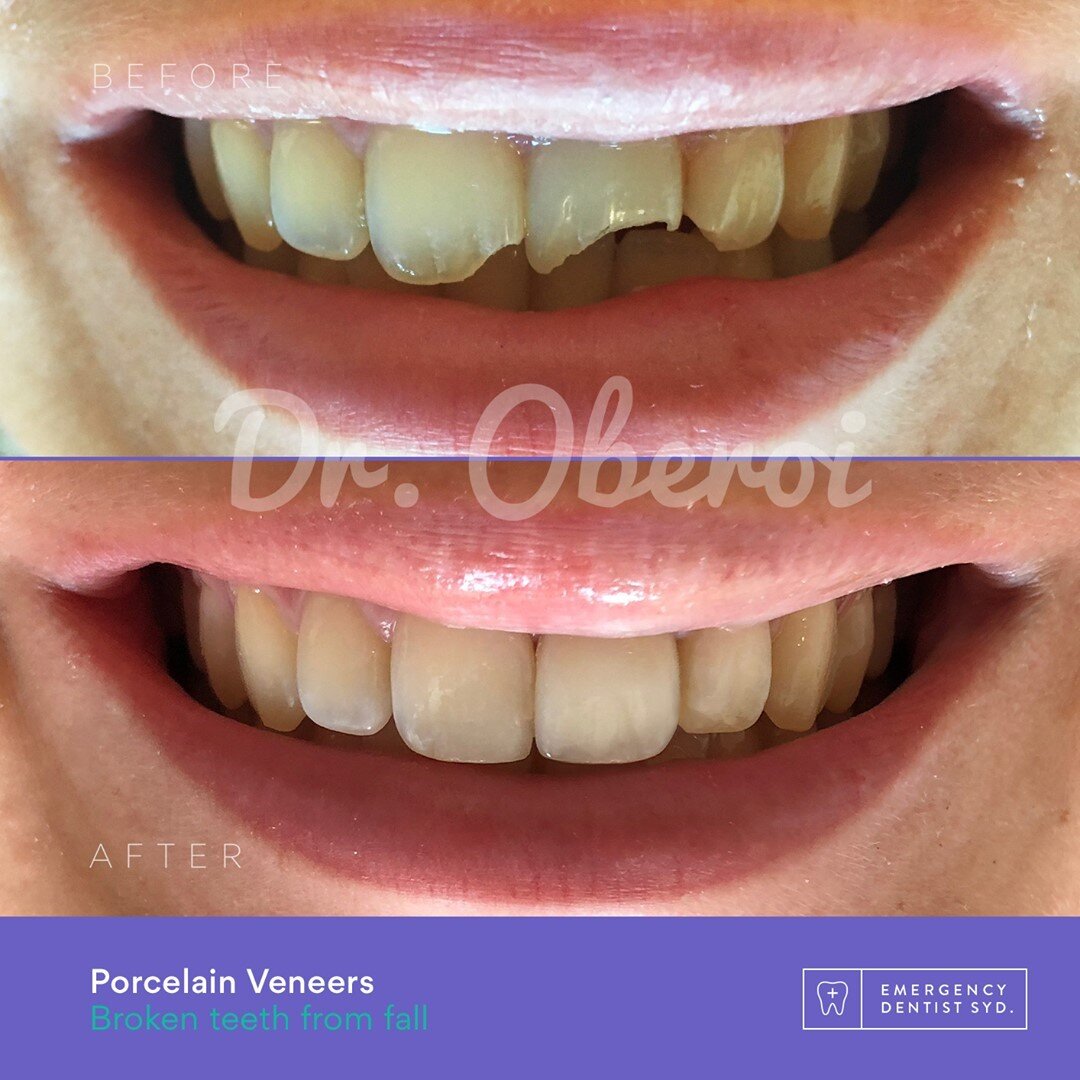
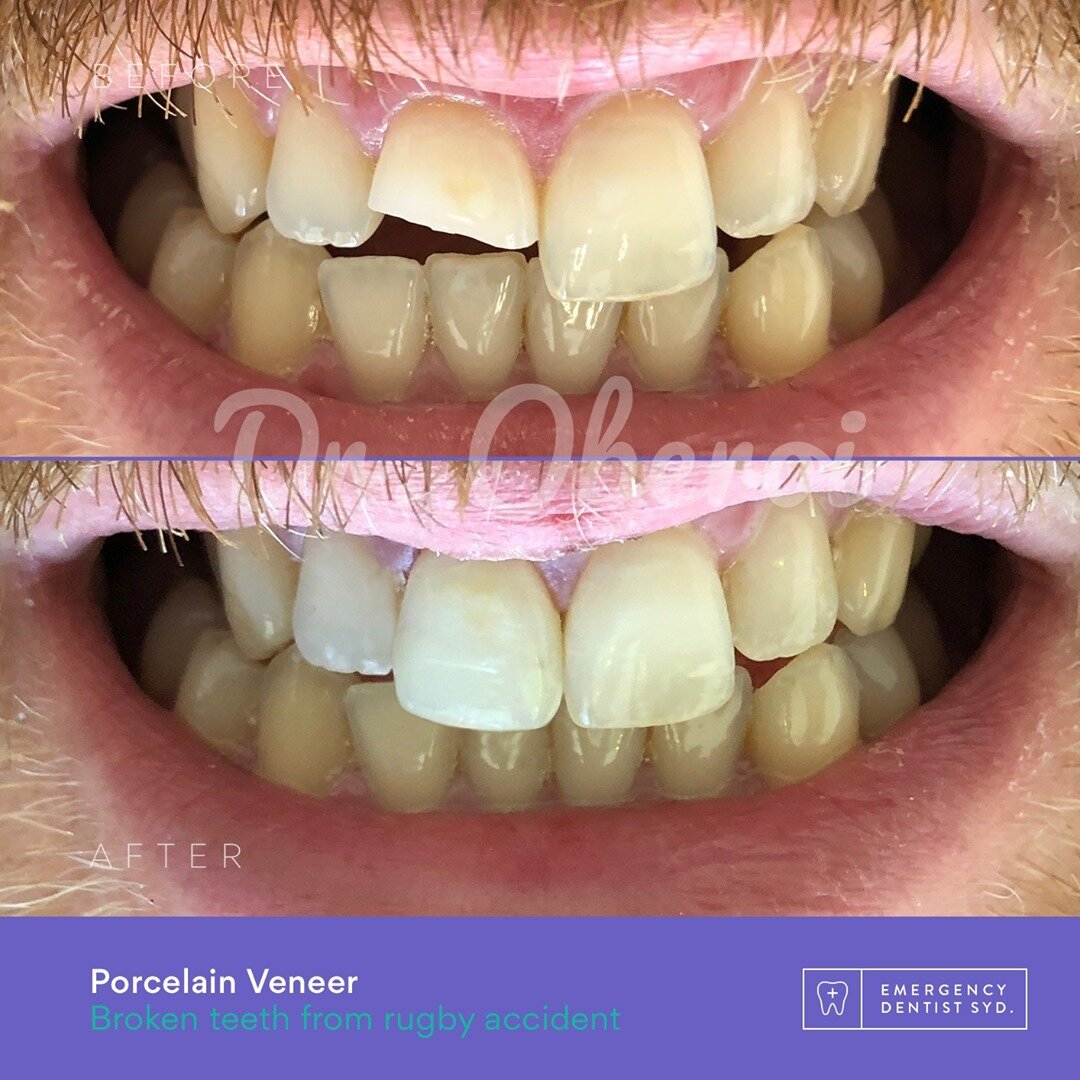
Extracting a tooth is a serious procedure. That’s why a good after hours dentist will find other ways to save your tooth if possible. As Dr. Oberoi says, “When you’re looking at alternatives, the best thing to do is to save the tooth with a root canal. If the tooth has a crack in it we can fit a crown or veneer over the top. And a dental implant is the last solution if the crack is really bad.”
So the next time you have a toothache, talk to your dentist before you make any decisions. This will help ensure that you get the best treatment possible for your present and your future oral health.
Emergency Dentist Sydney Says:
If you have a dental emergency, contact our Emergency Dentist in Sydney. Our caring and expert staff are available 24 hours a day to help you with all your emergency dental needs.

Is Immediate Pain Relief Always Possible?
What to Expect When You Visit Your Dentist with a Painful Problem
What to Expect When You Visit Your Dentist with a Painful Problem
If you’ve ever had a toothache then you know how uncomfortable it can be. In fact, this is probably the most common complaint that sends people to an after hours dentist. If you experience dental pain, you might worry about how much your dentist can actually help with it. After all, how much can they do apart from give you painkillers? Well, they can actually do a lot more than give you some tablets. To understand all the ways your dentist can alleviate your dental pain, keep reading.
Causes of Dental Pain
There are a number of things that can cause dental pain and send you to the after hours dentist. Some of the most common are:
Tooth decay or a cavity.
A cracked tooth.
An abscess.
Damaged dental work such as a broken filling or crown.
Gum disease.
Infection.
Damage or strain caused by repetitive movements such as grinding or chewing.
Dental Solutions to Pain
If you’re suffering from dental pain, the first thing your dentist will do is treat the problem. So if you have a cavity, they will put a filling in. If you have an infection, they will treat the cause of the infection and clean the infected tissue. This will help to completely eliminate the cause of the pain, prevent further problems, and return you to normal functioning again. There are a number of options that your dentist can offer for pain relief including oral medication, laughing gas, and IV sedation.
How Long Until You’re Pain Free?
In most cases, your dentist can eliminate your pain almost immediately with the three different pain options available in the clinic. Once the pain is alleviated, the source of the pain can be treated. This will eliminate the pain at its source so you’re comfortable once the painkillers wear off. If the pain returns after the treatment, then it means you need to visit your after hours dentist again.
As Dr. Oberoi from Emergency Dentist Sydney says, “If the pain gets worse or comes back it means that something has gone wrong or the issue hasn’t been addressed.” So talk to your dentist if you experience any further problems.
The only real exception to this is if you have a severe infection. Dr. Oberoi warns that, “In terms of pain relief we try and alleviate the pain straight away, and a lot of times we can. But in the case of severe infection it can take 24 to 48 hours for the pain to go away completely.” Which is all the more reason to visit your dentist before a problem gets to this stage.
What About Surgical Pain?
If you have some kind of dental surgery there will be some pain and discomfort afterwards. This is the case for any type of surgery, and it can usually be treated with over the counter pain medication. But you can also minimise your discomfort by choosing the right dentist for the surgery.
Dr. Oberoi states, “It depends on how the surgery is done. If the surgeon is careful to cause little trauma, then there’s less pain. That’s why it’s important to get the right people for your dental surgery.” So before you have any dental surgery, make sure that your dentist is well trained and experienced. That will help ensure that you have the best outcome possible from the procedure and it will cut down on your recovery time as well.
Emergency Dentist Sydney Says:
If you’re experiencing dental pain, contact Emergency Dentist Sydney. Our caring and expert staff are available 24 hours a day to help you with all your emergency dental needs.
Patient Care First

Keep Up-To-Date with All Things Oral & General Health
RECENT ARTICLES







For 15 years, we've had one mission - when Sydney has a dental emergency, Emergency Dentist Sydney is there
We're proud to celebrate 15 years of providing emergency dental services to Sydney CBD and surrounding suburbs.