
Is Tooth Enamel Loss Really Permanent?
Keep it Healthy
Keep it Healthy
Your tooth enamel is pretty tough and it has to be. It’s under constant assault from foods and drinks, not to mention the bacteria that grows in between brushing. Plus, every time you drink a soft drink or eat something sugary, it makes your enamel weaker. And that’s a problem because your enamel defends your teeth against decay, and when it gets damaged you’ll probably end up having to make an emergency trip to an after hours dentist. If you want to avoid that, here’s what you need to know about this essential part of your teeth.
What is Enamel?
Enamel is the hard coating over the softer parts of your teeth. It’s made primarily of a mix of minerals, and is the hardest substance in the body, harder even than your bones. However, once your enamel is damaged or worn away, it doesn’t grow back. Though your dentist can repair small lesions that weaken enamel, once it’s gone you’re going to have serious problems with your teeth for the rest of your life.
There are a number of things that can damage the enamel on your teeth. The most problematic are:
Soft drinks, because the high sugar content eats away at the enamel and weakens it overall.
Sugary foods, which have the same effect as soft drinks.
Certain medications can soften the enamel.
Conditions like Bruxism or teeth grinding, because the constant motion wears the enamel away.
Diseases like Acid Reflux Disease, where stomach acids rise from the gut and can wear away the teeth.
Genetics.
How to Tell if Your Enamel is Worn
It’s usually pretty easy to tell if your enamel has been damaged or worn away in any areas. With the enamel gone, the soft inner surfaces of your teeth will be exposed to the open air and to any food and drink that you consume. This means that the affected teeth will become discoloured or stained more easily. Your teeth will also become more sensitive to hot and cold foods or drinks.
Enamel is very strong, which is why your teeth are fairly hard to break. But when the enamel wears away, you will also notice that your teeth chip or break more easily. This is why you need to visit your dentist if you notice any changes in your teeth. Because once your teeth start to break, fixing the problem becomes much more difficult.
Strengthening and Repairing Enamel
Once your enamel is gone, it can’t be replaced. However, if you know ahead of time that your enamel is thinning then you can take steps to try and boost its health. That’s one reason why you need to make regular trips to the dentist for check-ups, because they’ll be able to tell you if you have a problem with your enamel.
Products that contain fluoride can be very helpful in keeping your enamel strong. Fluoride acts as a barrier between food and drinks and your enamel, preventing damage or degradation. You can also find toothpastes that contain minerals that will help to strength enamel weak spots by inundating them with calcium. This will help prevent further damage to the enamel and hopefully prevent it from being completely worn away from your tooth or teeth.
How to Prevent Enamel Loss
You can’t replace enamel that’s been lost, that’s why the best strategy to preserve your oral health is to avoid things that cause damage. So if you grind your teeth, talk to your dentist about a mouth guard. Try to avoid medications such as aspirin which cause enamel erosion. Avoid sugary foods and drinks as much as possible. And most of all, take a proactive role in your oral health. This means informing yourself about the health of your enamel and talking to your dentist about any issues before they become serious problems.
Emergency Dentist Sydney Says:
If you have a dental emergency, contact our Emergency Dentist in Sydney. Our caring and expert staff are available 24 hours a day to help you with all your emergency dental needs.

Smokers vs. The Dentist
The Tough Truth
The Tough Truth
There's been a lot of good news about smoking in Australia recently. According to the Australian Bureau of Statistics the number of smokers in the country has decreased by nearly 10% over the last two decades. Back in 1994 one in four Aussie adults smoked. By 2015 that had been cut to one in seven, and the numbers are still dropping.
However, that's still plenty of people lighting up on a regular basis. Do most of those people probably want to quit? More than likely. But it's tough, we know that. Lots of folks have to try, try and try again before they finally manage to kick the habit for good, so if you're struggling, you're not alone.
The one thing we do know as dentists is that whether they are actively trying to stop smoking or not, lots of smokers avoid coming to see us. And even if they do, they are often embarrassed, because they know that the lingering 'smoker's breath' and the discolouration years of nicotine causes on the teeth isn't attractive at all.
There are however, even bigger oral health concerns that smokers should be aware of. Smokers are at an increased risk for all of the following:
A dulled sense of taste and smell, even if they don’t know it. Often, when a person stops smoking it's the first time they realise all of the wonderful taste experiences and everyday scents they've been missing!
Slow healing after a tooth extraction or other dental surgery. This can seriously impact the effectiveness of what can be rather helpful and sometimes even transformative oral health treatments.
Gum disease. Gum disease is nasty stuff. It does not just affect smokers of course but it does tend to be a little worse, and harder to treat effectively, if the patient being treated smokes.
Oral cancer. This is obviously the biggie. Not to be overly heavy but smoking seriously increases the risk that you will develop some form of oral cancer.
By the way, we should point out that it is not just cigarette smokers who are at an increased risk for these oral health problems. Cigar smoking and tobacco chewing can be just as bad. And the bad news for vapers is that an increasing number of dental case studies and research projects are finding that vaping can potentially be as bad for your oral health as smoking regular cigarettes.
The one thing you should not do as you try to kick your habit though? Avoid seeing the dentist on a regular basis. Dentists, although yes, we will try and encourage you to stop smoking/vaping are not overly judgmental people. We get that it's hard and what we'd like to do is to address any damage you've already suffered to your oral health as a smoker while helping you learn to minimise future problems.
If you are still smoking, try all of the following, starting today:
Cut down as far as you are able. Every little step counts!
Pay particular attention to brushing your teeth at least twice a day
Try making use of a smoker's toothpaste (but make sure it's one that contains fluoride too)
Keep trying to quit. It really is better for your oral health, your overall health and even all the people around you.
Emergency Dentist Sydney Says:
Smoking is not good for your health, including your oral health. But it should not be a reason to skip dental treatment. Sticking to your regular checkup schedule - and seeking help right away if you experience tooth pain - can help minimize the damage smoking does to your teeth and gums.

Mending A Broken Smile
Cosmetic Dentistry in the 21st Century...
Cosmetic Dentistry in the 21st Century
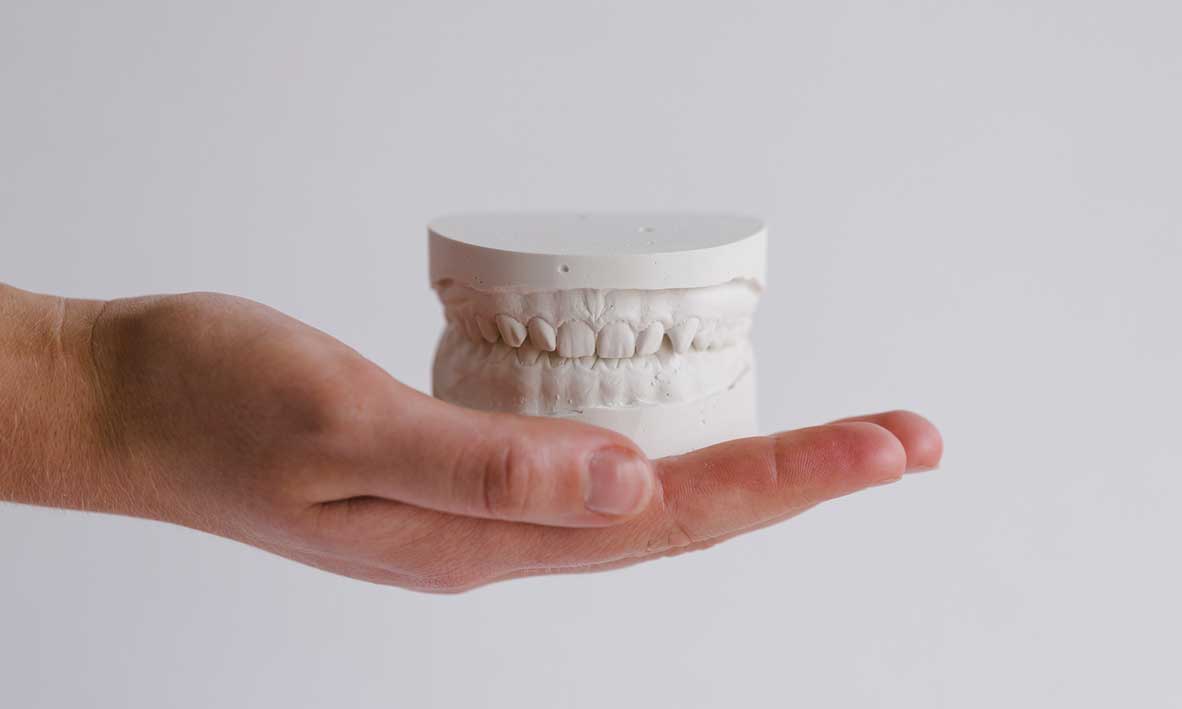
There is no doubt that the way your teeth look is important. And if they are damaged it's often hard to hide that fact, something that many find more than a little distressing.
The good news is that cosmetic dentistry has come a long way over the last few decades and it is continuing to get better and more innovative every day. This often means that even teeth that a person thought were beyond repair can not only be fixed but restored to their former glory in terms of aesthetics as well.
There are lots of ways teeth can be damaged and there are also a number of other cosmetic dental issues that simply develop to spoil your smile. Here's a look at some of the most common and how they are treated.
Missing Teeth
Losing a tooth as a kid is exciting. It means you are growing up AND you're likely to be waking up to a few extra dollars left in the night by the elusive tooth fairy (no, before you ask, even dentists have no idea what she wants all those teeth for) Losing a tooth as an adult is a very different matter. It's traumatic, shocking and ultimately very upsetting. How are you supposed to the face the world with that big embarrassing gap in what was once a nice smile?
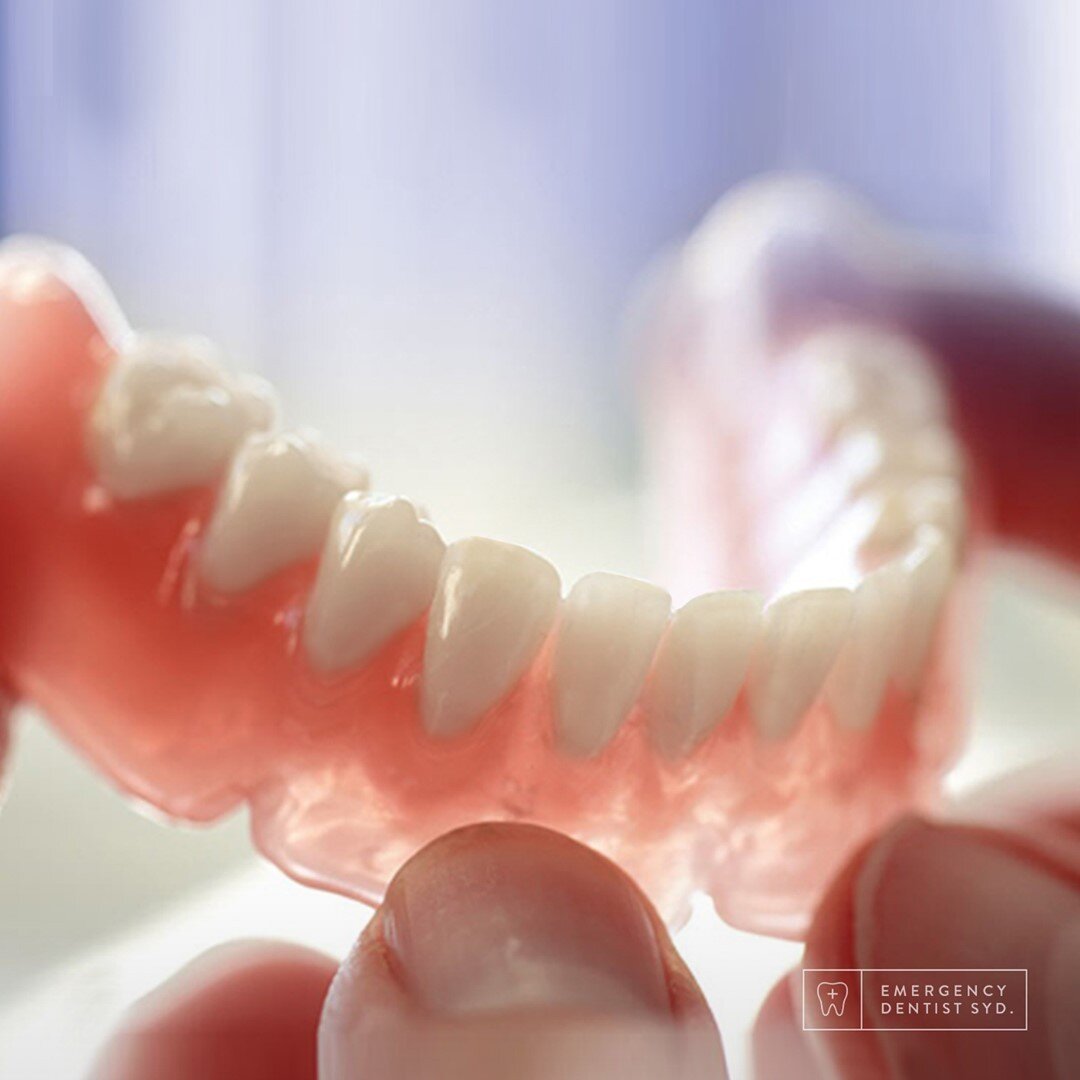
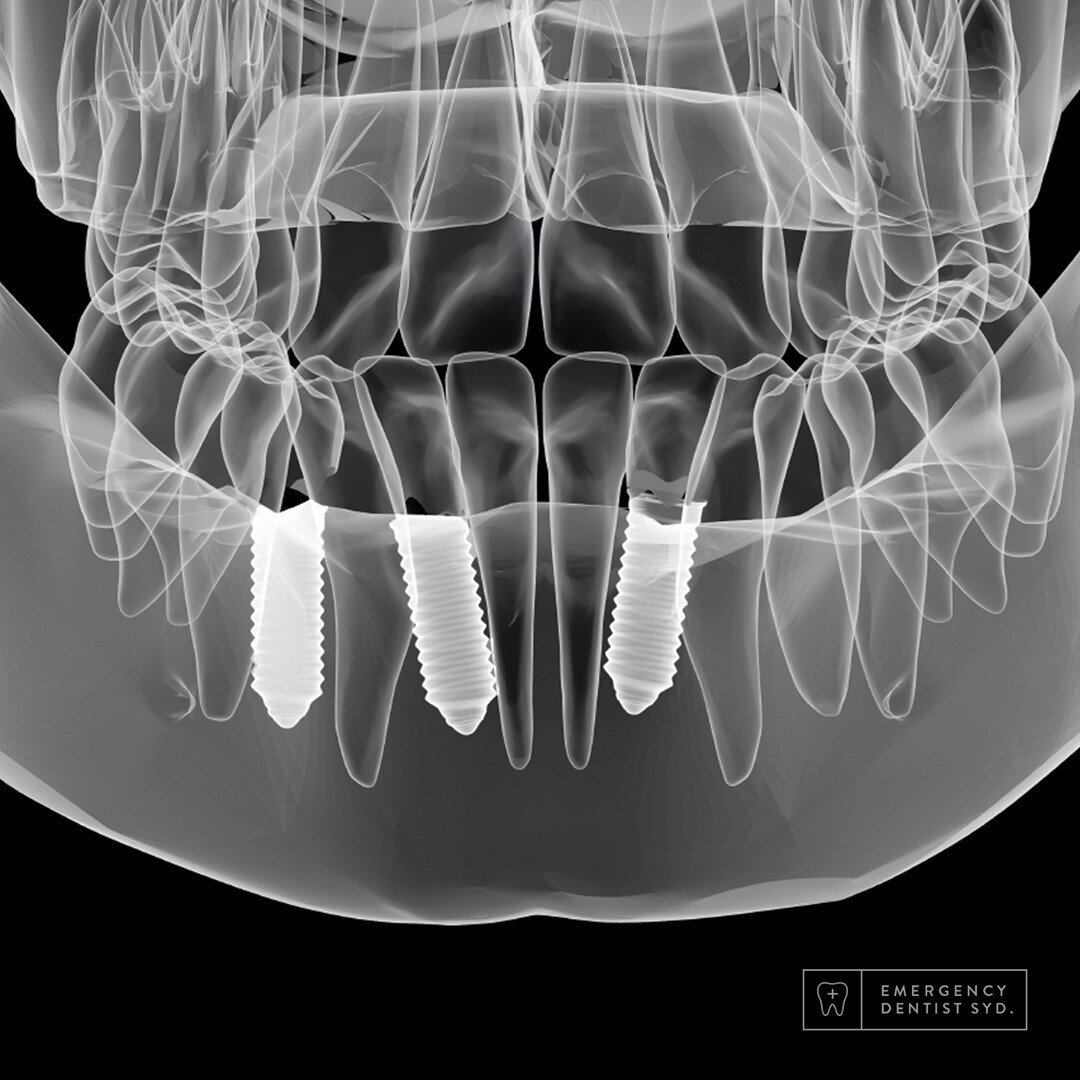
Thanks to the skill of a good cosmetic dentist a missing tooth does not have to be the end of the world (or the end of that nice smile anyway) The treatments used vary according to the location and size of the missing tooth but bridges, crowns and implants are all ways that a 'gappy' smile can be restored to its former glory with relative ease.
Cracked/Broken Teeth
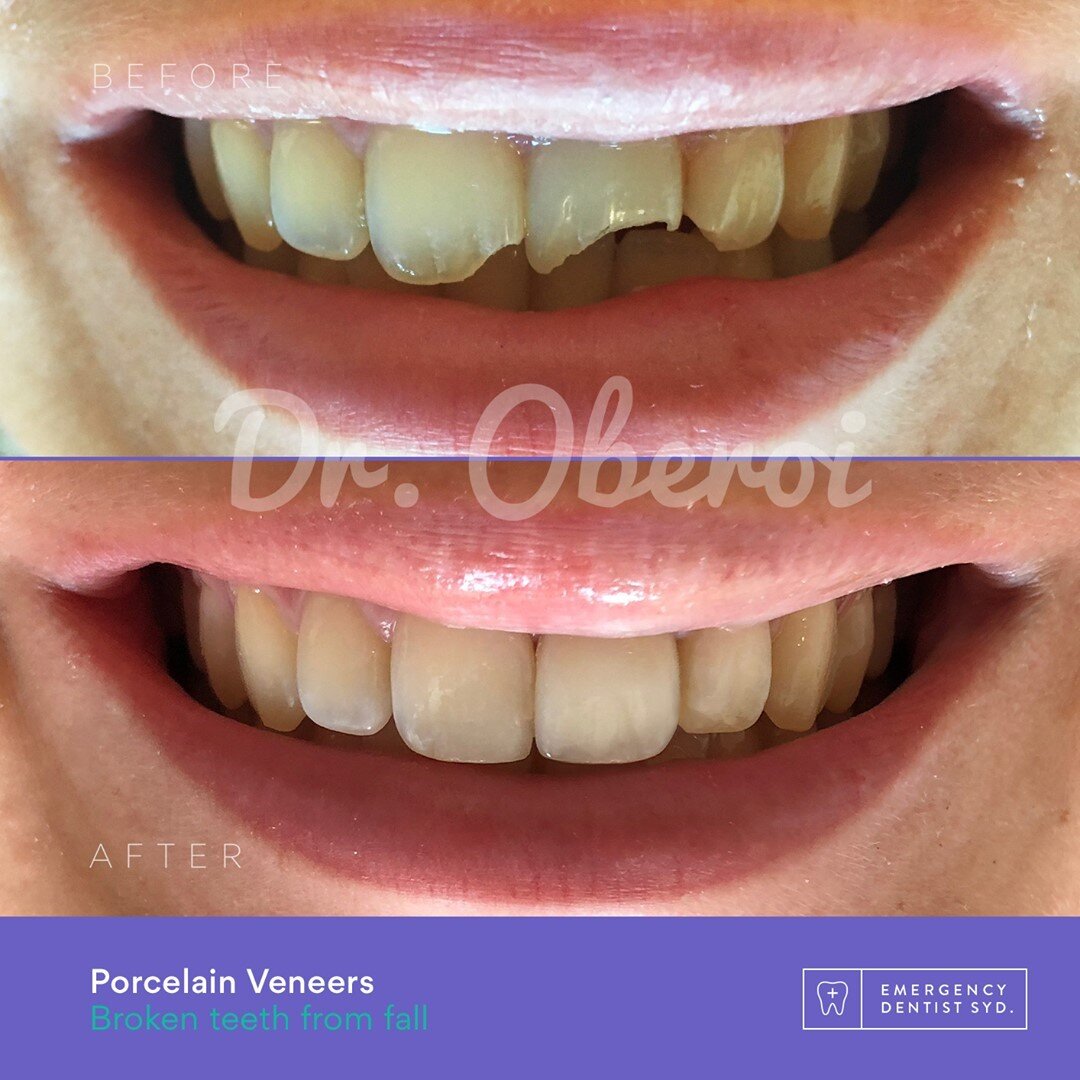
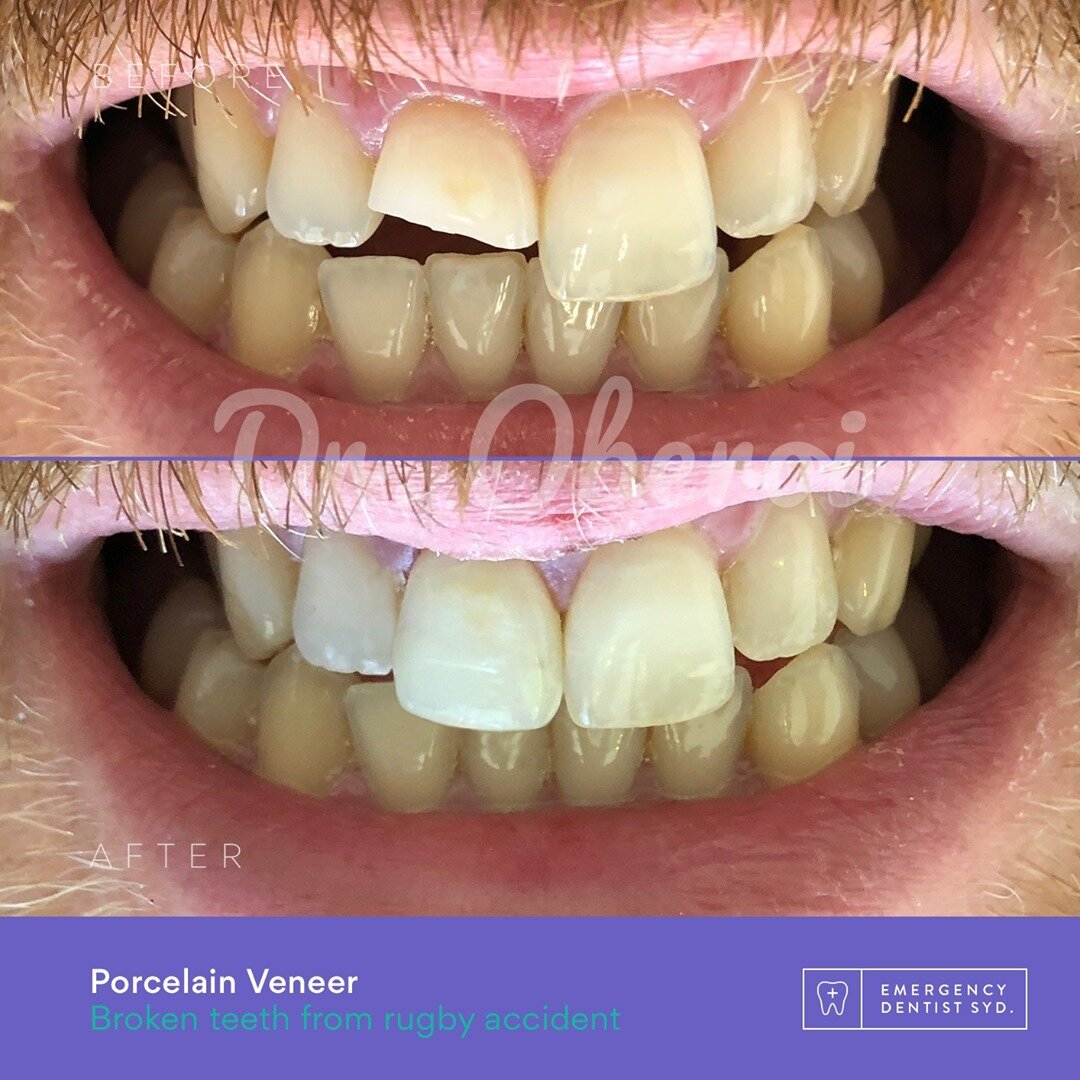
It's easier than you might think to crack, chip or break a tooth. They may seem tough but a particularly crispy apple, an argument with a pavement or a dozen other accidental scenarios are more than a match for tooth sometimes, and even though it survives the trauma it doesn't do so intact, leaving you with a damaged tooth that not only looks pretty bad but is also now prone to decay, infection and further collapse if not treated promptly.
Natural looking fillings, a treatment known as bonding, crowns and other cosmetic dental innovations can be used to correct all kinds of cracks, breaks and similar damage to teeth, but for them to be most effective you will need to see your dentist asap after the damage is first done.
Discoloured Teeth
Seems like everyone is in pursuit of that dazzling white smile these days. The chemist's is not really the best place to begin your quest though. Most over the counter whitening kits are both pretty ineffective and often contain harsh chemicals that can actually damage teeth. Your dentist, on the other hand, has the safe, effective and long lasting whitening solutions you are looking for, as well as a few tips for how changing the way you eat, drink and care for your teeth can keep them that way.
Emergency Dentist Sydney Says:
Cosmetic dentistry can work wonders, but don't overlook the fact that preventive care can also help keep teeth stronger, healthier and less prone to damage in the first place.
Patient Care First

Keep Up-To-Date with All Things Oral & General Health
RECENT ARTICLES






For 15 years, we've had one mission - when Sydney has a dental emergency, Emergency Dentist Sydney is there
We're proud to celebrate 15 years of providing emergency dental services to Sydney CBD and surrounding suburbs.