How Nail Biting Will Hurt Your Teeth
Why You Should Stop for the Sake of Your Oral Health
Why You Should Stop for the Sake of Your Oral Health
Nail biting is a very common habit that can start in childhood and continue throughout your life.
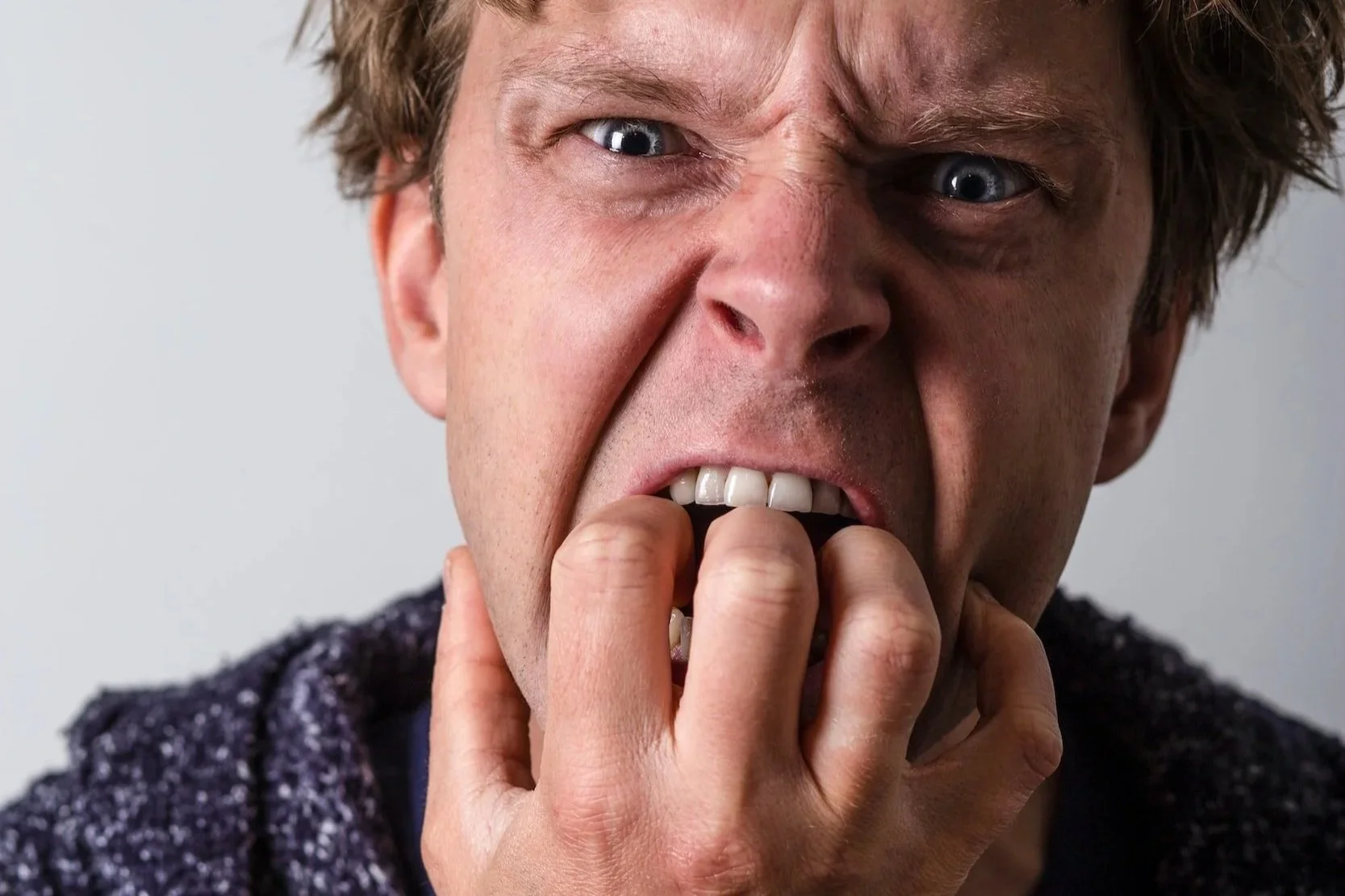
If you have this habit, you probably worry about the damage that it does to your nails and how it affects the appearance of your hands. But nail biting can do more than make it hard to wear nail polish. It can also impact your oral health and make you more likely to need a trip to an after hours dentist to repair the damage.
Why Bite Your Nails?
There is no clear cause of nail biting, but most of the time it’s associated with stress. This is a habit that often starts in childhood as a natural progression from finger or thumb sucking. Chewing your nails can help relieve tension, anxiety, stress or boredom. So when you find yourself in a situation that prompts these reactions, you’ll probably find yourself biting your nails. Unfortunately, this can be a difficult habit to break, even if you know that you’re damaging your oral health every time you bite.
How Nail Biting Affects Your Oral Health
Biting your nails can seriously affect the health of your gums and your teeth in a number of ways. Here are some of the problems that you might encounter if you bite your nails:
The grinding action can wear away the enamel on your teeth and cause cracked or chipped teeth.
Your nails get harder when you constantly bite them, which means that chewing them is even more difficult and will cause more damage the longer you have the habit.
Biting your nails puts pressure on your teeth, which can cause them to shift and leave gaps in your smile.
Biting your nails can weaken the roots of your teeth and cause your jaw bone to reabsorb them, which means that the affected tooth or teeth will fall out.
There is a lot of bacteria under your nails and every time you bite them you’re transferring it to your mouth, which can lead to gum disease.
Nail biting can do damage to your temporomandibular joint or TMJ, which can result in jaw pain or chewing difficulties.
If you chew your nails you’re more likely to develop Bruxism, which is a chronic teeth grinding habit that causes oral health problems as well as headaches and muscle pain.
How to Break the Habit
Breaking any habit is difficult and nail biting is no different. However, it’s also essential to break this habit if you want to protect and maintain your oral health. If you’re ready to get rid of this habit, here are some strategies that will help:
Find something else to do with your hands when you’re nervous, such as playing with a stress ball.
Keep your nails cut short and neat or get a manicure so they look too nice to ruin.
Get bad tasting nail polish from the chemist and put it on your nails.
Identify activities or experiences that set off the nail biting and plan to do something else instead.
Ask the people around you to stop you every time you start to bite your nails.
All of these strategies will help you find a better way to deal with negative emotions. And they will also help you avoid a late night visit to an after hours dentist with a serious dental problem.
Emergency Dentist Sydney Says
If you have a dental emergency, contact our Emergency Dentist in Sydney. Our caring and expert staff are available 24 hours a day to help you with all your emergency dental needs.
Need Advice Or Emergency Dental Care In Sydney CBD?
Contact our friendly team


Oral Health Tip #02 – Flossing
Flossing your teeth effectively is important to making your daily oral health routine count. Take a look at our How To refresher on good flossing habits...
Floss once a day
Flossing your teeth effectively is important to making your daily oral health routine count. Take a look at our How To refresher on good flossing habits
When should I floss my teeth?
Simple rule, before you go to sleep.
After you've had dinner, or any late night snacks, make it an automatic ritual to brush and floss. #HotTip If you're starting out as a newbie and you haven't been a regular flosser in the past, try flossing your top teeth one night then your bottom teeth the next. You can alternate between the top and the bottom each night until you get used to it and get a bit faster. This is especially time consuming for people with braces too!
How do I floss correctly?
Start with 'the grab'. Technique: Wrap a long strand around your middle fingers (they're the rude ones), leaving your forefingers free.
Brace position. Technique: Hold the floss between your thumbs and forefingers in both hands.
Start on the Top. Floss the top teeth between each tooth and partly up between the gums and teeth, don't force it too much. Technique: Use your fingers to pull the floss back and forth, working your way from between the teeth to between the teeth and gums in a 'Y' shape.
Repeat step 3.
Do I brush first or floss?
We say, floss first. Everyone has a different opinion on this, we take a practical approach.
When you floss you are cleaning in between your teeth and, in most cases, you are moving particles of food from between your teeth to the inside of your mouth or the surfaces of your teeth. We therefore would recommend brushing after doing this. We like to compare it to cleaning under your nails vs washing your hands. Most people would want to wash their hands after removing dirt or other nasty things from under their finger nails. That's our theory.
But there is no concrete evidence to support either order of brushing vs flossing. As long as you are disrupting the happy lives of bacteria who build little communities and multiply on and in between your teeth, you are doing the right thing.
If you do prefer to brush before flossing, we recommend thoroughly rinsing after flossing.
The #EmergencyDentist Says:
Best practice is a nightly floss after dinner – It doesn't really matter if your brush before or after you floss
Patient Care First

Keep Up-To-Date with All Things Oral & General Health
RECENT ARTICLES





For 15 years, we've had one mission - when Sydney has a dental emergency, Emergency Dentist Sydney is there
We're proud to celebrate 15 years of providing emergency dental services to Sydney CBD and surrounding suburbs.