
Emergency Dental Care Tip #006
Injury to the soft-tissue, which includes your tongue, cheek, gum and lips will result in bleeding. There are some basic things you can do to help control the bleeding...
How To Treat Severed Gums, Lips or Mouth
Injury to the soft-tissue, which includes your tongue, cheek, gum and lips will result in bleeding. There are some basic things you can do to help control the bleeding. Follow this treatment guide:
1. Rinse your mouth. Where possible, use warm water with salt and gently rinse. This process will help cleanse the injured not stop the bleeding.
2. Apply pressure by holding a moistened cloth to the area for 15 minutes. Ideally use a gauze or even a tea bag for this. This will help stop bleeding.
3. Next hold a cold compress to the outside of your face on the opposing side to the injury for 5 to 10 minutes. This will help control bleeding and relieve pain.
4. If the bleeding doesn't stop please call The #EmergencyDentist Sydney on 02 8283 6493. Repeat steps 2. and 3. until you are treated.
The #EmergencyDentist Says:
Handle with care and call us!

Oral Health Tip #01 – Brushing
Brushing your teeth effectively is important to making your twice daily brush count. You may have never been shown how or you might be in need a refresher...
Effective bushing
Brushing your teeth effectively is important to making your twice daily brush count. You may have never been shown how or you might be in need a refresher.
When should I brush my teeth?
Simple rule, when you wake up and before you go to sleep.
Mornings. There is debate as to wether you should brush before or after breakfast. The evidence is bacteria grows while your asleep and responds to the food and their production of acids after you have breakfast. As such, the teeth are softened by the reaction taking place in your mouth. Brushing after this process will remove substances however, brushing before eating will remove most bacteria before this takes place. Best practice is to brush before and rinse after if you feel you need to.
Night time. It is very important to brush before you go to sleep. If you don't, particles from food or drink are left in contact with the teeth and have the whole night to cause permanent damage to your teeth and gums. Brushing before sleep ensures the best possible conditions for your mouth to protect your teeth while you sleep.
How do I brush correctly?
Start on top. First brush the insides. Technique: Circular and forward motioning.
Then brush the outside. Technique: Circular motioning with a mix of soft and hard pressure.
Next brush the biting surfaces. Technique: Firm pressure, back and forth motion.
Repeat these three steps.
Lastly brush your tongue. Technique: Side to side, back and forth.
How long do I brush my teeth?
4 minutes. Most dentists, including The #EmergencyDentist Sydney, agrees 4 minutes of brushing is optimum. Be practical, divide your time between your teeth. 2 minutes for the top, 2 for the bottom. Then, 1 minute each for the back and for the front.
Do I brush first or floss?
We say, floss first. Everyone has a different opinion on this, we take a practical approach.
When you floss you are cleaning in between your teeth and, in most cases, you are moving particles of food from between your teeth to the inside of your mouth or the surfaces of your teeth. We therefore would recommend brushing after doing this. We like to compare it to cleaning under your nails vs washing your hands. Most people would want to wash their hands after removing dirt or other nasty things from under their finger nails. That's our theory.
But there is no concrete evidence to support either order of brushing vs flossing. As long as you are disrupting the happy lives of bacteria who build little communities and multiply on and in between your teeth, you are doing the right thing.
If you do prefer to brush before flossing, we recommend thoroughly rinsing after flossing.
The #EmergencyDentist Says:
Brush before breakfast – It doesn't really matter if your brush before or after you floss

Emergency Dental Care Tips: Toothache
Emergency Dental Care Tips for Toothache
(Including Severe or Acute Pain to the Tooth, Teeth, Gums & Mouth)
1. Rinse out your mouth with warm water to cleanse it. 2. Take x2 Nurofen, Advil or Ibuprofen then wait 3 hours. 3. Then take x2 Panadol or Paracetemol then wait 3 hours and repeat step 2. 4. You can repeat the above steps until you see us, on most occasions you will see us well before you have to do this.
(Note: Do Not Apply aspirin directly to the source of the pain)
Patient Care First

Keep Up-To-Date with All Things Oral & General Health
RECENT ARTICLES


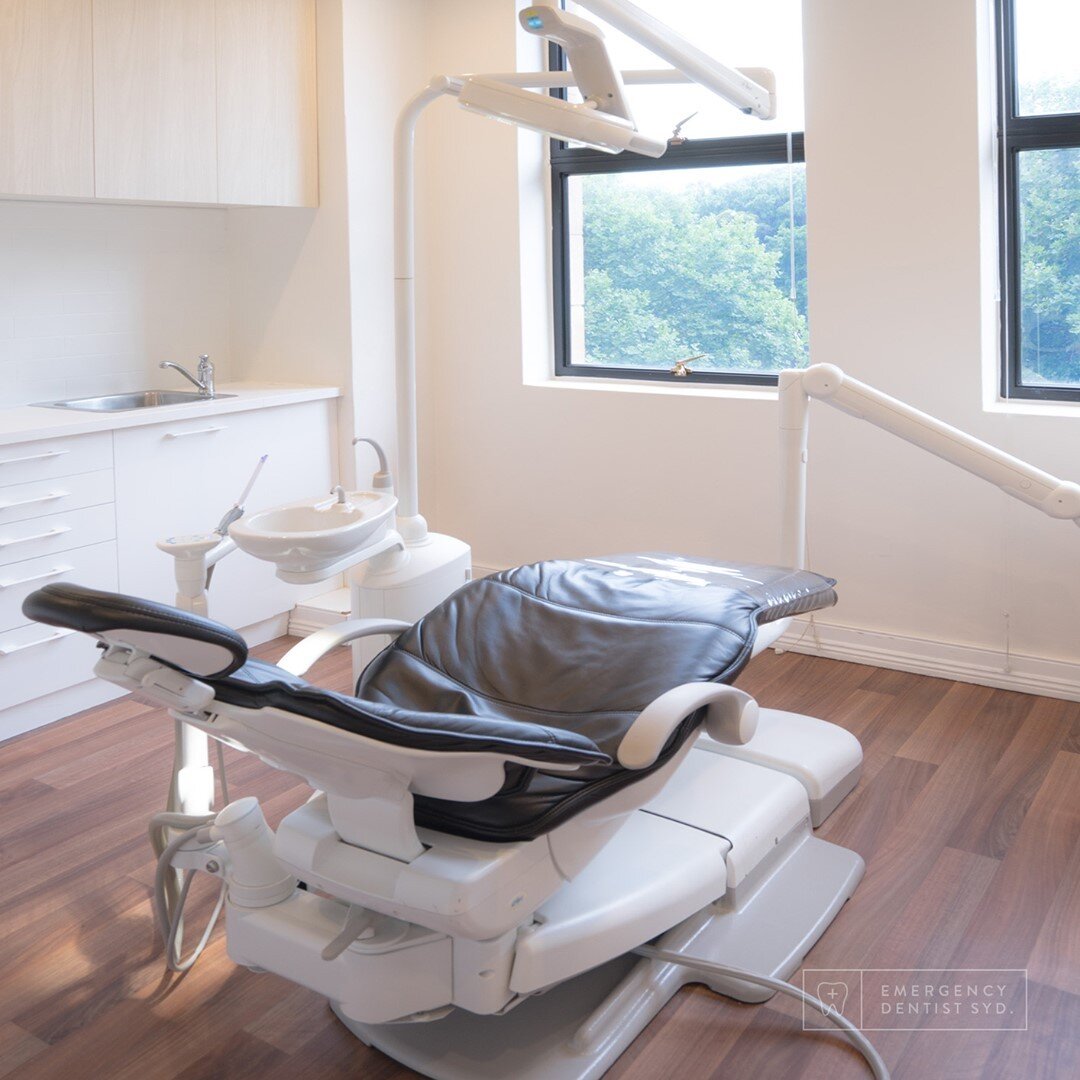



For 15 years, we've had one mission - when Sydney has a dental emergency, Emergency Dentist Sydney is there
We're proud to celebrate 15 years of providing emergency dental services to Sydney CBD and surrounding suburbs.