
Do All Toothaches Come From Bad Hygiene?
The Truth About Your Sore Tooth
The Truth About Your Sore Tooth

If you have a toothache you might worry that it’s because of bad hygiene. This worry could make you embarrassed to visit your dentist, because you don’t want to be told that you aren’t taking care of your teeth properly. But there are a number of reasons why your tooth might hurt and send you to the after hours dentist, and some of them have nothing to do with your oral hygiene. If you want to understand why your tooth is hurting, here are some of the most common causes.
The Effects of Bad Dental Hygiene
As Dr. Oberoi from Emergency Dentist Sydney says, “Toothaches are caused by nerve pain, gum infection, trauma, wisdom teeth, grinding, or extreme sensitivity. There are a lot of reasons why your teeth may hurt.”
However, problems associated with toothache are most commonly caused by bad dental hygiene. That’s why it’s so important that you brush and floss regularly and visit your dentist for regular check-ups. This will prevent any problems from getting worse and help you avoid getting a toothache.
The most common dental problems caused by bad dental hygiene are:
Tooth decay or cavities.
If you have a toothache, it’s very likely that it’s because you have tooth decay because this is the most common cause of dental pain. Tooth decay is caused by poor oral hygiene. So make sure you brush and floss regularly if you want to avoid a trip to the after hours dentist with a hole in your tooth.
An abscessed tooth
If you ignore tooth decay for a long time it may result in an abscessed tooth. This is an infection within the tooth that occurs when a cavity penetrates down to the pulp of the tooth. It can result in severe pain, infected and swollen gums, and can even result in the loss of a tooth.
Gum disease
If you neglect your oral health it will do more than make you more likely to get a cavity. It can also cause gum disease. Gum disease occurs when plaque builds up on your teeth and isn’t regularly removed. Plaque contains millions of bacteria which attack the gums, causing redness, swelling and bleeding. If gum disease is left untreated it can cause tooth loss and other serious problems.
Toothaches That Aren’t Related to Hygiene
There are also a number of common dental problems that can cause a toothache and aren’t related to your dental hygiene. These include:
Injury or trauma
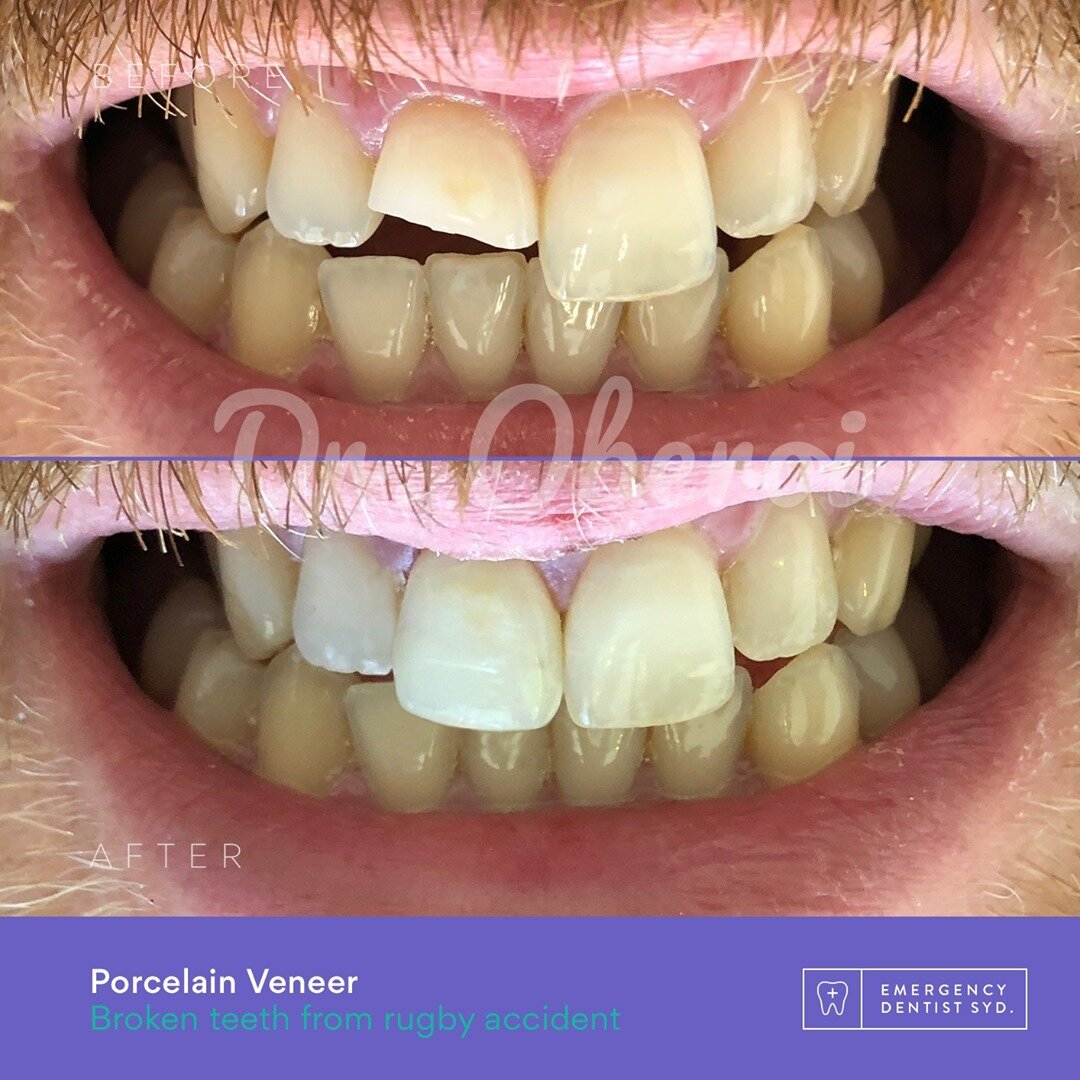
This is a very obvious cause of pain. If you fall or hurt yourself during sports you can crack a tooth or damage your gums, both of which cause pain. If this occurs, see an after hours dentist as soon as possible to avoid further damage.
Wisdom teeth
Most people just don’t have room in their mouth for their wisdom teeth. This doesn’t stop them growing however, and if there isn’t room for them they can become impacted. This can result in infection or it can push your other teeth out of alignment. When wisdom teeth become impacted they’re very painful, and the pain is usually centred at the back of the mouth. So if you experience this pain, visit your dentist as soon as possible to avoid further problems.
Teeth grinding
If you grind your teeth at night you probably won’t know it until your teeth start to hurt. Grinding can wear down the enamel on your teeth, causing pain and trauma as well as other dental problems. So if you think that you grinding your teeth then you need to talk to your dentist about it as soon as possible.
A number of dental problems can cause pain and some of them are caused by poor oral hygiene. But this isn’t all bad, because it means that you can avoid these problems by taking care of your mouth and teeth and by visiting your dentist for regular check-ups.
Emergency Dentist Sydney Says:
If you have a dental emergency, contact our Emergency Dentist in Sydney. Our caring and expert staff are available 24 hours a day to help you with all your emergency dental needs.

I Have an Abscess
So You Have an Abscess. What Does That Mean?
So You Have an Abscess. What Does That Mean?
Your mouth is a sensitive and delicate area which is why there are so many things that can go wrong if poorly treated. Dental hygiene is vitally important as well as visiting your dentist regularly. One very major mouth problem is abscesses. If your mouth or jaw is aching and there is swelling and pain, you may have an abscessed tooth. Here is a guide on everything you need to know about abscesses.
What is an Abscess?
An abscessed tooth is an infection within a tooth. It is a pocket of pus that forms at different regions of the tooth and for different reasons. A gingival abscess (gum abscess) occurs on the surface of the tissue at the gum line of the teeth. If left untreated, it can lead to a periodontal abscess which the abscess on the tissue of the gum line drives deeper into the gum pockets. A periapical abscess commences in the soft pulp of the tooth, which later on will travel down to the nerves of the tooth.
Wherever the location of your abscess, it will become inflamed and can swell severely, obstructing your ability to chew or swallow properly. The abscess will keep growing and causing more pain so it is important to visit your dentist as soon as these symptoms occur.
Other symptoms of an abscess usually include:
A reddened area around the site
A bad taste in your mouth
Swollen face
Sensitive teeth to hot or cold food and drinks
Swollen glands in the neck
A pea-sized bump inside the mouth
As your condition advances, you may experience other symptoms such as a fever, vomiting, chills or nausea.
Where Do They Come From?
An abscess usually occurs because of poor dental health. Your mouth naturally contains bacteria but when your teeth are not regularly cleaned well, plaque will form on your teeth and gums, resulting in infections and decay. Other possible causes include:
Gum disease (gingivitis)
Dental injury (cracked tooth)
A poor diet
Some medications
Neglecting small wounds in the mouth or surgical sites from previous dental visits.
How Can They Be Treated?
If you have an abscess, you need to visit your dentist immediately. This is especially important if you feel sick or have any other symptoms of an advanced infection. The treatment depends on the seriousness of your condition but usually your dentist will drain the site to get rid of the pus and give you painkillers and antibiotics to combat the infection. A root canal treatment can also be carried out. A tooth extraction only happens if it is a severe infection of the tooth that cannot be saved.
If your abscess ruptures at home, before you can get to the dentist, rinse with warm water to help clear out all the pus and see your dentist as soon as possible.
Why You Shouldn't Delay Treatment
Waiting for the pain to subside or delaying treatment is the last thing you want to do. The pain may stop but that doesn’t stop the infection. The infection will continue to spread, leading to bigger problems. Early treatment can cure the infection and save the tooth.
Emergency Dentist Sydney Says:
If you suspect an abscessed tooth, it is crucial to visit a dentist as soon as possible, even if you are not in any more pain.

Recognising the Connection Between Nutrition and Health
The Dental Diet
The Dental Diet
Weston A. Price D.D.S died over 70 years ago, but he remains a legend in the worldwide dental community. Although mild-mannered and almost nerdy looking in the photos that remain of the Cleveland, Ohio, USA native Dr. Price is regarded by many as the “Isaac Newton of Nutrition" and one of the pioneers of modern dentistry.
Price spent most of his working life seeking to solve the puzzle behind a question that had haunted him since dental training school; what were the "factors responsible for fine teeth among the people who had them?" After decades of travel to the four corners of the world and the endless study of all kinds of people (and their teeth) Price concluded that nutritional deficiencies had a far bigger part to play in poor dental health and even in dental deformities (crooked teeth, overcrowded teeth, cavities) than had ever been thought before.
Fast forward to the 21st century and one Australian dentist has revisited these older theories and added some of his own, resulting in the publication of a new book, The Dental Diet.
Dr. Steven Lin, who trained in dentistry at the University of Sydney but also had a previous background in biomedical sciences, first became interested in Price's theories on the connection between nutrition and dental health several years ago but was skeptical of them at first as they did not quite match what he had been taught in dental school.
Delving further into them, he found himself beginning to agree. He now practices as a preventative dental health consultant, espousing his belief to the masses both via his practice and his book.
One of the biggest reasons that Lin changed his mind was the fact that he, to a certain degree, experimented on himself. Believing he consumed too much sugar (despite telling his own patients to cut down) he cut it out altogether. Feeling better he quickly realised that the sugar had seemingly been doing more than just endangering his own teeth.
He surmises that certain nagging health conditions - getting colds and flus several times a year, low energy levels, insomnia and the slow healing of injuries - which he personally experienced an improvement in - could all be chalked up to his excessive sugar consumption.
In his book, Lin argues that all kinds of dental health problems, including crooked and rotten teeth, and inflamed gums may be caused or worsened by poor dietary choices and even basic oral health measures such as twice daily brushing and flossing may not be enough to overcome the damage a poor diet does to the teeth and gums.
Whatever you may think of Dr. Lin's theories one thing is for sure; sugar is terrible for dental health and yes, the poor diet and dental health connection does make sense. Will adopting the kind of diet Lin suggests help prevent visits to the emergency dentist? It certainly can't hurt to try. Combine a better diet - there is a focus on fruits, veggies and vitamins in Lin's book - with good accepted oral health practices and it only makes sense that you - and your teeth and gums - will be at least a little healthier, especially if you can avoid the accepted 'dental demon' that is sugar as often as possible!
Emergency Dentist Sydney Says:
If you are interested in these theories you can pick up The Dental Diet here. And don't forget, another accepted part of maintaining good oral health are regular dental checkups so if you haven't seen a dentist for a while don't forget that we're here whenever you need us, whether you have an immediate emergency or not.

5 Effective Ways to Overhaul Your Oral Hygiene Routine
It's important that your oral health routine focus on more than just the colour of your teeth...
Today
While most of us aspire to a celebrity-worthy pearly white smile, and will often spend a small fortune on whitening toothpastes, kits and treatments to achieve one, we can tend to overlook other important aspects of oral care and that's a big mistake. After all, what's the point in having pearly white gnashers if you also have rather rancid breath, inflamed gums, and or the beginnings of cavities lurking.
It's important that your oral health routine focus on more than just the colour of your teeth. Here are five very easy to implement changes you can make to your oral hygiene routine today to get a healthier smile, and not just a whiter one.
1. Practice Some Tongue Care
Your tongue is the single largest source of bacteria in your mouth, meaning it's a big contributor to bad breath and other oral nasties. And yet when most people clean their teeth they fail to clean their tongue, and it's very important to do so.
Yes, we know it sounds a bit weird but it's not a hard habit to get into. Some toothbrushes do come with a built-in tongue cleaner on the back, or you can buy an inexpensive tongue scraper. Either tool will strip your tongue of the excess gunk that builds up, but for an even better result follow up a scraping with a real brush of the tongue with toothbrush and toothpaste as well.
2. Forget the Hipster Toothpastes
Chances are your Mum and Dad have had you brushing with a fluoride toothpaste since you were a kid. But perhaps recently you've been noticing a number of new 'all-natural' toothpastes have been appearing that claim to do a better job at maintaining oral health than their traditional fluoride enhanced counterparts.
The simple fact is that they don't though. And while they may have cool packaging and funky, fun sounding flavours, we really do recommend sticking with the fluoride paste you grew up with. Fluoride guards your teeth from plaque and decay by strengthening the enamel and it's still a must in any effective oral hygiene routine.
3. Keep on Flossing
There's been a big debate of late over whether or not people really need to floss. It was opened up after a report was published that claimed research had shown that flossing had been overrated and that brushing might be enough.
Almost every dentist disagrees, but you don't even have to take their word for it. Even the fanciest, priciest toothbrush can't get all those little bits of food that get stuck between your teeth out, and if they stay where they are they'll begin to rot, leading to bad breath at best and cavities and infection at worst. Since flossing is a very effective way to get rid of between the teeth gunk on a daily basis to keep on using it really is just common sense.
4. Stay Hydrated
Bad breath - especially that rather potent 'morning breath' most of us are familiar with is, in large part, due to dehydration. When you sleep the production of cleansing saliva is decreased, as is the case when you are super-thirsty.
5. Don't Ditch Your Dental Appointments

Yes, we know, you're busy. And you really don't like going to the dentist. And because you do brush and floss every day like a good boy or girl you think your teeth are in pretty good shape, so it's probably OK to skip a check up this time around. But, no, it's really not.
In addition to that great deep cleaning you'll get, your dentist, as an expert in gum health as well, will be able to spot the signs of periodontal disease that it's harder for you to notice (until pain, swelling and/or infection sets in) and address it before it can cause any lasting damage. And although it sounds a bit morbid to mention it often the only way an oral cancer is diagnosed is after its symptoms are spotted by an eagle-eyed dentist.
The Emergency Dentist Says:
Good oral hygiene is about more than the shade of pearly white you can achieve with your 'brightening' toothpaste. An attractive mouth is one that is healthy as well as good looking, something that the tips we've shared here, really will help you achieve.
Patient Care First

Keep Up-To-Date with All Things Oral & General Health
RECENT ARTICLES







For 15 years, we've had one mission - when Sydney has a dental emergency, Emergency Dentist Sydney is there
We're proud to celebrate 15 years of providing emergency dental services to Sydney CBD and surrounding suburbs.