
Types of Tooth Injuries Explained
Have you experienced any of these injuries?
At Emergency Dentist Sydney, there aren’t too many dental injuries that we haven’t seen. Here we touch on the more common injuries. Hopefully you don’t experience any but if you do, we’re highly skilled in this kind of treatment.
Have you experienced any of these injuries?
At Emergency Dentist Sydney, there aren’t too many dental injuries that we haven’t seen. Here we touch on the more common injuries. Hopefully you don’t experience any but if you do, we’re highly skilled in this kind of treatment.
Cavities
Cavities are permanently damaged areas in the hard surface of your teeth that develop into tiny openings or holes. You may have had one for months without having a toothache. If you go for regular dental check-ups and cleans, your dentist will be able to discover cavities and fix them before any symptoms begin. Regular visits will enable the dentist to fill any holes before it becomes a dental emergency.
Periodontitis
Periodontal disease (also known as periodontitis and gum disease) is a disease that affects the supporting and surrounding tissue of the gums, and the jawbone. Periodontal disease can result in loose teeth and it some cases, complete tooth loss, if left untreated. Periodontal disease should never be ignored as it is the leading cause of tooth loss in adults.
Attrition
Dental attrition is the loss of tooth structure/tissue caused by normal tooth-on-tooth contact. It is a normal condition in the aging process but can become a dental emergency when it happens at a more rapid pace. This could be due to secondary dental problems such as bruxism, the grinding and clenching of the teeth that occurs during sleep. If untreated, attrition can wear away tooth enamel which can expose the dentin of the tooth which in turn leads to tooth decay and increased sensitivity.
Abrasion
Tooth abrasion is the gradual loss of the tooth surface. This can be brought on by incorrect teeth brushing techniques, like pressing too hard or using hard bristled toothbrushes. Such faulty techniques can cause notching at the point at which the crown and the roots of the teeth connect.
Erosion
Dental erosion occurs when part of the enamel surface of your teeth is dissolved away by acids. Whilst it can occur at any age, it can be far worse in the elderly with dry mouths as they don’t produce as much saliva which is key in flushing out and neutralising acids. It is usually caused by acidic drinks or medicines, excessive vomiting or acid reflux. Erosion is different from tooth decay because it’s not caused by bacteria.
Abfraction
Dental abfractions are v-shaped notches that appear near the gingival margin and are often the result of dental conditions, such as bruxism (teeth grinding).
Most dentists agree the condition develops as a result of flexing pressure which leads to enamel erosion, making the teeth even more vulnerable to damage.
Trauma/Fracture
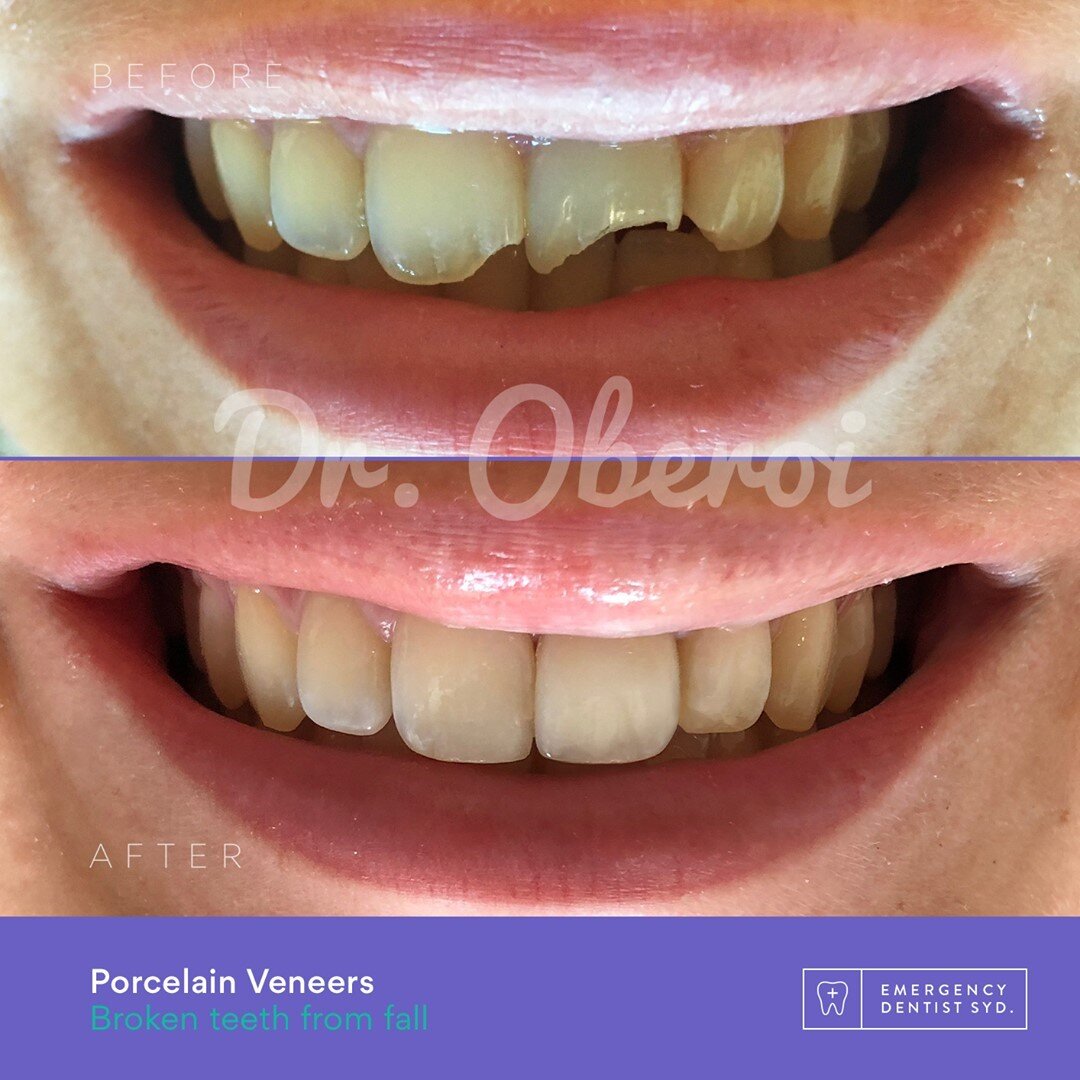
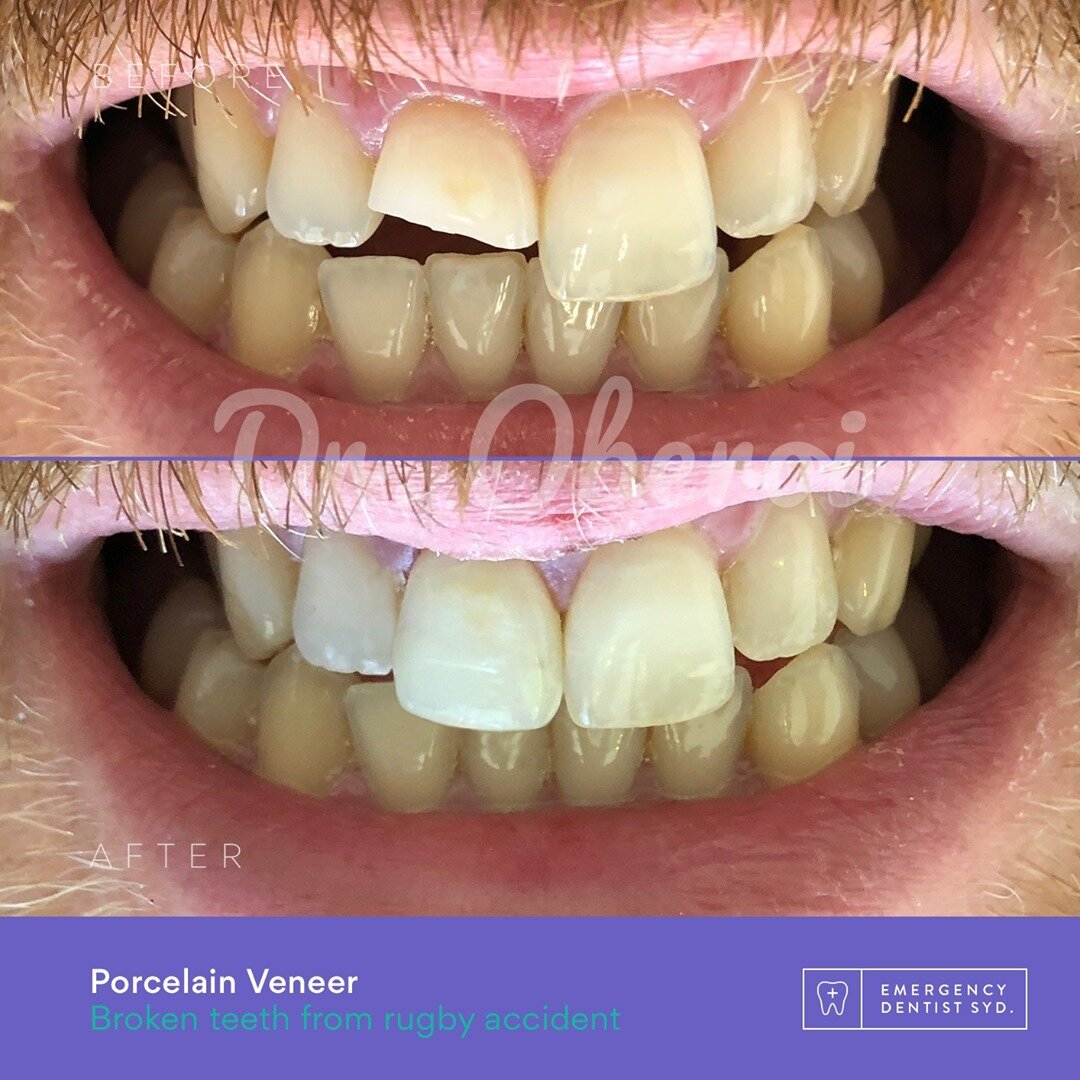
Dental trauma is commonly caused by sporting injuries, falls, motor vehicle accidents or violence. Often extremely painful and traumatic for the person experiencing it, symptoms and treatment is often quite varied.
Iatrogenic
Iatrogenic trauma is one that has been induced by the dentist's activity, manner, or therapy. Chemical, physical, and thermal injuries in the oral, gingival, or palatinal mucosa of iatrogenic origin can exhibit various clinical features. The management of traumatic injuries is dependent on the severity of the involvement in the periodontal tissues.
If we can say one thing, it’s to never delay in the treatment of dental emergencies or you risk them becoming far worse. Contact Emergency Dentist Sydney 24/7 and check out our tips on dealing with dental pain.
Need Advice Or Emergency Dental Care In Sydney CBD?
Contact our friendly team


Common Causes and Solutions For Sore Gums
Common Causes and Solutions For Sore Gums
How your dentist can help alleviate gum pain
Sore gums are a very common reason for a trip to your after hours dentist. Gums are a surprisingly sensitive tissue, and any problems there can result in almost unbearable pain and discomfort. They can also make it hard for you to eat or drink and threaten the health and existence of your teeth. So, if you’re concerned about this problem, here are some common causes and treatments.
Gingivitis and Periodontitis
When you have a build up of bacteria on your teeth it can cause inflammation. This is known as gingivitis and it can cause sore gums, bleeding during brushing, and swelling. If left untreated, it can also progress to periodontitis, also known as gum disease. Once it gets to this stage, the infection will be severe enough to threaten the tissue around the teeth and may even cause tooth loss.
If you have gingivitis or gum disease, it’s important that you visit your dentist as soon as possible. They’ll be able to diagnose the problem and design a treatment plan depending on the extent of the damage and your overall oral health. In the meantime, make sure you brush twice a day and floss every day to improve your oral health and help fight gum inflammation.
Hormonal Changes
Changes in hormone levels can seriously affect the health of your gums. So, if you’re experiencing puberty, pregnancy, menstruation, menopause, or taking birth control pills, you can expect some changes in your teeth. Low hormone levels in particular are problematic because they can cause dry mouth or bone loss.
This is an issue that you will need to see your doctor about. They will be able to design a treatment plan to correct fluctuating hormone levels, which will also help to improve your oral health. However, it’s also important that you see your dentist during this stage to prevent your fluctuating hormones from causing damage to your teeth.
Canker Sores and Mouth Ulcers
Canker sores and mouth ulcers are fairly similar sores that can occur anywhere in your mouth. They’re painful, circular growths that are usually harmless and don’t usually affect the health of your teeth. They’re one of the most common causes of gum pain as they expose the nerves in the gum to the outside air. There are a range of things that can cause mouth ulcers and canker sores, including:
Injuries to the tissue, such as when you bite the inside of your cheek.
Burns from hot food or drink.
Rubbing against new dental work.
Viruses such as colds, flus, and herpes.
Vitamin deficiencies.
Stress.
A hereditary predisposition.
Most sores of this type will clear on their own within a couple of weeks. However, you can speed up the healing process with some help from your dentist. They may prescribe a mouth rinse containing steroid dexamethasone to reduce the pain and inflammation or one that includes lidocaine. Topical treatments such as gels or creams applied directly to the sore can also help, and you can take oral treatments for severe sores that linger too long.
If you have a sore or ulcer that just won’t go away, see your dentist immediately for advice, just in case it’s something more troubling.
Dental Work
Badly fitted dental work such as dentures, braces, or bridges can also cause sore gums. That’s why it’s so important that you have any dental work performed by a properly trained and experienced dentist. Some soreness after dental work is normal. But if the pain lingers or gets worse, make sure you contact your after hours dentist for advice and help.
Stress
Stress is a serious threat to your oral health in a number of ways. For starters, it’s a common reason why people neglect their dental hygiene routine, which can lead to cavities, decay, gum disease, and toothaches. People who are stressed are also more likely to grind their teeth and develop other stress habits that will cause gum pain and threaten their oral health.
If you’re stressed, it’s important that you find health ways to alleviate or reduce your stress levels. Also, make sure you get a check-up with your dentist during this period to ensure that it isn’t cause problems for your oral health.
Health Conditions
There are a range of seemingly unrelated health conditions that can cause gum pain including diabetes and cancer. Certain medications to fight disease can also bring on gum pain because they can reduce saliva production. Saliva is designed to protect your teeth and your gums, so when you have dry mouth, you’ll be more prone to cavities and gum disease.
Age Related Changes
Once you’re over the age of forty, your mouth will start to change. One of the key changes that a lot of people notice during this stage is receding gums. Your gums are designed to protect the softer tissue at the roots of your teeth. So, when the gums recede, these defenceless structures are exposed. This can cause the following issues:
An increased risk of decay because the roots aren’t protected by enamel.
Soreness due to increased sensitivity to hot and cold.
Loose or shifting teeth that are harder to keep clean.
Your dentist will be able to diagnose and help with these kinds of problems as long as you make an appointment early, before any permanent damage occurs. So, if your gums look like they’re receding, see your dentist as soon as possible to discuss your options.
Emergency Dentist Sydney Says:
If you have a dental emergency, contact our Emergency Dentist in Sydney. Our caring and expert staff are available 24 hours a day to help you with all your emergency dental needs.
Need Advice Or Emergency Dental Care In Sydney CBD?
Contact our friendly team


What To Do When You Have Gingivitis
Prevent the Next Stages of Gum Disease
Prevent the Next Stages of Gum Disease
We only get one set of permanent teeth, so it is important to take good care of them. Having good oral health means you are taking care of your overall health. Unfortunately, this is not the case for some people. Without daily brushing and flossing, the bacteria that forms on our teeth builds up and causes an inflammation of the gums. This is called gingivitis, the first stage of gum disease. Here is a brief guide on what you need to know about gingivitis, so you don’t progress to the next stages that can cause infected bone and tooth loss.
There Are Three Stages of Gum Disease:

1. Gingivitis: this is the earliest stage of gum disease where the plaque build-up causes an inflammation of the gums. Your gums will be red and swollen and may bleed while brushing and flossing. Good news is that gingivitis can be reversed at this stage as it is still early and the bone that supports your teeth are not yet affected.
2. Periodontitis: This stage of gum disease is irreversible. The supporting bone that holds your teeth are affected to the point where your gums may begin to form a pocket below the gum line, trapping food and plaque.
3. Advanced Periodontitis: In this final stage of gum disease, the fibers and bone supporting your teeth are destroyed, which can cause your teeth to shift or loosen.
Gingivitis Symptoms
As mentioned above, your gums will become red and inflamed and will probably bleed during brushing. The area will be sore or tender and may actually recede (pull away from the teeth). It can also cause gaps to form between the teeth and the gums, which can collect food as well as plaque. As well as these less obvious problems, people with gingivitis often suffer from bad breath, even if the condition isn’t very advanced.
Treating Gingivitis
Gingivitis can be treated easily and simply only if it’s caught early. Your dentist will perform a deep clean to remove the hardened plaque. If your gingivitis is left untreated, it will worsen and progress to the next stage, Periodontitis. If the problem gets to this stage you will probably lose some of your teeth and cause permanent damage to your gums, teeth and other tissues in the mouth. That’s why it’s so essential that you make regular visits to your dentist to treat any problems as soon as they appear.
How to Avoid Gingivitis
To avoid gingivitis you need to see your dentist regularly for a professional cleaning. Your dentist will remove any plaque buildup and let you know of any problems before they become serious. Other than that, you have to make sure you maintain good oral hygiene, which means twice daily brushing, flossing, eating well, and avoiding substances that can cause damage such as smoking. If you make these habits a priority, you will enjoy good oral health throughout your life.
Emergency Dentist Sydney Says:
If it’s been a while since your last dental check-up and you are experiencing red and swollen gums, visit a dentist as soon as possible. It may be gingivitis and you won’t want it to progress to the next stage.

Bleeding or Tender Gums
What You Should Expect
What You Should Expect
Are you noticing a bit of blood on your toothbrush and in your sink after you brush your teeth? Are your gums red and tender? If this is the case, you may have gingivitis as its most common symptom is bleeding gums. Gingivitis is the early stage of gum disease and luckily, it is reversible at this stage so there is no need to panic. However, please do not ignore it, you will need to take prompt action in order to prevent it from worsening.
Gingivitis
Gingivitis happens when the plaque and bacteria on your gum line is not removed properly, in other words, poor dental hygiene. Without regular and proper brushing and flossing, the healthy tissue around the teeth become weak and the buildup of plaque causes the gums to become inflamed and irritated. If you practice daily brushing and flossing, your gums will return to its healthy state. However, if you ignore your oral care, the plaque will harden, worsening gingivitis and over time, will lead to periodontitis. Periodontitis is the infection of the gums and will even damage the jawbone. It may cause your teeth to loosen or fall out.
What Should You Do?
As soon as you notice bleeding of the gums, here are some tips to change up your oral care before you visit the dentist.
Brush twice a day and floss at least once a day.
Use a soft toothbrush or an electric toothbrush. A soft toothbrush is good for your delicate gums and an electric toothbrush will help you reach the gum line easily.
Maintain a healthy diet consisting of low sugar and high nutrients. Eat sweets and sugary snacks in moderation.
Some medications like aspirin can increase the chance of your gums bleeding as it thins the blood so speak to your doctor about this side effect.
If you have changed your dental habits and you are eating a healthy diet but your gums are still bleeding, book an appointment with your dentist.
Visiting Your Dentist
Your dentist will evaluate your condition and let you know what the next steps are. You will be advised to visit every six months for a cleaning. Your dentist will also teach you how to brush your teeth properly to stop bleeding gums from happening again.
Emergency Dentist Sydney Says:
Bleeding gums can be a surprise but it can be prevented straight away. Don’t be afraid to talk to your dentist about ways to fix your oral care habits. Our dentists are here to help and with proper treatment, you will soon enjoy healthy gums.

Gum Disease & Your General Health
Do you happen to know what the leading cause of tooth loss is in Australian adults? Many adults often don't even know they have gum disease until it's almost too late...
Get the Facts Before It’s Too Late
Do you happen to know what the leading cause of tooth loss is in Australian adults? If you (logically) answered tooth decay then you aren't actually quite right. Although decay is responsible for more than its share of damage it is actually gum disease that wrecks the most havoc. And many adults often don't even know they have it until it's almost too late...
What is Gum Disease Anyway?
Gum disease - a condition that is also known by the posh scientific names of gingivitis and periodontitis - is primarily caused by plaque, just like tooth decay is. A plaque build up will damage the teeth but it won't stop there, it will damage the very structures that support the teeth, the gums doing damage that can, at times, be harder to treat than tooth decay is.
Gum disease can progress without ever showing any major symptoms. However all of the following can be big warning signs that all in the Land of Gum is not quite right:
Red, swollen or tender gums
Bleeding after brushing, flossing, or eating hard food
Gums that are recede or pulling away from the teeth, making teeth look longer than before
Teeth that feel looser than they did before
Persistent bad breath
Treating Gum Disease
As is almost always the case, when it comes to gum disease prevention is better than cure. But more about that in a minute. For now let's focus on how it's treated
Gum disease comes in two stages; gingivitis and periodontitis. When caught while it's still gingivitis treatment is relatively straightforward. Your dentists will use a process called scaling - a type of super intense cleaning - and then instruct you on how to improve your oral hygiene to help prevent the problem coming back. Gingivitis is totally reversible and so with prompt treatment your gums will return to their former healthy state.
Periodontitis is a bit of a different matter. It's usually more serious and calls for first more intensive scaling. You may need a local anaesthetic before the treatment and it may have to continue over the course of several treatments. In the most severe cases periodontitis may even need to be surgically treated by a dental specialist called a periodontist, one who has specialist in training in gum disease and its treatment.
Preventing Gum Disease
So we're sure by now that you've figured it out for yourself. Gum disease can be successfully treated by your dentist but it really would be a lot better - and easier - if it never came to that in the first place.
Daily oral hygiene is a big key to the prevention of gum disease. Teeth need to be brushed at least twice a day with a good toothbrush and a fluoride toothpaste. Smoking also increases the chance you'll develop gum disease so that is yet another reason to stop. Consider investing in an antibacterial mouthwash to be used on a regular basis and DO NOT skip those regular cleaning appointments at your dentist's office.
The Emergency Dentist Says:
Gum disease is nasty stuff, but it can be prevented, and if needed treated, very effectively with your dentist's help. You just have to make that first call.
Patient Care First

Keep Up-To-Date with All Things Oral & General Health
RECENT ARTICLES


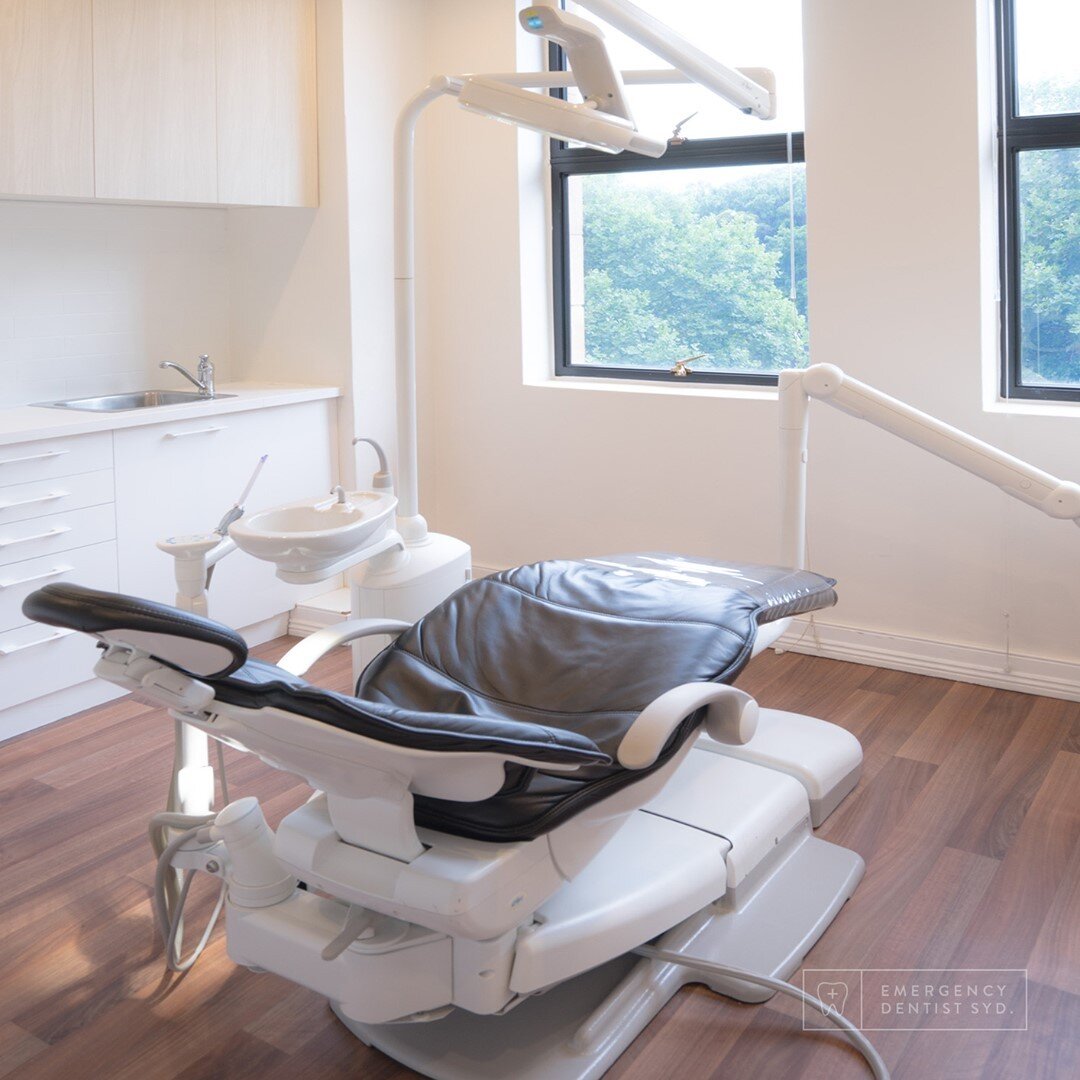





For 15 years, we've had one mission - when Sydney has a dental emergency, Emergency Dentist Sydney is there
We're proud to celebrate 15 years of providing emergency dental services to Sydney CBD and surrounding suburbs.