
The Truth About Tooth Enamel
Tooth Enamel Facts You Need to Know
Tooth Enamel Facts You Need to Know
Tooth enamel is the hard, outer layer covering each tooth. It is the hardest substance in the human body and protects the sensitive inner layers from the discomfort of foods and drinks that are really hot and cold. You are also probably familiar with its vital role in protecting our teeth from damage and decay. What other tooth enamel facts do you know? Check out these common tooth enamel facts and tips below.
1. The Difference Between Abrasion and Erosion
There are two types of tooth enamel damage. Abrasion occurs when something brushes against your teeth, for example, using a hard-bristled toothbrush or scraping your teeth with a hard object. Erosion is caused by certain foods and drinks that are sugary and acidic. These foods and drinks are most damaging because when they interact with the bacteria in your mouth, lactic acid is produced, and this is something that can lead to the start of a cavity. When your teeth are eroding, you will notice that your teeth are becoming sensitive and are appearing slightly yellow.
2. Tooth Enamel Doesn't Come Back

Once your tooth enamel has eroded, it will not regrow. Enamel is made from minerals so it does not contain any living cells, making it impossible for it to repair itself. However, there are ways you can prevent this from happening and ways to treat the damage. Dental bonding can be used, or crowns can be applied but your dentist will be able to recommend you the right treatment option for you. In terms of prevention methods, you can start by eliminating certain foods and drinks out of your diet. When you have that craving for your favourite soda, use a straw. Another great tip is to gently rinse your mouth with water after eating because if you brush your teeth too soon after eating acidic food, that can actually make it worse. You can also start chewing sugarless gum.
3. Don't Neglect the Damage
Ignoring the damage or avoiding the dentist will not only cause more pain to your eroded teeth but will make treatments more expensive. As your teeth enamel erodes, your teeth will become overly sensitive as it will expose the inner sensitive layer underneath called ‘dentin’. Because your teeth won’t have the protection it needs from enamel, they will be susceptible to decay quickly. Your teeth will also be stained, giving your teeth a yellow appearance. Always make sure to have 6 monthly check ups so your dentist knows the state of your teeth.
Enamel is so important for our teeth and we need to take care and protect them as they protect us. It is vital to follow some of the tips mentioned above to prevent your enamel from eroding. It may sound difficult to give up your favourite sugary snacks and soft drinks, but the damage is way worse. If you do consume sugary and acidic foods and drinks, always remember to maintain good oral hygiene.
Emergency Dentist Sydney Says:
Protect your enamel and your overall dental health by practicing good oral hygiene habits like twice daily brushing and flossing. And don’t forget to visit your dentist every 6 months!

Dental Hypersensitivity
Why Are My Teeth so Sensitive?
Why Are My Teeth so Sensitive?

Dental Hypersensitivity is a common problem for a lot of people aged between 20 and 50. Have you ever had a hot or cold drink and as soon as you started drinking, felt a sharp pain on your tooth/teeth? Does it also happen when you eat or drink something sweet or acidic? You are experiencing this kind of pain because you have hypersensitive teeth. Here are the top two reasons why you may have dental hypersensitivity.
What Causes Tooth Sensitivity?
Gum Recession
The most highest leading cause of tooth sensitivity is gum recession and there are many reasons why you can have receding gums. It can be a result of aggressive tooth brushing, using a hard toothbrush, gum disease, a very acidic diet and even ageing.
Each tooth has a layer of enamel and the root of each tooth has a soft layer called cementum. When the cementum wears off because of gum recession, the underlying dentin layer (the layer that surrounds the nerve) is exposed. The dentin contains thousands of channels that run from the surface of the tooth to the central nerve and when these channels are stimulated by certain foods or drinks, it travels to the nerves inside the tooth causing a sharp sensation.
Enamel Wear
Enamel, which is the layer on the surface of your teeth, is actually the hardest substance in the human body. However, it can still wear away over time, slowly exposing the underlying dentin layer which leads to dental hypersensitivity. There are a few causes of enamel wear such as: bruxism (teeth grinding), aggressive and improper brushing, using abrasive tooth pastes, or having too much acidic foods and drinks. A chipped or cracked tooth can also expose the dentin, which is why it is extremely important to visit the dentist when this happens
How to Prevent Tooth Sensitivity?
You can do a number of things at home to prevent painful tooth sensitivity.
Maintain good oral hygiene – brushing correctly
Use a soft bristle tooth brush
Using a non abrasive tooth paste or one that reduces sensitivity
Avoid acidic foods and drinks
More importantly, it is best to have regular dental visits because your dentist can detect early signs of enamel wear. Your dentist can also teach you proper brushing techniques and let you know which tooth pastes to use, as well as provide other prevention methods
Emergency Dentist Sydney Says:
Dental hypersensitivity should not be ignored no matter how short or low the pain is. Ignoring your sensitive teeth can lead to other oral health problems so make sure to have regular dental check ups with your dentist.

Why You Should Never Just Assume You Need a Filling
Toothache
Toothache

Even if you are usually fairly fastidious about your oral healthcare routine, and you try your best to keep up with those recommended regular dental checkups there may very well come a time when you are blindsided by a sudden toothache. Not fun, and often not easy to soothe.
It's at this point that many people assume that, despite all of their best efforts, they have a cavity and it's time to steel their nerves to head into the dentist's office for a filling. However, although often that does turn out to be the case (and modern fillings are painless and very natural looking by the way, so it's not the end of the world) it is not always a cavity causing that pain, and other forces may be at work.
Here's a look at some of the other possibilities...
Sensitive Teeth
If the pain occurred - or occurs - after eating or drinking something very hot, or very cold, then it may be caused by a fairly simple case of sensitivity. While there are lots of toothpastes available that are designed to help ease this the best first course of action is a visit to the dentist. There he or she will be able to rule out things like excessively thinning tooth enamel or receding gums, conditions which have to be treated in a different way, and then recommend a suitable daily oral health care routine to follow in the future to minimise the problem.
Cracked or Chipped Tooth


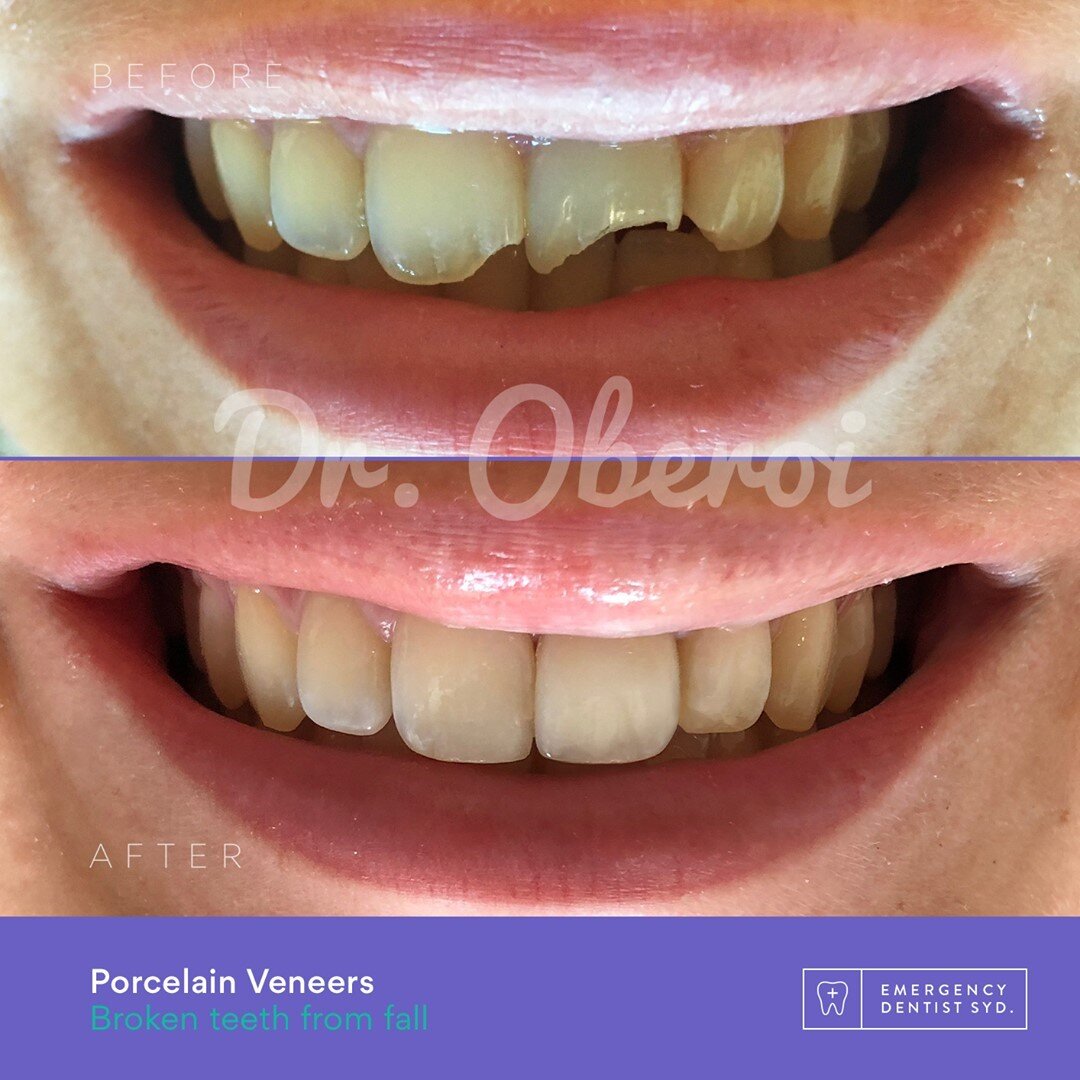
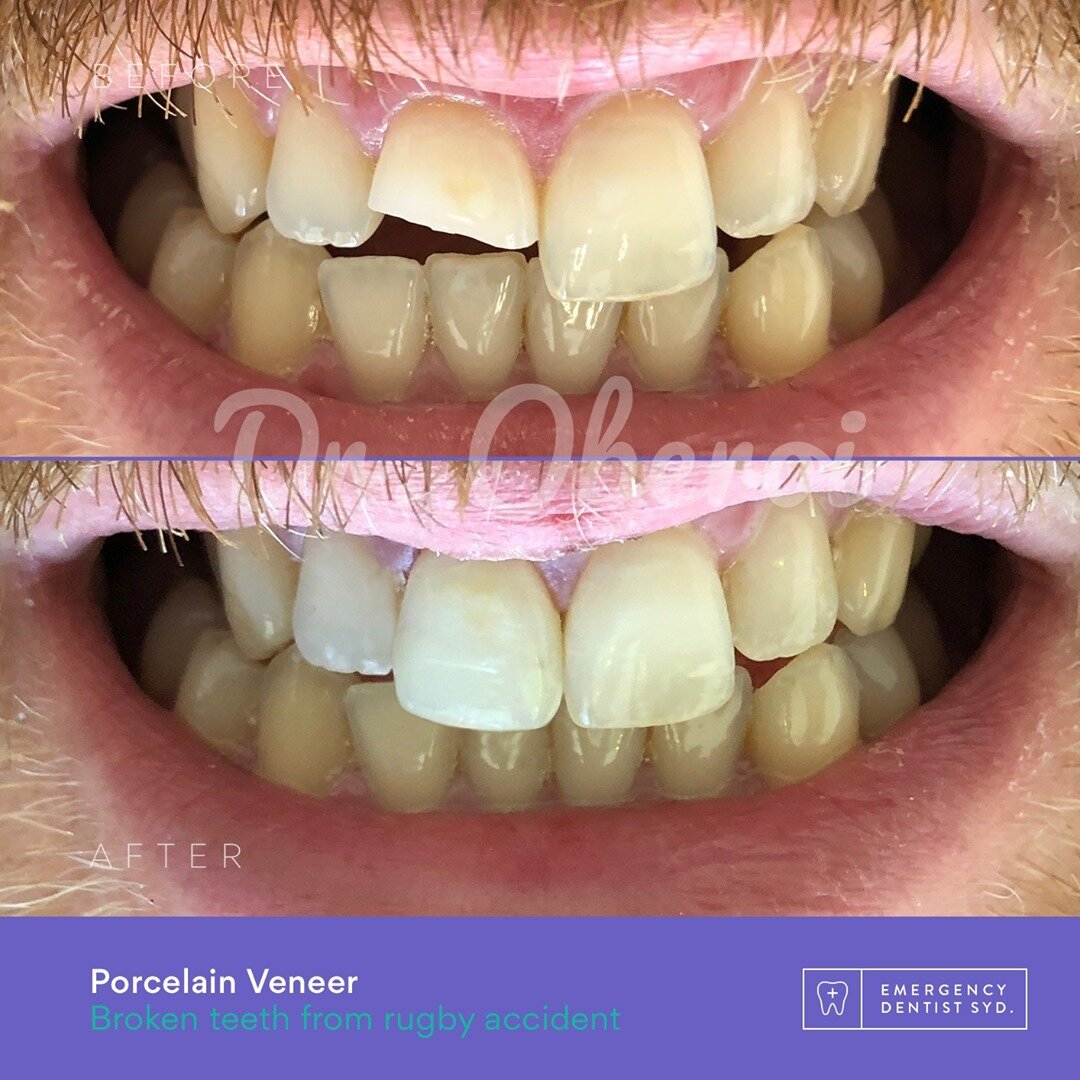
Even if you can't quite see it a crack or chip in one of your tooth may be the cause of your discomfort, as even the smallest of these can expose a nerve, leading to a surprising amount pain. Your dentist has a number of methods at their disposal to repair these defects, but they can't do that until you go in and see them!
Gum Disease
Sometimes the pain you assume is radiating from a tooth gone bad is actually coming from the gum surrounding it instead. A gum infection, which can be caused by a number of different things, can be excruciatingly painful and does need to be treated as soon as possible. Often a course of dental laser treatment and cleaning, along with medication to clear up the current infection, is extremely effective and you can be out of pain very quickly.
TWhen You Need More than a Filling
Some tooth decay cannot be effectively treated with just a filling. If a tooth is significantly damaged by decay its root is often affected as well, and in this case slightly more treatment is called for, often in the form of a root canal, if the tooth is to be saved. This is a scary prospect for many, as they have heard nightmarish tales of pain and agony that lasts for days. This is not the case at all in the 21st century. A root canal can be performed quickly and efficiently using dental lasers and the pain and discomfort is minimal (really).
Emergency Dentist Sydney Says:
It's easy to try to treat a toothache at home because you don't have the time/patience/guts to head to the dentist's to get it properly diagnosed and treated. But even if a toothache seems fairly minor, or it comes and goes, tooth pain is always a sign of a problem of some kind, and the faster you get it treated the better off you - and your oral health in general - will be.
Patient Care First

Keep Up-To-Date with All Things Oral & General Health
RECENT ARTICLES







For 15 years, we've had one mission - when Sydney has a dental emergency, Emergency Dentist Sydney is there
We're proud to celebrate 15 years of providing emergency dental services to Sydney CBD and surrounding suburbs.