
Is Tooth Enamel Loss Really Permanent?
Keep it Healthy
Keep it Healthy
Your tooth enamel is pretty tough and it has to be. It’s under constant assault from foods and drinks, not to mention the bacteria that grows in between brushing. Plus, every time you drink a soft drink or eat something sugary, it makes your enamel weaker. And that’s a problem because your enamel defends your teeth against decay, and when it gets damaged you’ll probably end up having to make an emergency trip to an after hours dentist. If you want to avoid that, here’s what you need to know about this essential part of your teeth.
What is Enamel?
Enamel is the hard coating over the softer parts of your teeth. It’s made primarily of a mix of minerals, and is the hardest substance in the body, harder even than your bones. However, once your enamel is damaged or worn away, it doesn’t grow back. Though your dentist can repair small lesions that weaken enamel, once it’s gone you’re going to have serious problems with your teeth for the rest of your life.
There are a number of things that can damage the enamel on your teeth. The most problematic are:
Soft drinks, because the high sugar content eats away at the enamel and weakens it overall.
Sugary foods, which have the same effect as soft drinks.
Certain medications can soften the enamel.
Conditions like Bruxism or teeth grinding, because the constant motion wears the enamel away.
Diseases like Acid Reflux Disease, where stomach acids rise from the gut and can wear away the teeth.
Genetics.
How to Tell if Your Enamel is Worn
It’s usually pretty easy to tell if your enamel has been damaged or worn away in any areas. With the enamel gone, the soft inner surfaces of your teeth will be exposed to the open air and to any food and drink that you consume. This means that the affected teeth will become discoloured or stained more easily. Your teeth will also become more sensitive to hot and cold foods or drinks.
Enamel is very strong, which is why your teeth are fairly hard to break. But when the enamel wears away, you will also notice that your teeth chip or break more easily. This is why you need to visit your dentist if you notice any changes in your teeth. Because once your teeth start to break, fixing the problem becomes much more difficult.
Strengthening and Repairing Enamel
Once your enamel is gone, it can’t be replaced. However, if you know ahead of time that your enamel is thinning then you can take steps to try and boost its health. That’s one reason why you need to make regular trips to the dentist for check-ups, because they’ll be able to tell you if you have a problem with your enamel.
Products that contain fluoride can be very helpful in keeping your enamel strong. Fluoride acts as a barrier between food and drinks and your enamel, preventing damage or degradation. You can also find toothpastes that contain minerals that will help to strength enamel weak spots by inundating them with calcium. This will help prevent further damage to the enamel and hopefully prevent it from being completely worn away from your tooth or teeth.
How to Prevent Enamel Loss
You can’t replace enamel that’s been lost, that’s why the best strategy to preserve your oral health is to avoid things that cause damage. So if you grind your teeth, talk to your dentist about a mouth guard. Try to avoid medications such as aspirin which cause enamel erosion. Avoid sugary foods and drinks as much as possible. And most of all, take a proactive role in your oral health. This means informing yourself about the health of your enamel and talking to your dentist about any issues before they become serious problems.
Emergency Dentist Sydney Says:
If you have a dental emergency, contact our Emergency Dentist in Sydney. Our caring and expert staff are available 24 hours a day to help you with all your emergency dental needs.

What Does a Dental Emergency Look Like?
Tooth Pain
Tooth Pain
Pain generally is a sensation, usually protective, that gives the body a warning sign, showing that something is wrong. It could be mild and bearable and sometimes extreme and highly unbearable. For tooth pain, it has been recorded to be the second most painful sensation in the human body. Due to its gradual progression, many people decide to overlook it and don't seem it fit to handle it as an emergency case not until it graduates to being unbearable. It is at this time that they start finding it difficult to sleep at night, the pain wakes them up and causes gross discomfort for them. Then, they decide to consult their dentist.
Symptoms of Tooth Pain
The signs that show that you have tooth pain and not just any other kind of pain are:
Sensitivity to hot or cold food and liquid
Sensitivity to hot or cold foods after dental treatment
Sharp pain when biting down on food
Lingering pain after eating hot or cold foods and liquids
Dull ache and pressure in the upper teeth and sinus area of one or both sides
Acute pain from an area, but difficult to pinpoint the pain location
Causes of Tooth Pain
Tooth pain usually result from pain in the tooth or jaws. They can be divided into Dental and Non-Dental causes:
1. Dental Causes
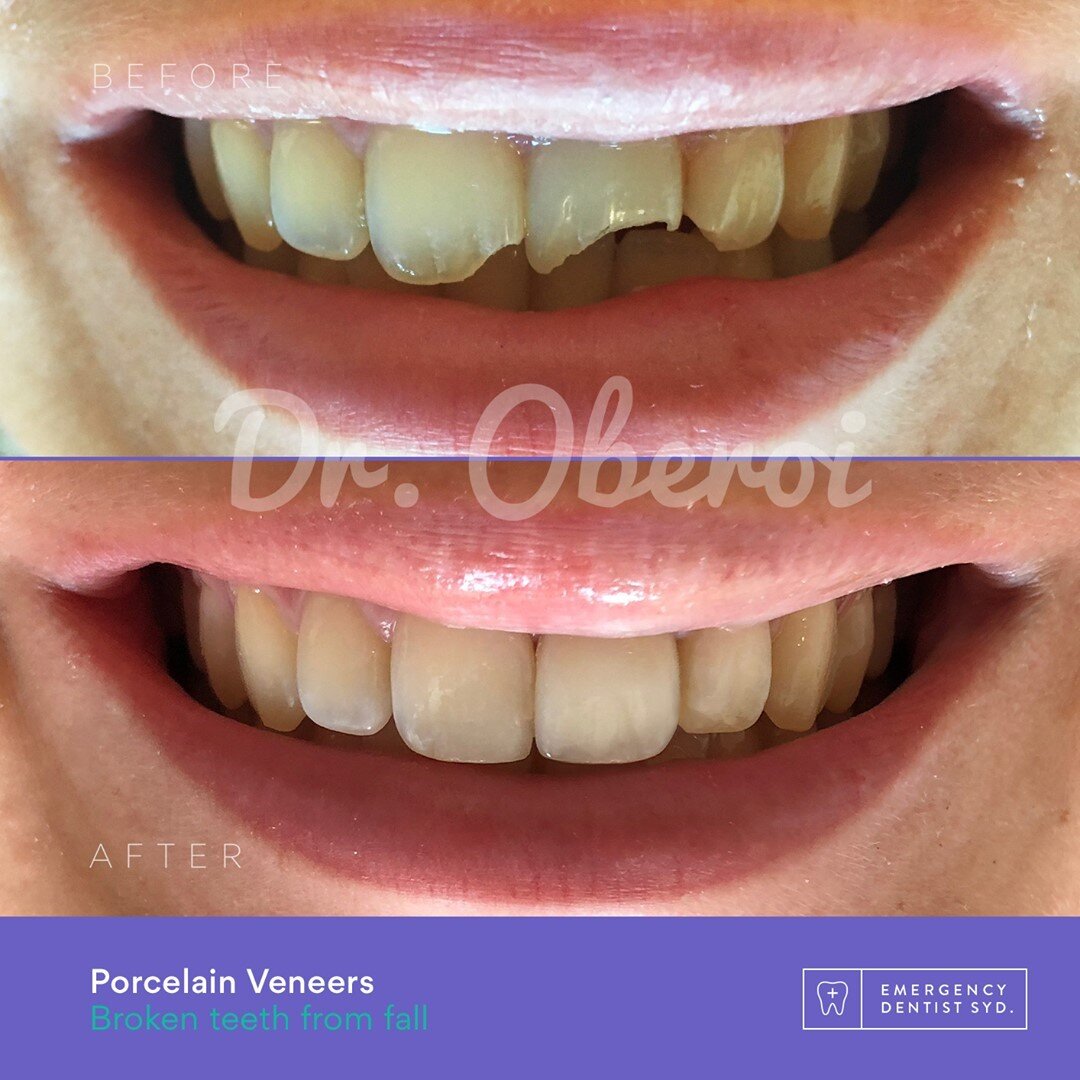
Tooth Damage: It is very common for tooth damage to cause tooth pain. A broken or chipped tooth due to trauma can cause pain to the tooth. A damaged filling, crown or dental implant can also trigger tooth pain. Your dentist will fix this problem with a new crown or filling.
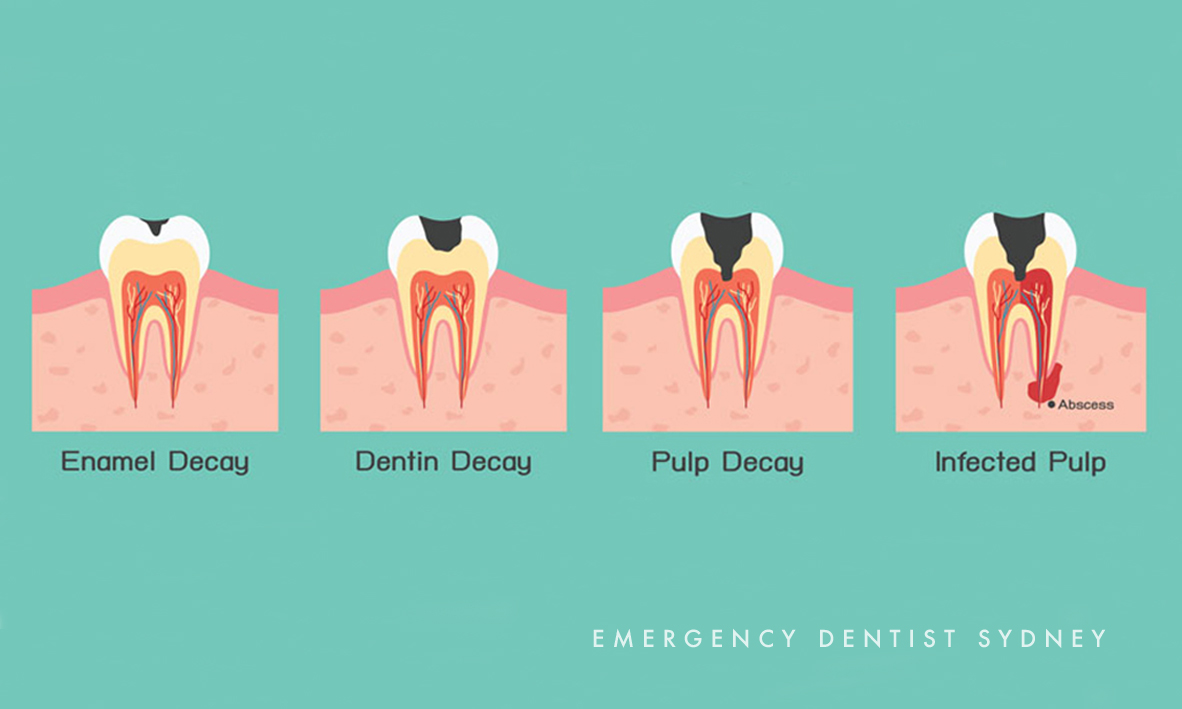
Tooth Decay: This is another common cause of tooth pain with several degrees of seriousness. A cavity can eventually occur in your tooth if you leave your tooth decay untreated. These cavities can grow larger and can be very painful particularly when it gets to the nerve ending. Abscesses happen when the infection reaches the nerve and pulp inside the tooth. Your dentist will usually drain the site to get rid of the pus and give you painkillers and antibiotics to combat the infection.
Gum Disease: Gingivitis left untreated results in periodontitis, also known as gum disease. This is usually associated with redness or swelling of the gum which can be due to plaque accumulation in the area. Tooth pain as well as gum pain are symptoms of gum disease. If you are at the gingivitis stage, your dentist will clean your teeth and gums to remove the plaque buildup. If the gingivitis has led to periodontitis, a root canal treatment may be required.
2. Non-Dental Causes
Sinus Pain Infection: Sinus infection usually causes pain in the tooth, particularly the upper back corners of the mouth. If sinus infections are a regular thing for you, you may have notices a pain in your teeth located near the sinus cavities. Decongestants or other sinus relieving medications may be able to help you, just ask your doctor for advice on these medications.
Heart Attack: Pain from a heart attack can radiate into the lower jaw.
Diabetes: Uncontrolled blood sugar increases your risk for tooth decay which will lead to tooth pain.
Drug Abuse: Abnormal use of some drugs such as Methamphetamine can cause tooth pain.
Vitamin Deficiency: Low level of Vitamin B12 in the body usually causes tooth pain.
Treatment of Tooth Pain
Practising good oral hygiene is always the number one prevention method.
If your tooth pain is unbearable and it is associated with a fever or any other pain, don't delay your visit to the dentist. Do not self-medicate so as not to complicate issues for yourself.
Emergency Dentist Sydney Says:
Tooth pain should be considered an emergency situation and the need to visit a dentist as quickly as possible should not be delayed. Our dentists will help you with a treatment so you walk out pain free.

Dental Hypersensitivity
Why Are My Teeth so Sensitive?
Why Are My Teeth so Sensitive?

Dental Hypersensitivity is a common problem for a lot of people aged between 20 and 50. Have you ever had a hot or cold drink and as soon as you started drinking, felt a sharp pain on your tooth/teeth? Does it also happen when you eat or drink something sweet or acidic? You are experiencing this kind of pain because you have hypersensitive teeth. Here are the top two reasons why you may have dental hypersensitivity.
What Causes Tooth Sensitivity?
Gum Recession
The most highest leading cause of tooth sensitivity is gum recession and there are many reasons why you can have receding gums. It can be a result of aggressive tooth brushing, using a hard toothbrush, gum disease, a very acidic diet and even ageing.
Each tooth has a layer of enamel and the root of each tooth has a soft layer called cementum. When the cementum wears off because of gum recession, the underlying dentin layer (the layer that surrounds the nerve) is exposed. The dentin contains thousands of channels that run from the surface of the tooth to the central nerve and when these channels are stimulated by certain foods or drinks, it travels to the nerves inside the tooth causing a sharp sensation.
Enamel Wear
Enamel, which is the layer on the surface of your teeth, is actually the hardest substance in the human body. However, it can still wear away over time, slowly exposing the underlying dentin layer which leads to dental hypersensitivity. There are a few causes of enamel wear such as: bruxism (teeth grinding), aggressive and improper brushing, using abrasive tooth pastes, or having too much acidic foods and drinks. A chipped or cracked tooth can also expose the dentin, which is why it is extremely important to visit the dentist when this happens
How to Prevent Tooth Sensitivity?
You can do a number of things at home to prevent painful tooth sensitivity.
Maintain good oral hygiene – brushing correctly
Use a soft bristle tooth brush
Using a non abrasive tooth paste or one that reduces sensitivity
Avoid acidic foods and drinks
More importantly, it is best to have regular dental visits because your dentist can detect early signs of enamel wear. Your dentist can also teach you proper brushing techniques and let you know which tooth pastes to use, as well as provide other prevention methods
Emergency Dentist Sydney Says:
Dental hypersensitivity should not be ignored no matter how short or low the pain is. Ignoring your sensitive teeth can lead to other oral health problems so make sure to have regular dental check ups with your dentist.

5 Reasons Why Your Teeth Might Be Hurting More This Winter
Winter in Sydney...
Winter in Sydney
Although it's not everyone's favourite season, winter in Sydney can be great for lots of reasons. But, as you may have noticed over the years, it's not always that great for your teeth. Colder weather often brings along with it tooth pain and especially tooth sensitivity, even if at your last dental check up your teeth got a relatively good bill of health.
The bad news is that the winter weather can indeed affect your teeth. The good news is that there are things you can do to minimise the damage - and pain - that the colder months can cause. With that in mind here's a look at the top five reasons why your teeth might give you extra problems this winter and what you can do about it.
1. Overly Aggressive Brushing
Yes, you have been told, correctly, since you were a kid that you need to brush your teeth at least twice a day. But the operative word here is brush, not scrub away like a maniac. If you brush your teeth too hard, or with a very stiff bristled toothbrush, you may begin stripping away enamel as well as plaque, leaving the softer inner part of your tooth exposed to the elements, something you'll feel a lot more when the air hitting them is cold.
When brushing your teeth take you time and use gentle strokes, as doing so will not only shield your smile from winter sensitivity but protect them from damage in general as well.
2. Winter Whitening Overkill
Winter in Sydney offers up all kinds of fun festivals and events that are a great excuse to get out and party. And if you are going to party, you want to look your best and dazzle everyone with a stellar smile. Those tempting home whitening kits at the chemists promise they can do that, but if you are considering using one this winter you'll need to take care.
Although home teeth whitening kits can have some effect, they often contain overly harsh chemicals that eat away at the enamel of the teeth, weakening them and making them more sensitive. A better way to go is to head to the dentist to discuss getting a professional whitening treatment that will look better, last longer and not leave lasting damage behind.
3. Your Hot Drink Habit
When winter comes we all tend to crave a few more hot drinks, especially if we're outdoors, something that's really only natural. This can have a downside for your teeth though, even if your tummy's warm and happy. The problem is that if your drink is hot - and the air is cold - the temperature difference can be quite a shock for your teeth and cause pain that rather sharp and stabby. To help prevent this, sip your hot chocolate - or whatever your preferred winter beverage option might be - slowly and try to stick to drinking it warm rather than boiling hot.
4. Colds and Flus
Not all winter tooth pain is directly related to your teeth. If you have a cold, the flu, or a sinus infection, all common winter ailments, then tooth pain may be just one of the nasty symptoms that come along with it. Often if your nose is all stuffed up your sinuses are all inflamed and that can put pressure on your teeth, especially those at the front. On this one there's not too much you can do, except practice good hygiene and take some extra Vitamin C to try to ward off winter colds and flus altogether.
5. Thermal Stress
Did you know that your teeth expand and contract in reaction to the weather in the same way as many other materials? It's only very slight, but it can cause pain, especially if you already have sensitive teeth.
Emergency Dentist Sydney Says:
Don't stress. Some winter tooth pain is temporary and goes away on its own, often when you get back to your nice warm house after a day in the cold.
However, if the pain is particularly bad, or lingers longer than a day or so it's a good idea to make an appointment to see the dentist to make sure something else - like decay or gum disease - is the problem, and not the winter weather after all.
Patient Care First

Keep Up-To-Date with All Things Oral & General Health
RECENT ARTICLES







For 15 years, we've had one mission - when Sydney has a dental emergency, Emergency Dentist Sydney is there
We're proud to celebrate 15 years of providing emergency dental services to Sydney CBD and surrounding suburbs.