
Is Tooth Enamel Loss Really Permanent?
Keep it Healthy
Keep it Healthy
Your tooth enamel is pretty tough and it has to be. It’s under constant assault from foods and drinks, not to mention the bacteria that grows in between brushing. Plus, every time you drink a soft drink or eat something sugary, it makes your enamel weaker. And that’s a problem because your enamel defends your teeth against decay, and when it gets damaged you’ll probably end up having to make an emergency trip to an after hours dentist. If you want to avoid that, here’s what you need to know about this essential part of your teeth.
What is Enamel?
Enamel is the hard coating over the softer parts of your teeth. It’s made primarily of a mix of minerals, and is the hardest substance in the body, harder even than your bones. However, once your enamel is damaged or worn away, it doesn’t grow back. Though your dentist can repair small lesions that weaken enamel, once it’s gone you’re going to have serious problems with your teeth for the rest of your life.
There are a number of things that can damage the enamel on your teeth. The most problematic are:
Soft drinks, because the high sugar content eats away at the enamel and weakens it overall.
Sugary foods, which have the same effect as soft drinks.
Certain medications can soften the enamel.
Conditions like Bruxism or teeth grinding, because the constant motion wears the enamel away.
Diseases like Acid Reflux Disease, where stomach acids rise from the gut and can wear away the teeth.
Genetics.
How to Tell if Your Enamel is Worn
It’s usually pretty easy to tell if your enamel has been damaged or worn away in any areas. With the enamel gone, the soft inner surfaces of your teeth will be exposed to the open air and to any food and drink that you consume. This means that the affected teeth will become discoloured or stained more easily. Your teeth will also become more sensitive to hot and cold foods or drinks.
Enamel is very strong, which is why your teeth are fairly hard to break. But when the enamel wears away, you will also notice that your teeth chip or break more easily. This is why you need to visit your dentist if you notice any changes in your teeth. Because once your teeth start to break, fixing the problem becomes much more difficult.
Strengthening and Repairing Enamel
Once your enamel is gone, it can’t be replaced. However, if you know ahead of time that your enamel is thinning then you can take steps to try and boost its health. That’s one reason why you need to make regular trips to the dentist for check-ups, because they’ll be able to tell you if you have a problem with your enamel.
Products that contain fluoride can be very helpful in keeping your enamel strong. Fluoride acts as a barrier between food and drinks and your enamel, preventing damage or degradation. You can also find toothpastes that contain minerals that will help to strength enamel weak spots by inundating them with calcium. This will help prevent further damage to the enamel and hopefully prevent it from being completely worn away from your tooth or teeth.
How to Prevent Enamel Loss
You can’t replace enamel that’s been lost, that’s why the best strategy to preserve your oral health is to avoid things that cause damage. So if you grind your teeth, talk to your dentist about a mouth guard. Try to avoid medications such as aspirin which cause enamel erosion. Avoid sugary foods and drinks as much as possible. And most of all, take a proactive role in your oral health. This means informing yourself about the health of your enamel and talking to your dentist about any issues before they become serious problems.
Emergency Dentist Sydney Says:
If you have a dental emergency, contact our Emergency Dentist in Sydney. Our caring and expert staff are available 24 hours a day to help you with all your emergency dental needs.

The Real Truth About Kid's Teeth vs Sugary Drinks
Is giving in and allowing your kid the occasional Pepsi really so bad? The real truth behind the kids and sugary drinks issue is a lot more complicated than that though...
From A Dentist's Perspective
Sugary drinks have, as we're sure you've noticed, been getting a particularly bad rap recently. Not just the obvious ones like cola though, but also soft drinks with high sugar content that is less apparent, like some of those flavoured 'energy' drinks and water beverages that are trendy right now.
The reasons that sugary drinks are under fire are many; they are, in many cases, packed with calories that can contribute to the increasing obesity problem in adults and kids that is plaguing Australia (and the rest of the world), that obesity can lead to type II diabetes in the same populations, and, of most concern to us, tooth decay.
But is giving in and allowing your kid the occasional Pepsi really so bad? Especially if you have them drink the diet stuff? After all, they're only kids and they can always brush their teeth, right? The real truth behind the kids and sugary drinks issue is a lot more complicated than that though.
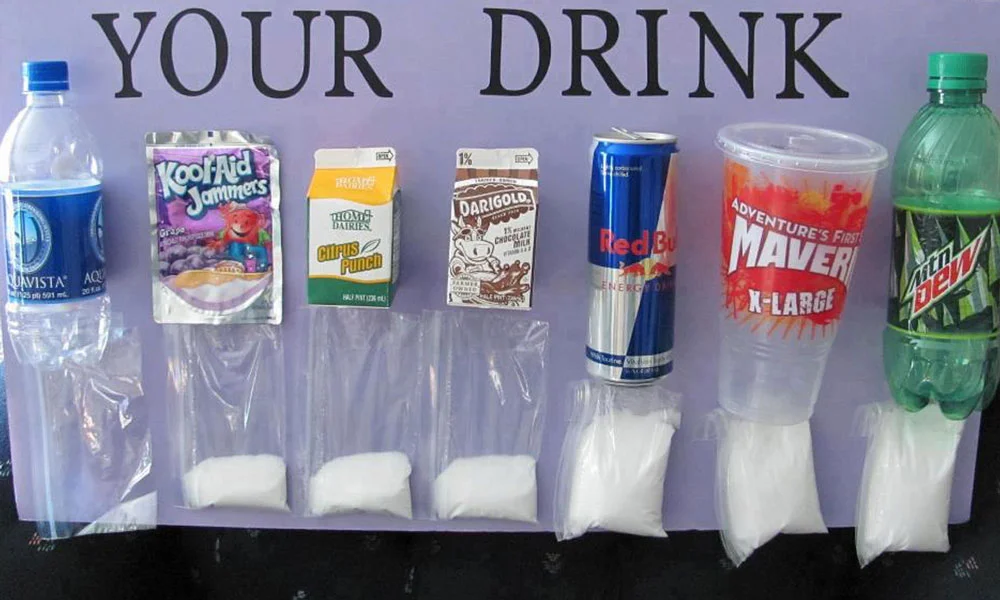
'Rethink Your Drink'. The much discussed and shared visual of how much sugary really is in our drinks.
What Soft Drinks are 'Bad Soft Drinks' Anyway?
OK. We can establish that a can of 'full strength' Coke a day - with its 161 calories and 10 teaspoons of sugar per 375mL can - is not a good habit to get into, even for a lively child who'll burn off those extra few calories by running around being a kid with ease. But colas and other similar fizzy drinks are not the only baddies here.
Take diet versions of colas. No, there are no calories in them, and no 'real' sugar, but they are highly acidic, even more so than their regular counterparts - real Coke has a pH of 2.53 versus diet's 2.45 - which is a terrible thing for the teeth. And those high levels of acid are even found in some of the fruit juices we often consider to be the best soft drinks to give to our kids.
This acid can cause a specific type of tooth decay; acid erosion. Dr Amrin from the Emergency Dentist Sydney says, "We have noted an increase over the past 16 months in the number of children we see who have the beginnings of tooth erosion. Unfortunately this type of erosion is unnatural and irreversible as it is not a result of bacteria and effects the structure of the tooth."
And the leading cause of it? Sugary and/or high acid content soft drinks. You see, if you were to encourage your child to only eat their three meals a day, with no sugary snacks or drinks in between, decay and erosion causing bacteria only have three opportunities to damage teeth. However, sugary drinks and snacks extend the time the bacteria are producing acid, and even the natural damage fighting power of saliva is diminished.
During the hours between tooth brushings, damage will be done. Dr Amrin advises, "Even children with the most health conscious and diligent parents will encounter foods and drinks with extremely high sugar content. Best practice is to brush immediately after consumption."
The Worst of a Bad Lot
Wondering which products should be put onto the 'worst' list? According to a report from the Australian Dental Association, which involved the results of testing on 35 different popular soft drink options found in most supermarkets, the following were the biggest risks to the health of teeth
Pepsi
Coca Cola
Diet Coke
Pepsi Max
V Energy Drink
Fruit cordials like Golden Circle Pineapple Crush
Fruit drinks like Pop Tops Apple Blackcurrant Drink
Heavy fruit juices, as the acid they contain is particularly resistant to the effects of saliva.
Of course, any parent will rightly ask what they are supposed to offer to their picky child in place of these admittedly pretty yummy drinks. If the warnings aren't enough just remember, "loss of tooth enamel in children can be extremely painful," says Dr Amrin.
"Treatment for tooth decay in children is often traumatic. Multiple courses of antibiotics are often required and teeth may need to be pulled," he says. "For a child having teeth taken out, it's a very scary experience for them and it can often result in the need for a general anaesthetic. Not to mention the knock-on effects socially and long-term effects of growth."
Milk is a good choice, as is water that has been 'infused' with real fruit, by steeping pieces of fresh fruit in a pitcher full of water.
The Emergency Dentist Says:
Most of the damage to you teeth caused by sugary drinks is done in the first 40 seconds. Even with twice a day brushing sugary drinks can do serious harm to children’s' teeth, so they really are better off without them, and so are their teeth.
Patient Care First

Keep Up-To-Date with All Things Oral & General Health
RECENT ARTICLES


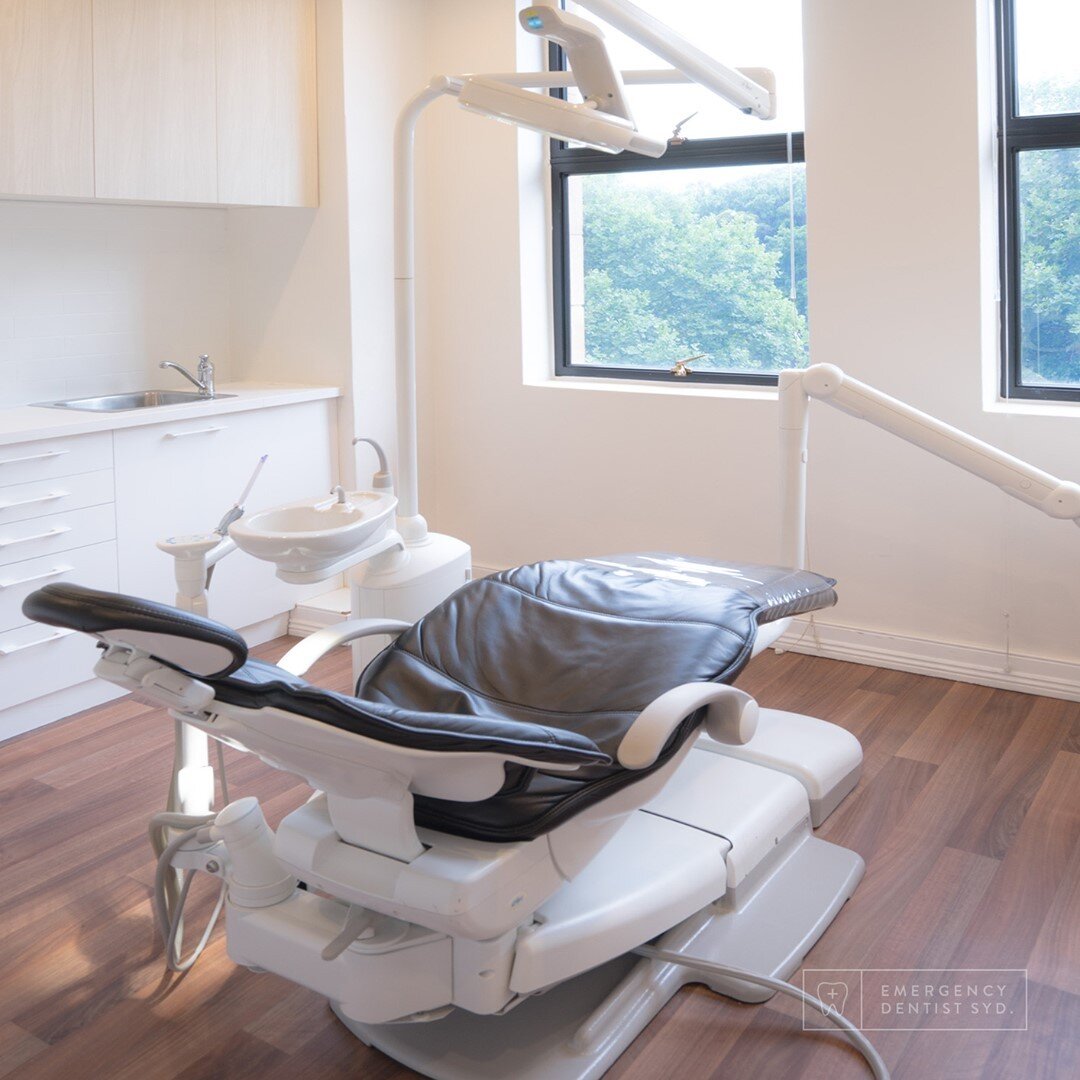
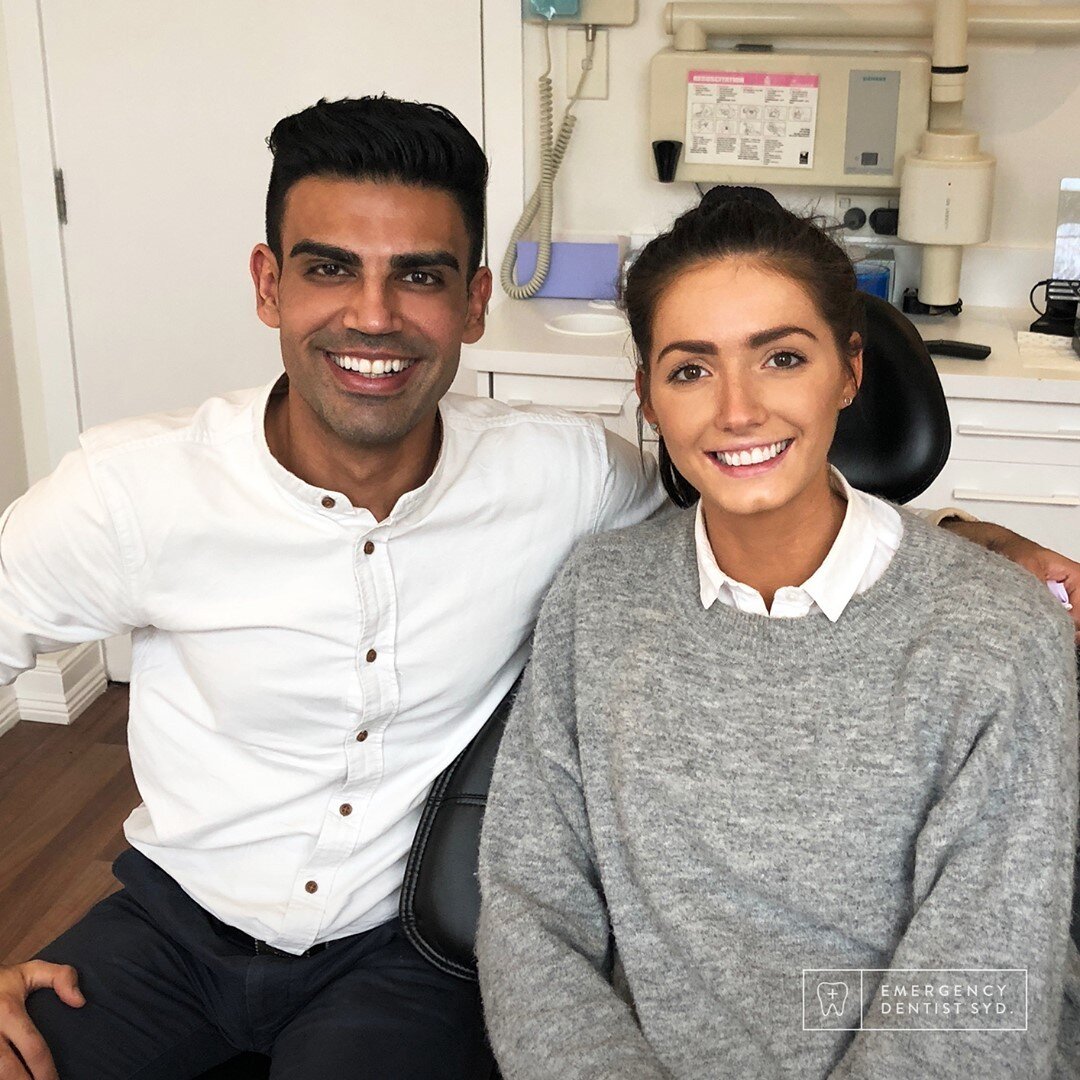




For 15 years, we've had one mission - when Sydney has a dental emergency, Emergency Dentist Sydney is there
We're proud to celebrate 15 years of providing emergency dental services to Sydney CBD and surrounding suburbs.