
5 Effective Ways to Overhaul Your Oral Hygiene Routine
It's important that your oral health routine focus on more than just the colour of your teeth...
Today
While most of us aspire to a celebrity-worthy pearly white smile, and will often spend a small fortune on whitening toothpastes, kits and treatments to achieve one, we can tend to overlook other important aspects of oral care and that's a big mistake. After all, what's the point in having pearly white gnashers if you also have rather rancid breath, inflamed gums, and or the beginnings of cavities lurking.
It's important that your oral health routine focus on more than just the colour of your teeth. Here are five very easy to implement changes you can make to your oral hygiene routine today to get a healthier smile, and not just a whiter one.
1. Practice Some Tongue Care
Your tongue is the single largest source of bacteria in your mouth, meaning it's a big contributor to bad breath and other oral nasties. And yet when most people clean their teeth they fail to clean their tongue, and it's very important to do so.
Yes, we know it sounds a bit weird but it's not a hard habit to get into. Some toothbrushes do come with a built-in tongue cleaner on the back, or you can buy an inexpensive tongue scraper. Either tool will strip your tongue of the excess gunk that builds up, but for an even better result follow up a scraping with a real brush of the tongue with toothbrush and toothpaste as well.
2. Forget the Hipster Toothpastes
Chances are your Mum and Dad have had you brushing with a fluoride toothpaste since you were a kid. But perhaps recently you've been noticing a number of new 'all-natural' toothpastes have been appearing that claim to do a better job at maintaining oral health than their traditional fluoride enhanced counterparts.
The simple fact is that they don't though. And while they may have cool packaging and funky, fun sounding flavours, we really do recommend sticking with the fluoride paste you grew up with. Fluoride guards your teeth from plaque and decay by strengthening the enamel and it's still a must in any effective oral hygiene routine.
3. Keep on Flossing
There's been a big debate of late over whether or not people really need to floss. It was opened up after a report was published that claimed research had shown that flossing had been overrated and that brushing might be enough.
Almost every dentist disagrees, but you don't even have to take their word for it. Even the fanciest, priciest toothbrush can't get all those little bits of food that get stuck between your teeth out, and if they stay where they are they'll begin to rot, leading to bad breath at best and cavities and infection at worst. Since flossing is a very effective way to get rid of between the teeth gunk on a daily basis to keep on using it really is just common sense.
4. Stay Hydrated
Bad breath - especially that rather potent 'morning breath' most of us are familiar with is, in large part, due to dehydration. When you sleep the production of cleansing saliva is decreased, as is the case when you are super-thirsty.
5. Don't Ditch Your Dental Appointments

Yes, we know, you're busy. And you really don't like going to the dentist. And because you do brush and floss every day like a good boy or girl you think your teeth are in pretty good shape, so it's probably OK to skip a check up this time around. But, no, it's really not.
In addition to that great deep cleaning you'll get, your dentist, as an expert in gum health as well, will be able to spot the signs of periodontal disease that it's harder for you to notice (until pain, swelling and/or infection sets in) and address it before it can cause any lasting damage. And although it sounds a bit morbid to mention it often the only way an oral cancer is diagnosed is after its symptoms are spotted by an eagle-eyed dentist.
The Emergency Dentist Says:
Good oral hygiene is about more than the shade of pearly white you can achieve with your 'brightening' toothpaste. An attractive mouth is one that is healthy as well as good looking, something that the tips we've shared here, really will help you achieve.

Stop the Ouch! Brain Freeze Explained
Spring has well and truly landed in Sydney and there's a lot to look forward to, including all of those delicious warm weather treats you've been missing all winter long...
The Cause of 'Brain Freeze' and How To Get Rid of It!

Spring has well and truly landed in Sydney and there's a lot to look forward to, including all of those delicious warm weather treats you've been missing all winter long. Once the weather begins to warm up most of us can be easily tempted by a nice big ice cream cone, a big bowl of frozen yogurt or a long, tall, cool milkshake. And a cold soft-drink - or the occasional very cold beer or frozen frothy cocktail - is a must when the sun comes back out to play.
However wonderful all of these treats are however they can have a rather painful downside; brain freeze. That terrible feeling when, for a minute or so, your icy indulgence results in a headache so intense that it really does feel like your brain froze. But what is it that causes this pain and what can you do to prevent it?
What Causes Brain Freeze in the First Place?
Brain freeze - that does, by the way, have a real scientific name, sphenopalatine ganglioneuralgia - is, in very basic terms, a reaction between the blood vessels in the roof of your mouth and your brain. You see your mouth is mouth is highly vascularised, meaning that there are an awful lot of blood vessels at work in there. Among them, at the back of the throat, are two very important ones; the internal carotid artery, which is what gets blood to your brain, and the anterior cerebral artery, which sits right where your brain tissue starts.
So, basically, it's an area that the brain feels it is very important to protect. Introduce a sudden rush of cold and sometimes the brain literally thinks you are going to freeze to death. As a protective measure those arteries then contract very quickly, causing that sudden, stabbing pain that is so very unpleasant. Within a minute or so the brain does realise its mistake and everything goes back to normal, but boy does it hurt until then.
Effective Ways to Stop Brain Freeze
There are several things you can try in order to save yourself from unnecessary suffering when enjoying cold treats:
Eat or drink cold items slowly. Yes that frozen margarita looks amazing but you don't have to guzzle it all down in three gulps.
Take smaller bites/sips and let the food/drink warm a little in your mouth before you swallow it.
Nix the straw. Yes, your milkshake came with a stripy straw that's very cute and stuff but where possible avoid using it. Drinking an ice cold milkshake through a straw delivers the cold right to the back of your throat instantly, just where you don't want it to go.
If you do find yourself in the throes of a brain freeze, press your tongue against the roof of your mouth to warm things back up more quickly.
Another way to speed up your 'recovery' from a brain freeze is to cup your hands over your nose and mouth and breathe into the 'cup', the same way as you might do on a very cold morning.
Give up all frozen drinks, treats and desserts and drink lattes and eat beef stew all spring and summer long (just kidding, we know that's a bit nuts)
The #EmergencyDentist Says:
Bring on the good weather and the brain freezes! We recommend TIP 4.

Oral Health Tip #01 – Brushing
Brushing your teeth effectively is important to making your twice daily brush count. You may have never been shown how or you might be in need a refresher...
Effective bushing
Brushing your teeth effectively is important to making your twice daily brush count. You may have never been shown how or you might be in need a refresher.
When should I brush my teeth?
Simple rule, when you wake up and before you go to sleep.
Mornings. There is debate as to wether you should brush before or after breakfast. The evidence is bacteria grows while your asleep and responds to the food and their production of acids after you have breakfast. As such, the teeth are softened by the reaction taking place in your mouth. Brushing after this process will remove substances however, brushing before eating will remove most bacteria before this takes place. Best practice is to brush before and rinse after if you feel you need to.
Night time. It is very important to brush before you go to sleep. If you don't, particles from food or drink are left in contact with the teeth and have the whole night to cause permanent damage to your teeth and gums. Brushing before sleep ensures the best possible conditions for your mouth to protect your teeth while you sleep.
How do I brush correctly?
Start on top. First brush the insides. Technique: Circular and forward motioning.
Then brush the outside. Technique: Circular motioning with a mix of soft and hard pressure.
Next brush the biting surfaces. Technique: Firm pressure, back and forth motion.
Repeat these three steps.
Lastly brush your tongue. Technique: Side to side, back and forth.
How long do I brush my teeth?
4 minutes. Most dentists, including The #EmergencyDentist Sydney, agrees 4 minutes of brushing is optimum. Be practical, divide your time between your teeth. 2 minutes for the top, 2 for the bottom. Then, 1 minute each for the back and for the front.
Do I brush first or floss?
We say, floss first. Everyone has a different opinion on this, we take a practical approach.
When you floss you are cleaning in between your teeth and, in most cases, you are moving particles of food from between your teeth to the inside of your mouth or the surfaces of your teeth. We therefore would recommend brushing after doing this. We like to compare it to cleaning under your nails vs washing your hands. Most people would want to wash their hands after removing dirt or other nasty things from under their finger nails. That's our theory.
But there is no concrete evidence to support either order of brushing vs flossing. As long as you are disrupting the happy lives of bacteria who build little communities and multiply on and in between your teeth, you are doing the right thing.
If you do prefer to brush before flossing, we recommend thoroughly rinsing after flossing.
The #EmergencyDentist Says:
Brush before breakfast – It doesn't really matter if your brush before or after you floss
Patient Care First

Keep Up-To-Date with All Things Oral & General Health
RECENT ARTICLES


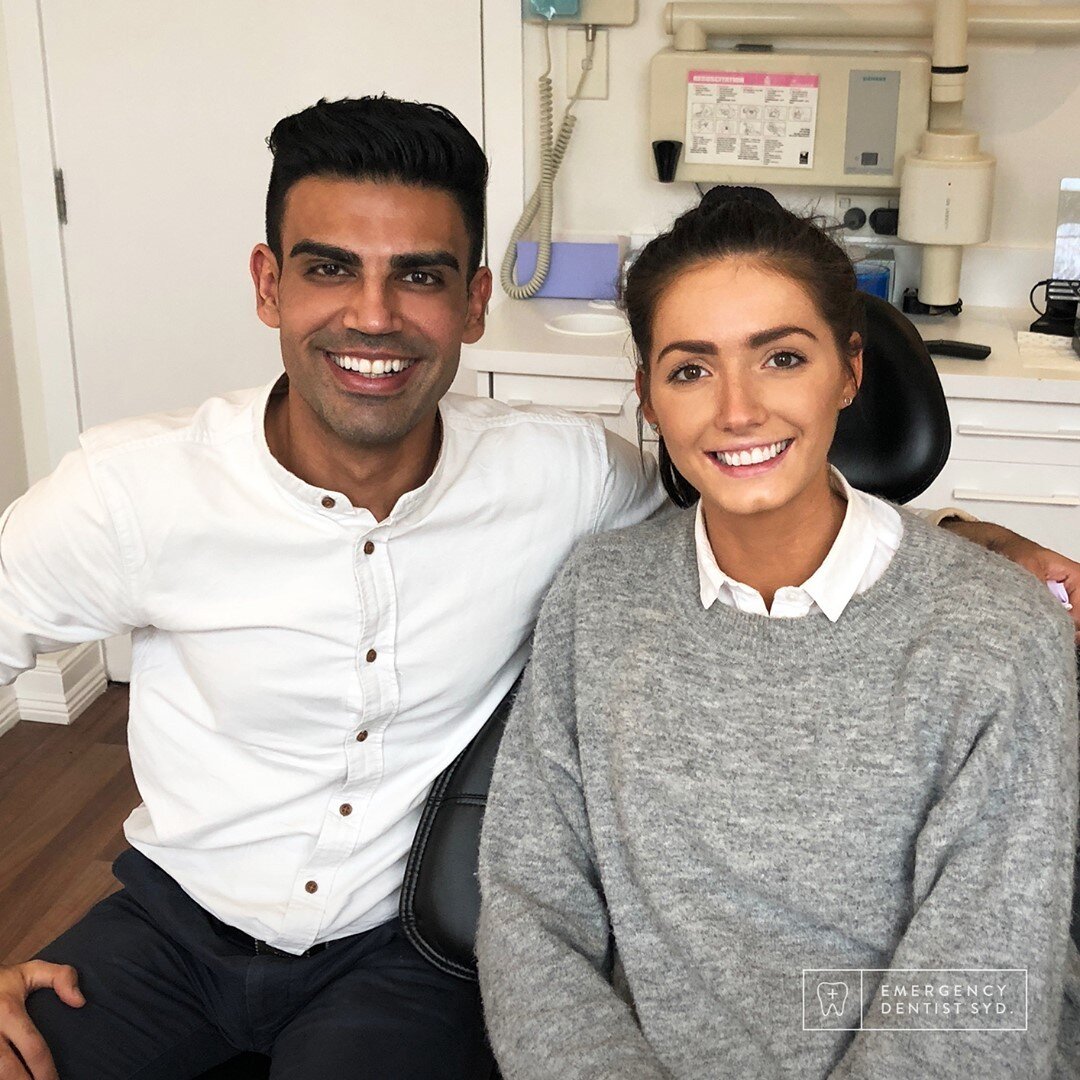




For 15 years, we've had one mission - when Sydney has a dental emergency, Emergency Dentist Sydney is there
We're proud to celebrate 15 years of providing emergency dental services to Sydney CBD and surrounding suburbs.