
How Nail Biting Will Hurt Your Teeth
Why You Should Stop for the Sake of Your Oral Health
Why You Should Stop for the Sake of Your Oral Health
Nail biting is a very common habit that can start in childhood and continue throughout your life.
If you have this habit, you probably worry about the damage that it does to your nails and how it affects the appearance of your hands. But nail biting can do more than make it hard to wear nail polish. It can also impact your oral health and make you more likely to need a trip to an after hours dentist to repair the damage.
Why Bite Your Nails?
There is no clear cause of nail biting, but most of the time it’s associated with stress. This is a habit that often starts in childhood as a natural progression from finger or thumb sucking. Chewing your nails can help relieve tension, anxiety, stress or boredom. So when you find yourself in a situation that prompts these reactions, you’ll probably find yourself biting your nails. Unfortunately, this can be a difficult habit to break, even if you know that you’re damaging your oral health every time you bite.
How Nail Biting Affects Your Oral Health
Biting your nails can seriously affect the health of your gums and your teeth in a number of ways. Here are some of the problems that you might encounter if you bite your nails:
The grinding action can wear away the enamel on your teeth and cause cracked or chipped teeth.
Your nails get harder when you constantly bite them, which means that chewing them is even more difficult and will cause more damage the longer you have the habit.
Biting your nails puts pressure on your teeth, which can cause them to shift and leave gaps in your smile.
Biting your nails can weaken the roots of your teeth and cause your jaw bone to reabsorb them, which means that the affected tooth or teeth will fall out.
There is a lot of bacteria under your nails and every time you bite them you’re transferring it to your mouth, which can lead to gum disease.
Nail biting can do damage to your temporomandibular joint or TMJ, which can result in jaw pain or chewing difficulties.
If you chew your nails you’re more likely to develop Bruxism, which is a chronic teeth grinding habit that causes oral health problems as well as headaches and muscle pain.
How to Break the Habit
Breaking any habit is difficult and nail biting is no different. However, it’s also essential to break this habit if you want to protect and maintain your oral health. If you’re ready to get rid of this habit, here are some strategies that will help:
Find something else to do with your hands when you’re nervous, such as playing with a stress ball.
Keep your nails cut short and neat or get a manicure so they look too nice to ruin.
Get bad tasting nail polish from the chemist and put it on your nails.
Identify activities or experiences that set off the nail biting and plan to do something else instead.
Ask the people around you to stop you every time you start to bite your nails.
All of these strategies will help you find a better way to deal with negative emotions. And they will also help you avoid a late night visit to an after hours dentist with a serious dental problem.
Emergency Dentist Sydney Says
If you have a dental emergency, contact our Emergency Dentist in Sydney. Our caring and expert staff are available 24 hours a day to help you with all your emergency dental needs.
Need Advice Or Emergency Dental Care In Sydney CBD?
Contact our friendly team


Is Tooth Enamel Loss Really Permanent?
Keep it Healthy
Keep it Healthy
Your tooth enamel is pretty tough and it has to be. It’s under constant assault from foods and drinks, not to mention the bacteria that grows in between brushing. Plus, every time you drink a soft drink or eat something sugary, it makes your enamel weaker. And that’s a problem because your enamel defends your teeth against decay, and when it gets damaged you’ll probably end up having to make an emergency trip to an after hours dentist. If you want to avoid that, here’s what you need to know about this essential part of your teeth.
What is Enamel?
Enamel is the hard coating over the softer parts of your teeth. It’s made primarily of a mix of minerals, and is the hardest substance in the body, harder even than your bones. However, once your enamel is damaged or worn away, it doesn’t grow back. Though your dentist can repair small lesions that weaken enamel, once it’s gone you’re going to have serious problems with your teeth for the rest of your life.
There are a number of things that can damage the enamel on your teeth. The most problematic are:
Soft drinks, because the high sugar content eats away at the enamel and weakens it overall.
Sugary foods, which have the same effect as soft drinks.
Certain medications can soften the enamel.
Conditions like Bruxism or teeth grinding, because the constant motion wears the enamel away.
Diseases like Acid Reflux Disease, where stomach acids rise from the gut and can wear away the teeth.
Genetics.
How to Tell if Your Enamel is Worn
It’s usually pretty easy to tell if your enamel has been damaged or worn away in any areas. With the enamel gone, the soft inner surfaces of your teeth will be exposed to the open air and to any food and drink that you consume. This means that the affected teeth will become discoloured or stained more easily. Your teeth will also become more sensitive to hot and cold foods or drinks.
Enamel is very strong, which is why your teeth are fairly hard to break. But when the enamel wears away, you will also notice that your teeth chip or break more easily. This is why you need to visit your dentist if you notice any changes in your teeth. Because once your teeth start to break, fixing the problem becomes much more difficult.
Strengthening and Repairing Enamel
Once your enamel is gone, it can’t be replaced. However, if you know ahead of time that your enamel is thinning then you can take steps to try and boost its health. That’s one reason why you need to make regular trips to the dentist for check-ups, because they’ll be able to tell you if you have a problem with your enamel.
Products that contain fluoride can be very helpful in keeping your enamel strong. Fluoride acts as a barrier between food and drinks and your enamel, preventing damage or degradation. You can also find toothpastes that contain minerals that will help to strength enamel weak spots by inundating them with calcium. This will help prevent further damage to the enamel and hopefully prevent it from being completely worn away from your tooth or teeth.
How to Prevent Enamel Loss
You can’t replace enamel that’s been lost, that’s why the best strategy to preserve your oral health is to avoid things that cause damage. So if you grind your teeth, talk to your dentist about a mouth guard. Try to avoid medications such as aspirin which cause enamel erosion. Avoid sugary foods and drinks as much as possible. And most of all, take a proactive role in your oral health. This means informing yourself about the health of your enamel and talking to your dentist about any issues before they become serious problems.
Emergency Dentist Sydney Says:
If you have a dental emergency, contact our Emergency Dentist in Sydney. Our caring and expert staff are available 24 hours a day to help you with all your emergency dental needs.

The Truth About Tooth Enamel
Tooth Enamel Facts You Need to Know
Tooth Enamel Facts You Need to Know
Tooth enamel is the hard, outer layer covering each tooth. It is the hardest substance in the human body and protects the sensitive inner layers from the discomfort of foods and drinks that are really hot and cold. You are also probably familiar with its vital role in protecting our teeth from damage and decay. What other tooth enamel facts do you know? Check out these common tooth enamel facts and tips below.
1. The Difference Between Abrasion and Erosion
There are two types of tooth enamel damage. Abrasion occurs when something brushes against your teeth, for example, using a hard-bristled toothbrush or scraping your teeth with a hard object. Erosion is caused by certain foods and drinks that are sugary and acidic. These foods and drinks are most damaging because when they interact with the bacteria in your mouth, lactic acid is produced, and this is something that can lead to the start of a cavity. When your teeth are eroding, you will notice that your teeth are becoming sensitive and are appearing slightly yellow.
2. Tooth Enamel Doesn't Come Back

Once your tooth enamel has eroded, it will not regrow. Enamel is made from minerals so it does not contain any living cells, making it impossible for it to repair itself. However, there are ways you can prevent this from happening and ways to treat the damage. Dental bonding can be used, or crowns can be applied but your dentist will be able to recommend you the right treatment option for you. In terms of prevention methods, you can start by eliminating certain foods and drinks out of your diet. When you have that craving for your favourite soda, use a straw. Another great tip is to gently rinse your mouth with water after eating because if you brush your teeth too soon after eating acidic food, that can actually make it worse. You can also start chewing sugarless gum.
3. Don't Neglect the Damage
Ignoring the damage or avoiding the dentist will not only cause more pain to your eroded teeth but will make treatments more expensive. As your teeth enamel erodes, your teeth will become overly sensitive as it will expose the inner sensitive layer underneath called ‘dentin’. Because your teeth won’t have the protection it needs from enamel, they will be susceptible to decay quickly. Your teeth will also be stained, giving your teeth a yellow appearance. Always make sure to have 6 monthly check ups so your dentist knows the state of your teeth.
Enamel is so important for our teeth and we need to take care and protect them as they protect us. It is vital to follow some of the tips mentioned above to prevent your enamel from eroding. It may sound difficult to give up your favourite sugary snacks and soft drinks, but the damage is way worse. If you do consume sugary and acidic foods and drinks, always remember to maintain good oral hygiene.
Emergency Dentist Sydney Says:
Protect your enamel and your overall dental health by practicing good oral hygiene habits like twice daily brushing and flossing. And don’t forget to visit your dentist every 6 months!
Patient Care First

Keep Up-To-Date with All Things Oral & General Health
RECENT ARTICLES


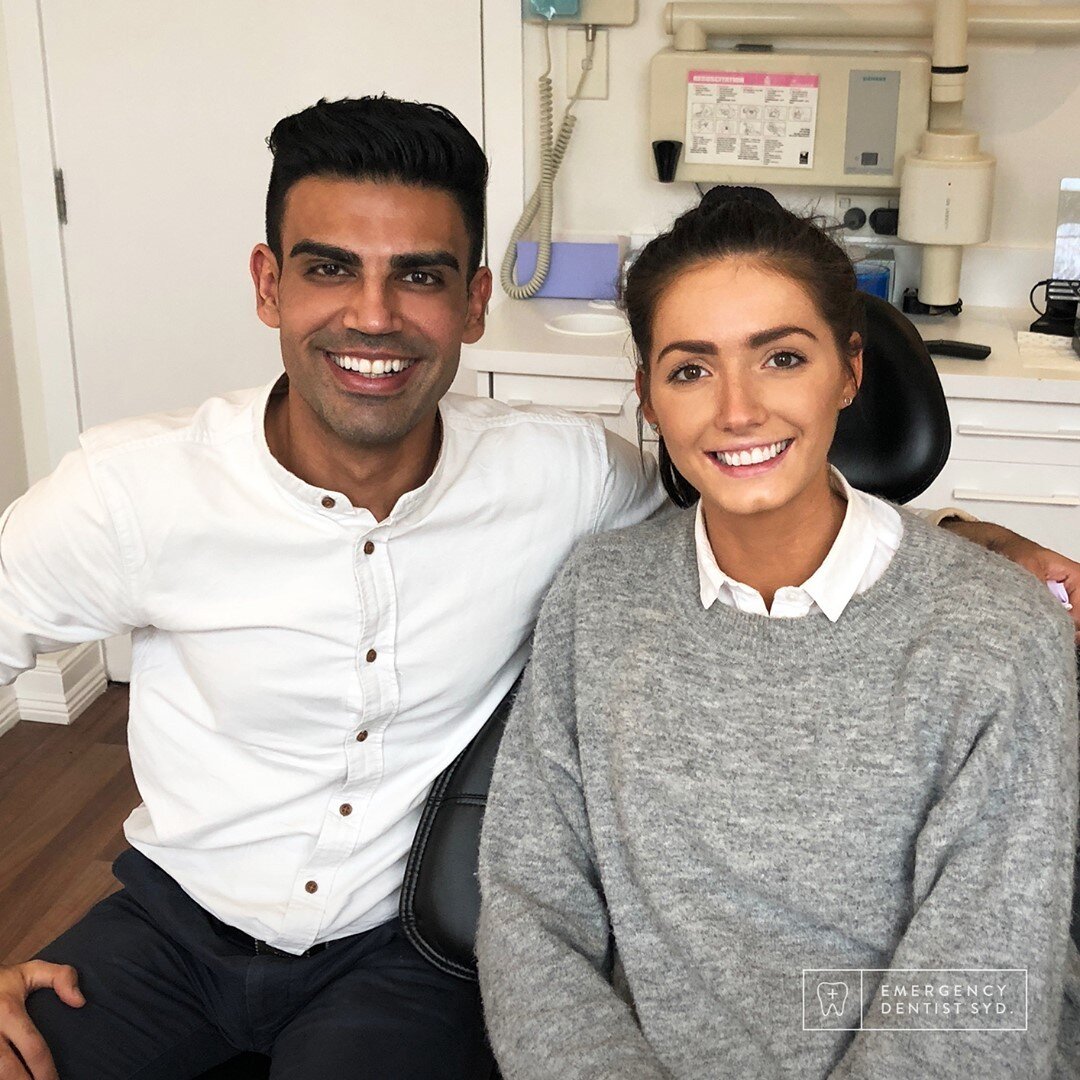




For 15 years, we've had one mission - when Sydney has a dental emergency, Emergency Dentist Sydney is there
We're proud to celebrate 15 years of providing emergency dental services to Sydney CBD and surrounding suburbs.