

Symptoms Of A Damaged Root Canal To Watch Out For
When to rush to your after hours dentist
When to rush to your after hours dentist
If you have severe pain in a tooth or teeth it might mean that you have bigger problems than a cavity. Damage to the root canal most often occurs when you’ve neglected your oral health for a while. A little pain, managed with painkillers, can often turn into a big pain that results in an emergency visit to your after hours dentist. If you’re experiencing tooth pain that just won’t go away, here are some of the warning signs that you need a dentist, fast.
What is Dental Pulp?
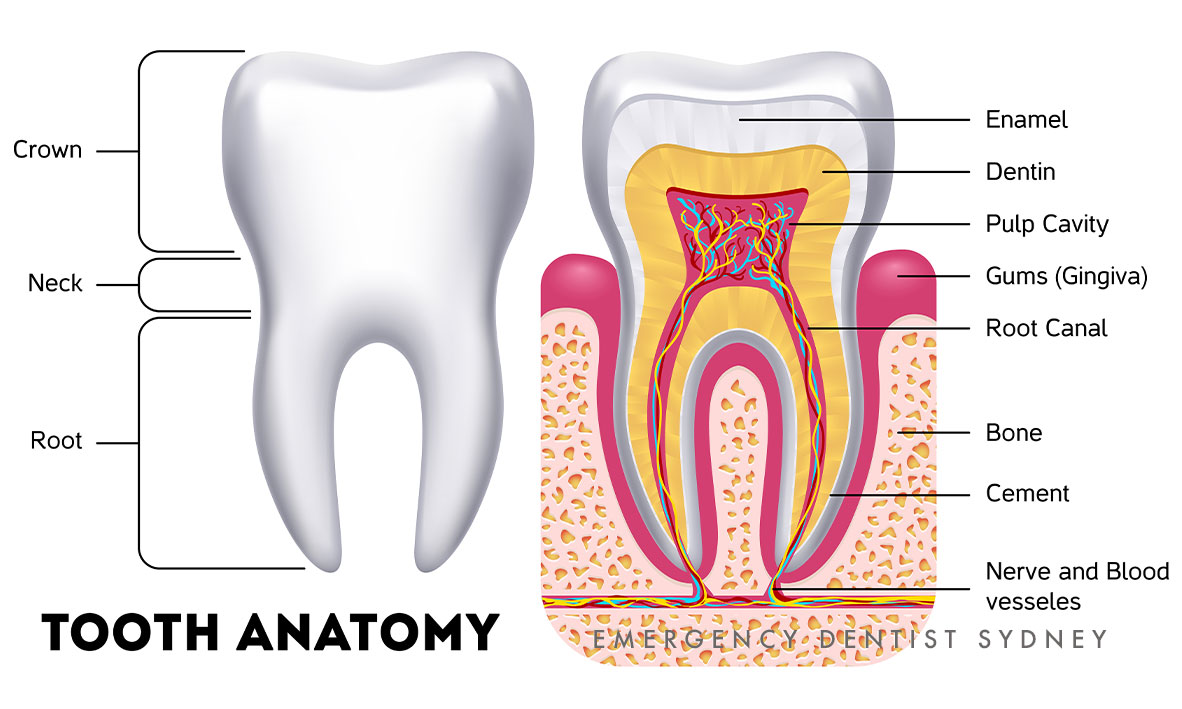
Dental pulp is the soft material in the centre of your teeth. It contains the nerve, connective tissue and blood vessels. Basically, it’s everything inside the hard enamel exterior of your teeth. When this part of your tooth becomes badly infected, you may need a root canal to take away the pain and save the tooth. Here are some of the symptoms that you’ll experience when you have a dental pulp infection:
Pain when chewing or biting down.
Discolouration on the gum around the infected tooth.
Ongoing dull or severe pain in the roots or gums.
Swelling in the gum around the affected tooth.
A bad taste in your mouth because of pus coming from the infected area.
If you experience any of these symptoms, you need to visit your after hours dentist as soon as possible to get the problem fixed. However, you may not experience any severe symptoms at all when you have a tooth infection. This is why you need to have regular check-ups to check on your oral health and pick up any hidden problems.
What Causes Tooth Infections?
When your tooth is infected it isn’t the hard, outer surface that’s the issue. The outer surface is made of enamel, which doesn’t contain any living cells, so it can’t get infected. Instead, it’s the dental pulp, the soft inner parts of the tooth, which are the problem.
There are several things that can cause the dental pulp to become infected. This includes:
Large fillings.
A crack or chip in the tooth.
Face trauma.
Deep decay.
Repeated dental procedures on the same area.
When you experience these issues, bacteria can get through the enamel and into the dental pulp. The bacteria then multiply inside the chamber and cause an infection. If left untreated, the infection can spread throughout your mouth, threatening the health of other teeth. It may also get into your bloodstream and cause infections in other part of the body, including your brain. This is obviously a very serious situation that you want to avoid at all costs.
Treating an Infected Tooth
If an infection is caught early, then a course of antibiotics may clear it up. However, if the infection is too entrenched then you will need a root canal. This is a procedure that a lot of people are afraid of, usually because of stories about root canals from the past. You’ve probably heard about the pain and discomfort of this procedure from older relatives. However, dentistry has come a long way over the last couple of decades. These days, root canals are no more painful or traumatic than a normal filling.
Today’s root canals can usually be completed in a single visit unless the infection is so bad that it needs additional treatment. Before the root canal, your dentist will examine your mouth and take X-rays, so they know exactly what’s happening with your tooth. Here’s what to expect on the day of the procedure:
The tooth is numbed using a local anaesthetic.
Your dentist will use a laser to make a small hole in the crown of the tooth.
The infected pulp is removed, and the empty chamber is cleaned thoroughly.
The root canal filling is put into place.
Once this is complete, the hole is sealed, and a permanent crown is put on the tooth.
This procedure should be completely pain-free and takes around 30 minutes to complete. In fact, the pain of your infected tooth is usually far worse than the root canal treatment. And once you’re done, the tooth is literally dead. There’s no soft tissue to get infected again and the tooth has no nerve, so you shouldn’t experience any pain or problem with it from that point forward.
Emergency Dentist Sydney Says:
If you have an infected tooth or other dental emergency, contact our Emergency Dentist in Sydney. Our caring and expert staff are available 24 hours a day to help you with all your emergency dental needs.
Need Advice Or Emergency Dental Care In Sydney CBD?
Contact our friendly team


Why Do Some Root Canal Treatments Fail?
And Why It Isn’t Your Dentist’s Fault
And Why It Isn’t Your Dentist’s Fault
Root canals aren’t usually people’s favourite procedures. If you have to have one, it means that you’ve probably been in pain or discomfort for a while and have made a trip to an after hours dentist. After all that trouble, you probably think that the root canal should solve everything. But sometimes, your problems will continue after the root canal, meaning that you have to get further treatments. If this happens to you, then you need to know why it happens and why it isn’t always your dentist’s fault.
Why Do You Need a Root Canal?
In basic terms, people need a root canal when the pulp or inside of their tooth has become infected. During a root canal, the nerve and pulp inside your tooth are cleared out and the area is sealed so that bacteria can’t get in there again. To complete the procedure, your dentist will usually put a crown over the top of the tooth to increase its strength and repair its appearance. This procedure usually alleviates any pain immediately because the nerve, the part of your tooth that registers pain, is gone. And once the area has healed, you will be able to go back to your normal eating routine and probably won’t even notice that you ever had the procedure done.
If you have an infected tooth, your dentist will usually try to treat the infection with antibiotics first. However, if the infection has gone too far, if it threatens the health of surrounding tissue, it’s usually better to perform a root canal. Otherwise it can cause problems such as abscesses or pain and infection in other parts of the face and even in the rest of the body.
Some causes of tooth pulp infection include:
A cavity that has been left too long.
A crack or chip that hasn’t been repaired and has let bacteria into the centre of the tooth.
Repeated procedures on a tooth.
Gum infections that have been left untreated and infected a tooth.
Face traumas.
What if the Root Canal Doesn’t Work?
Most people who get a root canal go back to their normal lives without any further problems. In fact, between 90 and 95 percent of root canals are completely successful. However, there are a small percentage of people who aren’t so lucky.
There can be a number of reasons why a root canal may fail. And the first and most common is related to the original infection. As Doctor Oberoi from Emergency Dentist Sydney says about root canals, “If they haven’t been done properly in the first place and the infection is still there they can fail.” That’s why you need to make sure that your root canal is done by a properly qualified and experienced after hours dentist.
Another reason why a root canal may fail has to do with the condition of the tooth itself. Doctor Oberoi points out, “…if there’s a crack in the tooth then it can affect the root canal. That’s why we usually recommend putting a crown over the tooth.”
A root canal may also fail if it isn’t taken care of after the procedure. You need to make sure that you follow your dentist’s instructions closely when it comes to after care. Otherwise the gum or surrounding teeth could become infected, resulting in more dental work.
Emergency Dentist Sydney Says:
If you need a root canal or any other emergency procedure, contact our Emergency Dentist in Sydney. Our caring and expert staff are available 24 hours a day to help you with all your emergency dental needs.
Patient Care First

Keep Up-To-Date with All Things Oral & General Health
RECENT ARTICLES







For 15 years, we've had one mission - when Sydney has a dental emergency, Emergency Dentist Sydney is there
We're proud to celebrate 15 years of providing emergency dental services to Sydney CBD and surrounding suburbs.