
How To Be Proactive About Dental Pain
Why you shouldn’t just put up with this dental emergency
Why you shouldn’t just put up with this dental emergency
If you have pain in your mouth or teeth, it might be tempting to take painkillers and hope that it goes away. You might think that this type of pain is harmless, but it can be caused by a wide variety of serious dental issues. And ignoring them can have serious consequences for your oral health. That’s why you need to be proactive about dental pain, so the issue can be solved before it turns into something that sends you to your after hours dentist for an emergency procedure.
Common Causes of Dental Pain
There are several common causes of dental pain. If these issues are resolved immediately, then the solutions are relatively quick and simple. But if you ignore the problems then they could turn into much more serious issues. And when that occurs the treatment will take longer and be more expensive.
The most common causes of dental pain are:
Tooth decay is a very common problem and despite the wealth of information available on how to care for teeth, it’s becoming even more common with time. If you have a deep cavity it means that the bacteria have eaten into the centre of the tooth. This will cause gum or tooth pain, discomfort and swelling, and may make it difficult to eat. And if left untreated it can result in infection, nerve damage, and even tooth loss.
Infections can occur when you have an untreated tooth cavity, gum disease, or other type of wound in your mouth. They can be very painful and if left untreated can result in the loss of a tooth and a trip to your after hours dentist. Infections can also travel to the blood stream and result in bacterial blood infections or travel to other parts of the body. Mouth infections may even make you more susceptible to heart disease. That’s why, if you think you have an infection in your mouth, you must see your dentist immediately for treatment.
Plaque naturally builds up on your teeth over time and if it isn’t removed then it can cause gum disease. This will cause pain and bleeding around your teeth and may advance to periodontitis, which is an advanced gum disease that will have long term consequences for your oral health. If left untreated, these types of problems will result in your gums shrinking and your teeth falling out, so it’s important that they’re treated by your dentist before that happens.
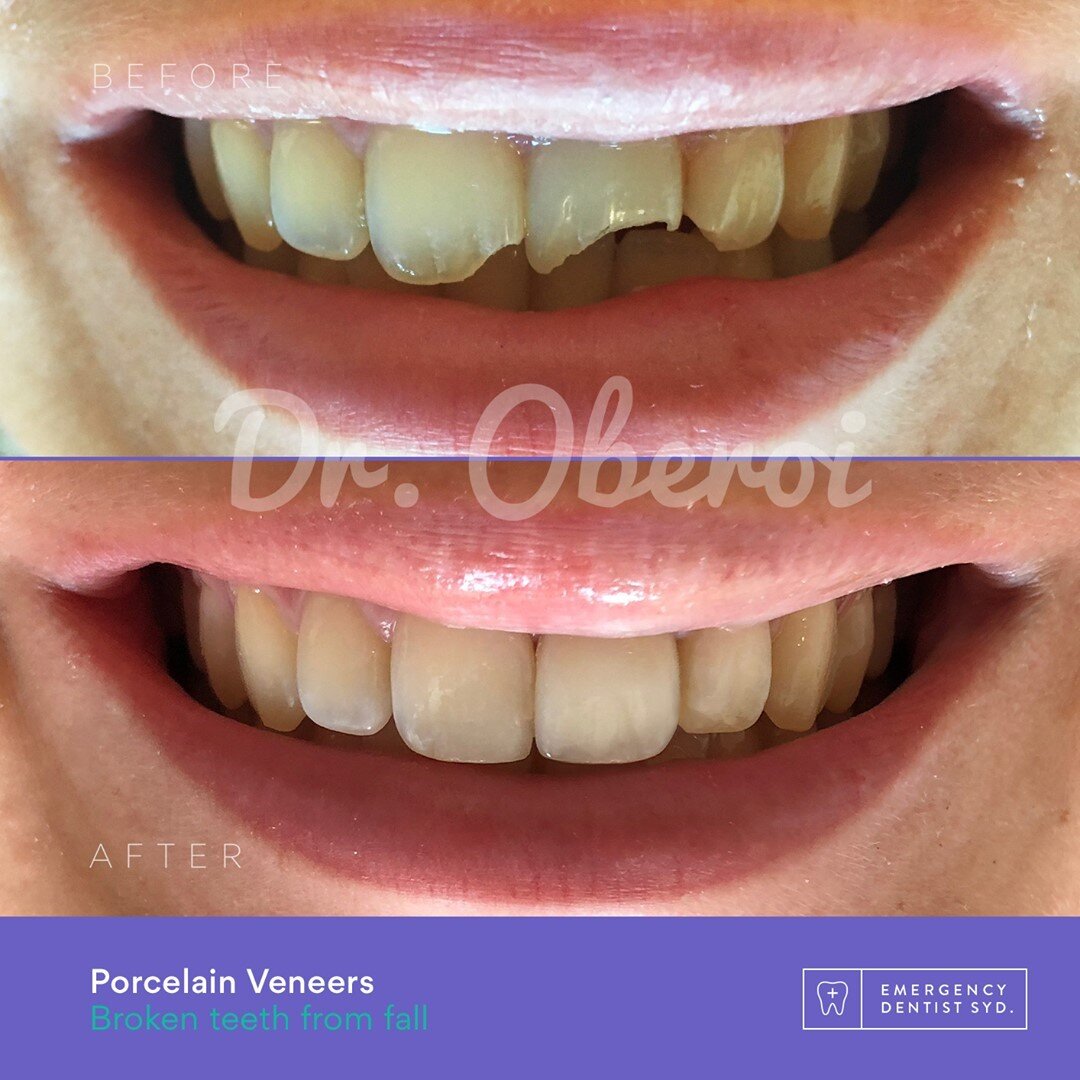
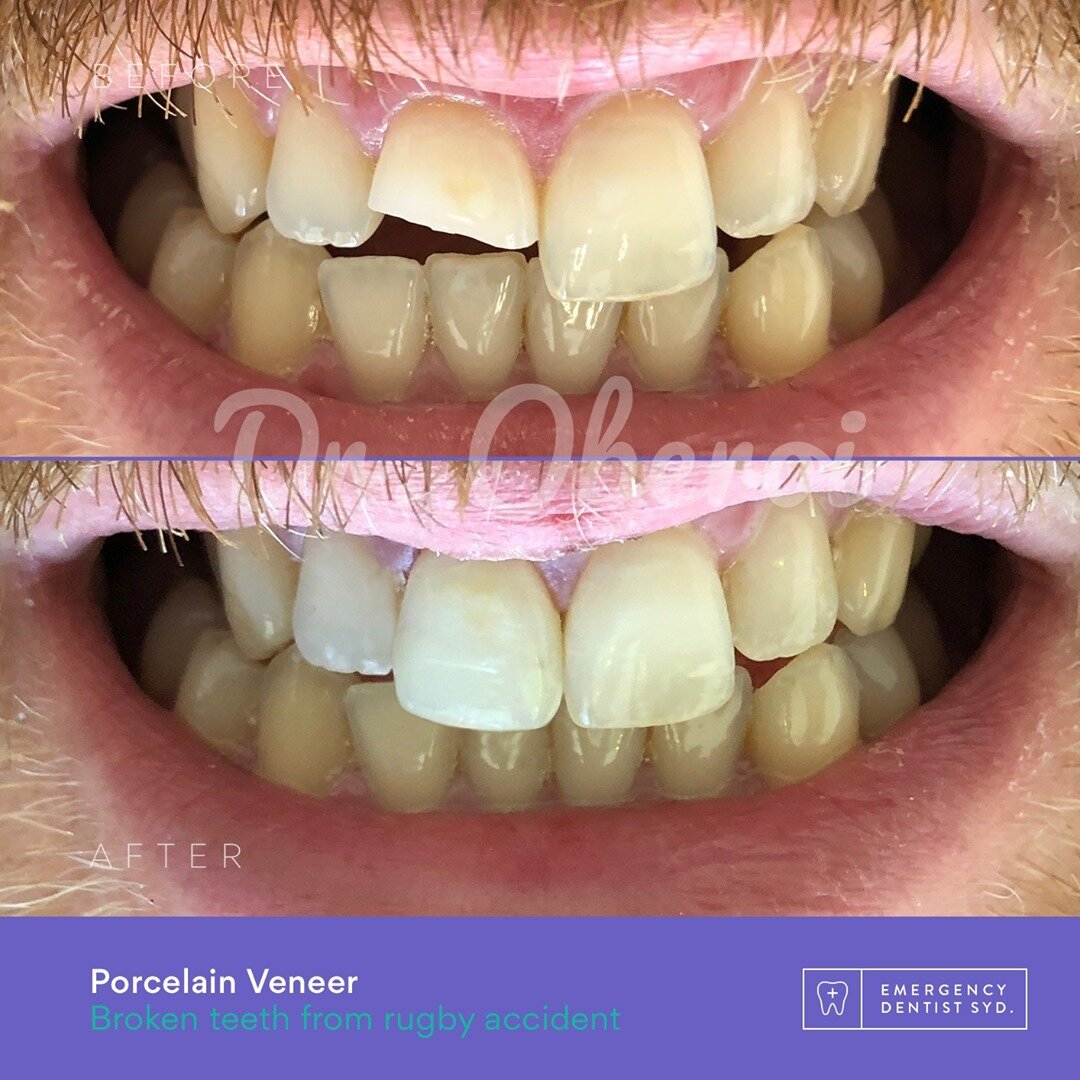
If your tooth or teeth are injured and become cracked or broken, then you need to see your dentist immediately. Even a small crack can spread over time and result in the tooth or teeth splitting down the middle. A piece of the damaged tooth or teeth may even break off, resulting in a jagged edge. This will be painful, make you feel self-conscious, and fixing it will require extensive treatments. A simple crack on the other hand can often be fixed using a filling or dental composite.
Some people naturally have sensitive teeth and struggle to eat hot and cold foods. This is normal. But if you find it difficult to eat any foods because of sensitivity then you need to see your dentist to find out what’s going on. Sudden sensitivity can be the result of gum disease, a cavity, or shrinking gums, so don’t ignore this warning sign.
How to be Proactive about Pain
You need to be proactive when it comes to your dental health. See your dentist regularly for check-ups and cleans to keep your teeth in the best condition possible. And if you experience any pain, make an appointment and find out what’s going on. This is the best way to safeguard the health of your mouth and teeth over the long term. And it’s also the best way to be pain-free too!
Emergency Dentist Sydney Says:
If you have a dental emergency, contact our Emergency Dentist in Sydney. Our caring and expert staff are available 24 hours a day to help you with all your emergency dental needs.

What To Do When You Have Gingivitis
Prevent the Next Stages of Gum Disease
Prevent the Next Stages of Gum Disease
We only get one set of permanent teeth, so it is important to take good care of them. Having good oral health means you are taking care of your overall health. Unfortunately, this is not the case for some people. Without daily brushing and flossing, the bacteria that forms on our teeth builds up and causes an inflammation of the gums. This is called gingivitis, the first stage of gum disease. Here is a brief guide on what you need to know about gingivitis, so you don’t progress to the next stages that can cause infected bone and tooth loss.
There Are Three Stages of Gum Disease:

1. Gingivitis: this is the earliest stage of gum disease where the plaque build-up causes an inflammation of the gums. Your gums will be red and swollen and may bleed while brushing and flossing. Good news is that gingivitis can be reversed at this stage as it is still early and the bone that supports your teeth are not yet affected.
2. Periodontitis: This stage of gum disease is irreversible. The supporting bone that holds your teeth are affected to the point where your gums may begin to form a pocket below the gum line, trapping food and plaque.
3. Advanced Periodontitis: In this final stage of gum disease, the fibers and bone supporting your teeth are destroyed, which can cause your teeth to shift or loosen.
Gingivitis Symptoms
As mentioned above, your gums will become red and inflamed and will probably bleed during brushing. The area will be sore or tender and may actually recede (pull away from the teeth). It can also cause gaps to form between the teeth and the gums, which can collect food as well as plaque. As well as these less obvious problems, people with gingivitis often suffer from bad breath, even if the condition isn’t very advanced.
Treating Gingivitis
Gingivitis can be treated easily and simply only if it’s caught early. Your dentist will perform a deep clean to remove the hardened plaque. If your gingivitis is left untreated, it will worsen and progress to the next stage, Periodontitis. If the problem gets to this stage you will probably lose some of your teeth and cause permanent damage to your gums, teeth and other tissues in the mouth. That’s why it’s so essential that you make regular visits to your dentist to treat any problems as soon as they appear.
How to Avoid Gingivitis
To avoid gingivitis you need to see your dentist regularly for a professional cleaning. Your dentist will remove any plaque buildup and let you know of any problems before they become serious. Other than that, you have to make sure you maintain good oral hygiene, which means twice daily brushing, flossing, eating well, and avoiding substances that can cause damage such as smoking. If you make these habits a priority, you will enjoy good oral health throughout your life.
Emergency Dentist Sydney Says:
If it’s been a while since your last dental check-up and you are experiencing red and swollen gums, visit a dentist as soon as possible. It may be gingivitis and you won’t want it to progress to the next stage.

Don't Ignore Your Dental Health
Your Teeth and Gums are Important
Your Teeth and Gums are Important
What most people don’t know is that it is dangerous to ignore your oral health because it actually impacts your overall health. There could be a number of reasons why people ignore their dental health, such as fear of visiting the dentist or being too lazy to regularly brush your teeth. Poor dental care can lead to a number of big problems such as infection, tooth loss, and pain. We want to let you know the importance of treating your teeth and gums so that you don’t come across these big problems.
Signs of Poor Dental Care
When your dental health is being neglected, it will show in a number of ways including:
Bad breath
Receding gums
Stained or rotten teeth
Loose or broken teeth
Avoiding the dentist
Not brushing and flossing regularly
If left ignored and untreated, these conditions will eventually lead to bigger problems affecting your overall health.
The Dangers of Poor Dental Care
Neglecting your dental health can lead to more than rotten teeth and bad breath. If teeth aren’t thoroughly cleaned and checked regularly they can get infected. This can lead to pain and inflammation, and even to tooth loss. The infection from your mouth can even get into the bloodstream and infect other parts of the body, including the heart. In cases like this, the consequences can be very serious. You may only suffer from sore gums and sensitive teeth at first, but over time a lack of dental hygiene can negatively affect your entire system and overall health. It is vital to visit your dentist before it gets to this stage.
What You Can Do
If you’ve been neglecting your dental health for whatever reason it’s important that you take measures to ensure it doesn’t get worse. See your dentist as soon as you can and establish good hygiene habits. This means brushing twice a day and flossing.
Emergency Dentist Sydney Says:
Taking care of your teeth and gums should be your top priority. Don’t ignore your dental health and you will have a smile you’re proud to show off.

Knocked Out Tooth?
Don't Panic, There's a Chance It Can be Saved
Don't Panic, There's a Chance It Can be Saved
Getting a tooth knocked out can feel like a nightmare. Although it may not be the most serious injury in the world, it can certainly seem like the world is close to ending. Who wants to be called Gappy when they are an adult? It was cute when you were six and knew it was very much a temporary situation, but a knocked-out tooth as a grownup? It sends shivers down most people's spines just thinking about it.
As shocking and scary as it is, thanks to modern dentistry if your tooth is knocked out, putting things right is a lot easier than it used to be, and the chances you won't lose your lovely smile for very long are high. As long as you take prompt action that is.
Dealing with a Knocked-Out Tooth: Immediate Steps to Take
Whether the cause is a sports injury, an accident, or you got into a fight - either with someone else or the pavement - it is important to know what to do immediately after a tooth has been knocked out.
When a tooth is knocked out it is quite literally severed from the socket (that's just one reason why it hurts so much) and usually, the ligament that once attached it to your gum and jaw is destroyed. The tooth can still be saved at this point, but you'll need as many of the tiny nerve fibres to remain attached as possible.
This means you'll have to be very careful when you pick up the tooth (we're assuming here it can be located) You should pick it up by the crown only, never the root. Pick it up the wrong way and those precious fibers will be gone.
Once you have the tooth, wipe away excess dirt (carefully) and either set it back into the socket or hold it between your cheek and gums in your mouth. Bathing your tooth in your saliva will help keep it alive. If you can't place it in your mouth putting it into a glass of cold whole milk is the next best thing.
At this point somebody - possibly not you as your mouth is busy trying to save a knocked-out tooth - should be on the phone with an emergency dentist. A tooth that is lost due to an accident has an 80-90% chance of being saved if these procedures are followed and you can get to the dentist's office quickly.
A healthy tooth that is. If a knocked-out tooth was loose already, something that is usually caused by periodontal disease, none of these measures may help, as a diseased tooth is usually beyond that at this point. You should still head right to the dentists though, as the damage done to the gums and potentially to surrounding teeth still needs to be accessed asap.
Preventing Tooth Loss
Accidents happen. We understand that. But there are some things you can do to help prevent getting a tooth knocked out in the first place. Some sensible measures include the following:
If you play sports, wear a mouth guard. Not just if you play cricket or footie and there are flying objects involved, but when you participate in any sport. You never know when an opponent’s arm, or the track, might connect with your face and knock your tooth out. You need to make sure it fits well though, so talk to your dentist and they'll help you find the right one.
Practice good dental hygiene and visit your dentist regularly to prevent gum disease and decay. As we already mentioned, an unhealthy tooth is knocked out far more easily than a healthy one and once it's out there's rarely any putting it back in.
Think when you drink. Yes, there's still tons of fun to be had, even if the summer's winding down. And while we are not suggesting you give up enjoying everything that Sydney has to offer - including all the great pubs and clubs - drink with care.
Once you get a bit beer wobbly you are far more likely to fall down and kiss the pavement (ouch, it hurts just thinking about it) and/or get into a bit of fisticuffs with a fellow 'happy' reveler. If you are drinking, take it steady and if you really can't walk straight (oops) don't try. Call a taxi, call an Uber, call a mate but don't try to walk home and certainly don't drive.
Emergency Dentist Sydney Says:
With prompt action a knocked-out tooth can often be saved. Just another reason why it pays to have our number in your phone, as you never know when you might need it at 2 am!
Patient Care First

Keep Up-To-Date with All Things Oral & General Health
RECENT ARTICLES








For 15 years, we've had one mission - when Sydney has a dental emergency, Emergency Dentist Sydney is there
We're proud to celebrate 15 years of providing emergency dental services to Sydney CBD and surrounding suburbs.