
The Truth About Tooth Enamel
Tooth Enamel Facts You Need to Know
Tooth Enamel Facts You Need to Know
Tooth enamel is the hard, outer layer covering each tooth. It is the hardest substance in the human body and protects the sensitive inner layers from the discomfort of foods and drinks that are really hot and cold. You are also probably familiar with its vital role in protecting our teeth from damage and decay. What other tooth enamel facts do you know? Check out these common tooth enamel facts and tips below.
1. The Difference Between Abrasion and Erosion
There are two types of tooth enamel damage. Abrasion occurs when something brushes against your teeth, for example, using a hard-bristled toothbrush or scraping your teeth with a hard object. Erosion is caused by certain foods and drinks that are sugary and acidic. These foods and drinks are most damaging because when they interact with the bacteria in your mouth, lactic acid is produced, and this is something that can lead to the start of a cavity. When your teeth are eroding, you will notice that your teeth are becoming sensitive and are appearing slightly yellow.
2. Tooth Enamel Doesn't Come Back

Once your tooth enamel has eroded, it will not regrow. Enamel is made from minerals so it does not contain any living cells, making it impossible for it to repair itself. However, there are ways you can prevent this from happening and ways to treat the damage. Dental bonding can be used, or crowns can be applied but your dentist will be able to recommend you the right treatment option for you. In terms of prevention methods, you can start by eliminating certain foods and drinks out of your diet. When you have that craving for your favourite soda, use a straw. Another great tip is to gently rinse your mouth with water after eating because if you brush your teeth too soon after eating acidic food, that can actually make it worse. You can also start chewing sugarless gum.
3. Don't Neglect the Damage
Ignoring the damage or avoiding the dentist will not only cause more pain to your eroded teeth but will make treatments more expensive. As your teeth enamel erodes, your teeth will become overly sensitive as it will expose the inner sensitive layer underneath called ‘dentin’. Because your teeth won’t have the protection it needs from enamel, they will be susceptible to decay quickly. Your teeth will also be stained, giving your teeth a yellow appearance. Always make sure to have 6 monthly check ups so your dentist knows the state of your teeth.
Enamel is so important for our teeth and we need to take care and protect them as they protect us. It is vital to follow some of the tips mentioned above to prevent your enamel from eroding. It may sound difficult to give up your favourite sugary snacks and soft drinks, but the damage is way worse. If you do consume sugary and acidic foods and drinks, always remember to maintain good oral hygiene.
Emergency Dentist Sydney Says:
Protect your enamel and your overall dental health by practicing good oral hygiene habits like twice daily brushing and flossing. And don’t forget to visit your dentist every 6 months!

Dental Hypersensitivity
Why Are My Teeth so Sensitive?
Why Are My Teeth so Sensitive?

Dental Hypersensitivity is a common problem for a lot of people aged between 20 and 50. Have you ever had a hot or cold drink and as soon as you started drinking, felt a sharp pain on your tooth/teeth? Does it also happen when you eat or drink something sweet or acidic? You are experiencing this kind of pain because you have hypersensitive teeth. Here are the top two reasons why you may have dental hypersensitivity.
What Causes Tooth Sensitivity?
Gum Recession
The most highest leading cause of tooth sensitivity is gum recession and there are many reasons why you can have receding gums. It can be a result of aggressive tooth brushing, using a hard toothbrush, gum disease, a very acidic diet and even ageing.
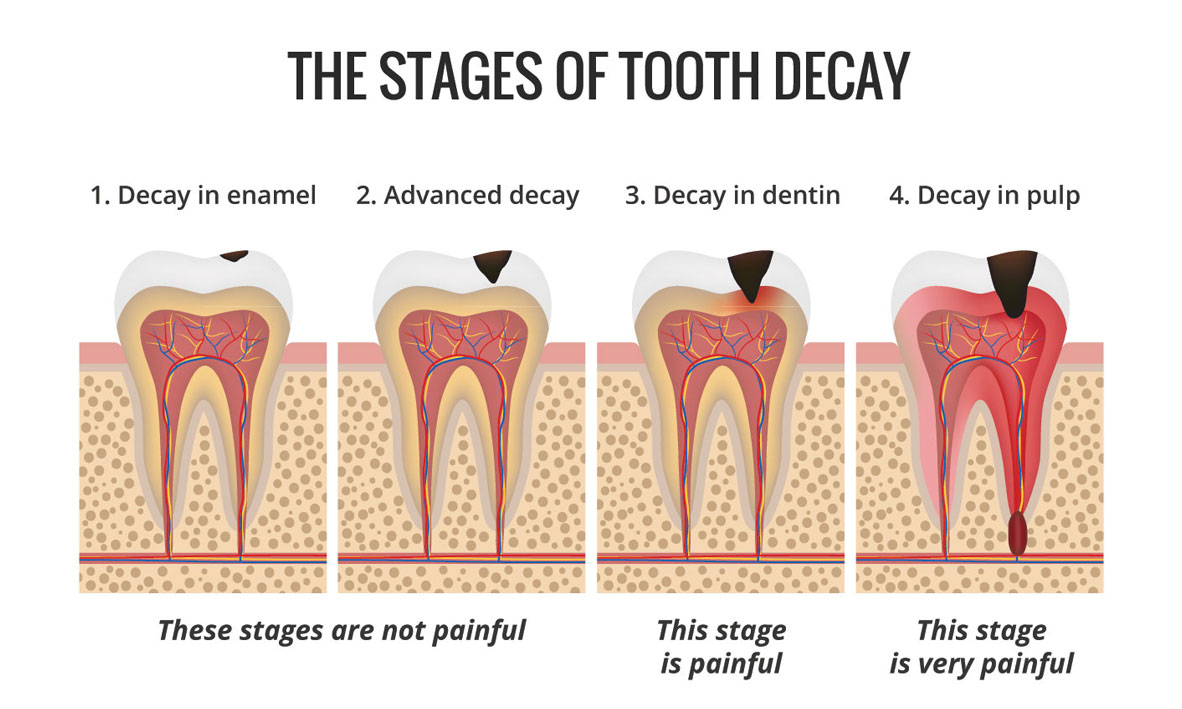
Each tooth has a layer of enamel and the root of each tooth has a soft layer called cementum. When the cementum wears off because of gum recession, the underlying dentin layer (the layer that surrounds the nerve) is exposed. The dentin contains thousands of channels that run from the surface of the tooth to the central nerve and when these channels are stimulated by certain foods or drinks, it travels to the nerves inside the tooth causing a sharp sensation.
Enamel Wear
Enamel, which is the layer on the surface of your teeth, is actually the hardest substance in the human body. However, it can still wear away over time, slowly exposing the underlying dentin layer which leads to dental hypersensitivity. There are a few causes of enamel wear such as: bruxism (teeth grinding), aggressive and improper brushing, using abrasive tooth pastes, or having too much acidic foods and drinks. A chipped or cracked tooth can also expose the dentin, which is why it is extremely important to visit the dentist when this happens
How to Prevent Tooth Sensitivity?
You can do a number of things at home to prevent painful tooth sensitivity.
Maintain good oral hygiene – brushing correctly
Use a soft bristle tooth brush
Using a non abrasive tooth paste or one that reduces sensitivity
Avoid acidic foods and drinks
More importantly, it is best to have regular dental visits because your dentist can detect early signs of enamel wear. Your dentist can also teach you proper brushing techniques and let you know which tooth pastes to use, as well as provide other prevention methods
Emergency Dentist Sydney Says:
Dental hypersensitivity should not be ignored no matter how short or low the pain is. Ignoring your sensitive teeth can lead to other oral health problems so make sure to have regular dental check ups with your dentist.

Dentists Surprising Role in Treating Eating Disorders
Here are the facts...
Here Are The Facts
When most of us think about eating we associate it primarily with sustenance and pleasure. However, for a growing number of Australians, many of whom are young, the act of eating anything is a real trial, as they are one the increasing number of people suffering from an eating disorder. And, believe it or not, it is often their dentist who notices the problem first.
Eating Disorder Basic Facts
According to The National Eating Disorders Collaboration, Australia is in this case right in line with the rest of the developed world, in that that the incidence of eating disorders and body image issues has increased significantly over the last 30 years.
The NEDC estimates that approximately 9% of the Australian population currently suffers from an eating disorder and that figure is increasing, with eating disorders now being the 12th leading cause of mental health hospitalisation in Australia. And perhaps most worrying of all is the fact that up to 1 in 5 of the afflicted will die prematurely.
As we mentioned before, the problem is especially worrying among younger people. In a survey conducted by the NEDC 84.3% of the 15-25 year olds interviewed said that they personally knew of a peer that they believed suffered from an eating disorder and 62% said they knew of five or more.
How Dentists are Helping Those at Risk
No matter what kind of eating disorder a person is suffering from it is the norm that they are very secretive about both the problem and the behaviours it causes. It is very rare for them to voluntarily seek help alone, it usually takes the input of a concerned third party to persuade them to even begin to begin addressing their problem.
For the family GP, an eating disorder can be hard to spot, especially in a teenager or young twenty-something during a routine exam. The patient is not going to bring the issue up and fluctuations in weight are often considered fairly normal at this age. And as many young people are considered generally healthy they may not even visit the doctor anyway.
They probably do still visit the dentist though, at least once every six months, which is why it is becoming common that it is their dentist who notices a problem first.
The Toll of Eating Disorders on Oral Health
Eating disorders can - and do - take a real toll on the body, but much of this is not easily visible. Not everyone suffering is very obviously painfully thin and will often hide it even if they are with the way they dress. One place where symptoms and signs are more obvious however is the mouth, as eating disorders affect oral health in several significant ways.
One big reason for this is the vomiting that is characteristic of eating disorders. Stomach acid is potent stuff, so the teeth of a person vomits on a very regular basis are often discoloured, or even almost translucent and may appear to be 'wearing away'. They may suffer from very bad breath, bleeding gums, tooth sensitivity, continually chapped lips and more, all of which a routine dental exam will reveal.
If a dentist does suspect an eating disorder problem they are in a great position to gently suggest that the patient begin seeking the right help. They can also help make sure that the damage to the teeth is minimised. As eating disorders are closely tied to image and self-esteem issues it can be very comforting for a recovering person to realise that they may not have damaged their teeth permanently and that like the rest of the body, they can be 'nursed' back to health with the right treatments.
The Emergency Dentist Says:
Eating disorders are a serious issue but something that can be very hard to deal with. Parents who suspect their child may have a problem should consider scheduling them a dentist's appointment, as they should be able to spot the warning signs and help get the patient onto the treatment path they need to be on.
Patient Care First

Keep Up-To-Date with All Things Oral & General Health
RECENT ARTICLES







For 15 years, we've had one mission - when Sydney has a dental emergency, Emergency Dentist Sydney is there
We're proud to celebrate 15 years of providing emergency dental services to Sydney CBD and surrounding suburbs.