

What are the Causes of Toothache?
What are the Causes of Toothache?
Toothache can be extremely disruptive. If you're suffering, then learn how to minimise the symptoms and treat the problem effectively here.
Identifying the Causes of Toothache and When to Seek Emergency Treatment
Toothaches can be an incredibly disruptive and painful experience, impacting daily activities and overall well-being. Understanding the causes of toothache and knowing when to seek emergency treatment is crucial for effective pain management and preventing further dental issues.
This blog will explore common causes of toothache, symptoms to watch for, and guidelines for determining when emergency dental care is necessary.
Common Causes of Toothache
Toothaches can result from a variety of dental and non-dental issues. Some of the most common causes include:
1. Tooth Decay
Tooth decay is the most prevalent cause of toothache. Cavities form when bacteria in the mouth produce acids that erode tooth enamel, leading to pain and sensitivity. If left untreated, the decay can reach the tooth's inner layers, causing more severe pain and potentially leading to an abscess.
2. Gum Disease
Gum disease, or periodontal disease, is an infection of the tissues surrounding and supporting the teeth. In its early stages, known as gingivitis, the gums may become red, swollen, and bleed easily. If the condition progresses to periodontitis, it can lead to toothache, receding gums, and tooth loss.
3. Tooth Abscess
A tooth abscess is a pocket of pus caused by a bacterial infection. It can occur at the tip of the root (periapical abscess) or in the gums (periodontal abscess). Abscesses cause severe, throbbing pain and can lead to swelling, fever, and swollen lymph nodes. Immediate treatment is necessary to prevent the infection from spreading.
4. Tooth Fractures
A cracked or fractured tooth can cause significant pain, especially when biting or chewing. Fractures can occur due to trauma, biting down on hard objects, or grinding teeth. Depending on the severity, a fractured tooth may require restorative procedures or even extraction.
5. Tooth Sensitivity
Tooth sensitivity can result from enamel erosion, gum recession, or exposed tooth roots. It often causes sharp pain when consuming hot, cold, sweet, or acidic foods and beverages. Desensitizing toothpaste and proper oral hygiene can help manage mild sensitivity, but severe cases may require professional treatment.
6. Impacted Wisdom Teeth
Wisdom teeth, or third molars, often cause pain when they don’t have enough room to emerge properly. Impacted wisdom teeth can lead to swelling, infection, and damage to adjacent teeth. Surgical removal is often necessary to alleviate pain and prevent complications.
7. Dental Procedures
Sometimes, toothache can occur after dental treatments like fillings, crowns, or root canals. While some discomfort is normal, persistent pain may indicate an issue with the procedure or an underlying problem that needs attention.

When to Seek Emergency Dental Treatment
Not all toothaches require immediate attention, but certain symptoms indicate the need for emergency dental care. Here are some signs that you should seek prompt treatment:
1. Severe Pain
If you experience intense, unrelenting pain that doesn’t respond to over-the-counter pain relievers, it’s time to see a dentist. Severe pain can indicate a serious issue like an abscess or a fractured tooth.
2. Swelling
Swelling in the face or gums is a sign of infection and can indicate an abscess or gum disease. Swelling that spreads to the neck or causes difficulty breathing or swallowing requires immediate medical attention.
3. Fever
A fever accompanying a toothache suggests an infection that may be spreading. Seek emergency dental care to prevent further complications.
4. Persistent Bleeding
Uncontrolled bleeding from the gums or around a tooth indicates injury or advanced gum disease. Emergency treatment is necessary to address the underlying cause and stop the bleeding.
5. Lost Filling or Crown
A lost filling or crown can expose the tooth to bacteria and further damage, leading to pain and sensitivity. Prompt repair is needed to protect the tooth and restore function.
6. Trauma
Injuries to the mouth or teeth from accidents or sports can cause fractures, dislodged teeth, or damage to the soft tissues. Emergency dental care is crucial to manage pain, prevent infection, and save damaged teeth if possible.
7. Abscess
An abscessed tooth is a dental emergency that requires immediate attention. Symptoms include severe pain, swelling, fever, and a bad taste in the mouth. Treatment typically involves draining the abscess and addressing the infection to prevent it from spreading.
Managing Toothache at Home
While waiting for emergency dental care, you can take steps to manage toothache and reduce discomfort:
Over-the-Counter Pain Relievers: Non-prescription pain relievers like ibuprofen or acetaminophen can help alleviate pain and reduce inflammation.
Cold Compress: Applying a cold compress to the outside of the cheek can help numb the area and reduce swelling.
Saltwater Rinse: Rinsing with warm salt water can help clean the affected area and reduce inflammation.
Avoid Triggers: Avoid hot, cold, sweet, or acidic foods and beverages that can exacerbate pain.
Get treated for toothache with emergency dentist Sydney
Understanding the causes of toothache and knowing when to seek emergency treatment is essential for maintaining oral health and preventing complications. While some toothaches can be managed with home remedies and routine dental visits, others require immediate professional care.
If you experience severe pain, swelling, fever, or other concerning symptoms, never hesitate to get in touch with us. We work around the clock, 7 days a week, to fix dental emergencies. Early intervention can greatly improve the chances of a positive outcome.
NEED ADVICE OR EMERGENCY DENTAL CARE IN SYDNEY CBD?
Contact our friendly team


How to handle common dental emergencies
How to Handle Common Dental Emergencies
Learn what to do when a dental emergency strikes. From your immediate response to dental help, following the right steps is important. Find out what they are.
how to handle Common Dental Emergencies before visiting the dentist
Dental emergencies can strike unexpectedly, causing pain and distress. Knowing how to respond promptly can make all the difference in preserving your oral health.
In this comprehensive guide, we’ll explore common dental emergencies, step-by-step actions to take, and the importance of seeking professional help.
What is a Dental Emergency?
A dental emergency is any sudden or unexpected oral health issue that requires immediate attention. These situations may include:
Toothache Troubles: A sudden toothache disrupts your daily routine. Causes can range from decay to infection or a cracked tooth. If you experience a toothache, rinse your mouth with warm water and use dental floss to remove lodged food particles. If the pain persists, consult your dentist.
Dealing with Knocked-Out Teeth: Accidents happen, and a knocked-out tooth is common. If this occurs, hold the tooth by the crown, rinse it gently, and try to reinsert it into the socket. If that’s not possible, place it in a container of milk and seek immediate dental attention.
Broken or Chipped Teeth: A fall, blow to the face, or biting into something hard can lead to broken or chipped teeth. Rinse your mouth with warm water, apply a cold compress to reduce swelling, and see your dentist promptly for repair options.
Immediate First Aid for Dental Emergencies
When faced with a dental emergency, follow these steps for immediate relief:
Pain Management:
Take over-the-counter pain relievers like ibuprofen to alleviate discomfort.
Avoid placing aspirin directly on the affected area to prevent gum irritation.
Controlling Bleeding:
If bleeding occurs, use a clean cloth or gauze to apply gentle pressure to the area.
This helps control bleeding until you reach your dentist for professional care.
Maintaining Oral Health
Regular Dental Checkups:
Prevention is key. Schedule regular dental checkups to identify potential issues before they become emergencies.
Early detection saves you unnecessary pain and discomfort.
Oral Hygiene Practices:
Brush and floss regularly to prevent common dental problems.
Use fluoride toothpaste and replace your toothbrush every three to four months for optimal oral health.

Consequences of Leaving Dental Emergencies Untreated
Leaving a dental emergency untreated can have serious repercussions:
Infection Spread: An untreated infection can lead to an abscess, causing damage to surrounding tissue and teeth. In severe cases, it may become life-threatening.
Tooth Loss: Delayed treatment may result in tooth loss, affecting your smile and overall oral health.
Chronic Pain: Ignoring dental emergencies can lead to persistent pain and discomfort.
Common Treatment Options for Dental Emergencies
Restorative Dentistry:
Broken or cracked teeth can be restored with dental crowns or veneers.
Root Canal Therapy:
Severe toothaches and abscesses may require root canal therapy to remove infected tissue and save the tooth.
Tooth Extraction:
In some cases, a severely damaged tooth may need extraction to prevent further infection and pain.
Soft Tissue Repair:
Bitten tongue, lip, or cheek injuries can be managed with proper care and pain relief.
Remember, while first aid provides temporary relief, seeking professional dental help is crucial. Dentists address underlying issues and provide long-term solutions to prevent future emergencies. Don’t hesitate to contact Emergency Dentist Sydney for expert care and peace of mind.
NEED ADVICE OR EMERGENCY DENTAL CARE IN SYDNEY CBD?
Contact our friendly team

Learn When to Get Emergency Root Canal
Learn When to Get Emergency Root Canal
The faster you can react when facing a health problem the better, and this is no different for oral health. Learn when to get an emergency root canal here.
Can Root Canal Therapy Be Done in Dental Emergencies?
When dental emergencies strike, the pain and urgency can be overwhelming. From severe toothaches to traumatic injuries, the need for immediate dental care becomes paramount.
Among the various treatments available, root canal therapy is a critical procedure for addressing infections and saving teeth from extraction. But is an emergency root canal a worthy solution when disaster strikes? Let's delve into this question to understand the role of root canal therapy in emergency dental care.
Understanding Root Canal Therapy
Root canal therapy, often referred to as endodontic treatment, is a procedure aimed at saving a severely infected or damaged tooth. It involves removing the infected pulp tissue from within the tooth, cleaning and disinfecting the root canals, and then sealing them to prevent further infection.
Common reasons why Emergency root canal therapy might be necessary include:
Deep decay that has reached the pulp of the tooth.
Trauma or injury to the tooth that has caused damage to the pulp.
Infection or abscess at the root of the tooth.
The procedure is typically performed by an endodontist or a general dentist with specialised training in endodontics.
Emergency Dental Situations
Dental emergencies encompass a wide range of urgent dental issues that require immediate attention. Some of the common dental emergencies include:
Severe toothache or dental pain.
Trauma or injury to the teeth or jaw.
Swelling or abscess in the mouth.
Loose or knocked-out teeth.
In many cases, these emergencies involve conditions that might necessitate root canal therapy to alleviate pain, treat infection, and preserve the affected tooth.
Can Root Canal Therapy Be Done in Dental Emergencies?
The short answer is yes, root canal therapy can indeed be performed during dental emergencies. In fact, it often serves as a crucial intervention to address acute dental problems and provide relief to patients experiencing severe pain or discomfort.

Here's why root canal therapy is a viable option in dental emergencies
Pain Relief: Dental emergencies often involve intense pain, which can be caused by infection or inflammation of the dental pulp. Root canal therapy targets the source of the pain by removing the infected tissue, thereby offering prompt relief to the patient.
Infection Control: Untreated dental infections can spread rapidly and lead to serious complications, including systemic infections and abscess formation. Root canal therapy effectively removes the infected pulp and disinfects the root canal system, halting the spread of infection and promoting healing.
Tooth Preservation: In many cases, the alternative to root canal therapy is tooth extraction. However, preserving natural teeth is always preferable whenever possible. Root canal therapy allows the dentist to save the natural tooth structure, maintaining oral function and aesthetics in the long term.
Immediate Intervention: Dental emergencies demand swift action to address the underlying issues and alleviate the patient's distress. Root canal therapy can often be performed during the emergency visit, providing timely treatment and preventing the escalation of dental problems.
Comprehensive Care: Emergency dental practices, such as Emergency Dentist Sydney, are equipped to handle a wide range of dental emergencies, including those requiring root canal therapy. They have the necessary expertise, equipment, and resources to perform the procedure efficiently and effectively.
Root canal therapy plays a vital role in emergency dental care, offering a reliable solution for addressing severe infections, relieving pain, and preserving natural teeth.
When faced with a dental emergency involving tooth infection or trauma, seeking prompt treatment from a qualified emergency dentist is crucial. With timely intervention, root canal therapy can help patients regain comfort, functionality, and peace of mind amidst dental crises.
Remember, if you're experiencing a dental emergency, don't hesitate to contact Emergency Dentist Sydney or your nearest emergency dental clinic for immediate assistance. Your oral health and well-being are paramount, and timely intervention can make all the difference in preserving your smile.
NEED ADVICE OR EMERGENCY DENTAL CARE IN SYDNEY CBD?
Contact our friendly team

Dental Emergencies for Children
What to do for your littles ones when toothache or injury strikes
Dental emergencies are stressful enough for adults but can be especially scary for kids. Here we go into detail about the types of emergencies involving children we see at The Emergency Dentist Sydney and what to do to get through it.
What to do for your littles ones when toothache or injury strikes
Dental emergencies are stressful enough for adults but can be especially scary for kids. Here we go into detail about the types of emergencies involving children we see at The Emergency Dentist Sydney and what to do to get through it.
Toothache
A toothache can occur for many reasons from food being stuck, decay or even an abscess, which may look like a little pimple on your child’s gums. Whatever the reason, it is best to get in contact asap so that we can diagnose the cause and relieve their pain. Generally, toothaches don’t get better with time, they get worse.
While waiting to get into the dentist chair you may check the mouth for debris and rinse thoroughly or gently use dental floss. It is not recommended however, to apply ice directly to teeth or gums as the tissue is sensitive and could burn.
Abscess
An abscess is an infection that occurs in the root of the tooth and fills with puss when left untreated. Not only does it cause a lot of pain for your child but can also result in breathing difficulties, pain when eating, fever, sensitivity, toothache, facial and gum swelling.
Chipped or broken teeth
It’s a fact of life that kids are pretty active. Playing sport, running around with friends or chewing on things they shouldn’t, may result in a cracked, chipped or broken tooth. If this does happen, contact us immediately so we can evaluate the damage and provide solutions for fixing it.
Dislodged Fillings
If your child’s filling comes loose or falls out, this should be dealt with and replaced quickly as the inner part of the tooth becomes exposed to severe sensitivity or toothache and even tooth decay as bacteria can enter.
Objects in the mouth
No matter how many times you tell your child not to, from time to time they’re going to put things in their mouths that they shouldn’t. Sometimes these objects or parts of the object can become wedged in their teeth. It’s important not to apply a great deal of pressure in trying to remove lodged objects but just gently try with dental floss – if it’s still not budging, best to get them in to see us so we can remove it whilst minimising any other damaged, like broken teeth.
Most importantly, stay calm during your child’s dental emergency to minimise the fear and stress they’re likely to be experiencing. The team at The Emergency Dentist Sydney are very experienced in this area and will have your little one on the path to recovery and smiling again in no time.
Need Advice Or Emergency Dental Care In Sydney CBD?
Contact our friendly team


Can you fix my toothache in one visit?
Don’t delay in the treatment of dental pain
Quite often, a toothache can be fixed in one visit but, pain relief doesn’t necessarily mean the issue has been resolved. The Emergency Dentist Sydney will get to the bottom of what is causing your pain.
Don’t delay in the treatment of dental pain
Quite often, a toothache can be fixed in one visit but, pain relief doesn’t necessarily mean the issue has been resolved. The Emergency Dentist Sydney will get to the bottom of what is causing your pain.
There are some common causes for toothache, all of which The Emergency Dentist Sydney has extensive experience in treating…
You Have a Cavity
A cavity is a hole in a tooth caused by decay that eats away at the tooth enamel. If severe enough, the pain can awaken you from a deep sleep.
A Filling Fell Out
If your filling falls out, you leave the uncovered space on the tooth vulnerable to things like food getting stuck or it may become more sensitive to temperatures.
An Abscess has Developed
Lingering food pushed further into the gums over time can swell and become infected. You can avoid this from happening by regularly flossing your teeth.
You Fractured a Tooth
Any sort of break to a tooth is generally going to cause pain. The more severe the chip or break, the worse the pain.
Wisdom Teeth are Emerging
For some, this might occur without pain but, for others, wisdom teeth pushing through the gums where there’s not enough room will likely result in the teeth needing to be extracted.
You’re a Teeth Grinder
You may not know you’re doing it but your jaw sure does! Depending on the severity of your bruxism, without treatment the clenching and grinding may even lead to broken teeth.
Clenching Your Jaw
Much like grinding your teeth, clenching also puts unwanted pressure on your teeth and jaw. Treatment options will vary depending on the cause - from mouth guards to anxiety treatment.
TMJ Disorder
TMJ stands for the temporomandibular joint, which connects the side of your head and your jaw and allows you to yawn, chew, and talk. Dysfunction or disorder of the joint, called TMD (or sometimes also TMJ), can lead to jaw pain that feels very much like a toothache.
Receding Gums
Gum recessions can cause the tooth enamel at the gum to wear away and without enamel your teeth are vulnerable to elements like temperature and food.
Your Gums are Infected
Gum infection can be caused by poor dental routines and can often be fixed by simply correcting your teeth brushing technique and making sure you don’t forget to floss.
Tooth Trauma
Running into a clear glass door or having a mishap when playing sport may cause this. Treatment can be minor to major depending on how bad the trauma is.
Whatever is causing your tooth pain, we will create a treatment plan that suits you. There’s no need to wait until the morning if your pain is bad – we’re available for you 24 hours a day, seven days a week. Just contact us so we can take your pain away and get you smiling.
Need Advice Or Emergency Dental Care In Sydney CBD?
Contact our friendly team

What is a Pulp Extirpation?
One way that your dentist can alleviate your toothache
One way your dentist can alleviate your toothache
A toothache can be torturous. It can make it hard for you to eat, drink, and even make talking a chore.
There are a lot of different problems that can cause a toothache, and most of them your dentist can help treat or even completely eliminate. Ignoring a toothache won’t make it go away. Instead, you need to see your after hours dentist immediately to get the cause treated. That way, you can get on with your life again.
Do you Need a Pulp Extirpation?
If you have a toothache, then it’s actually the pulp of your tooth that’s hurting. Pulp is the soft inner tissue that includes blood vessels, lymph nodes, and nerves. It’s the part of your tooth that you’ll probably never see because it’s protected by the hard outer shell. But that doesn’t mean that the pulp won’t cause problems, because if it becomes infected or damaged it will cause you a lot of pain. And if the damage or infection is really severe, your dentist will have to do a pulp extirpation.
Common causes of severe tooth damage or infection
Deep decay or decay under a filling.
Teeth grinding that wears away the enamel and damages the pulp.
Trauma or injury.
Creaks or chips that go deeper than the enamel and damage the pulp.
Advanced stages of gum disease.
Most of the time, if you address any dental problems early, you won’t have to have a pulp extirpation. It’s only when you put off treatment that you’ll find yourself rushing to your after hours dentist with damage and tooth pain severe enough to make a pulp extirpation necessary.
What is a Pulp Extirpation Treatment?
If the infection is beyond treatment, then your dentist will perform a pulp extirpation treatment as part of a root canal. This will essentially clean out the infected pulp while leaving the dead shell of it behind. The infection will be cleared out and the tooth will be filled with a permanent material that protects it from damage. That means you’ll be able to use it to chew like all the other teeth and because the nerves are gone it will never hurt again.
The treatment you receive will depend on the extent of the infection, but here’s a general idea of what your dentist will do:
The tooth will be numbed using a local.
A small hole is drilled in the top using a laser.
Your dentist will perform the pulp extirpation and remove all the infected matter from inside the tooth shell.
The inside of the tooth will be cleaned thoroughly to remove any sign of infection.
The tooth is filled with permanent filling material and then sealed.
A crown is put on top.
Your dentist can complete this treatment in a single visit. This will almost immediately relieve any pain you feel in the tooth because of the infection. However, if the infection has spread to your gums you may have to wait and take antibiotics before your mouth is back to its normal state of good health once more.
Why you Need the Treatment
You might think that you can delay your pulp extirpation treatment. After all, the damage is already done, right? So, you might as well take your time. But delaying this treatment will just make the situation even worse. It means that the infection will have more time to spread through your mouth or down into your jaw bone. You could lose the tooth entirely, or even lose bone from your jaw. Dental infections have also been known to travel throughout the body, particularly to the lungs or brain. And that’s where it could cause some very serious problems.
So, don’t even think about delaying your treatment. Visit your dentist for a pulp extirpation and get immediate relief from the pain while safeguarding your health at the same time.
Emergency Dentist Sydney Says
If you have a dental emergency, contact our Emergency Dentist in Sydney. Our caring and expert staff are available 24 hours a day to help you with all your emergency dental needs.
Need Advice Or Emergency Dental Care In Sydney CBD?
Contact our friendly team



The 10 Most Common Oral Health Problems
The most common problems your dentist sees
The most common problems your dentist sees
You might think that your dentist just cleans teeth and puts in fillings all day, but the truth is that emergency dentistry can be extremely varied. Your after hours dentist sees lots of different types of oral health problems every day, and has solutions that can improve or eliminate those problems as well. Here are some of the most common problems that send people running to their emergency dentist.
1. A Toothache
If you experience pain in or around a tooth, then you need to make a trip to see your dentist. A toothache could be a sign of gum disease, infection, dental decay, or tooth damage. And if you delay your treatment the problem could get worse or spread to other parts of your mouth. If you can’t get to your after hours dentist immediately, rinse your mouth with warm water and brush and floss your teeth gently. This should help with the pain. You can also take an over the counter painkiller if necessary. And get to your dentist as soon as possible.
2. A Cavity
Cavities are caused by the build up of bacteria on your teeth that slowly eats through the enamel. If you have a cavity, you may experience pain in the tooth or increased sensitivity to hot, cold or sweets. If caught quickly, your dentist can easily fix your cavity with a filling. But if you leave it too long, the damage could become so extensive that the tooth is beyond saving. This means you’ll have to have a root canal, which is a much more involved dental treatment.
3. A Chipped Tooth
A chipped tooth is the most common type of dental injury and usually occurs because of accidents. However, it can also occur when you bite down on something hard. A chip usually isn’t painful, but you still need to get it checked by your dentist and repaired using dental bonding or a dental crown for a larger chip. If you ignore the chip, then it could spread over time into a large crack or split, and you could lose the tooth.
4. Impacted TeetH
If your teeth don’t come in properly, they can become impacted. This often occurs with wisdom teeth, because there often isn’t room for them in the mouth. As a result, the teeth can get stuck against the jaw or other teeth. If you have an impacted tooth, then you need to get it assessed. Only your dentist can tell you if it can stay in or needs to be extracted. But if the area becomes sore, changes colour, or starts to release pus, then you need to see your after hours dentist immediately.
5. A Cracked Tooth
A cracked tooth is much more serious than a chip. It usually occurs because of accident or injury and means that there’s a crack in your tooth from the biting surface down towards the root. Cracks can be very small and hard to see with the naked eye, which is why you need to visit your dentist if you experience tooth pain or sensitivity after an injury. Your dentist will assess the tooth to see if it can be saved using a root canal and a crown. But if the crack runs down into the gum, the tooth will need to be removed.
6. A Gum Infection
Gum infections are unfortunately becoming more common. They occur when there’s a build up of bacteria on the teeth and beneath the gum line. The best way to avoid gum disease is to brush and floss regularly and visit your dentist for a deep clean every 6 months. You will probably be able to tell if you have gum disease. Your gums will be sore and red and will bleed easily. They may even start to pull away from the bottom of the teeth, making them look longer and more jagged. If you don’t get your gums treated, you may lose teeth or experience bone loss in your jaw, which will change the shape of your jaw and the alignment of your teeth. Your after hours dentist will give your teeth a deep clean and scaling and perhaps even prescribe medications to help fight off the infection.
7. Wisdom Teeth Pain
Not everyone has room in their mouth for their wisdom teeth. This can cause them to come in crookedly so they push other teeth out of alignment, or they can even grow down into the jaw. If you experience sudden pain at the back of your mouth, then it may be because of your wisdom teeth and means that you need to visit your emergency dentist as soon as possible. They will be able to assess if your wisdom teeth can come through safely. If they can’t, your dentist will need to perform an extraction.
8. A Dislodged Tooth
Teeth can get knocked out because of accidents and sporting injuries. If this occurs, then you need to see your after hours dentist as soon as possible. If you act quickly, your dentist may be able to save and replace the tooth. Just make sure you pick up the tooth, clean it off, and keep it moist until your dentist can get to work.
9. Tooth Sensitivity
Sensitive teeth are a very common problem that can indicate a cavity, gum disease, or a crack in your tooth, but can also mean nothing. So, if you have sensitive teeth, or if a tooth suddenly becomes sensitive, you need to get it checked by your dentist. If the sensitivity is because of a dental problem, your dentist will be able to treat it with a filling, gum treatment, or root canal. And if there isn’t a problem, they can recommend an effective desensitizing toothpaste.
10. Food Stuck between your Teeth
Unfortunately, if you have unusually large gaps between your teeth, then hard foods and other particles can get stuck there. This can be very painful and annoying. Try to remove the food yourself by brushing and flossing your teeth first. You can also use a pair of tweezers to remove the obstacle. However, if all these strategies fail, then you can also make an appointment with your dentist, who will use dental instruments to get it out. Whatever you do, don’t just leave the obstacle there as the food will start to rot and cause tooth decay.
Emergency Dentist Sydney Says:
If you have a dental emergency, contact our Emergency Dentist in Sydney. Our caring and expert staff are available 24 hours a day to help you with all your emergency dental needs.
NEED ADVICE OR EMERGENCY DENTAL CARE IN SYDNEY CBD?
Contact our friendly team


Should You Expect Pain After A Root Canal?
Your dentist’s best advice and information after this procedure
Your dentist’s best advice and information after this procedure
Dental pain before, during, and after dental procedures is one of the more common reasons why people avoid the dentists. And this goes double for root canals, because they’re one of the most feared dental procedures out there. But there’s no reason for this, because dental procedures have improved a lot over the years.
In short, it isn’t uncommon for patients to experience pain post-procedure. It can take several days for ongoing and new pain to subside. It is important to remember that root canal treatment is invasive and requires time to heal. We encourage all of our patients to keep our phone number handy and keep in touch post-procedure so that we can provide ongoing advice and reassurance.
If you have a root canal and experience pain afterwards, here’s why and what to do about it.
1. Inflammation
When you have a root canal, it’s usually because of decay that has caused infection in the pulp of a tooth. Your dentist will remove the infected pulp and clear away the cause of the pain and inflammation. But if the infection has spread to the gums or surrounding tissue, it will still take time before the swelling around the tooth subsides. The procedure itself may also cause some inflammation. Just make sure you follow your dentist’s instructions about taking anti-inflammatory medications after your procedure and the pain should ease in a few days.
2. Too Large Fillings
When the pulp is scooped out of your infected tooth, your dentist will fill it with a rubber like material. If too much is used it will cause pain every time you bite. Fortunately, this is a simple problem to fix. Your dentist will just need to adjust the filling.
3. Surrounding Tissue Damage
Your dentist performs root canals all the time, and chances are that everything will go as normal. However, there’s always a chance that the surrounding tissue will be damaged by the procedure. This can occur in a variety of ways. The file used to clean the tooth can slip and poke into the tissue below, the bacteria can escape into surrounding tissue, or the filling can overflow. In all these cases you will just need time for the tissue to heal and then the pain will vanish.
4. Infection
5. Follow Pre-op Instructions
Your dentist will give you a list of instructions to follow in the hours leading up to your surgery. Make sure that you follow them to avoid problems during or after your treatment. Here are some instructions your dentist will give you:
Don’t eat or drink for between 6-12 hours before the surgery.
You mustn’t drive for 24 hours after, so make sure that someone is coming to pick you up afterwards.
If you’re anxious before your surgery, then let the dentist know because they have treatment options that can help.
Get plenty of rest in the week after your surgery.
Emergency Dentist Sydney Says:
Pain following root canal treatment can occur and is not an indication of a failed treatment. Give your mouth time to heal and keep in touch with your dentist for advice and reassurance.

Dental Health Week at Emergency Dentist Sydney
The best advice your dentist can give for good oral health this year
The best advice your dentist can give for good oral health this year
Between the 6th and 12th of August this year is Dental Health Week. This is a chance to focus on a part of your body that you probably ignore until something goes wrong. But if you want to avoid dental emergencies over this week, and for the rest of the year, here’s some advice from the staff at Emergency Dentist Sydney.
The Importance of Emergency Dental Services
The focus of this year’s Dental Health Week is to encourage everyone to have a regular dentist. This will ensure that you get consistently good, regular dental treatments. However, even if you have a regular dentist, you may still need the help of an after hours dentist. Accidents, injuries, and dental pain can occur at any time, so you need to know that expert help is only a phone call away.
Choosing the right emergency dentist is as important as choosing your regular dentist. You need to know that they can help you no matter what dental problem you have. That’s why, at Emergency Dentist Sydney, our staff focus on improving and maintaining their skills and experience. This helps ensure that every patient gets the best outcome possible whether it’s on the weekend or late at night.
Your Best Oral Health Through Prevention
About 50 percent of Australian adults don’t brush their teeth every day. This is a shocking statistic because regular brushing is the best thing you can do to protect and maintain your oral health. If you want to avoid trips to your after hours dentist as well as painful and potentially expensive dental problems, you need to take better care of your teeth. And this year’s Dental Health Week is the perfect opportunity to start this new habit. Here’s what you need to do:
Brush your teeth at least twice a day for at least 2 minutes.
Floss every day.
Visit your dentist every 6 months for a check up and clean.
Don’t ignore dental pain or problems, make an appointment immediately so you can enjoy the best outcome possible.
As Phoebe Bell, the dental hygienist here at Emergency Dentist Sydney points out, “…It is never too late to start looking after your dental health.” So, get started today.
Solutions for a Toothache
A toothache is one of the most common reasons why people visit an emergency dentist. This problem usually occurs when people have neglected their oral health for a long time, which means that plaque has built up on their teeth and caused a cavity. There are also other toothache causes such as gum disease, an accident or injury that causes a crack or chip, and impacted teeth. If you have a toothache, then you need to visit your emergency dentist as soon as possible to determine the cause. However, in the meantime, here are some ideas that will decrease the pain until then:
Rinse your mouth with warm water.
Gently brush and floss your teeth to remove any stuck food.
Take an anti-inflammatory or other painkiller.
Make an appointment with your after hours dentist.
Solutions for a Broken Tooth
Tooth enamel is the hardest substance in your body, but that doesn’t mean it’s unbreakable. In fact, one of the most common reasons why people need to see their after hours dentist is because of broken teeth. If you experience an injury or accident that breaks one of your teeth, your dentist has a range of dental treatments that can repair or replace the tooth. Here are some of the options they can offer you:
Dental bonding, which can repair and strengthen a chipped tooth.
Crowns or veneers, which fit over broken teeth to both protect them and provide a strong substitute for the missing part of your tooth or teeth.
Extractions for teeth that are too damaged to save and dental implants to replace them.
So, this Dental Health Week, don’t put up with the pain and embarrassment of broken teeth any longer. Find a dentist you trust and talk to them about treatment options.
Why You Shouldn’t Fear a Root Canal
Dental procedures have advanced rapidly over the last few years, including root canals. The old days of squealing drills are long gone, and these days this procedure is usually quick, painless, and incredibly effective at removing pain or discomfort. When you have a severe infection or tooth decay, it will allow your dentist to save your tooth, which will help maintain the health and integrity of your entire mouth.
However, this doesn’t mean that a root canal is a simple procedure that anyone can perform. This is an invasive surgery that must be monitored by a single dentist to ensure that you get the best outcome possible. Otherwise, you could find yourself dealing with more complicated dental problems caused by an incomplete root canal, infection, or other related problems.
A Guide to Mouthguards
Australia is a country filled with children and adults who love to play sports. Unfortunately, this is also one of the most common causes of dental injuries including cracked or chipped teeth and even dislodged teeth. That’s why sports players of all ages need to wear a specially designed mouthguard. Your dentist can design a mouthguard that will fit perfectly to the curves and angles of your mouth. This means it will be more effective, it will fit better, and it’ll be more comfortable to wear.
So, no matter what sport you or your child plays, talk to your dentist about a mouthguard this Dental Health Week. Because you can’t look after your teeth if you don’t have them anymore.
The Importance of Follow-up Care
When you have a dental procedure, your dentist will give you a list of instructions for what you can, can’t, and must do after your treatment. It’s absolutely essential that you follow this advice because it will ensure that you get the best outcome possible from your treatment. After all, there’s no point shelling out for teeth whitening or other treatment to make your smile look amazing if you’re going to turn around and ruin it by going against your dentist’s instructions.
Your dentist has the training and the experience necessary to help you get the most from every dental treatment. So, make sure you listen to what they say if you want a trouble-free recovery and a better looking smile this Dental Health Week and afterwards. Your dentist should also follow-up with you after your surgery or procedure. This will give you the chance to ask any questions you forgot or address any concerns about the treatment or your oral health in general.
Emergency Dentist Sydney Says:
If you have a dental emergency, contact our Emergency Dentist in Sydney. Our caring and expert staff are available 24 hours a day to help you with all your emergency dental needs.

Do I Have a True Dental Emergency?
When to Call the Dentist
When to Call the Dentist
If you have a problem with your teeth on the weekend or late at night, you might worry about contacting an after hours dentist. After all, when you’re in pain, it can be hard to tell if the problem is an emergency, and what kind of medical professional you should contact. To help with that, here are some of the most common dental emergencies and what you should do about them.
What is a Dental Emergency?
This may seem obvious. For most people, a dental emergency is when your tooth really hurts and you want it fixed. However, there are a few different types of emergencies that after hours dentists see. Here are some common dental emergencies.
Any problem that threatens the health and placement of a tooth. This broken, lose and cracked teeth.
Severe pain.
Bleeding from the mouth tissues that won’t stop.
A severe infection that suddenly flares up. This can be life threatening, so it’s important that you see an after hours dentist as soon as possible if this occurs.
What to do in a Dental Emergency
If you experience a dental emergency, then you need to get help as soon as possible if you want to solve the problem. This will also help you to preserve the health of your mouth and teeth over the long term. With that in mind, here’s what to do for some specific dental situations:

A toothache
If you experience severe pain after hours, you can take Nurofen to alleviate it until you can get to an after hours dentist. Don’t try to brush the area, but you can rinse with warm water to gently clean it.
Bleeding
If the bleeding isn’t too bad, rinse your mouth with warm water and apply pressure to the area to encourage it to stop. If the bleeding is severe, seek medical help immediately.

Dislodged teeth
If you have a tooth or teeth knocked out because of some type of injury, retrieve the tooth and rinse with water to clean it. Reposition gently in the tooth socket without pressing it down. If you can’t put it back in your mouth, put the tooth in milk to keep it moist. And contact an after hours dentist immediately so the tooth can be put back where it belongs.

Cracked teeth.
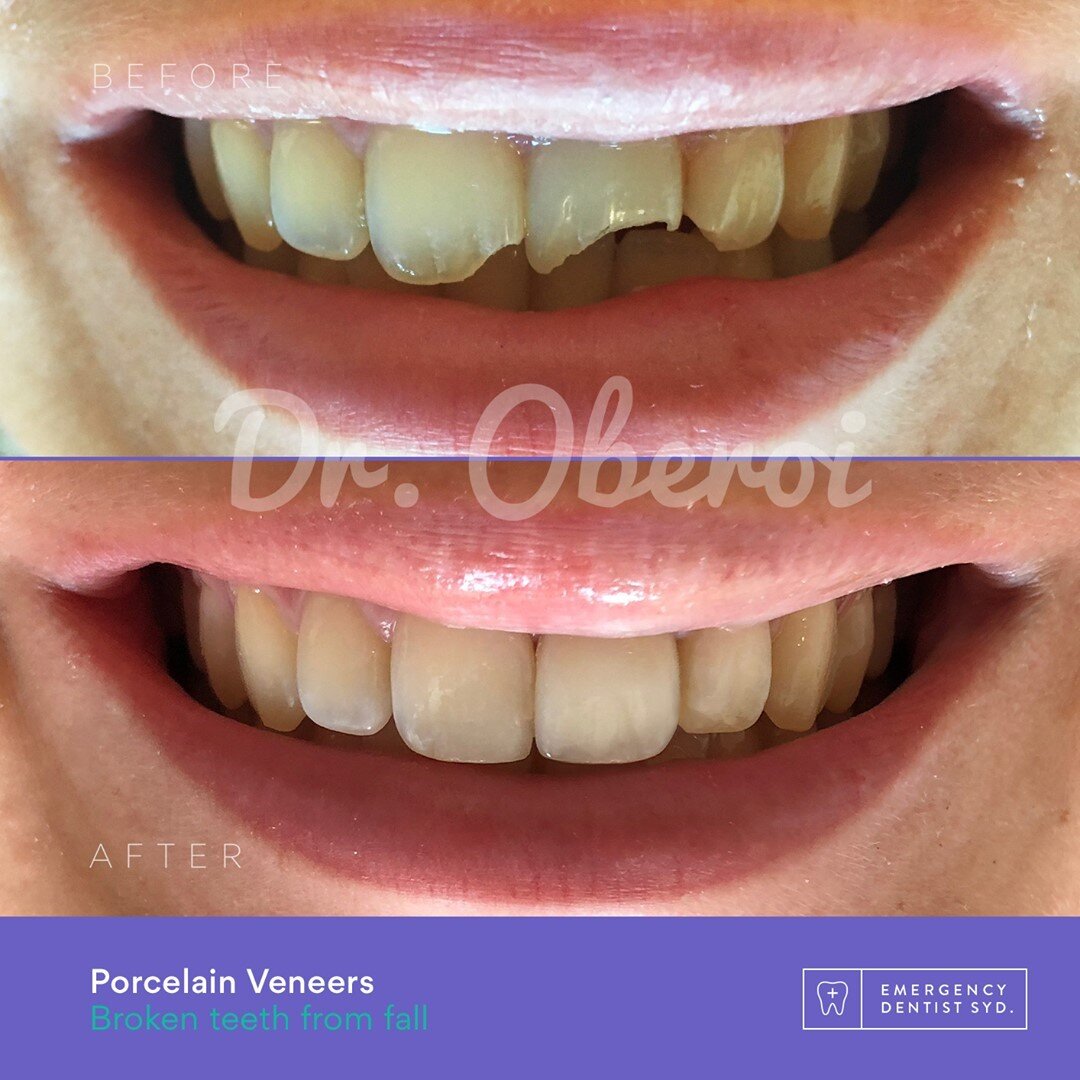
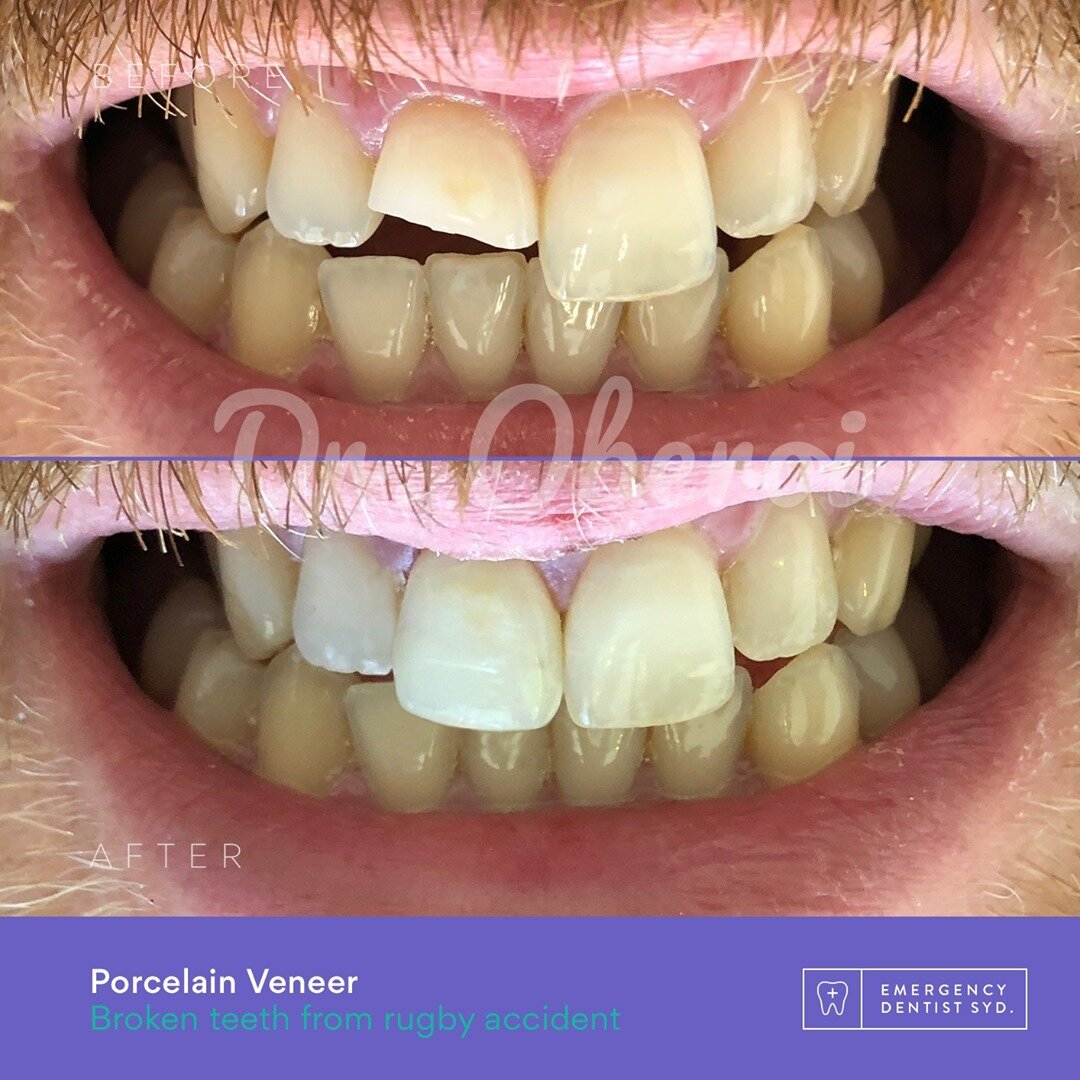
It’s easier than you think to crack a tooth or teeth. If you experience this, rinse your mouth with warm water, apply a cold compress to the face and see an after hours dentist as soon as possible. Your dentist will be able to repair the tooth using a porcelain crown or veneer, dental bonding, or a dental bridge.

Something stuck in your tooth.
Unless it’s extremely painful or bleeding, this usually isn’t a dental emergency. Try to gently remove the obstruction with your fingers or tweezers. You can also try flossing around the object. If this doesn’t remove the problem, make an appointment with your dentist.

Severed gum or lips.
This is considered a medical emergency, not a dental emergency. So apply pressure to slow the bleeding and go to your doctor or to the emergency room if it’s after hours.
Emergency Dentist Sydney Says:
If you have a dental emergency, contact our Emergency Dentist in Sydney. Our caring and expert staff are available 24 hours a day to help you with all your emergency dental needs.

"Just Take My Tooth Out."
Is This What You Should Be Saying?
Is This What You Should Be Saying?
If you have tooth pain, it can be tempting to do whatever is necessary to immediately fix the problem. If you do this, it will allow you to go back to your normal life with as little disruption as possible. However, this kind of speed can cause its own problems. It can lead to you making the wrong decision for your long term oral health. That’s why you need to carefully consider the alternatives before you ask an after hours dentist to remove a troublesome tooth.
Why Some People Choose Extraction
If you have a really severe toothache or cracked tooth, you might think that the best solution is to just get rid of the tooth. There may be a number of reasons for making this decision. As Dr. Oberoi from Emergency Dentist Sydney says, “Some people who want their tooth taken out do it because they don’t think they can afford to keep it, or they don’t fully understand the value of having your own teeth.”
You might also be experiencing severe pain or just don’t seem to have the time to get the problem fixed properly. Unfortunately, you might think that you can just get your tooth out and go through the rest of your life as if nothing happened, but this isn’t usually the case. Having a missing tooth or teeth can cause a variety of problems in the long term. This includes the following:
Chewing will be more difficult.
The shape of your face will change.
Your speech can be affected.
The gap might show when you smile, making you feel self-conscious.
The health of your remaining teeth will be affected, resulting in a higher chance of further decay.
Teeth support each other in the right position, so if you have one removed it will lead to the others slowly collapsing into the gap.
Teeth are meant to work as a unit, so when one is missing, your oral health overall will decline. So if you get a tooth removed impulsively, it will probably lead to more serious problems down the road.
The Alternatives to Extraction
Extracting a tooth is a serious procedure. That’s why a good after hours dentist will find other ways to save your tooth if possible. As Dr. Oberoi says, “When you’re looking at alternatives, the best thing to do is to save the tooth with a root canal. If the tooth has a crack in it we can fit a crown or veneer over the top. And a dental implant is the last solution if the crack is really bad.”
So the next time you have a toothache, talk to your dentist before you make any decisions. This will help ensure that you get the best treatment possible for your present and your future oral health.
Emergency Dentist Sydney Says:
If you have a dental emergency, contact our Emergency Dentist in Sydney. Our caring and expert staff are available 24 hours a day to help you with all your emergency dental needs.

Is Immediate Pain Relief Always Possible?
What to Expect When You Visit Your Dentist with a Painful Problem
What to Expect When You Visit Your Dentist with a Painful Problem
If you’ve ever had a toothache then you know how uncomfortable it can be. In fact, this is probably the most common complaint that sends people to an after hours dentist. If you experience dental pain, you might worry about how much your dentist can actually help with it. After all, how much can they do apart from give you painkillers? Well, they can actually do a lot more than give you some tablets. To understand all the ways your dentist can alleviate your dental pain, keep reading.
Causes of Dental Pain
There are a number of things that can cause dental pain and send you to the after hours dentist. Some of the most common are:
Tooth decay or a cavity.
A cracked tooth.
An abscess.
Damaged dental work such as a broken filling or crown.
Gum disease.
Infection.
Damage or strain caused by repetitive movements such as grinding or chewing.
Dental Solutions to Pain
If you’re suffering from dental pain, the first thing your dentist will do is treat the problem. So if you have a cavity, they will put a filling in. If you have an infection, they will treat the cause of the infection and clean the infected tissue. This will help to completely eliminate the cause of the pain, prevent further problems, and return you to normal functioning again. There are a number of options that your dentist can offer for pain relief including oral medication, laughing gas, and IV sedation.
How Long Until You’re Pain Free?
In most cases, your dentist can eliminate your pain almost immediately with the three different pain options available in the clinic. Once the pain is alleviated, the source of the pain can be treated. This will eliminate the pain at its source so you’re comfortable once the painkillers wear off. If the pain returns after the treatment, then it means you need to visit your after hours dentist again.
As Dr. Oberoi from Emergency Dentist Sydney says, “If the pain gets worse or comes back it means that something has gone wrong or the issue hasn’t been addressed.” So talk to your dentist if you experience any further problems.
The only real exception to this is if you have a severe infection. Dr. Oberoi warns that, “In terms of pain relief we try and alleviate the pain straight away, and a lot of times we can. But in the case of severe infection it can take 24 to 48 hours for the pain to go away completely.” Which is all the more reason to visit your dentist before a problem gets to this stage.
What About Surgical Pain?
If you have some kind of dental surgery there will be some pain and discomfort afterwards. This is the case for any type of surgery, and it can usually be treated with over the counter pain medication. But you can also minimise your discomfort by choosing the right dentist for the surgery.
Dr. Oberoi states, “It depends on how the surgery is done. If the surgeon is careful to cause little trauma, then there’s less pain. That’s why it’s important to get the right people for your dental surgery.” So before you have any dental surgery, make sure that your dentist is well trained and experienced. That will help ensure that you have the best outcome possible from the procedure and it will cut down on your recovery time as well.
Emergency Dentist Sydney Says:
If you’re experiencing dental pain, contact Emergency Dentist Sydney. Our caring and expert staff are available 24 hours a day to help you with all your emergency dental needs.
Patient Care First

Keep Up-To-Date with All Things Oral & General Health
RECENT ARTICLES








For 15 years, we've had one mission - when Sydney has a dental emergency, Emergency Dentist Sydney is there
We're proud to celebrate 15 years of providing emergency dental services to Sydney CBD and surrounding suburbs.