
Types of Tooth Injuries Explained
Have you experienced any of these injuries?
At Emergency Dentist Sydney, there aren’t too many dental injuries that we haven’t seen. Here we touch on the more common injuries. Hopefully you don’t experience any but if you do, we’re highly skilled in this kind of treatment.
Have you experienced any of these injuries?
At Emergency Dentist Sydney, there aren’t too many dental injuries that we haven’t seen. Here we touch on the more common injuries. Hopefully you don’t experience any but if you do, we’re highly skilled in this kind of treatment.
Cavities
Cavities are permanently damaged areas in the hard surface of your teeth that develop into tiny openings or holes. You may have had one for months without having a toothache. If you go for regular dental check-ups and cleans, your dentist will be able to discover cavities and fix them before any symptoms begin. Regular visits will enable the dentist to fill any holes before it becomes a dental emergency.
Periodontitis
Periodontal disease (also known as periodontitis and gum disease) is a disease that affects the supporting and surrounding tissue of the gums, and the jawbone. Periodontal disease can result in loose teeth and it some cases, complete tooth loss, if left untreated. Periodontal disease should never be ignored as it is the leading cause of tooth loss in adults.
Attrition
Dental attrition is the loss of tooth structure/tissue caused by normal tooth-on-tooth contact. It is a normal condition in the aging process but can become a dental emergency when it happens at a more rapid pace. This could be due to secondary dental problems such as bruxism, the grinding and clenching of the teeth that occurs during sleep. If untreated, attrition can wear away tooth enamel which can expose the dentin of the tooth which in turn leads to tooth decay and increased sensitivity.
Abrasion
Tooth abrasion is the gradual loss of the tooth surface. This can be brought on by incorrect teeth brushing techniques, like pressing too hard or using hard bristled toothbrushes. Such faulty techniques can cause notching at the point at which the crown and the roots of the teeth connect.
Erosion
Dental erosion occurs when part of the enamel surface of your teeth is dissolved away by acids. Whilst it can occur at any age, it can be far worse in the elderly with dry mouths as they don’t produce as much saliva which is key in flushing out and neutralising acids. It is usually caused by acidic drinks or medicines, excessive vomiting or acid reflux. Erosion is different from tooth decay because it’s not caused by bacteria.
Abfraction
Dental abfractions are v-shaped notches that appear near the gingival margin and are often the result of dental conditions, such as bruxism (teeth grinding).
Most dentists agree the condition develops as a result of flexing pressure which leads to enamel erosion, making the teeth even more vulnerable to damage.
Trauma/Fracture
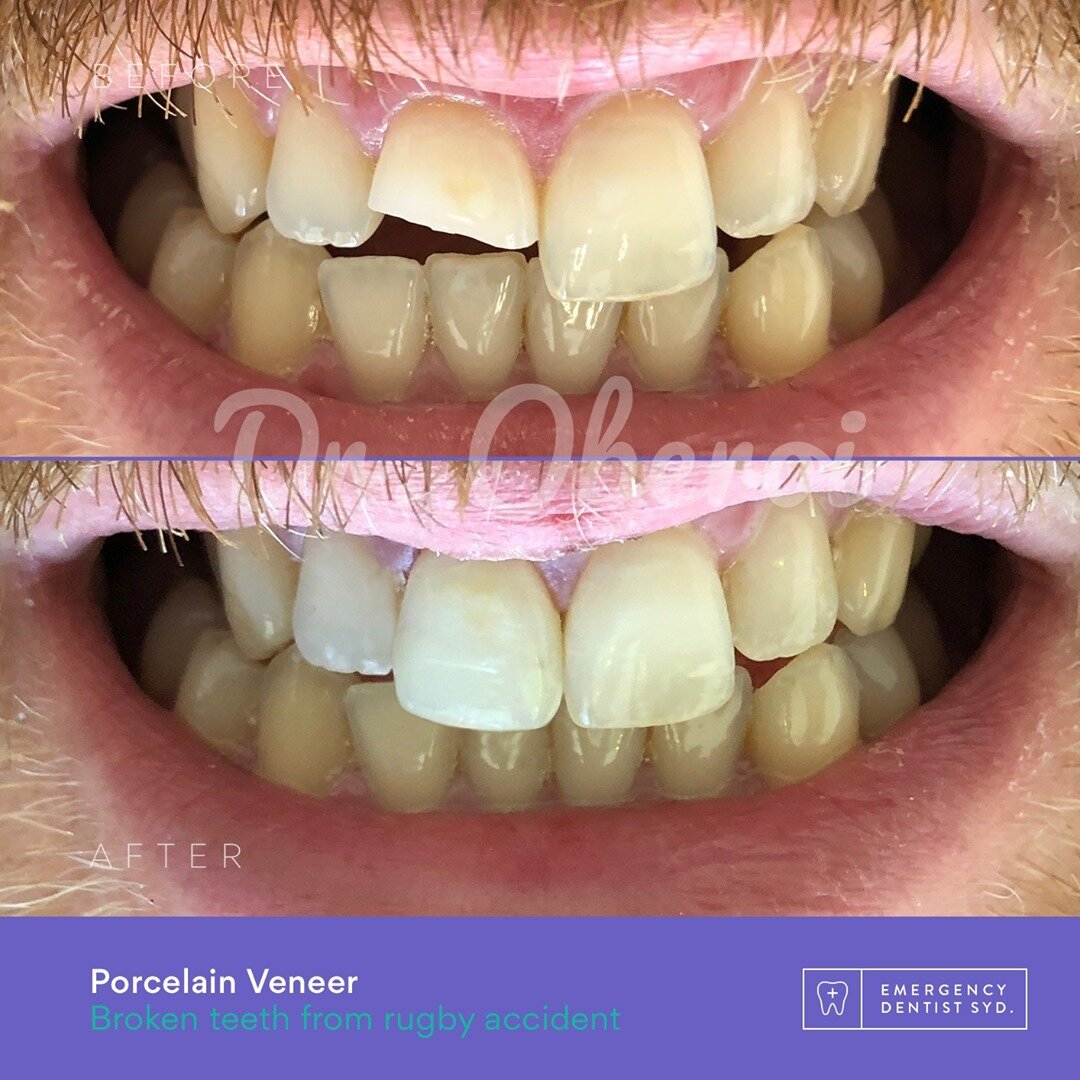
Dental trauma is commonly caused by sporting injuries, falls, motor vehicle accidents or violence. Often extremely painful and traumatic for the person experiencing it, symptoms and treatment is often quite varied.
Iatrogenic
Iatrogenic trauma is one that has been induced by the dentist's activity, manner, or therapy. Chemical, physical, and thermal injuries in the oral, gingival, or palatinal mucosa of iatrogenic origin can exhibit various clinical features. The management of traumatic injuries is dependent on the severity of the involvement in the periodontal tissues.
If we can say one thing, it’s to never delay in the treatment of dental emergencies or you risk them becoming far worse. Contact Emergency Dentist Sydney 24/7 and check out our tips on dealing with dental pain.
Need Advice Or Emergency Dental Care In Sydney CBD?
Contact our friendly team


The Top 6 Causes of Dental Emergencies
The Most Common Reasons for Seeing an After Hours Dentist
The Most Common Reasons for Seeing an After Hours Dentist
People call emergency dentists for all kinds of reasons. After all, it’s not like your teeth know that it’s the weekend or late at night and they need to wait for a more convenient time. However, you can decrease the chances that you will need to make an after hours trip to the dentist. To help you with that, here are the most common reasons people need an emergency dentist and how to avoid them.
1. Neglect or Poor Hygiene
Taking care of your teeth is essential if you want to avoid a late night trip to the dentist. You need to brush at least twice a day, floss regularly, and see your dentist for regular check-ups. Neglecting one or all of these activities will lead to dental problems, guaranteed. These problems can include poor dental hygiene, cavities, and possibly even infections. And all of them are painful and can result in a trip to your after hours dentist.
But avoiding the dentist is just as bad. Lots of people put off their dental appointments, usually because of nerves or fear. But this will only lead to further problems. Your teeth need to be cleaned and checked by the dentist on a regular basis. Regular check-ups mean that your dentist can identify and treat any potential problems before they turn into late night problems.
2. Trauma from Falls
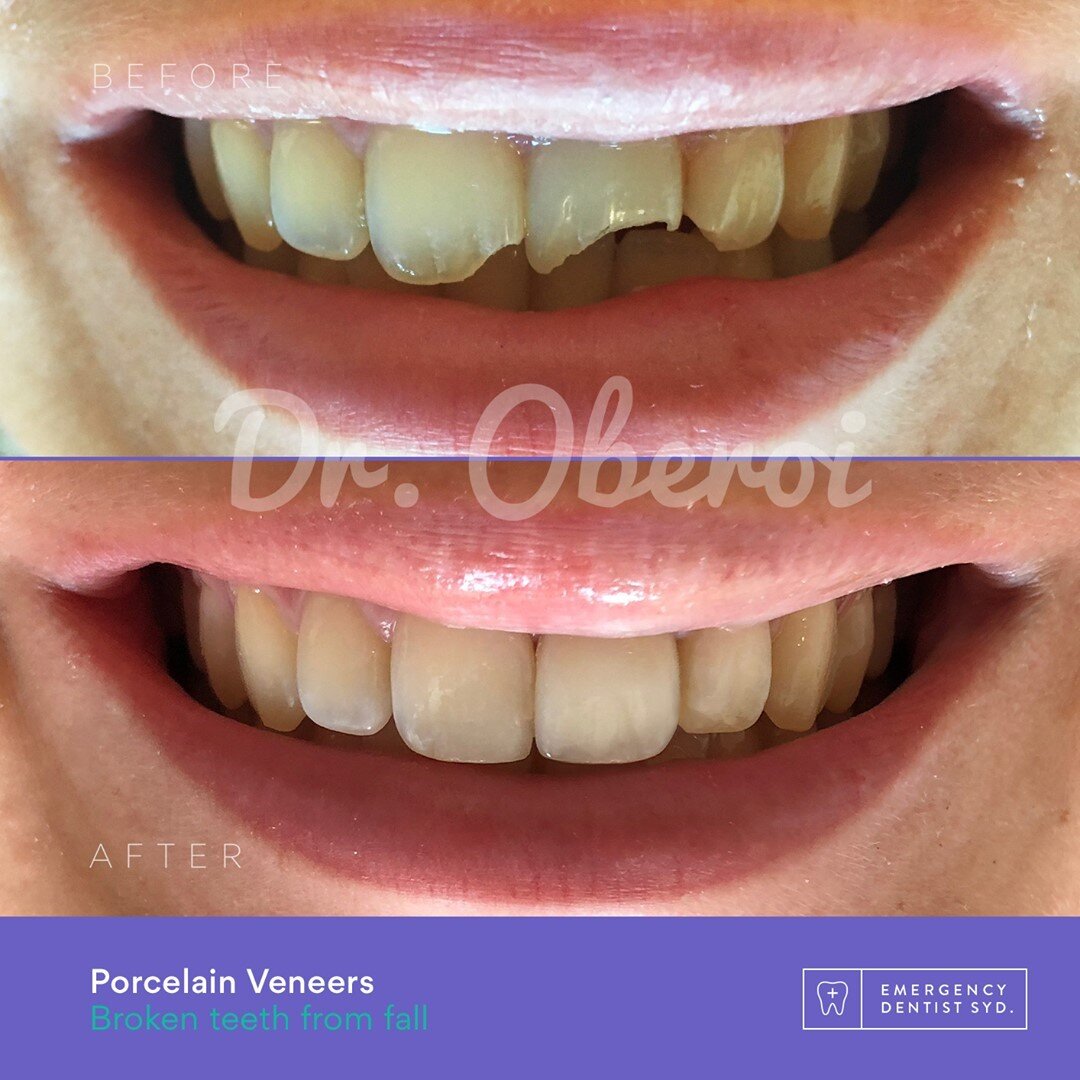
Anyone can fall over, and most of the time it’s not a big deal. But sometimes it can have serious consequences. Falling can do more than hurt your knees and hands, it can also knock out your teeth or even break your teeth. Unfortunately, there’s really no way to avoid this problem, apart from being careful if you’re prone to falls.
If you do damage or break one of your teeth, your dentist may be able to fix the problem. If the crack is small, dental bonding can be applied to repair the damage. Larger cracks can be covered with a crown. And if you have a tooth knocked out, your dentist may be able to put it back in place. The success of these interventions depends on you and on how quickly you seek treatment. That’s why it’s vitally important that you contact your after hours dentist as soon as possible after the injury so you can learn about your treatment options.
3. Trauma from Sporting Accidents
If you play sports where there’s a lot of physical contact, you should be wearing a mouth guard at all times. Your dentist can make a mould of your mouth and design a guard that’s specifically shaped to fit you.
However, this doesn’t completely eliminate the danger of some sports. If you play contact sports there’s always the risk of injuring your mouth or your teeth even with a mouthguard. You can crack or break a tooth or teeth, or even knock one out. If this occurs, your dentist needs to assess the damage so they can determine the best treatment option.
4. Poor Diet
If your diet is high in sugars, carbohydrates, or starches, it can increase the plaque production in your mouth and lead to decay. Soft drinks and sweets are particularly bad for your teeth, and if you eat a lot of these foods you’re more likely to experience a dental emergency. You can decrease the damage these foods do by brushing and flossing after every meal, but the best way to avoid damage is to change your diet. Eating plenty of vegetables, lean proteins, and healthy carbohydrates will keep your teeth healthy and markedly reduce the risk of a trip to the late night dentist.
5. Fixing Existing Dental Issues
Another issue that often sends people to the late night dentist is problems with their existing dental hardware. This can be cracked or loose crowns, fillings that fall out, or damage to braces or other dental implants. These problems may be the result of poor dental work or they can be caused by eating hard food or physical injury.
No matter what causes the issue, you need to consult your dentist to discuss your treatment options. In most cases, the dental work can be replaced or redone without too much trouble so you can go about your daily life again.
6. Lack of Education on Dental Health
A lack of education about dental health is still a big problem in the modern world. It can lead to poor dietary habits and poor oral hygiene habits, both of which can seriously affect dental health. This problem may also cause people to avoid going to the dentist until it’s absolutely essential, which means that they only get dental care in emergency situations. If you avoid the dentist for this reason, it will be incredibly detrimental to your long term dental health.
The best solution to this problem is to pay a visit to your dentist. They will be able to give you all the latest information on dental care and make suggestions for your ongoing oral health. They’ll also be able to identify any existing problems so that you can avoid emergency trips to the after hours dentist.
Emergency Dentist Sydney Says:
If you have a dental emergency, contact our Emergency Dentist in Sydney. Our caring and expert staff are available 24 hours a day to help you with all your emergency dental needs.

Sudden Toothache and Emergency Dental Treatment
How We Can Help
How We Can Help
Those who have never experienced a serious toothache really don't know just how bad the pain from something as 'minor' as tooth pain can be. Most of those who have been through such pain before, on the other hand, understand all too well just how terrible toothache can be. And although it's often a matter of personal perception, somehow it often seems as if the toothaches that strike late at night, or at the weekend, when most dentists' offices are closed feels even worse than one that strikes during 'regular' business hours.
What Causes Sudden Toothaches
A bad toothache can strike like lightning - and in many cases be so painful that it actually feels like something hit you - but often the problem has been 'brewing' for weeks (or even months).
Untreated tooth decay 'suddenly' leads to the beginnings of a painful infection, or a nerve that has become exposed due to the decay becomes hugely sensitive. Or gum disease results in a painful abscess. Or that wisdom tooth you've been warned about (several) times before is trying to erupt again and causing pain that can be excruciating.
Trauma can lead to a severe toothache as well of course. A blow to the mouth, a tooth that gets cracked or dislodged or an injury to the gum line can all lead to a terrible toothache as well.
When is a Toothache an Emergency?
You've tried Panadol. You've tried taking the afternoon off. You've tried ice. You've tried heat. Your toothache isn't improving though, and, in fact, it seems to be getting worse. But is this really a situation that merits a visit to an emergency dentist or should you just try to tough things out until office hours, even though that is getting harder and harder to do?
In many cases, the simple answer is yes. No one should suffer needlessly, and so if the pain is severe, if it has come on very suddenly and/or has lasted for more than 24 hours a call to an emergency dentist really is the best course of action. It becomes even more important that you do so if your pain is accompanied by a fever or is radiating to other places - your ears for example - as well.
Whatever the cause of your pain is eventually determined to be (more about that in a moment) prompt action can not only help you stop the pain faster but may also help save your tooth (or teeth)
What Can an Emergency Dentist do for Toothaches?
What an emergency dentist will do for your toothache depend upon what the problem is determined to be. Therefore, that will be the first order of business, by way of a full examination and a set of x-rays. Once the cause of your toothache has been diagnosed your dentist will discuss treatment options with you, but they may include any of the following:
Removal of the tooth or extractions
Fillings
Gum Treatment or Periodontal Treatment
Root Canal Treatment
Can Toothache be Prevented?
Many of the causes of a sudden toothache are indeed preventable. Tooth decay and gum disease can often be prevented with simple good oral hygiene - brushing and flossing at least twice a day, regular visits to the dentist and routine care as needed. If you get into the habit of visiting your dentist every three to six months the simple fact is that you may never need emergency dental treatments at all.
Emergency Dentist Sydney Says:
If your toothache is severe, follow these emergency dental care tips. If it has lasted for more than 24 hours and you just can't take it anymore, give us a call.
Patient Care First

Keep Up-To-Date with All Things Oral & General Health
RECENT ARTICLES







For 15 years, we've had one mission - when Sydney has a dental emergency, Emergency Dentist Sydney is there
We're proud to celebrate 15 years of providing emergency dental services to Sydney CBD and surrounding suburbs.