
Types of Tooth Injuries Explained
Have you experienced any of these injuries?
At Emergency Dentist Sydney, there aren’t too many dental injuries that we haven’t seen. Here we touch on the more common injuries. Hopefully you don’t experience any but if you do, we’re highly skilled in this kind of treatment.
Have you experienced any of these injuries?
At Emergency Dentist Sydney, there aren’t too many dental injuries that we haven’t seen. Here we touch on the more common injuries. Hopefully you don’t experience any but if you do, we’re highly skilled in this kind of treatment.
Cavities
Cavities are permanently damaged areas in the hard surface of your teeth that develop into tiny openings or holes. You may have had one for months without having a toothache. If you go for regular dental check-ups and cleans, your dentist will be able to discover cavities and fix them before any symptoms begin. Regular visits will enable the dentist to fill any holes before it becomes a dental emergency.
Periodontitis
Periodontal disease (also known as periodontitis and gum disease) is a disease that affects the supporting and surrounding tissue of the gums, and the jawbone. Periodontal disease can result in loose teeth and it some cases, complete tooth loss, if left untreated. Periodontal disease should never be ignored as it is the leading cause of tooth loss in adults.
Attrition
Dental attrition is the loss of tooth structure/tissue caused by normal tooth-on-tooth contact. It is a normal condition in the aging process but can become a dental emergency when it happens at a more rapid pace. This could be due to secondary dental problems such as bruxism, the grinding and clenching of the teeth that occurs during sleep. If untreated, attrition can wear away tooth enamel which can expose the dentin of the tooth which in turn leads to tooth decay and increased sensitivity.
Abrasion
Tooth abrasion is the gradual loss of the tooth surface. This can be brought on by incorrect teeth brushing techniques, like pressing too hard or using hard bristled toothbrushes. Such faulty techniques can cause notching at the point at which the crown and the roots of the teeth connect.
Erosion
Dental erosion occurs when part of the enamel surface of your teeth is dissolved away by acids. Whilst it can occur at any age, it can be far worse in the elderly with dry mouths as they don’t produce as much saliva which is key in flushing out and neutralising acids. It is usually caused by acidic drinks or medicines, excessive vomiting or acid reflux. Erosion is different from tooth decay because it’s not caused by bacteria.
Abfraction
Dental abfractions are v-shaped notches that appear near the gingival margin and are often the result of dental conditions, such as bruxism (teeth grinding).
Most dentists agree the condition develops as a result of flexing pressure which leads to enamel erosion, making the teeth even more vulnerable to damage.
Trauma/Fracture
Dental trauma is commonly caused by sporting injuries, falls, motor vehicle accidents or violence. Often extremely painful and traumatic for the person experiencing it, symptoms and treatment is often quite varied.
Iatrogenic
Iatrogenic trauma is one that has been induced by the dentist's activity, manner, or therapy. Chemical, physical, and thermal injuries in the oral, gingival, or palatinal mucosa of iatrogenic origin can exhibit various clinical features. The management of traumatic injuries is dependent on the severity of the involvement in the periodontal tissues.
If we can say one thing, it’s to never delay in the treatment of dental emergencies or you risk them becoming far worse. Contact Emergency Dentist Sydney 24/7 and check out our tips on dealing with dental pain.
Need Advice Or Emergency Dental Care In Sydney CBD?
Contact our friendly team


What is a Pulp Extirpation?
One way that your dentist can alleviate your toothache
One way your dentist can alleviate your toothache
A toothache can be torturous. It can make it hard for you to eat, drink, and even make talking a chore.
There are a lot of different problems that can cause a toothache, and most of them your dentist can help treat or even completely eliminate. Ignoring a toothache won’t make it go away. Instead, you need to see your after hours dentist immediately to get the cause treated. That way, you can get on with your life again.
Do you Need a Pulp Extirpation?
If you have a toothache, then it’s actually the pulp of your tooth that’s hurting. Pulp is the soft inner tissue that includes blood vessels, lymph nodes, and nerves. It’s the part of your tooth that you’ll probably never see because it’s protected by the hard outer shell. But that doesn’t mean that the pulp won’t cause problems, because if it becomes infected or damaged it will cause you a lot of pain. And if the damage or infection is really severe, your dentist will have to do a pulp extirpation.
Common causes of severe tooth damage or infection
Deep decay or decay under a filling.
Teeth grinding that wears away the enamel and damages the pulp.
Trauma or injury.
Creaks or chips that go deeper than the enamel and damage the pulp.
Advanced stages of gum disease.
Most of the time, if you address any dental problems early, you won’t have to have a pulp extirpation. It’s only when you put off treatment that you’ll find yourself rushing to your after hours dentist with damage and tooth pain severe enough to make a pulp extirpation necessary.
What is a Pulp Extirpation Treatment?
If the infection is beyond treatment, then your dentist will perform a pulp extirpation treatment as part of a root canal. This will essentially clean out the infected pulp while leaving the dead shell of it behind. The infection will be cleared out and the tooth will be filled with a permanent material that protects it from damage. That means you’ll be able to use it to chew like all the other teeth and because the nerves are gone it will never hurt again.
The treatment you receive will depend on the extent of the infection, but here’s a general idea of what your dentist will do:
The tooth will be numbed using a local.
A small hole is drilled in the top using a laser.
Your dentist will perform the pulp extirpation and remove all the infected matter from inside the tooth shell.
The inside of the tooth will be cleaned thoroughly to remove any sign of infection.
The tooth is filled with permanent filling material and then sealed.
A crown is put on top.
Your dentist can complete this treatment in a single visit. This will almost immediately relieve any pain you feel in the tooth because of the infection. However, if the infection has spread to your gums you may have to wait and take antibiotics before your mouth is back to its normal state of good health once more.
Why you Need the Treatment
You might think that you can delay your pulp extirpation treatment. After all, the damage is already done, right? So, you might as well take your time. But delaying this treatment will just make the situation even worse. It means that the infection will have more time to spread through your mouth or down into your jaw bone. You could lose the tooth entirely, or even lose bone from your jaw. Dental infections have also been known to travel throughout the body, particularly to the lungs or brain. And that’s where it could cause some very serious problems.
So, don’t even think about delaying your treatment. Visit your dentist for a pulp extirpation and get immediate relief from the pain while safeguarding your health at the same time.
Emergency Dentist Sydney Says
If you have a dental emergency, contact our Emergency Dentist in Sydney. Our caring and expert staff are available 24 hours a day to help you with all your emergency dental needs.
Need Advice Or Emergency Dental Care In Sydney CBD?
Contact our friendly team



A Guide to Saturday Sports Injuries
What to do if you hurt yourself playing sports.
What to do if you hurt yourself playing sports.
Playing sports can have amazing benefits for your life. It can improve your physical and mental health, give you a chance to be social, and make you part of a community. But there’s also a bad side to Saturday sports, and your after hours dentist knows all about it. Certain sports carry a high risk of dental injuries, and there’s nothing worse than interrupting a game because you get hurt. Fortunately, your dentist can now help with the most common types of sports injuries.
Sports Injuries Statistics
Dental injuries can be both costly to treat and have a variety of implications for the patient. It can affect your financial life and have long term functional and psychological effects. Around 31 percent of the dental injuries in Australia occur during sporting activities, which makes playing sports one of the primary causes of this type of trauma.
According to Dr. Amrinder Oberoi from Paramount Dental Sydney, “Rugby is usually the worst for sports injuries. The most common thing we see is people with a displaced tooth or a tooth protruding through the roof of their mouth.” Almost any sport can cause dental injuries, whether those injuries are caused by contact with other players, such as during rugby, or by accidents. If you suffer a Saturday morning sporting injury, then contact your after hours dentist immediately because there’s a lot they can do to help.
Treating Sporting Injuries
There are several sporting injuries that your dentist can help with. Here are some of the treatments they offer for the most common types of dental trauma:
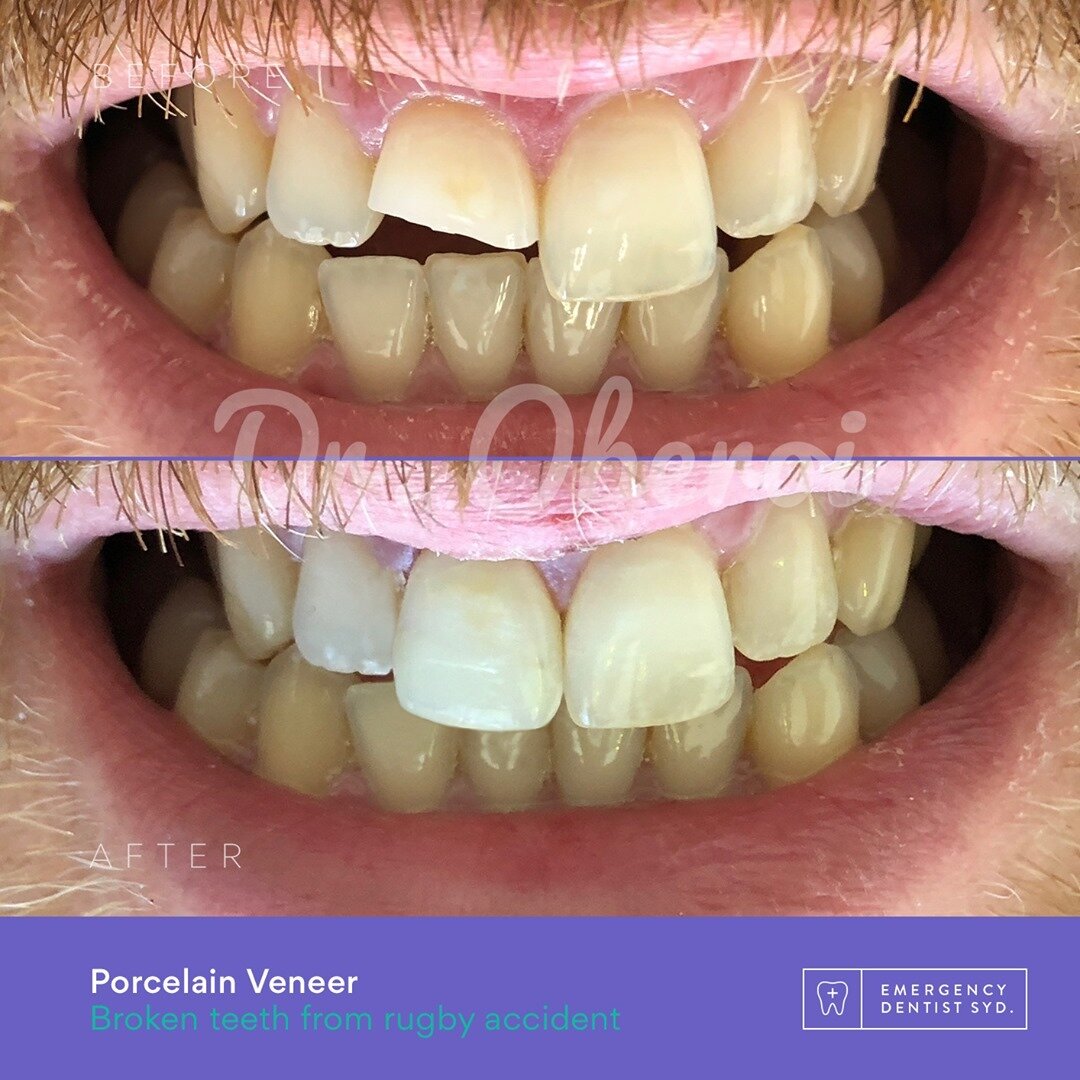
Whether you have a large or small crack in your teeth, your dentist has treatment options that can help. Even a small crack in your tooth needs to be fixed because over time it will spread and could result in a large part of your tooth shearing off. Depending on the extent of the crack, your dentist can cover it with a crown or veneer. Dental bonding can also be used on small cracks to make the tooth solid and strong again.
Tooth Intrusion
If you’re injured during sports, then your tooth or teeth can get driven back into the jaw. This can be very painful and can result in the loss of the tooth and severe dental trauma. The treatment for this problem depends on the extent of the damage, but usually involves surgical intervention.
Tooth Displacement
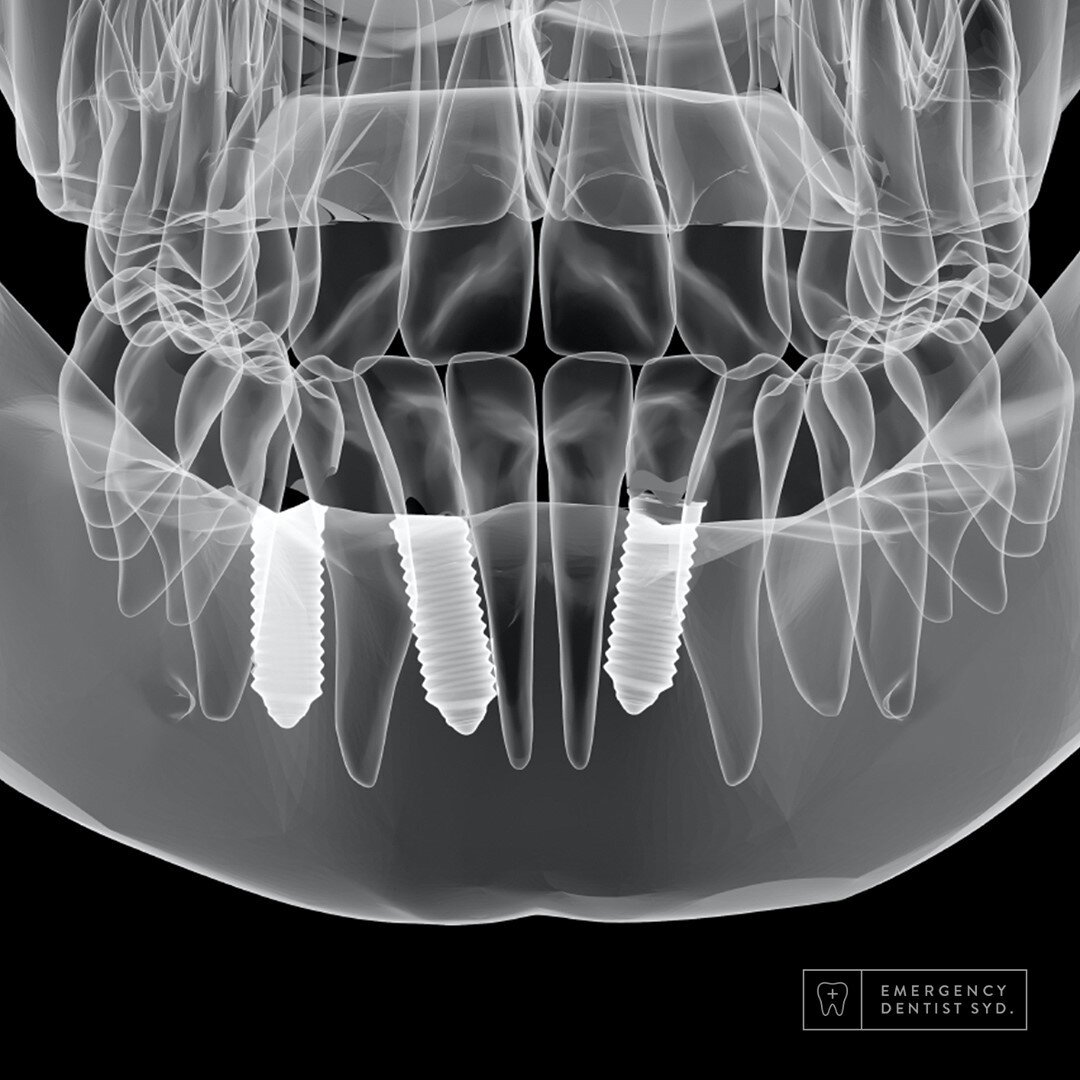
Obviously, losing a tooth because of a sporting injury is very serious. If this occurs, your dentist may be able to save it, so pick up the tooth and place it gently back in the socket if you can before making a trip to your after hours dentist. If the tooth is too damaged to be put back in your mouth, ask your dentist about dental implants. It’s important that you don’t just leave the gap as it is because this will cause bone loss and affect the placement of other teeth.
Avoiding Sports Injuries
According to Dr. Amrinder Oberoi, “The best advice is to always wear a mouthguard when you play sports.” This is an easy and simple step you can take to safeguard your oral health and save yourself a trip to your after hours dentist. A mouthguard is a protective device that covers your teeth and gums and protects them from impact. Unfortunately, too many people skip wearing their mouthguard when they need to, and even more sportspeople don’t know that they should be wearing them! Mouthguards should be worn when taking part in sports such as:
Basketball
Boxing
Hockey
AFL
Rugby
Soccer
Squash
Cycling
Martial arts
Racquetball
Skateboarding
Rollerblading
Surfing
And more…
If you play a lot of sports, then it’s usually best to get a custom designed mouthguard from your dentist. It will fit better than one-size-fits-all options which means you’ll be more likely to wear it when you need to. It’s also important that you get your children fitted for mouthguards if they play sports as well. If they have a mouthguard that fits properly and is comfortable, they’re more likely to use it. And this will save you the cost of a traumatic and expensive trip to your after hours dentist.
Emergency Dentist Sydney Says:
If you have an infected tooth or other dental emergency, contact our Emergency Dentist in Sydney. Our caring and expert staff are available 24 hours a day to help you with all your emergency dental needs.
NEED ADVICE OR EMERGENCY DENTAL CARE IN SYDNEY CBD?
Contact our friendly team


Symptoms Of A Damaged Root Canal To Watch Out For
When to rush to your after hours dentist
When to rush to your after hours dentist
If you have severe pain in a tooth or teeth it might mean that you have bigger problems than a cavity. Damage to the root canal most often occurs when you’ve neglected your oral health for a while. A little pain, managed with painkillers, can often turn into a big pain that results in an emergency visit to your after hours dentist. If you’re experiencing tooth pain that just won’t go away, here are some of the warning signs that you need a dentist, fast.
What is Dental Pulp?
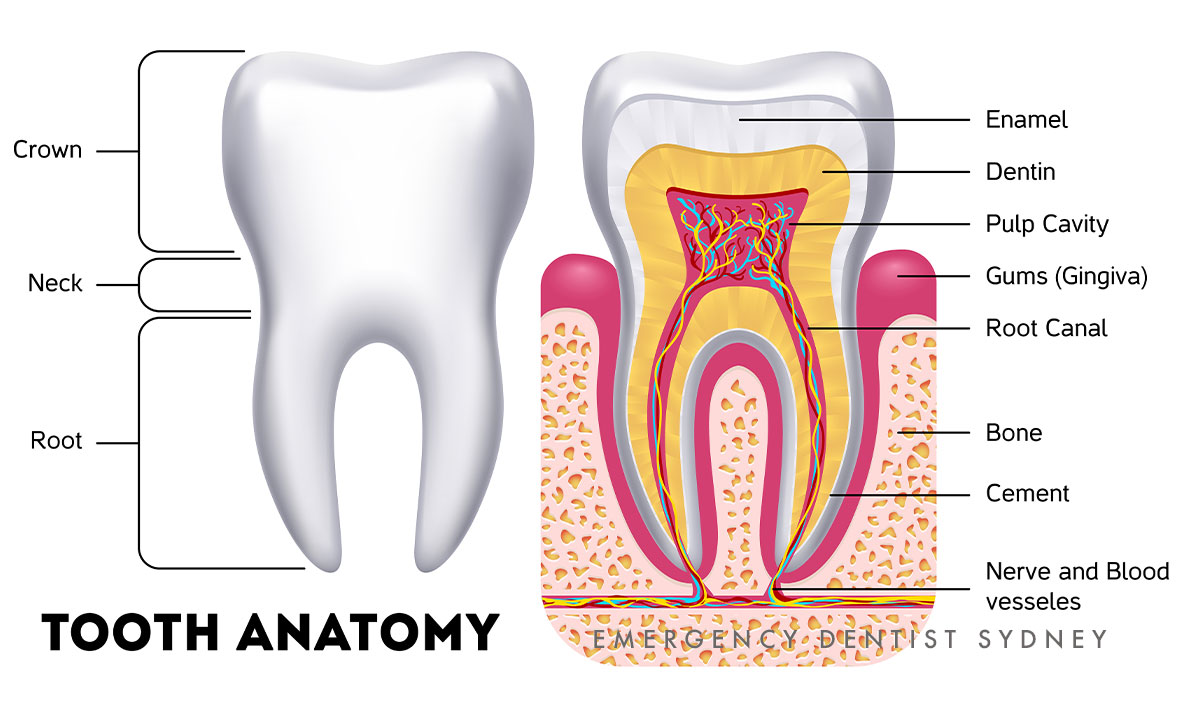
Dental pulp is the soft material in the centre of your teeth. It contains the nerve, connective tissue and blood vessels. Basically, it’s everything inside the hard enamel exterior of your teeth. When this part of your tooth becomes badly infected, you may need a root canal to take away the pain and save the tooth. Here are some of the symptoms that you’ll experience when you have a dental pulp infection:
Pain when chewing or biting down.
Discolouration on the gum around the infected tooth.
Ongoing dull or severe pain in the roots or gums.
Swelling in the gum around the affected tooth.
A bad taste in your mouth because of pus coming from the infected area.
If you experience any of these symptoms, you need to visit your after hours dentist as soon as possible to get the problem fixed. However, you may not experience any severe symptoms at all when you have a tooth infection. This is why you need to have regular check-ups to check on your oral health and pick up any hidden problems.
What Causes Tooth Infections?
When your tooth is infected it isn’t the hard, outer surface that’s the issue. The outer surface is made of enamel, which doesn’t contain any living cells, so it can’t get infected. Instead, it’s the dental pulp, the soft inner parts of the tooth, which are the problem.
There are several things that can cause the dental pulp to become infected. This includes:
Large fillings.
A crack or chip in the tooth.
Face trauma.
Deep decay.
Repeated dental procedures on the same area.
When you experience these issues, bacteria can get through the enamel and into the dental pulp. The bacteria then multiply inside the chamber and cause an infection. If left untreated, the infection can spread throughout your mouth, threatening the health of other teeth. It may also get into your bloodstream and cause infections in other part of the body, including your brain. This is obviously a very serious situation that you want to avoid at all costs.
Treating an Infected Tooth
If an infection is caught early, then a course of antibiotics may clear it up. However, if the infection is too entrenched then you will need a root canal. This is a procedure that a lot of people are afraid of, usually because of stories about root canals from the past. You’ve probably heard about the pain and discomfort of this procedure from older relatives. However, dentistry has come a long way over the last couple of decades. These days, root canals are no more painful or traumatic than a normal filling.
Today’s root canals can usually be completed in a single visit unless the infection is so bad that it needs additional treatment. Before the root canal, your dentist will examine your mouth and take X-rays, so they know exactly what’s happening with your tooth. Here’s what to expect on the day of the procedure:
The tooth is numbed using a local anaesthetic.
Your dentist will use a laser to make a small hole in the crown of the tooth.
The infected pulp is removed, and the empty chamber is cleaned thoroughly.
The root canal filling is put into place.
Once this is complete, the hole is sealed, and a permanent crown is put on the tooth.
This procedure should be completely pain-free and takes around 30 minutes to complete. In fact, the pain of your infected tooth is usually far worse than the root canal treatment. And once you’re done, the tooth is literally dead. There’s no soft tissue to get infected again and the tooth has no nerve, so you shouldn’t experience any pain or problem with it from that point forward.
Emergency Dentist Sydney Says:
If you have an infected tooth or other dental emergency, contact our Emergency Dentist in Sydney. Our caring and expert staff are available 24 hours a day to help you with all your emergency dental needs.
Need Advice Or Emergency Dental Care In Sydney CBD?
Contact our friendly team

The 10 Most Common Oral Health Problems
The most common problems your dentist sees
The most common problems your dentist sees
You might think that your dentist just cleans teeth and puts in fillings all day, but the truth is that emergency dentistry can be extremely varied. Your after hours dentist sees lots of different types of oral health problems every day, and has solutions that can improve or eliminate those problems as well. Here are some of the most common problems that send people running to their emergency dentist.
1. A Toothache
If you experience pain in or around a tooth, then you need to make a trip to see your dentist. A toothache could be a sign of gum disease, infection, dental decay, or tooth damage. And if you delay your treatment the problem could get worse or spread to other parts of your mouth. If you can’t get to your after hours dentist immediately, rinse your mouth with warm water and brush and floss your teeth gently. This should help with the pain. You can also take an over the counter painkiller if necessary. And get to your dentist as soon as possible.
2. A Cavity
Cavities are caused by the build up of bacteria on your teeth that slowly eats through the enamel. If you have a cavity, you may experience pain in the tooth or increased sensitivity to hot, cold or sweets. If caught quickly, your dentist can easily fix your cavity with a filling. But if you leave it too long, the damage could become so extensive that the tooth is beyond saving. This means you’ll have to have a root canal, which is a much more involved dental treatment.
3. A Chipped Tooth
A chipped tooth is the most common type of dental injury and usually occurs because of accidents. However, it can also occur when you bite down on something hard. A chip usually isn’t painful, but you still need to get it checked by your dentist and repaired using dental bonding or a dental crown for a larger chip. If you ignore the chip, then it could spread over time into a large crack or split, and you could lose the tooth.
4. Impacted TeetH
If your teeth don’t come in properly, they can become impacted. This often occurs with wisdom teeth, because there often isn’t room for them in the mouth. As a result, the teeth can get stuck against the jaw or other teeth. If you have an impacted tooth, then you need to get it assessed. Only your dentist can tell you if it can stay in or needs to be extracted. But if the area becomes sore, changes colour, or starts to release pus, then you need to see your after hours dentist immediately.
5. A Cracked Tooth
A cracked tooth is much more serious than a chip. It usually occurs because of accident or injury and means that there’s a crack in your tooth from the biting surface down towards the root. Cracks can be very small and hard to see with the naked eye, which is why you need to visit your dentist if you experience tooth pain or sensitivity after an injury. Your dentist will assess the tooth to see if it can be saved using a root canal and a crown. But if the crack runs down into the gum, the tooth will need to be removed.
6. A Gum Infection
Gum infections are unfortunately becoming more common. They occur when there’s a build up of bacteria on the teeth and beneath the gum line. The best way to avoid gum disease is to brush and floss regularly and visit your dentist for a deep clean every 6 months. You will probably be able to tell if you have gum disease. Your gums will be sore and red and will bleed easily. They may even start to pull away from the bottom of the teeth, making them look longer and more jagged. If you don’t get your gums treated, you may lose teeth or experience bone loss in your jaw, which will change the shape of your jaw and the alignment of your teeth. Your after hours dentist will give your teeth a deep clean and scaling and perhaps even prescribe medications to help fight off the infection.
7. Wisdom Teeth Pain
Not everyone has room in their mouth for their wisdom teeth. This can cause them to come in crookedly so they push other teeth out of alignment, or they can even grow down into the jaw. If you experience sudden pain at the back of your mouth, then it may be because of your wisdom teeth and means that you need to visit your emergency dentist as soon as possible. They will be able to assess if your wisdom teeth can come through safely. If they can’t, your dentist will need to perform an extraction.
8. A Dislodged Tooth
Teeth can get knocked out because of accidents and sporting injuries. If this occurs, then you need to see your after hours dentist as soon as possible. If you act quickly, your dentist may be able to save and replace the tooth. Just make sure you pick up the tooth, clean it off, and keep it moist until your dentist can get to work.
9. Tooth Sensitivity
Sensitive teeth are a very common problem that can indicate a cavity, gum disease, or a crack in your tooth, but can also mean nothing. So, if you have sensitive teeth, or if a tooth suddenly becomes sensitive, you need to get it checked by your dentist. If the sensitivity is because of a dental problem, your dentist will be able to treat it with a filling, gum treatment, or root canal. And if there isn’t a problem, they can recommend an effective desensitizing toothpaste.
10. Food Stuck between your Teeth
Unfortunately, if you have unusually large gaps between your teeth, then hard foods and other particles can get stuck there. This can be very painful and annoying. Try to remove the food yourself by brushing and flossing your teeth first. You can also use a pair of tweezers to remove the obstacle. However, if all these strategies fail, then you can also make an appointment with your dentist, who will use dental instruments to get it out. Whatever you do, don’t just leave the obstacle there as the food will start to rot and cause tooth decay.
Emergency Dentist Sydney Says:
If you have a dental emergency, contact our Emergency Dentist in Sydney. Our caring and expert staff are available 24 hours a day to help you with all your emergency dental needs.
NEED ADVICE OR EMERGENCY DENTAL CARE IN SYDNEY CBD?
Contact our friendly team

Busting the Myths of Root Canal Surgery
How this dental procedure has changed over the years.
How this dental procedure has changed over the years.
Root canals have a bad reputation. There are a lot of stories going around about these procedures, most of them because of historical treatments and mistakes. Dentistry has come a long way in the last few decades, but these rumours are persistent. If you’ve been putting off your dental treatment because of old stories, here are some of the myths you need to forget.
1. Root Canals are Painful
Actually, the decay and the infection that makes a root canal necessary are painful and the root canal removes the cause of the pain and relieves it. During the root canal procedure itself your mouth will be numbed using a local anaesthetic, so you might find that it’s the most comfortable you’ve been since the problem started. You may experience some pain as the needle goes into your gum to make it numb, but your dentist can help with this as well with some numbing salve. Afterwards, the infection will be gone but the damage done to surrounding tissue will remain. This is why you may still experience some discomfort until your mouth completely heals. But it will be far less painful than the gum pain and toothache that came before it.
2. You Need Several Appointments for a Root Canal
Most of the time, a root canal can be completed in a single appointment. It’s only if you’ve ignored the problem for a long time or have additional conditions and problems that you will need more than one appointment.
3. Dental Problems Always Hurt
A lot of people avoid the dentist because they believe that if their mouth doesn’t hurt, there’s nothing wrong. Unfortunately, this approach usually results in a late-night trip to the emergency dentist with severe pain or infection. Depending on your mouth and your pain tolerance, you can have a serious dental problem without much pain. That’s why regular check-ups and cleans are so important, because they give your dentist a chance to assess your overall oral health.
4. A Root Canal Spreads Infection
This is an old myth based on outdated information. Having a root canal doesn’t allow the infection in your tooth to spread throughout your body. Your mouth, and every other part of your body, is filled with bacteria, which is only a problem when infection develops and is left to fester.
5. Root Canals Kill the Tooth
A tooth can’t be killed. What a root canal does is remove the infected pulp inside the hard shell of your tooth. The tooth is then filled with a permanent filling material that allows it to function as normal. This saves the tooth, eliminates the infection, and save you from pain and future oral health problems.
6. An Extraction is more Effective
An extraction will get rid of the pain and infection certainly, but it will also cause long term oral health problems. When you have a missing tooth, it causes bone loss. The shape of your jaw will change, and the surrounding teeth will collapse towards the gap. The gap in your teeth can also become a breeding ground for infection and be difficult to keep clean. On the other hand, when you have a root canal the tooth is saved and will function just like the other teeth. So, if possible, try to make sure that you keep all your teeth.
7. A Root Canal is Temporary
Lots of people believe that the effects of a root canal don’t last. This is probably because of stories about people’s teeth breaking after this treatment. When the pulp is removed from your tooth it can become brittle and break during chewing or biting. That’s why your dentist will fit a crown over the top of the tooth to strengthen and protect it. So, make sure you don’t ship this essential step to ensure that the benefits of your treatment are permanent.
Emergency Dentist Sydney Says:
If you have a dental emergency, contact our Emergency Dentist in Sydney. Our caring and expert staff are available 24 hours a day to help you with all your emergency dental needs.

How To Be Proactive About Dental Pain
Why you shouldn’t just put up with this dental emergency
Why you shouldn’t just put up with this dental emergency
If you have pain in your mouth or teeth, it might be tempting to take painkillers and hope that it goes away. You might think that this type of pain is harmless, but it can be caused by a wide variety of serious dental issues. And ignoring them can have serious consequences for your oral health. That’s why you need to be proactive about dental pain, so the issue can be solved before it turns into something that sends you to your after hours dentist for an emergency procedure.
Common Causes of Dental Pain
There are several common causes of dental pain. If these issues are resolved immediately, then the solutions are relatively quick and simple. But if you ignore the problems then they could turn into much more serious issues. And when that occurs the treatment will take longer and be more expensive.
The most common causes of dental pain are:
Tooth decay is a very common problem and despite the wealth of information available on how to care for teeth, it’s becoming even more common with time. If you have a deep cavity it means that the bacteria have eaten into the centre of the tooth. This will cause gum or tooth pain, discomfort and swelling, and may make it difficult to eat. And if left untreated it can result in infection, nerve damage, and even tooth loss.
Infections can occur when you have an untreated tooth cavity, gum disease, or other type of wound in your mouth. They can be very painful and if left untreated can result in the loss of a tooth and a trip to your after hours dentist. Infections can also travel to the blood stream and result in bacterial blood infections or travel to other parts of the body. Mouth infections may even make you more susceptible to heart disease. That’s why, if you think you have an infection in your mouth, you must see your dentist immediately for treatment.
Plaque naturally builds up on your teeth over time and if it isn’t removed then it can cause gum disease. This will cause pain and bleeding around your teeth and may advance to periodontitis, which is an advanced gum disease that will have long term consequences for your oral health. If left untreated, these types of problems will result in your gums shrinking and your teeth falling out, so it’s important that they’re treated by your dentist before that happens.
If your tooth or teeth are injured and become cracked or broken, then you need to see your dentist immediately. Even a small crack can spread over time and result in the tooth or teeth splitting down the middle. A piece of the damaged tooth or teeth may even break off, resulting in a jagged edge. This will be painful, make you feel self-conscious, and fixing it will require extensive treatments. A simple crack on the other hand can often be fixed using a filling or dental composite.
Some people naturally have sensitive teeth and struggle to eat hot and cold foods. This is normal. But if you find it difficult to eat any foods because of sensitivity then you need to see your dentist to find out what’s going on. Sudden sensitivity can be the result of gum disease, a cavity, or shrinking gums, so don’t ignore this warning sign.
How to be Proactive about Pain
You need to be proactive when it comes to your dental health. See your dentist regularly for check-ups and cleans to keep your teeth in the best condition possible. And if you experience any pain, make an appointment and find out what’s going on. This is the best way to safeguard the health of your mouth and teeth over the long term. And it’s also the best way to be pain-free too!
Emergency Dentist Sydney Says:
If you have a dental emergency, contact our Emergency Dentist in Sydney. Our caring and expert staff are available 24 hours a day to help you with all your emergency dental needs.

Dental Health Week at Emergency Dentist Sydney
The best advice your dentist can give for good oral health this year
The best advice your dentist can give for good oral health this year
Between the 6th and 12th of August this year is Dental Health Week. This is a chance to focus on a part of your body that you probably ignore until something goes wrong. But if you want to avoid dental emergencies over this week, and for the rest of the year, here’s some advice from the staff at Emergency Dentist Sydney.
The Importance of Emergency Dental Services
The focus of this year’s Dental Health Week is to encourage everyone to have a regular dentist. This will ensure that you get consistently good, regular dental treatments. However, even if you have a regular dentist, you may still need the help of an after hours dentist. Accidents, injuries, and dental pain can occur at any time, so you need to know that expert help is only a phone call away.
Choosing the right emergency dentist is as important as choosing your regular dentist. You need to know that they can help you no matter what dental problem you have. That’s why, at Emergency Dentist Sydney, our staff focus on improving and maintaining their skills and experience. This helps ensure that every patient gets the best outcome possible whether it’s on the weekend or late at night.
Your Best Oral Health Through Prevention
About 50 percent of Australian adults don’t brush their teeth every day. This is a shocking statistic because regular brushing is the best thing you can do to protect and maintain your oral health. If you want to avoid trips to your after hours dentist as well as painful and potentially expensive dental problems, you need to take better care of your teeth. And this year’s Dental Health Week is the perfect opportunity to start this new habit. Here’s what you need to do:
Brush your teeth at least twice a day for at least 2 minutes.
Floss every day.
Visit your dentist every 6 months for a check up and clean.
Don’t ignore dental pain or problems, make an appointment immediately so you can enjoy the best outcome possible.
As Phoebe Bell, the dental hygienist here at Emergency Dentist Sydney points out, “…It is never too late to start looking after your dental health.” So, get started today.
Solutions for a Toothache
A toothache is one of the most common reasons why people visit an emergency dentist. This problem usually occurs when people have neglected their oral health for a long time, which means that plaque has built up on their teeth and caused a cavity. There are also other toothache causes such as gum disease, an accident or injury that causes a crack or chip, and impacted teeth. If you have a toothache, then you need to visit your emergency dentist as soon as possible to determine the cause. However, in the meantime, here are some ideas that will decrease the pain until then:
Rinse your mouth with warm water.
Gently brush and floss your teeth to remove any stuck food.
Take an anti-inflammatory or other painkiller.
Make an appointment with your after hours dentist.
Solutions for a Broken Tooth
Tooth enamel is the hardest substance in your body, but that doesn’t mean it’s unbreakable. In fact, one of the most common reasons why people need to see their after hours dentist is because of broken teeth. If you experience an injury or accident that breaks one of your teeth, your dentist has a range of dental treatments that can repair or replace the tooth. Here are some of the options they can offer you:
Dental bonding, which can repair and strengthen a chipped tooth.
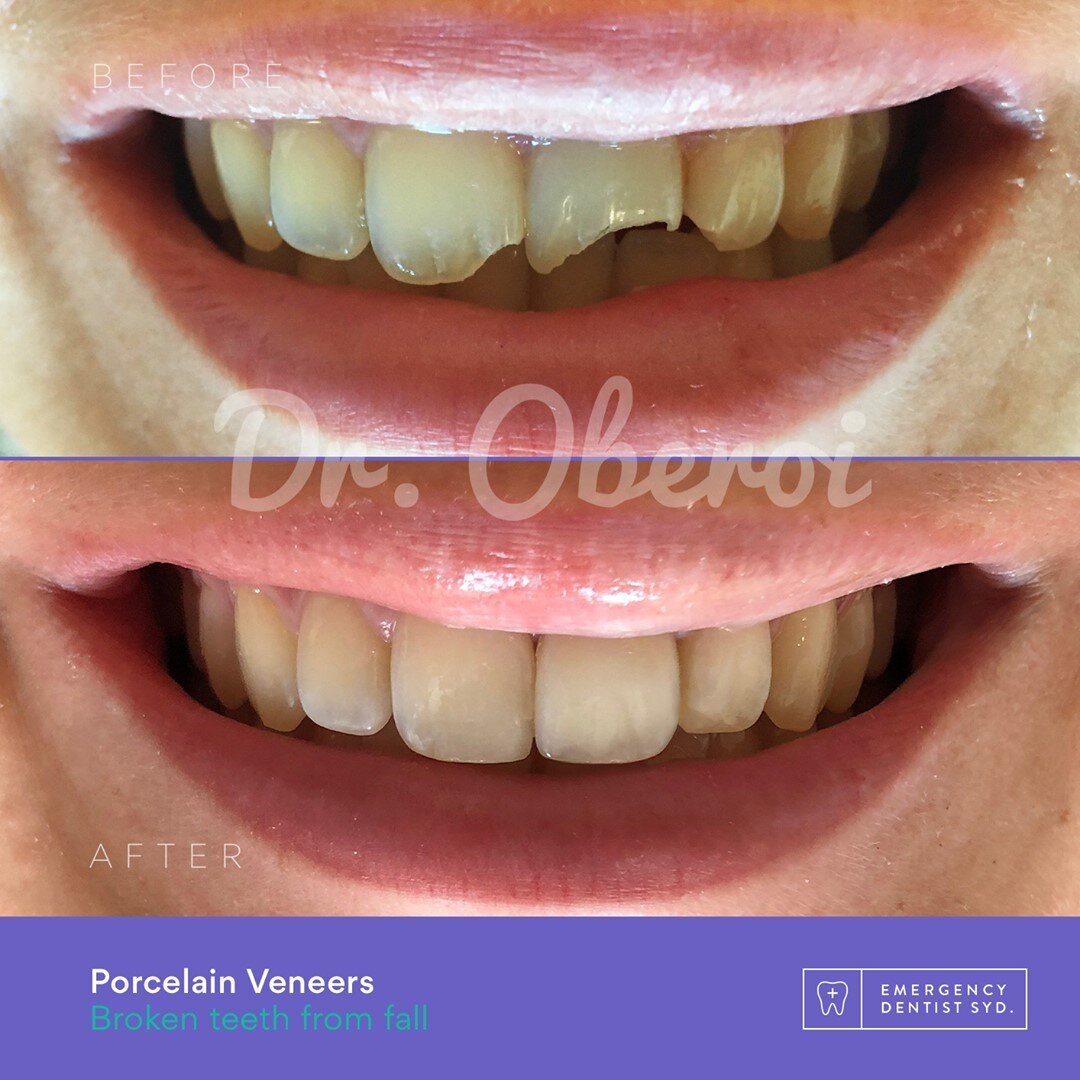
Crowns or veneers, which fit over broken teeth to both protect them and provide a strong substitute for the missing part of your tooth or teeth.
Extractions for teeth that are too damaged to save and dental implants to replace them.
So, this Dental Health Week, don’t put up with the pain and embarrassment of broken teeth any longer. Find a dentist you trust and talk to them about treatment options.
Why You Shouldn’t Fear a Root Canal
Dental procedures have advanced rapidly over the last few years, including root canals. The old days of squealing drills are long gone, and these days this procedure is usually quick, painless, and incredibly effective at removing pain or discomfort. When you have a severe infection or tooth decay, it will allow your dentist to save your tooth, which will help maintain the health and integrity of your entire mouth.
However, this doesn’t mean that a root canal is a simple procedure that anyone can perform. This is an invasive surgery that must be monitored by a single dentist to ensure that you get the best outcome possible. Otherwise, you could find yourself dealing with more complicated dental problems caused by an incomplete root canal, infection, or other related problems.
A Guide to Mouthguards
Australia is a country filled with children and adults who love to play sports. Unfortunately, this is also one of the most common causes of dental injuries including cracked or chipped teeth and even dislodged teeth. That’s why sports players of all ages need to wear a specially designed mouthguard. Your dentist can design a mouthguard that will fit perfectly to the curves and angles of your mouth. This means it will be more effective, it will fit better, and it’ll be more comfortable to wear.
So, no matter what sport you or your child plays, talk to your dentist about a mouthguard this Dental Health Week. Because you can’t look after your teeth if you don’t have them anymore.
The Importance of Follow-up Care
When you have a dental procedure, your dentist will give you a list of instructions for what you can, can’t, and must do after your treatment. It’s absolutely essential that you follow this advice because it will ensure that you get the best outcome possible from your treatment. After all, there’s no point shelling out for teeth whitening or other treatment to make your smile look amazing if you’re going to turn around and ruin it by going against your dentist’s instructions.
Your dentist has the training and the experience necessary to help you get the most from every dental treatment. So, make sure you listen to what they say if you want a trouble-free recovery and a better looking smile this Dental Health Week and afterwards. Your dentist should also follow-up with you after your surgery or procedure. This will give you the chance to ask any questions you forgot or address any concerns about the treatment or your oral health in general.
Emergency Dentist Sydney Says:
If you have a dental emergency, contact our Emergency Dentist in Sydney. Our caring and expert staff are available 24 hours a day to help you with all your emergency dental needs.

Pericoronitis and Wisdom Teeth
Why It’s Important to See Your Dentist as Soon as You See Signs of Wisdom Teeth
Why It’s Important to See Your Dentist as Soon as You See Signs of Wisdom Teeth
Good dental health involves more than brushing twice a day. You can take extra care of your teeth and gums by maintaining healthy eating habits and visiting your dentist for regular check-ups. These practices can prevent dental problems such as tooth decay but there are still a number of other conditions and problems that you need to look out for. Pericoronitis can be a concern during your late teens and early twenties, when your wisdom teeth come through. It’s a potentially serious condition that can cause long and short term problems for your oral health. That’s why we’ve created this quick guide to this condition, so you can spot it while it’s still easy to treat.
What is Pericoronitis?
Pericoronitis is an infection in the gums around the wisdom teeth and it usually causes pain, swelling and discomfort. The infection surrounds the crown of the wisdom teeth and usually occurs when the wisdom teeth is only partly-erupted. This happens because they are partially erupted, leaving gaps and holes in the gum making it easy for food or plaque to enter and spread.
Signs and Symptoms
You should see your dentist as soon as you feel your wisdom teeth coming through. Your dentist can then take an X-ray to see if there’s enough room for the new teeth, and advise you on your options. They will also be able to see if there are any gaps, holes or gum flaps caused by the growth of the teeth that could cause problems. However, if seeing your dentist is not an option at the time, you need to watch out for signs of infection around your new teeth. There are several symptoms of pericoronitis that you should be aware of including:
Pain in and around the affected area.
Swelling of the gum around the tooth.
Swelling of the face or throat on the infected side.
A bad taste in the mouth or bad breath caused by leaking pus.
How to Treat Pericoronitis
If the infection around the base of your wisdom tooth is mild, you can treat it by rinsing with warm salt water and making sure the gaps in your gums are kept clean. You also need to make an appointment with your dentist as soon as possible. Pericoronitis is usually a sign that your mouth is too crowded for your wisdom teeth, and they will need to be removed before they cause further problems.
If the infection is more severe, with obvious swelling in your face and neck, see your dentist immediately. You will need antibiotics to clear up the infection, and it’s a good idea to take some painkillers as well.
Emergency Dentist Sydney Says:
For professional and emergency dental care, make an appointment with our helpful staff here at Emergency Dentist Sydney.
Need Advice Or Emergency Dental Care In Sydney CBD?
Contact our friendly team

Emergency Dentist Sydney's 2019 Team
Starting the New Year With a Solid Team
Starting the New Year With a Solid Team
2018 has been a great year here at Emergency Dentist Sydney, with a lot of changes for both staff and patients. As the year draws to a close, it’s important that we remember the year that’s just passed even as we anticipate the year that’s coming, which is why we’re creating this 2018 summary.
Emergency Dentist Sydney in 2018
This year has been a busy one for the team at Emergency Dentist Sydney. Not only have they seen around 500 emergency patients during the year, they’ve also kept their focus on what’s important. For the team, this means constantly updating their skills to keep up with medical and technological advances in the dental field. And this is what allows them to offer patients the best possible treatment and experience.
Another important focus for the staff at Emergency Dentist Sydney is relieving patient anxiety. This is a major barrier to the oral health of a lot of people, which is why our staff continue to learn new ways to relieve this problem and help patients overcome their fear and stress. So if you’ve been avoiding the dentist out of fear or anxiety, then we probably have the solution.
The Emergency Dentist Sydney Team
There is a varied team here at Emergency Dentist Sydney and that’s by design. Each member of the team has their own role and specialities. This helps ensure that patients get the best possible treatment no matter what oral health problems or concerns they have. As Doctor Oberoi says, “Our emergency team includes myself, the principal dentist. We have an oral surgeon on the team, a gum hygienist, and an associate dentist who does weekend work.”
The team here at Emergency Dentist Sydney includes:

Doctor Oberoi
Our Principal Dentist who performs a range of general and cosmetic dental procedures from dental implants to anti-wrinkle injections.

Doctor Graham
A dental surgeon who works 2 days a week and has a special interest in bruxism.
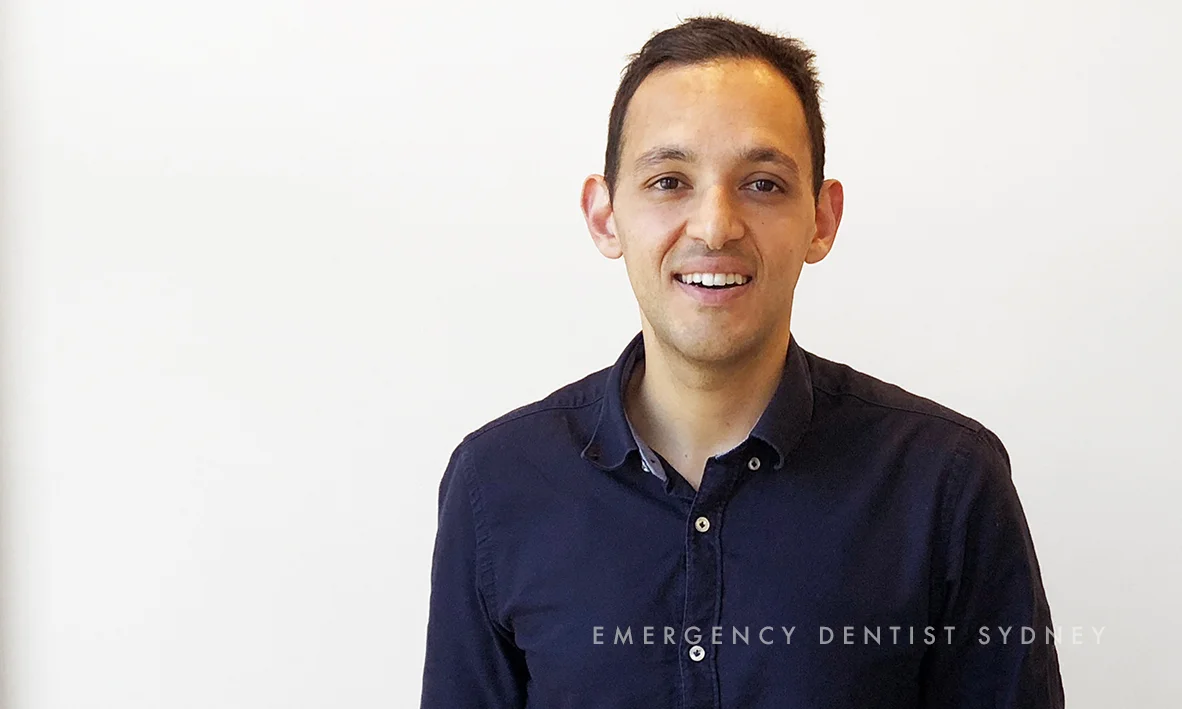
Doctor Raj
An oral surgeon who is involved with more complex dental procedures such as difficult extractions, wisdom teeth and lip and tongue ties.

Phoebe Bell
Emergency Dentist Sydney’s dental hygienist, who focuses on preventative dentistry and education as well as cosmetic procedures such as teeth whitening.

Jenna
Jenna is the Practice Manager and oversees all the day to day necessities of the clinic.

Larissa
Larissa is the Patient Co-Ordinator, which means that she’s the primary dental nurse and is involved in all aspects of patient care and treatment from check-ups to more complex procedures.
Emergency Dentist Sydney Says:
If you have a dental emergency, contact our Emergency Dentist in Sydney. Our caring and expert staff are available 24 hours a day to help you with all your emergency dental needs.

Do I Have a True Dental Emergency?
When to Call the Dentist
When to Call the Dentist
If you have a problem with your teeth on the weekend or late at night, you might worry about contacting an after hours dentist. After all, when you’re in pain, it can be hard to tell if the problem is an emergency, and what kind of medical professional you should contact. To help with that, here are some of the most common dental emergencies and what you should do about them.
What is a Dental Emergency?
This may seem obvious. For most people, a dental emergency is when your tooth really hurts and you want it fixed. However, there are a few different types of emergencies that after hours dentists see. Here are some common dental emergencies.
Any problem that threatens the health and placement of a tooth. This broken, lose and cracked teeth.
Severe pain.
Bleeding from the mouth tissues that won’t stop.
A severe infection that suddenly flares up. This can be life threatening, so it’s important that you see an after hours dentist as soon as possible if this occurs.
What to do in a Dental Emergency
If you experience a dental emergency, then you need to get help as soon as possible if you want to solve the problem. This will also help you to preserve the health of your mouth and teeth over the long term. With that in mind, here’s what to do for some specific dental situations:

A toothache
If you experience severe pain after hours, you can take Nurofen to alleviate it until you can get to an after hours dentist. Don’t try to brush the area, but you can rinse with warm water to gently clean it.
Bleeding
If the bleeding isn’t too bad, rinse your mouth with warm water and apply pressure to the area to encourage it to stop. If the bleeding is severe, seek medical help immediately.

Dislodged teeth
If you have a tooth or teeth knocked out because of some type of injury, retrieve the tooth and rinse with water to clean it. Reposition gently in the tooth socket without pressing it down. If you can’t put it back in your mouth, put the tooth in milk to keep it moist. And contact an after hours dentist immediately so the tooth can be put back where it belongs.

Cracked teeth.
It’s easier than you think to crack a tooth or teeth. If you experience this, rinse your mouth with warm water, apply a cold compress to the face and see an after hours dentist as soon as possible. Your dentist will be able to repair the tooth using a porcelain crown or veneer, dental bonding, or a dental bridge.

Something stuck in your tooth.
Unless it’s extremely painful or bleeding, this usually isn’t a dental emergency. Try to gently remove the obstruction with your fingers or tweezers. You can also try flossing around the object. If this doesn’t remove the problem, make an appointment with your dentist.

Severed gum or lips.
This is considered a medical emergency, not a dental emergency. So apply pressure to slow the bleeding and go to your doctor or to the emergency room if it’s after hours.
Emergency Dentist Sydney Says:
If you have a dental emergency, contact our Emergency Dentist in Sydney. Our caring and expert staff are available 24 hours a day to help you with all your emergency dental needs.

Why Do Some Root Canal Treatments Fail?
And Why It Isn’t Your Dentist’s Fault
And Why It Isn’t Your Dentist’s Fault
Root canals aren’t usually people’s favourite procedures. If you have to have one, it means that you’ve probably been in pain or discomfort for a while and have made a trip to an after hours dentist. After all that trouble, you probably think that the root canal should solve everything. But sometimes, your problems will continue after the root canal, meaning that you have to get further treatments. If this happens to you, then you need to know why it happens and why it isn’t always your dentist’s fault.
Why Do You Need a Root Canal?
In basic terms, people need a root canal when the pulp or inside of their tooth has become infected. During a root canal, the nerve and pulp inside your tooth are cleared out and the area is sealed so that bacteria can’t get in there again. To complete the procedure, your dentist will usually put a crown over the top of the tooth to increase its strength and repair its appearance. This procedure usually alleviates any pain immediately because the nerve, the part of your tooth that registers pain, is gone. And once the area has healed, you will be able to go back to your normal eating routine and probably won’t even notice that you ever had the procedure done.
If you have an infected tooth, your dentist will usually try to treat the infection with antibiotics first. However, if the infection has gone too far, if it threatens the health of surrounding tissue, it’s usually better to perform a root canal. Otherwise it can cause problems such as abscesses or pain and infection in other parts of the face and even in the rest of the body.
Some causes of tooth pulp infection include:
A cavity that has been left too long.
A crack or chip that hasn’t been repaired and has let bacteria into the centre of the tooth.
Repeated procedures on a tooth.
Gum infections that have been left untreated and infected a tooth.
Face traumas.
What if the Root Canal Doesn’t Work?
Most people who get a root canal go back to their normal lives without any further problems. In fact, between 90 and 95 percent of root canals are completely successful. However, there are a small percentage of people who aren’t so lucky.
There can be a number of reasons why a root canal may fail. And the first and most common is related to the original infection. As Doctor Oberoi from Emergency Dentist Sydney says about root canals, “If they haven’t been done properly in the first place and the infection is still there they can fail.” That’s why you need to make sure that your root canal is done by a properly qualified and experienced after hours dentist.
Another reason why a root canal may fail has to do with the condition of the tooth itself. Doctor Oberoi points out, “…if there’s a crack in the tooth then it can affect the root canal. That’s why we usually recommend putting a crown over the tooth.”
A root canal may also fail if it isn’t taken care of after the procedure. You need to make sure that you follow your dentist’s instructions closely when it comes to after care. Otherwise the gum or surrounding teeth could become infected, resulting in more dental work.
Emergency Dentist Sydney Says:
If you need a root canal or any other emergency procedure, contact our Emergency Dentist in Sydney. Our caring and expert staff are available 24 hours a day to help you with all your emergency dental needs.
Patient Care First

Keep Up-To-Date with All Things Oral & General Health
RECENT ARTICLES









For 15 years, we've had one mission - when Sydney has a dental emergency, Emergency Dentist Sydney is there
We're proud to celebrate 15 years of providing emergency dental services to Sydney CBD and surrounding suburbs.