
Busting the Myths of Root Canal Surgery
How this dental procedure has changed over the years.
How this dental procedure has changed over the years.
Root canals have a bad reputation. There are a lot of stories going around about these procedures, most of them because of historical treatments and mistakes. Dentistry has come a long way in the last few decades, but these rumours are persistent. If you’ve been putting off your dental treatment because of old stories, here are some of the myths you need to forget.
1. Root Canals are Painful
Actually, the decay and the infection that makes a root canal necessary are painful and the root canal removes the cause of the pain and relieves it. During the root canal procedure itself your mouth will be numbed using a local anaesthetic, so you might find that it’s the most comfortable you’ve been since the problem started. You may experience some pain as the needle goes into your gum to make it numb, but your dentist can help with this as well with some numbing salve. Afterwards, the infection will be gone but the damage done to surrounding tissue will remain. This is why you may still experience some discomfort until your mouth completely heals. But it will be far less painful than the gum pain and toothache that came before it.
2. You Need Several Appointments for a Root Canal
Most of the time, a root canal can be completed in a single appointment. It’s only if you’ve ignored the problem for a long time or have additional conditions and problems that you will need more than one appointment.
3. Dental Problems Always Hurt
A lot of people avoid the dentist because they believe that if their mouth doesn’t hurt, there’s nothing wrong. Unfortunately, this approach usually results in a late-night trip to the emergency dentist with severe pain or infection. Depending on your mouth and your pain tolerance, you can have a serious dental problem without much pain. That’s why regular check-ups and cleans are so important, because they give your dentist a chance to assess your overall oral health.
4. A Root Canal Spreads Infection
This is an old myth based on outdated information. Having a root canal doesn’t allow the infection in your tooth to spread throughout your body. Your mouth, and every other part of your body, is filled with bacteria, which is only a problem when infection develops and is left to fester.
5. Root Canals Kill the Tooth
A tooth can’t be killed. What a root canal does is remove the infected pulp inside the hard shell of your tooth. The tooth is then filled with a permanent filling material that allows it to function as normal. This saves the tooth, eliminates the infection, and save you from pain and future oral health problems.
6. An Extraction is more Effective
An extraction will get rid of the pain and infection certainly, but it will also cause long term oral health problems. When you have a missing tooth, it causes bone loss. The shape of your jaw will change, and the surrounding teeth will collapse towards the gap. The gap in your teeth can also become a breeding ground for infection and be difficult to keep clean. On the other hand, when you have a root canal the tooth is saved and will function just like the other teeth. So, if possible, try to make sure that you keep all your teeth.
7. A Root Canal is Temporary
Lots of people believe that the effects of a root canal don’t last. This is probably because of stories about people’s teeth breaking after this treatment. When the pulp is removed from your tooth it can become brittle and break during chewing or biting. That’s why your dentist will fit a crown over the top of the tooth to strengthen and protect it. So, make sure you don’t ship this essential step to ensure that the benefits of your treatment are permanent.
Emergency Dentist Sydney Says:
If you have a dental emergency, contact our Emergency Dentist in Sydney. Our caring and expert staff are available 24 hours a day to help you with all your emergency dental needs.

How Teeth Grinding Can Affect Your Oral Health
And why you’re more likely to end up at your after hours dentist
And why you’re more likely to end up at your after hours dentist
There are lots of different problems that can affect your oral health. The food and drinks you ingest, your oral health habits, and your genetics can all cause problems and concerns. But did you know that your mood can also affect the health of your teeth? If you often feel anxious or worried, it can cause a condition called bruxism, which can seriously damage your teeth, your gums, and even your jaw. So, here’s what you need to know about it.
What is Bruxism?
Bruxism is a condition that’s caused by anxiety and makes you habitually grind your teeth and clench your jaw. You may find yourself doing this during the day, when you’re stressed, or your partner may complain that you’re doing it at night. Often, people who have bruxism don’t actually realise they’re doing it. You can have bruxism for a long time before the symptoms appear or start to see consequences of it very early on. It all depends on your mouth and on the strength of your jaw. But if you grind your teeth, it will cause problems eventually, including the following issues:
Facial pain.
Earaches.
Jaw pain and stiffness.
Sleep disruptions.
Headaches.
Chipped, cracked or broken teeth.
Broken or damaged fillings.
Worn down teeth leading to sensitivity and even tooth loss.
Causes of Bruxism
Teeth grinding is a fairly common problem these days and is usually related to stress and anxiety. However, there are other factors that may contribute to this habit including:
Certain medications such as antidepressants can cause bruxism.
Poor lifestyle habits such as smoking, drinking, or drug use.
Sleep disorders such as snoring or sleep apnoea.
The Dangers of Grinding
If you suspect that you’re grinding your teeth in your sleep, then it’s important that you see your dentist. They’ll be able to examine your teeth and see if there’s any damage that needs to be fixed before it becomes a major problem.
Teeth grinding can cause your teeth to become worn, exposing the nerve and resulting in mouth pain. It can also cause infections or dental abscesses because of the pressure and gum damage. That’s why it’s really important that you don’t just ignore the problem, even if you don’t experience symptoms immediately. The damage caused by bruxism tends to be cumulative, so if it continues over time you may find yourself making a late-night visit to your after hours dentist with a serious dental issue!
Treating Teeth Grinding
If you grind your teeth, then there are ways to treat the problem. First and foremost, you need to address your stress levels, because bruxism is closely connected to your emotions. So, if you’re stressed, relaxation exercises and practices such as meditation or yoga before bed might help. Cognitive Behavioural Therapy (CBT) can also help to address the source of the stress and anxiety.
Your dentist can also help with more immediately practical ways to cut down on teeth grinding. They can create a mouthguard or splint that’s tailored to your teeth and mouth and will protect your teeth against damage and wear. This won’t prevent you from grinding your teeth but it will act as an airbag to cut down on the sensation and friction.
Emergency Dentist Sydney Says:
So, if you have bruxism or any other dental emergency, contact our Emergency Dentist in Sydney. Our caring and expert staff are available 24 hours a day to help you with all your emergency dental needs.

Why Dental Implants Are The Best Option for Missing Teeth
How your dentist can give you back your smile
How your dentist can give you back your smile
Your smile is one of the first things that other people notice about you. So, when you have a broken, damaged, or missing tooth, it can make you feel self-conscious and embarrassed. Your dentist can do a lot to save a damaged tooth, but sometimes the damage is just too severe, and the tooth needs to come out. And when that happens, dental implants may be your best option.
Why Dental Implants are Important
If you have a missing or broken tooth it can be tempting to just ignore the gap and go on with your life. But doing this will only create more problems. Your teeth are more like a single unit than individual pieces, and when one is missing it can cause lots of problems that will threaten your oral health and send you to your after hours dentist.
When a tooth is missing, the bone around the socket starts to dissolve. This can cause the surrounding teeth to collapse towards the gap, pulling them out of alignment. The resulting bone loss in the jaw can also change the shape of your face and cause problems with the joint in your jaw. It may also result in tooth decay or gum disease because the change in the alignment of your teeth may make it hard for you to brush all the surfaces properly. All of these problems could have you racing to your after hours dentist for emergency procedures on a regular basis, and nobody wants that.
Your Dental Implant Options

There are several different options when it comes to dental implants depending on the condition of your mouth and teeth. This means that your dentist can help no matter what condition your mouth is in. For dental implants to work, you need to have strong, thick bone under the site to hold the implant. If your bone is too thin, your dentist will need to do a bone graft before the implant surgery to encourage new growth. That’s why you shouldn’t wait too long after you lose a tooth or teeth to have the procedure done, because otherwise it will mean more problems.
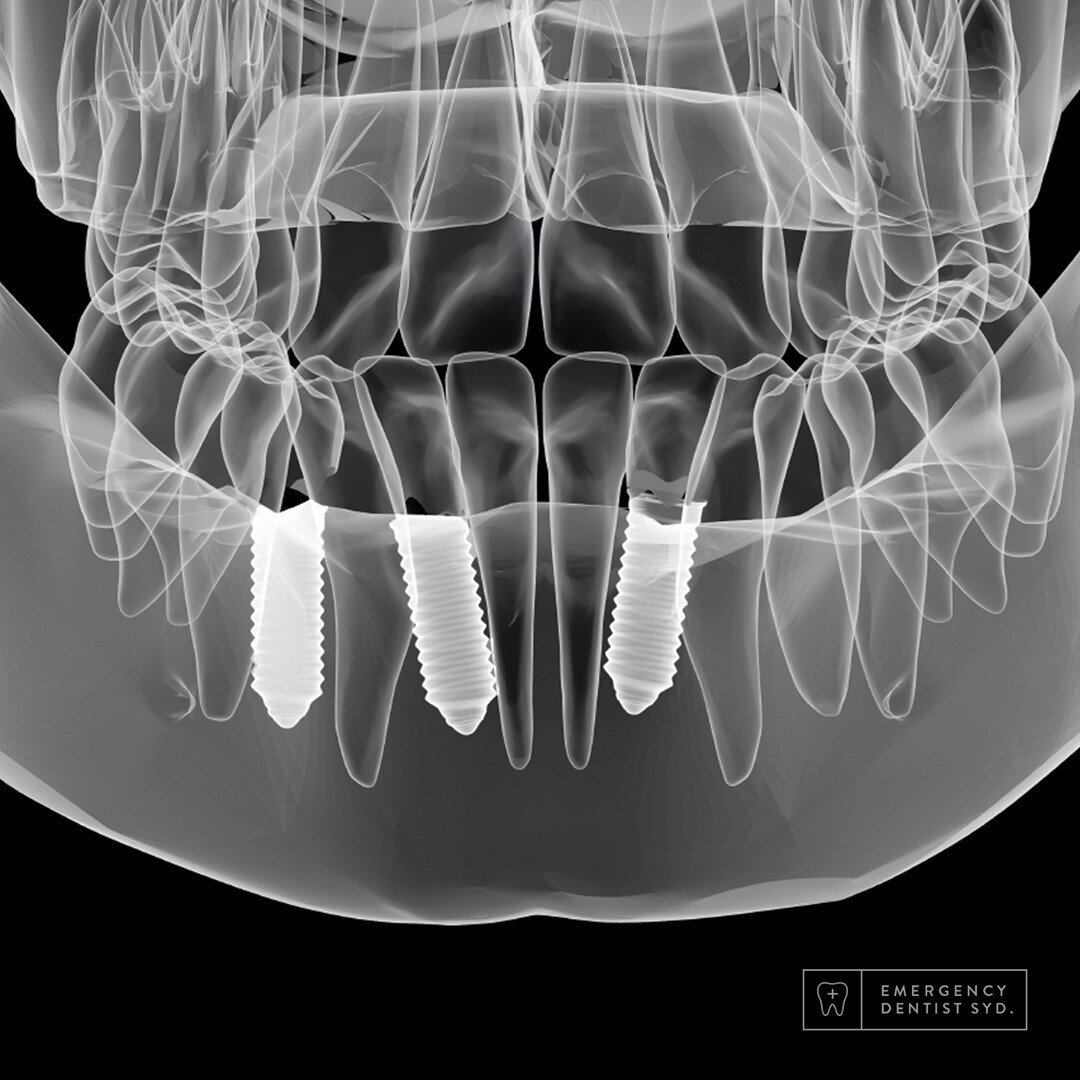
Dental implants do more than replace your teeth. They also integrate with the jaw bone and encourage it to grow. So basically, they replace your tooth or teeth and keep your jaw and remaining teeth strong and growing in the right direction!
Here are your dental implant options and what they’re used for:
Single Tooth Implant
If you have a single tooth missing, then your dentist will recommend this procedure. During the procedure a titanium rod is inserted into the jaw bone and acts as an anchor for the new porcelain tooth. The new tooth will look and feel like the old one, but it won’t decay so you shouldn’t have problems with it ever again.
Multiple Tooth Implant
This procedure is used to replace more than one missing tooth in the same area of the mouth. The implants are placed in the jaw, as with a single tooth implant, and allowed to heal. During this stage you will be given temporary teeth to protect the healing area. Once the site has healed, replacement teeth or bridges are placed over the implants. The details of these procedures will change depending on the condition of your mouth, so talk to your dentist for more information.
Full Mouth Implants
If all your teeth are missing or damaged, then your dentist will probably recommend full mouth implants. These implants can replace your teeth without relying on any natural teeth for support. If you’ve struggled with your teeth for a long time, these are the best option as they will look, feel and function just like real teeth. During this procedure your dentist will place implants all along the jaw and allow them to heal. And after they’ve healed, the replacement teeth can be put into place.
Payment Plans

If you need to get dental implants to replace a tooth or teeth, you’re probably worried about the expense. These are complicated procedures that usually require several visits to the dentist, and that means that they can be expensive. But when you have your dental implants put in by Emergency Dentist Sydney, you can take advantage of our payment plans to get your procedure done now. This will help you avoid complications from your missing teeth. Here are some of the features of our payment plans:
Interest free.
Manageable fortnightly payments spread over 15 months.
Available for treatments up to $9,000
So, don’t delay, because your oral health could depend on it. If you have missing or damaged teeth, talk to our staff today about our dental implant procedures.
Emergency Dentist Sydney Says:
If you have a dental emergency, contact our Emergency Dentist in Sydney. Our caring and expert staff are available 24 hours a day to help you with all your emergency dental needs.

How To Be Proactive About Dental Pain
Why you shouldn’t just put up with this dental emergency
Why you shouldn’t just put up with this dental emergency
If you have pain in your mouth or teeth, it might be tempting to take painkillers and hope that it goes away. You might think that this type of pain is harmless, but it can be caused by a wide variety of serious dental issues. And ignoring them can have serious consequences for your oral health. That’s why you need to be proactive about dental pain, so the issue can be solved before it turns into something that sends you to your after hours dentist for an emergency procedure.
Common Causes of Dental Pain
There are several common causes of dental pain. If these issues are resolved immediately, then the solutions are relatively quick and simple. But if you ignore the problems then they could turn into much more serious issues. And when that occurs the treatment will take longer and be more expensive.
The most common causes of dental pain are:
Tooth decay is a very common problem and despite the wealth of information available on how to care for teeth, it’s becoming even more common with time. If you have a deep cavity it means that the bacteria have eaten into the centre of the tooth. This will cause gum or tooth pain, discomfort and swelling, and may make it difficult to eat. And if left untreated it can result in infection, nerve damage, and even tooth loss.
Infections can occur when you have an untreated tooth cavity, gum disease, or other type of wound in your mouth. They can be very painful and if left untreated can result in the loss of a tooth and a trip to your after hours dentist. Infections can also travel to the blood stream and result in bacterial blood infections or travel to other parts of the body. Mouth infections may even make you more susceptible to heart disease. That’s why, if you think you have an infection in your mouth, you must see your dentist immediately for treatment.
Plaque naturally builds up on your teeth over time and if it isn’t removed then it can cause gum disease. This will cause pain and bleeding around your teeth and may advance to periodontitis, which is an advanced gum disease that will have long term consequences for your oral health. If left untreated, these types of problems will result in your gums shrinking and your teeth falling out, so it’s important that they’re treated by your dentist before that happens.
If your tooth or teeth are injured and become cracked or broken, then you need to see your dentist immediately. Even a small crack can spread over time and result in the tooth or teeth splitting down the middle. A piece of the damaged tooth or teeth may even break off, resulting in a jagged edge. This will be painful, make you feel self-conscious, and fixing it will require extensive treatments. A simple crack on the other hand can often be fixed using a filling or dental composite.
Some people naturally have sensitive teeth and struggle to eat hot and cold foods. This is normal. But if you find it difficult to eat any foods because of sensitivity then you need to see your dentist to find out what’s going on. Sudden sensitivity can be the result of gum disease, a cavity, or shrinking gums, so don’t ignore this warning sign.
How to be Proactive about Pain
You need to be proactive when it comes to your dental health. See your dentist regularly for check-ups and cleans to keep your teeth in the best condition possible. And if you experience any pain, make an appointment and find out what’s going on. This is the best way to safeguard the health of your mouth and teeth over the long term. And it’s also the best way to be pain-free too!
Emergency Dentist Sydney Says:
If you have a dental emergency, contact our Emergency Dentist in Sydney. Our caring and expert staff are available 24 hours a day to help you with all your emergency dental needs.

What Is Your Tongue Trying to Tell You?
Your dentist’s best advice about problem tongues
Your dentist’s best advice about problem tongues
You probably don’t think about the health of your tongue until something goes wrong. But when it does, it can cause a lot of disruption to your life.
Your tongue allows you to taste your food, swallow, and helps you to talk, which is why tongue problems can be so frustrating and uncomfortable. A healthy tongue is pink and covered with small nodules called papillae. When and if this changes, you’ll probably need to make a visit to your after hours dentist to get it checked out.
White Tongue
If your tongue changes from pink to white, then it can be a sign of some serious and not so serious problems. However, as with any noticeable change in your body, it’s important that you get your white tongue checked out by your dentist as soon as possible. Your dentist will be able to identify what’s happening and suggest treatment options.
Some of the conditions that can cause a white tongue are:
Oral thrust
This is a yeast infection that causes white patches on the tongue, gums and inner cheeks. It can be caused by certain medications and is most common in infants, the elderly, and in people with compromised immune systems. This form of white tongue isn’t life threatening, and it can be cleared up using medications or by eating live yoghurt to rebalance the bacteria in your mouth.
Leukoplakia
This is a condition that causes excessive cell growth inside the mouth. It isn’t dangerous on its own, but it can be a precursor to cancer, so you need to get it checked out by your dentist.
Oral lichen planus
This is a mysterious condition with no known cause, but it usually goes away on its own. It often causes a raised network of lacy white lines over the tongue. If you have this condition, make sure your oral health is good by avoiding toxins like alcohol and tobacco and practice good oral hygiene. This will help the condition clear up faster.
Red Tongue
Your tongue should be pink, not red. If this changes, it may be because of the following conditions:
Geographic tongue
This causes patterns of red spots that can have a white border around them over the tongue. This condition is usually harmless, but you should have it checked with your dentist if the patches linger for more than 2 weeks.
Scarlet fever
Scarlet fever can cause your tongue to go red, so if you have a temperature then see your doctor for antibiotics.
Vitamin deficiencies
If you’re deficient in vitamin B-12 or folic acid it can cause your tongue to turn red.
This usually affects children under the age of five and can cause a red tongue. If caught early the disease is easily treatable, so make sure you take your child to the doctor if you suspect they have this illness. It also causes a high fever and redness and swelling in the hands and feet.
A Hairy Black Tongue
This may look a little scary, but it’s usually harmless. If your tongue looks black and hairy it means that the papillae have become too long. It most often occurs in people who have poor oral hygiene habits, are on chemotherapy or antibiotics, or suffer from diabetes. So, if you experience this issue, try to improve your oral hygiene and talk to your doctor about your options.
Sore Tongue
Sometimes, the problem with your tongue isn’t that specific. It may just be sore or have small bumps in it that hurt when you eat. These types of problems are extremely common and most of the time they’ll go away on their own. However, if the mouth pain lingers, make an appointment with your dentist to get the problem checked. They’ll be able to give you peace of mind and tell you what’s happening to your tongue and how to fix it.
Some things that can cause tongue soreness are:
Canker sores, which are often caused by stress.
Smoking, which can irritate the surface of your tongue.
Trauma or injuries such as biting or scalding your tongue on food.
Burning tongue syndrome, which occurs in postmenopausal women and causes a burning sensation.
Inflamed or irritated papillae.
Diabetes can cause tongue soreness.
Oral cancer, which causes lumps on the tongue that are often painless.
If you’re concerned about tongue lumps or soreness, visit your dentist to get it checked out. There’s no shame in being wrong, and it’s far better than worrying about it or neglecting a growth that could turn into something very dangerous.
Emergency Dentist Sydney Says:
If you have a dental emergency, contact our Emergency Dentist in Sydney. Our caring and expert staff are available 24 hours a day to help you with all your emergency dental needs.
NEED ADVICE OR EMERGENCY DENTAL CARE IN SYDNEY CBD?
Contact our friendly team


Should You Expect Pain After A Root Canal?
Your dentist’s best advice and information after this procedure
Your dentist’s best advice and information after this procedure
Dental pain before, during, and after dental procedures is one of the more common reasons why people avoid the dentists. And this goes double for root canals, because they’re one of the most feared dental procedures out there. But there’s no reason for this, because dental procedures have improved a lot over the years.
In short, it isn’t uncommon for patients to experience pain post-procedure. It can take several days for ongoing and new pain to subside. It is important to remember that root canal treatment is invasive and requires time to heal. We encourage all of our patients to keep our phone number handy and keep in touch post-procedure so that we can provide ongoing advice and reassurance.
If you have a root canal and experience pain afterwards, here’s why and what to do about it.
1. Inflammation
When you have a root canal, it’s usually because of decay that has caused infection in the pulp of a tooth. Your dentist will remove the infected pulp and clear away the cause of the pain and inflammation. But if the infection has spread to the gums or surrounding tissue, it will still take time before the swelling around the tooth subsides. The procedure itself may also cause some inflammation. Just make sure you follow your dentist’s instructions about taking anti-inflammatory medications after your procedure and the pain should ease in a few days.
2. Too Large Fillings
When the pulp is scooped out of your infected tooth, your dentist will fill it with a rubber like material. If too much is used it will cause pain every time you bite. Fortunately, this is a simple problem to fix. Your dentist will just need to adjust the filling.
3. Surrounding Tissue Damage
Your dentist performs root canals all the time, and chances are that everything will go as normal. However, there’s always a chance that the surrounding tissue will be damaged by the procedure. This can occur in a variety of ways. The file used to clean the tooth can slip and poke into the tissue below, the bacteria can escape into surrounding tissue, or the filling can overflow. In all these cases you will just need time for the tissue to heal and then the pain will vanish.
4. Infection
5. Follow Pre-op Instructions
Your dentist will give you a list of instructions to follow in the hours leading up to your surgery. Make sure that you follow them to avoid problems during or after your treatment. Here are some instructions your dentist will give you:
Don’t eat or drink for between 6-12 hours before the surgery.
You mustn’t drive for 24 hours after, so make sure that someone is coming to pick you up afterwards.
If you’re anxious before your surgery, then let the dentist know because they have treatment options that can help.
Get plenty of rest in the week after your surgery.
Emergency Dentist Sydney Says:
Pain following root canal treatment can occur and is not an indication of a failed treatment. Give your mouth time to heal and keep in touch with your dentist for advice and reassurance.

Dental Health Week at Emergency Dentist Sydney
The best advice your dentist can give for good oral health this year
The best advice your dentist can give for good oral health this year
Between the 6th and 12th of August this year is Dental Health Week. This is a chance to focus on a part of your body that you probably ignore until something goes wrong. But if you want to avoid dental emergencies over this week, and for the rest of the year, here’s some advice from the staff at Emergency Dentist Sydney.
The Importance of Emergency Dental Services
The focus of this year’s Dental Health Week is to encourage everyone to have a regular dentist. This will ensure that you get consistently good, regular dental treatments. However, even if you have a regular dentist, you may still need the help of an after hours dentist. Accidents, injuries, and dental pain can occur at any time, so you need to know that expert help is only a phone call away.
Choosing the right emergency dentist is as important as choosing your regular dentist. You need to know that they can help you no matter what dental problem you have. That’s why, at Emergency Dentist Sydney, our staff focus on improving and maintaining their skills and experience. This helps ensure that every patient gets the best outcome possible whether it’s on the weekend or late at night.
Your Best Oral Health Through Prevention
About 50 percent of Australian adults don’t brush their teeth every day. This is a shocking statistic because regular brushing is the best thing you can do to protect and maintain your oral health. If you want to avoid trips to your after hours dentist as well as painful and potentially expensive dental problems, you need to take better care of your teeth. And this year’s Dental Health Week is the perfect opportunity to start this new habit. Here’s what you need to do:
Brush your teeth at least twice a day for at least 2 minutes.
Floss every day.
Visit your dentist every 6 months for a check up and clean.
Don’t ignore dental pain or problems, make an appointment immediately so you can enjoy the best outcome possible.
As Phoebe Bell, the dental hygienist here at Emergency Dentist Sydney points out, “…It is never too late to start looking after your dental health.” So, get started today.
Solutions for a Toothache
A toothache is one of the most common reasons why people visit an emergency dentist. This problem usually occurs when people have neglected their oral health for a long time, which means that plaque has built up on their teeth and caused a cavity. There are also other toothache causes such as gum disease, an accident or injury that causes a crack or chip, and impacted teeth. If you have a toothache, then you need to visit your emergency dentist as soon as possible to determine the cause. However, in the meantime, here are some ideas that will decrease the pain until then:
Rinse your mouth with warm water.
Gently brush and floss your teeth to remove any stuck food.
Take an anti-inflammatory or other painkiller.
Make an appointment with your after hours dentist.
Solutions for a Broken Tooth
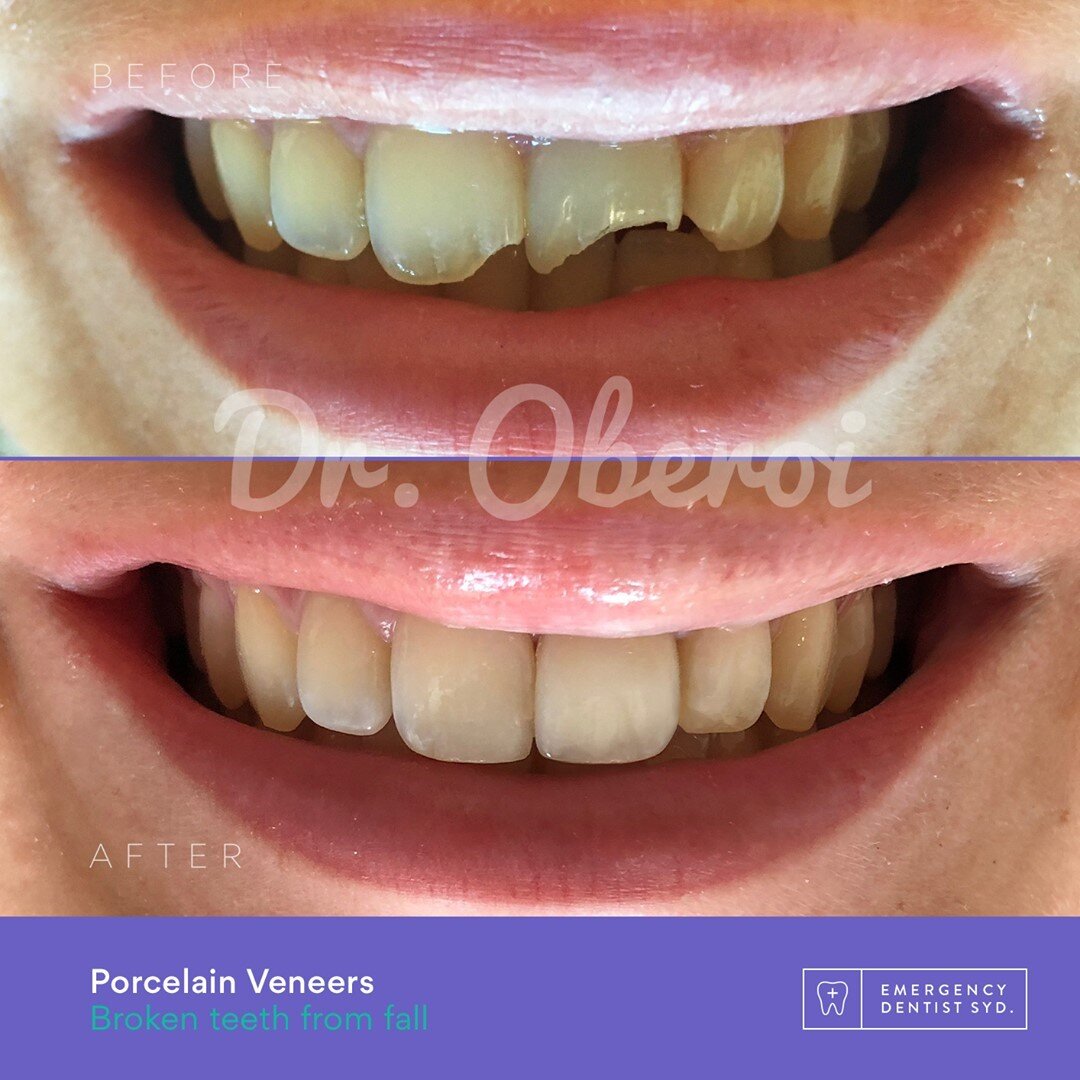
Tooth enamel is the hardest substance in your body, but that doesn’t mean it’s unbreakable. In fact, one of the most common reasons why people need to see their after hours dentist is because of broken teeth. If you experience an injury or accident that breaks one of your teeth, your dentist has a range of dental treatments that can repair or replace the tooth. Here are some of the options they can offer you:
Dental bonding, which can repair and strengthen a chipped tooth.
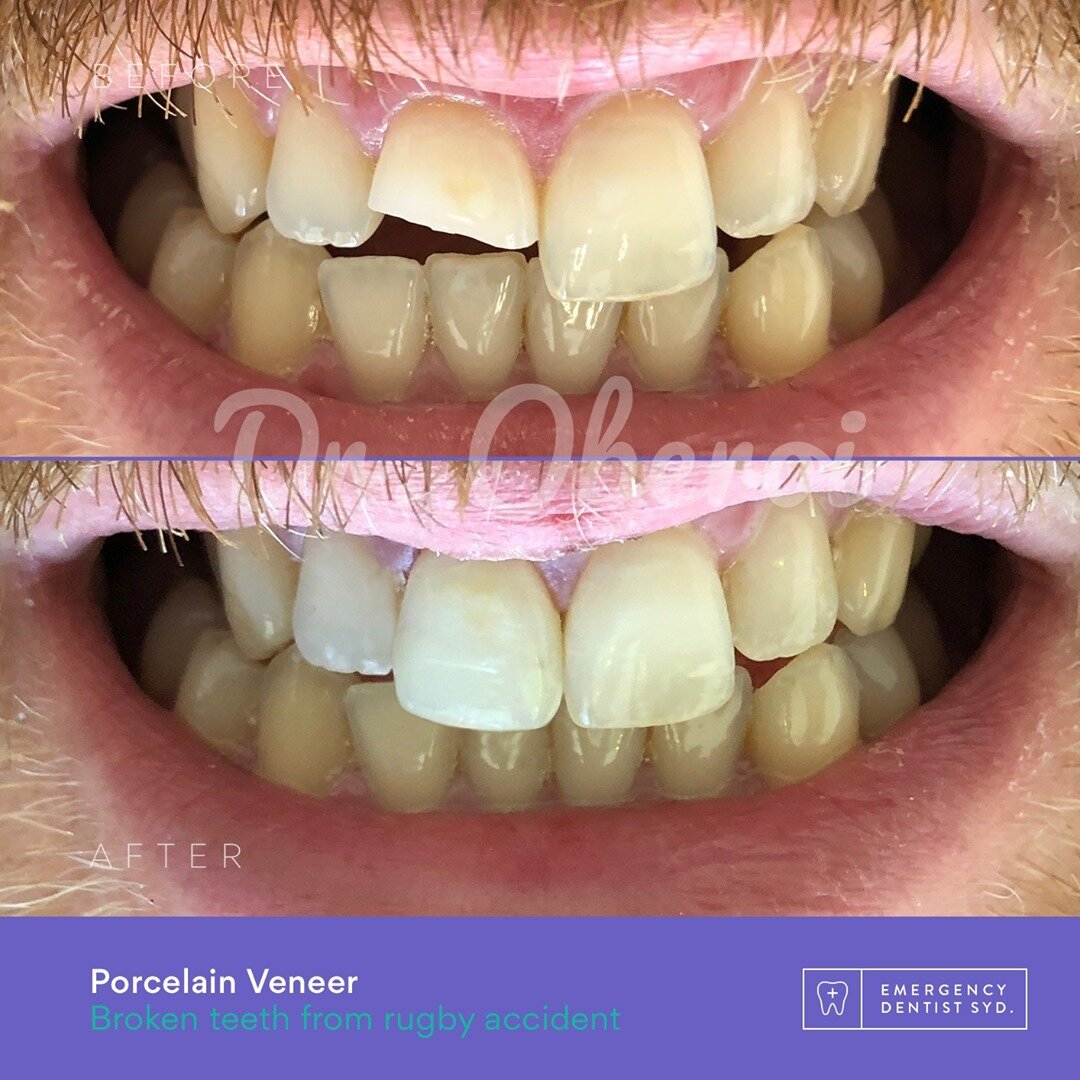
Crowns or veneers, which fit over broken teeth to both protect them and provide a strong substitute for the missing part of your tooth or teeth.
Extractions for teeth that are too damaged to save and dental implants to replace them.
So, this Dental Health Week, don’t put up with the pain and embarrassment of broken teeth any longer. Find a dentist you trust and talk to them about treatment options.
Why You Shouldn’t Fear a Root Canal
Dental procedures have advanced rapidly over the last few years, including root canals. The old days of squealing drills are long gone, and these days this procedure is usually quick, painless, and incredibly effective at removing pain or discomfort. When you have a severe infection or tooth decay, it will allow your dentist to save your tooth, which will help maintain the health and integrity of your entire mouth.
However, this doesn’t mean that a root canal is a simple procedure that anyone can perform. This is an invasive surgery that must be monitored by a single dentist to ensure that you get the best outcome possible. Otherwise, you could find yourself dealing with more complicated dental problems caused by an incomplete root canal, infection, or other related problems.
A Guide to Mouthguards
Australia is a country filled with children and adults who love to play sports. Unfortunately, this is also one of the most common causes of dental injuries including cracked or chipped teeth and even dislodged teeth. That’s why sports players of all ages need to wear a specially designed mouthguard. Your dentist can design a mouthguard that will fit perfectly to the curves and angles of your mouth. This means it will be more effective, it will fit better, and it’ll be more comfortable to wear.
So, no matter what sport you or your child plays, talk to your dentist about a mouthguard this Dental Health Week. Because you can’t look after your teeth if you don’t have them anymore.
The Importance of Follow-up Care
When you have a dental procedure, your dentist will give you a list of instructions for what you can, can’t, and must do after your treatment. It’s absolutely essential that you follow this advice because it will ensure that you get the best outcome possible from your treatment. After all, there’s no point shelling out for teeth whitening or other treatment to make your smile look amazing if you’re going to turn around and ruin it by going against your dentist’s instructions.
Your dentist has the training and the experience necessary to help you get the most from every dental treatment. So, make sure you listen to what they say if you want a trouble-free recovery and a better looking smile this Dental Health Week and afterwards. Your dentist should also follow-up with you after your surgery or procedure. This will give you the chance to ask any questions you forgot or address any concerns about the treatment or your oral health in general.
Emergency Dentist Sydney Says:
If you have a dental emergency, contact our Emergency Dentist in Sydney. Our caring and expert staff are available 24 hours a day to help you with all your emergency dental needs.

Key Signs of Oral Health Aging To Look Out For
How your dentist can help you age with grace
How your dentist can help you age with grace
One of the most common reasons why people end up at their after hours dentist is because of problems associated with aging. As you age, your mouth and your teeth change, and this must influence how you care for your oral health and your regular dental appointments. If you want to avoid dental emergencies because of age related dental changes, here’s a guide to the issues you need to look out for.
1. Receding Gums
As you age, your gums will pull away from the base of your teeth. This leaves the softer roots exposed, which makes them more prone to cavities or decay. Tooth pain and cavities are some of the most common reasons why people contact their after hours dentist. So, if you want to avoid this problem, make sure you discuss your gums with your dentist. They will be able to tell if your gums are receding and suggest strategies to protect your exposed gums.
2. Dry Mouth
As you get older, you will probably need to start taking medications for certain conditions or to protect your health. Unfortunately, this can cause dry mouth. Low saliva production is not only uncomfortable, it makes your teeth more prone to decay and infection. That’s why you shouldn’t just ignore this side effect. Instead, look for strategies that will increase your saliva production and boost its protective effects. This will help you avoid cavities, infection, and other oral health problems that will send you to your Emergency Dentist in Sydney.
3. Missing Teeth.
Lots of people lose teeth as they age. If you have a bad cavity or infection, it might be tempting to just have the tooth extracted and avoid a root canal. But this will just cause further problems down the road. When you have a missing tooth, it will result in bone loss, change the alignment of your teeth, and can even lead to an uneven jawbone. This is especially common as you age, because of overall bone loss density. So, if you want to avoid chewing problems, pain or discomfort, or infections because of missing teeth, you need to address this problem early with your dentist. Because if you ignore the issue, the problems will only get worse as you get older.
4. Discolouration.
Everyone wants a white, clean, great looking smile. But keeping your smile looking great gets harder as you get older. As you age, the enamel on your teeth will get thinner. This means that it will stain more easily when you ingest dark coloured foods or drinks. It also means that the dentin at the centre of your teeth will start to show, giving your teeth a grey or darker appearance. Once the enamel on your teeth is gone it doesn’t grow back, so it’s important that you protect it as you age. This will help you avoid trips to your after hours dentist because of cavities and decay and it will also keep your smile white and clean looking as you get older. To protect your enamel, cut down on acidic foods like sweets, soft drinks, and juice, and rinse your mouth after eating. Also, make sure that you visit your dentist for check-ups and whitening treatments regularly to keep your teeth in the best shape possible.
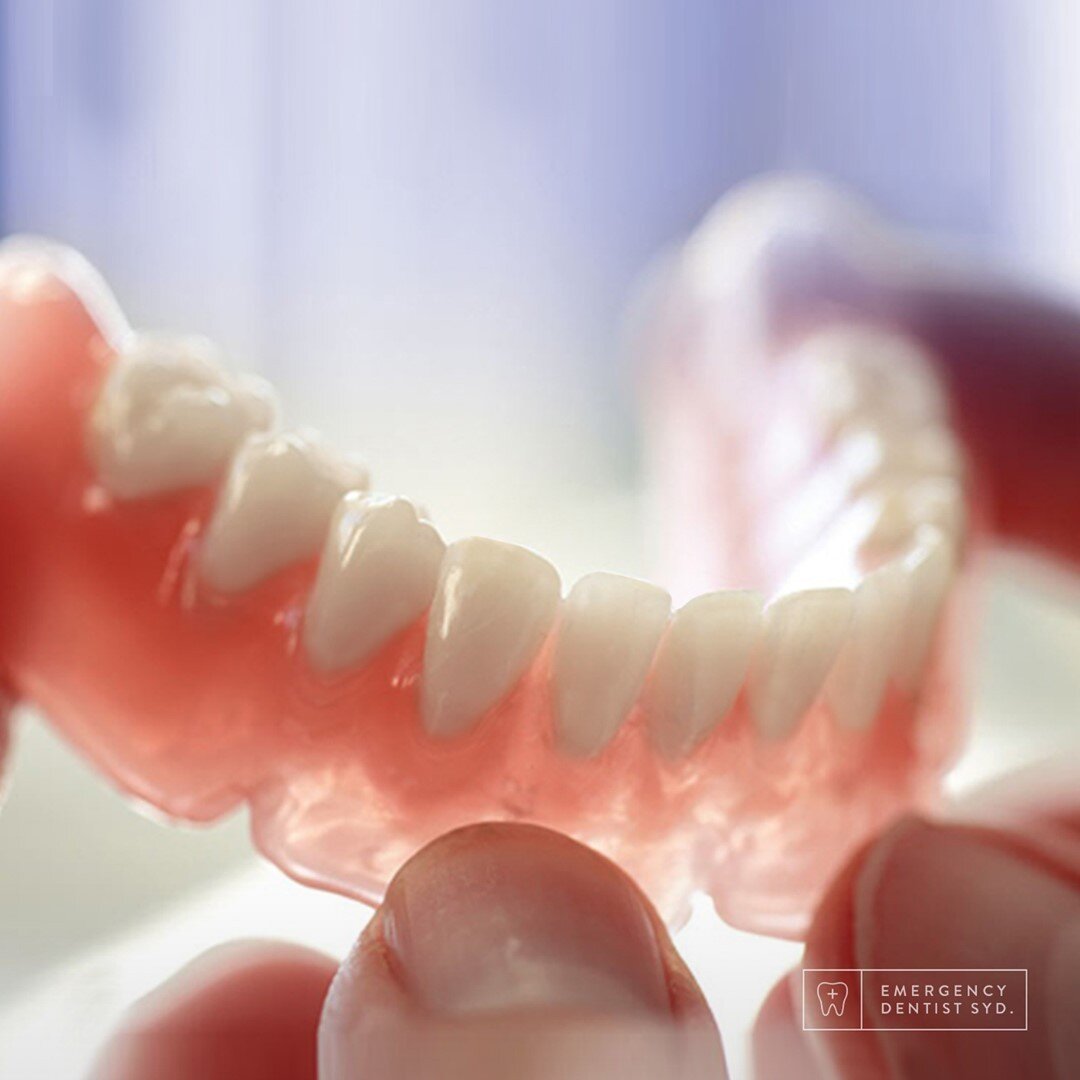
If you have to have your teeth removed, then dentures can be a great alternative. They’re easy to use, removeable, and will allow you to eat all your favourite foods. But they can also cause problems for your oral health. If your dentures don’t fit properly or aren’t cleaned regularly, they can cause gum inflammation, rubbing, or even thrush. These problems can be very painful and can even result in a visit to your after hours dentist. To avoid these issues, make sure that your dentures are professionally fitted and that you visit your dentist as soon as possible if you experience any problems.
Emergency Dentist Sydney Says:
If you have a dental emergency, contact our Emergency Dentist in Sydney. Our caring and expert staff are available 24 hours a day to help you with all your emergency dental needs.

Do Redheads Experience Less Pain?
And how this could affect your dental appointments
And how this could affect your dental appointments
Could the colour of your hair affect how much you feel pain? There have been a lot of rumours going around about the idea that redheads don’t feel pain as much as other people. This might sound like a ridiculous idea, after all how can hair colour affect your nerves? But there is actually some evidence to support it.
About Red Hair
Red is the rarest hair colour and occurs in less than 2 percent of the world’s population. To have a child with red hair, both parents need to pass on a specific, recessive gene trait. This trait causes mutations in the melanocortin 1 receptor (MC1R), which is responsible for producing skin pigment melanin. This gene contributes to eye colour, hair colour, and skin tone, which is why so many redheads have very pale skin.
But the differences that come along with being a redhead may be deeper than the skin. Evidence suggests that there’s also a significant different in how they experience and respond to pain.
More Pain, Less Analgesics
Contrary to general opinion, redheads don’t feel less pain. In fact, the opposite may be true. The MC1R gene which causes red hair also has receptors in the midbrain where pain perception is regulated. And this may indicate that the gene could influence how people respond to pain and injury. Studies that explore this link have found conflicting results. Here are just some of the conclusions of these studies:
To sedate them, you need 20 percent more anaesthesia.
Redheads may be able to tolerate 25 percent more pain than other people.
They need lower doses of pain killing analgesics.
They also need more topical anaesthetics, which explains why many redheads have a fear of dental pain and avoid dentists.
These results are contradictory. They indicate that redheads both feel more pain and less, that they’re more tolerant to pain and feel it more intensely. Further research is needed before the true extent of the link between hair colour and pain tolerance is clear. However, what comes out of these studies is the simple fact that hair colour can indicate a different way of processing and experiencing pain. And this means that dentists need to take an individual approach when managing the pain of dental treatments.
Proactive Pain Management
If you have red hair, then what can you do? Should you just avoid the dentist because you might have trouble coping with the pain? Obviously, this isn’t a helpful strategy and it could lead to more pain and trips to your after hours dentist in the long term. A better idea is to be proactive about pain during your regular dental appointments. Here are some ideas for how to do that:
Make sure that your dentist is aware that you might react different to pain and painkillers than other patients.
If you need anaesthesia for a dental treatment, address the issue before the procedure and let your dentist know that you might need more or be more sensitive to it.
Be wary of taking prescription medications, particularly opioids.
Emergency Dentist Sydney Says:
If you have a dental emergency, contact our Emergency Dentist in Sydney. Our caring and expert staff are available 24 hours a day to help you with all your emergency dental needs.

How Stress Impacts Your Oral Health
Another reason to visit your dentist regularly
Another reason to visit your dentist regularly
Stress is a very common complaint in the modern world and this is troubling because it’s linked to a number of problems and diseases. You probably already know that stress can contribute to heart disease, stroke, diabetes, mental health issues and certain types of cancer, but you probably don’t know that it can also negatively impact your oral health in a number of ways.
Stress and Bad Habits
If you’re stressed you might feel as if you don’t have the time to look after yourself. This can result in lifestyle habits that will directly impact your oral health. Some of the most damaging habits that result from stress are:
Poor eating habits
If you’re stressed, it might be tempting to reach for comfort foods. Unfortunately, these types of foods are usually high in sugar or fat. This will not only affect your waistline, it will also impact your oral health. The sugar in food contributes to tooth decay and cavities, which is why you need to be aware of what you eat if you want your mouth to stay healthy.
Bruxism
If you’re stressed, you’re more likely to grind your teeth or clench your jaw while you sleep. This is known as bruxism and it can wear down the enamel on your teeth, cause your teeth to chip, or do damage to your jaw muscles. The damage caused by this bad habit can be permanent, so if you think that you’re grinding your teeth at night then you need to see your dentist as soon as possible.
Poor dental habits
Do you ever skip brushing your teeth at the end of a long day because you’re tired? Do you put off flossing because you just don’t have the time? These simple habits are absolutely vital to your oral health and yet it’s easy to forget them when you’re busy. And this can result in cavities, decay and gum disease.
Neglecting appointments
If you don’t have enough time for everything you need to do, your dental appointments are probably one of the first things you remove from your list. It can be difficult to take time out of your schedule every six months to see your dentist, but it’s also essential for your oral health. Your dentist can identify any signs of a dental problem before it becomes a big problem and give your teeth a really good clean. And if you want to avoid serious problems such as toothaches, gingivitis, cavities and infection, this is the best way to do it.
Stress and Your Body
Stress can cause changes in your body that will negatively impact your oral health. Some of these changes include:
Hormonal imbalances
Certain hormonal imbalances can cause dry mouth. This encourages the growth of plaque and can result in more cavities as well as general discomfort in the mouth and tongue.
Decreased immunity
Stress depresses your immune system, which can result in more infections throughout your body. This can cause mouth ulcers, which can be very painful and make it more difficult for you to keep your mouth and teeth clean. Mouth ulcers can also be slow to heal, particularly if your immune system is really struggling.
Slower healing
If you’re stressed then it can decrease your ability to heal. As a result, you may experience infections or mouth sores that just won’t go away. And if you have a dental procedure during this time, you will probably heal less efficiently and be more susceptible to infection.
The Takeaway
Stress is a very common complaint in the modern world. If you experience stress, whether because of your lifestyle or because of dental fear, then you need to be aware of how this could impact your dental health.
Here at Emergency Dentist Sydney, our staff specialise in helping anxious patients face and overcome their dental stress. We’ll help improve your oral health and work with you to ensure that you have the most pleasant and stress free dental experience possible.
Emergency Dentist Sydney Says:
If you have a dental emergency, contact our Emergency Dentist in Sydney. Our caring and expert staff are available 24 hours a day to help you with all your emergency dental needs.

10 Things To Do In Sydney Over Easter
How to have a happy and healthy long weekend
How to have a happy and healthy long weekend
For kids, Easter is a time for eggs and chocolate and games out in the sun. But once you grow up and start to worry about your oral health, Easter often doesn’t have the same magic. But you don’t have to put yourself at risk of a trip to an after hours dentist to enjoy the Easter long weekend. To help you enjoy your time off, here’s a guide to the best activities in Sydney during this chocolate obsessed holiday.
1
See The Easter Parade
On the 22nd of April, the Easter Parade will be on in Hyde Park. This is a festival and a spectacle of costumes, stilt walkers, music and celebration, so make sure you claim your space early to watch the show!
2
Go to The Sydney Royal Easter Show
If you’re looking for something to do for the whole family, then the Royal Easter Show is the place to go. There’s something for everyone including animal exhibition, rides, agricultural exhibitions, shopping and live entertainment. So, join the crowds and celebrate Easter your way!
3
Visit the Burrawang Easter Market
If you want to get away from the city, then visit one of the longest running markets in the Southern Highlights for their annual Easter markets. There will be more than 150 stalls selling everything from clothes to food and jewellery, so enjoy the relaxed atmosphere and
4
Check out the Nundle Go For Gold Chinese Easter Festival
If you’re interested in seeing an Easter Festival with a difference, then attend this celebration of Nundle’s gold rush history and the Chinese and European miners who made it possible. You’ll enjoy Chinese dance performances, live music, panning for gold and a variety of market stalls and foods.
5
Watch the Hi-Tec Oils Bathurst 6 Hour
If you like car racing, then you’ll love this event. For the third year in a row, you can watch more than 60 production-based cars, all the latest models, and big-name co-drivers tear up the race track. If you’re looking for frantic competition and non-stop track action, this is the place to find it over the Easter Weekend.
6
Spend Easter at the Beresford
If you want to party the Easter Weekend away, then there’s lots going on at the Beresford. If you want excited crowds, drinks, amazing DJs and dancing, then you’ll find a great line up starting 6pm Thursday and ending with the massive Beresford Sundays Absolut Series between 3pm and 1am on Sunday. You definitely won’t find any Easter eggs here.
7
Enjoy Grown up Chocolate at the Cortile
If you’re sick of Easter eggs made for kids, then indulge in sparkling wine and the best Easter buffet you’ve ever seen. Choose from chocolate infused buffets or stands of chocolate creations ranging from pistachio choux rabbits to macaroons and chocolate hot cross buns. For adults, this is the absolute best way to get the chocolate rush.
8
Kick off Easter at the Winery
If you want to start off Easter right, then do it at the Winery. Thursday and Friday night, you can start Easter with a bang with delicious seafood specials and cocktails. After that, you can work off all that chocolate dancing the night away with live DJs.
9
Enjoy a Seafood Lunch on Easter Sunday
At La Boca Bar and Grill, treat your chocolate hangover with a sumptuous seafood lunch. The specially designed, buffet-style menu features amazing seafood, chocolate deserts and slow cooked meats, so there’s something for everyone. There will also be live entertainment, a chocolate fountain, and activities to keep the kids occupied.
10
Go for an Easter Cruise
If you want to do something a little unusual, take a cruise along Sydney Harbour and enjoy live music, a buffet lunch, amazing seafood and even the obligatory chocolate eggs. Special deals are available at the moment, so buy your tickets early and see what all the fuss is about!
Emergency Dentist Sydney Says:
If you have a dental emergency, contact our Emergency Dentist in Sydney. Our caring and expert staff are available 24 hours a day to help you with all your emergency dental needs.

Payment Plans At Emergency Dentist Sydney
Why you don’t have to avoid the dentist if you’re a little short on cash
Why you don’t have to avoid the dentist if you’re a little short on cash

Interest-Free Payment Plans & Afterpay
Going to the dentist can be expensive, particularly if you need more than just a check-up and clean. In fact, this is probably one of the most common reasons people use to put off or neglect their oral health. But when you have a dental emergency, you don’t always have the option of delaying a treatment, at least not without damaging your oral health. To help you cope with these unexpected expenses, Emergency Dentist Sydney has payment plans that will suit every situation.
Emergency Dentist Sydney Payment Plans
At Emergency Dentist Sydney, payment plans are available for any treatment that results from your dental emergency. These loans are essential when you have an unexpected dental expense and will allow you to protect or maintain your oral health without breaking the bank.
We provide interest free payment plans from MySmilePlan and Afterpay.
Here are some of the features of the payment plans:
They’re available for treatments that cost between $10 and $9,000.
0% interest.
Manageable, fortnightly payments.
The payments are spread over 16 weeks or 15 months.
With these terms in mind, there really is no reason to avoid a dental procedure if you don’t have the cash on hand. With the help of these plans, you can take care of your oral health and your bank balance at the same time.
When to Use a Payment Plan
Payment plans can be used for almost every type of procedure and treatment. This means that if you need a treatment because of a dental emergency, you don’t have to put it off because of the cost. Here are some of the treatments that are available under the payment plans at Emergency Dentist Sydney:
Wisdom teeth extraction.
Laser root canal.
Crowns or veneers.
Dental implants to fix broken teeth.
Other Payment Options
If you don’t want to use a the payment plan when you have an emergency treatment, we have a lot of other payment options available. Here are just some of the financial advantages of visiting Emergency Dentist Sydney for all of your oral health needs:
Afterpay - Available from April 2019!
Upfront, affordable treatment costs.
You can claim on the spot from any Health Fund.
Eftpos and other cash options available.
Emergency Dentist Sydney Says:
If you have a dental emergency, contact our Emergency Dentist in Sydney. Our caring and expert staff are available 24 hours a day to help you with all your emergency dental needs.
Patient Care First

Keep Up-To-Date with All Things Oral & General Health
RECENT ARTICLES







For 15 years, we've had one mission - when Sydney has a dental emergency, Emergency Dentist Sydney is there
We're proud to celebrate 15 years of providing emergency dental services to Sydney CBD and surrounding suburbs.