
Why Ignoring Bleeding Gums Is A Big Mistake
Plaque, Bad Habits & Gum Disease
Plaque, Bad Habits & Gum Disease
You notice a little pink when you rinse and spit after cleaning your teeth. Or there's a little blood on your floss when you remove it. No big deal right? Maybe not if it's a very occasional thing, but if your gums bleed regularly, even if it's just a little, it very well be a sign of a bigger problem you need to address as soon as possible. Here are some possible reasons for those red spots on your toothbrush and what you can do about it.
Pesky Plaque Problems
One possible cause of bleeding gums is a plaque buildup around the gumline. Plaque is nasty stuff at the best of times, but if it is allowed to build up it hardens into tartar, which in turn irritates the gums, causes them to bleed and can eventually lead to full blown gum disease.
The fix here is to up your oral care game. The best thing to do is start of with a good professional cleaning and then keep things nice and squeaky clean from there. Brush AT LEAST twice a day and, no matter what you might have heard recently, to keep plaque buildup at bay you do still need to floss once a day as well.
Bad Brushes
It may be that it is the very tools you are using to try and keep your teeth clean are actually the cause of your bleeding gums problem. Often people think that the harder the bristle on their toothbrush the better the clean, but very hard bristled toothbrushes can be very tough on the gums. To avoid cutting your gums with a brush that is just too stiff - because that is what can happen all too easily - opt for a softer option. It will still get your teeth clean, it will just do so a little more gently, and your gums will thank you for that.
Pill Problems
Occasionally a certain prescription medication can have, as one of its side effects, the ability to cause your gums to bleed. This can be particularly true of some antihistamines, blood pressure medications and certain stronger antibiotics. If you suspect that your pills may be the problem, discuss the issue with your doctor, they may be able to change your prescription or offer some advice on how to deal with the problem.
Your Gums and Gingivitis

Gum disease - medically known as gingivitis - is probably one of the biggest causes of regular gum bleeds and only your dentist can help you solve the problem for good. How your gum disease is treated with depend upon the severity. In some cases improved oral hygiene can be the simple answer, but if the gingivitis is more advanced
Emergency Dentist Sydney Says:
Rather than ignoring those 'little gum bleeds' make an appointment to do something about it today, before the problem gets worse or becomes irreparable.

What Bad Breath?
Don't Be Embarrassed To Discuss Bad Breath With The Dentist...
Don't Be Embarrassed To Discuss Bad Breath With The Dentist
Bad breath. It's always an elephant in the room. The chances are that those who suffer from it won't ever hear about it from their friends and their significant other may never say too much about it either. The whole issue is an embarrassing one that, the chances are, you probably don't even want to be reading about right now because it kind of makes you feel uncomfortable.
There are many causes of bad breath, and, with the right information, and sometimes the right treatment, they can be very effectively addressed. And the best person to turn to for help is your dentist.
The Causes of Bad Breath
Bad breath - medically known as halitosis - can have a number of different causes. Some are pretty obvious while others less so. Forgetting to brush and floss on a regular basis, smoking, a love of garlic. All pretty obvious causes of bad breath to most people. But what if you, like more people than you might imagine - do brush and floss and avoid garlic every bit as much as Dracula does and still battle bad breath?
Well, did you know that dehydration causes bad breath? And that following one of those uber trendy low carb diets can do the same because that way of eating causes your body to release something called ketones that can be smelled on your breath and they often smell pretty bad? Or that an as yet unseen forming cavity can really do a number on your breath as well?
Well you may not have done, but your dentist does. He or she also knows about a number of other causes of bad breath, like taking a certain medication. They also know that, in rare cases, halitosis can be a symptom of an underlying, non oral related disease that will call for a medical doctor's care. And while they may not know the minute you sit down in the chair just what's causing the problem they will keep working with you until it's figured out.
But I Don't Want to Talk to My Dentist About Bad Breath!
We get it, you're embarrassed and you really don't want to bring up the halitosis thing with anyone, including your dentist. You'd rather keep chewing on a new stick of gum every five minutes and downing enough mouthwash to sink a ship and hope for the best.
However, even if you just finished your 12th stick of Extra of the day before you hopped up into the dentist's chair they will detect that bad breath. It's their job. But fear not, they are not going to recoil in horror or call you out in front of the entire office. They know you're upset. They know you're puzzled. And they are just going to help you deal with the problem in a quiet, discreet and non-judgmental way. Then you can finally face the world - and all your friends - with great breath and an improved sense of self confidence, that, to be honest, will be worth every minute you felt a bit squirmy talking about all of this at all.
Emergency Dentist Sydney Says:
Dentists are here to help, not to judge. Never be afraid to discuss bad breath - or any other oral health concern - with us. Trust us, we've pretty much seen it all before and our only concern is helping to fix the problem, not to make you feel bad about it.

Dentists Surprising Role in Treating Eating Disorders
Here are the facts...
Here Are The Facts
When most of us think about eating we associate it primarily with sustenance and pleasure. However, for a growing number of Australians, many of whom are young, the act of eating anything is a real trial, as they are one the increasing number of people suffering from an eating disorder. And, believe it or not, it is often their dentist who notices the problem first.
Eating Disorder Basic Facts
According to The National Eating Disorders Collaboration, Australia is in this case right in line with the rest of the developed world, in that that the incidence of eating disorders and body image issues has increased significantly over the last 30 years.
The NEDC estimates that approximately 9% of the Australian population currently suffers from an eating disorder and that figure is increasing, with eating disorders now being the 12th leading cause of mental health hospitalisation in Australia. And perhaps most worrying of all is the fact that up to 1 in 5 of the afflicted will die prematurely.
As we mentioned before, the problem is especially worrying among younger people. In a survey conducted by the NEDC 84.3% of the 15-25 year olds interviewed said that they personally knew of a peer that they believed suffered from an eating disorder and 62% said they knew of five or more.
How Dentists are Helping Those at Risk
No matter what kind of eating disorder a person is suffering from it is the norm that they are very secretive about both the problem and the behaviours it causes. It is very rare for them to voluntarily seek help alone, it usually takes the input of a concerned third party to persuade them to even begin to begin addressing their problem.
For the family GP, an eating disorder can be hard to spot, especially in a teenager or young twenty-something during a routine exam. The patient is not going to bring the issue up and fluctuations in weight are often considered fairly normal at this age. And as many young people are considered generally healthy they may not even visit the doctor anyway.
They probably do still visit the dentist though, at least once every six months, which is why it is becoming common that it is their dentist who notices a problem first.
The Toll of Eating Disorders on Oral Health
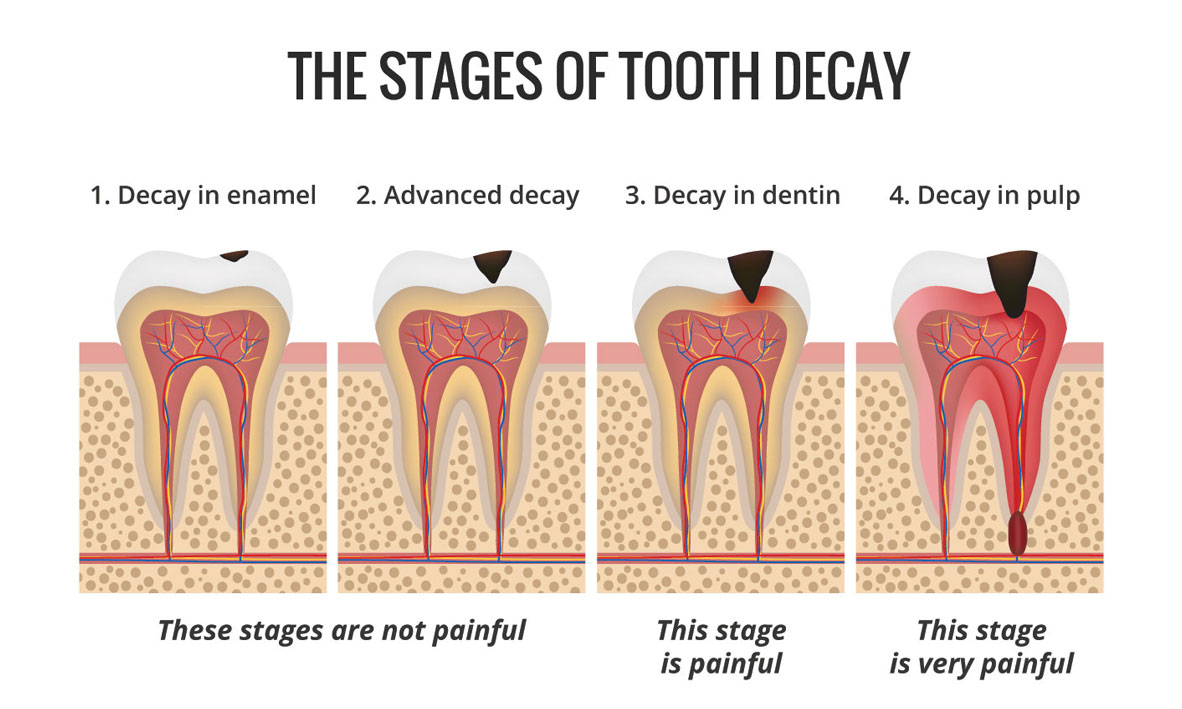
Eating disorders can - and do - take a real toll on the body, but much of this is not easily visible. Not everyone suffering is very obviously painfully thin and will often hide it even if they are with the way they dress. One place where symptoms and signs are more obvious however is the mouth, as eating disorders affect oral health in several significant ways.
One big reason for this is the vomiting that is characteristic of eating disorders. Stomach acid is potent stuff, so the teeth of a person vomits on a very regular basis are often discoloured, or even almost translucent and may appear to be 'wearing away'. They may suffer from very bad breath, bleeding gums, tooth sensitivity, continually chapped lips and more, all of which a routine dental exam will reveal.
If a dentist does suspect an eating disorder problem they are in a great position to gently suggest that the patient begin seeking the right help. They can also help make sure that the damage to the teeth is minimised. As eating disorders are closely tied to image and self-esteem issues it can be very comforting for a recovering person to realise that they may not have damaged their teeth permanently and that like the rest of the body, they can be 'nursed' back to health with the right treatments.
The Emergency Dentist Says:
Eating disorders are a serious issue but something that can be very hard to deal with. Parents who suspect their child may have a problem should consider scheduling them a dentist's appointment, as they should be able to spot the warning signs and help get the patient onto the treatment path they need to be on.

Give Bad Breath The Boot
There are a number of reasons why a person may suffer from bad breath. These are the most common causes...
5 Easy, Effective Ways to Combat a Bad Breath Problem

Bad breath. People who suffer from it are normally either unaware of the fact or truly embarrassed about it. They often wonder just what they should be doing about it, as strong chewing gums and breath sprays only seem to go so far. The good news is though that most cases of halitosis - that's the scientific name for bad breath - can be addressed pretty easily.
What Causes Bad Breath?
There are a number of reasons why a person may suffer from bad breath. The most common include:
- Poor dental hygiene
- Persistent dry mouth
- Tooth decay
- Gum disease
- Smoking
- The consumption of pungent foods (garlic etc.)
- Some medical conditions, including diabetes and acid reflux
In the case of the last item on that list it may be that the person has the best oral hygiene in the world but their health prevents them from having really fresh breath. In these cases a combination of a GP and a dentist's advice and care is called for to address a halitosis, problem. For many people though the issue can be solved with a change of habits and a little more awareness of the fact that the problem exists.
Here are usually very effective ways to combat bad breath:
- Improve Your Dental Hygiene.
Not only do people need to stick to the oft given advice that they brush at least twice a day with a good toothpaste they also need to address two other causes of bad breath due to poor dental hygiene; bacteria and food remnants stuck in the teeth.
It's not that hard to get food stuck in your teeth, but if it's allowed to remain there it will usually begin to rot (sounds horrible but it's true) and smell. Flossing on a daily basis (at least) will help remove stray food particles and bacteria can be addressed with an anti-bacterial mouthwash. Brushing your tongue, as strange as that may sound, will help as well.
- Stay Hydrated.
Dry mouth is another 'leading cause' of bad breath that can be fairly easily addressed. Many people don't realise that they are not drinking enough during the day but it's an easy fix. Get into the habit of sipping from a bottle of water throughout the day and try to consume the equivalent of two litres of water a day.
- Brush After You Eat Stinky Foods.
We could just say stop eating 'stinky' foods to avoid bad breath but, to be fair, there are a lot of great - and even great for you - foods that fall into that category.
A better idea then is to make sure you brush after consuming pungent foods, even when you are away from home. A travel toothbrush and paste isn't hard to fit into a handbag or pocket and these days you can even buy pre-pasted travel brushes relatively inexpensively that are even more convenient.
- Gum Can Be Your Friend.
Chewing gum can be a good way to remove stubborn food particles, keep dry mouth at bay and freshen breath, so yes, the adverts are right, it is always a good idea to keep a pack in your pocket.
- Don't Smoke.
We know, that's easier said than done. If you do still smoke these days despite all of the outside pressure to quit - and there's a lot - chances are you've been struggling to do so. In this case there's no shame in asking your GP or dentist to suggest ways to help, and they'll usually be quite happy to do so.
- Schedule Regular Checkups With Your Dentist.
Some underlying causes of bad breath, like tooth decay and gum disease - really need to be treated by a dentist. By making sure you stick to a regular check up schedule your dentist ill be able to spot - and treat - such problems and then help you tailor your dental hygiene plan to help prevent them from reoccurring.
The Emergency Dentist Says:

Bad breath is no laughing matter, it can really impact your life, especially your social life. In many cases though it's a problem that can be- with the help of your dentist - solved pretty easily.
Patient Care First

Keep Up-To-Date with All Things Oral & General Health
RECENT ARTICLES








For 15 years, we've had one mission - when Sydney has a dental emergency, Emergency Dentist Sydney is there
We're proud to celebrate 15 years of providing emergency dental services to Sydney CBD and surrounding suburbs.