
Our Top Tips Handling Dental Emergencies
What To Do When You Can't See Your Dentist Right Away
What To Do When You Can't See Your Dentist Right Away
Dental emergencies happen all the time, like breaking a tooth from a fall or a painful toothache that won’t go away. Nobody wants to experience these dental situations…especially when it happens outside of business hours. Knowing what to do when you’re in a situation where you can’t see the dentist right away, will help you reduce the risk of further complications. Here are some tips you can use to protect your teeth and gums until you can see an emergency dentist.
Broken Tooth:
Gently clean the area in your mouth with warm water and protect the tooth from exposure to germs by covering it with a sterile gauze. Apply a cold compress to the face if swelling.
Knocked Out Tooth: Pick up the tooth by the crown and do not touch the roots. Rinse off any dirt with water but make sure not to remove any attached tissue fragments. If possible, gently insert the tooth in its socket. If you cannot insert the tooth back in, put the tooth in a cup of milk and take it to your dentist.
Cracked Tooth: Gently clean the area by rinsing with warm water and use a cold compress on your face to reduce any swelling.
Severe Toothache: Rinse your mouth with warm water and gently use a dental floss to ensure there is nothing caught between the teeth. Never put aspirin or any other painkiller against the gums near the aching tooth because it may burn the gum tissue. Visit the dentist even if the ache goes away.
Sore Gums:
This may be a sign of gum disease so immediate treatment is required. Before you contact your dentist, quickly but gently floss and ensure there is nothing caught between the teeth. Rinse gently with warm salt water and never put any painkillers against the infected gums as it may burn the gum tissue.
Broken Braces and Wires: If your wires and brackets are broken, use a soft object like an eraser to gently push the wire back into spot where it doesn’t cause any more discomfort. If you can’t reposition the wire, cover the end with orthodontic wax or a piece of gauze so that it doesn’t bother your gums or soft tissue. Never cut the wire as you could end up swallowing it or breathing it in. Make an appointment to see the dentist so that a more permanent solution will be given.
Objects Caught Between Teeth: Gently use dental floss to remove the object. If object does not come out, call your emergency dentist. Never use a sharp object like a pin to try and get the stuck object out.
Lost Filling: If your filling has fallen out, part of the interior of your tooth will be exposed so temporarily stick a piece of sugarless gum into the cavity. Do not use a sugar filled gum as this will cause immense pain. Another option is to use a dental cement which can be purchased over the counter.
Lost Crown: Temporarily replace the crown by coating the inside of the crown with denture adhesive or toothpaste to help it stay in place. Never use super glue. If you can’t position it in there properly, leave it and take it to your dentist.
Soft Tissue Injuries: Soft tissue injuries include the tongue, cheeks, gums and lips. These injuries can be cuts or swelling and can result in bleeding. To control the bleeding, gently rinse your mouth with salt water to disinfect the cuts. Then use a piece of damp gauze to apply pressure to the areas that are bleeding for 15 – 20 minutes. You can also hold a cool compress on your face to control the swelling. If you are still bleeding badly after 20 minutes, please call your emergency dentist. Continue to hold pressure on the affected area.
A dental emergency can occur at any time and at any place. It is helpful to know these tips just in case these situations arise. Always have an emergency dentist’s contact handy especially when you are travelling abroad. It will definitely save you time while you are trying not to panic. You can also check out our emergency dental care tips on our website.
Emergency Dentist Sydney Says:
Always contact your dentist when you have or think you have a dental emergency. It will make a huge difference to know what to do while you wait to see them.
Does a Toothache Always Equal an Extraction?
Does toothache equal extraction automatically? The answer is a little more complicated than you might think...
Here's The Rundown
You've been up half the night thanks to the pain from that nagging aching tooth. Come to think of it, you were up half of the night before as well. Painkillers from the local chemists aren't even touching the pain anymore and you know you really should book an appointment with a dentist ASAP. But you don't like needles and pain, you're not even that fond of dentists and you really don't want to go through a tooth extraction. So you're stalling...
But does toothache equal extraction automatically? The answer is a little more complicated than you might think...
What's Causing the Pain?
Before you start ringing around dentists in Sydney asking about tooth extraction pricing it's important to understand one thing; tooth pain has lots of different causes and they don't all mean that the first thing a dentist is going to want to do is yank the offending tooth out. In fact, it's probably the last thing they want to do as they actually spent all of those years in dental school learning to save teeth rather than just do extraction after extraction.
Alternatives to Tooth Extraction
Because there are lots of different reasons a tooth might be giving you trouble, there are also lots of ways to treat these problems. If a cavity is the culprit then a simple filling may be the answer. If it's actually a gum infection - something that's more common than you might think - then a good deep cleaning and a course of antibiotics often works wonders. A tooth extraction is not even the automatic recommendation when the pain involves wisdom teeth, whatever you might have been told. And the pain may not really even be coming from a tooth at all.
Getting to the Root of the Problem
As we mentioned, the real key to getting to the root of the problem when it comes to a toothache is a careful, considered dental examination. This will often involve taking x-rays and a chat about your past dental history as well as a routine exam. Only then can a dentist figure out what's really going on and present a patient with their treatment recommendations and options.
Isn't It Just Easier to Get a Bad Tooth Out?
In some cases, the problem that's really been causing a nasty toothache may come along with several different possible treatments options and yes, one of them might be extraction and that may sound like it's the quickest, easiest and possibly least expensive way to go.
However, before you choose that option based on time or money, listen carefully to what your dentist as to say. Every tooth in your head is there for a reason, even those pesky wisdom teeth, and if it's no longer there may very well be downsides you don't really won't 'get' until it's too late and the tooth is gone for good.
The #EmergencyDentist Says:

Don't automatically assume that an aching tooth is one that's going to have to come out. Give us a ring, come in for an appointment after hours, or when needed, and we'll work out the best course of treatment for you and your tooth.
Don't forget to checkout our Dental Emergency Care Tips if you're experiencing discomfort.

Oral Health Tip #01 – Brushing
Brushing your teeth effectively is important to making your twice daily brush count. You may have never been shown how or you might be in need a refresher...
Effective bushing
Brushing your teeth effectively is important to making your twice daily brush count. You may have never been shown how or you might be in need a refresher.
When should I brush my teeth?
Simple rule, when you wake up and before you go to sleep.
Mornings. There is debate as to wether you should brush before or after breakfast. The evidence is bacteria grows while your asleep and responds to the food and their production of acids after you have breakfast. As such, the teeth are softened by the reaction taking place in your mouth. Brushing after this process will remove substances however, brushing before eating will remove most bacteria before this takes place. Best practice is to brush before and rinse after if you feel you need to.
Night time. It is very important to brush before you go to sleep. If you don't, particles from food or drink are left in contact with the teeth and have the whole night to cause permanent damage to your teeth and gums. Brushing before sleep ensures the best possible conditions for your mouth to protect your teeth while you sleep.
How do I brush correctly?
Start on top. First brush the insides. Technique: Circular and forward motioning.
Then brush the outside. Technique: Circular motioning with a mix of soft and hard pressure.
Next brush the biting surfaces. Technique: Firm pressure, back and forth motion.
Repeat these three steps.
Lastly brush your tongue. Technique: Side to side, back and forth.
How long do I brush my teeth?
4 minutes. Most dentists, including The #EmergencyDentist Sydney, agrees 4 minutes of brushing is optimum. Be practical, divide your time between your teeth. 2 minutes for the top, 2 for the bottom. Then, 1 minute each for the back and for the front.
Do I brush first or floss?
We say, floss first. Everyone has a different opinion on this, we take a practical approach.
When you floss you are cleaning in between your teeth and, in most cases, you are moving particles of food from between your teeth to the inside of your mouth or the surfaces of your teeth. We therefore would recommend brushing after doing this. We like to compare it to cleaning under your nails vs washing your hands. Most people would want to wash their hands after removing dirt or other nasty things from under their finger nails. That's our theory.
But there is no concrete evidence to support either order of brushing vs flossing. As long as you are disrupting the happy lives of bacteria who build little communities and multiply on and in between your teeth, you are doing the right thing.
If you do prefer to brush before flossing, we recommend thoroughly rinsing after flossing.
The #EmergencyDentist Says:
Brush before breakfast – It doesn't really matter if your brush before or after you floss

Emergency Dental Care Tips: Cracked Teeth, Tooth
Including Severe or Acute Pain to the Tooth, Teeth, Gums & Mouth...
Emergency Dental Care Tips for Toothache
(Including Severe or Acute Pain to the Tooth, Teeth, Gums & Mouth)

Our general advice:
Rinse out your mouth with warm water to cleanse it.
Take x2 Nurofen, Advil or Ibuprofen then wait 3 hours.
Then take x2 Panadol or Paracetemol then wait 3 hours and repeat step 2.
You can repeat the above steps until you see us, on most occasions you will see us well before you have to do this. (Note: Do Not Apply aspirin directly to the source of the pain)
Patient Care First

Keep Up-To-Date with All Things Oral & General Health
RECENT ARTICLES



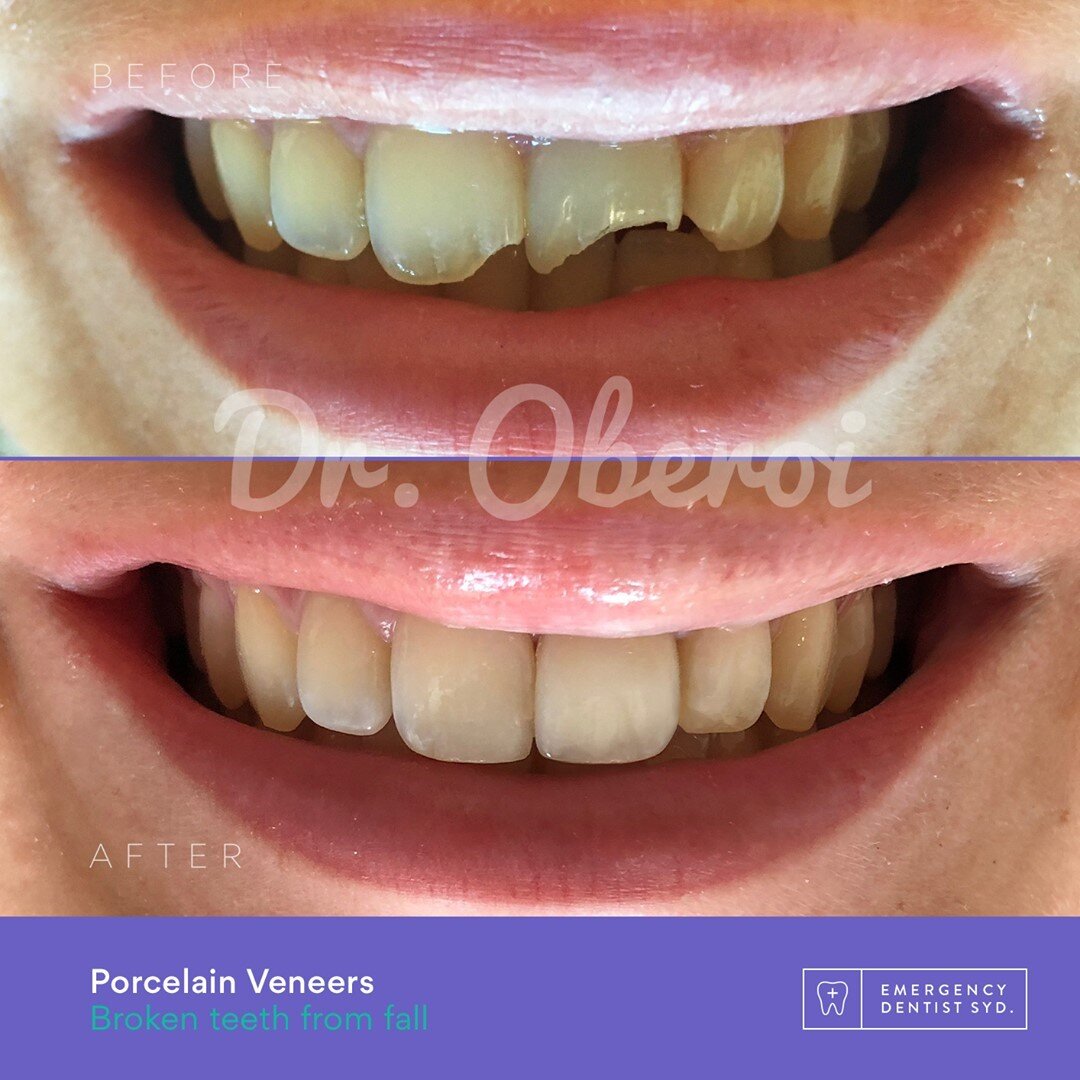




For 15 years, we've had one mission - when Sydney has a dental emergency, Emergency Dentist Sydney is there
We're proud to celebrate 15 years of providing emergency dental services to Sydney CBD and surrounding suburbs.