

Why Do Some Root Canal Treatments Fail?
And Why It Isn’t Your Dentist’s Fault
And Why It Isn’t Your Dentist’s Fault
Root canals aren’t usually people’s favourite procedures. If you have to have one, it means that you’ve probably been in pain or discomfort for a while and have made a trip to an after hours dentist. After all that trouble, you probably think that the root canal should solve everything. But sometimes, your problems will continue after the root canal, meaning that you have to get further treatments. If this happens to you, then you need to know why it happens and why it isn’t always your dentist’s fault.
Why Do You Need a Root Canal?
In basic terms, people need a root canal when the pulp or inside of their tooth has become infected. During a root canal, the nerve and pulp inside your tooth are cleared out and the area is sealed so that bacteria can’t get in there again. To complete the procedure, your dentist will usually put a crown over the top of the tooth to increase its strength and repair its appearance. This procedure usually alleviates any pain immediately because the nerve, the part of your tooth that registers pain, is gone. And once the area has healed, you will be able to go back to your normal eating routine and probably won’t even notice that you ever had the procedure done.
If you have an infected tooth, your dentist will usually try to treat the infection with antibiotics first. However, if the infection has gone too far, if it threatens the health of surrounding tissue, it’s usually better to perform a root canal. Otherwise it can cause problems such as abscesses or pain and infection in other parts of the face and even in the rest of the body.
Some causes of tooth pulp infection include:
A cavity that has been left too long.
A crack or chip that hasn’t been repaired and has let bacteria into the centre of the tooth.
Repeated procedures on a tooth.
Gum infections that have been left untreated and infected a tooth.
Face traumas.
What if the Root Canal Doesn’t Work?
Most people who get a root canal go back to their normal lives without any further problems. In fact, between 90 and 95 percent of root canals are completely successful. However, there are a small percentage of people who aren’t so lucky.
There can be a number of reasons why a root canal may fail. And the first and most common is related to the original infection. As Doctor Oberoi from Emergency Dentist Sydney says about root canals, “If they haven’t been done properly in the first place and the infection is still there they can fail.” That’s why you need to make sure that your root canal is done by a properly qualified and experienced after hours dentist.
Another reason why a root canal may fail has to do with the condition of the tooth itself. Doctor Oberoi points out, “…if there’s a crack in the tooth then it can affect the root canal. That’s why we usually recommend putting a crown over the tooth.”
A root canal may also fail if it isn’t taken care of after the procedure. You need to make sure that you follow your dentist’s instructions closely when it comes to after care. Otherwise the gum or surrounding teeth could become infected, resulting in more dental work.
Emergency Dentist Sydney Says:
If you need a root canal or any other emergency procedure, contact our Emergency Dentist in Sydney. Our caring and expert staff are available 24 hours a day to help you with all your emergency dental needs.

5 Tips To Keep Cavities At Bay
Protect and Prevent
Protect and Prevent
Our teeth have outer coatings called enamel. They are a hard, protective layer but once it is weakened by the different types of foods and drinks we consume, especially junk and acidic foods, a pit forms in or on the tooth surface. This is called a cavity and is the result of tooth decay. Children are very prone to cavities, as they are more likely to miss spots while brushing their teeth. Because of this, many people think only children can get cavities, which is not true. Adults get cavities for the exact same reason but don’t worry, there are many ways to prevent them! Have a read below for our top 5 tips to keep these cavities away for good.
1. Twice Daily Brushing and Flossing
This is a no-brainer, however, what most people don’t know is that the way you brush and what you use to brush are extremely important. Proper brushing includes using short, gentle strokes and paying extra attention to the back teeth. Don’t forget to brush your tongue too! We recommend a toothbrush with soft bristles or an electric toothbrush. Hard bristles will continue to take away the enamel on your teeth. Flossing is also really important as it is the best tool to remove trapped food from in between teeth. Your oral hygiene routine is a very simple yet effective way to prevent tooth decay and it only takes 2 minutes!
2. Mouth Wash
To reduce the amount of bacteria in your mouth after eating or drinking, use an antibacterial mouth rinse. A mouthwash containing fluoride is also another option as it is a natural mineral that strengthens tooth enamel and prevents cavities.
3. Drink More Water
Water is the healthiest drink and staying hydrated helps your body in many ways including your oral health. It’s hard not to drink your favourite soft drink or a fruit juice with your meals. Sorry to say but drinks that are high in sugar or very acidic are bad for your teeth. They take away the enamel on your teeth which will eventually lead to cavities. Our best tip for you is to drink a glass of water after having a cup of coffee, tea or any drink so that it can wash away the acid lingering in your mouth. It can also keep your saliva from becoming too sugary so that the sugars won’t transfer onto your teeth. Another great tip is to use a straw when drinking soft drinks and juices as it will keep the sugar off your teeth and out of your saliva.
4. No Smokes
The health risks related to smoking cigarettes such as cancer are plastered all over cigarette packets and tv ads, however, most people are still unaware of the damages it can cause on your teeth. Smoking cigarettes not only stain your teeth and give you bad breath but can lead to gum disease, tooth loss, and even oral cancer. Cigar smoking and tobacco chewing can also be just as bad. So even though it is difficult to quit, keep trying as it really is better for your health and the people around you.
5. Regular Check-Ups
It is super important to visit your dentist every 6 months for a deep clean. All the built-up plaque and tartar will be removed leaving your teeth and gums feeling fresh but more importantly to prevent any diseases such as gingivitis. For those who can feel a cavity on the way, there are also treatments for that including dental sealants.
Cavity prevention starts at home. Just follow the above tips and you can prevent tooth decay. If you already have a cavity or feel like you do, do not hesitate to call your dentist and make an appointment.
Emergency Dentist Sydney Says:
Your oral health is important so don’t delay any dental check ups and continue brushing your teeth everyday – the proper way.
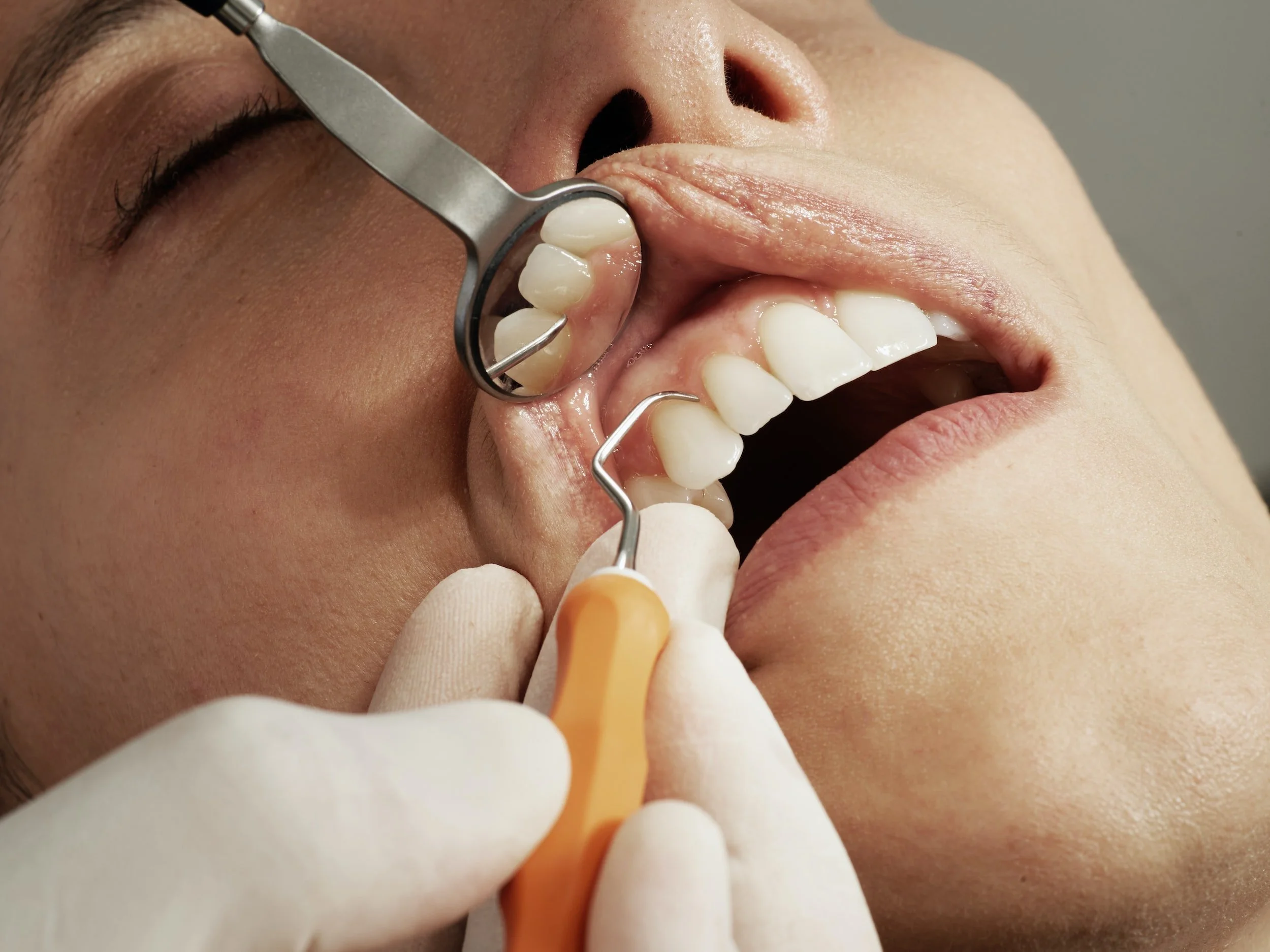
Does a Toothache Always Equal an Extraction?
Does toothache equal extraction automatically? The answer is a little more complicated than you might think...
Here's The Rundown
You've been up half the night thanks to the pain from that nagging aching tooth. Come to think of it, you were up half of the night before as well. Painkillers from the local chemists aren't even touching the pain anymore and you know you really should book an appointment with a dentist ASAP. But you don't like needles and pain, you're not even that fond of dentists and you really don't want to go through a tooth extraction. So you're stalling...
But does toothache equal extraction automatically? The answer is a little more complicated than you might think...
What's Causing the Pain?
Before you start ringing around dentists in Sydney asking about tooth extraction pricing it's important to understand one thing; tooth pain has lots of different causes and they don't all mean that the first thing a dentist is going to want to do is yank the offending tooth out. In fact, it's probably the last thing they want to do as they actually spent all of those years in dental school learning to save teeth rather than just do extraction after extraction.
Alternatives to Tooth Extraction
Because there are lots of different reasons a tooth might be giving you trouble, there are also lots of ways to treat these problems. If a cavity is the culprit then a simple filling may be the answer. If it's actually a gum infection - something that's more common than you might think - then a good deep cleaning and a course of antibiotics often works wonders. A tooth extraction is not even the automatic recommendation when the pain involves wisdom teeth, whatever you might have been told. And the pain may not really even be coming from a tooth at all.
Getting to the Root of the Problem
As we mentioned, the real key to getting to the root of the problem when it comes to a toothache is a careful, considered dental examination. This will often involve taking x-rays and a chat about your past dental history as well as a routine exam. Only then can a dentist figure out what's really going on and present a patient with their treatment recommendations and options.
Isn't It Just Easier to Get a Bad Tooth Out?
In some cases, the problem that's really been causing a nasty toothache may come along with several different possible treatments options and yes, one of them might be extraction and that may sound like it's the quickest, easiest and possibly least expensive way to go.
However, before you choose that option based on time or money, listen carefully to what your dentist as to say. Every tooth in your head is there for a reason, even those pesky wisdom teeth, and if it's no longer there may very well be downsides you don't really won't 'get' until it's too late and the tooth is gone for good.
The #EmergencyDentist Says:

Don't automatically assume that an aching tooth is one that's going to have to come out. Give us a ring, come in for an appointment after hours, or when needed, and we'll work out the best course of treatment for you and your tooth.
Don't forget to checkout our Dental Emergency Care Tips if you're experiencing discomfort.
Patient Care First

Keep Up-To-Date with All Things Oral & General Health
RECENT ARTICLES








For 15 years, we've had one mission - when Sydney has a dental emergency, Emergency Dentist Sydney is there
We're proud to celebrate 15 years of providing emergency dental services to Sydney CBD and surrounding suburbs.