

Give Bad Breath The Boot
There are a number of reasons why a person may suffer from bad breath. These are the most common causes...
5 Easy, Effective Ways to Combat a Bad Breath Problem

Bad breath. People who suffer from it are normally either unaware of the fact or truly embarrassed about it. They often wonder just what they should be doing about it, as strong chewing gums and breath sprays only seem to go so far. The good news is though that most cases of halitosis - that's the scientific name for bad breath - can be addressed pretty easily.
What Causes Bad Breath?
There are a number of reasons why a person may suffer from bad breath. The most common include:
- Poor dental hygiene
- Persistent dry mouth
- Tooth decay
- Gum disease
- Smoking
- The consumption of pungent foods (garlic etc.)
- Some medical conditions, including diabetes and acid reflux
In the case of the last item on that list it may be that the person has the best oral hygiene in the world but their health prevents them from having really fresh breath. In these cases a combination of a GP and a dentist's advice and care is called for to address a halitosis, problem. For many people though the issue can be solved with a change of habits and a little more awareness of the fact that the problem exists.
Here are usually very effective ways to combat bad breath:
- Improve Your Dental Hygiene.
Not only do people need to stick to the oft given advice that they brush at least twice a day with a good toothpaste they also need to address two other causes of bad breath due to poor dental hygiene; bacteria and food remnants stuck in the teeth.
It's not that hard to get food stuck in your teeth, but if it's allowed to remain there it will usually begin to rot (sounds horrible but it's true) and smell. Flossing on a daily basis (at least) will help remove stray food particles and bacteria can be addressed with an anti-bacterial mouthwash. Brushing your tongue, as strange as that may sound, will help as well.
- Stay Hydrated.
Dry mouth is another 'leading cause' of bad breath that can be fairly easily addressed. Many people don't realise that they are not drinking enough during the day but it's an easy fix. Get into the habit of sipping from a bottle of water throughout the day and try to consume the equivalent of two litres of water a day.
- Brush After You Eat Stinky Foods.
We could just say stop eating 'stinky' foods to avoid bad breath but, to be fair, there are a lot of great - and even great for you - foods that fall into that category.
A better idea then is to make sure you brush after consuming pungent foods, even when you are away from home. A travel toothbrush and paste isn't hard to fit into a handbag or pocket and these days you can even buy pre-pasted travel brushes relatively inexpensively that are even more convenient.
- Gum Can Be Your Friend.
Chewing gum can be a good way to remove stubborn food particles, keep dry mouth at bay and freshen breath, so yes, the adverts are right, it is always a good idea to keep a pack in your pocket.
- Don't Smoke.
We know, that's easier said than done. If you do still smoke these days despite all of the outside pressure to quit - and there's a lot - chances are you've been struggling to do so. In this case there's no shame in asking your GP or dentist to suggest ways to help, and they'll usually be quite happy to do so.
- Schedule Regular Checkups With Your Dentist.
Some underlying causes of bad breath, like tooth decay and gum disease - really need to be treated by a dentist. By making sure you stick to a regular check up schedule your dentist ill be able to spot - and treat - such problems and then help you tailor your dental hygiene plan to help prevent them from reoccurring.
The Emergency Dentist Says:

Bad breath is no laughing matter, it can really impact your life, especially your social life. In many cases though it's a problem that can be- with the help of your dentist - solved pretty easily.
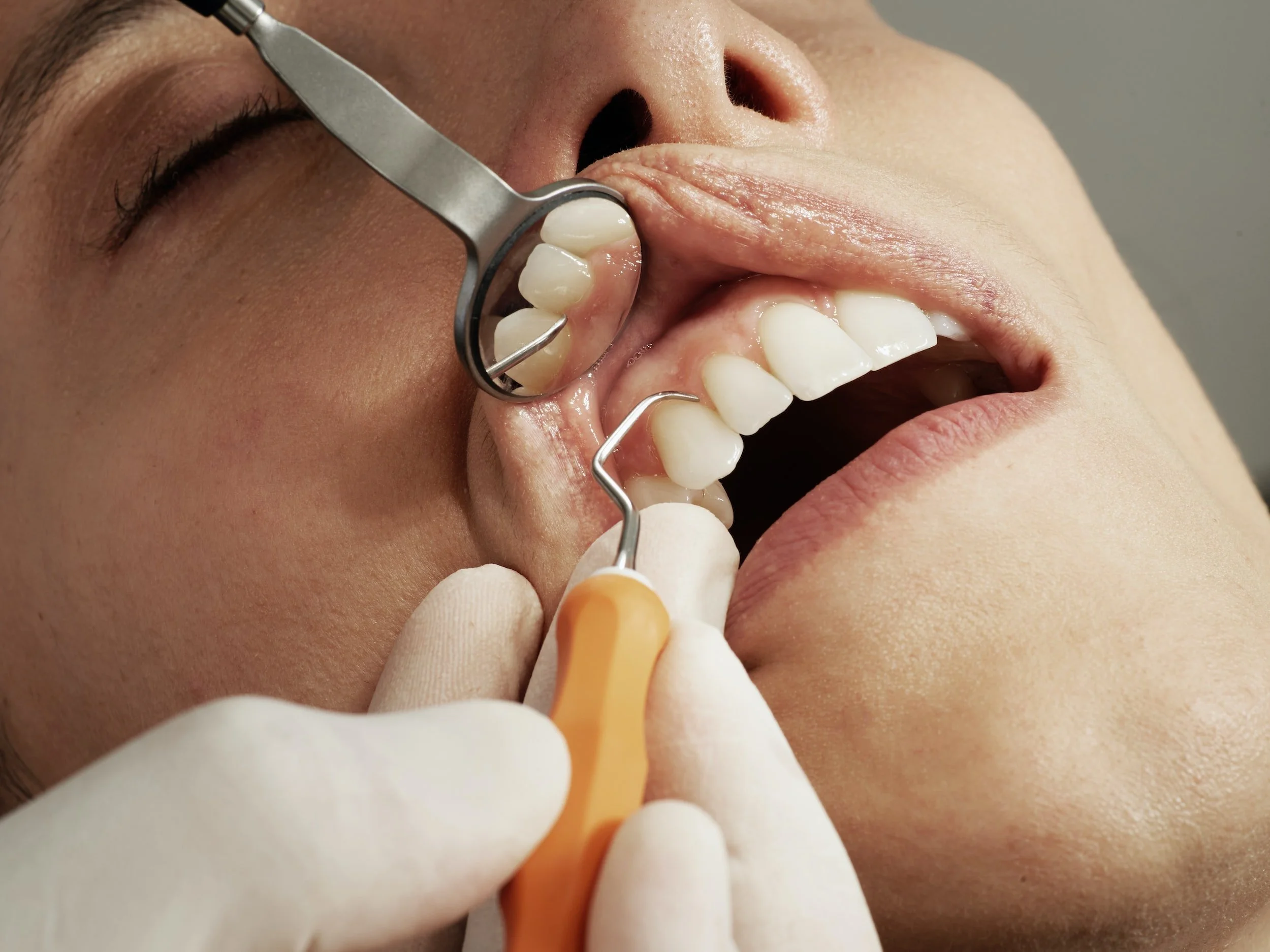
Does a Toothache Always Equal an Extraction?
Does toothache equal extraction automatically? The answer is a little more complicated than you might think...
Here's The Rundown
You've been up half the night thanks to the pain from that nagging aching tooth. Come to think of it, you were up half of the night before as well. Painkillers from the local chemists aren't even touching the pain anymore and you know you really should book an appointment with a dentist ASAP. But you don't like needles and pain, you're not even that fond of dentists and you really don't want to go through a tooth extraction. So you're stalling...
But does toothache equal extraction automatically? The answer is a little more complicated than you might think...
What's Causing the Pain?
Before you start ringing around dentists in Sydney asking about tooth extraction pricing it's important to understand one thing; tooth pain has lots of different causes and they don't all mean that the first thing a dentist is going to want to do is yank the offending tooth out. In fact, it's probably the last thing they want to do as they actually spent all of those years in dental school learning to save teeth rather than just do extraction after extraction.
Alternatives to Tooth Extraction
Because there are lots of different reasons a tooth might be giving you trouble, there are also lots of ways to treat these problems. If a cavity is the culprit then a simple filling may be the answer. If it's actually a gum infection - something that's more common than you might think - then a good deep cleaning and a course of antibiotics often works wonders. A tooth extraction is not even the automatic recommendation when the pain involves wisdom teeth, whatever you might have been told. And the pain may not really even be coming from a tooth at all.
Getting to the Root of the Problem
As we mentioned, the real key to getting to the root of the problem when it comes to a toothache is a careful, considered dental examination. This will often involve taking x-rays and a chat about your past dental history as well as a routine exam. Only then can a dentist figure out what's really going on and present a patient with their treatment recommendations and options.
Isn't It Just Easier to Get a Bad Tooth Out?
In some cases, the problem that's really been causing a nasty toothache may come along with several different possible treatments options and yes, one of them might be extraction and that may sound like it's the quickest, easiest and possibly least expensive way to go.
However, before you choose that option based on time or money, listen carefully to what your dentist as to say. Every tooth in your head is there for a reason, even those pesky wisdom teeth, and if it's no longer there may very well be downsides you don't really won't 'get' until it's too late and the tooth is gone for good.
The #EmergencyDentist Says:

Don't automatically assume that an aching tooth is one that's going to have to come out. Give us a ring, come in for an appointment after hours, or when needed, and we'll work out the best course of treatment for you and your tooth.
Don't forget to checkout our Dental Emergency Care Tips if you're experiencing discomfort.
Patient Care First

Keep Up-To-Date with All Things Oral & General Health
RECENT ARTICLES




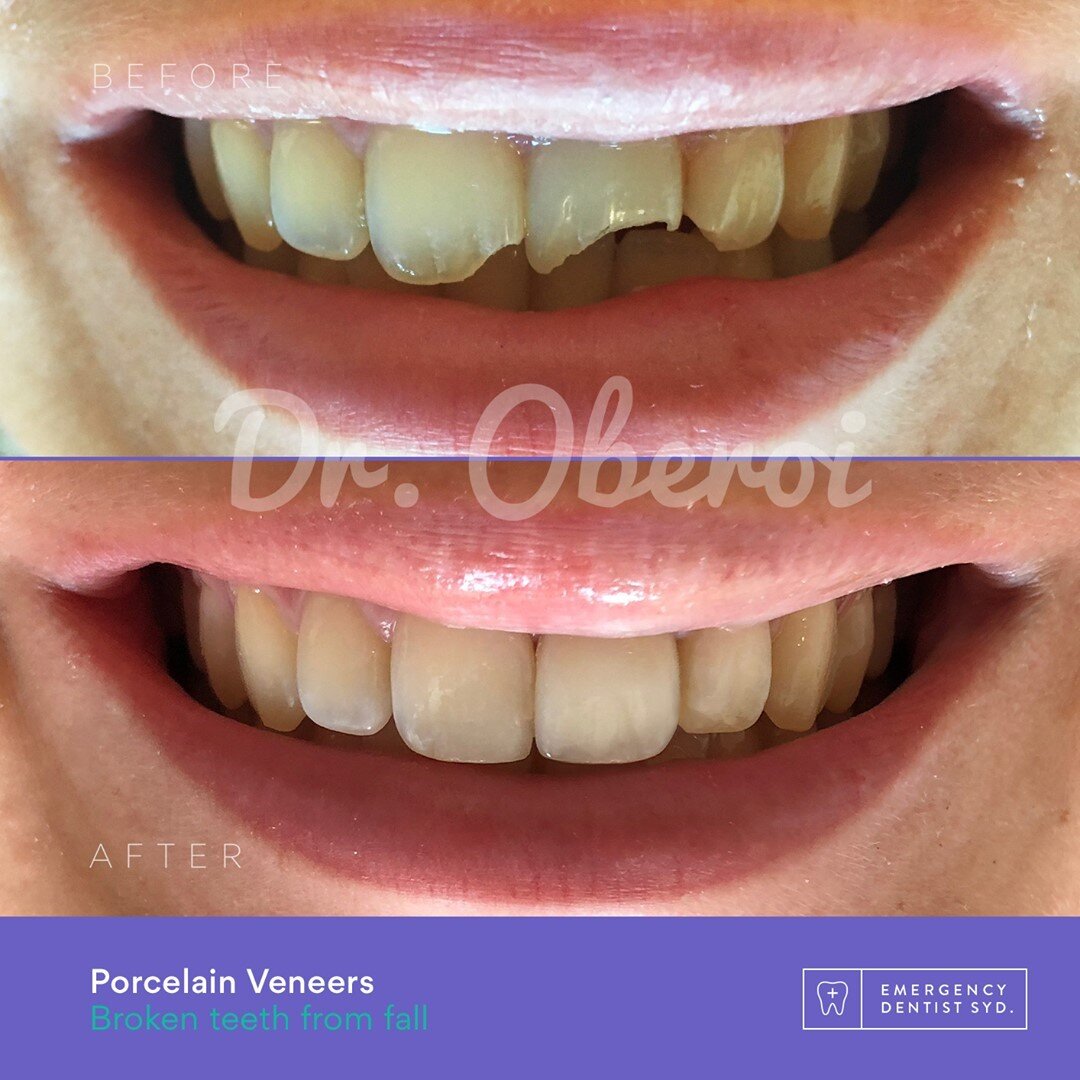




For 15 years, we've had one mission - when Sydney has a dental emergency, Emergency Dentist Sydney is there
We're proud to celebrate 15 years of providing emergency dental services to Sydney CBD and surrounding suburbs.