

Common Causes and Solutions For Sore Gums
Common Causes and Solutions For Sore Gums
How your dentist can help alleviate gum pain
Sore gums are a very common reason for a trip to your after hours dentist. Gums are a surprisingly sensitive tissue, and any problems there can result in almost unbearable pain and discomfort. They can also make it hard for you to eat or drink and threaten the health and existence of your teeth. So, if you’re concerned about this problem, here are some common causes and treatments.
Gingivitis and Periodontitis
When you have a build up of bacteria on your teeth it can cause inflammation. This is known as gingivitis and it can cause sore gums, bleeding during brushing, and swelling. If left untreated, it can also progress to periodontitis, also known as gum disease. Once it gets to this stage, the infection will be severe enough to threaten the tissue around the teeth and may even cause tooth loss.
If you have gingivitis or gum disease, it’s important that you visit your dentist as soon as possible. They’ll be able to diagnose the problem and design a treatment plan depending on the extent of the damage and your overall oral health. In the meantime, make sure you brush twice a day and floss every day to improve your oral health and help fight gum inflammation.
Hormonal Changes
Changes in hormone levels can seriously affect the health of your gums. So, if you’re experiencing puberty, pregnancy, menstruation, menopause, or taking birth control pills, you can expect some changes in your teeth. Low hormone levels in particular are problematic because they can cause dry mouth or bone loss.
This is an issue that you will need to see your doctor about. They will be able to design a treatment plan to correct fluctuating hormone levels, which will also help to improve your oral health. However, it’s also important that you see your dentist during this stage to prevent your fluctuating hormones from causing damage to your teeth.
Canker Sores and Mouth Ulcers
Canker sores and mouth ulcers are fairly similar sores that can occur anywhere in your mouth. They’re painful, circular growths that are usually harmless and don’t usually affect the health of your teeth. They’re one of the most common causes of gum pain as they expose the nerves in the gum to the outside air. There are a range of things that can cause mouth ulcers and canker sores, including:
Injuries to the tissue, such as when you bite the inside of your cheek.
Burns from hot food or drink.
Rubbing against new dental work.
Viruses such as colds, flus, and herpes.
Vitamin deficiencies.
Stress.
A hereditary predisposition.
Most sores of this type will clear on their own within a couple of weeks. However, you can speed up the healing process with some help from your dentist. They may prescribe a mouth rinse containing steroid dexamethasone to reduce the pain and inflammation or one that includes lidocaine. Topical treatments such as gels or creams applied directly to the sore can also help, and you can take oral treatments for severe sores that linger too long.
If you have a sore or ulcer that just won’t go away, see your dentist immediately for advice, just in case it’s something more troubling.
Dental Work
Badly fitted dental work such as dentures, braces, or bridges can also cause sore gums. That’s why it’s so important that you have any dental work performed by a properly trained and experienced dentist. Some soreness after dental work is normal. But if the pain lingers or gets worse, make sure you contact your after hours dentist for advice and help.
Stress
Stress is a serious threat to your oral health in a number of ways. For starters, it’s a common reason why people neglect their dental hygiene routine, which can lead to cavities, decay, gum disease, and toothaches. People who are stressed are also more likely to grind their teeth and develop other stress habits that will cause gum pain and threaten their oral health.
If you’re stressed, it’s important that you find health ways to alleviate or reduce your stress levels. Also, make sure you get a check-up with your dentist during this period to ensure that it isn’t cause problems for your oral health.
Health Conditions
There are a range of seemingly unrelated health conditions that can cause gum pain including diabetes and cancer. Certain medications to fight disease can also bring on gum pain because they can reduce saliva production. Saliva is designed to protect your teeth and your gums, so when you have dry mouth, you’ll be more prone to cavities and gum disease.
Age Related Changes
Once you’re over the age of forty, your mouth will start to change. One of the key changes that a lot of people notice during this stage is receding gums. Your gums are designed to protect the softer tissue at the roots of your teeth. So, when the gums recede, these defenceless structures are exposed. This can cause the following issues:
An increased risk of decay because the roots aren’t protected by enamel.
Soreness due to increased sensitivity to hot and cold.
Loose or shifting teeth that are harder to keep clean.
Your dentist will be able to diagnose and help with these kinds of problems as long as you make an appointment early, before any permanent damage occurs. So, if your gums look like they’re receding, see your dentist as soon as possible to discuss your options.
Emergency Dentist Sydney Says:
If you have a dental emergency, contact our Emergency Dentist in Sydney. Our caring and expert staff are available 24 hours a day to help you with all your emergency dental needs.
Need Advice Or Emergency Dental Care In Sydney CBD?
Contact our friendly team


How is Pain Relieved in Dental Emergencies?
Why Your Dentist Can Help Immediately
Why Your Dentist Can Help Immediately
Dental pain can be scary. You’ll probably worry about the cause, about the treatment, and about how long you’ll have to tolerate the discomfort. But the one thing you don’t have to worry about is whether an after hours dentist can help. Your dentist has a variety of treatments that can alleviate your pain almost immediately. And this is the best strategy for allowing you to get back to your regular schedule once more.
About Dental Pain
Dental emergencies can happen anytime and without warning. This will usually be accompanied by pain, which can feel like the following:
General mouth pain which is hard to localise.
Sharp pain like someone’s stabbing at your tooth or gum.
Throbbing pain that’s like a heartbeat in your tooth.
Low grade pain that spikes when you eat or drink anything.
If you experience this type of pain and you can’t get to your after hours dentist immediately, there are some easy, short term ways to deal with the pain. According to Dr. Oberoi from Emergency Dentist Sydney, “Nurofen and Panadol are the best options for pain relief in the short term.” This will allow you to cope until you can get the problem fixed.
Common Causes of Dental Pain
There are a number of things that can cause dental pain including the following:
Tooth decay.
A broken filling.
A tooth abscess.
Infected gums.
Damage from repetitive movements such as grinding or chewing.
Pain Relief Options in Dental Emergencies
Once you get to an after hours dentist, they have a lot of options that will help relieve your pain during dental emergencies. These can be used to make your dental appointment much more pleasant and to relieve ongoing pain as the problem heals.
The most effective option for removing the pain caused by a toothache according to Dr. Oberoi is, “By removing the infection and draining it, and then treating the infection through antibiotics, this is the best way to treat pain.” This will remove the source of the pain itself, rather than masking it.
However, if your pain isn’t caused by infection, there are a number of options that your dentist can use to alleviate your pain while they treat the problem. Some of the most effective solutions are:
Local anaesthesia, which is used for simpler procedures such as fillings and root canals.
Happy gas, which can alleviate pain and anxiety during most types of dental procedures.
IV sedation, which is most commonly used for more complex procedures such as wisdom teeth extractions.
Oral sedation, which is used most often for anxious patients.
Emergency Dentist Sydney Says:
There’s no reason for you to be in pain when your dentist can fix it so easily. So if you do experience it, contact our Emergency Dentist in Sydney. Our caring and expert staff are available 24 hours a day to help you with all your emergency dental needs.

I Have an Abscess
So You Have an Abscess. What Does That Mean?
So You Have an Abscess. What Does That Mean?
Your mouth is a sensitive and delicate area which is why there are so many things that can go wrong if poorly treated. Dental hygiene is vitally important as well as visiting your dentist regularly. One very major mouth problem is abscesses. If your mouth or jaw is aching and there is swelling and pain, you may have an abscessed tooth. Here is a guide on everything you need to know about abscesses.
What is an Abscess?
An abscessed tooth is an infection within a tooth. It is a pocket of pus that forms at different regions of the tooth and for different reasons. A gingival abscess (gum abscess) occurs on the surface of the tissue at the gum line of the teeth. If left untreated, it can lead to a periodontal abscess which the abscess on the tissue of the gum line drives deeper into the gum pockets. A periapical abscess commences in the soft pulp of the tooth, which later on will travel down to the nerves of the tooth.
Wherever the location of your abscess, it will become inflamed and can swell severely, obstructing your ability to chew or swallow properly. The abscess will keep growing and causing more pain so it is important to visit your dentist as soon as these symptoms occur.
Other symptoms of an abscess usually include:
A reddened area around the site
A bad taste in your mouth
Swollen face
Sensitive teeth to hot or cold food and drinks
Swollen glands in the neck
A pea-sized bump inside the mouth
As your condition advances, you may experience other symptoms such as a fever, vomiting, chills or nausea.
Where Do They Come From?
An abscess usually occurs because of poor dental health. Your mouth naturally contains bacteria but when your teeth are not regularly cleaned well, plaque will form on your teeth and gums, resulting in infections and decay. Other possible causes include:
Gum disease (gingivitis)
Dental injury (cracked tooth)
A poor diet
Some medications
Neglecting small wounds in the mouth or surgical sites from previous dental visits.
How Can They Be Treated?
If you have an abscess, you need to visit your dentist immediately. This is especially important if you feel sick or have any other symptoms of an advanced infection. The treatment depends on the seriousness of your condition but usually your dentist will drain the site to get rid of the pus and give you painkillers and antibiotics to combat the infection. A root canal treatment can also be carried out. A tooth extraction only happens if it is a severe infection of the tooth that cannot be saved.
If your abscess ruptures at home, before you can get to the dentist, rinse with warm water to help clear out all the pus and see your dentist as soon as possible.
Why You Shouldn't Delay Treatment
Waiting for the pain to subside or delaying treatment is the last thing you want to do. The pain may stop but that doesn’t stop the infection. The infection will continue to spread, leading to bigger problems. Early treatment can cure the infection and save the tooth.
Emergency Dentist Sydney Says:
If you suspect an abscessed tooth, it is crucial to visit a dentist as soon as possible, even if you are not in any more pain.
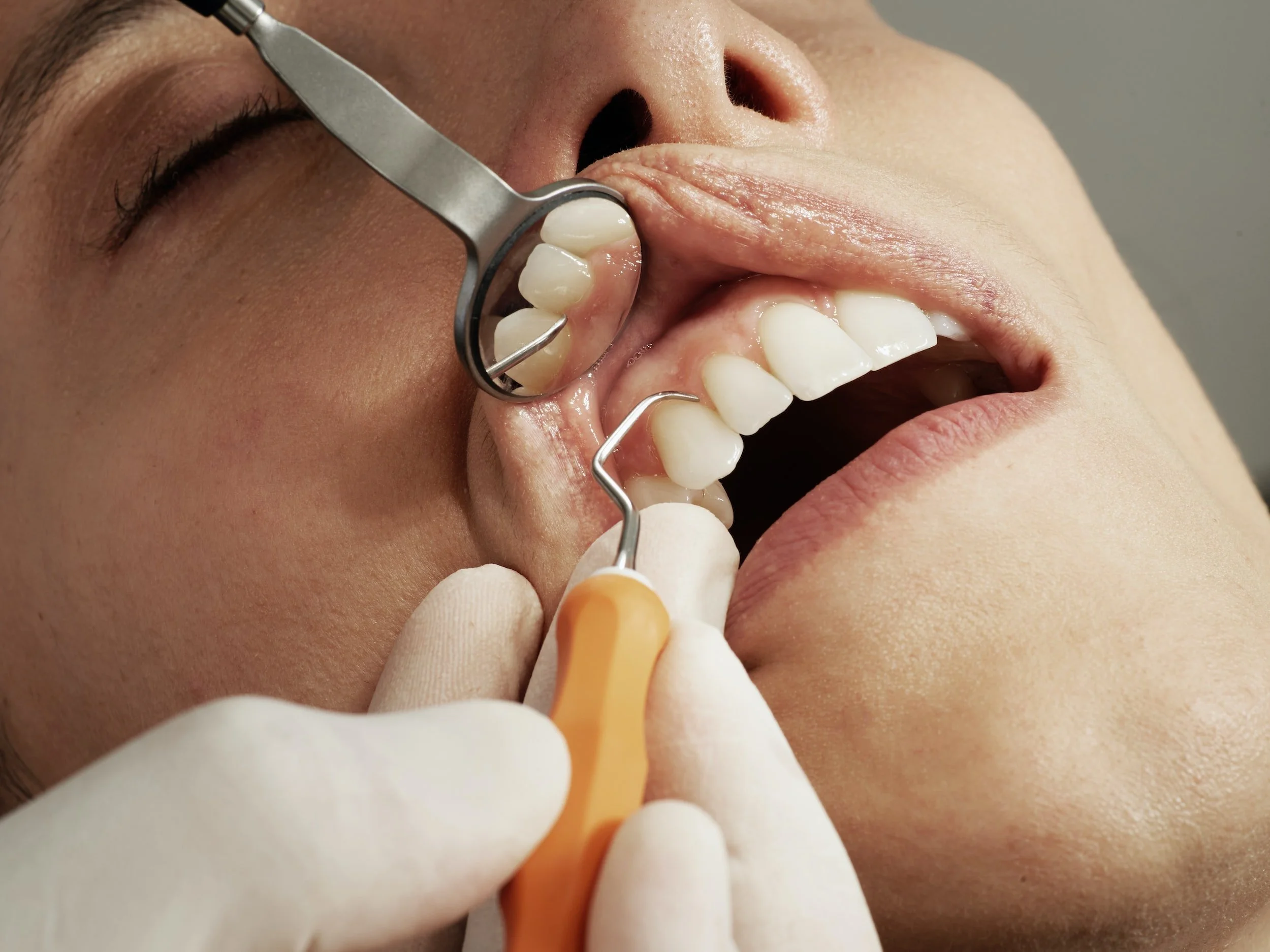
Does a Toothache Always Equal an Extraction?
Does toothache equal extraction automatically? The answer is a little more complicated than you might think...
Here's The Rundown
You've been up half the night thanks to the pain from that nagging aching tooth. Come to think of it, you were up half of the night before as well. Painkillers from the local chemists aren't even touching the pain anymore and you know you really should book an appointment with a dentist ASAP. But you don't like needles and pain, you're not even that fond of dentists and you really don't want to go through a tooth extraction. So you're stalling...
But does toothache equal extraction automatically? The answer is a little more complicated than you might think...
What's Causing the Pain?
Before you start ringing around dentists in Sydney asking about tooth extraction pricing it's important to understand one thing; tooth pain has lots of different causes and they don't all mean that the first thing a dentist is going to want to do is yank the offending tooth out. In fact, it's probably the last thing they want to do as they actually spent all of those years in dental school learning to save teeth rather than just do extraction after extraction.
Alternatives to Tooth Extraction
Because there are lots of different reasons a tooth might be giving you trouble, there are also lots of ways to treat these problems. If a cavity is the culprit then a simple filling may be the answer. If it's actually a gum infection - something that's more common than you might think - then a good deep cleaning and a course of antibiotics often works wonders. A tooth extraction is not even the automatic recommendation when the pain involves wisdom teeth, whatever you might have been told. And the pain may not really even be coming from a tooth at all.
Getting to the Root of the Problem
As we mentioned, the real key to getting to the root of the problem when it comes to a toothache is a careful, considered dental examination. This will often involve taking x-rays and a chat about your past dental history as well as a routine exam. Only then can a dentist figure out what's really going on and present a patient with their treatment recommendations and options.
Isn't It Just Easier to Get a Bad Tooth Out?
In some cases, the problem that's really been causing a nasty toothache may come along with several different possible treatments options and yes, one of them might be extraction and that may sound like it's the quickest, easiest and possibly least expensive way to go.
However, before you choose that option based on time or money, listen carefully to what your dentist as to say. Every tooth in your head is there for a reason, even those pesky wisdom teeth, and if it's no longer there may very well be downsides you don't really won't 'get' until it's too late and the tooth is gone for good.
The #EmergencyDentist Says:

Don't automatically assume that an aching tooth is one that's going to have to come out. Give us a ring, come in for an appointment after hours, or when needed, and we'll work out the best course of treatment for you and your tooth.
Don't forget to checkout our Dental Emergency Care Tips if you're experiencing discomfort.
Patient Care First

Keep Up-To-Date with All Things Oral & General Health
RECENT ARTICLES








For 15 years, we've had one mission - when Sydney has a dental emergency, Emergency Dentist Sydney is there
We're proud to celebrate 15 years of providing emergency dental services to Sydney CBD and surrounding suburbs.