
Is Immediate Pain Relief Always Possible?
What to Expect When You Visit Your Dentist with a Painful Problem
What to Expect When You Visit Your Dentist with a Painful Problem
If you’ve ever had a toothache then you know how uncomfortable it can be. In fact, this is probably the most common complaint that sends people to an after hours dentist. If you experience dental pain, you might worry about how much your dentist can actually help with it. After all, how much can they do apart from give you painkillers? Well, they can actually do a lot more than give you some tablets. To understand all the ways your dentist can alleviate your dental pain, keep reading.
Causes of Dental Pain
There are a number of things that can cause dental pain and send you to the after hours dentist. Some of the most common are:
Tooth decay or a cavity.
A cracked tooth.
An abscess.
Damaged dental work such as a broken filling or crown.
Gum disease.
Infection.
Damage or strain caused by repetitive movements such as grinding or chewing.
Dental Solutions to Pain
If you’re suffering from dental pain, the first thing your dentist will do is treat the problem. So if you have a cavity, they will put a filling in. If you have an infection, they will treat the cause of the infection and clean the infected tissue. This will help to completely eliminate the cause of the pain, prevent further problems, and return you to normal functioning again. There are a number of options that your dentist can offer for pain relief including oral medication, laughing gas, and IV sedation.
How Long Until You’re Pain Free?
In most cases, your dentist can eliminate your pain almost immediately with the three different pain options available in the clinic. Once the pain is alleviated, the source of the pain can be treated. This will eliminate the pain at its source so you’re comfortable once the painkillers wear off. If the pain returns after the treatment, then it means you need to visit your after hours dentist again.
As Dr. Oberoi from Emergency Dentist Sydney says, “If the pain gets worse or comes back it means that something has gone wrong or the issue hasn’t been addressed.” So talk to your dentist if you experience any further problems.
The only real exception to this is if you have a severe infection. Dr. Oberoi warns that, “In terms of pain relief we try and alleviate the pain straight away, and a lot of times we can. But in the case of severe infection it can take 24 to 48 hours for the pain to go away completely.” Which is all the more reason to visit your dentist before a problem gets to this stage.
What About Surgical Pain?
If you have some kind of dental surgery there will be some pain and discomfort afterwards. This is the case for any type of surgery, and it can usually be treated with over the counter pain medication. But you can also minimise your discomfort by choosing the right dentist for the surgery.
Dr. Oberoi states, “It depends on how the surgery is done. If the surgeon is careful to cause little trauma, then there’s less pain. That’s why it’s important to get the right people for your dental surgery.” So before you have any dental surgery, make sure that your dentist is well trained and experienced. That will help ensure that you have the best outcome possible from the procedure and it will cut down on your recovery time as well.
Emergency Dentist Sydney Says:
If you’re experiencing dental pain, contact Emergency Dentist Sydney. Our caring and expert staff are available 24 hours a day to help you with all your emergency dental needs.

What Does a Dental Emergency Look Like?
Tooth Pain
Tooth Pain
Pain generally is a sensation, usually protective, that gives the body a warning sign, showing that something is wrong. It could be mild and bearable and sometimes extreme and highly unbearable. For tooth pain, it has been recorded to be the second most painful sensation in the human body. Due to its gradual progression, many people decide to overlook it and don't seem it fit to handle it as an emergency case not until it graduates to being unbearable. It is at this time that they start finding it difficult to sleep at night, the pain wakes them up and causes gross discomfort for them. Then, they decide to consult their dentist.
Symptoms of Tooth Pain
The signs that show that you have tooth pain and not just any other kind of pain are:
Sensitivity to hot or cold food and liquid
Sensitivity to hot or cold foods after dental treatment
Sharp pain when biting down on food
Lingering pain after eating hot or cold foods and liquids
Dull ache and pressure in the upper teeth and sinus area of one or both sides
Acute pain from an area, but difficult to pinpoint the pain location
Causes of Tooth Pain
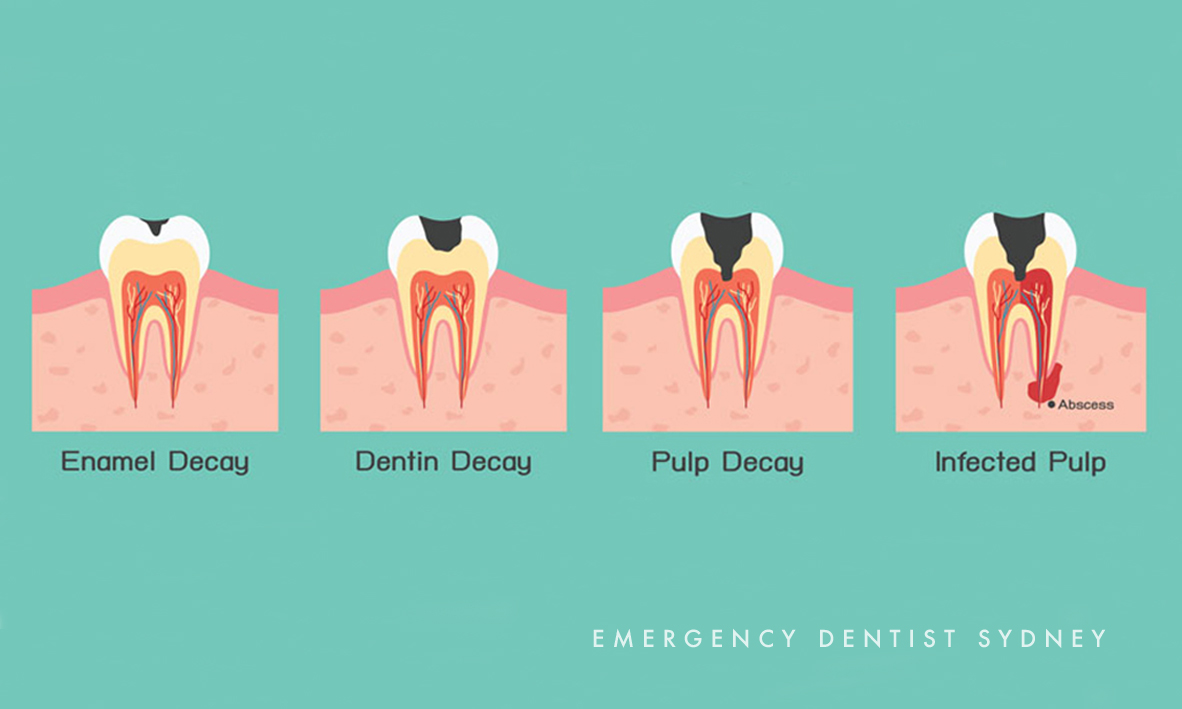
Tooth pain usually result from pain in the tooth or jaws. They can be divided into Dental and Non-Dental causes:
1. Dental Causes
Tooth Damage: It is very common for tooth damage to cause tooth pain. A broken or chipped tooth due to trauma can cause pain to the tooth. A damaged filling, crown or dental implant can also trigger tooth pain. Your dentist will fix this problem with a new crown or filling.
Tooth Decay: This is another common cause of tooth pain with several degrees of seriousness. A cavity can eventually occur in your tooth if you leave your tooth decay untreated. These cavities can grow larger and can be very painful particularly when it gets to the nerve ending. Abscesses happen when the infection reaches the nerve and pulp inside the tooth. Your dentist will usually drain the site to get rid of the pus and give you painkillers and antibiotics to combat the infection.
Gum Disease: Gingivitis left untreated results in periodontitis, also known as gum disease. This is usually associated with redness or swelling of the gum which can be due to plaque accumulation in the area. Tooth pain as well as gum pain are symptoms of gum disease. If you are at the gingivitis stage, your dentist will clean your teeth and gums to remove the plaque buildup. If the gingivitis has led to periodontitis, a root canal treatment may be required.
2. Non-Dental Causes
Sinus Pain Infection: Sinus infection usually causes pain in the tooth, particularly the upper back corners of the mouth. If sinus infections are a regular thing for you, you may have notices a pain in your teeth located near the sinus cavities. Decongestants or other sinus relieving medications may be able to help you, just ask your doctor for advice on these medications.
Heart Attack: Pain from a heart attack can radiate into the lower jaw.
Diabetes: Uncontrolled blood sugar increases your risk for tooth decay which will lead to tooth pain.
Drug Abuse: Abnormal use of some drugs such as Methamphetamine can cause tooth pain.
Vitamin Deficiency: Low level of Vitamin B12 in the body usually causes tooth pain.
Treatment of Tooth Pain
Practising good oral hygiene is always the number one prevention method.
If your tooth pain is unbearable and it is associated with a fever or any other pain, don't delay your visit to the dentist. Do not self-medicate so as not to complicate issues for yourself.
Emergency Dentist Sydney Says:
Tooth pain should be considered an emergency situation and the need to visit a dentist as quickly as possible should not be delayed. Our dentists will help you with a treatment so you walk out pain free.

What's The Point of Wisdom Teeth Anyway
The evolution of wisdom teeth...
The Evolution of Wisdom Teeth

With such a grand sounding name you'd think that wisdom teeth served a grand purpose in the scheme of things related to your oral health. And, once upon a time, it's believed they certainly did. These days, however, for many people, they are nothing more than a big pain, literally.
What are Wisdom Teeth Anyway?
Although you may not have ever actually seen yours very clearly, everyone has two sets of wisdom teeth, one at the top, one at the bottom, at the very back of your mouth, behind the molars. These teeth often appear last, sometimes when a person is in their teens, occasionally not until some time later.

Why Do Wisdom Teeth Exist?
Wisdom teeth were once something of a puzzle to dentists and other medical professionals. It's now generally agreed however that they are evolutionary throwbacks that no longer serve the purpose they were designed for.
You see, back when prehistoric man - and woman - roamed the Earth their primary diet was, obviously, very different to ours. Lacking a cave-based Woolworths to food shop in they ate a lot of pretty tough, chewy stuff, including sticks and reed plants. This usually led to teeth falling out and wearing down, so wisdom teeth could move in as replacements.
As we all know eat much softer foods, and (should) practice much better oral hygiene wisdom teeth no longer have a purpose. The human mouth is designed to accommodate 28 teeth, so if the wisdom teeth come in, that goes up to 32 and then there's a problem, often a rather painful one.
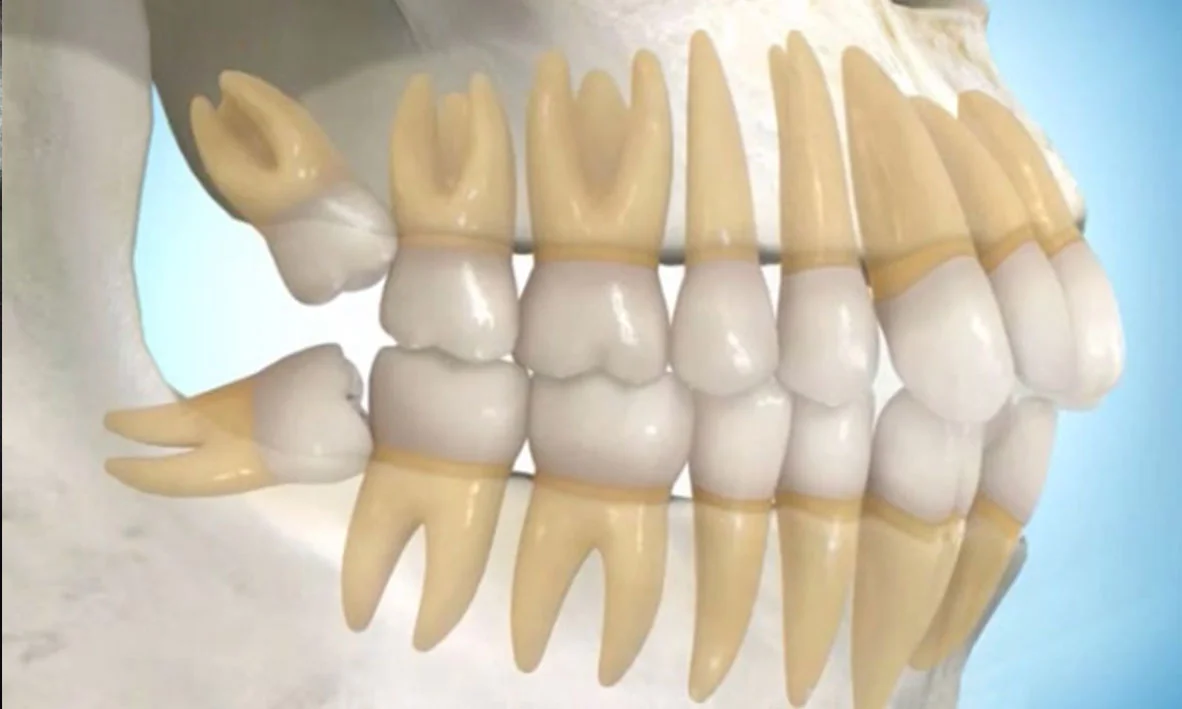
Partially impacted wisdom teeth.
Wisdom Tooth Eruption Problems
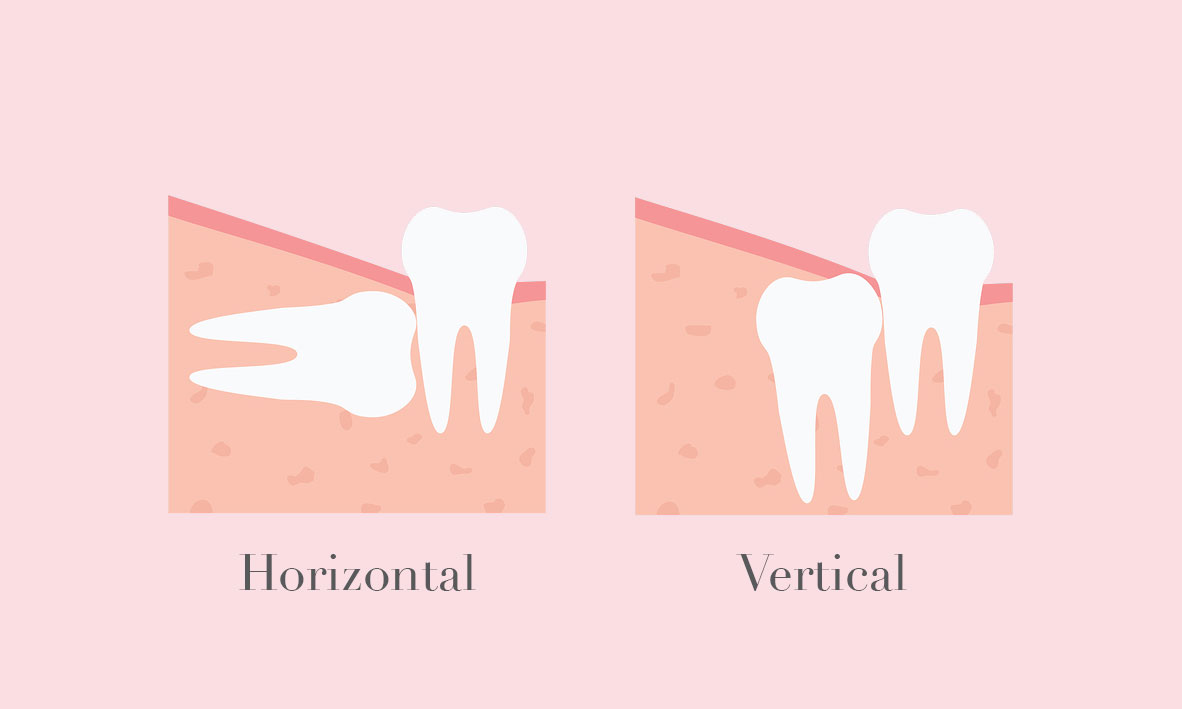
As there is no room for them to exist, it is not very common for a wisdom tooth to erupt nice and straight and then slide in without a problem. Instead, they usually impact, or partially impact, in the gum. There are four common types of wisdom tooth eruption (or lack of) and they break down as follows:
Angular - The wisdom tooth impacts into the gum, behind the molar, at an angle.
Vertical - The wisdom tooth is still straight, but it simply sits in the gum.
Partial Eruption - The tooth partially erupts from the gum and can be seen with the naked eye if you look hard enough.
Horizontal - The tooth 'falls over' and impacts sideways against the adjoining molar.
Wisdom Tooth Problems and What to Do About Them
In any of the scenarios mentioned above the potential for painful problems exists at all times, but sadly it's often at the most inconvenient times that they really become a nuisance. Signs that you probably need to see a dentist about a wisdom tooth can include all the following:
Pain, often centered at the back of the mouth
Swelling in the gum
Bad taste in the mouth
Redness
As an impacted wisdom tooth can cause all kinds of problems, including nasty infections, the usual course of action when one does begin to cause problems is to remove it asap. If the tooth has erupted it is an easier procedure than if it has become impacted but either way, in the hands of good dentist wisdom tooth removal is not anywhere near as bad as some might have you believe, and living with a wisdom tooth gone bad can be much, much worse.
The Emergency Dentist Says:
Did you know that these days it's often better to take a proactive, rather than a reactive approach to wisdom tooth problems? Discussing wisdom tooth extraction as a preventative measure, and then getting on with having it done now, can save you, and the rest of your teeth, a lot of pain and hassle later.
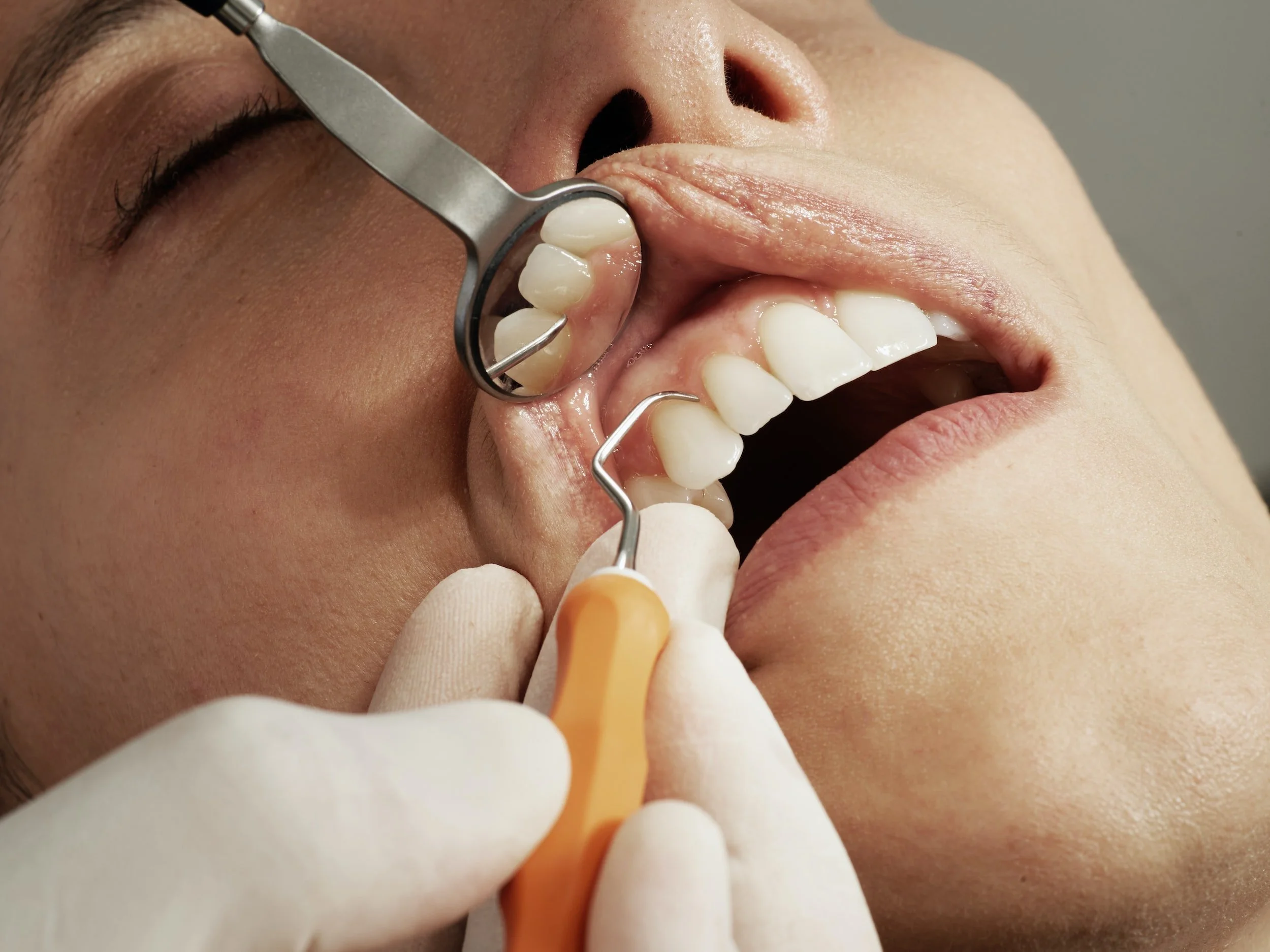
Does a Toothache Always Equal an Extraction?
Does toothache equal extraction automatically? The answer is a little more complicated than you might think...
Here's The Rundown
You've been up half the night thanks to the pain from that nagging aching tooth. Come to think of it, you were up half of the night before as well. Painkillers from the local chemists aren't even touching the pain anymore and you know you really should book an appointment with a dentist ASAP. But you don't like needles and pain, you're not even that fond of dentists and you really don't want to go through a tooth extraction. So you're stalling...
But does toothache equal extraction automatically? The answer is a little more complicated than you might think...
What's Causing the Pain?
Before you start ringing around dentists in Sydney asking about tooth extraction pricing it's important to understand one thing; tooth pain has lots of different causes and they don't all mean that the first thing a dentist is going to want to do is yank the offending tooth out. In fact, it's probably the last thing they want to do as they actually spent all of those years in dental school learning to save teeth rather than just do extraction after extraction.
Alternatives to Tooth Extraction
Because there are lots of different reasons a tooth might be giving you trouble, there are also lots of ways to treat these problems. If a cavity is the culprit then a simple filling may be the answer. If it's actually a gum infection - something that's more common than you might think - then a good deep cleaning and a course of antibiotics often works wonders. A tooth extraction is not even the automatic recommendation when the pain involves wisdom teeth, whatever you might have been told. And the pain may not really even be coming from a tooth at all.
Getting to the Root of the Problem
As we mentioned, the real key to getting to the root of the problem when it comes to a toothache is a careful, considered dental examination. This will often involve taking x-rays and a chat about your past dental history as well as a routine exam. Only then can a dentist figure out what's really going on and present a patient with their treatment recommendations and options.
Isn't It Just Easier to Get a Bad Tooth Out?
In some cases, the problem that's really been causing a nasty toothache may come along with several different possible treatments options and yes, one of them might be extraction and that may sound like it's the quickest, easiest and possibly least expensive way to go.
However, before you choose that option based on time or money, listen carefully to what your dentist as to say. Every tooth in your head is there for a reason, even those pesky wisdom teeth, and if it's no longer there may very well be downsides you don't really won't 'get' until it's too late and the tooth is gone for good.
The #EmergencyDentist Says:

Don't automatically assume that an aching tooth is one that's going to have to come out. Give us a ring, come in for an appointment after hours, or when needed, and we'll work out the best course of treatment for you and your tooth.
Don't forget to checkout our Dental Emergency Care Tips if you're experiencing discomfort.

Emergency Dental Care Tips: Cracked Teeth, Tooth
Including Severe or Acute Pain to the Tooth, Teeth, Gums & Mouth...
Emergency Dental Care Tips for Toothache
(Including Severe or Acute Pain to the Tooth, Teeth, Gums & Mouth)

Our general advice:
Rinse out your mouth with warm water to cleanse it.
Take x2 Nurofen, Advil or Ibuprofen then wait 3 hours.
Then take x2 Panadol or Paracetemol then wait 3 hours and repeat step 2.
You can repeat the above steps until you see us, on most occasions you will see us well before you have to do this. (Note: Do Not Apply aspirin directly to the source of the pain)

Our Specialised Staff
At The Emergency Dentist Sydney our Dentists are the go-to specialists for that extra care required in an emergency situation...
Specialised In Emergency Dentistry

At The Emergency Dentist Sydney our Dentists are the go-to specialists for that extra care required in an emergency situation. They understand the extra level of frustration, pain and anxiety and can easily guide you through your consultation and subsequent follow up treatment.
We have a combined 30 years of Emergency Dental treatment in Sydney and know our community well. We realise unexpected problems happen and we make sure we can help you today so that you can continue on with the rest of your life, today.
Passionate About Patient Care
Being highly skilled in emergency dental care means we have vested interest in the care of our patients. Your experience in an emergency dental situation means everything to us, and especially, our Dentists. We care most about meeting your medical needs and saving your teeth and or relieving your dental pain.

Emergency Dental Care Tips: Toothache
Emergency Dental Care Tips for Toothache
(Including Severe or Acute Pain to the Tooth, Teeth, Gums & Mouth)
1. Rinse out your mouth with warm water to cleanse it. 2. Take x2 Nurofen, Advil or Ibuprofen then wait 3 hours. 3. Then take x2 Panadol or Paracetemol then wait 3 hours and repeat step 2. 4. You can repeat the above steps until you see us, on most occasions you will see us well before you have to do this.
(Note: Do Not Apply aspirin directly to the source of the pain)
Patient Care First

Keep Up-To-Date with All Things Oral & General Health
RECENT ARTICLES








For 15 years, we've had one mission - when Sydney has a dental emergency, Emergency Dentist Sydney is there
We're proud to celebrate 15 years of providing emergency dental services to Sydney CBD and surrounding suburbs.