
5 Tips To Keep Cavities At Bay
Protect and Prevent
Protect and Prevent
Our teeth have outer coatings called enamel. They are a hard, protective layer but once it is weakened by the different types of foods and drinks we consume, especially junk and acidic foods, a pit forms in or on the tooth surface. This is called a cavity and is the result of tooth decay. Children are very prone to cavities, as they are more likely to miss spots while brushing their teeth. Because of this, many people think only children can get cavities, which is not true. Adults get cavities for the exact same reason but don’t worry, there are many ways to prevent them! Have a read below for our top 5 tips to keep these cavities away for good.
1. Twice Daily Brushing and Flossing
This is a no-brainer, however, what most people don’t know is that the way you brush and what you use to brush are extremely important. Proper brushing includes using short, gentle strokes and paying extra attention to the back teeth. Don’t forget to brush your tongue too! We recommend a toothbrush with soft bristles or an electric toothbrush. Hard bristles will continue to take away the enamel on your teeth. Flossing is also really important as it is the best tool to remove trapped food from in between teeth. Your oral hygiene routine is a very simple yet effective way to prevent tooth decay and it only takes 2 minutes!
2. Mouth Wash
To reduce the amount of bacteria in your mouth after eating or drinking, use an antibacterial mouth rinse. A mouthwash containing fluoride is also another option as it is a natural mineral that strengthens tooth enamel and prevents cavities.
3. Drink More Water
Water is the healthiest drink and staying hydrated helps your body in many ways including your oral health. It’s hard not to drink your favourite soft drink or a fruit juice with your meals. Sorry to say but drinks that are high in sugar or very acidic are bad for your teeth. They take away the enamel on your teeth which will eventually lead to cavities. Our best tip for you is to drink a glass of water after having a cup of coffee, tea or any drink so that it can wash away the acid lingering in your mouth. It can also keep your saliva from becoming too sugary so that the sugars won’t transfer onto your teeth. Another great tip is to use a straw when drinking soft drinks and juices as it will keep the sugar off your teeth and out of your saliva.
4. No Smokes
The health risks related to smoking cigarettes such as cancer are plastered all over cigarette packets and tv ads, however, most people are still unaware of the damages it can cause on your teeth. Smoking cigarettes not only stain your teeth and give you bad breath but can lead to gum disease, tooth loss, and even oral cancer. Cigar smoking and tobacco chewing can also be just as bad. So even though it is difficult to quit, keep trying as it really is better for your health and the people around you.
5. Regular Check-Ups
It is super important to visit your dentist every 6 months for a deep clean. All the built-up plaque and tartar will be removed leaving your teeth and gums feeling fresh but more importantly to prevent any diseases such as gingivitis. For those who can feel a cavity on the way, there are also treatments for that including dental sealants.
Cavity prevention starts at home. Just follow the above tips and you can prevent tooth decay. If you already have a cavity or feel like you do, do not hesitate to call your dentist and make an appointment.
Emergency Dentist Sydney Says:
Your oral health is important so don’t delay any dental check ups and continue brushing your teeth everyday – the proper way.

Smokers vs. The Dentist
The Tough Truth
The Tough Truth
There's been a lot of good news about smoking in Australia recently. According to the Australian Bureau of Statistics the number of smokers in the country has decreased by nearly 10% over the last two decades. Back in 1994 one in four Aussie adults smoked. By 2015 that had been cut to one in seven, and the numbers are still dropping.
However, that's still plenty of people lighting up on a regular basis. Do most of those people probably want to quit? More than likely. But it's tough, we know that. Lots of folks have to try, try and try again before they finally manage to kick the habit for good, so if you're struggling, you're not alone.
The one thing we do know as dentists is that whether they are actively trying to stop smoking or not, lots of smokers avoid coming to see us. And even if they do, they are often embarrassed, because they know that the lingering 'smoker's breath' and the discolouration years of nicotine causes on the teeth isn't attractive at all.
There are however, even bigger oral health concerns that smokers should be aware of. Smokers are at an increased risk for all of the following:
A dulled sense of taste and smell, even if they don’t know it. Often, when a person stops smoking it's the first time they realise all of the wonderful taste experiences and everyday scents they've been missing!
Slow healing after a tooth extraction or other dental surgery. This can seriously impact the effectiveness of what can be rather helpful and sometimes even transformative oral health treatments.
Gum disease. Gum disease is nasty stuff. It does not just affect smokers of course but it does tend to be a little worse, and harder to treat effectively, if the patient being treated smokes.
Oral cancer. This is obviously the biggie. Not to be overly heavy but smoking seriously increases the risk that you will develop some form of oral cancer.
By the way, we should point out that it is not just cigarette smokers who are at an increased risk for these oral health problems. Cigar smoking and tobacco chewing can be just as bad. And the bad news for vapers is that an increasing number of dental case studies and research projects are finding that vaping can potentially be as bad for your oral health as smoking regular cigarettes.
The one thing you should not do as you try to kick your habit though? Avoid seeing the dentist on a regular basis. Dentists, although yes, we will try and encourage you to stop smoking/vaping are not overly judgmental people. We get that it's hard and what we'd like to do is to address any damage you've already suffered to your oral health as a smoker while helping you learn to minimise future problems.
If you are still smoking, try all of the following, starting today:
Cut down as far as you are able. Every little step counts!
Pay particular attention to brushing your teeth at least twice a day
Try making use of a smoker's toothpaste (but make sure it's one that contains fluoride too)
Keep trying to quit. It really is better for your oral health, your overall health and even all the people around you.
Emergency Dentist Sydney Says:
Smoking is not good for your health, including your oral health. But it should not be a reason to skip dental treatment. Sticking to your regular checkup schedule - and seeking help right away if you experience tooth pain - can help minimize the damage smoking does to your teeth and gums.

Give Bad Breath The Boot
There are a number of reasons why a person may suffer from bad breath. These are the most common causes...
5 Easy, Effective Ways to Combat a Bad Breath Problem

Bad breath. People who suffer from it are normally either unaware of the fact or truly embarrassed about it. They often wonder just what they should be doing about it, as strong chewing gums and breath sprays only seem to go so far. The good news is though that most cases of halitosis - that's the scientific name for bad breath - can be addressed pretty easily.
What Causes Bad Breath?
There are a number of reasons why a person may suffer from bad breath. The most common include:
- Poor dental hygiene
- Persistent dry mouth
- Tooth decay
- Gum disease
- Smoking
- The consumption of pungent foods (garlic etc.)
- Some medical conditions, including diabetes and acid reflux
In the case of the last item on that list it may be that the person has the best oral hygiene in the world but their health prevents them from having really fresh breath. In these cases a combination of a GP and a dentist's advice and care is called for to address a halitosis, problem. For many people though the issue can be solved with a change of habits and a little more awareness of the fact that the problem exists.
Here are usually very effective ways to combat bad breath:
- Improve Your Dental Hygiene.
Not only do people need to stick to the oft given advice that they brush at least twice a day with a good toothpaste they also need to address two other causes of bad breath due to poor dental hygiene; bacteria and food remnants stuck in the teeth.
It's not that hard to get food stuck in your teeth, but if it's allowed to remain there it will usually begin to rot (sounds horrible but it's true) and smell. Flossing on a daily basis (at least) will help remove stray food particles and bacteria can be addressed with an anti-bacterial mouthwash. Brushing your tongue, as strange as that may sound, will help as well.
- Stay Hydrated.
Dry mouth is another 'leading cause' of bad breath that can be fairly easily addressed. Many people don't realise that they are not drinking enough during the day but it's an easy fix. Get into the habit of sipping from a bottle of water throughout the day and try to consume the equivalent of two litres of water a day.
- Brush After You Eat Stinky Foods.
We could just say stop eating 'stinky' foods to avoid bad breath but, to be fair, there are a lot of great - and even great for you - foods that fall into that category.
A better idea then is to make sure you brush after consuming pungent foods, even when you are away from home. A travel toothbrush and paste isn't hard to fit into a handbag or pocket and these days you can even buy pre-pasted travel brushes relatively inexpensively that are even more convenient.
- Gum Can Be Your Friend.
Chewing gum can be a good way to remove stubborn food particles, keep dry mouth at bay and freshen breath, so yes, the adverts are right, it is always a good idea to keep a pack in your pocket.
- Don't Smoke.
We know, that's easier said than done. If you do still smoke these days despite all of the outside pressure to quit - and there's a lot - chances are you've been struggling to do so. In this case there's no shame in asking your GP or dentist to suggest ways to help, and they'll usually be quite happy to do so.
- Schedule Regular Checkups With Your Dentist.
Some underlying causes of bad breath, like tooth decay and gum disease - really need to be treated by a dentist. By making sure you stick to a regular check up schedule your dentist ill be able to spot - and treat - such problems and then help you tailor your dental hygiene plan to help prevent them from reoccurring.
The Emergency Dentist Says:

Bad breath is no laughing matter, it can really impact your life, especially your social life. In many cases though it's a problem that can be- with the help of your dentist - solved pretty easily.
Patient Care First

Keep Up-To-Date with All Things Oral & General Health
RECENT ARTICLES




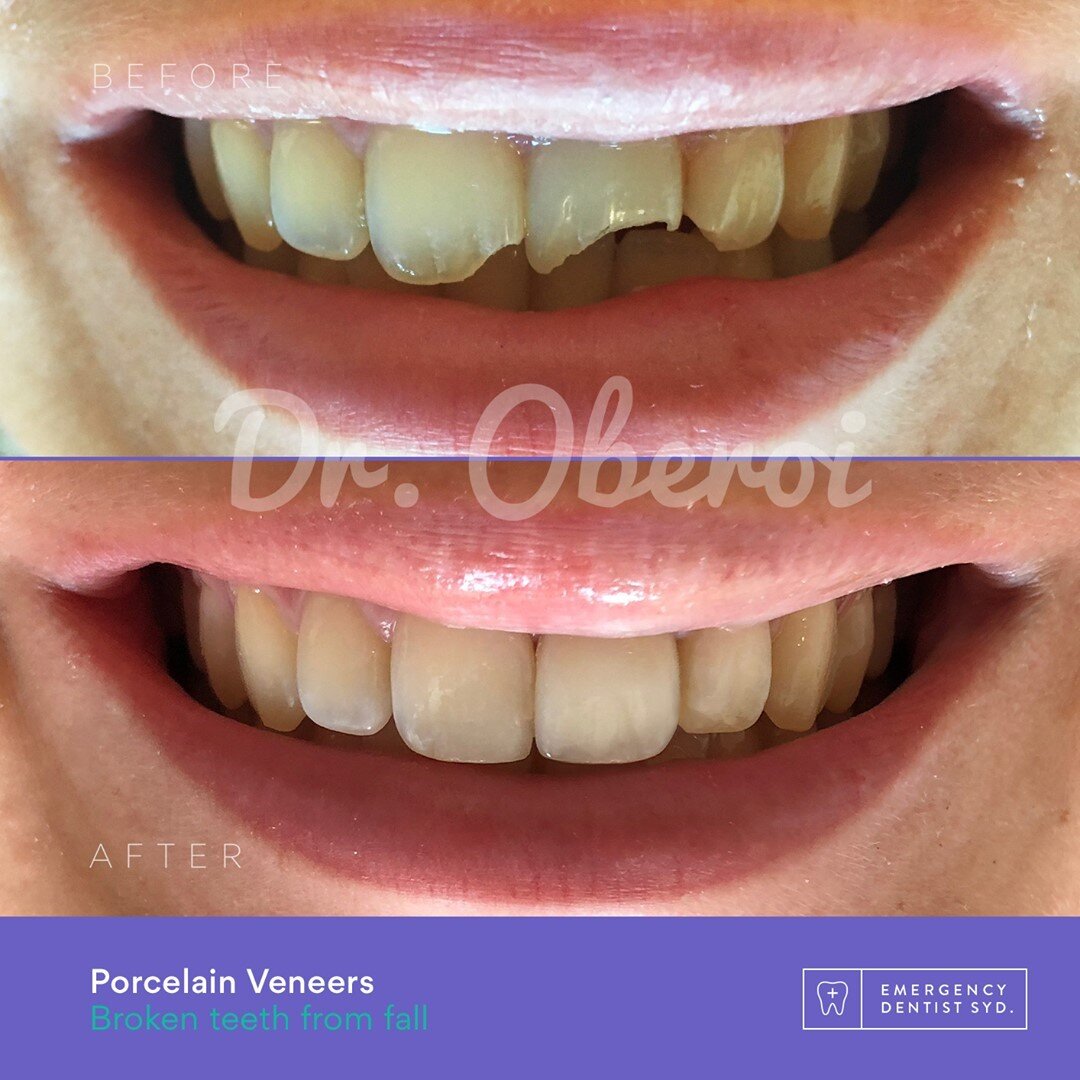




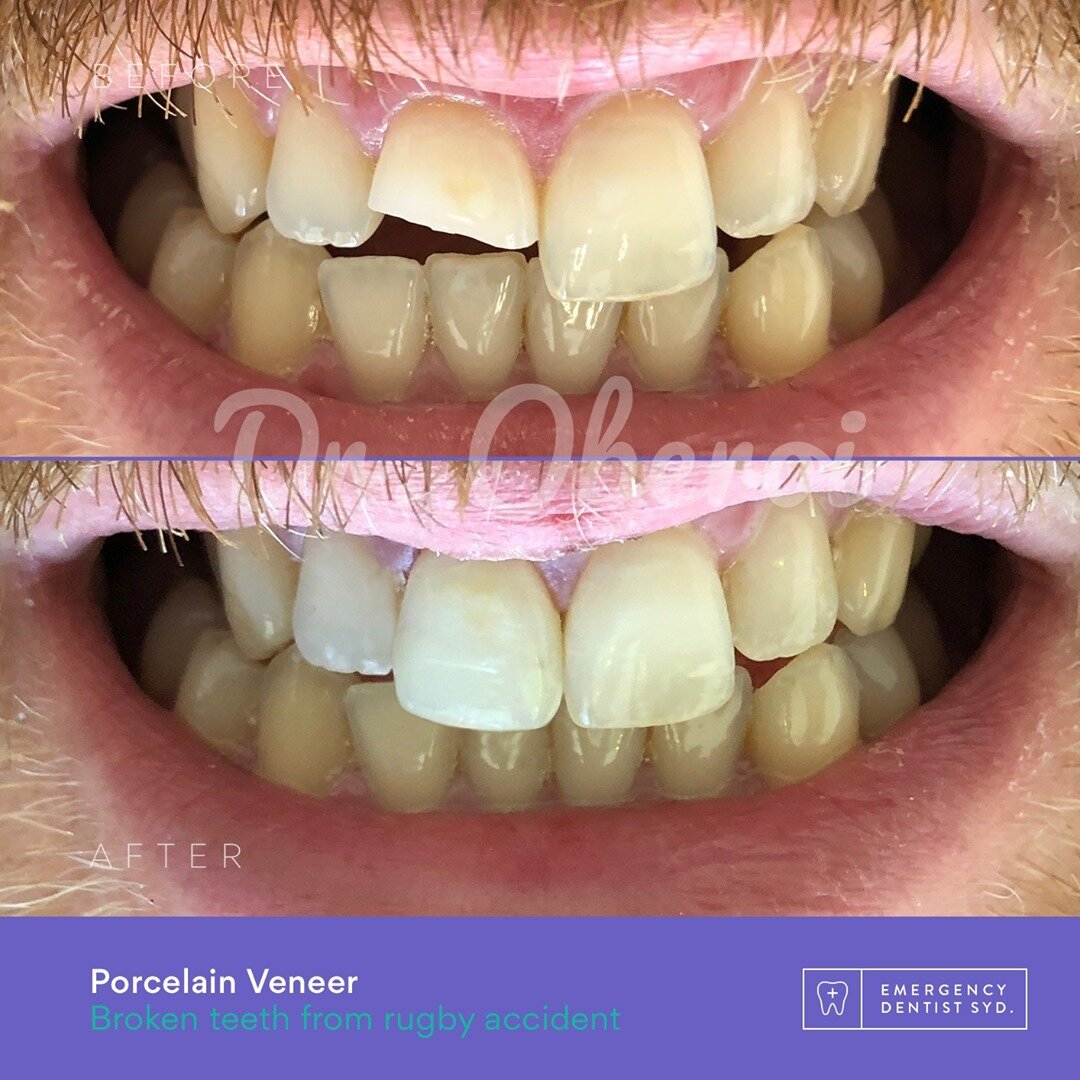
For 15 years, we've had one mission - when Sydney has a dental emergency, Emergency Dentist Sydney is there
We're proud to celebrate 15 years of providing emergency dental services to Sydney CBD and surrounding suburbs.