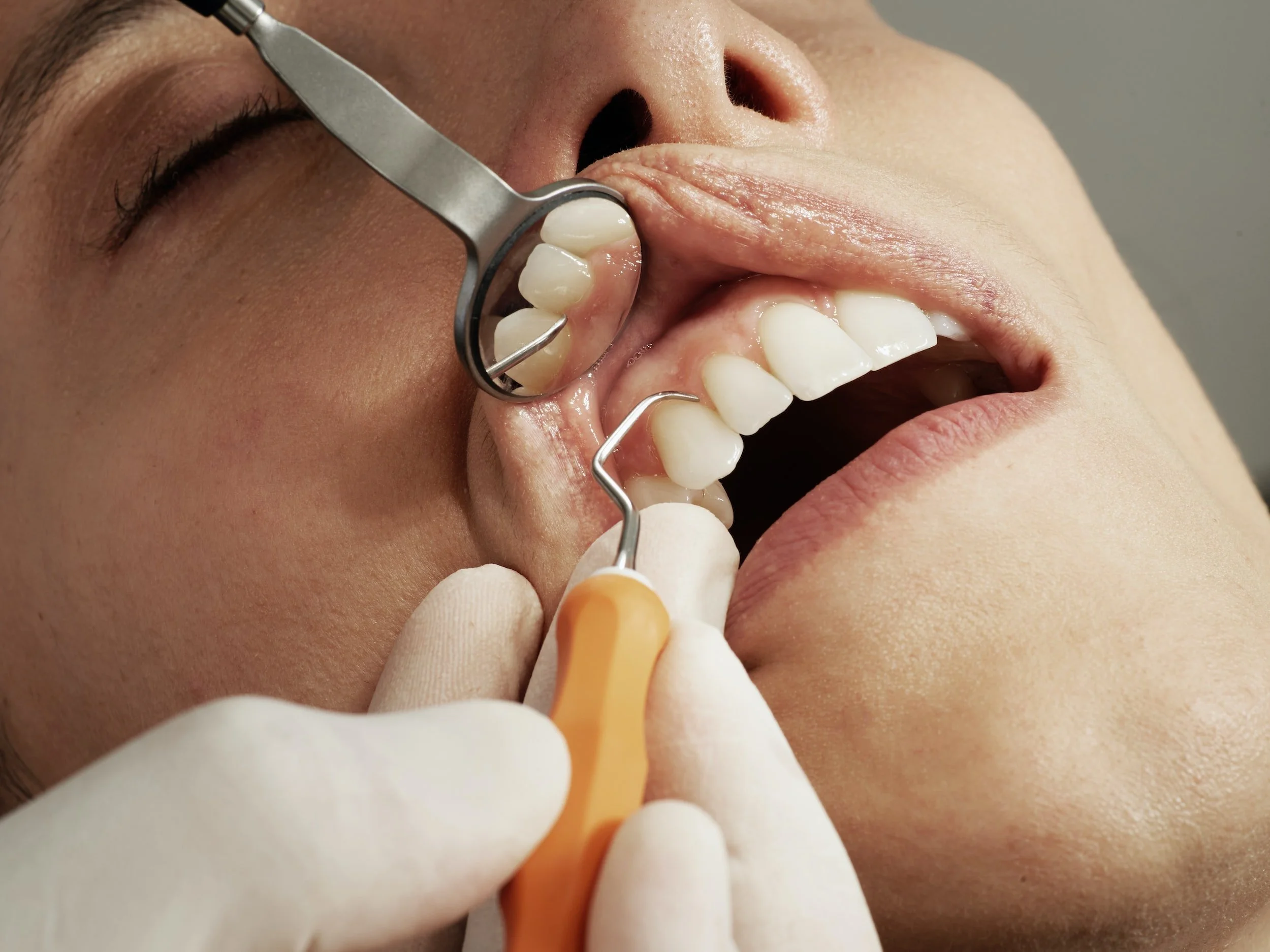
Does a Toothache Always Equal an Extraction?
Does toothache equal extraction automatically? The answer is a little more complicated than you might think...
Here's The Rundown
You've been up half the night thanks to the pain from that nagging aching tooth. Come to think of it, you were up half of the night before as well. Painkillers from the local chemists aren't even touching the pain anymore and you know you really should book an appointment with a dentist ASAP. But you don't like needles and pain, you're not even that fond of dentists and you really don't want to go through a tooth extraction. So you're stalling...
But does toothache equal extraction automatically? The answer is a little more complicated than you might think...
What's Causing the Pain?
Before you start ringing around dentists in Sydney asking about tooth extraction pricing it's important to understand one thing; tooth pain has lots of different causes and they don't all mean that the first thing a dentist is going to want to do is yank the offending tooth out. In fact, it's probably the last thing they want to do as they actually spent all of those years in dental school learning to save teeth rather than just do extraction after extraction.
Alternatives to Tooth Extraction
Because there are lots of different reasons a tooth might be giving you trouble, there are also lots of ways to treat these problems. If a cavity is the culprit then a simple filling may be the answer. If it's actually a gum infection - something that's more common than you might think - then a good deep cleaning and a course of antibiotics often works wonders. A tooth extraction is not even the automatic recommendation when the pain involves wisdom teeth, whatever you might have been told. And the pain may not really even be coming from a tooth at all.
Getting to the Root of the Problem
As we mentioned, the real key to getting to the root of the problem when it comes to a toothache is a careful, considered dental examination. This will often involve taking x-rays and a chat about your past dental history as well as a routine exam. Only then can a dentist figure out what's really going on and present a patient with their treatment recommendations and options.
Isn't It Just Easier to Get a Bad Tooth Out?
In some cases, the problem that's really been causing a nasty toothache may come along with several different possible treatments options and yes, one of them might be extraction and that may sound like it's the quickest, easiest and possibly least expensive way to go.
However, before you choose that option based on time or money, listen carefully to what your dentist as to say. Every tooth in your head is there for a reason, even those pesky wisdom teeth, and if it's no longer there may very well be downsides you don't really won't 'get' until it's too late and the tooth is gone for good.
The #EmergencyDentist Says:

Don't automatically assume that an aching tooth is one that's going to have to come out. Give us a ring, come in for an appointment after hours, or when needed, and we'll work out the best course of treatment for you and your tooth.
Don't forget to checkout our Dental Emergency Care Tips if you're experiencing discomfort.

Sudden Tooth Pain: The Complete List of Causes & Treatments
Brain Freeze! We are all prone to occasional aches and pains that any kind of tooth pain can be particularly bothersome...
Diagnosing What's Causing It.. And Making it Stop!
Brain Freeze! We are all prone to occasional aches and pains, but it's fair to say, we think, that any kind of tooth pain can be particularly bothersome (to say the least.) Like a headache that just won't go away, tooth pain can be truly miserable and the problem's only made worse by the fact that much of the time you can't even be sure why you are in pain or how to begin treat it.
There are, in fact, all kinds of reasons that a tooth (or teeth) may start giving you gip, but these are the ones most commonly seen at Emergency Dentist Sydney:
Pain after Eating or Drinking Very Cold - of Very Hot - Foods
This can be the kind of sharp pain that really knocks you for six, if only for a minute or so. But it keeps happening and all the joy of eating an ice cream or downing a morning cup of Joe is fading fast.
The problem here is often is what the toothpaste ads often refer to as 'sensitive teeth'. There can be all kinds of causes; a slightly exposed nerve, a forming cavity, weakened tooth enamel or gum damage of some kind. In the short term try switching to a softer toothbrush and trying one of the toothpastes made to help 'desensitise' teeth. If the problem is a long term one however make a not to book a dentist's appointment to discuss a better solution.
Pain When Eating or Drinking Hot and Cold Foods After Dental Work
This particular issue is not unusual, especially if you have had a root canal or a filling recently. It's a temporary sensitivity that should disappear in a few days as things begin to heal up properly. In the meantime aspirin can help and following the dentist's post treatment care instructions is a must. However, if the pain persists for longer than expected, or gets worse rather than improving, you should contact your dentist right away.
Pain When Biting on Food
Eating regular, everyday foods should never be painful. And when and if it is, the chances are good that there is a problem that needs to be addressed and probably as soon as possible. The issue may be a cracked tooth, a loose filling, a cavity or, well, it could be a number of things. In this situation make a dentist's appointment as soon as possible so that the cause of the pain can be diagnosed and treated quickly, before any further damage occurs.
Aching Pressure on Upper Teeth/Sinus Area
This one is hard to even begin to self-diagnose as pain from infected sinuses can feel like terrible upper back tooth pain and vice versa. This is because there are a bunch of shared nerves back there, so really only a doctor's visit or a trip to the dentist can determine the true cause. Whatever you do though, wherever you go first, don't wait, because this is a horrible, nagging pain that very rarely goes away on its own.
Swollen, Painful, Inflamed Gums
Gum disease is all too common and if it's not addressed early then 'simple' gingivitis can progress into periodontitis, a condition in which the gums and even the bone that holds the teeth in place can be severely weakened. Often painful, swollen gums are a sign of infection, something that needs to be treated as soon as possible, not only to potentially save a tooth or two but to prevent the spread of infection through the rest of your body.
The #EmergencyDentist Says:

'Oh it's only a toothache'. Not. Tooth pain sucks. Pure and simple. It sucks even more if it strikes outside of 'business hours'. But you don't have to wait it out like a trooper just to try and be big and brave. The Emergency Dentist Sydney can help you anytime time any day when you need us.

How Much Does a Wisdom Tooth Extraction Cost?
At The Emergency Dentist Sydney we are pretty used to dealing with wisdom teeth and the trouble they can cause...
Wisdom Tooth Extractions Costs Vary: Here's Why

At The Emergency Dentist Sydney we are pretty used to dealing with wisdom teeth and the trouble they can cause. That is not always the case for the patients experiencing those problems, folks who are usually in pain, frustrated and worried, often about the costs of the treatment they might need as much as they are about the pain they're in.
Unfortunately, as helpful as we like to try and be at all times, one of the questions we really can't answer right away is what the treatment for a patient's unique wisdom tooth issues might cost, as every case is different. We can however explain why those costs might vary. Here's a look at some of the factors involved:
The Type of Procedure You Need
There is no one-size-fits-all procedure for wisdom tooth extraction. For some people it can be a pretty straightforward affair, one not too different from a standard extraction. For others though, patients who might be dealing with a severe infection or an odd angled impaction, the treatment involved is usually more complex. And yes, complex costs more.
The Type of Surgeon You Need
In dentistry, just like in standard medicine, different dental surgeons do different things. When it comes to extracting a wisdom tooth, complications can arise that call for a specialist surgeon, usually because wisdom teeth, as a part of their often very pesky nature, will sometimes locate themselves in a very sensitive area of the jawline, one where important nerves could be damaged if someone did not know exactly what they were doing. Obviously if a specialist is called in the pricing will increase, but in reality be worth every penny as a botched job on a wisdom tooth is something no-one should ever have to deal with.
The 'Little' Things
Before getting to the actual extraction of a wisdom tooth, there's usually work to be done. Dentists need x-rays - or sometimes even CT scans - so that they know exactly what is going on where. They also need to talk anaesthesia with a patient. Some of the simpler extractions can be performed very successfully under a local anaesthetic but for the more complex stuff even the bravest, toughest of patients are going to need to be knocked out, aka treated under general anaesthesia, once again hiking the final costs.
The #EmergencyDentist Says:

Fear of costs should never be a reason to leave a painful or infected wisdom tooth untreated. At The Emergency Dentist Sydney we keep our rates as reasonable as possible and won't charge for 'bells and whistles' you don't need. Another reason to get treated as soon as a wisdom tooth problem rears its ugly head? The whole think is likely to be easier - and cheaper - than it would be if you suffer on for weeks until you can't take any more!

What Advice Would You Give Your Younger Self?
When it comes to dental care and oral hygiene we know now how important it is to begin good habits from a young age...
What Advice Would You Give Your Younger Self?

At the Emergency Dentist Sydney we got to talking about our habits as children and what we might say to our younger selves. When it comes to dental care and oral hygiene we know now how important it is to begin good habits from a young age. Not everyone is knowledgable on the effects of poor oral hygiene on quality of life in your later years.
Toothache or pain and loss of teeth, resulting in the inability to chew comfortably can lead to malnutrition, weight loss, weakening of the immune system and infection. As we age we notice the obvious stuff like wrinkles and hair loss but we may not be as aware of changes in our teeth and mouths.
We asked ourselves the question, what advice would you give your younger self about oral hygiene and dental care? These are our top responses:
- Don’t smoke, if you do, stop, yuk!
- Stick to the food pyramid when it comes to eating. Eat a variety of food, eat food which is full of vitamins, minerals and fibres and get lots of variety where you can.
- Visit a dentists regularly for checkups, no excuses.
- Learn how to floss properly and do it daily.
- Brush twice daily, regardless of how tired you are at night or how busy you are in the morning.
- Rinse your mouth with water during the day when you’ve eaten processed foods, sweet foods or foods and drinks that can stain the teeth.
- Don’t put off dental problems. If you have concerns make sure you see your Dentist and avoid long-term complications.
You may think it doesn’t really matter, you can just get dentures, veneers, browns or crewed in teeth when you’re older, but this comes at some loss to your long term health.
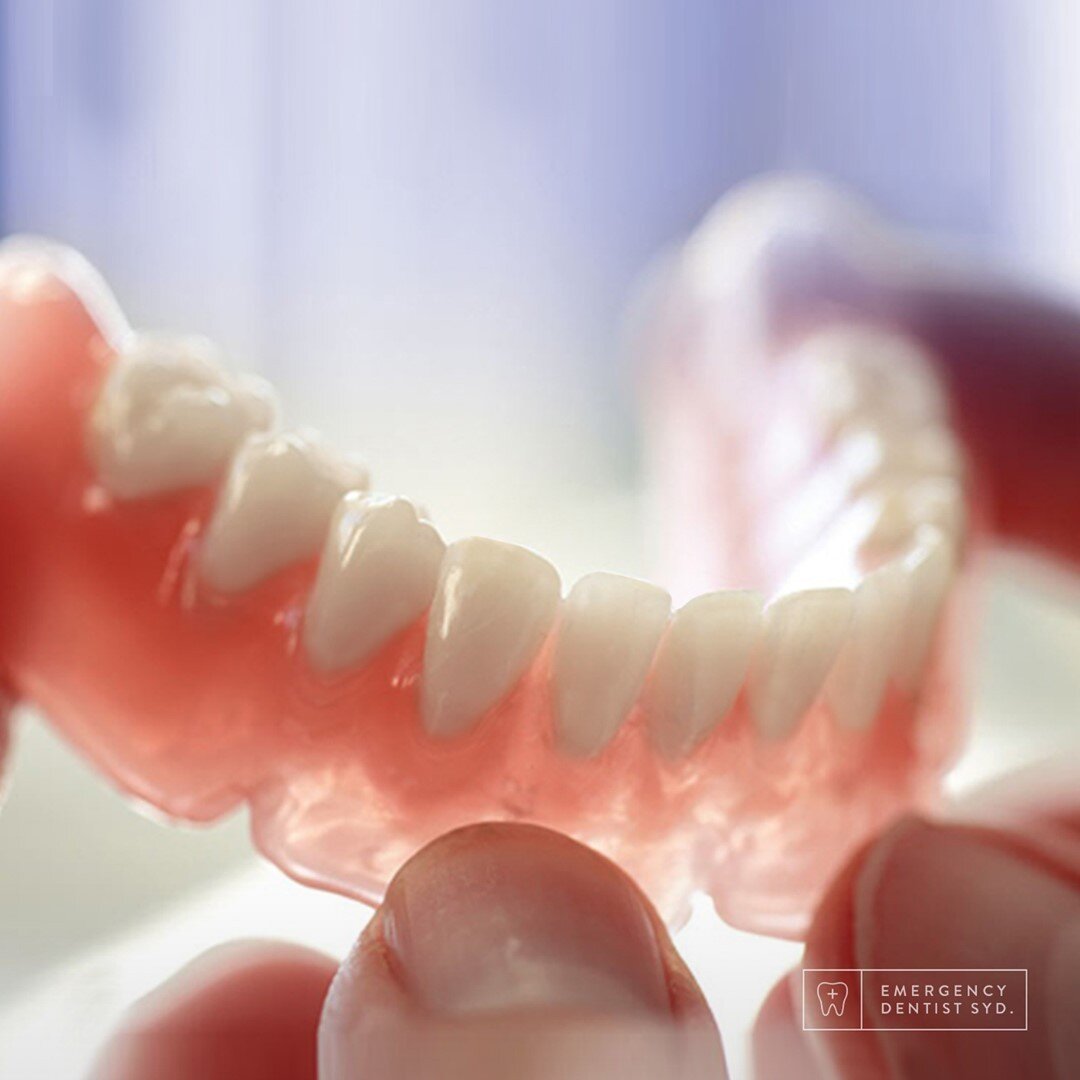
Well looked after teeth are a reflection of your general health. Retaining your real teeth means better health long term. The American Journal of Public Health reports that ‘chewing with removable dentures is at least 30 to 40 percent less efficient than chewing with natural teeth. Persons with extensive or complete tooth loss are more likely to substitute easier-to chew foods such as those rich in saturated fast and cholesterol for foods high in carotenes, vitamin C and fibre’. Poorly looked after gums also comes with an array of long term side effects.
These are a few of the more common side effects of poor oral health:
- Loss. To the structure of your jaw and face.
- Cardiovascular Disease. Bacteria from inflamed mums and periodontal disease can enter your bloodstream and travel to your arteries in the heart. This can then cause such things as heart attack or stroke resulting in an endocarditis or myocarditis.
- Dementia. Bacteria from gingivitis may enter the brain and can lead to the development of Alzheimer’s disease.
- Respiratory Infections. The Journal of Periodontology warns gum disease can cause infections in your lungs, including pneumonia. This isn’t always an instant infection but, imagine breathing in bacteria over time from infected teeth and gums.
- Diabetic Complications. Poor oral hygiene can make it harder to control your blood sugar. This can increase the symptoms of diabetes and make them worse.
The #EmergencyDentist Says:
The the beauty of hindsight means we can see how things could be. With the knowledge of what can very well happen, we think sticking to these 7 tips will keep your oral health and your general health kicking strong in to the future.

Emergency Dental Care Tips: Dislodged Teeth, Tooth
Emergency Dental Care Tips for Dislodged Teeth, Tooth Knocked Out...
The Importance of Cosmetic Dentistry
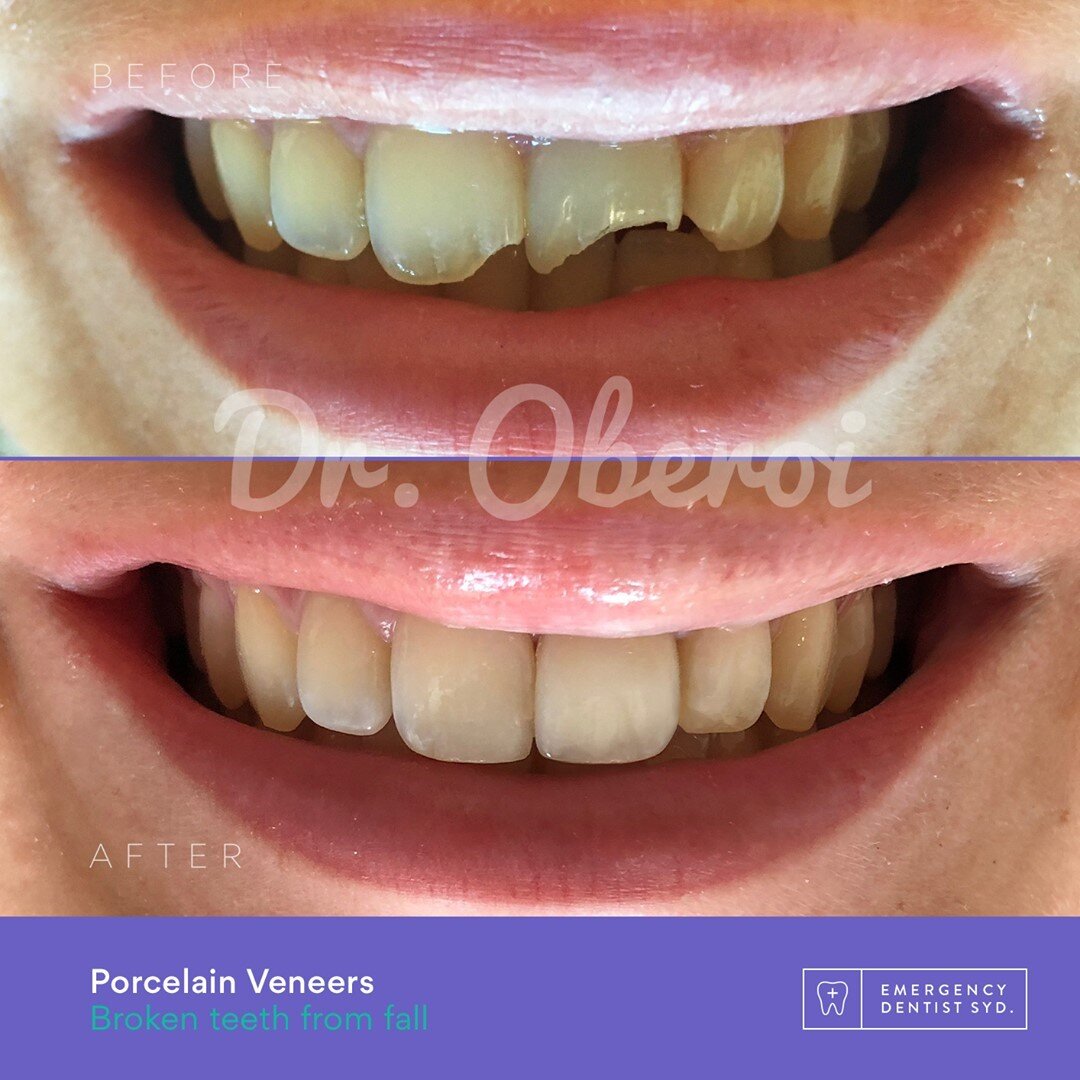
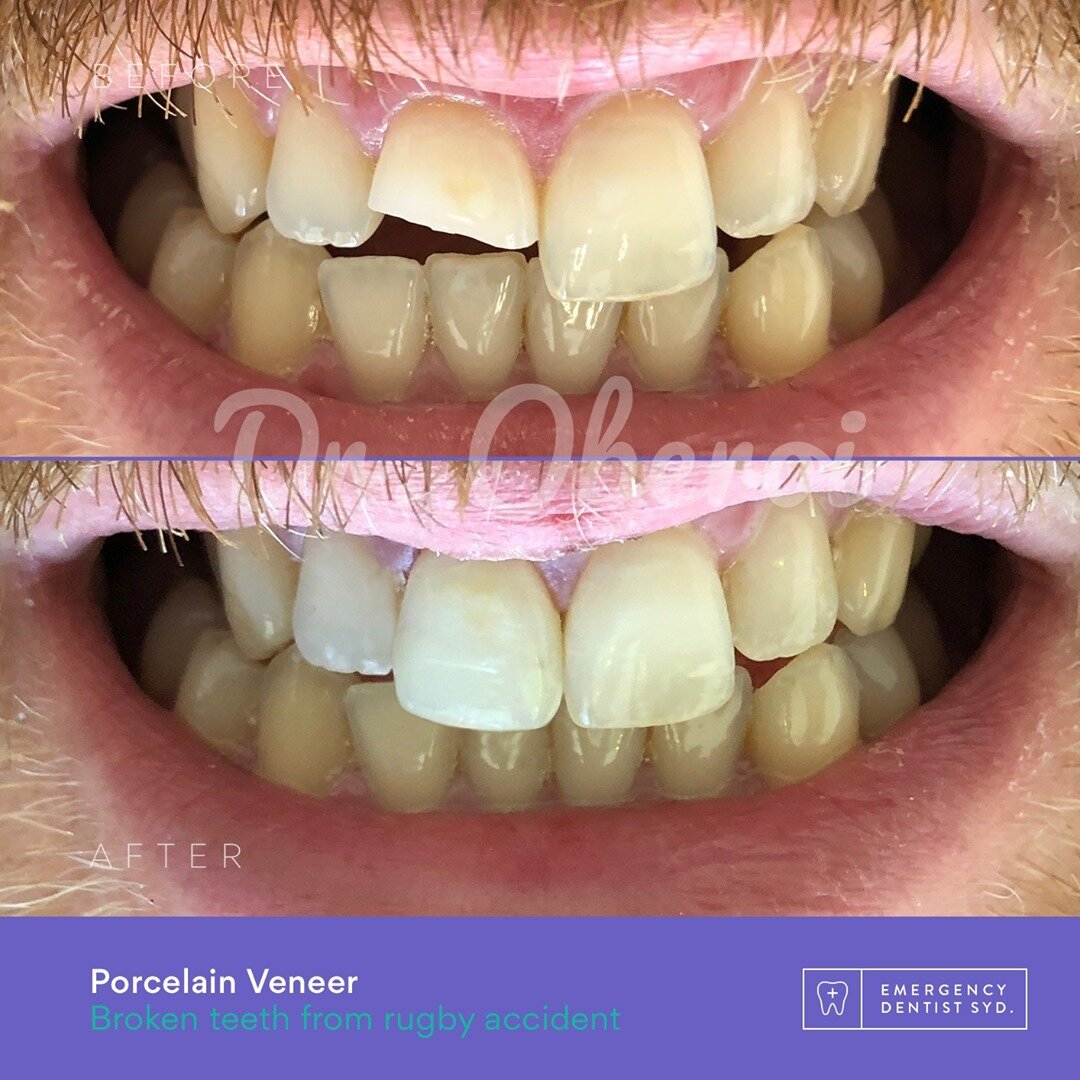
Wether the tooth or teeth have been knocked out, have become displaced (moved forward or backward or have been pushed in) or have been chipped, there is a risk of permanent damage. Nerves may be exposed and aesthetics may be compromised. As such we may need to see you to reduce sensitivity, minimise or stop bacteria infecting your nerves and restore aesthetics.
What are my treatment options for broken, cracked or dislodged teeth?
The general treatment options available for broken, damaged or cracked teeth are:
Porcelain Crowns or Veneers
Temporary braces or brackets
Teeth Whitening
Removal of the teeth or Extractions
Gum Treatment or Periodontal Treatment
We will discuss your dental history and then have a consultation with you to discuss possible treatment options. X-rays or other tests to your mouth, gums or jaw may need to be performed. Don’t hesitate to contact us at anytime to discuss your emergency.

Emergency Dental Care Tips for Dislodged Teeth, Tooth Knocked Out
1. Gently sit the tooth back in socket it has come out from, do not push it in with force, to avoid touching the root. 2. Alternatively place it between the cheek and teeth, away from the affected area, to keep it warm and moist. 3. You can also place it in a container of milk until you see us. (Note: Avoid touching the socket with your tongue)

Emergency Dental Care Tips: Cracked Teeth, Tooth
Including Severe or Acute Pain to the Tooth, Teeth, Gums & Mouth...
Emergency Dental Care Tips for Toothache
(Including Severe or Acute Pain to the Tooth, Teeth, Gums & Mouth)

Our general advice:
Rinse out your mouth with warm water to cleanse it.
Take x2 Nurofen, Advil or Ibuprofen then wait 3 hours.
Then take x2 Panadol or Paracetemol then wait 3 hours and repeat step 2.
You can repeat the above steps until you see us, on most occasions you will see us well before you have to do this. (Note: Do Not Apply aspirin directly to the source of the pain)

Emergency Dental Care Tips: Toothache
Emergency Dental Care Tips for Toothache
(Including Severe or Acute Pain to the Tooth, Teeth, Gums & Mouth)
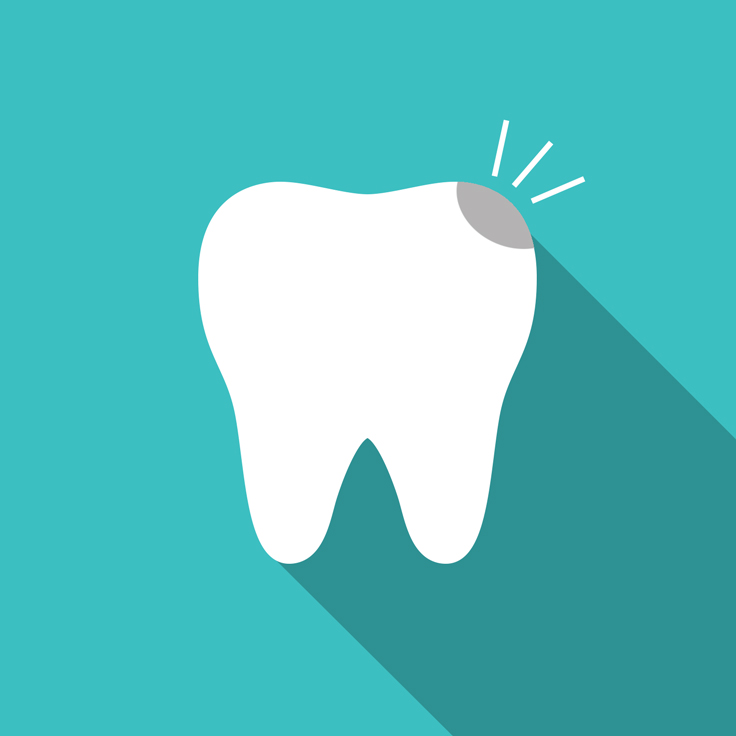
1. Rinse out your mouth with warm water to cleanse it. 2. Take x2 Nurofen, Advil or Ibuprofen then wait 3 hours. 3. Then take x2 Panadol or Paracetemol then wait 3 hours and repeat step 2. 4. You can repeat the above steps until you see us, on most occasions you will see us well before you have to do this.
(Note: Do Not Apply aspirin directly to the source of the pain)
Patient Care First

Keep Up-To-Date with All Things Oral & General Health
RECENT ARTICLES


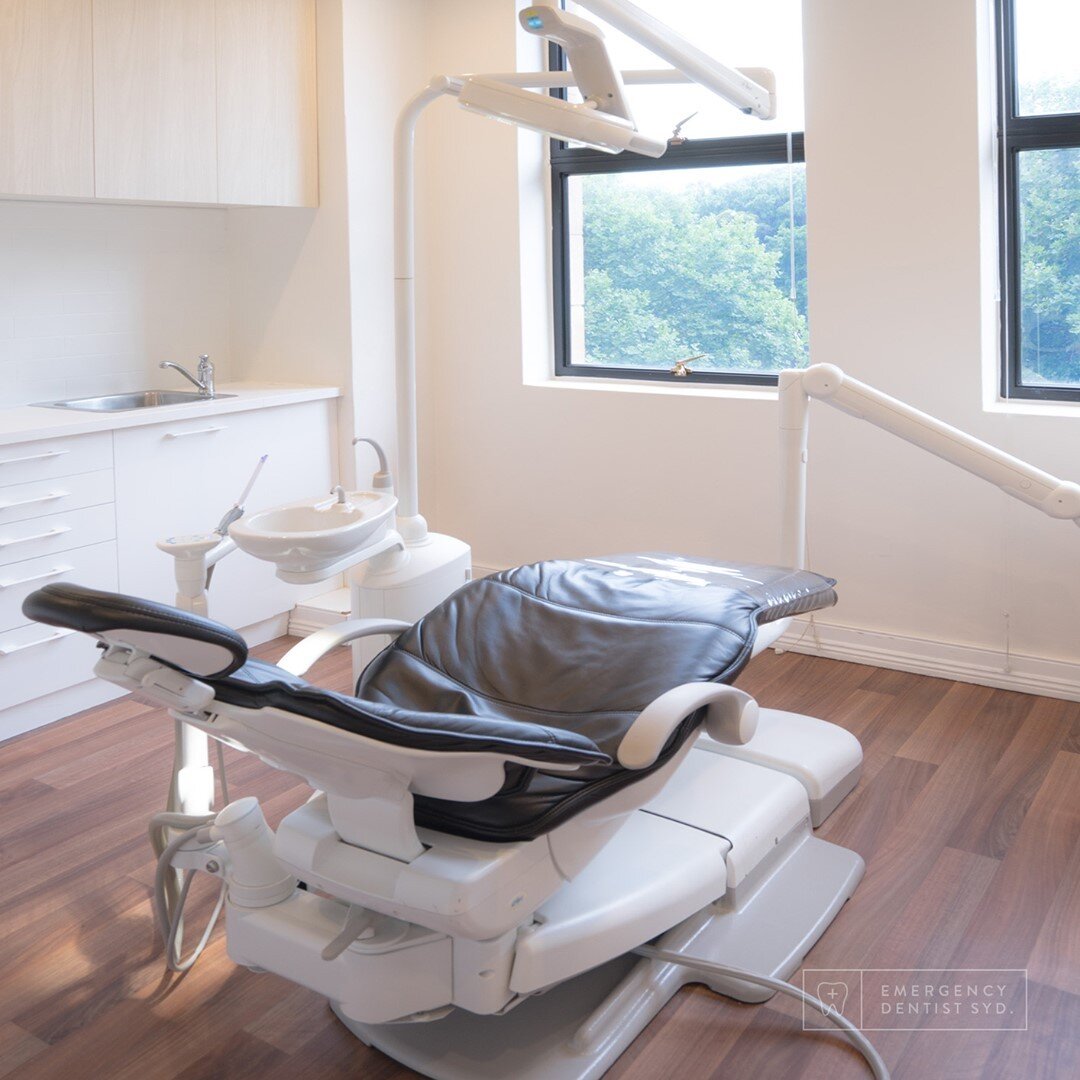





For 15 years, we've had one mission - when Sydney has a dental emergency, Emergency Dentist Sydney is there
We're proud to celebrate 15 years of providing emergency dental services to Sydney CBD and surrounding suburbs.