

Can I ignore a cracked tooth?
Can I ignore a cracked tooth?
Do you grind your teeth? Do you already have a cracked tooth? This article could save you a tooth or two. Learn what to do if you have a cracked tooth here.
The Dilemma of a Cracked Tooth: To Ignore or Not to Ignore?
A cracked tooth might seem like a minor inconvenience, but it could signal underlying issues that, if left unaddressed, could lead to significant complications. Understanding the causes, potential risks, and available remedies is crucial for maintaining oral health.
Causes Behind a Cracked Tooth
Various factors contribute to a cracked tooth, including unexpected trauma, biting down on hard substances, bruxism (teeth grinding), or even simple temperature changes causing contractions within the tooth structure.
Some of the most common causes include biting into hard candy, opening bottles with your teeth, biting popcorn kernels and even biting items such as plum or olive seeds by accident. Each of these can easily cause a tooth to crack.
Solutions for a Cracked Tooth
When faced with a cracked tooth, seeking urgent dental care is crucial. The approach to fixing a cracked tooth depends on the extent of damage and its location within the tooth structure. There are 4 main solutions, which we discuss in depth below:
Dental Bonding: Repairing Minor Cracks
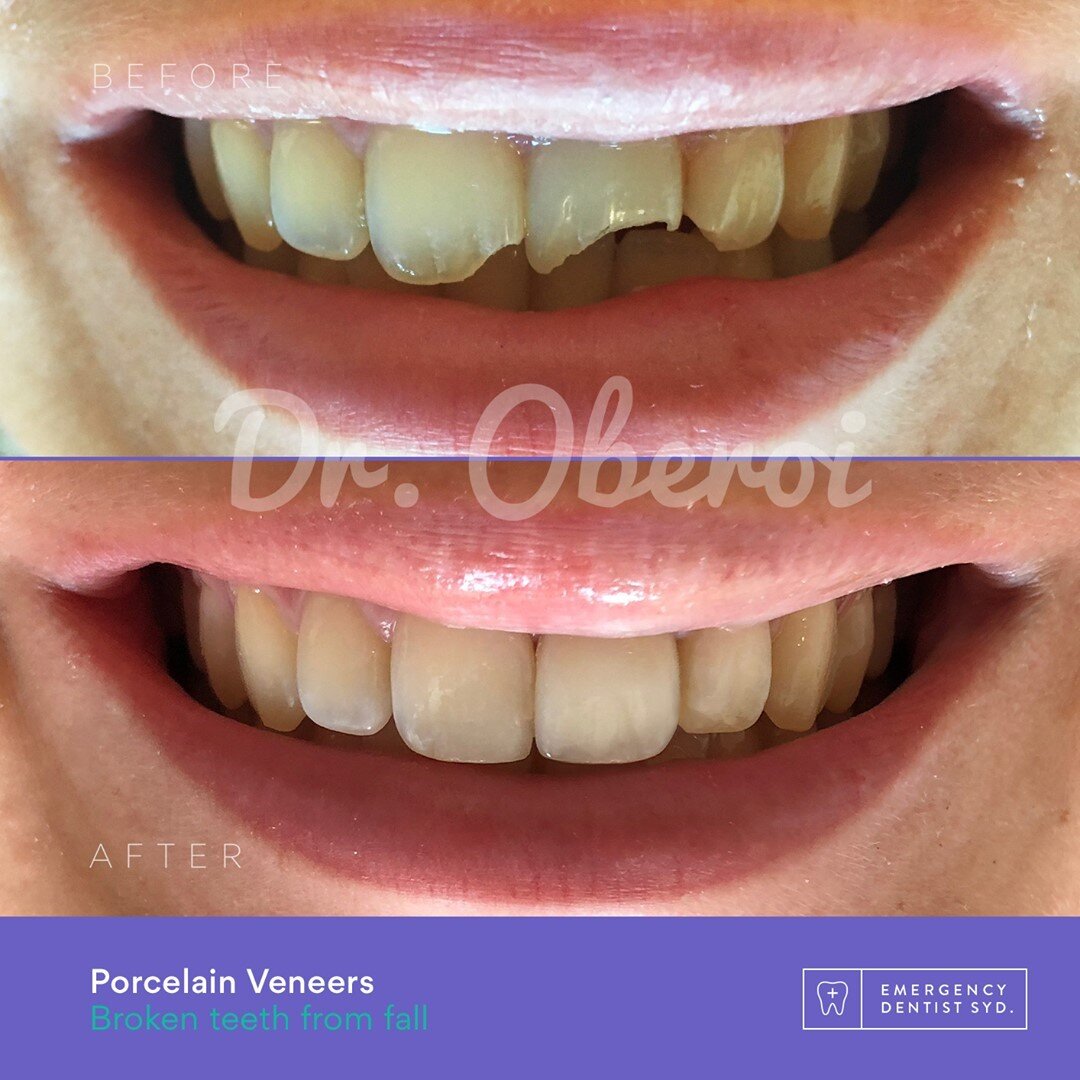
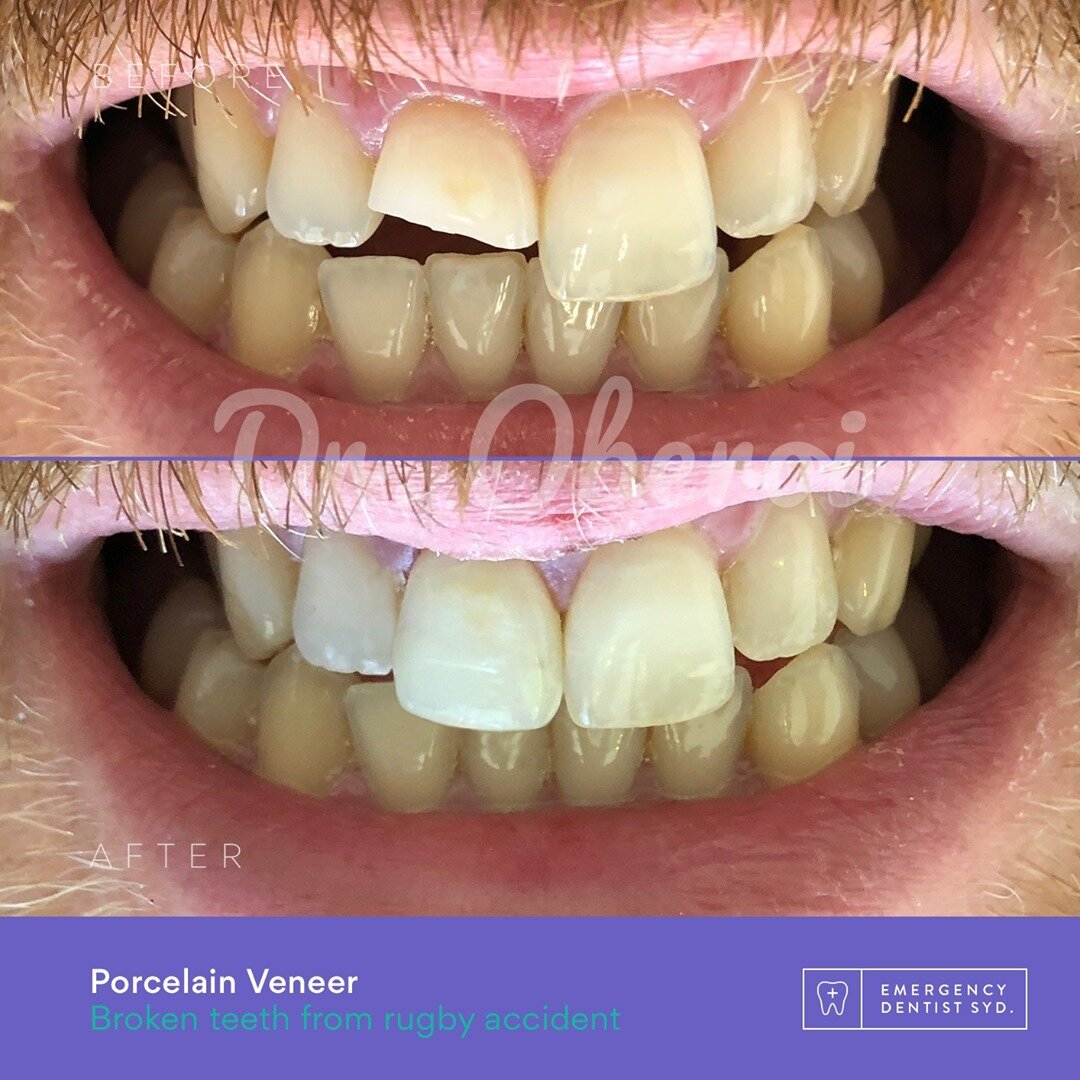
Dental bonding involves applying a tooth-coloured resin material to the affected tooth. This method effectively repairs minor cracks and chips, restoring the tooth's functionality and appearance.
Dental Crown: Protecting and Restoring
For more substantial damage, a dental crown might be necessary. This involves placing a cap over the damaged tooth, protecting it from further harm while restoring its strength and aesthetics.
Root Canal Treatment: Addressing Deeper Damage
In cases where the crack extends deeper into the tooth, affecting the pulp, a root canal might be recommended. This procedure involves removing the damaged pulp, cleaning the area, and sealing it to prevent infection, thus preserving the tooth's integrity.
Tooth Extraction: A Last Resort
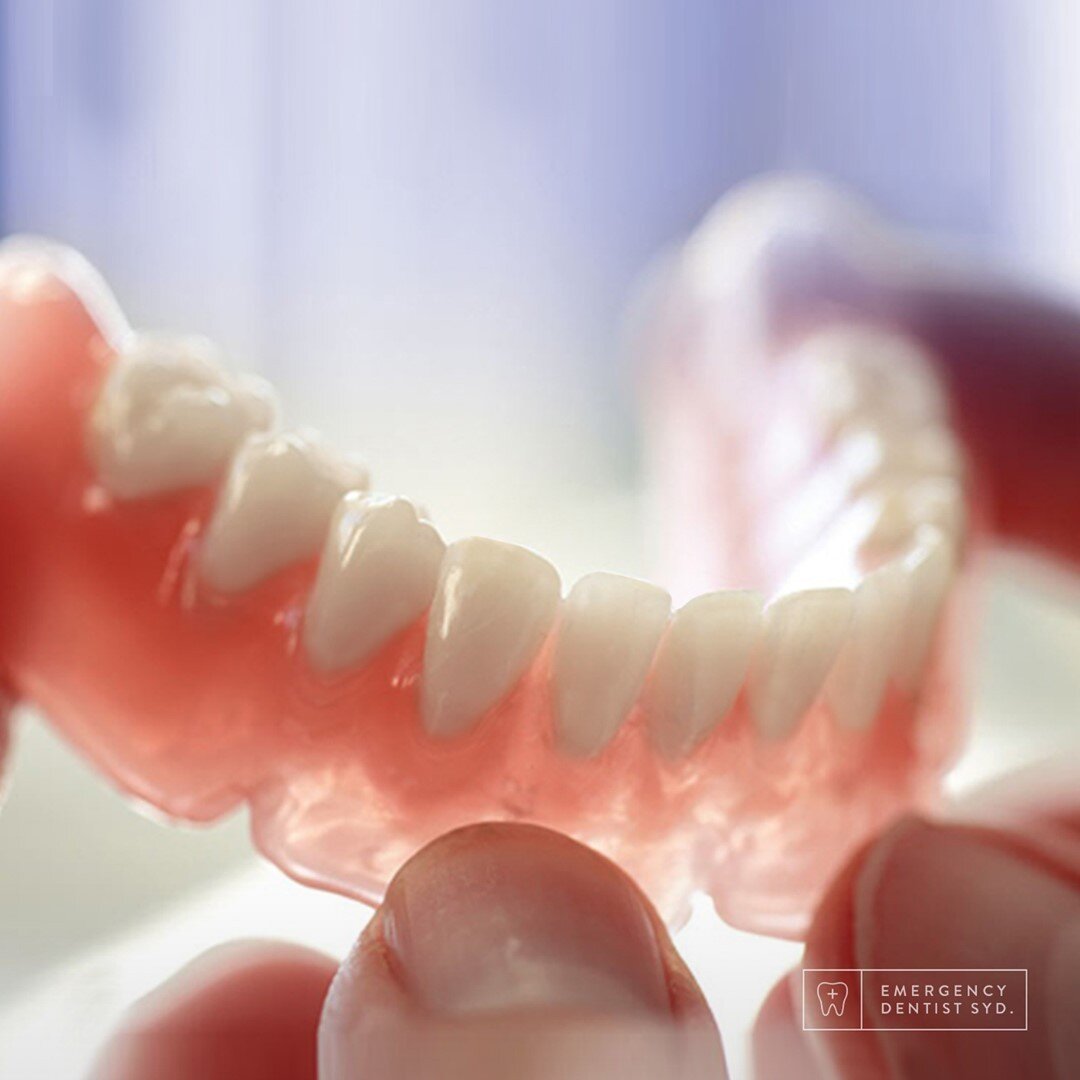
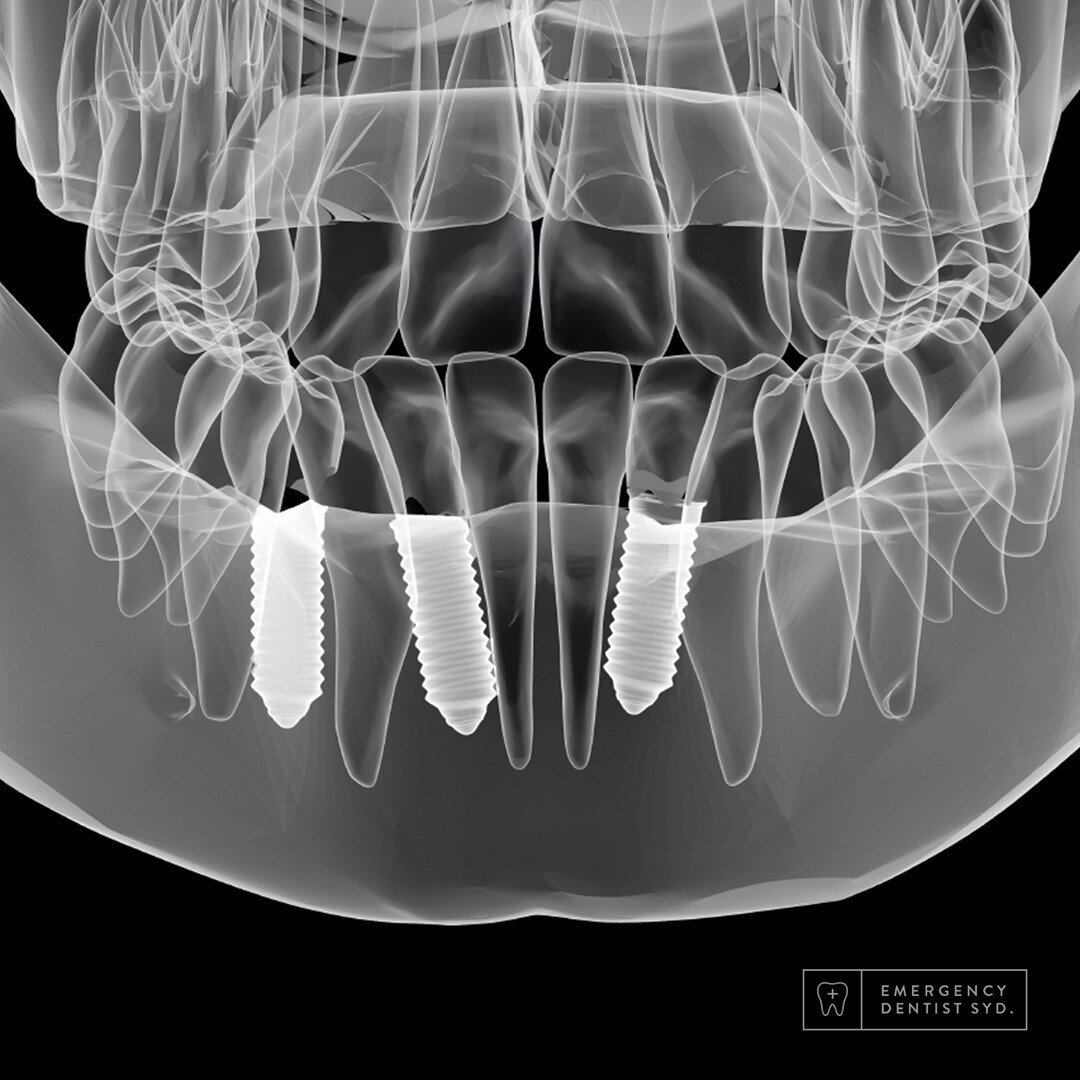
In severe instances where the tooth is extensively damaged and cannot be salvaged, extraction becomes the last resort. While not the ideal scenario, it eliminates the risk of infection spreading and allows for potential replacement options like implants or bridges.

Risks Associated with Neglecting a Damaged Tooth
Ignoring a cracked tooth can lead to various complications, including heightened sensitivity, pain, an increased risk of infection, and potential tooth loss. Delaying treatment might escalate the problem, making it more challenging and costlier to address later.
Preventing a Cracked Tooth
As mentioned, prompt action is crucial when dealing with a cracked tooth. Even seemingly minor cracks can worsen over time if left untreated, potentially leading to more extensive procedures or tooth loss.
Taking preventive measures, such as avoiding hard substances and using a mouthguard if you grind your teeth, significantly reduces the risk of developing a cracked tooth.
Need help with a cracked tooth?
A cracked tooth demands attention and timely intervention. Now you understand the causes, available treatments, and risks associated with neglecting a damaged tooth, you will be more capable of making appropriate decisions about your own oral health.
Remember, consulting a dental professional is imperative for proper assessment and tailored treatment, ensuring the preservation of your beautiful smile and overall dental well-being. Don't wait; prioritise your oral health to prevent minor cracks from turning into major problems.
The team at Emergency Dentist Sydney are here to help, no matter what day or time. We work around the clock for you.
NEED ADVICE OR EMERGENCY DENTAL CARE IN SYDNEY CBD?
Contact our friendly team


Our Top 5 Emergency Treatments
The Biggest Threats to Your Oral Health After Hours
The Biggest Threats to Your Oral Health After Hours

If you have a problem with your teeth at night or on the weekends, you’ll probably need to see our after-hours dentist. This is more common than you think. It’s normal to want to avoid thinking about a niggling pain in your tooth for as long as possible. But unfortunately, this means that it can flare up just at the wrong time. When this happens you’ll need to see a dentist as soon as possible. At our Emergency Dentist in Sydney, we see all sorts of dental problems after hours, but there are some that are more common than others. To learn about these procedures, and their treatments, keep reading.
1. Extractions
If you have a tooth that’s too damaged to fix then you may need an extraction. This type of damage is usually caused by injury or decay. During an extraction the affected tooth is removed from the socket bone. If the tooth is clearly visible in the mouth, your dentist will loosen it and then remove it with forceps. However, if the tooth is broken off below the gum line or hasn’t come through the gum then it will have to be removed surgically. This is a more complicated procedure during which the gum is opened up to remove the offending tooth.
2. Root Canal Treatment
If you have an infection or inflammation in a tooth then you may need a root canal. This is a very common reason for trips to the after-hours dentist and causes a great deal of pain and discomfort. Tooth infections happen by deep decay, a chip or crack in the tooth, or previous dental surgeries.
If you need to have a root canal your dentist will remove all the infected pulp from inside the tooth. The whole area will be cleaned and sterilised to remove all traces of the infection before a filling is inserted into the tooth to replace the tooth pulp. This procedure can save the affected tooth and help you avoid further surgeries.
3. Fillings & Dental Bonding
If you have a hole in your tooth because of decay, then you’ll probably need a filling. This is a very common procedure and an easy way to alleviate the pain that can occur with decay. During a filling procedure, your dentist will remove the damaged section of the tooth and replace it with a filling. A filling can be made of a number of different types of material depending on the size of the hole and its position in your mouth.
Another common emergency procedure is dental bonding. This is the cheapest and quickest way to improve the appearance of a damaged, broken or decayed tooth. The bonding material is attached to the surface of the tooth and vastly improves its appearance. During this procedure, your dentist will lightly abrade the surface of the affected tooth, apply a conditioning liquid and attach the resin. This is like plastic, so it can be moulded to fit the shape of your tooth. The material is smoothed and then hardened using an ultraviolet light.
4. Wisdom Teeth
Wisdom teeth usually grow in the late teens or early twenties. Unfortunately, not everyone has enough room in their mouth for these extra teeth. If this is the case for you, the new wisdom teeth can push other teeth out of the way or become impacted, causing infection and pain. This can come on quite suddenly and result in a trip to the after-hours dentist.
At the dentist, you will need to have an exam to determine what the problem is and what has to be done to alleviate it. If there isn’t enough room for your wisdom teeth, you will probably need to have them taken out. However, wisdom teeth can also cause pain in the gums and jaw when they’re coming through. So even if they hurt, you won’t necessarily have to have them removed. That’s why it’s important to get them checked so you can plan your next step.
5. Re-cementing of Crowns, Veneers & Bridges
Crowns, veneers and bridges are all used to replace missing or damaged teeth. Crowns are used to encase an entire tooth. They’re most often used when the tooth is decayed or damaged and improve the strength and the appearance of the tooth. Veneers cover the front side of the tooth, the part that faces outward, and improve the appearance of a damaged or broken tooth. And finally, a bridge is an artificial tooth that’s attached to surrounding teeth.
Despite the strength and durability of these dental additions, they can sometimes become damaged or loose. This can occur when the procedure is fairly recent and hasn’t completely set yet, because of injury, or while you’re eating something hard. If you lose a crown, veneer or bridge, your dentist will need to evaluate the area to see if the original addition can be re-applied. If not, you will have to decide what step to take next. If the dental addition can be reapplied your dentist will clean your mouth and the implant and reattach it.
Emergency Dentist Sydney Says:
If you have a toothache after office hours, make sure you contact our Emergency Dentist in Sydney. Our caring and expert staff are available now to take care of all your emergency dental needs.

Tooth Extractions
You Have Nothing to be Afraid of
You Have Nothing to be Afraid of
You might have chipped a tooth from a fall or cracked a tooth from accidently biting down on something hard. Whatever the reason for your toothache or pain, a tooth extraction will most likely not be the first procedure your dentist will suggest. Tooth extractions are actually only done as a last resort. However, if you are in a situation where your tooth needs extracting, there is totally nothing to fear!
Tooth Extraction is the Last Resort
Dental treatments and techniques are rapidly advancing. At Emergency Dentist Sydney, our dentists will always discuss with you the right treatment options for your dental emergency. We avoid tooth extraction as there are a number of treatments that can be done first instead and most importantly, we want to save your tooth. This means if you have a broken tooth and are avoiding the dentist because you're fearing the extraction procedure, call your dentist now as an extraction may not be the case. Your dentist will try to fix your damaged tooth with a filling, crown or other treatment.
The Extraction Procedure
Sometimes, there may be too much damage for the tooth to be repaired. This is when the tooth will need to be extracted. The Procedure itself is fairly quick. Dr. Oberoi states that it usually takes under a minute to actually remove the tooth. He says that “I spend more time talking to the patient and making sure they’re comfortable than doing the procedure itself.” The care at Emergency Dentist Sydney is personalised to the patient, to ensure the procedure is as comfortable and stress free as possible.
A Painless Dentist Procedure
What we will always do is make sure that the area we are performing the extraction is completely numb. Even administering the anaesthetic is painless with the help of some numbing cream. At Emergency Dentist Sydney, we also have a number of options for anxious patients including local anaesthesia, happy gas or even IV sedation. Your dentist will discuss with you the best option for your situation and condition.
Tooth Extraction After-Care
Aftercare is almost as important as the extraction itself. Your dentist will stay in touch with you over the days after the procedure. They will be able to answer any questions or concerns you might have and provide assistance in the unlikely case of complications.
Emergency Dentist Sydney Says:
Extractions sound scary but in reality, they’re usually very quick and pain-free. Our dentists always ensure a pain-free and comfortable procedure for all patients so come and see us if you have concerns about your smile.

Extractions Don’t Need To be Feared
Toothache
Here's Why
Pulling teeth - or dental extractions as they are properly called - is one of the oral health services that gets a seriously bad rap.
In fact, the idea of getting a tooth pulled is so scary to some that it's one of the number one reasons they put off going to see a dentist when toothache strikes; a fear of the pull.
To be fair, the term 'pulling teeth' sounds pretty painful. That's why dentists really don't like it. A modern dental extraction is not a painful, terrifying experience at all, but we understand that some need a little extra convincing. So let's take a look at just how a dental extraction works in the 21st century.
How Does a Dental Extraction Work?
How can it not hurt to get a tooth extracted? That's a fair question we'd expect to hear. Back in the day, before dental technology was as good as it is today, getting a tooth pulled could indeed be a painful, somewhat bloody process. Today, it's a matter of the application of a numbing cream, the administration of a simple, safe local anesthetic, the extraction of the tooth, which in the hands of a skilled and experienced dentist literally takes seconds, and the application of a little gauze to the former site of the tooth to stem any bleeding and aid rapid blood clotting. It's all over in a matter of minutes and if the now removed tooth was causing the patient pain - which very often it was - that pain is gone and they will be on the road to better oral health overall right away.
Oh, and by the way, the term pulling a tooth is really misleading. There really is very little pulling involved. In fact if you were to attempt to pull your own tooth, and you took a pair of pliers and pulled at the offending tooth, you would find that it does not come out unless you bench 250. Why? Because any tooth is 'glued' into its socket by tiny ligament fibres that anchor it into the jaw. To remove the tooth a dentist gently loosens these fibres and 'pops' the tooth out, no yanking required. As he or she does so, you will very likely feel pressure, but, in the hands of a skilled dentist, that pressure should not become pain, even if the tooth is a little bit stubborn and tries to hold on (which some do.)
When Is a Dental Extraction Needed?
Now that you have a better understanding of what to expect during a dental extraction we need to move on to the next issue, when does a dentist decide to recommend a dental extraction? In a word, as a last resort. Once you remove a tooth it's gone for good, so doing so is not a decision to be taken lightly. A good dentist will recommend trying all other available avenues - often a root canal - before suggesting a dental extraction. Sometimes, however, there is just nothing to be done and removal is the very best option. Your dentist will explain why, and then, because dentistry has come so far so fast, discuss with you the possible options for replacement, with a crown or implant.
Emergency Dentist Sydney Says
Dentists don't actually relish pulling teeth, it's our job to try and save them, but when we can't we make the extraction process as easy and comfortable as possible.
Need Advice Or Emergency Dental Care In Sydney CBD?
Contact our friendly team


Patient Care First

Keep Up-To-Date with All Things Oral & General Health
RECENT ARTICLES








For 15 years, we've had one mission - when Sydney has a dental emergency, Emergency Dentist Sydney is there
We're proud to celebrate 15 years of providing emergency dental services to Sydney CBD and surrounding suburbs.