
What is Dental Pain and How to Fix It
What is Dental Pain and How to Fix It
While most of the time being silent and invisible, tooth pain can cause severe distress. Learn the causes of tooth pain and how to fix and prevent it here.
Unravelling the mystery of dental pain
At Emergency Dentist Sydney, we know dental pain can be one of the most discomforting experiences, disrupting our daily routines and causing considerable distress.
Understanding the root causes of dental pain is crucial for maintaining oral health and seeking timely treatment. In this comprehensive guide, we delve into the various factors that contribute to dental pain, shedding light on common culprits and offering insights into effective management strategies.
Types of Dental Pain
Dental pain can manifest in various forms, ranging from mild sensitivity to excruciating throbbing sensations. Identifying the type of dental pain can provide valuable clues about its underlying causes.
For instance, sharp, intermittent pain may indicate issues like dental decay or a cracked tooth, while persistent, dull pain could signify gum disease or infection.
Common Causes of Dental Pain
Dental Decay:
Among the primary causes of dental pain is dental decay, commonly known as cavities. When plaque—a sticky film of bacteria—accumulates on the teeth, it produces acids that erode the tooth enamel, leading to cavities. As decay progresses, it can expose the sensitive inner layers of the tooth, triggering pain and discomfort.
Gum Disease:
Gum disease, or periodontal disease, is another prevalent cause of dental pain. It occurs when bacteria infect the gums, causing inflammation and weakening the tissues supporting the teeth. In advanced stages, gum disease can lead to gum recession, tooth mobility, and persistent pain.
Dental Infections:
Untreated dental decay or trauma can pave the way for bacterial infections within the tooth pulp or surrounding tissues. Abscesses, or pus-filled sacs, may form as a result, causing intense pain, swelling, and even systemic complications if left untreated.
Tooth Trauma:
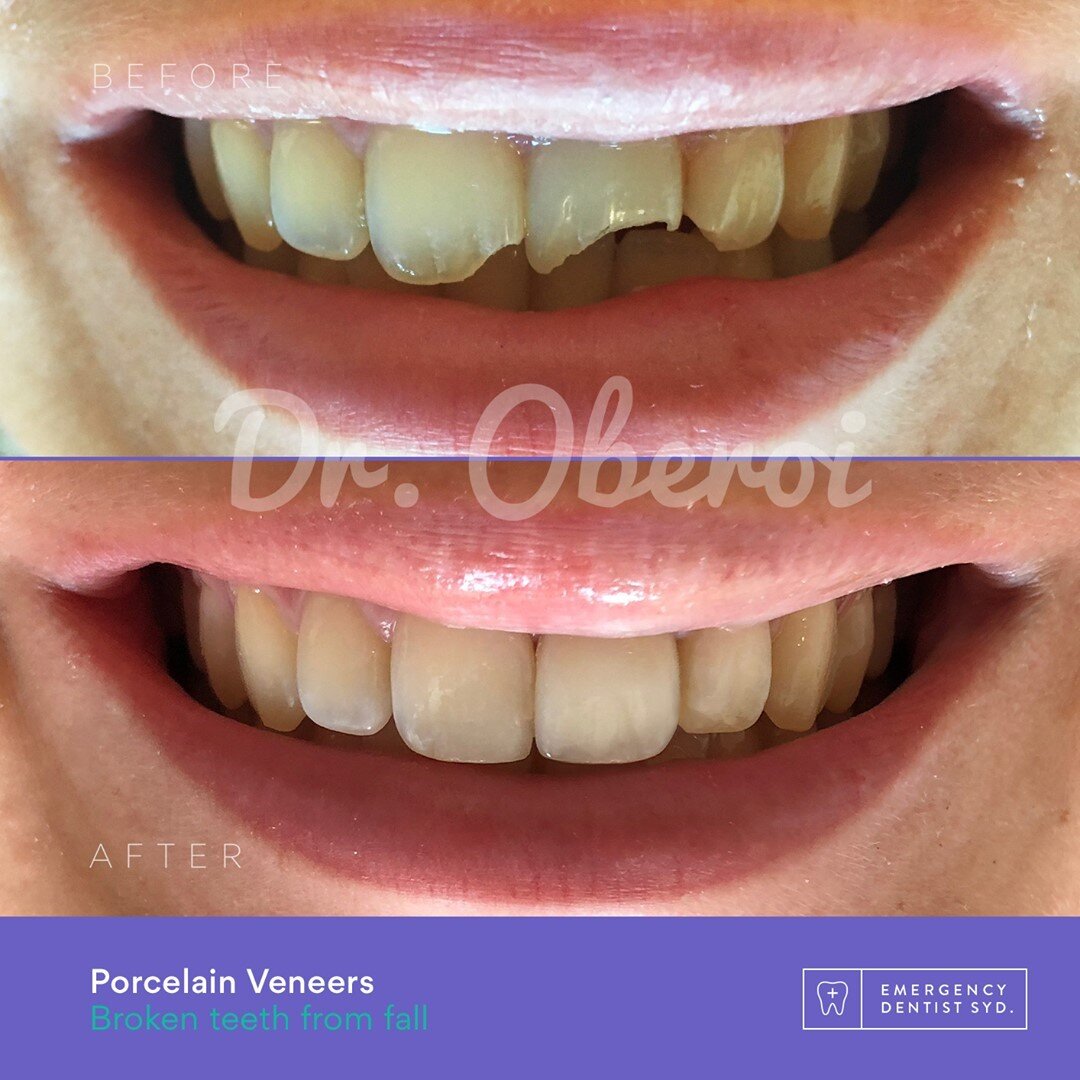
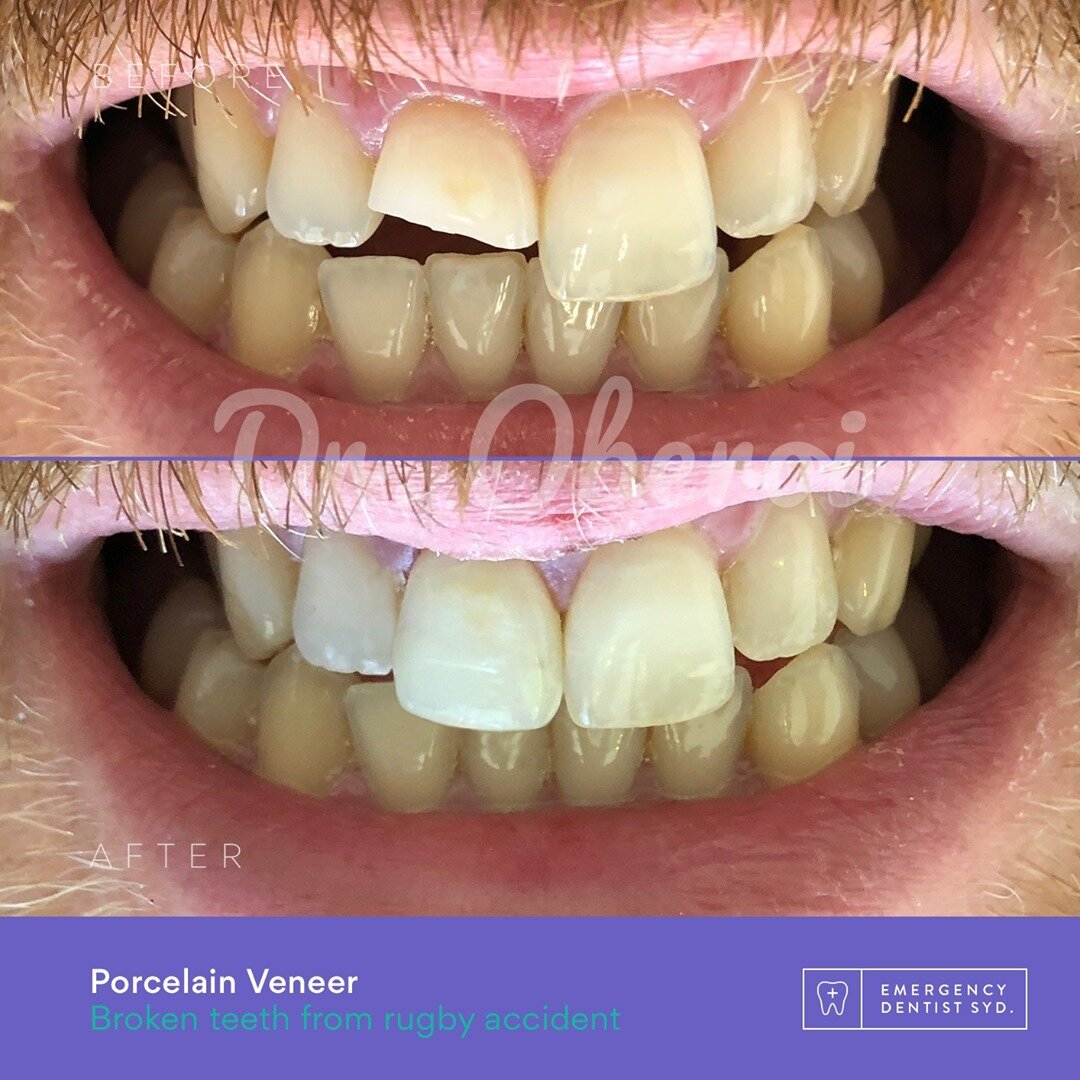
Accidental trauma, such as a fall or sports injury, can inflict damage to the teeth, gums, or jawbone, resulting in acute dental pain. Fractured teeth, dislodged restorations, or soft tissue injuries can all contribute to discomfort and require prompt intervention by an emergency dentist.
Tooth Sensitivity:
Tooth sensitivity, characterised by brief, sharp pain in response to stimuli like hot, cold, sweet, or acidic foods, can stem from various factors, including enamel erosion, gum recession, or exposed tooth roots.
While often manageable with desensitising toothpaste or dental treatments, persistent sensitivity may signal underlying issues requiring professional evaluation.

Management and Prevention:
Effective management of dental pain involves a multifaceted approach tailored to the underlying cause. In many cases, early intervention can prevent minor issues from escalating into severe dental emergencies. Here are some strategies for managing and preventing dental pain:
Maintain Oral Hygiene:
Regular brushing, flossing, and routine dental check-ups are fundamental for preventing dental decay, gum disease, and other oral health problems. Proper oral hygiene practices can help remove plaque and bacteria, minimising the risk of painful dental conditions.
Watch Your Diet:
Limiting sugary snacks and acidic beverages can help safeguard against dental decay and erosion. Opt for a balanced diet rich in calcium, vitamins, and minerals to promote strong teeth and gums.
Address Dental Issues Promptly:
Don't ignore dental pain or discomfort, as it may indicate underlying problems requiring professional attention. Schedule regular dental exams and address any concerns or symptoms promptly to prevent complications and alleviate pain.
Use Protective Gear:
Wearing mouthguards during sports activities or activities that pose a risk of dental injury can help prevent trauma and reduce the likelihood of dental emergencies.

Manage dental pain with the help of a professional
Understanding the causes of dental pain empowers individuals to take proactive steps toward maintaining optimal oral health and seeking timely treatment when needed.
By adopting good oral hygiene habits, addressing dental issues promptly, and prioritising preventive care, we can minimise the risk of dental pain and enjoy a lifetime of healthy smiles.
Remember, your emergency dentist in Sydney is here to provide compassionate care and alleviate your dental discomfort, ensuring your oral well-being remains a top priority.
NEED ADVICE OR EMERGENCY DENTAL CARE IN SYDNEY CBD?
Contact our friendly team


How to know if my tooth pain is an emergency?
How to know if my tooth pain is an emergency
Suffering from tooth pain? Learn the steps to take to avoid your situation worsening. Emergency Dentist Sydney is here to educate and help.
Got tooth pain? Learn the steps to take to avoid emergency
Understanding the nature of tooth pain is crucial in determining when urgent dental care is necessary. Whether it's mild discomfort or an excruciating ache, differentiating between regular dental issues and emergencies is essential for proper oral health management.
What is Tooth Pain
Tooth pain refers to any discomfort or ache experienced in or around a tooth. It can manifest in various forms, including sharp, throbbing, or persistent pain, and might involve the teeth, gums, or jaw. Tooth pain is often a symptom of an underlying dental issue that requires attention.
Causes of Tooth Pain
Several factors can contribute to tooth pain, ranging from minor issues to severe dental problems:
Tooth Decay: Cavities or decay can lead to sensitivity or pain, especially when the damage reaches the nerve.
Gum Disease: Inflammation of the gums, known as gingivitis or periodontitis, can cause discomfort and pain in the affected areas.
Dental Abscess: An infection in the tooth or gums can result in severe, throbbing pain, often accompanied by swelling and fever.
Trauma or Injury: Accidents or injuries to the teeth or mouth can cause immediate or delayed pain, indicating damage or infection.
Steps to Take When Dealing with Tooth Pain
Assess the Severity: Determine the intensity and duration of the pain. Severe and persistent pain often signifies an urgent issue.
Rinse and Floss: Gently rinse your mouth with warm water and floss to remove any debris that might be causing irritation.
Over-the-Counter Pain Relief: Use over-the-counter pain medications to alleviate discomfort temporarily.
Consult a Dentist: Contact a dentist promptly, explaining the symptoms and seeking their guidance. Dentists can provide advice or schedule an emergency appointment if needed.
Avoid Self-Treatment: Refrain from placing aspirin or other medications directly on the affected area without professional guidance.

Consequences of Ignoring Tooth Pain
Ignoring tooth pain can lead to various complications:
Worsening of the Issue: Dental problems rarely resolve on their own. Ignoring pain might lead to the progression of decay, infections, or gum disease, causing more extensive damage.
Increased Pain: Delaying treatment can result in increased pain and discomfort, affecting daily activities and overall well-being.
Spread of Infection: Infections in the mouth can spread to other parts of the body, leading to severe health complications if left untreated.
Permanent Damage: Neglecting dental issues might result in irreversible damage to teeth or surrounding structures, potentially requiring more invasive and expensive treatments, such as Root Canal or tooth extraction.
Conclusion
Tooth pain should not be dismissed lightly. While not all toothaches are emergencies, prompt attention and evaluation by a dental professional are essential. Recognising the severity of the pain, taking immediate steps for relief, and seeking professional advice can prevent potential complications and ensure optimal oral health.
Remember, addressing tooth pain early not only alleviates discomfort but also prevents further damage, safeguarding your dental well-being in the long run.
NEED ADVICE OR EMERGENCY DENTAL CARE IN SYDNEY CBD?
Contact our friendly team

"Just Take My Tooth Out."
Is This What You Should Be Saying?
Is This What You Should Be Saying?
If you have tooth pain, it can be tempting to do whatever is necessary to immediately fix the problem. If you do this, it will allow you to go back to your normal life with as little disruption as possible. However, this kind of speed can cause its own problems. It can lead to you making the wrong decision for your long term oral health. That’s why you need to carefully consider the alternatives before you ask an after hours dentist to remove a troublesome tooth.
Why Some People Choose Extraction
If you have a really severe toothache or cracked tooth, you might think that the best solution is to just get rid of the tooth. There may be a number of reasons for making this decision. As Dr. Oberoi from Emergency Dentist Sydney says, “Some people who want their tooth taken out do it because they don’t think they can afford to keep it, or they don’t fully understand the value of having your own teeth.”
You might also be experiencing severe pain or just don’t seem to have the time to get the problem fixed properly. Unfortunately, you might think that you can just get your tooth out and go through the rest of your life as if nothing happened, but this isn’t usually the case. Having a missing tooth or teeth can cause a variety of problems in the long term. This includes the following:
Chewing will be more difficult.
The shape of your face will change.
Your speech can be affected.
The gap might show when you smile, making you feel self-conscious.
The health of your remaining teeth will be affected, resulting in a higher chance of further decay.
Teeth support each other in the right position, so if you have one removed it will lead to the others slowly collapsing into the gap.
Teeth are meant to work as a unit, so when one is missing, your oral health overall will decline. So if you get a tooth removed impulsively, it will probably lead to more serious problems down the road.
The Alternatives to Extraction
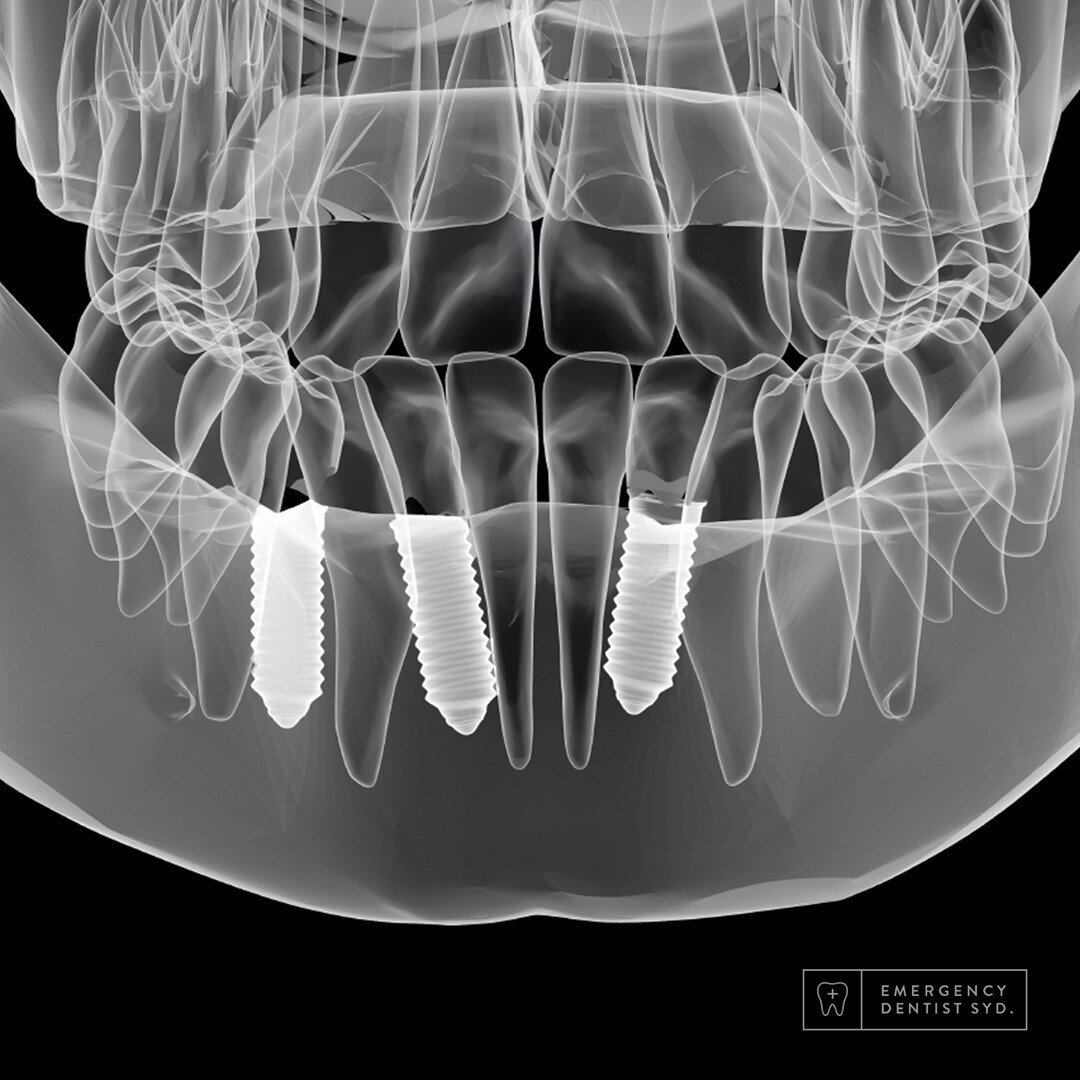
Extracting a tooth is a serious procedure. That’s why a good after hours dentist will find other ways to save your tooth if possible. As Dr. Oberoi says, “When you’re looking at alternatives, the best thing to do is to save the tooth with a root canal. If the tooth has a crack in it we can fit a crown or veneer over the top. And a dental implant is the last solution if the crack is really bad.”
So the next time you have a toothache, talk to your dentist before you make any decisions. This will help ensure that you get the best treatment possible for your present and your future oral health.
Emergency Dentist Sydney Says:
If you have a dental emergency, contact our Emergency Dentist in Sydney. Our caring and expert staff are available 24 hours a day to help you with all your emergency dental needs.

Is Immediate Pain Relief Always Possible?
What to Expect When You Visit Your Dentist with a Painful Problem
What to Expect When You Visit Your Dentist with a Painful Problem
If you’ve ever had a toothache then you know how uncomfortable it can be. In fact, this is probably the most common complaint that sends people to an after hours dentist. If you experience dental pain, you might worry about how much your dentist can actually help with it. After all, how much can they do apart from give you painkillers? Well, they can actually do a lot more than give you some tablets. To understand all the ways your dentist can alleviate your dental pain, keep reading.
Causes of Dental Pain
There are a number of things that can cause dental pain and send you to the after hours dentist. Some of the most common are:
Tooth decay or a cavity.
A cracked tooth.
An abscess.
Damaged dental work such as a broken filling or crown.
Gum disease.
Infection.
Damage or strain caused by repetitive movements such as grinding or chewing.
Dental Solutions to Pain
If you’re suffering from dental pain, the first thing your dentist will do is treat the problem. So if you have a cavity, they will put a filling in. If you have an infection, they will treat the cause of the infection and clean the infected tissue. This will help to completely eliminate the cause of the pain, prevent further problems, and return you to normal functioning again. There are a number of options that your dentist can offer for pain relief including oral medication, laughing gas, and IV sedation.
How Long Until You’re Pain Free?
In most cases, your dentist can eliminate your pain almost immediately with the three different pain options available in the clinic. Once the pain is alleviated, the source of the pain can be treated. This will eliminate the pain at its source so you’re comfortable once the painkillers wear off. If the pain returns after the treatment, then it means you need to visit your after hours dentist again.
As Dr. Oberoi from Emergency Dentist Sydney says, “If the pain gets worse or comes back it means that something has gone wrong or the issue hasn’t been addressed.” So talk to your dentist if you experience any further problems.
The only real exception to this is if you have a severe infection. Dr. Oberoi warns that, “In terms of pain relief we try and alleviate the pain straight away, and a lot of times we can. But in the case of severe infection it can take 24 to 48 hours for the pain to go away completely.” Which is all the more reason to visit your dentist before a problem gets to this stage.
What About Surgical Pain?
If you have some kind of dental surgery there will be some pain and discomfort afterwards. This is the case for any type of surgery, and it can usually be treated with over the counter pain medication. But you can also minimise your discomfort by choosing the right dentist for the surgery.
Dr. Oberoi states, “It depends on how the surgery is done. If the surgeon is careful to cause little trauma, then there’s less pain. That’s why it’s important to get the right people for your dental surgery.” So before you have any dental surgery, make sure that your dentist is well trained and experienced. That will help ensure that you have the best outcome possible from the procedure and it will cut down on your recovery time as well.
Emergency Dentist Sydney Says:
If you’re experiencing dental pain, contact Emergency Dentist Sydney. Our caring and expert staff are available 24 hours a day to help you with all your emergency dental needs.

Do All Toothaches Come From Bad Hygiene?
The Truth About Your Sore Tooth
The Truth About Your Sore Tooth

If you have a toothache you might worry that it’s because of bad hygiene. This worry could make you embarrassed to visit your dentist, because you don’t want to be told that you aren’t taking care of your teeth properly. But there are a number of reasons why your tooth might hurt and send you to the after hours dentist, and some of them have nothing to do with your oral hygiene. If you want to understand why your tooth is hurting, here are some of the most common causes.
The Effects of Bad Dental Hygiene
As Dr. Oberoi from Emergency Dentist Sydney says, “Toothaches are caused by nerve pain, gum infection, trauma, wisdom teeth, grinding, or extreme sensitivity. There are a lot of reasons why your teeth may hurt.”
However, problems associated with toothache are most commonly caused by bad dental hygiene. That’s why it’s so important that you brush and floss regularly and visit your dentist for regular check-ups. This will prevent any problems from getting worse and help you avoid getting a toothache.
The most common dental problems caused by bad dental hygiene are:
Tooth decay or cavities.
If you have a toothache, it’s very likely that it’s because you have tooth decay because this is the most common cause of dental pain. Tooth decay is caused by poor oral hygiene. So make sure you brush and floss regularly if you want to avoid a trip to the after hours dentist with a hole in your tooth.
An abscessed tooth
If you ignore tooth decay for a long time it may result in an abscessed tooth. This is an infection within the tooth that occurs when a cavity penetrates down to the pulp of the tooth. It can result in severe pain, infected and swollen gums, and can even result in the loss of a tooth.
Gum disease
If you neglect your oral health it will do more than make you more likely to get a cavity. It can also cause gum disease. Gum disease occurs when plaque builds up on your teeth and isn’t regularly removed. Plaque contains millions of bacteria which attack the gums, causing redness, swelling and bleeding. If gum disease is left untreated it can cause tooth loss and other serious problems.
Toothaches That Aren’t Related to Hygiene
There are also a number of common dental problems that can cause a toothache and aren’t related to your dental hygiene. These include:
Injury or trauma
This is a very obvious cause of pain. If you fall or hurt yourself during sports you can crack a tooth or damage your gums, both of which cause pain. If this occurs, see an after hours dentist as soon as possible to avoid further damage.
Wisdom teeth
Most people just don’t have room in their mouth for their wisdom teeth. This doesn’t stop them growing however, and if there isn’t room for them they can become impacted. This can result in infection or it can push your other teeth out of alignment. When wisdom teeth become impacted they’re very painful, and the pain is usually centred at the back of the mouth. So if you experience this pain, visit your dentist as soon as possible to avoid further problems.
Teeth grinding
If you grind your teeth at night you probably won’t know it until your teeth start to hurt. Grinding can wear down the enamel on your teeth, causing pain and trauma as well as other dental problems. So if you think that you grinding your teeth then you need to talk to your dentist about it as soon as possible.
A number of dental problems can cause pain and some of them are caused by poor oral hygiene. But this isn’t all bad, because it means that you can avoid these problems by taking care of your mouth and teeth and by visiting your dentist for regular check-ups.
Emergency Dentist Sydney Says:
If you have a dental emergency, contact our Emergency Dentist in Sydney. Our caring and expert staff are available 24 hours a day to help you with all your emergency dental needs.

What Does a Dental Emergency Look Like?
Tooth Pain
Tooth Pain
Pain generally is a sensation, usually protective, that gives the body a warning sign, showing that something is wrong. It could be mild and bearable and sometimes extreme and highly unbearable. For tooth pain, it has been recorded to be the second most painful sensation in the human body. Due to its gradual progression, many people decide to overlook it and don't seem it fit to handle it as an emergency case not until it graduates to being unbearable. It is at this time that they start finding it difficult to sleep at night, the pain wakes them up and causes gross discomfort for them. Then, they decide to consult their dentist.
Symptoms of Tooth Pain
The signs that show that you have tooth pain and not just any other kind of pain are:
Sensitivity to hot or cold food and liquid
Sensitivity to hot or cold foods after dental treatment
Sharp pain when biting down on food
Lingering pain after eating hot or cold foods and liquids
Dull ache and pressure in the upper teeth and sinus area of one or both sides
Acute pain from an area, but difficult to pinpoint the pain location
Causes of Tooth Pain
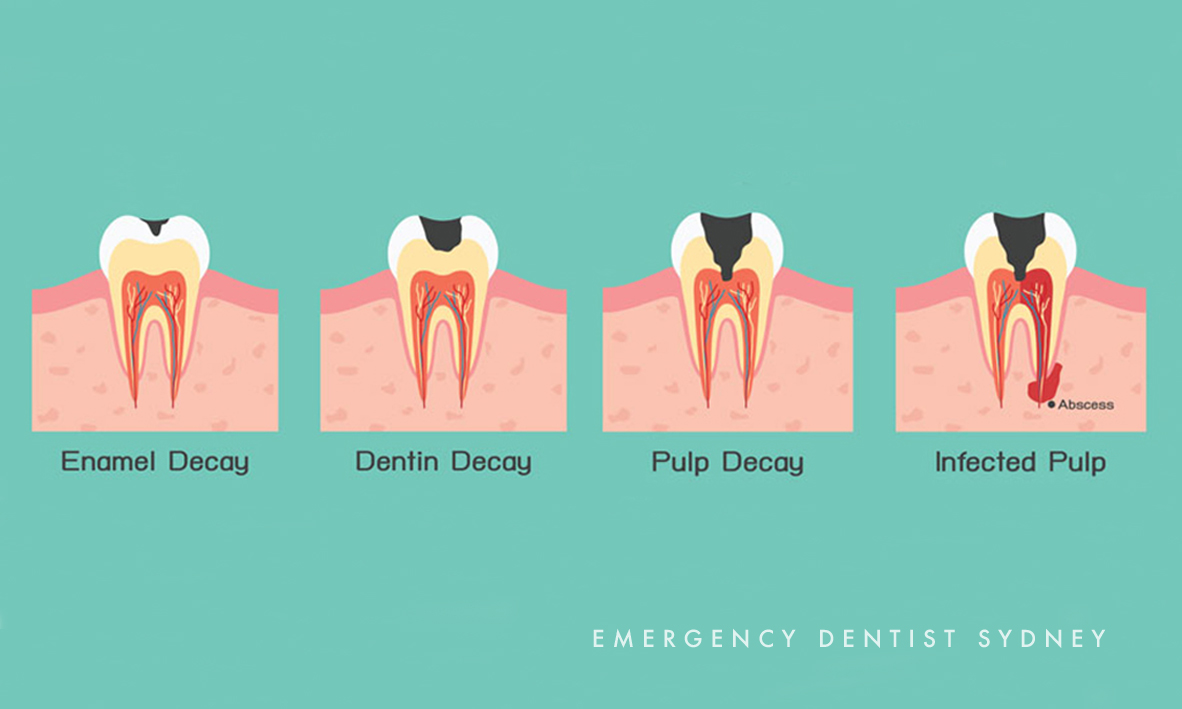
Tooth pain usually result from pain in the tooth or jaws. They can be divided into Dental and Non-Dental causes:
1. Dental Causes
Tooth Damage: It is very common for tooth damage to cause tooth pain. A broken or chipped tooth due to trauma can cause pain to the tooth. A damaged filling, crown or dental implant can also trigger tooth pain. Your dentist will fix this problem with a new crown or filling.
Tooth Decay: This is another common cause of tooth pain with several degrees of seriousness. A cavity can eventually occur in your tooth if you leave your tooth decay untreated. These cavities can grow larger and can be very painful particularly when it gets to the nerve ending. Abscesses happen when the infection reaches the nerve and pulp inside the tooth. Your dentist will usually drain the site to get rid of the pus and give you painkillers and antibiotics to combat the infection.
Gum Disease: Gingivitis left untreated results in periodontitis, also known as gum disease. This is usually associated with redness or swelling of the gum which can be due to plaque accumulation in the area. Tooth pain as well as gum pain are symptoms of gum disease. If you are at the gingivitis stage, your dentist will clean your teeth and gums to remove the plaque buildup. If the gingivitis has led to periodontitis, a root canal treatment may be required.
2. Non-Dental Causes
Sinus Pain Infection: Sinus infection usually causes pain in the tooth, particularly the upper back corners of the mouth. If sinus infections are a regular thing for you, you may have notices a pain in your teeth located near the sinus cavities. Decongestants or other sinus relieving medications may be able to help you, just ask your doctor for advice on these medications.
Heart Attack: Pain from a heart attack can radiate into the lower jaw.
Diabetes: Uncontrolled blood sugar increases your risk for tooth decay which will lead to tooth pain.
Drug Abuse: Abnormal use of some drugs such as Methamphetamine can cause tooth pain.
Vitamin Deficiency: Low level of Vitamin B12 in the body usually causes tooth pain.
Treatment of Tooth Pain
Practising good oral hygiene is always the number one prevention method.
If your tooth pain is unbearable and it is associated with a fever or any other pain, don't delay your visit to the dentist. Do not self-medicate so as not to complicate issues for yourself.
Emergency Dentist Sydney Says:
Tooth pain should be considered an emergency situation and the need to visit a dentist as quickly as possible should not be delayed. Our dentists will help you with a treatment so you walk out pain free.

Acute Pain
What to Expect
What to Expect
Pain in the tooth has been recorded to be the second most painful form of pain in the human body. Acute tooth pain can be very discomforting. It is an experience that should never be gotten as it is always difficult to forget experiences like that. This is because the pain takes all of you and you just cannot get yourself to concentrate on any other thing. No one who has ever had a tooth pain prays to keep having it.
What are the Causes?
Acute pain can be caused by a lot of factors which ranges from coming from the upper part of the tooth to the ones radiating from deep within the gum. Tooth pain can also be gotten as a result of infections from other parts of the body associated with the tooth. Some of the main causes of acute tooth pain are:
Tooth Decay: This is a major factor that causes acute tooth ache and it is due to bacterial infection. It occurs when the bacteria traversed through, reaching the roots of the tooth thus causing an abscess. The pain can be very terrible and highly unbearable.
Fractured Tooth: When a tooth is fractured, the nerve gets exposed and the exposure of a nerve causes excruciating pain because nerve exposure usually leads to the formation of an abscess.
Gum Disease: When the gum of an individual is infected and not quickly treated, it can lead to an inflamed gum, periodontitis and other root canal infections and this also is a leading cause of acute tooth pain.
Symptoms
When toothache occurs, some of the obvious symptoms that it comes with are:
Confusion and severe headache
Persistent increase in temperature
Obvious swelling and palpable tenderness of the gum and generally in the mouth
Blurred and/or double vision
Treatment Options
Acute pain should be taken as an emergency situation and be treated as such. The first and main treatment is to contact your dentist right away. This is important because the pain might trigger lots of other problems and complications might arise. While preparing to see the dentist though, some of these treatments can be quickly applied:
Properly rinse your mouth with warm water in order to get it cleansed.
Take two tablets of Ibuprofen or Advil and then wait for three hours.
Then, take two Panadol tablets and then wait for another three hours before repeating the second step.
These tablets to cause a significant reduction in the swelling in case there is an inflammation and also reduce the pain to a bearable minimum. It is very important to note that you should not directly apply aspirin, you should see your dentist instead.
Before getting to the end of these treatments, you must have been able to reach your dentist and get the proper care.
In cases whereby the pain is severe, has lasted more than a day or you have other associated pain apart from the toothache, it is very expedient to see the dentist quicker because other treatment options may be needed as all these may be due to abscesses or deep root canal infections and it warrants more serious treatments such as:
Extractions or removal of the tooth
Filling of the tooth
Gum or Periodontal treatment
Root Canal treatment
All these would require serious treatment and some minor surgical procedures, but, there is no need to panic as long as you visit the right dentist.
Emergency Dentist Sydney Says:
If your toothache is severe, follow these emergency dental care tips. If it has lasted for more than 24 hours and you just can't take it anymore, give us a call.

Dental Hypersensitivity
Why Are My Teeth so Sensitive?
Why Are My Teeth so Sensitive?

Dental Hypersensitivity is a common problem for a lot of people aged between 20 and 50. Have you ever had a hot or cold drink and as soon as you started drinking, felt a sharp pain on your tooth/teeth? Does it also happen when you eat or drink something sweet or acidic? You are experiencing this kind of pain because you have hypersensitive teeth. Here are the top two reasons why you may have dental hypersensitivity.
What Causes Tooth Sensitivity?
Gum Recession
The most highest leading cause of tooth sensitivity is gum recession and there are many reasons why you can have receding gums. It can be a result of aggressive tooth brushing, using a hard toothbrush, gum disease, a very acidic diet and even ageing.
Each tooth has a layer of enamel and the root of each tooth has a soft layer called cementum. When the cementum wears off because of gum recession, the underlying dentin layer (the layer that surrounds the nerve) is exposed. The dentin contains thousands of channels that run from the surface of the tooth to the central nerve and when these channels are stimulated by certain foods or drinks, it travels to the nerves inside the tooth causing a sharp sensation.
Enamel Wear
Enamel, which is the layer on the surface of your teeth, is actually the hardest substance in the human body. However, it can still wear away over time, slowly exposing the underlying dentin layer which leads to dental hypersensitivity. There are a few causes of enamel wear such as: bruxism (teeth grinding), aggressive and improper brushing, using abrasive tooth pastes, or having too much acidic foods and drinks. A chipped or cracked tooth can also expose the dentin, which is why it is extremely important to visit the dentist when this happens
How to Prevent Tooth Sensitivity?
You can do a number of things at home to prevent painful tooth sensitivity.
Maintain good oral hygiene – brushing correctly
Use a soft bristle tooth brush
Using a non abrasive tooth paste or one that reduces sensitivity
Avoid acidic foods and drinks
More importantly, it is best to have regular dental visits because your dentist can detect early signs of enamel wear. Your dentist can also teach you proper brushing techniques and let you know which tooth pastes to use, as well as provide other prevention methods
Emergency Dentist Sydney Says:
Dental hypersensitivity should not be ignored no matter how short or low the pain is. Ignoring your sensitive teeth can lead to other oral health problems so make sure to have regular dental check ups with your dentist.

Sudden Toothache and Emergency Dental Treatment
How We Can Help
How We Can Help
Those who have never experienced a serious toothache really don't know just how bad the pain from something as 'minor' as tooth pain can be. Most of those who have been through such pain before, on the other hand, understand all too well just how terrible toothache can be. And although it's often a matter of personal perception, somehow it often seems as if the toothaches that strike late at night, or at the weekend, when most dentists' offices are closed feels even worse than one that strikes during 'regular' business hours.
What Causes Sudden Toothaches
A bad toothache can strike like lightning - and in many cases be so painful that it actually feels like something hit you - but often the problem has been 'brewing' for weeks (or even months).
Untreated tooth decay 'suddenly' leads to the beginnings of a painful infection, or a nerve that has become exposed due to the decay becomes hugely sensitive. Or gum disease results in a painful abscess. Or that wisdom tooth you've been warned about (several) times before is trying to erupt again and causing pain that can be excruciating.
Trauma can lead to a severe toothache as well of course. A blow to the mouth, a tooth that gets cracked or dislodged or an injury to the gum line can all lead to a terrible toothache as well.
When is a Toothache an Emergency?
You've tried Panadol. You've tried taking the afternoon off. You've tried ice. You've tried heat. Your toothache isn't improving though, and, in fact, it seems to be getting worse. But is this really a situation that merits a visit to an emergency dentist or should you just try to tough things out until office hours, even though that is getting harder and harder to do?
In many cases, the simple answer is yes. No one should suffer needlessly, and so if the pain is severe, if it has come on very suddenly and/or has lasted for more than 24 hours a call to an emergency dentist really is the best course of action. It becomes even more important that you do so if your pain is accompanied by a fever or is radiating to other places - your ears for example - as well.
Whatever the cause of your pain is eventually determined to be (more about that in a moment) prompt action can not only help you stop the pain faster but may also help save your tooth (or teeth)
What Can an Emergency Dentist do for Toothaches?
What an emergency dentist will do for your toothache depend upon what the problem is determined to be. Therefore, that will be the first order of business, by way of a full examination and a set of x-rays. Once the cause of your toothache has been diagnosed your dentist will discuss treatment options with you, but they may include any of the following:
Removal of the tooth or extractions
Fillings
Gum Treatment or Periodontal Treatment
Root Canal Treatment
Can Toothache be Prevented?
Many of the causes of a sudden toothache are indeed preventable. Tooth decay and gum disease can often be prevented with simple good oral hygiene - brushing and flossing at least twice a day, regular visits to the dentist and routine care as needed. If you get into the habit of visiting your dentist every three to six months the simple fact is that you may never need emergency dental treatments at all.
Emergency Dentist Sydney Says:
If your toothache is severe, follow these emergency dental care tips. If it has lasted for more than 24 hours and you just can't take it anymore, give us a call.

Common Emergency Situations
What Problems Do We See Most?
What Problems Do We See Most?

At Emergency Dentist Sydney, we are often asked just which dental emergencies we treat most often. And while we certainly see all kinds of cases - you might be surprised what we see - there are indeed certain dental emergencies that we spend more time dealing with than others. Here's a brief look at some of them:
Loose Teeth
There are a number of reasons why a tooth loosens but often when patients come to see us it is because their tooth has been loosened as a result of a trauma; a sports injury, a fall in which the tooth has been damaged and yes, sometimes when it's owner has been on the receiving end of a blow of some kind. A loose tooth isn't always a tooth that is destined to be lost though, as, if it's deemed appropriate a loose tooth treated quickly can be replaced and saved.
Knocked Out Teeth
Getting a tooth knocked out is a traumatic experience no matter who it happens to and just how the injury occurs. In years gone by once, a tooth was knocked out it was thought to be pretty much the end of it, and a dentist's primary job at that point was to 'clean up the mess' and then help patients make a plan to move on without the tooth. These days however with prompt and expert treatment a knocked-out tooth can often be saved.
Fractured Teeth
A fractured tooth, just like a fractured bone elsewhere in the body, can be more of a problem than people often think. As is the case with bones, fractured teeth vary in severity as well, from small cracks and chips that may call for primarily cosmetic dentistry to deep fractures that may have damaged the root of the tooth, calling for a more serious surgical procedure.
Toothache
There are lots of different reasons why a tooth might hurt, and the middle of the night is not a time that anyone really wants to start playing guessing games. That's why a great many patients we see on an emergency basis simply know that they are in terrible pain that just won't seem to quit and they leave it up to us to figure out why that is and what we can best do to help.
Acute Pain
Not all mouth pain is radiating from the teeth. Damaged and/or diseased gums or even an abscess may be to blame instead. When treating patients in acute pain on an emergency basis we can often help determine just what the problem is quickly and begin treating the cause of the pain effectively, and not just the pain itself.
Tender, Inflamed or Bleeding Gums
Not every case of swollen or bleeding gums needs to be treated on an emergency basis but there are some that call for swift treatment in order for patients to make the best possible recovery, especially as bleeding gums can often be a sign of another oral health problem as well.
Emergency Dentist Sydney Says:
Not sure if the dental problem you are experiencing is an emergency? Give us a call, we'll help you figure it out.

Dental Flossing 101
Yes It's a Bother, But You Still Need to Do It...
Yes It's a Bother, But You Still Need to Do It
Flossing has, to be fair, been a topic of much discussion and even a little controversy over the last year or so, but, as we have explained before, it really is still a must. And, we'll admit, sometimes the most annoying and challenging part of a good oral health routine. It's a fiddly procedure that many of us get annoyed with and even get it more than a bit wrong sometimes. However, flossing the right way is not really as hard as it might seem, all you need to know are the basics of the best way to do it. Not really sure what those are? Read on to find out.
A Step by Step Guide to the Proper Way to Floss
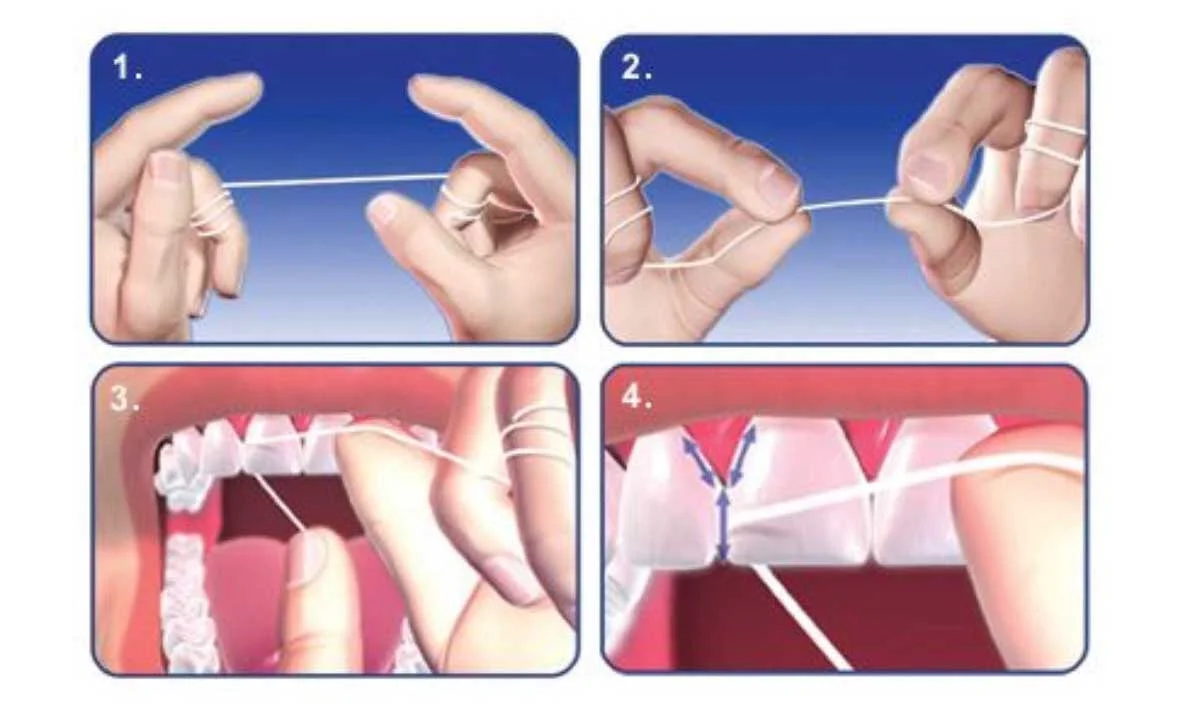
After brushing your teeth take around 18 inches of dental floss and wrap the majority of it around your middle finger.
Next, wrap the remaining loose floss around the opposite finger, leaving enough floss between them to rub between your teeth comfortably.
Holding it tight between thumbs and forefingers, insert the floss between your teeth using a careful seesaw motion. Don't do so too quickly as you may injure the sensitive gum tissue around your teeth if you do.
Once the dental floss is between your teeth curve it into a rough 'c' shape around one of them and rub up and down gently, ensuring that you keep the floss pressed against the tooth. Again, go slow to avoid injury.
Reverse the 'c' to clean the other side of the tooth, repeat the process and then gently remove the floss from your teeth.
Clean all of your teeth in this manner, using fresh floss as necessary. Pay special attention to your back teeth, as this is where a great many instances of gum disease and tooth decay begin, as the tartar and plaque buildup there is much harder to see with the naked eye.
As we mentioned, some people get pretty desperate when they are stuck with a toothache that just won't quit. Two aspirins didn't work, so they take four. Four don't work either so they take four more. That, however, is a terrible idea. The correct dosage of an anti-inflammatory OTC pain reliever might provide some relief - hopefully it does - but if it doesn't, taking so many more that you start to rattle a bit is not going to help.
It also won't help to try to booze away the pain. Well, it might for a little while, if you drink enough, but within a couple of hours you'll have a banging hangover AND a terrible toothache to contend with and, if you were also popping Advil, you could seriously have damaged your health.
Then there are those weird home remedies that Google's thrown up for you. A few temporary pain killing home remedies do work (more about that in a moment) but most are nonsense. Some suggest gobbling garlic over a visit to a dentist asap, but unless you are also dealing with a vampire infestation or something, that really won't help. And don't even think about trying something daft like pulling your own tooth, whatever Grandpa might say.
Alternatives to Standard Floss - Are They Any Good?
Standard dental floss - which is basically just specially coated string - is pretty cheap and easy to find in the shops. However, since, even when they do understand the right way to use it some people skip flossing because it's too time consuming a number of products have been launched in an attempt to make flossing easier. But are they actually any good?
One inexpensive alternative to standard floss in a box are floss sticks, or floss picks as they are also known. Lots of people do prefer these to standard floss as a lot of the measuring and guesswork is taken out of the equation and although you can only really use each pick once for hygiene reasons, making it a bit pricier to use them, the potential oral health benefits of actually flossing make the investment worth it.
There are also several different kinds of 'mechanical flossers' on the market. Some make use of water, some make use of air and they are priced anywhere between $10 and about $75, depending on the model you choose. Some do work well, and a water flosser can be an especially good choice for those with braces or bridges, as they can remove food particles that brushes and flosses often miss. Should you make the larger investment in one of these gadgets? If you struggle to floss now but think they might change that, by all means go ahead.
Emergency Dentist Sydney Says:
The bottom line is, however you floss, you still need to do so and there's no getting out of it if you want to maintain truly healthy teeth!

Toothache: What to Do When the Pain is Too Much
An expert opinion...
An Expert Opinion
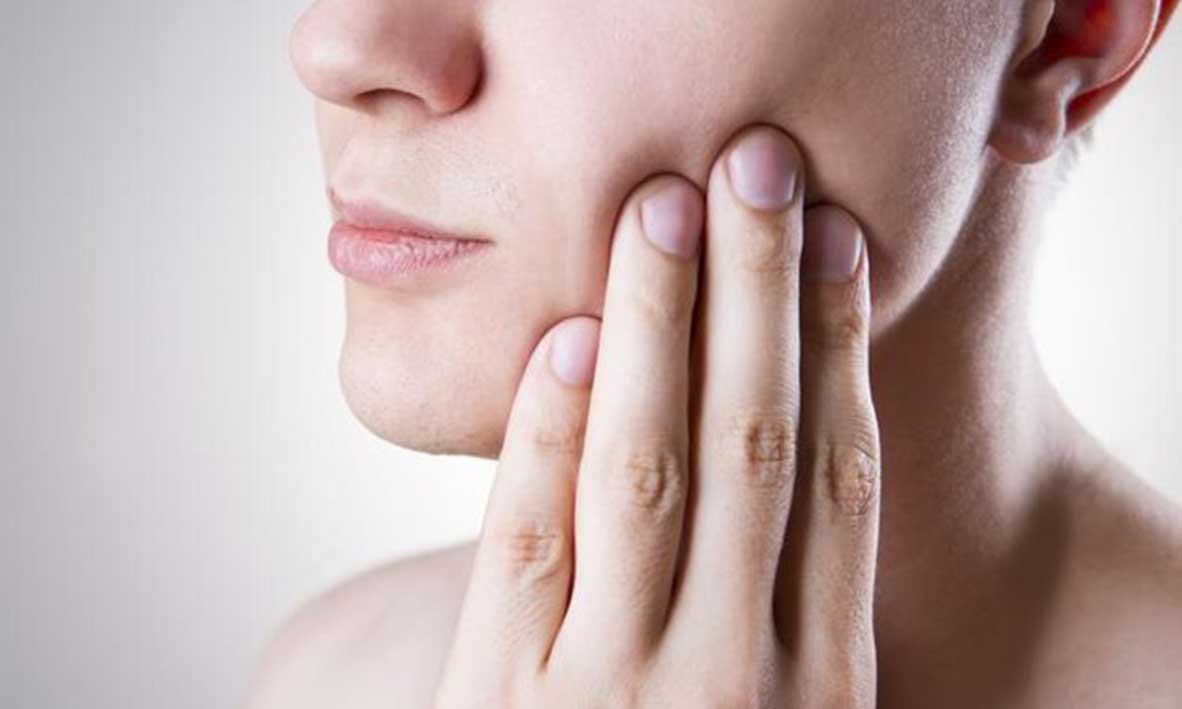
A severe toothache can, as many know, be a real nightmare. The pain can be horrible and, at its worst, it can be unbearable. And when pain is unbearable, people do silly things. If you Google toothache you'll quickly find page after page of advice on how to cope with it. Some of it's good, but an alarming majority of it isn't and can even make things worse.
Why Does a Toothache Hurt So Bad?
In many ways, a toothache is a unique form of pain unlike any other you might experience in your body. For starters, this is literally a pain in your head, so it's almost impossible to find a comfortable position that might help alleviate the pain in the way you might for, for example, a sprained ankle.
Secondly, a tooth does not respond to trauma in the way other parts of your body do. If you hit your arm hard it bruises, because the injury is being mitigated by a rush of blood to the damaged area that is the beginning of the healing process. But because a tooth is a solid, closed container - even though it's full of soft tissues and a surprisingly large number of nerves - the blood supply is not as plentiful and the healing process is not as effective.
Finally, often a toothache has an underlying, hidden to the untrained eye cause. If you have a broken or cracked tooth then the reason for the agony you're in is a little more obvious, as that sensitive soft pulp is usually exposed to the world and it's easy to understand why it hurts. However, if a tooth is infected or decayed, or perhaps there's an underlying gum problem, it's harder to see and harder to understand. In fact, all you know is that you're in pain and you want that pain to stop as soon as possible.
The Wrong Ways to Deal with Tooth Pain
As we mentioned, some people get pretty desperate when they are stuck with a toothache that just won't quit. Two aspirins didn't work, so they take four. Four don't work either so they take four more. That, however, is a terrible idea. The correct dosage of an anti-inflammatory OTC pain reliever might provide some relief - hopefully it does - but if it doesn't, taking so many more that you start to rattle a bit is not going to help.
It also won't help to try to booze away the pain. Well, it might for a little while, if you drink enough, but within a couple of hours you'll have a banging hangover AND a terrible toothache to contend with and, if you were also popping Advil, you could seriously have damaged your health.
Then there are those weird home remedies that Google's thrown up for you. A few temporary pain killing home remedies do work (more about that in a moment) but most are nonsense. Some suggest gobbling garlic over a visit to a dentist asap, but unless you are also dealing with a vampire infestation or something, that really won't help. And don't even think about trying something daft like pulling your own tooth, whatever Grandpa might say.
The Right Ways to Deal with Tooth Pain
A toothache almost never goes away on its own. And even if it does dissipate for a little while, it's usually back pretty quickly. For tooth pain you really do need to see a dentist and you need to see one asap. If, while you are waiting for your dentist to open, or for an emergency dentist to have you come in, you want to try rinsing with warm salt water or dabbing the painful tooth with clove oil (dabbing, not swallowing, the stuff can really burn) these are things that might provide a little temporary relief. However, in the end, even if you're not a big fan of them, a trip to the dentist is your best chance at finally getting rid of a toothache, and the sooner you get there, the faster you'll feel better.
Emergency Dentist Sydney Says:
Toothache is horrible and it's one of the biggest reasons emergency dentists exist in the first place. 'Toughing out' a toothache isn't being brave, it's being silly. So when toothache strikes at the wrong time, give us a ring, it's the only sensible thing to do.
Need Advice Or Emergency Dental Care In Sydney CBD?
Contact our friendly team
Patient Care First

Keep Up-To-Date with All Things Oral & General Health
RECENT ARTICLES







For 15 years, we've had one mission - when Sydney has a dental emergency, Emergency Dentist Sydney is there
We're proud to celebrate 15 years of providing emergency dental services to Sydney CBD and surrounding suburbs.