
Why You Should Be Concerned About White Gums
A guide to this oral health threat
A guide to this oral health threat
If you have white gums, then you need to make an appointment with your dentist as soon as possible. White gums can be a sign of some fairly serious oral health threats, so make sure you get them checked out. If you’re concerned about this symptom, here are some of the issues that can cause this colour change.
Dental Treatments
If you’ve just had a dental procedure such as a tooth extraction or whitening treatment then your gums may look paler than possible. This is a side effect of these procedures, and your gums should return to their normal colour within a few hours.
Oral Thrush
Oral thrush causes raised, creamy sores on the tongue, gums, or inside of the cheeks. This is caused by a yeast infection known as candidiasis and it’s most common in babies, the elderly, and people with diabetes. Oral thrush is fairly easy to treat with anti-fungal treatments, so make sure you visit your dentist if you think you have this condition.
Leukoplakia
If you have white patches in your mouth that don’t shift when you brush. then you may have leukoplakia. This is a condition that’s usually harmless and may be related to tobacco use. If you notice these white patches, you still need to visit your dentist because some cases of leukoplakia are precancerous. So, if you notice any patches, then get them checked as soon as possible.
Anaemia
If you have anaemia, then you may notice a colour change in your gums. Anaemia occurs when your body doesn’t have enough red blood cells, which are needed to carry blood around the body. This condition often causes pale skin, which can include pale gums. If you’re experiencing dizziness, fatigue, and weakness as well as pale gums, then this may be the cause.
Canker Sores
These are lesions that grow in the mouth or gums. They’re usually round with a pale centre and red border. Cancer sores can be very painful and are a common cause of late-night trips to an after hours dentist. To avoid an emergency trip, make sure you visit your dentist as soon as the canker sore appears so you can get treatment.
Oral Lichen Planus
This is a chronic autoimmune condition that causes a range of problems and symptoms including the appearance of white, lacy patches on the gums, tongue, and mouth tissues. If you have this condition, you will need to visit your dentist for regular check-ups, as you’ll be more prone to serious oral health problems such as oral cancer and infections.
Gingivitis
Gingivitis is a growing problem in the modern world. This is a mild form of gum disease that’s most often caused by poor oral hygiene habits. It can cause red and swollen gums, tooth pain or discomfort, bleeding, and even loose teeth. If left untreated, gingivitis can also cause the gums to turn white and start to recede. Once it gets to this stage, the condition is very serious, so make sure you visit your dentist before it gets to this point.
Oral Cancer
White gums are also a symptom of oral cancer. This can spread quickly, which is the most important reason why you need to get any white patches in your mouth checked by your dentist as soon as possible. With oral cancer, early diagnosis is key to the best treatment and outcome possible, so don’t delay.
Emergency Dentist Sydney Says:
If you have a dental emergency, contact our Emergency Dentist in Sydney. Our caring and expert staff are available 24 hours a day to help you with all your emergency dental needs.
Need Advice Or Emergency Dental Care In Sydney CBD?
Contact our friendly team


Exercise For a Healthy Body And Soul
Enjoy better mental and physical wellbeing through these habits
Enjoy better mental and physical wellbeing through these habits
Every system and organ in your body is linked. This can be a bad thing sometimes, because it means that when you have a problem in one part of your body it will affect other parts as well. But it also means that you can improve your general health just by making a few simple changes in your life. One of the most effective strategies for improving your mental and physical health is through physical exercise. So, if you want to build this habit, here’s the simple but not always easy way to do it.
Improving your Mental Health Through Exercise
Exercise may be as effective as antidepressants for improving your mood and mental health issues. Studies show that the endorphins that are released when you exercise can give you what’s known as a ‘natural high’. In fact, some people describe it as euphoric, and this can be a very beneficial feeling if you’re struggling with mental health issues or are stressed. This release of endorphins can also decrease your perception of pain.
Exercise can also protect you against mental health issues in the future. A recent study conducted by the Black Dog Institute and UNSW found that around 12 percent of depression cases could have been prevented with just an hour of exercise a week. So, if you’re looking to improve your mental health over the long-term, this is one of the best ways to do it.
Physical Benefits of Exercise
There is a lot of evidence for the many and varied physical benefits of exercise. Some of the most important for your health are:
Weight loss.
Stronger bones.
A reduced risk of cancer.
It strengthens your heart.
Improved sleep.
It strengthens your blood vessels, which can lower your blood pressure and reduce your risk of stroke and heart disease.
It gives you an energy boost.
There are lots of different types of exercise that you can try. So, don’t let lack of time, scheduling difficulties, or physical limitations stop you from exercising. Find a form of exercise that works for you such as walking, swimming, yoga, running, or weight training, and start making it a habit.
Creating the Exercise Habit
Creating the habit of exercise is probably the most essential part of improving your health. If exercise isn’t a habit, chances are that you will forget about it or just drop it when you get ‘too busy’. There’s a lot of research about the best ways to form new habits, and a lot of myths as well. Here are some tips on creating your new exercise habit.
Expect it to take time
There’s a myth going around that it takes 21 days to form a new habit. In fact, studies show that it can take up to 66 days, and this can increase or decrease depending on the difficulty of the habit and your own personality. So, give yourself time.
Expect and plan for mistakes
There will be days that you skip your exercise habit and that’s fine if you don’t let it continue for days or weeks. Just acknowledge the slip and go right back to your habit again and you shouldn’t notice any long-term adverse effects.
Start small
If you decide to run for an hour when you usually only run when chased, then you’re bound to fail. And that will leave you feeling demotivated and bad about yourself. Instead, start with a small amount of exercise that’s easy to complete. That will build your confidence and get you started.
Set a time
If you decide to ‘exercise when you can’, you won’t do it, simple as that. Set up a time and put it in your phone. It’s even better if you book and pay for a class so you simply can’t ignore the reminder.
Choose something you enjoy
If you hate running, don’t decide to run every day. If your new habit makes you miserable you won’t stick to it, so don’t even try. Instead, try to choose a sport or form of exercise that you enjoy and that makes you feel good.
Get support
Telling other people about your goal or booking in at a gym is incredibly helpful in making you stick to your new habit. Peer pressure is one of the most powerful forces in the world, so use it to help you make the changes you’re looking for.
Emergency Dentist Sydney Says:
If you have a dental emergency, contact our Emergency Dentist in Sydney. Our caring and expert staff are available 24 hours a day to help you with all your emergency dental needs.
Need Advice Or Emergency Dental Care In Sydney CBD?

Common Causes and Solutions For Sore Gums
Common Causes and Solutions For Sore Gums
How your dentist can help alleviate gum pain
Sore gums are a very common reason for a trip to your after hours dentist. Gums are a surprisingly sensitive tissue, and any problems there can result in almost unbearable pain and discomfort. They can also make it hard for you to eat or drink and threaten the health and existence of your teeth. So, if you’re concerned about this problem, here are some common causes and treatments.
Gingivitis and Periodontitis
When you have a build up of bacteria on your teeth it can cause inflammation. This is known as gingivitis and it can cause sore gums, bleeding during brushing, and swelling. If left untreated, it can also progress to periodontitis, also known as gum disease. Once it gets to this stage, the infection will be severe enough to threaten the tissue around the teeth and may even cause tooth loss.
If you have gingivitis or gum disease, it’s important that you visit your dentist as soon as possible. They’ll be able to diagnose the problem and design a treatment plan depending on the extent of the damage and your overall oral health. In the meantime, make sure you brush twice a day and floss every day to improve your oral health and help fight gum inflammation.
Hormonal Changes
Changes in hormone levels can seriously affect the health of your gums. So, if you’re experiencing puberty, pregnancy, menstruation, menopause, or taking birth control pills, you can expect some changes in your teeth. Low hormone levels in particular are problematic because they can cause dry mouth or bone loss.
This is an issue that you will need to see your doctor about. They will be able to design a treatment plan to correct fluctuating hormone levels, which will also help to improve your oral health. However, it’s also important that you see your dentist during this stage to prevent your fluctuating hormones from causing damage to your teeth.
Canker Sores and Mouth Ulcers
Canker sores and mouth ulcers are fairly similar sores that can occur anywhere in your mouth. They’re painful, circular growths that are usually harmless and don’t usually affect the health of your teeth. They’re one of the most common causes of gum pain as they expose the nerves in the gum to the outside air. There are a range of things that can cause mouth ulcers and canker sores, including:
Injuries to the tissue, such as when you bite the inside of your cheek.
Burns from hot food or drink.
Rubbing against new dental work.
Viruses such as colds, flus, and herpes.
Vitamin deficiencies.
Stress.
A hereditary predisposition.
Most sores of this type will clear on their own within a couple of weeks. However, you can speed up the healing process with some help from your dentist. They may prescribe a mouth rinse containing steroid dexamethasone to reduce the pain and inflammation or one that includes lidocaine. Topical treatments such as gels or creams applied directly to the sore can also help, and you can take oral treatments for severe sores that linger too long.
If you have a sore or ulcer that just won’t go away, see your dentist immediately for advice, just in case it’s something more troubling.
Dental Work
Badly fitted dental work such as dentures, braces, or bridges can also cause sore gums. That’s why it’s so important that you have any dental work performed by a properly trained and experienced dentist. Some soreness after dental work is normal. But if the pain lingers or gets worse, make sure you contact your after hours dentist for advice and help.
Stress
Stress is a serious threat to your oral health in a number of ways. For starters, it’s a common reason why people neglect their dental hygiene routine, which can lead to cavities, decay, gum disease, and toothaches. People who are stressed are also more likely to grind their teeth and develop other stress habits that will cause gum pain and threaten their oral health.
If you’re stressed, it’s important that you find health ways to alleviate or reduce your stress levels. Also, make sure you get a check-up with your dentist during this period to ensure that it isn’t cause problems for your oral health.
Health Conditions
There are a range of seemingly unrelated health conditions that can cause gum pain including diabetes and cancer. Certain medications to fight disease can also bring on gum pain because they can reduce saliva production. Saliva is designed to protect your teeth and your gums, so when you have dry mouth, you’ll be more prone to cavities and gum disease.
Age Related Changes
Once you’re over the age of forty, your mouth will start to change. One of the key changes that a lot of people notice during this stage is receding gums. Your gums are designed to protect the softer tissue at the roots of your teeth. So, when the gums recede, these defenceless structures are exposed. This can cause the following issues:
An increased risk of decay because the roots aren’t protected by enamel.
Soreness due to increased sensitivity to hot and cold.
Loose or shifting teeth that are harder to keep clean.
Your dentist will be able to diagnose and help with these kinds of problems as long as you make an appointment early, before any permanent damage occurs. So, if your gums look like they’re receding, see your dentist as soon as possible to discuss your options.
Emergency Dentist Sydney Says:
If you have a dental emergency, contact our Emergency Dentist in Sydney. Our caring and expert staff are available 24 hours a day to help you with all your emergency dental needs.
Need Advice Or Emergency Dental Care In Sydney CBD?
Contact our friendly team

A Guide to Saturday Sports Injuries
What to do if you hurt yourself playing sports.
What to do if you hurt yourself playing sports.
Playing sports can have amazing benefits for your life. It can improve your physical and mental health, give you a chance to be social, and make you part of a community. But there’s also a bad side to Saturday sports, and your after hours dentist knows all about it. Certain sports carry a high risk of dental injuries, and there’s nothing worse than interrupting a game because you get hurt. Fortunately, your dentist can now help with the most common types of sports injuries.
Sports Injuries Statistics
Dental injuries can be both costly to treat and have a variety of implications for the patient. It can affect your financial life and have long term functional and psychological effects. Around 31 percent of the dental injuries in Australia occur during sporting activities, which makes playing sports one of the primary causes of this type of trauma.
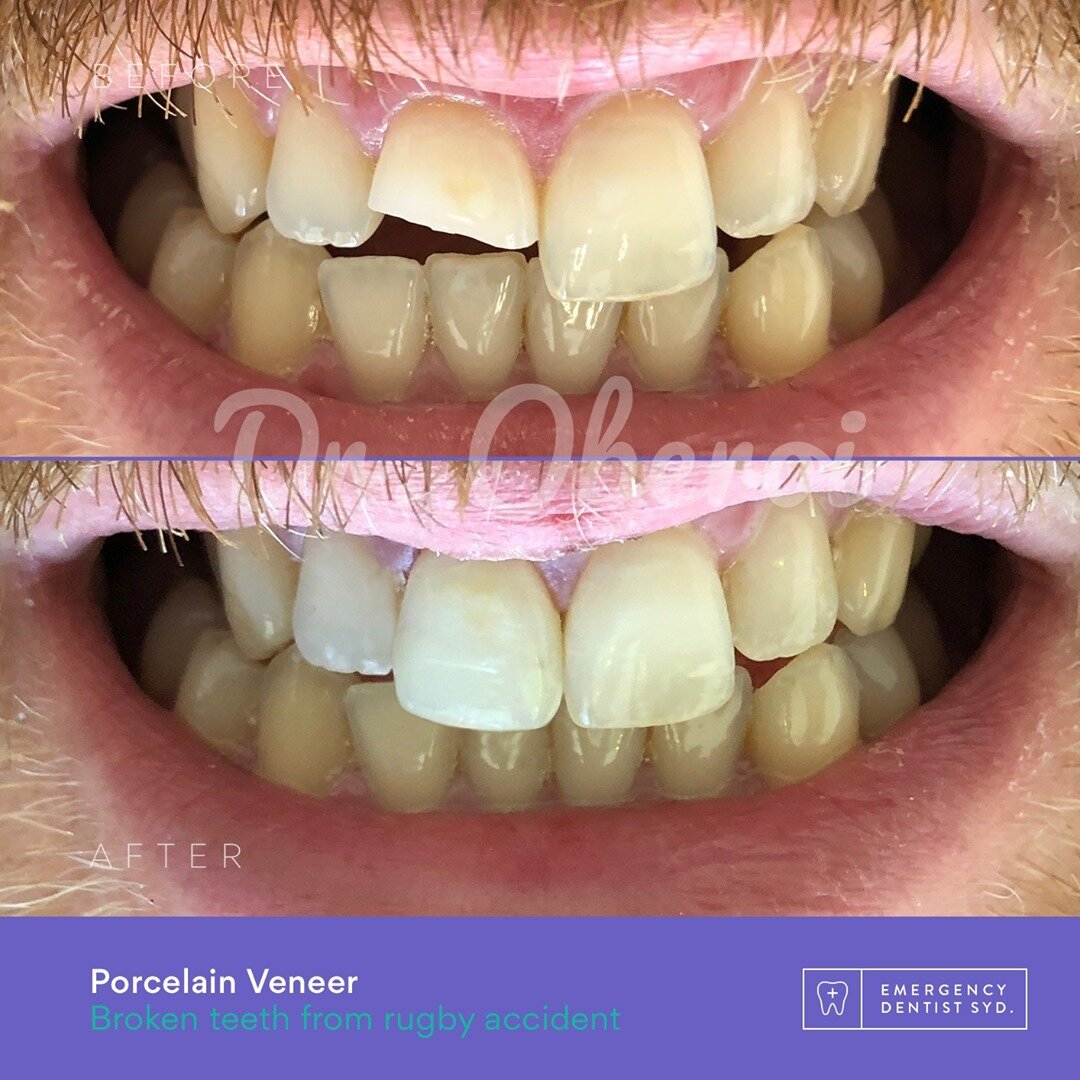
According to Dr. Amrinder Oberoi from Paramount Dental Sydney, “Rugby is usually the worst for sports injuries. The most common thing we see is people with a displaced tooth or a tooth protruding through the roof of their mouth.” Almost any sport can cause dental injuries, whether those injuries are caused by contact with other players, such as during rugby, or by accidents. If you suffer a Saturday morning sporting injury, then contact your after hours dentist immediately because there’s a lot they can do to help.
Treating Sporting Injuries
There are several sporting injuries that your dentist can help with. Here are some of the treatments they offer for the most common types of dental trauma:
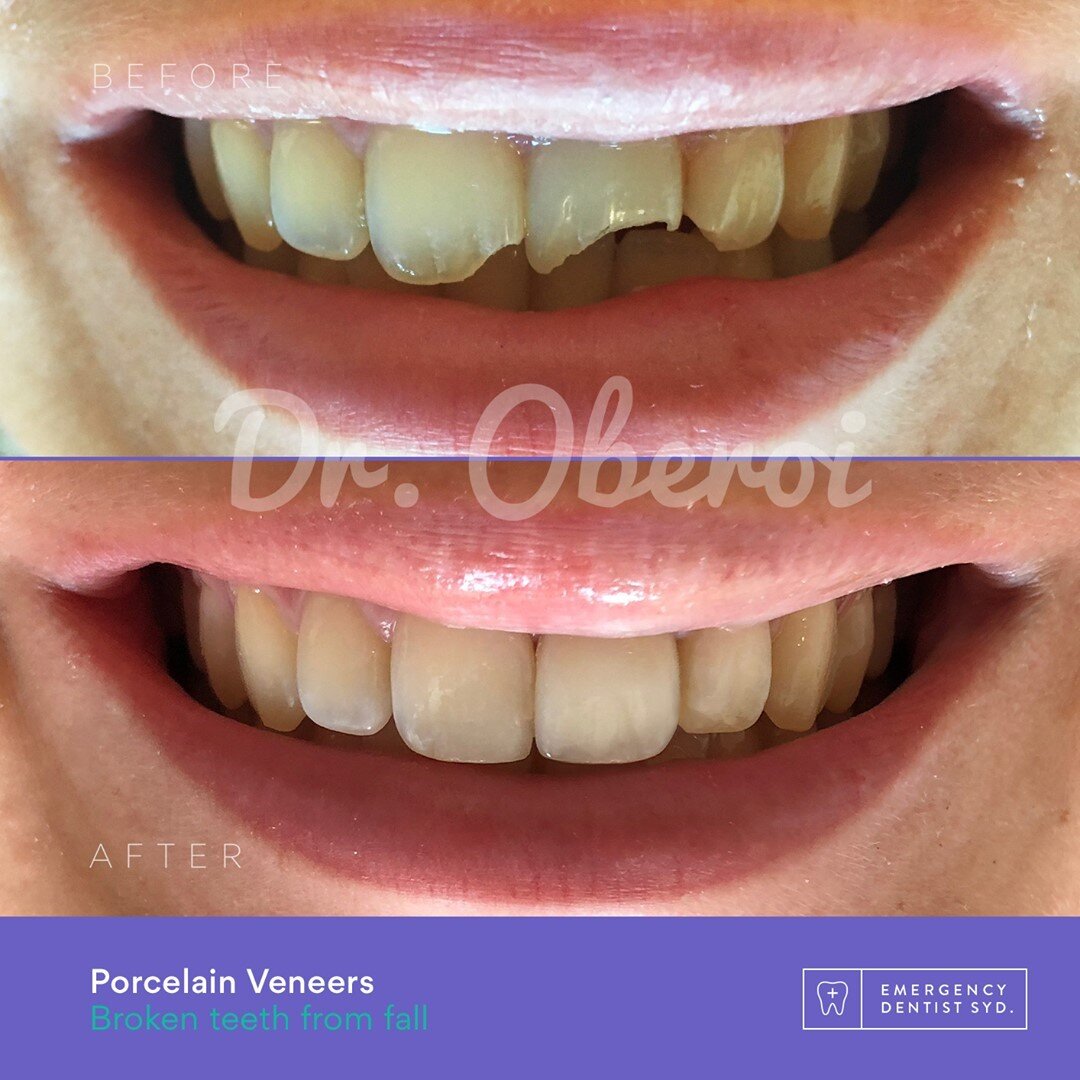
Whether you have a large or small crack in your teeth, your dentist has treatment options that can help. Even a small crack in your tooth needs to be fixed because over time it will spread and could result in a large part of your tooth shearing off. Depending on the extent of the crack, your dentist can cover it with a crown or veneer. Dental bonding can also be used on small cracks to make the tooth solid and strong again.
Tooth Intrusion
If you’re injured during sports, then your tooth or teeth can get driven back into the jaw. This can be very painful and can result in the loss of the tooth and severe dental trauma. The treatment for this problem depends on the extent of the damage, but usually involves surgical intervention.
Tooth Displacement
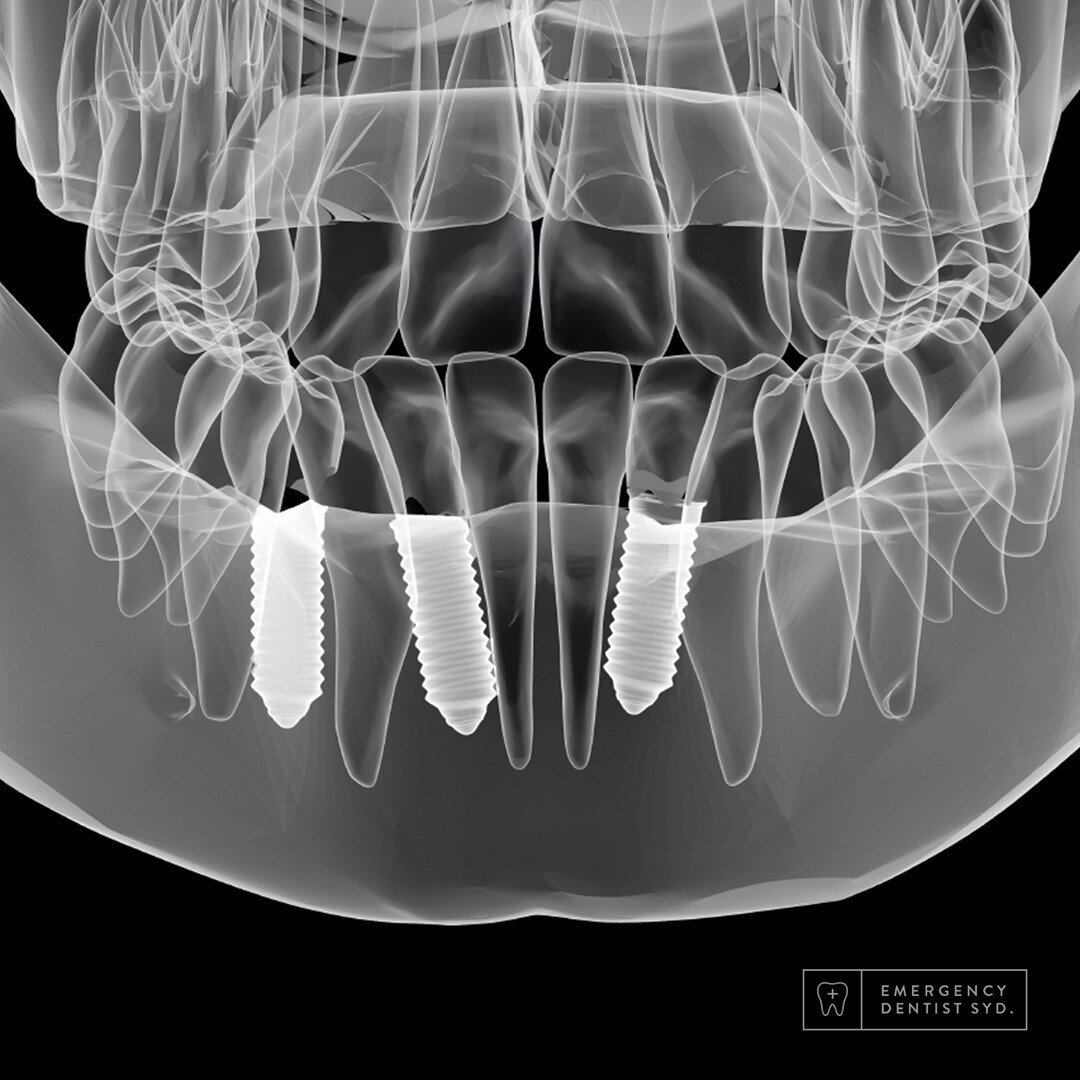
Obviously, losing a tooth because of a sporting injury is very serious. If this occurs, your dentist may be able to save it, so pick up the tooth and place it gently back in the socket if you can before making a trip to your after hours dentist. If the tooth is too damaged to be put back in your mouth, ask your dentist about dental implants. It’s important that you don’t just leave the gap as it is because this will cause bone loss and affect the placement of other teeth.
Avoiding Sports Injuries
According to Dr. Amrinder Oberoi, “The best advice is to always wear a mouthguard when you play sports.” This is an easy and simple step you can take to safeguard your oral health and save yourself a trip to your after hours dentist. A mouthguard is a protective device that covers your teeth and gums and protects them from impact. Unfortunately, too many people skip wearing their mouthguard when they need to, and even more sportspeople don’t know that they should be wearing them! Mouthguards should be worn when taking part in sports such as:
Basketball
Boxing
Hockey
AFL
Rugby
Soccer
Squash
Cycling
Martial arts
Racquetball
Skateboarding
Rollerblading
Surfing
And more…
If you play a lot of sports, then it’s usually best to get a custom designed mouthguard from your dentist. It will fit better than one-size-fits-all options which means you’ll be more likely to wear it when you need to. It’s also important that you get your children fitted for mouthguards if they play sports as well. If they have a mouthguard that fits properly and is comfortable, they’re more likely to use it. And this will save you the cost of a traumatic and expensive trip to your after hours dentist.
Emergency Dentist Sydney Says:
If you have an infected tooth or other dental emergency, contact our Emergency Dentist in Sydney. Our caring and expert staff are available 24 hours a day to help you with all your emergency dental needs.
NEED ADVICE OR EMERGENCY DENTAL CARE IN SYDNEY CBD?
Contact our friendly team


Symptoms Of A Damaged Root Canal To Watch Out For
When to rush to your after hours dentist
When to rush to your after hours dentist
If you have severe pain in a tooth or teeth it might mean that you have bigger problems than a cavity. Damage to the root canal most often occurs when you’ve neglected your oral health for a while. A little pain, managed with painkillers, can often turn into a big pain that results in an emergency visit to your after hours dentist. If you’re experiencing tooth pain that just won’t go away, here are some of the warning signs that you need a dentist, fast.
What is Dental Pulp?
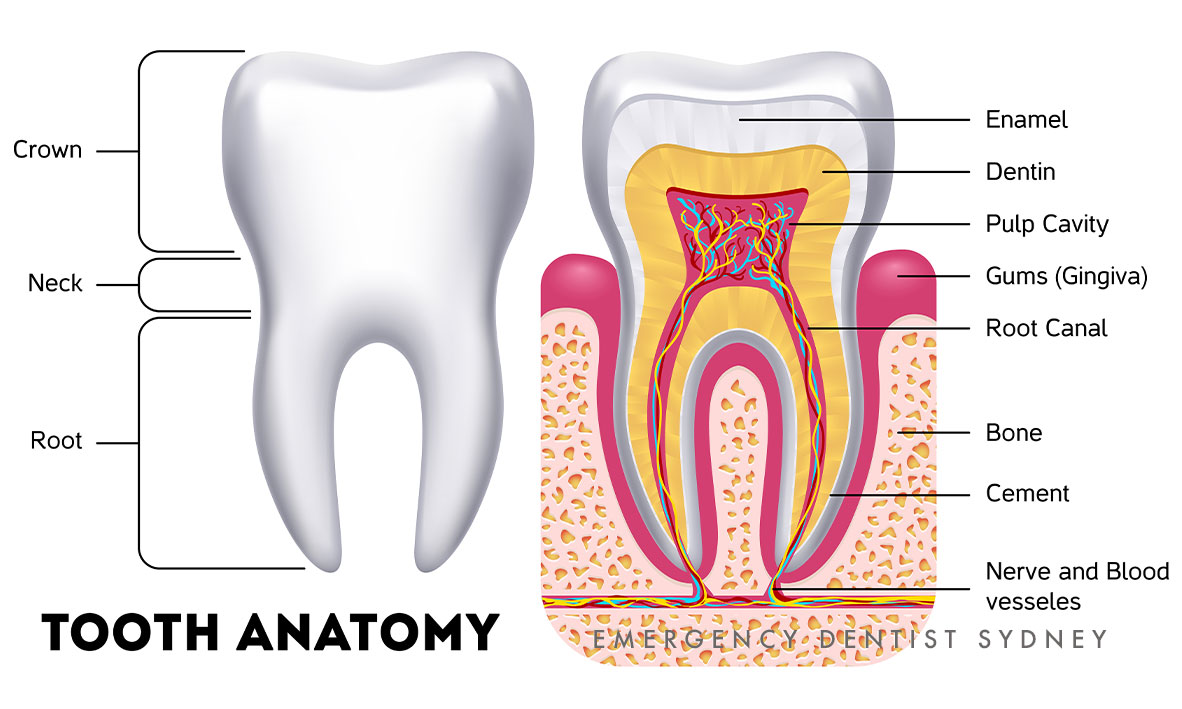
Dental pulp is the soft material in the centre of your teeth. It contains the nerve, connective tissue and blood vessels. Basically, it’s everything inside the hard enamel exterior of your teeth. When this part of your tooth becomes badly infected, you may need a root canal to take away the pain and save the tooth. Here are some of the symptoms that you’ll experience when you have a dental pulp infection:
Pain when chewing or biting down.
Discolouration on the gum around the infected tooth.
Ongoing dull or severe pain in the roots or gums.
Swelling in the gum around the affected tooth.
A bad taste in your mouth because of pus coming from the infected area.
If you experience any of these symptoms, you need to visit your after hours dentist as soon as possible to get the problem fixed. However, you may not experience any severe symptoms at all when you have a tooth infection. This is why you need to have regular check-ups to check on your oral health and pick up any hidden problems.
What Causes Tooth Infections?
When your tooth is infected it isn’t the hard, outer surface that’s the issue. The outer surface is made of enamel, which doesn’t contain any living cells, so it can’t get infected. Instead, it’s the dental pulp, the soft inner parts of the tooth, which are the problem.
There are several things that can cause the dental pulp to become infected. This includes:
Large fillings.
A crack or chip in the tooth.
Face trauma.
Deep decay.
Repeated dental procedures on the same area.
When you experience these issues, bacteria can get through the enamel and into the dental pulp. The bacteria then multiply inside the chamber and cause an infection. If left untreated, the infection can spread throughout your mouth, threatening the health of other teeth. It may also get into your bloodstream and cause infections in other part of the body, including your brain. This is obviously a very serious situation that you want to avoid at all costs.
Treating an Infected Tooth
If an infection is caught early, then a course of antibiotics may clear it up. However, if the infection is too entrenched then you will need a root canal. This is a procedure that a lot of people are afraid of, usually because of stories about root canals from the past. You’ve probably heard about the pain and discomfort of this procedure from older relatives. However, dentistry has come a long way over the last couple of decades. These days, root canals are no more painful or traumatic than a normal filling.
Today’s root canals can usually be completed in a single visit unless the infection is so bad that it needs additional treatment. Before the root canal, your dentist will examine your mouth and take X-rays, so they know exactly what’s happening with your tooth. Here’s what to expect on the day of the procedure:
The tooth is numbed using a local anaesthetic.
Your dentist will use a laser to make a small hole in the crown of the tooth.
The infected pulp is removed, and the empty chamber is cleaned thoroughly.
The root canal filling is put into place.
Once this is complete, the hole is sealed, and a permanent crown is put on the tooth.
This procedure should be completely pain-free and takes around 30 minutes to complete. In fact, the pain of your infected tooth is usually far worse than the root canal treatment. And once you’re done, the tooth is literally dead. There’s no soft tissue to get infected again and the tooth has no nerve, so you shouldn’t experience any pain or problem with it from that point forward.
Emergency Dentist Sydney Says:
If you have an infected tooth or other dental emergency, contact our Emergency Dentist in Sydney. Our caring and expert staff are available 24 hours a day to help you with all your emergency dental needs.
Need Advice Or Emergency Dental Care In Sydney CBD?
Contact our friendly team

How to Prepare for Dental Implant Surgery
The best ways to ensure a better outcome when you go to the dentist
The best ways to ensure a better outcome when you go to the dentist
Preparing for any type of dental surgery can be a little intimidating. When you go in for dental implant surgery, your dentist will obviously be doing most of the work. However, there are things you can do before the surgery that will improve your outcome. And following these steps may help lessen your anxiety at the same time.
1. Be Honest with Your Dentist
Before your dental implant procedure, your dentist will do a consultation with you. This will include a medical exam and you will also have to inform them of your medical history. It’s important that you’re completely honest at this stage. Issues like smoking, your diet, drinking, and any medical conditions can affect how well you heal and how you react to medications. So, make sure that you’re honest and remember that your dentist has heard it all before.
2. Expect Medical Tests
Dental implant surgery is a complicated procedure that replaces broken or missing teeth with titanium posts and permanently fixed teeth. Before you have this procedure, your dentist needs to know if your jaw can support the implants and the best way to perform it. That’s why they’ll perform an x-ray at the very least and perhaps even a CT scan if they need more information on the thickness of your jawbone. This is necessary if you want teeth that look great and don’t give you any trouble, so be patient with the testing process.
3. Keep your Dentist Informed
The period leading up to your dental implant surgery is important, so make sure you keep your dentist informed about any changes. If you catch a cold or flu it will affect your healing and may make the procedure more dangerous, so let them know.
4. Follow Pre-op Instructions
Your dentist will give you a list of instructions to follow in the hours leading up to your surgery. Make sure that you follow them to avoid problems during or after your treatment. Here are some instructions your dentist will give you:
Don’t eat or drink for between 6-12 hours before the surgery.
You mustn’t drive for 24 hours after, so make sure that someone is coming to pick you up afterwards.
If you’re anxious before your surgery, then let the dentist know because they have treatment options that can help.
Get plenty of rest in the week after your surgery.
Emergency Dentist Sydney Says:
If you have a dental emergency, contact our Emergency Dentist in Sydney. Our caring and expert staff are available 24 hours a day to help you with all your emergency dental needs.

Busting the Myths of Root Canal Surgery
How this dental procedure has changed over the years.
How this dental procedure has changed over the years.
Root canals have a bad reputation. There are a lot of stories going around about these procedures, most of them because of historical treatments and mistakes. Dentistry has come a long way in the last few decades, but these rumours are persistent. If you’ve been putting off your dental treatment because of old stories, here are some of the myths you need to forget.
1. Root Canals are Painful
Actually, the decay and the infection that makes a root canal necessary are painful and the root canal removes the cause of the pain and relieves it. During the root canal procedure itself your mouth will be numbed using a local anaesthetic, so you might find that it’s the most comfortable you’ve been since the problem started. You may experience some pain as the needle goes into your gum to make it numb, but your dentist can help with this as well with some numbing salve. Afterwards, the infection will be gone but the damage done to surrounding tissue will remain. This is why you may still experience some discomfort until your mouth completely heals. But it will be far less painful than the gum pain and toothache that came before it.
2. You Need Several Appointments for a Root Canal
Most of the time, a root canal can be completed in a single appointment. It’s only if you’ve ignored the problem for a long time or have additional conditions and problems that you will need more than one appointment.
3. Dental Problems Always Hurt
A lot of people avoid the dentist because they believe that if their mouth doesn’t hurt, there’s nothing wrong. Unfortunately, this approach usually results in a late-night trip to the emergency dentist with severe pain or infection. Depending on your mouth and your pain tolerance, you can have a serious dental problem without much pain. That’s why regular check-ups and cleans are so important, because they give your dentist a chance to assess your overall oral health.
4. A Root Canal Spreads Infection
This is an old myth based on outdated information. Having a root canal doesn’t allow the infection in your tooth to spread throughout your body. Your mouth, and every other part of your body, is filled with bacteria, which is only a problem when infection develops and is left to fester.
5. Root Canals Kill the Tooth
A tooth can’t be killed. What a root canal does is remove the infected pulp inside the hard shell of your tooth. The tooth is then filled with a permanent filling material that allows it to function as normal. This saves the tooth, eliminates the infection, and save you from pain and future oral health problems.
6. An Extraction is more Effective
An extraction will get rid of the pain and infection certainly, but it will also cause long term oral health problems. When you have a missing tooth, it causes bone loss. The shape of your jaw will change, and the surrounding teeth will collapse towards the gap. The gap in your teeth can also become a breeding ground for infection and be difficult to keep clean. On the other hand, when you have a root canal the tooth is saved and will function just like the other teeth. So, if possible, try to make sure that you keep all your teeth.
7. A Root Canal is Temporary
Lots of people believe that the effects of a root canal don’t last. This is probably because of stories about people’s teeth breaking after this treatment. When the pulp is removed from your tooth it can become brittle and break during chewing or biting. That’s why your dentist will fit a crown over the top of the tooth to strengthen and protect it. So, make sure you don’t ship this essential step to ensure that the benefits of your treatment are permanent.
Emergency Dentist Sydney Says:
If you have a dental emergency, contact our Emergency Dentist in Sydney. Our caring and expert staff are available 24 hours a day to help you with all your emergency dental needs.

How Teeth Grinding Can Affect Your Oral Health
And why you’re more likely to end up at your after hours dentist
And why you’re more likely to end up at your after hours dentist
There are lots of different problems that can affect your oral health. The food and drinks you ingest, your oral health habits, and your genetics can all cause problems and concerns. But did you know that your mood can also affect the health of your teeth? If you often feel anxious or worried, it can cause a condition called bruxism, which can seriously damage your teeth, your gums, and even your jaw. So, here’s what you need to know about it.
What is Bruxism?
Bruxism is a condition that’s caused by anxiety and makes you habitually grind your teeth and clench your jaw. You may find yourself doing this during the day, when you’re stressed, or your partner may complain that you’re doing it at night. Often, people who have bruxism don’t actually realise they’re doing it. You can have bruxism for a long time before the symptoms appear or start to see consequences of it very early on. It all depends on your mouth and on the strength of your jaw. But if you grind your teeth, it will cause problems eventually, including the following issues:
Facial pain.
Earaches.
Jaw pain and stiffness.
Sleep disruptions.
Headaches.
Chipped, cracked or broken teeth.
Broken or damaged fillings.
Worn down teeth leading to sensitivity and even tooth loss.
Causes of Bruxism
Teeth grinding is a fairly common problem these days and is usually related to stress and anxiety. However, there are other factors that may contribute to this habit including:
Certain medications such as antidepressants can cause bruxism.
Poor lifestyle habits such as smoking, drinking, or drug use.
Sleep disorders such as snoring or sleep apnoea.
The Dangers of Grinding
If you suspect that you’re grinding your teeth in your sleep, then it’s important that you see your dentist. They’ll be able to examine your teeth and see if there’s any damage that needs to be fixed before it becomes a major problem.
Teeth grinding can cause your teeth to become worn, exposing the nerve and resulting in mouth pain. It can also cause infections or dental abscesses because of the pressure and gum damage. That’s why it’s really important that you don’t just ignore the problem, even if you don’t experience symptoms immediately. The damage caused by bruxism tends to be cumulative, so if it continues over time you may find yourself making a late-night visit to your after hours dentist with a serious dental issue!
Treating Teeth Grinding
If you grind your teeth, then there are ways to treat the problem. First and foremost, you need to address your stress levels, because bruxism is closely connected to your emotions. So, if you’re stressed, relaxation exercises and practices such as meditation or yoga before bed might help. Cognitive Behavioural Therapy (CBT) can also help to address the source of the stress and anxiety.
Your dentist can also help with more immediately practical ways to cut down on teeth grinding. They can create a mouthguard or splint that’s tailored to your teeth and mouth and will protect your teeth against damage and wear. This won’t prevent you from grinding your teeth but it will act as an airbag to cut down on the sensation and friction.
Emergency Dentist Sydney Says:
So, if you have bruxism or any other dental emergency, contact our Emergency Dentist in Sydney. Our caring and expert staff are available 24 hours a day to help you with all your emergency dental needs.

Why Dental Implants Are The Best Option for Missing Teeth
How your dentist can give you back your smile
How your dentist can give you back your smile
Your smile is one of the first things that other people notice about you. So, when you have a broken, damaged, or missing tooth, it can make you feel self-conscious and embarrassed. Your dentist can do a lot to save a damaged tooth, but sometimes the damage is just too severe, and the tooth needs to come out. And when that happens, dental implants may be your best option.
Why Dental Implants are Important
If you have a missing or broken tooth it can be tempting to just ignore the gap and go on with your life. But doing this will only create more problems. Your teeth are more like a single unit than individual pieces, and when one is missing it can cause lots of problems that will threaten your oral health and send you to your after hours dentist.
When a tooth is missing, the bone around the socket starts to dissolve. This can cause the surrounding teeth to collapse towards the gap, pulling them out of alignment. The resulting bone loss in the jaw can also change the shape of your face and cause problems with the joint in your jaw. It may also result in tooth decay or gum disease because the change in the alignment of your teeth may make it hard for you to brush all the surfaces properly. All of these problems could have you racing to your after hours dentist for emergency procedures on a regular basis, and nobody wants that.
Your Dental Implant Options

There are several different options when it comes to dental implants depending on the condition of your mouth and teeth. This means that your dentist can help no matter what condition your mouth is in. For dental implants to work, you need to have strong, thick bone under the site to hold the implant. If your bone is too thin, your dentist will need to do a bone graft before the implant surgery to encourage new growth. That’s why you shouldn’t wait too long after you lose a tooth or teeth to have the procedure done, because otherwise it will mean more problems.
Dental implants do more than replace your teeth. They also integrate with the jaw bone and encourage it to grow. So basically, they replace your tooth or teeth and keep your jaw and remaining teeth strong and growing in the right direction!
Here are your dental implant options and what they’re used for:
Single Tooth Implant
If you have a single tooth missing, then your dentist will recommend this procedure. During the procedure a titanium rod is inserted into the jaw bone and acts as an anchor for the new porcelain tooth. The new tooth will look and feel like the old one, but it won’t decay so you shouldn’t have problems with it ever again.
Multiple Tooth Implant
This procedure is used to replace more than one missing tooth in the same area of the mouth. The implants are placed in the jaw, as with a single tooth implant, and allowed to heal. During this stage you will be given temporary teeth to protect the healing area. Once the site has healed, replacement teeth or bridges are placed over the implants. The details of these procedures will change depending on the condition of your mouth, so talk to your dentist for more information.
Full Mouth Implants
If all your teeth are missing or damaged, then your dentist will probably recommend full mouth implants. These implants can replace your teeth without relying on any natural teeth for support. If you’ve struggled with your teeth for a long time, these are the best option as they will look, feel and function just like real teeth. During this procedure your dentist will place implants all along the jaw and allow them to heal. And after they’ve healed, the replacement teeth can be put into place.
Payment Plans

If you need to get dental implants to replace a tooth or teeth, you’re probably worried about the expense. These are complicated procedures that usually require several visits to the dentist, and that means that they can be expensive. But when you have your dental implants put in by Emergency Dentist Sydney, you can take advantage of our payment plans to get your procedure done now. This will help you avoid complications from your missing teeth. Here are some of the features of our payment plans:
Interest free.
Manageable fortnightly payments spread over 15 months.
Available for treatments up to $9,000
So, don’t delay, because your oral health could depend on it. If you have missing or damaged teeth, talk to our staff today about our dental implant procedures.
Emergency Dentist Sydney Says:
If you have a dental emergency, contact our Emergency Dentist in Sydney. Our caring and expert staff are available 24 hours a day to help you with all your emergency dental needs.

What Is Your Tongue Trying to Tell You?
Your dentist’s best advice about problem tongues
Your dentist’s best advice about problem tongues
You probably don’t think about the health of your tongue until something goes wrong. But when it does, it can cause a lot of disruption to your life.
Your tongue allows you to taste your food, swallow, and helps you to talk, which is why tongue problems can be so frustrating and uncomfortable. A healthy tongue is pink and covered with small nodules called papillae. When and if this changes, you’ll probably need to make a visit to your after hours dentist to get it checked out.
White Tongue
If your tongue changes from pink to white, then it can be a sign of some serious and not so serious problems. However, as with any noticeable change in your body, it’s important that you get your white tongue checked out by your dentist as soon as possible. Your dentist will be able to identify what’s happening and suggest treatment options.
Some of the conditions that can cause a white tongue are:
Oral thrust
This is a yeast infection that causes white patches on the tongue, gums and inner cheeks. It can be caused by certain medications and is most common in infants, the elderly, and in people with compromised immune systems. This form of white tongue isn’t life threatening, and it can be cleared up using medications or by eating live yoghurt to rebalance the bacteria in your mouth.
Leukoplakia
This is a condition that causes excessive cell growth inside the mouth. It isn’t dangerous on its own, but it can be a precursor to cancer, so you need to get it checked out by your dentist.
Oral lichen planus
This is a mysterious condition with no known cause, but it usually goes away on its own. It often causes a raised network of lacy white lines over the tongue. If you have this condition, make sure your oral health is good by avoiding toxins like alcohol and tobacco and practice good oral hygiene. This will help the condition clear up faster.
Red Tongue
Your tongue should be pink, not red. If this changes, it may be because of the following conditions:
Geographic tongue
This causes patterns of red spots that can have a white border around them over the tongue. This condition is usually harmless, but you should have it checked with your dentist if the patches linger for more than 2 weeks.
Scarlet fever
Scarlet fever can cause your tongue to go red, so if you have a temperature then see your doctor for antibiotics.
Vitamin deficiencies
If you’re deficient in vitamin B-12 or folic acid it can cause your tongue to turn red.
This usually affects children under the age of five and can cause a red tongue. If caught early the disease is easily treatable, so make sure you take your child to the doctor if you suspect they have this illness. It also causes a high fever and redness and swelling in the hands and feet.
A Hairy Black Tongue
This may look a little scary, but it’s usually harmless. If your tongue looks black and hairy it means that the papillae have become too long. It most often occurs in people who have poor oral hygiene habits, are on chemotherapy or antibiotics, or suffer from diabetes. So, if you experience this issue, try to improve your oral hygiene and talk to your doctor about your options.
Sore Tongue
Sometimes, the problem with your tongue isn’t that specific. It may just be sore or have small bumps in it that hurt when you eat. These types of problems are extremely common and most of the time they’ll go away on their own. However, if the mouth pain lingers, make an appointment with your dentist to get the problem checked. They’ll be able to give you peace of mind and tell you what’s happening to your tongue and how to fix it.
Some things that can cause tongue soreness are:
Canker sores, which are often caused by stress.
Smoking, which can irritate the surface of your tongue.
Trauma or injuries such as biting or scalding your tongue on food.
Burning tongue syndrome, which occurs in postmenopausal women and causes a burning sensation.
Inflamed or irritated papillae.
Diabetes can cause tongue soreness.
Oral cancer, which causes lumps on the tongue that are often painless.
If you’re concerned about tongue lumps or soreness, visit your dentist to get it checked out. There’s no shame in being wrong, and it’s far better than worrying about it or neglecting a growth that could turn into something very dangerous.
Emergency Dentist Sydney Says:
If you have a dental emergency, contact our Emergency Dentist in Sydney. Our caring and expert staff are available 24 hours a day to help you with all your emergency dental needs.
NEED ADVICE OR EMERGENCY DENTAL CARE IN SYDNEY CBD?
Contact our friendly team

Should You Expect Pain After A Root Canal?
Your dentist’s best advice and information after this procedure
Your dentist’s best advice and information after this procedure
Dental pain before, during, and after dental procedures is one of the more common reasons why people avoid the dentists. And this goes double for root canals, because they’re one of the most feared dental procedures out there. But there’s no reason for this, because dental procedures have improved a lot over the years.
In short, it isn’t uncommon for patients to experience pain post-procedure. It can take several days for ongoing and new pain to subside. It is important to remember that root canal treatment is invasive and requires time to heal. We encourage all of our patients to keep our phone number handy and keep in touch post-procedure so that we can provide ongoing advice and reassurance.
If you have a root canal and experience pain afterwards, here’s why and what to do about it.
1. Inflammation
When you have a root canal, it’s usually because of decay that has caused infection in the pulp of a tooth. Your dentist will remove the infected pulp and clear away the cause of the pain and inflammation. But if the infection has spread to the gums or surrounding tissue, it will still take time before the swelling around the tooth subsides. The procedure itself may also cause some inflammation. Just make sure you follow your dentist’s instructions about taking anti-inflammatory medications after your procedure and the pain should ease in a few days.
2. Too Large Fillings
When the pulp is scooped out of your infected tooth, your dentist will fill it with a rubber like material. If too much is used it will cause pain every time you bite. Fortunately, this is a simple problem to fix. Your dentist will just need to adjust the filling.
3. Surrounding Tissue Damage
Your dentist performs root canals all the time, and chances are that everything will go as normal. However, there’s always a chance that the surrounding tissue will be damaged by the procedure. This can occur in a variety of ways. The file used to clean the tooth can slip and poke into the tissue below, the bacteria can escape into surrounding tissue, or the filling can overflow. In all these cases you will just need time for the tissue to heal and then the pain will vanish.
4. Infection
5. Follow Pre-op Instructions
Your dentist will give you a list of instructions to follow in the hours leading up to your surgery. Make sure that you follow them to avoid problems during or after your treatment. Here are some instructions your dentist will give you:
Don’t eat or drink for between 6-12 hours before the surgery.
You mustn’t drive for 24 hours after, so make sure that someone is coming to pick you up afterwards.
If you’re anxious before your surgery, then let the dentist know because they have treatment options that can help.
Get plenty of rest in the week after your surgery.
Emergency Dentist Sydney Says:
Pain following root canal treatment can occur and is not an indication of a failed treatment. Give your mouth time to heal and keep in touch with your dentist for advice and reassurance.

Key Signs of Oral Health Aging To Look Out For
How your dentist can help you age with grace
How your dentist can help you age with grace
One of the most common reasons why people end up at their after hours dentist is because of problems associated with aging. As you age, your mouth and your teeth change, and this must influence how you care for your oral health and your regular dental appointments. If you want to avoid dental emergencies because of age related dental changes, here’s a guide to the issues you need to look out for.
1. Receding Gums
As you age, your gums will pull away from the base of your teeth. This leaves the softer roots exposed, which makes them more prone to cavities or decay. Tooth pain and cavities are some of the most common reasons why people contact their after hours dentist. So, if you want to avoid this problem, make sure you discuss your gums with your dentist. They will be able to tell if your gums are receding and suggest strategies to protect your exposed gums.
2. Dry Mouth
As you get older, you will probably need to start taking medications for certain conditions or to protect your health. Unfortunately, this can cause dry mouth. Low saliva production is not only uncomfortable, it makes your teeth more prone to decay and infection. That’s why you shouldn’t just ignore this side effect. Instead, look for strategies that will increase your saliva production and boost its protective effects. This will help you avoid cavities, infection, and other oral health problems that will send you to your Emergency Dentist in Sydney.
3. Missing Teeth.
Lots of people lose teeth as they age. If you have a bad cavity or infection, it might be tempting to just have the tooth extracted and avoid a root canal. But this will just cause further problems down the road. When you have a missing tooth, it will result in bone loss, change the alignment of your teeth, and can even lead to an uneven jawbone. This is especially common as you age, because of overall bone loss density. So, if you want to avoid chewing problems, pain or discomfort, or infections because of missing teeth, you need to address this problem early with your dentist. Because if you ignore the issue, the problems will only get worse as you get older.
4. Discolouration.
Everyone wants a white, clean, great looking smile. But keeping your smile looking great gets harder as you get older. As you age, the enamel on your teeth will get thinner. This means that it will stain more easily when you ingest dark coloured foods or drinks. It also means that the dentin at the centre of your teeth will start to show, giving your teeth a grey or darker appearance. Once the enamel on your teeth is gone it doesn’t grow back, so it’s important that you protect it as you age. This will help you avoid trips to your after hours dentist because of cavities and decay and it will also keep your smile white and clean looking as you get older. To protect your enamel, cut down on acidic foods like sweets, soft drinks, and juice, and rinse your mouth after eating. Also, make sure that you visit your dentist for check-ups and whitening treatments regularly to keep your teeth in the best shape possible.
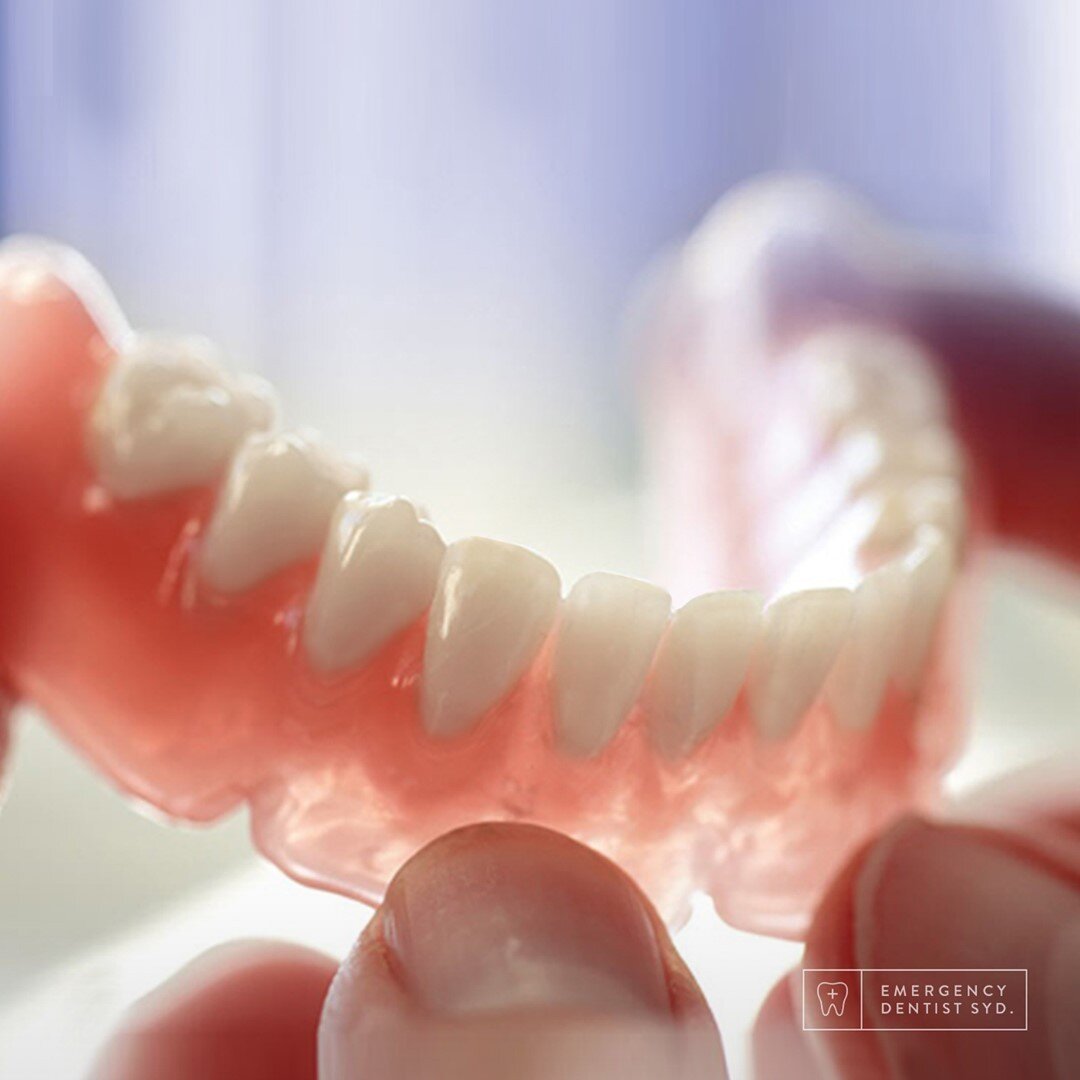
If you have to have your teeth removed, then dentures can be a great alternative. They’re easy to use, removeable, and will allow you to eat all your favourite foods. But they can also cause problems for your oral health. If your dentures don’t fit properly or aren’t cleaned regularly, they can cause gum inflammation, rubbing, or even thrush. These problems can be very painful and can even result in a visit to your after hours dentist. To avoid these issues, make sure that your dentures are professionally fitted and that you visit your dentist as soon as possible if you experience any problems.
Emergency Dentist Sydney Says:
If you have a dental emergency, contact our Emergency Dentist in Sydney. Our caring and expert staff are available 24 hours a day to help you with all your emergency dental needs.
Patient Care First

Keep Up-To-Date with All Things Oral & General Health
RECENT ARTICLES







For 15 years, we've had one mission - when Sydney has a dental emergency, Emergency Dentist Sydney is there
We're proud to celebrate 15 years of providing emergency dental services to Sydney CBD and surrounding suburbs.