
Types of Tooth Injuries Explained
Have you experienced any of these injuries?
At Emergency Dentist Sydney, there aren’t too many dental injuries that we haven’t seen. Here we touch on the more common injuries. Hopefully you don’t experience any but if you do, we’re highly skilled in this kind of treatment.
Have you experienced any of these injuries?
At Emergency Dentist Sydney, there aren’t too many dental injuries that we haven’t seen. Here we touch on the more common injuries. Hopefully you don’t experience any but if you do, we’re highly skilled in this kind of treatment.
Cavities
Cavities are permanently damaged areas in the hard surface of your teeth that develop into tiny openings or holes. You may have had one for months without having a toothache. If you go for regular dental check-ups and cleans, your dentist will be able to discover cavities and fix them before any symptoms begin. Regular visits will enable the dentist to fill any holes before it becomes a dental emergency.
Periodontitis
Periodontal disease (also known as periodontitis and gum disease) is a disease that affects the supporting and surrounding tissue of the gums, and the jawbone. Periodontal disease can result in loose teeth and it some cases, complete tooth loss, if left untreated. Periodontal disease should never be ignored as it is the leading cause of tooth loss in adults.
Attrition
Dental attrition is the loss of tooth structure/tissue caused by normal tooth-on-tooth contact. It is a normal condition in the aging process but can become a dental emergency when it happens at a more rapid pace. This could be due to secondary dental problems such as bruxism, the grinding and clenching of the teeth that occurs during sleep. If untreated, attrition can wear away tooth enamel which can expose the dentin of the tooth which in turn leads to tooth decay and increased sensitivity.
Abrasion
Tooth abrasion is the gradual loss of the tooth surface. This can be brought on by incorrect teeth brushing techniques, like pressing too hard or using hard bristled toothbrushes. Such faulty techniques can cause notching at the point at which the crown and the roots of the teeth connect.
Erosion
Dental erosion occurs when part of the enamel surface of your teeth is dissolved away by acids. Whilst it can occur at any age, it can be far worse in the elderly with dry mouths as they don’t produce as much saliva which is key in flushing out and neutralising acids. It is usually caused by acidic drinks or medicines, excessive vomiting or acid reflux. Erosion is different from tooth decay because it’s not caused by bacteria.
Abfraction
Dental abfractions are v-shaped notches that appear near the gingival margin and are often the result of dental conditions, such as bruxism (teeth grinding).
Most dentists agree the condition develops as a result of flexing pressure which leads to enamel erosion, making the teeth even more vulnerable to damage.
Trauma/Fracture
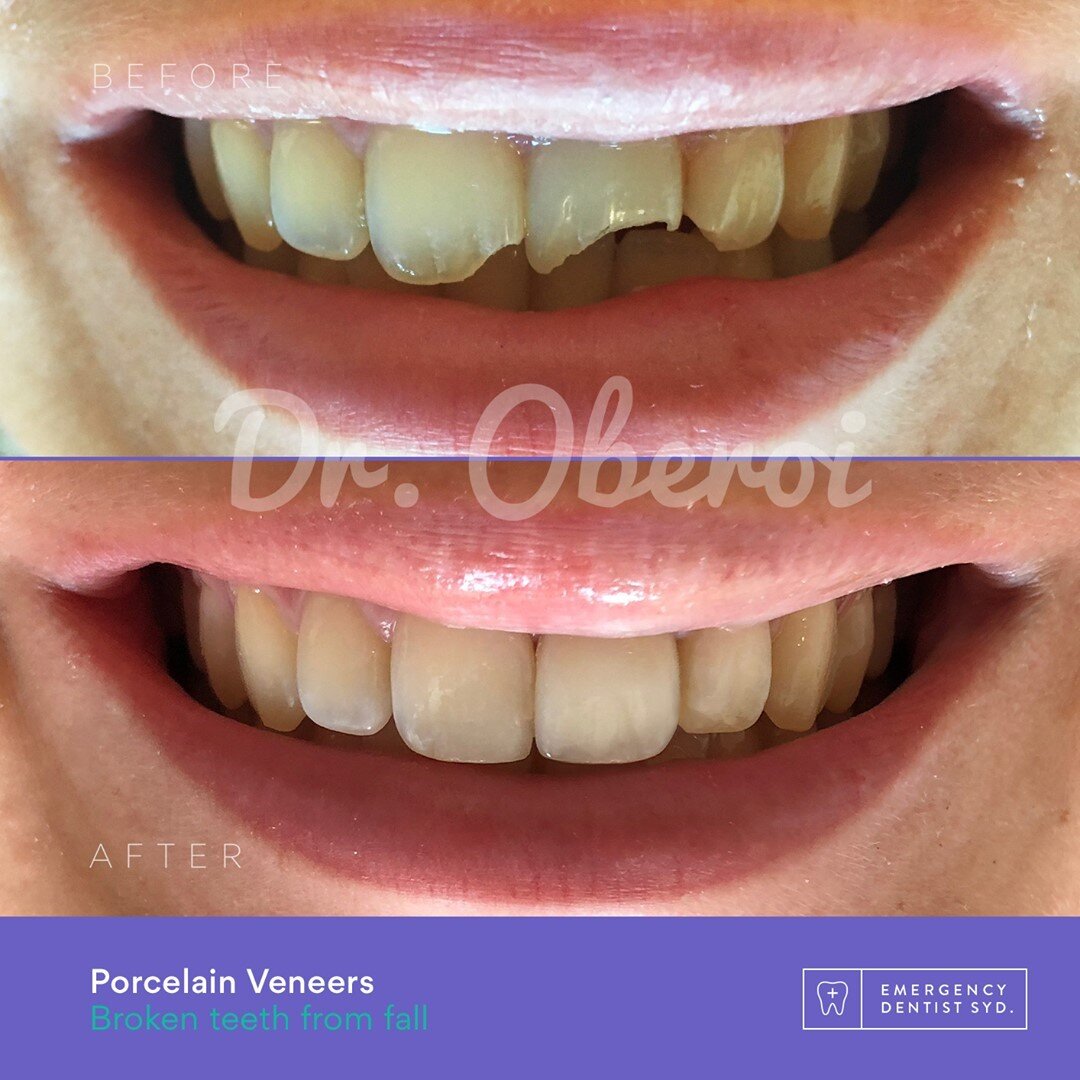
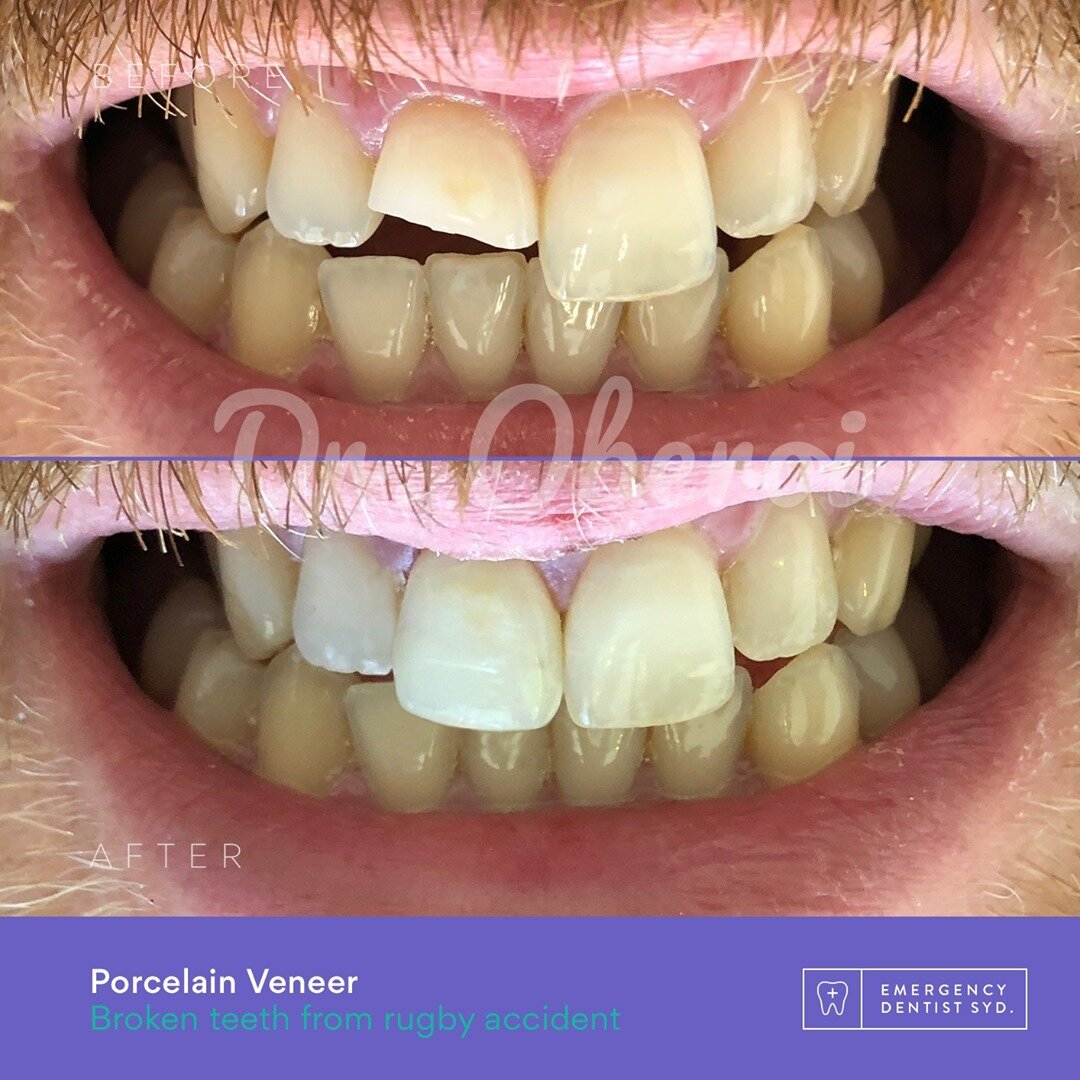
Dental trauma is commonly caused by sporting injuries, falls, motor vehicle accidents or violence. Often extremely painful and traumatic for the person experiencing it, symptoms and treatment is often quite varied.
Iatrogenic
Iatrogenic trauma is one that has been induced by the dentist's activity, manner, or therapy. Chemical, physical, and thermal injuries in the oral, gingival, or palatinal mucosa of iatrogenic origin can exhibit various clinical features. The management of traumatic injuries is dependent on the severity of the involvement in the periodontal tissues.
If we can say one thing, it’s to never delay in the treatment of dental emergencies or you risk them becoming far worse. Contact Emergency Dentist Sydney 24/7 and check out our tips on dealing with dental pain.
Need Advice Or Emergency Dental Care In Sydney CBD?
Contact our friendly team


How Much Bacteria Is in My Mouth?
The Problems and Solutions
The Problems and Solutions

You might look in the mirror and think your teeth are clean but it’s the things you can’t see that matter. Bacteria are tiny organisms that live in every organ in your body and over every inch of your skin. And most of the time they’re absolutely harmless as well as essential to your continued health and wellbeing. But when it comes to your oral health, there are a few bacteria that can do a lot of damage.
Tooth Decay Bacteria


Bacteria can be found all through your mouth and can build up depending on what you eat and do. The most common type of bacteria that causes tooth decay is called Streptococcus mutans. This bacteria is always found in the mouth and feeds on the sugars and starches that you eat. The worst bit is that it secretes acids that attack the enamel of your teeth, causing cavities and gum disease.
Gum Disease Bacteria


Gum disease can cause a lot of damage to your mouth. There are two types of bacteria that usually cause gum disease, known as Treponema denticola and Porphyromonas gingivalis. These bacteria can increase in number and secrete toxins that disrupt the normal balance of bacteria in your mouth. When this occurs, the bacteria attack the gums and cause infection, pain, and even tooth loss. Gum disease can be a serious problem, so if you think you have it make sure you seek professional help as soon as possible as it must be treated by a qualifies dentist to ensure the best outcome possible.
How to Keep Your Mouth Healthy

It’s impossible to get rid of all the bacteria in your mouth, and if you managed to do so you would be extremely sick. However, you need to be aware of the problems that some of these bacteria can cause and take measures to control their numbers and keep your mouth healthy. The following steps will help you do that:
Brush at least twice a day, especially after meals.
Floss your teeth every time you brush.
Make sure you see your dentist regularly for check-ups and cleans.
Chew sugarless gum after meals to encourage saliva
Use an anti-bacterial mouthwash regularly.
Avoid sugary foods and drinks.
Emergency Dentist Sydney Says:
For the best general and emergency dental care, contact our Emergency Dentist in Sydney. Our caring and expert staff are available 24 hours a day to help you with all your emergency dental needs.

Do All Toothaches Come From Bad Hygiene?
The Truth About Your Sore Tooth
The Truth About Your Sore Tooth

If you have a toothache you might worry that it’s because of bad hygiene. This worry could make you embarrassed to visit your dentist, because you don’t want to be told that you aren’t taking care of your teeth properly. But there are a number of reasons why your tooth might hurt and send you to the after hours dentist, and some of them have nothing to do with your oral hygiene. If you want to understand why your tooth is hurting, here are some of the most common causes.
The Effects of Bad Dental Hygiene
As Dr. Oberoi from Emergency Dentist Sydney says, “Toothaches are caused by nerve pain, gum infection, trauma, wisdom teeth, grinding, or extreme sensitivity. There are a lot of reasons why your teeth may hurt.”
However, problems associated with toothache are most commonly caused by bad dental hygiene. That’s why it’s so important that you brush and floss regularly and visit your dentist for regular check-ups. This will prevent any problems from getting worse and help you avoid getting a toothache.
The most common dental problems caused by bad dental hygiene are:
Tooth decay or cavities.
If you have a toothache, it’s very likely that it’s because you have tooth decay because this is the most common cause of dental pain. Tooth decay is caused by poor oral hygiene. So make sure you brush and floss regularly if you want to avoid a trip to the after hours dentist with a hole in your tooth.
An abscessed tooth
If you ignore tooth decay for a long time it may result in an abscessed tooth. This is an infection within the tooth that occurs when a cavity penetrates down to the pulp of the tooth. It can result in severe pain, infected and swollen gums, and can even result in the loss of a tooth.
Gum disease
If you neglect your oral health it will do more than make you more likely to get a cavity. It can also cause gum disease. Gum disease occurs when plaque builds up on your teeth and isn’t regularly removed. Plaque contains millions of bacteria which attack the gums, causing redness, swelling and bleeding. If gum disease is left untreated it can cause tooth loss and other serious problems.
Toothaches That Aren’t Related to Hygiene
There are also a number of common dental problems that can cause a toothache and aren’t related to your dental hygiene. These include:
Injury or trauma
This is a very obvious cause of pain. If you fall or hurt yourself during sports you can crack a tooth or damage your gums, both of which cause pain. If this occurs, see an after hours dentist as soon as possible to avoid further damage.
Wisdom teeth
Most people just don’t have room in their mouth for their wisdom teeth. This doesn’t stop them growing however, and if there isn’t room for them they can become impacted. This can result in infection or it can push your other teeth out of alignment. When wisdom teeth become impacted they’re very painful, and the pain is usually centred at the back of the mouth. So if you experience this pain, visit your dentist as soon as possible to avoid further problems.
Teeth grinding
If you grind your teeth at night you probably won’t know it until your teeth start to hurt. Grinding can wear down the enamel on your teeth, causing pain and trauma as well as other dental problems. So if you think that you grinding your teeth then you need to talk to your dentist about it as soon as possible.
A number of dental problems can cause pain and some of them are caused by poor oral hygiene. But this isn’t all bad, because it means that you can avoid these problems by taking care of your mouth and teeth and by visiting your dentist for regular check-ups.
Emergency Dentist Sydney Says:
If you have a dental emergency, contact our Emergency Dentist in Sydney. Our caring and expert staff are available 24 hours a day to help you with all your emergency dental needs.

5 Tips To Keep Cavities At Bay
Protect and Prevent
Protect and Prevent
Our teeth have outer coatings called enamel. They are a hard, protective layer but once it is weakened by the different types of foods and drinks we consume, especially junk and acidic foods, a pit forms in or on the tooth surface. This is called a cavity and is the result of tooth decay. Children are very prone to cavities, as they are more likely to miss spots while brushing their teeth. Because of this, many people think only children can get cavities, which is not true. Adults get cavities for the exact same reason but don’t worry, there are many ways to prevent them! Have a read below for our top 5 tips to keep these cavities away for good.
1. Twice Daily Brushing and Flossing
This is a no-brainer, however, what most people don’t know is that the way you brush and what you use to brush are extremely important. Proper brushing includes using short, gentle strokes and paying extra attention to the back teeth. Don’t forget to brush your tongue too! We recommend a toothbrush with soft bristles or an electric toothbrush. Hard bristles will continue to take away the enamel on your teeth. Flossing is also really important as it is the best tool to remove trapped food from in between teeth. Your oral hygiene routine is a very simple yet effective way to prevent tooth decay and it only takes 2 minutes!
2. Mouth Wash
To reduce the amount of bacteria in your mouth after eating or drinking, use an antibacterial mouth rinse. A mouthwash containing fluoride is also another option as it is a natural mineral that strengthens tooth enamel and prevents cavities.
3. Drink More Water
Water is the healthiest drink and staying hydrated helps your body in many ways including your oral health. It’s hard not to drink your favourite soft drink or a fruit juice with your meals. Sorry to say but drinks that are high in sugar or very acidic are bad for your teeth. They take away the enamel on your teeth which will eventually lead to cavities. Our best tip for you is to drink a glass of water after having a cup of coffee, tea or any drink so that it can wash away the acid lingering in your mouth. It can also keep your saliva from becoming too sugary so that the sugars won’t transfer onto your teeth. Another great tip is to use a straw when drinking soft drinks and juices as it will keep the sugar off your teeth and out of your saliva.
4. No Smokes
The health risks related to smoking cigarettes such as cancer are plastered all over cigarette packets and tv ads, however, most people are still unaware of the damages it can cause on your teeth. Smoking cigarettes not only stain your teeth and give you bad breath but can lead to gum disease, tooth loss, and even oral cancer. Cigar smoking and tobacco chewing can also be just as bad. So even though it is difficult to quit, keep trying as it really is better for your health and the people around you.
5. Regular Check-Ups
It is super important to visit your dentist every 6 months for a deep clean. All the built-up plaque and tartar will be removed leaving your teeth and gums feeling fresh but more importantly to prevent any diseases such as gingivitis. For those who can feel a cavity on the way, there are also treatments for that including dental sealants.
Cavity prevention starts at home. Just follow the above tips and you can prevent tooth decay. If you already have a cavity or feel like you do, do not hesitate to call your dentist and make an appointment.
Emergency Dentist Sydney Says:
Your oral health is important so don’t delay any dental check ups and continue brushing your teeth everyday – the proper way.
Patient Care First

Keep Up-To-Date with All Things Oral & General Health
RECENT ARTICLES







For 15 years, we've had one mission - when Sydney has a dental emergency, Emergency Dentist Sydney is there
We're proud to celebrate 15 years of providing emergency dental services to Sydney CBD and surrounding suburbs.