
Dental Emergencies Overseas
Don’t let a toothache ruin your entire trip
Most dental emergencies will cause us to be stressed but, stress levels will be far higher when you experience dental pain overseas. We’ve got some tips to get you through the ordeal so you can get on with the fun of travel.
Don’t let a toothache ruin your entire trip
Most dental emergencies will cause us to be stressed but, stress levels will be far higher when you experience dental pain overseas. We’ve got some tips to get you through the ordeal so you can get on with the fun of travel.
Here at the Emergency Dentist Sydney, we often we have patients come through our doors for followup treatment following a dental emergency they had on holiday.
Travels can be halted following issues like a chipped tooth while dining on a foreign fare to something more serious like dental trauma following a fall.
Unfortunately, we can’t hop on a plane to come a provide treatment but, we do have five tips to get you through the experience as well as what information to get to ensure we can continue treatment if needed.
Buy travel insurance before you leave
Any sort of medical treatment overseas can be very expensive. Purchasing travel insurance that covers dental is a great way of keeping costs down to you can continue putting your hard-earned money towards your holiday.
Don’t freak out
Yes, this is easier said than done but the calmer you stay, the more information you’ll be able to absorb. If language barriers are adding to the stress of the situation, try using translation apps. Don’t be afraid to ask as many questions as needed to put your mind at ease.
Let us know
Feel free to drop us an email letting us know what’s happened. We may be able to give you some general advice. Your overseas dentist may also benefit from us contacting them to provide them with information on any previous treatment you’ve received.
Try and get a photo of the problem
Obviously, it’s a bit hard to take a photo of a toothache but, for something like a chipped tooth it would be good for us to take a look. If the chipped tooth isn’t causing you too much pain, you may even bypass treatment overseas completely and wait until you’re back home.
Keep any documentation
Don’t throw away any dental reports or x-rays provided. They will assist us in understanding any treatment you were given so we can continue with a treatment plan if it’s required.
Finally, once you’re back, book in for a check-up so that we can take a look and ensure everything is in order.
Need Advice Or Emergency Dental Care In Sydney CBD?
Contact our friendly team


Do I Have a True Dental Emergency?
When to Call the Dentist
When to Call the Dentist
If you have a problem with your teeth on the weekend or late at night, you might worry about contacting an after hours dentist. After all, when you’re in pain, it can be hard to tell if the problem is an emergency, and what kind of medical professional you should contact. To help with that, here are some of the most common dental emergencies and what you should do about them.
What is a Dental Emergency?
This may seem obvious. For most people, a dental emergency is when your tooth really hurts and you want it fixed. However, there are a few different types of emergencies that after hours dentists see. Here are some common dental emergencies.
Any problem that threatens the health and placement of a tooth. This broken, lose and cracked teeth.
Severe pain.
Bleeding from the mouth tissues that won’t stop.
A severe infection that suddenly flares up. This can be life threatening, so it’s important that you see an after hours dentist as soon as possible if this occurs.
What to do in a Dental Emergency
If you experience a dental emergency, then you need to get help as soon as possible if you want to solve the problem. This will also help you to preserve the health of your mouth and teeth over the long term. With that in mind, here’s what to do for some specific dental situations:

A toothache
If you experience severe pain after hours, you can take Nurofen to alleviate it until you can get to an after hours dentist. Don’t try to brush the area, but you can rinse with warm water to gently clean it.
Bleeding
If the bleeding isn’t too bad, rinse your mouth with warm water and apply pressure to the area to encourage it to stop. If the bleeding is severe, seek medical help immediately.

Dislodged teeth
If you have a tooth or teeth knocked out because of some type of injury, retrieve the tooth and rinse with water to clean it. Reposition gently in the tooth socket without pressing it down. If you can’t put it back in your mouth, put the tooth in milk to keep it moist. And contact an after hours dentist immediately so the tooth can be put back where it belongs.

Cracked teeth.
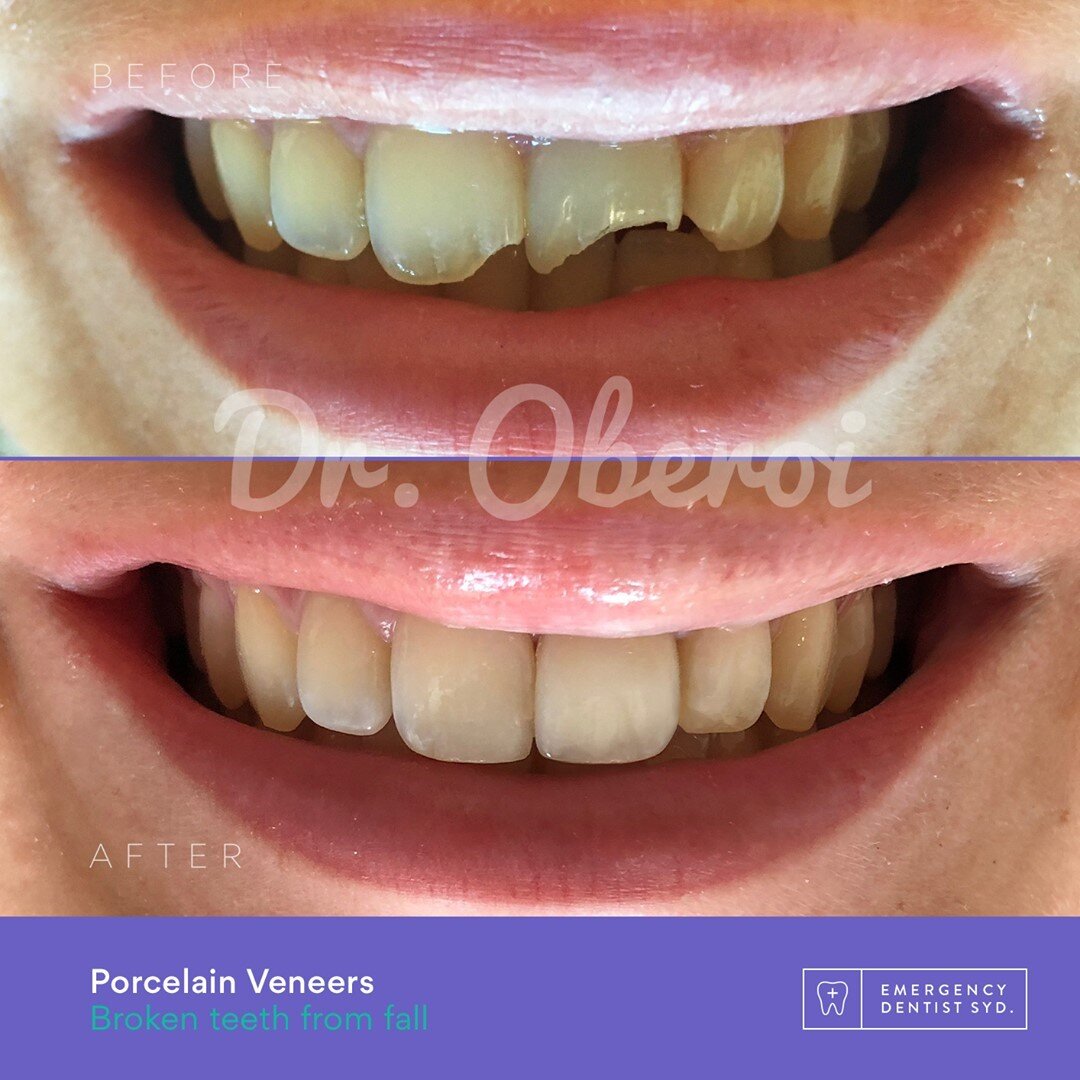
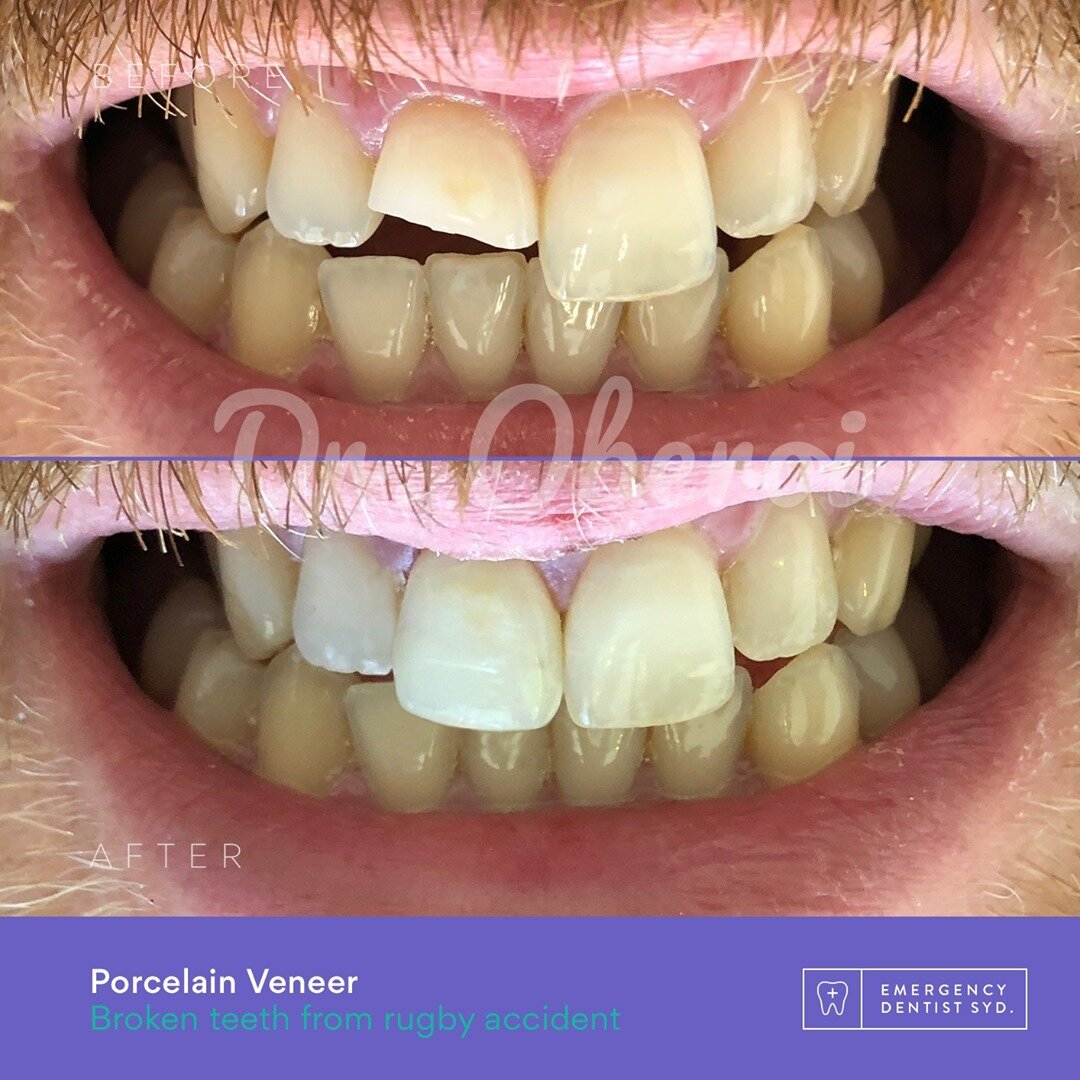
It’s easier than you think to crack a tooth or teeth. If you experience this, rinse your mouth with warm water, apply a cold compress to the face and see an after hours dentist as soon as possible. Your dentist will be able to repair the tooth using a porcelain crown or veneer, dental bonding, or a dental bridge.

Something stuck in your tooth.
Unless it’s extremely painful or bleeding, this usually isn’t a dental emergency. Try to gently remove the obstruction with your fingers or tweezers. You can also try flossing around the object. If this doesn’t remove the problem, make an appointment with your dentist.

Severed gum or lips.
This is considered a medical emergency, not a dental emergency. So apply pressure to slow the bleeding and go to your doctor or to the emergency room if it’s after hours.
Emergency Dentist Sydney Says:
If you have a dental emergency, contact our Emergency Dentist in Sydney. Our caring and expert staff are available 24 hours a day to help you with all your emergency dental needs.

Our Top 5 Emergency Treatments
The Biggest Threats to Your Oral Health After Hours
The Biggest Threats to Your Oral Health After Hours

If you have a problem with your teeth at night or on the weekends, you’ll probably need to see our after-hours dentist. This is more common than you think. It’s normal to want to avoid thinking about a niggling pain in your tooth for as long as possible. But unfortunately, this means that it can flare up just at the wrong time. When this happens you’ll need to see a dentist as soon as possible. At our Emergency Dentist in Sydney, we see all sorts of dental problems after hours, but there are some that are more common than others. To learn about these procedures, and their treatments, keep reading.
1. Extractions
If you have a tooth that’s too damaged to fix then you may need an extraction. This type of damage is usually caused by injury or decay. During an extraction the affected tooth is removed from the socket bone. If the tooth is clearly visible in the mouth, your dentist will loosen it and then remove it with forceps. However, if the tooth is broken off below the gum line or hasn’t come through the gum then it will have to be removed surgically. This is a more complicated procedure during which the gum is opened up to remove the offending tooth.
2. Root Canal Treatment
If you have an infection or inflammation in a tooth then you may need a root canal. This is a very common reason for trips to the after-hours dentist and causes a great deal of pain and discomfort. Tooth infections happen by deep decay, a chip or crack in the tooth, or previous dental surgeries.
If you need to have a root canal your dentist will remove all the infected pulp from inside the tooth. The whole area will be cleaned and sterilised to remove all traces of the infection before a filling is inserted into the tooth to replace the tooth pulp. This procedure can save the affected tooth and help you avoid further surgeries.
3. Fillings & Dental Bonding
If you have a hole in your tooth because of decay, then you’ll probably need a filling. This is a very common procedure and an easy way to alleviate the pain that can occur with decay. During a filling procedure, your dentist will remove the damaged section of the tooth and replace it with a filling. A filling can be made of a number of different types of material depending on the size of the hole and its position in your mouth.
Another common emergency procedure is dental bonding. This is the cheapest and quickest way to improve the appearance of a damaged, broken or decayed tooth. The bonding material is attached to the surface of the tooth and vastly improves its appearance. During this procedure, your dentist will lightly abrade the surface of the affected tooth, apply a conditioning liquid and attach the resin. This is like plastic, so it can be moulded to fit the shape of your tooth. The material is smoothed and then hardened using an ultraviolet light.
4. Wisdom Teeth
Wisdom teeth usually grow in the late teens or early twenties. Unfortunately, not everyone has enough room in their mouth for these extra teeth. If this is the case for you, the new wisdom teeth can push other teeth out of the way or become impacted, causing infection and pain. This can come on quite suddenly and result in a trip to the after-hours dentist.
At the dentist, you will need to have an exam to determine what the problem is and what has to be done to alleviate it. If there isn’t enough room for your wisdom teeth, you will probably need to have them taken out. However, wisdom teeth can also cause pain in the gums and jaw when they’re coming through. So even if they hurt, you won’t necessarily have to have them removed. That’s why it’s important to get them checked so you can plan your next step.
5. Re-cementing of Crowns, Veneers & Bridges
Crowns, veneers and bridges are all used to replace missing or damaged teeth. Crowns are used to encase an entire tooth. They’re most often used when the tooth is decayed or damaged and improve the strength and the appearance of the tooth. Veneers cover the front side of the tooth, the part that faces outward, and improve the appearance of a damaged or broken tooth. And finally, a bridge is an artificial tooth that’s attached to surrounding teeth.
Despite the strength and durability of these dental additions, they can sometimes become damaged or loose. This can occur when the procedure is fairly recent and hasn’t completely set yet, because of injury, or while you’re eating something hard. If you lose a crown, veneer or bridge, your dentist will need to evaluate the area to see if the original addition can be re-applied. If not, you will have to decide what step to take next. If the dental addition can be reapplied your dentist will clean your mouth and the implant and reattach it.
Emergency Dentist Sydney Says:
If you have a toothache after office hours, make sure you contact our Emergency Dentist in Sydney. Our caring and expert staff are available now to take care of all your emergency dental needs.

Our Top Tips Handling Dental Emergencies
What To Do When You Can't See Your Dentist Right Away
What To Do When You Can't See Your Dentist Right Away
Dental emergencies happen all the time, like breaking a tooth from a fall or a painful toothache that won’t go away. Nobody wants to experience these dental situations…especially when it happens outside of business hours. Knowing what to do when you’re in a situation where you can’t see the dentist right away, will help you reduce the risk of further complications. Here are some tips you can use to protect your teeth and gums until you can see an emergency dentist.
Broken Tooth:
Gently clean the area in your mouth with warm water and protect the tooth from exposure to germs by covering it with a sterile gauze. Apply a cold compress to the face if swelling.
Knocked Out Tooth: Pick up the tooth by the crown and do not touch the roots. Rinse off any dirt with water but make sure not to remove any attached tissue fragments. If possible, gently insert the tooth in its socket. If you cannot insert the tooth back in, put the tooth in a cup of milk and take it to your dentist.
Cracked Tooth: Gently clean the area by rinsing with warm water and use a cold compress on your face to reduce any swelling.
Severe Toothache: Rinse your mouth with warm water and gently use a dental floss to ensure there is nothing caught between the teeth. Never put aspirin or any other painkiller against the gums near the aching tooth because it may burn the gum tissue. Visit the dentist even if the ache goes away.
Sore Gums:
This may be a sign of gum disease so immediate treatment is required. Before you contact your dentist, quickly but gently floss and ensure there is nothing caught between the teeth. Rinse gently with warm salt water and never put any painkillers against the infected gums as it may burn the gum tissue.
Broken Braces and Wires: If your wires and brackets are broken, use a soft object like an eraser to gently push the wire back into spot where it doesn’t cause any more discomfort. If you can’t reposition the wire, cover the end with orthodontic wax or a piece of gauze so that it doesn’t bother your gums or soft tissue. Never cut the wire as you could end up swallowing it or breathing it in. Make an appointment to see the dentist so that a more permanent solution will be given.
Objects Caught Between Teeth: Gently use dental floss to remove the object. If object does not come out, call your emergency dentist. Never use a sharp object like a pin to try and get the stuck object out.
Lost Filling: If your filling has fallen out, part of the interior of your tooth will be exposed so temporarily stick a piece of sugarless gum into the cavity. Do not use a sugar filled gum as this will cause immense pain. Another option is to use a dental cement which can be purchased over the counter.
Lost Crown: Temporarily replace the crown by coating the inside of the crown with denture adhesive or toothpaste to help it stay in place. Never use super glue. If you can’t position it in there properly, leave it and take it to your dentist.
Soft Tissue Injuries: Soft tissue injuries include the tongue, cheeks, gums and lips. These injuries can be cuts or swelling and can result in bleeding. To control the bleeding, gently rinse your mouth with salt water to disinfect the cuts. Then use a piece of damp gauze to apply pressure to the areas that are bleeding for 15 – 20 minutes. You can also hold a cool compress on your face to control the swelling. If you are still bleeding badly after 20 minutes, please call your emergency dentist. Continue to hold pressure on the affected area.
A dental emergency can occur at any time and at any place. It is helpful to know these tips just in case these situations arise. Always have an emergency dentist’s contact handy especially when you are travelling abroad. It will definitely save you time while you are trying not to panic. You can also check out our emergency dental care tips on our website.
Emergency Dentist Sydney Says:
Always contact your dentist when you have or think you have a dental emergency. It will make a huge difference to know what to do while you wait to see them.

Cracked a Tooth?
What to Expect When You Visit the Dentist
What to Expect When You Visit the Dentist
Cracked teeth happen, but they can happen in a number of different ways. A trip, a fall, a blow to the mouth. Biting down on an apple that's just a bit too hard. Grinding your teeth at night and doing so just a little too hard. Or maybe you notice that after such an incident your tooth doesn't seem to be cracked or broken but it does seem to have been dislodged or pushed back and that too is rather disconcerting.
Sometimes there isn't actually much pain involved when a tooth gets cracked. Sometimes it's only painful when you eat or drink something very hot or very cold. Sometimes there is lots of pain. So, when should you actually see a dentist? Should you even bother?
The answer to the second question will always be a 'yes'. Whenever a tooth has been cracked, fractured or dislodged there is a very real danger of permanent damage. Should you see a dentist on an emergency basis? That may vary from case to case, but to be on the safe side it may be a good idea to call an emergency dentist for advice as to how best to proceed based upon what has happened to you.
How are Cracked Teeth Treated?
So, you are headed to the dentist to get your damaged tooth looked at. What can you expect once you get there? That again will depend very much upon what damage has actually been done to the tooth. In some cases, cracked teeth can cause nerve damage as well as damage to the outer surface of the tooth. In others, there may be a danger of infection to any exposed pulp. And in almost every case we see, a patient is concerned about what can be done to minimise the aesthetic damage to their smile.
Common treatments for cracked or broken teeth, however, include all of the following:
Porcelain Crowns or Veneers
Temporary braces or brackets
Teeth Whitening
Removal of the teeth or Extractions
Gum Treatment or Periodontal Treatment
As you can see, the possible treatments vary quite widely. Just which will be appropriate for you is a decision you and your dentist will make after you have undergone a thorough dental examination and, very importantly, x-rays, that will help determine just what damage has been done.
Whatever treatments you do eventually need for your cracked or dislodged tooth the one thing you should not do is ignore the problem or put off a trip to the dentist. Modern dental techniques can help repair all kinds of damage and save teeth that may otherwise have had to be pulled, but often time is of the essence.
Emergency Dentist Sydney Says:
Cracked or dislodged teeth can be effectively treated and repaired. Prompt treatment is the key, however, so the faster you see a dentist after cracking a tooth the better

Knocked Out Tooth?
Don't Panic, There's a Chance It Can be Saved
Don't Panic, There's a Chance It Can be Saved
Getting a tooth knocked out can feel like a nightmare. Although it may not be the most serious injury in the world, it can certainly seem like the world is close to ending. Who wants to be called Gappy when they are an adult? It was cute when you were six and knew it was very much a temporary situation, but a knocked-out tooth as a grownup? It sends shivers down most people's spines just thinking about it.
As shocking and scary as it is, thanks to modern dentistry if your tooth is knocked out, putting things right is a lot easier than it used to be, and the chances you won't lose your lovely smile for very long are high. As long as you take prompt action that is.
Dealing with a Knocked-Out Tooth: Immediate Steps to Take
Whether the cause is a sports injury, an accident, or you got into a fight - either with someone else or the pavement - it is important to know what to do immediately after a tooth has been knocked out.
When a tooth is knocked out it is quite literally severed from the socket (that's just one reason why it hurts so much) and usually, the ligament that once attached it to your gum and jaw is destroyed. The tooth can still be saved at this point, but you'll need as many of the tiny nerve fibres to remain attached as possible.
This means you'll have to be very careful when you pick up the tooth (we're assuming here it can be located) You should pick it up by the crown only, never the root. Pick it up the wrong way and those precious fibers will be gone.
Once you have the tooth, wipe away excess dirt (carefully) and either set it back into the socket or hold it between your cheek and gums in your mouth. Bathing your tooth in your saliva will help keep it alive. If you can't place it in your mouth putting it into a glass of cold whole milk is the next best thing.
At this point somebody - possibly not you as your mouth is busy trying to save a knocked-out tooth - should be on the phone with an emergency dentist. A tooth that is lost due to an accident has an 80-90% chance of being saved if these procedures are followed and you can get to the dentist's office quickly.
A healthy tooth that is. If a knocked-out tooth was loose already, something that is usually caused by periodontal disease, none of these measures may help, as a diseased tooth is usually beyond that at this point. You should still head right to the dentists though, as the damage done to the gums and potentially to surrounding teeth still needs to be accessed asap.
Preventing Tooth Loss
Accidents happen. We understand that. But there are some things you can do to help prevent getting a tooth knocked out in the first place. Some sensible measures include the following:
If you play sports, wear a mouth guard. Not just if you play cricket or footie and there are flying objects involved, but when you participate in any sport. You never know when an opponent’s arm, or the track, might connect with your face and knock your tooth out. You need to make sure it fits well though, so talk to your dentist and they'll help you find the right one.
Practice good dental hygiene and visit your dentist regularly to prevent gum disease and decay. As we already mentioned, an unhealthy tooth is knocked out far more easily than a healthy one and once it's out there's rarely any putting it back in.
Think when you drink. Yes, there's still tons of fun to be had, even if the summer's winding down. And while we are not suggesting you give up enjoying everything that Sydney has to offer - including all the great pubs and clubs - drink with care.
Once you get a bit beer wobbly you are far more likely to fall down and kiss the pavement (ouch, it hurts just thinking about it) and/or get into a bit of fisticuffs with a fellow 'happy' reveler. If you are drinking, take it steady and if you really can't walk straight (oops) don't try. Call a taxi, call an Uber, call a mate but don't try to walk home and certainly don't drive.
Emergency Dentist Sydney Says:
With prompt action a knocked-out tooth can often be saved. Just another reason why it pays to have our number in your phone, as you never know when you might need it at 2 am!

Common Emergency Situations
What Problems Do We See Most?
What Problems Do We See Most?

At Emergency Dentist Sydney, we are often asked just which dental emergencies we treat most often. And while we certainly see all kinds of cases - you might be surprised what we see - there are indeed certain dental emergencies that we spend more time dealing with than others. Here's a brief look at some of them:
Loose Teeth
There are a number of reasons why a tooth loosens but often when patients come to see us it is because their tooth has been loosened as a result of a trauma; a sports injury, a fall in which the tooth has been damaged and yes, sometimes when it's owner has been on the receiving end of a blow of some kind. A loose tooth isn't always a tooth that is destined to be lost though, as, if it's deemed appropriate a loose tooth treated quickly can be replaced and saved.
Knocked Out Teeth
Getting a tooth knocked out is a traumatic experience no matter who it happens to and just how the injury occurs. In years gone by once, a tooth was knocked out it was thought to be pretty much the end of it, and a dentist's primary job at that point was to 'clean up the mess' and then help patients make a plan to move on without the tooth. These days however with prompt and expert treatment a knocked-out tooth can often be saved.
Fractured Teeth
A fractured tooth, just like a fractured bone elsewhere in the body, can be more of a problem than people often think. As is the case with bones, fractured teeth vary in severity as well, from small cracks and chips that may call for primarily cosmetic dentistry to deep fractures that may have damaged the root of the tooth, calling for a more serious surgical procedure.
Toothache
There are lots of different reasons why a tooth might hurt, and the middle of the night is not a time that anyone really wants to start playing guessing games. That's why a great many patients we see on an emergency basis simply know that they are in terrible pain that just won't seem to quit and they leave it up to us to figure out why that is and what we can best do to help.
Acute Pain
Not all mouth pain is radiating from the teeth. Damaged and/or diseased gums or even an abscess may be to blame instead. When treating patients in acute pain on an emergency basis we can often help determine just what the problem is quickly and begin treating the cause of the pain effectively, and not just the pain itself.
Tender, Inflamed or Bleeding Gums
Not every case of swollen or bleeding gums needs to be treated on an emergency basis but there are some that call for swift treatment in order for patients to make the best possible recovery, especially as bleeding gums can often be a sign of another oral health problem as well.
Emergency Dentist Sydney Says:
Not sure if the dental problem you are experiencing is an emergency? Give us a call, we'll help you figure it out.

Do I Really Have a Dental Emergency?
What counts as one?
What counts as one?
It's late. Most businesses, including your regular dentist's office - have been closed for hours and won't be open again for hours either. Or if it's the weekend, possibly days. Which would usually be fine. Except you have a toothache that just won't quit. Or a chipped tooth that is both sharp and painful. Or, worse still, a tooth that is hanging by a thread, or knocked out altogether. But it is late, getting across town might be a pain and although you know that emergency dentists exist, don't they charge an arm and a leg?
The fact is that it is important to know what kinds of oral health problems or dental injuries do require emergency treatment and which can probably wait until a more civilised hour. No, if you can avoid a mad midnight dash to the dentist's it's probably more convenient, but it won't always be the best thing for your oral health.

Take that knocked out tooth for example. A couple of decades ago everyone would have told you to suck it up, stop crying and deal with the fact that the tooth was gone. These days a lot has changed and a tooth that has been dislodged can be saved, but usually only if you act fast.
The toothache that just won't quit? Even though you have taken the bottle-recommended dose of Nurofen - and then some Panadol - twice and it's still there throbbing away, although in a slightly more muted fashion than before? Is that worth a visit to an emergency dentist? Will they be able to help or is toughing it out until the morning the most sensible option here?
Figuring out what is or isn't a dental emergency can indeed be hard. However, as a general rule of thumb all of the following may very well be 'serious' enough to warrant the emergency trip:
A knocked-out tooth
A severely chipped tooth that is very sensitive (indicating that there may be nerve damage)
Objects stuck in the tooth
Severely bleeding teeth or gums
An abscessed tooth or gum area that is causing a great deal of pain.
One of the best things you can do in any potential emergency oral health situation is give an emergency dentist a call before you go anywhere. The staff at Emergency Dentist Sydney are available via phone 24 hours a day, seven days a week. They are all trained to help even the most panicked patients and advise them about the best way to proceed to treat their unique dental emergency.
That might involve coming in to see a dentist right away, making an appointment for the next day or, in some rare cases, proceeding to the hospital emergency department instead.
The one thing you should not do is wait and wonder. It's only a simple phone call and if it turns out the problem can wait no one will think any less of you for having checked. Your oral health is hugely important - and so is your peace of mind - so no matter what the time it's better to be safe than sorry!
Emergency Dentist Sydney Says:
Want to learn more about dental emergencies and their basic treatments? Check out the informative guide we put together here.

Resolving Oral Health Problems in Emergencies
Our best advice for when you least expect it...
Our Best Advice
Most people do know that regular dental checkups are a must for the good of their oral health in the same way that a checkup with their GP is for the rest of their body. What they don't always understand is why emergency dentists exist. That is until they need one that is.
Oral health emergencies - broken teeth, knocked out teeth, severe toothache - are no respecters of schedules and appointments. And as 'silly' as it sounds, until it happens to you, tooth pain can be some of the worst there is, especially at midnight on a Sunday evening. That's why emergency dentists exist though, to help people deal with their oral health emergencies as soon as possible to get the best possible results.
What Can an Emergency Dentist Really Do?
If you have yet to ever need the services of an emergency dentist, you might wonder just what they can do, and how taking a trip to one in the middle of the night, or on a big public holiday, can make a difference versus waiting for an appointment during 'normal' business hours. The simple answer is that often prompt treatment can not only help relieve pain - which is the number one reason people seek emergency dental care - but also get treatments started that, if delayed, could lead to poorer outcomes. Here are some examples.
A Knocked-Out Tooth

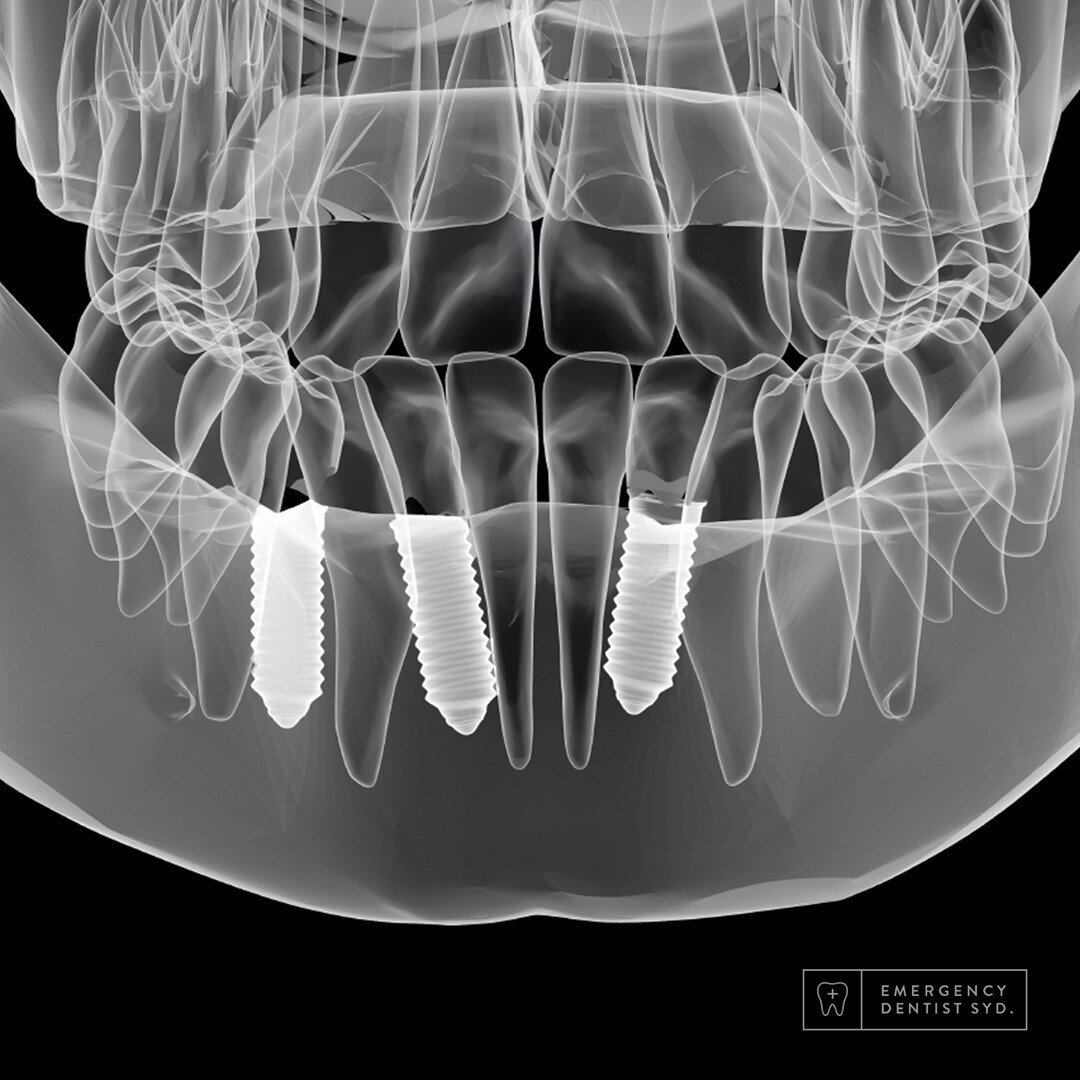
Dental implants have become a popular treatment.
Getting a tooth knocked out is for many one of their worst nightmares, especially if it's one that is in a very visible spot. As shocking and upsetting as it is though, fast action can make all the difference.
What you might not know is that if an adult tooth is intact it can often be saved if action is taken within the hour. So, in this situation, getting yourself - and that tooth - off to the dentist as soon as possible is a must. If the tooth can be re-implanted and it 'takes' you may still need a root canal later but at least you'll still have your natural tooth. And if it can't, it's not the end of the world as your emergency dentist can help get the process of getting an implant or dental bridge to replace it started.
A Painful Chipped Tooth
It's all too easy to chip a tooth. Bite into something a little too hard - a very cold ice lolly, a hard piece of crackling, a very crisp apple - and a piece of your tooth may suddenly be gone.
A small chip doesn't always have to be treated after hours but if there is pain present, discomfort or distress from the appearance of the tooth, it should be treated as soon as possible. As a solution there are a few options depending on the damage. Dental composites (bonding), crowns, porcelain veneers and fillings can all be used to treat a chipped tooth.
Abscesses

Traditional and laser root canal treatment.
Some of the most severe toothache people experience is not actually cause by their teeth at all, but by an abscess, either in the gum or the pulpal (soft) matter in a tooth's root. Pain aside - and the pain can be truly excruciating - these abscesses are often infected, and so treating them immediately is a must. The underlying cause of the abscess - gum disease, tooth necrosis - will probably call for additional treatments but an emergency dentist can begin the diagnosis process and get you on the antibiotics that will treat infection and begin killing that terrible pain.
These are just a few of the conditions that warrant a speedy visit to an emergency dentist, there are more. Although not all oral health emergencies can be solved overnight, the faster you get help, the better, a great reason to make sure that you add the number of an emergency dentist to that list of important numbers in your phone (or on your fridge).
The Emergency Dentist Says:
The faster you get help for your oral health emergency the better the outcome is likely to be. And if you're not sure if yours is a real emergency give us a call and we'll help you figure it out.

The 'Green Food Diet'
After 10 plus years in dentistry we know prevention is the best medicine. In fact, what we do or don't eat can be very important when it comes to your smile...
Our Top 7 Green Foods For Good Health

At The Emergency Dentist Sydney we believe in holistic oral health care. General daily care, such as brushing and flossing, go a long way to your overall oral health but there's a lot more you can do to ensure a healthy smile. After 10 plus years in dentistry we know prevention is the best medicine. In fact, what we do or don't eat can be very important when it comes to your smile.
So, we say scrap the White Food Diet, green is the new white this St Patrick's Day. We have our top 7 picks for the most super duper green foods to keep your oral health and general health looking as good as your four year old self the first time you found a four leaf clover.
1. Green Tea
We recommend a good cup of green tea after any meal. Green tea is great for controlling bacteria in your saliva and lowering the level of acidity in it, which can cause cavities. It's also works great as an anti-inflammatory which is particularly useful in the control of periodontal (gum) disease. To top off green tea as a great choice for your oral health, it is also associated with good breath! We believe this is likely because the microbes that make our breath bad are broken down by the tea.
2. Snap Peas & Green Beans
The high fibre content of these crisp green vegetables help scrub your teeth, which breaks up the biofilm and plaque buildup on your teeth. This all happens while you chew, mimicking a toothbrush or flossing. The extra effort you put in to chewing these veggies speeds up saliva production, which keeps your teeth strong and helps digest your food. Overall, a great snack to help boost your smile.
3. Kiwi Fruit
Kiwi fruit has the highest concentration of vitamin C (along with strawberries). Vitamin C helps to prevent collagen in your gum tissue from breaking down and without collagen your gums become tender and open to disease and infection, such as periodontal (gum) disease. They're also a yummy fruit snack too.
4. Green Apples
One of your oral health's best friends. Green apples are a water rich food which stimulate saliva production and and keep your oral bacteria looking pretty good. Not only that, green apples are also a high fibre food which create a brushing or scrubbing effect when biting. This quite literally cleanses the surface of your teeth as you eat, wiping away bacteria. Ahh that fresh feeling after eating a green apple.
5. Celery
Similar to the kiwi fruit, celery is packed with Vitamin C. It's great to help fight against inflammation of your gums. The texture of the celery stick is also another great green food that acts as a mother nature's brush, cleaning your teeth as you chew.
6. Broccoli
Broccoli does two great things for your teeth, whiten and protect. A bad cook will serve you over cooked broccoli, boiled for too long. The key to this vegetable is to steam it. This cooks it just long enough for the florets (they're the dark green tops) to heat but also retain all of their vitamins. Broccoli contains vitamin C (see Kiwi Fruit), vitamin E, which helps aid the body in healing and has a good source of vitamin b2 and calcium, which help keep your teeth strong and white.
7. Avo
Who doesn't love an avo! Avocado's are great for helping your body absorb all of the good nutrients you need from all foods to help maintain good overall health. Not only that but they contain a great level of calcium, helping your teeth strong and vitamin B6, another essential nutrient which is good for your overall oral health.
The #EmergencyDentist Says:

We always recommend a well balanced healthy diet full of a variety of foods. If you're planning on celebrating St Patrick's Day this year have a Guiness on us and remember The #Emergency Dentist Sydney is always open for dental emergencies.
Patient Care First

Keep Up-To-Date with All Things Oral & General Health
RECENT ARTICLES







For 15 years, we've had one mission - when Sydney has a dental emergency, Emergency Dentist Sydney is there
We're proud to celebrate 15 years of providing emergency dental services to Sydney CBD and surrounding suburbs.