

Root Canal vs Removing Teeth
Weigh Your Options
When faced with a root canal, removing the tooth instead seems like the easier option but often isn’t ideal.
Weigh Your Options
When faced with a root canal, removing the tooth instead seems like the easier option but often isn’t ideal. Both options for treatment are solutions for teeth that have extensive damage or decay. If your dentist has given you these options, it is important to understand exactly what is involved with each choice.
Root Canal

When the inner layer (the pulp) of a tooth is badly damaged or deteriorated - and even completely dead, a root canal might just be the only way the tooth can be saved.
The tooth is numbed with a local anaesthetic to open it up and expose the tooth canal which is needed to properly inspect and diagnose the issue.
The tooth is then cleaned from the inside out and then filled with a temporary filling which will remain until your follow-up appointment, usually one or two weeks later.
When you come back for your follow up, your tooth will be restored with a permanent crown for further protection. It will feel like a brand new tooth!
A root canal is a common and straightforward procedure that usually results in very little discomfort.
Tooth Extraction

Just like the root canal, tooth removal will begin with a local anesthetic to completely numb the area so you don’t feel any pain when your dentist uses their tools to pull the tooth out. The worst part of this procedure is generally the sounds you hear but it should not hurt!
Bleeding is normal for a tooth extraction, so you may be sent home with gauze to soak anything up. Some pain is also not uncommon so you might want to drop by the chemist on the way home. Discuss this with your dentist though as you might require a prescription.
It can take up to two weeks for the extraction site to fully heal but most will feel better after two or three days. It is very important to follow your dentist’s instructions about aftercare when it comes to spitting, drinking through a straw, eating, and brushing your teeth.
Many people have a misconception that the tooth doesn’t need to be replaced; however, without replacing the tooth, your other teeth can move and shift out of place. So if you’re thinking of going down the path of tooth removal to save costs, it may not always be the cheaper option.
It is always best to take your dentist’s advice and thankfully, regardless of the treatment, The Emergency Dentist Sydney has flexible payment options to suit any budget.
Need Advice Or Emergency Dental Care In Sydney CBD?
Contact our friendly team


Tooth Extractions
You Have Nothing to be Afraid of
You Have Nothing to be Afraid of
You might have chipped a tooth from a fall or cracked a tooth from accidently biting down on something hard. Whatever the reason for your toothache or pain, a tooth extraction will most likely not be the first procedure your dentist will suggest. Tooth extractions are actually only done as a last resort. However, if you are in a situation where your tooth needs extracting, there is totally nothing to fear!
Tooth Extraction is the Last Resort
Dental treatments and techniques are rapidly advancing. At Emergency Dentist Sydney, our dentists will always discuss with you the right treatment options for your dental emergency. We avoid tooth extraction as there are a number of treatments that can be done first instead and most importantly, we want to save your tooth. This means if you have a broken tooth and are avoiding the dentist because you're fearing the extraction procedure, call your dentist now as an extraction may not be the case. Your dentist will try to fix your damaged tooth with a filling, crown or other treatment.
The Extraction Procedure
Sometimes, there may be too much damage for the tooth to be repaired. This is when the tooth will need to be extracted. The Procedure itself is fairly quick. Dr. Oberoi states that it usually takes under a minute to actually remove the tooth. He says that “I spend more time talking to the patient and making sure they’re comfortable than doing the procedure itself.” The care at Emergency Dentist Sydney is personalised to the patient, to ensure the procedure is as comfortable and stress free as possible.
A Painless Dentist Procedure
What we will always do is make sure that the area we are performing the extraction is completely numb. Even administering the anaesthetic is painless with the help of some numbing cream. At Emergency Dentist Sydney, we also have a number of options for anxious patients including local anaesthesia, happy gas or even IV sedation. Your dentist will discuss with you the best option for your situation and condition.
Tooth Extraction After-Care
Aftercare is almost as important as the extraction itself. Your dentist will stay in touch with you over the days after the procedure. They will be able to answer any questions or concerns you might have and provide assistance in the unlikely case of complications.
Emergency Dentist Sydney Says:
Extractions sound scary but in reality, they’re usually very quick and pain-free. Our dentists always ensure a pain-free and comfortable procedure for all patients so come and see us if you have concerns about your smile.

Loose Teeth
What to Expect from a Visit to an Emergency Dentist
What to Expect from a Visit to an Emergency Dentist
When you are a little kid a loose tooth is actually kind of fun. The adults think it's cute - there are probably at least one or two shots in the family album of a younger you wiggling a loose tooth for the camera - and as a kid, you know that when the tooth falls out it's time for the Tooth Fairy to pay up. And what child wouldn't look forward to that little windfall?
When you are an adult, however, and have the set of teeth that are now supposed to last for the rest of your life, it is no longer a laughing matter when a tooth is loose. It's not funny or sweet and, as far as we know, the Tooth Fairy isn't a big fan of grown-ups. Instead, a loose tooth in an adult is a cause for concern and often, for the person the tooth belongs to, a bit of a cause for panic.
The first thing we can say, as emergency dentists, is DON'T PANIC. There are many reasons why an adult might have a loose tooth, but with the right, prompt dental care there is a very good chance that the tooth can be saved.
What Causes Loose Teeth in Adults?
There can be all kinds of reasons why a tooth 'comes loose' in an adult's mouth but some of the most common include:
An accident in which the tooth has been hit or damaged
Gum disease surrounding the tooth which has loosened it over time
Decay that has become advanced enough to destabilise the tooth
Other factors, such as grinding your teeth in your sleep.
What Should You do if You Have a Loose Tooth?
See Your Dentist as Soon as Possible
This really should be something of a 'no-brainer' but many people actually avoid calling the dentist when they have a loose tooth because they are sure that it's a sign that they are going to need extensive dental work and sometimes the fear of that almost outweighs the fear of losing the tooth.
However, that may not be the case and by delaying dental treatment you could be throwing away any chance that the tooth can be saved. And even if it cannot a dentist can help ensure that the area surrounding the tooth is kept clean and free of infection and that the right ongoing treatments to deal with the situation are then planned. So, the basic advice here? Make that call as soon as you can.
Don't Play With it
While you wait to see a dentist resist the temptation to 'play' with the loose tooth. Don't wiggle it, don't pick and it and certainly never attempt to pull it yourself, even if it feels 'really loose'. As an adult doing so increases the risk of both infection and excessive bleeding and neither of those things could ever be described as fun (and could have serious implication for both your oral health and your general health overall)
Eat Soft Foods
If you are not heading to the dentist right away, you don't have to starve yourself while you wait but you should be careful. Avoid hard or sticky foods and keep that loose tooth as clean as possible but do so carefully. The best plan of action? Stick to soft foods and clean all off your teeth gently, being especially careful with the one that is loose.
What Will a Dentist do for Your Loose Tooth?
As you will discover when you get to their office your dentist will have a number of options for treating your loose tooth, and which one they choose will depend upon the unique situation at hand. However, some of the most common treatments include:
Tooth Splinting - This is a procedure in which the loose tooth is bonded to the teeth surrounding it to give it a chance to stabilise and re-implant firmly
Gum Treatments - Gum disease often leads to the gum 'losing its grip’ on a tooth, making it feel very loose. Treating the gum, with deep cleaning and other techniques can often begin healing the damaged gum tissue and, as the healing process proceeds the newly healthy gum will tighten around the loose tooth, securing it where it should be once more.
Extraction - Sometimes a loose tooth can't be saved. After it has been safely extracted and the socket and gum area has been thoroughly cleaned and treated discussions can begin between dentist and patient about preparing for an implant to be placed to replace it.
Emergency Dentist Sydney Says:
A loose tooth is concerning but should not be a cause for undue panic. Seeing a dentist as soon as possible can significantly increase the chances that the tooth can be saved while also helping to ensure the health of all your other teeth as well.

Extractions Don’t Need To be Feared
Toothache
Here's Why
Pulling teeth - or dental extractions as they are properly called - is one of the oral health services that gets a seriously bad rap.
In fact, the idea of getting a tooth pulled is so scary to some that it's one of the number one reasons they put off going to see a dentist when toothache strikes; a fear of the pull.
To be fair, the term 'pulling teeth' sounds pretty painful. That's why dentists really don't like it. A modern dental extraction is not a painful, terrifying experience at all, but we understand that some need a little extra convincing. So let's take a look at just how a dental extraction works in the 21st century.
How Does a Dental Extraction Work?
How can it not hurt to get a tooth extracted? That's a fair question we'd expect to hear. Back in the day, before dental technology was as good as it is today, getting a tooth pulled could indeed be a painful, somewhat bloody process. Today, it's a matter of the application of a numbing cream, the administration of a simple, safe local anesthetic, the extraction of the tooth, which in the hands of a skilled and experienced dentist literally takes seconds, and the application of a little gauze to the former site of the tooth to stem any bleeding and aid rapid blood clotting. It's all over in a matter of minutes and if the now removed tooth was causing the patient pain - which very often it was - that pain is gone and they will be on the road to better oral health overall right away.
Oh, and by the way, the term pulling a tooth is really misleading. There really is very little pulling involved. In fact if you were to attempt to pull your own tooth, and you took a pair of pliers and pulled at the offending tooth, you would find that it does not come out unless you bench 250. Why? Because any tooth is 'glued' into its socket by tiny ligament fibres that anchor it into the jaw. To remove the tooth a dentist gently loosens these fibres and 'pops' the tooth out, no yanking required. As he or she does so, you will very likely feel pressure, but, in the hands of a skilled dentist, that pressure should not become pain, even if the tooth is a little bit stubborn and tries to hold on (which some do.)
When Is a Dental Extraction Needed?
Now that you have a better understanding of what to expect during a dental extraction we need to move on to the next issue, when does a dentist decide to recommend a dental extraction? In a word, as a last resort. Once you remove a tooth it's gone for good, so doing so is not a decision to be taken lightly. A good dentist will recommend trying all other available avenues - often a root canal - before suggesting a dental extraction. Sometimes, however, there is just nothing to be done and removal is the very best option. Your dentist will explain why, and then, because dentistry has come so far so fast, discuss with you the possible options for replacement, with a crown or implant.
Emergency Dentist Sydney Says
Dentists don't actually relish pulling teeth, it's our job to try and save them, but when we can't we make the extraction process as easy and comfortable as possible.
Need Advice Or Emergency Dental Care In Sydney CBD?
Contact our friendly team


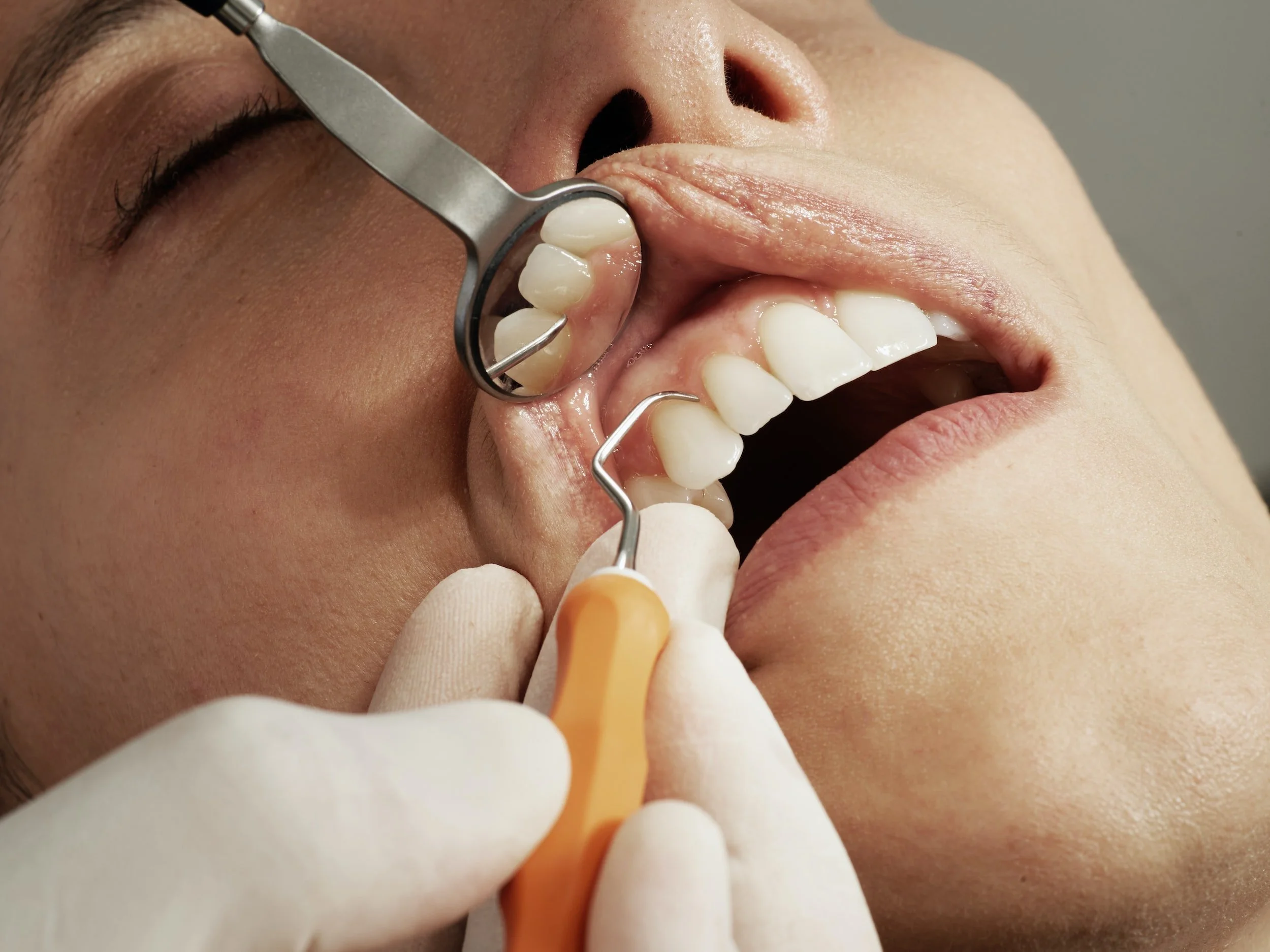
Does a Toothache Always Equal an Extraction?
Does toothache equal extraction automatically? The answer is a little more complicated than you might think...
Here's The Rundown
You've been up half the night thanks to the pain from that nagging aching tooth. Come to think of it, you were up half of the night before as well. Painkillers from the local chemists aren't even touching the pain anymore and you know you really should book an appointment with a dentist ASAP. But you don't like needles and pain, you're not even that fond of dentists and you really don't want to go through a tooth extraction. So you're stalling...
But does toothache equal extraction automatically? The answer is a little more complicated than you might think...
What's Causing the Pain?
Before you start ringing around dentists in Sydney asking about tooth extraction pricing it's important to understand one thing; tooth pain has lots of different causes and they don't all mean that the first thing a dentist is going to want to do is yank the offending tooth out. In fact, it's probably the last thing they want to do as they actually spent all of those years in dental school learning to save teeth rather than just do extraction after extraction.
Alternatives to Tooth Extraction
Because there are lots of different reasons a tooth might be giving you trouble, there are also lots of ways to treat these problems. If a cavity is the culprit then a simple filling may be the answer. If it's actually a gum infection - something that's more common than you might think - then a good deep cleaning and a course of antibiotics often works wonders. A tooth extraction is not even the automatic recommendation when the pain involves wisdom teeth, whatever you might have been told. And the pain may not really even be coming from a tooth at all.
Getting to the Root of the Problem
As we mentioned, the real key to getting to the root of the problem when it comes to a toothache is a careful, considered dental examination. This will often involve taking x-rays and a chat about your past dental history as well as a routine exam. Only then can a dentist figure out what's really going on and present a patient with their treatment recommendations and options.
Isn't It Just Easier to Get a Bad Tooth Out?
In some cases, the problem that's really been causing a nasty toothache may come along with several different possible treatments options and yes, one of them might be extraction and that may sound like it's the quickest, easiest and possibly least expensive way to go.
However, before you choose that option based on time or money, listen carefully to what your dentist as to say. Every tooth in your head is there for a reason, even those pesky wisdom teeth, and if it's no longer there may very well be downsides you don't really won't 'get' until it's too late and the tooth is gone for good.
The #EmergencyDentist Says:

Don't automatically assume that an aching tooth is one that's going to have to come out. Give us a ring, come in for an appointment after hours, or when needed, and we'll work out the best course of treatment for you and your tooth.
Don't forget to checkout our Dental Emergency Care Tips if you're experiencing discomfort.

How Much Does a Wisdom Tooth Extraction Cost?
At The Emergency Dentist Sydney we are pretty used to dealing with wisdom teeth and the trouble they can cause...
Wisdom Tooth Extractions Costs Vary: Here's Why

At The Emergency Dentist Sydney we are pretty used to dealing with wisdom teeth and the trouble they can cause. That is not always the case for the patients experiencing those problems, folks who are usually in pain, frustrated and worried, often about the costs of the treatment they might need as much as they are about the pain they're in.
Unfortunately, as helpful as we like to try and be at all times, one of the questions we really can't answer right away is what the treatment for a patient's unique wisdom tooth issues might cost, as every case is different. We can however explain why those costs might vary. Here's a look at some of the factors involved:
The Type of Procedure You Need
There is no one-size-fits-all procedure for wisdom tooth extraction. For some people it can be a pretty straightforward affair, one not too different from a standard extraction. For others though, patients who might be dealing with a severe infection or an odd angled impaction, the treatment involved is usually more complex. And yes, complex costs more.
The Type of Surgeon You Need
In dentistry, just like in standard medicine, different dental surgeons do different things. When it comes to extracting a wisdom tooth, complications can arise that call for a specialist surgeon, usually because wisdom teeth, as a part of their often very pesky nature, will sometimes locate themselves in a very sensitive area of the jawline, one where important nerves could be damaged if someone did not know exactly what they were doing. Obviously if a specialist is called in the pricing will increase, but in reality be worth every penny as a botched job on a wisdom tooth is something no-one should ever have to deal with.
The 'Little' Things
Before getting to the actual extraction of a wisdom tooth, there's usually work to be done. Dentists need x-rays - or sometimes even CT scans - so that they know exactly what is going on where. They also need to talk anaesthesia with a patient. Some of the simpler extractions can be performed very successfully under a local anaesthetic but for the more complex stuff even the bravest, toughest of patients are going to need to be knocked out, aka treated under general anaesthesia, once again hiking the final costs.
The #EmergencyDentist Says:

Fear of costs should never be a reason to leave a painful or infected wisdom tooth untreated. At The Emergency Dentist Sydney we keep our rates as reasonable as possible and won't charge for 'bells and whistles' you don't need. Another reason to get treated as soon as a wisdom tooth problem rears its ugly head? The whole think is likely to be easier - and cheaper - than it would be if you suffer on for weeks until you can't take any more!
Patient Care First

Keep Up-To-Date with All Things Oral & General Health
RECENT ARTICLES








For 15 years, we've had one mission - when Sydney has a dental emergency, Emergency Dentist Sydney is there
We're proud to celebrate 15 years of providing emergency dental services to Sydney CBD and surrounding suburbs.