
5 Tips To Keep Cavities At Bay
Protect and Prevent
Protect and Prevent
Our teeth have outer coatings called enamel. They are a hard, protective layer but once it is weakened by the different types of foods and drinks we consume, especially junk and acidic foods, a pit forms in or on the tooth surface. This is called a cavity and is the result of tooth decay. Children are very prone to cavities, as they are more likely to miss spots while brushing their teeth. Because of this, many people think only children can get cavities, which is not true. Adults get cavities for the exact same reason but don’t worry, there are many ways to prevent them! Have a read below for our top 5 tips to keep these cavities away for good.
1. Twice Daily Brushing and Flossing
This is a no-brainer, however, what most people don’t know is that the way you brush and what you use to brush are extremely important. Proper brushing includes using short, gentle strokes and paying extra attention to the back teeth. Don’t forget to brush your tongue too! We recommend a toothbrush with soft bristles or an electric toothbrush. Hard bristles will continue to take away the enamel on your teeth. Flossing is also really important as it is the best tool to remove trapped food from in between teeth. Your oral hygiene routine is a very simple yet effective way to prevent tooth decay and it only takes 2 minutes!
2. Mouth Wash
To reduce the amount of bacteria in your mouth after eating or drinking, use an antibacterial mouth rinse. A mouthwash containing fluoride is also another option as it is a natural mineral that strengthens tooth enamel and prevents cavities.
3. Drink More Water
Water is the healthiest drink and staying hydrated helps your body in many ways including your oral health. It’s hard not to drink your favourite soft drink or a fruit juice with your meals. Sorry to say but drinks that are high in sugar or very acidic are bad for your teeth. They take away the enamel on your teeth which will eventually lead to cavities. Our best tip for you is to drink a glass of water after having a cup of coffee, tea or any drink so that it can wash away the acid lingering in your mouth. It can also keep your saliva from becoming too sugary so that the sugars won’t transfer onto your teeth. Another great tip is to use a straw when drinking soft drinks and juices as it will keep the sugar off your teeth and out of your saliva.
4. No Smokes
The health risks related to smoking cigarettes such as cancer are plastered all over cigarette packets and tv ads, however, most people are still unaware of the damages it can cause on your teeth. Smoking cigarettes not only stain your teeth and give you bad breath but can lead to gum disease, tooth loss, and even oral cancer. Cigar smoking and tobacco chewing can also be just as bad. So even though it is difficult to quit, keep trying as it really is better for your health and the people around you.
5. Regular Check-Ups
It is super important to visit your dentist every 6 months for a deep clean. All the built-up plaque and tartar will be removed leaving your teeth and gums feeling fresh but more importantly to prevent any diseases such as gingivitis. For those who can feel a cavity on the way, there are also treatments for that including dental sealants.
Cavity prevention starts at home. Just follow the above tips and you can prevent tooth decay. If you already have a cavity or feel like you do, do not hesitate to call your dentist and make an appointment.
Emergency Dentist Sydney Says:
Your oral health is important so don’t delay any dental check ups and continue brushing your teeth everyday – the proper way.

Protect Your Teeth From Injuries
The Importance of Wearing a Mouthguard
The Importance of Wearing a Mouth Guard
Taking care of your teeth is very important but it doesn’t mean just brushing your teeth and eating healthy – it means always protecting them, especially when participating in sports and activities that can result in an injury to the face. Mouth guards provide the protection your teeth and gums need during play and practice. To help you decide if you or your child needs this protection, have a read below for a quick guide on mouth guards.
Why Buy a Mouth Guard?
Mouth guards help protect the teeth, gums, tongue and the mouth in general from impact or injury. It minimises the risk of teeth getting chipped or knocked out and helps cushion a blow to the face. Because some sports are extremely physical, you never know what can happen. Rather than losing a tooth or damaging the sensitive tissues of the mouth, it is a good idea to invest in a mouth guard. In the end, you will be saving money and more importantly protecting your mouth.
When Should Kids Wear a Mouth Guard?
Some kids love sport because they can run around with teammates and have a lot of fun. However, some sports can be dangerous and so it is essential to protect every part of their body. Mouth guards should be part of their sport gear from an early age just like knee pads and helmets. If your child plays AFL, any other type of football, hockey, or does boxing, they definitely need a mouth guard.
Why Buy a Custom Made Mouth Guard?
You can buy cheap mouth guards over the counter these days but custom made mouth guards are the way to go. Even though they are quite expensive, treating sport related dental injuries cause a bigger hole in your pocket. Custom mouth guards are a worthwhile investment. They are designed to fit perfectly to the unique shape of you or your child’s mouth and teeth. This means that they’re more comfortable to wear and provide the best protection. A bonus is that you won’t have to argue with your kid about using them if they get to choose a mouth guard to come in their favourite colour.
How Your Dentist Makes the Mouth Guard
Your dentist will make an impression of the mouth and teeth during a visit. The mouth guard will be ready after a week or so. Your dentist will make sure the mouth guard is the right fit and five you tips on how to care and maintain the mouth guard. So simple!
Emergency Dentist Sydney Says:
A custom made mouthguard is the best option if you or your child plays sport. With our custom-made mouth guards, we’ll help you protect your teeth.

What is Dry Socket?
How Can I Prevent It From Happening to Me?
How Can I Prevent It From Happening to Me?
There are very few people who would actually be happy about the idea of having to get a tooth removed, but even with the best dental care, and personal oral hygiene, the procedure does sometimes become necessary. It's a scary thought for most people, but these days it's a relatively painless procedure that is over quickly and far less traumatic than years ago.
However skilled your dentist, there is a complication that patients should be aware can sometimes crop up after a tooth extraction; dry socket. Also known as alveolar osteitis the pain caused by this condition can be as bad as, or even worse, than any pain a patient experienced prior to the tooth extraction. The good news is however that it is perfectly preventable.
What is Dry Socket?
When a tooth is extracted the 'hole' left behind is referred to as the socket. Usually, immediately after an extraction a blood clot begins to form that effectively seals the hole and allows the whole area to begin to heal. Dry socket occurs when this clot is dislodged too soon, exposing the delicate nerve to the elements, which can be extremely painful.
Should this occur, a trip back to the dentist as quickly as possible is a must. They can carefully clean the area and then pack it with a sterile gauze to protect it. This can sometimes slow healing times though, so doing all you can to ensure the protective clot remains in place to do its job is the ideal.
Preventing Dry Socket
Occasionally a protective blood clot will dislodge on its own and there is really very little that could have been to predict or prevent it. In most cases though there was a preventable cause. Smoking significantly increases the risk that dry socket will occur, as does drinking from a straw.
For women who take birth control pills there can also be an increased risk of dry socket occurring, as higher doses of estrogen can prevent normal blood clotting. For this reason a patient on birth control should discuss scheduling their procedure, if at all possible, for a day when their pill will be delivering the lowest dose of the hormone into their bloodstream. A handful of other medications may also cause similar problems, so make sure your dentist is aware of any and all medications you take prior to a tooth extraction.
Finally, you will be given specific aftercare instructions after any tooth extraction procedure and they really do need to be followed to the letter for the best possible outcome. This includes calling your dentist right away if you suspect something has gone awry.
Emergency Dentist Sydney Says:
Fortunately, dry socket only becomes a problem in 2-5% of the patients who undergo a tooth extraction. With the right care and knowledge, as well as a little vigilance, you are far less likely to become one of them.

Gum Disease & Your General Health
Do you happen to know what the leading cause of tooth loss is in Australian adults? Many adults often don't even know they have gum disease until it's almost too late...
Get the Facts Before It’s Too Late
Do you happen to know what the leading cause of tooth loss is in Australian adults? If you (logically) answered tooth decay then you aren't actually quite right. Although decay is responsible for more than its share of damage it is actually gum disease that wrecks the most havoc. And many adults often don't even know they have it until it's almost too late...
What is Gum Disease Anyway?
Gum disease - a condition that is also known by the posh scientific names of gingivitis and periodontitis - is primarily caused by plaque, just like tooth decay is. A plaque build up will damage the teeth but it won't stop there, it will damage the very structures that support the teeth, the gums doing damage that can, at times, be harder to treat than tooth decay is.
Gum disease can progress without ever showing any major symptoms. However all of the following can be big warning signs that all in the Land of Gum is not quite right:
Red, swollen or tender gums
Bleeding after brushing, flossing, or eating hard food
Gums that are recede or pulling away from the teeth, making teeth look longer than before
Teeth that feel looser than they did before
Persistent bad breath
Treating Gum Disease
As is almost always the case, when it comes to gum disease prevention is better than cure. But more about that in a minute. For now let's focus on how it's treated
Gum disease comes in two stages; gingivitis and periodontitis. When caught while it's still gingivitis treatment is relatively straightforward. Your dentists will use a process called scaling - a type of super intense cleaning - and then instruct you on how to improve your oral hygiene to help prevent the problem coming back. Gingivitis is totally reversible and so with prompt treatment your gums will return to their former healthy state.
Periodontitis is a bit of a different matter. It's usually more serious and calls for first more intensive scaling. You may need a local anaesthetic before the treatment and it may have to continue over the course of several treatments. In the most severe cases periodontitis may even need to be surgically treated by a dental specialist called a periodontist, one who has specialist in training in gum disease and its treatment.
Preventing Gum Disease
So we're sure by now that you've figured it out for yourself. Gum disease can be successfully treated by your dentist but it really would be a lot better - and easier - if it never came to that in the first place.
Daily oral hygiene is a big key to the prevention of gum disease. Teeth need to be brushed at least twice a day with a good toothbrush and a fluoride toothpaste. Smoking also increases the chance you'll develop gum disease so that is yet another reason to stop. Consider investing in an antibacterial mouthwash to be used on a regular basis and DO NOT skip those regular cleaning appointments at your dentist's office.
The Emergency Dentist Says:
Gum disease is nasty stuff, but it can be prevented, and if needed treated, very effectively with your dentist's help. You just have to make that first call.

Dental Care 101: Prevention Tip
Let's get started with a few dental hygiene prevention tips...
Prevention Is Your Best Friend: Here's Our TOP 10 List
Every person's smile is unique and so is their dental care requirements. However, there a few things we can all do, from a young age, to ensure we keep the teeth we have and keep them healthy. Let's get started with a few dental hygiene prevention tips:
Our top tips:
Brush Regular!It's simple but lots of us don't do this most simplest of activities. So, brush twice a day, after meals where possible.
Floss Regular. Twice a day to be exact! A slow sawing motion is the best way to do it. If you're not sure how to do it ask your Dentist at your next visit. If you are a regular 'flosser' you should check your technique at your next check-up, just in case. For detailed info on how to floss right check out our flossing tips page (link to come).
Choose The Right Toothbrush For You. The toothbrush you choose should have a head small enough so that you can reach behind your back teeth. The bristles should also be soft, these will be kinder to your gums long term.
Right. The average adult should brush their teeth for about 3 minutes and combine a technique of up and down on teeth surfaces and soft circular motion where your teeth meet your gums. Anything shorter and you're probably not paying enough attention to where and how you're brushing. If you brush longer than 3 minutes you may be causing gum or plaque damage, so keep it close to 3 minutes. For detailed instructions on how to brush right check out our brushing tips page (link to come).
Limit Acidic Foods & Drinks. These include things like soft drink or fizzie drinks, cordials and fruit juices. The acidic levels in these manufactured foods and drinks are concentrated and above the desired standard levels. They will dissolve the minerals contained in the enamel that coats and protects your teeth, leading to cavities (holes).
Limit Sugary Foods. These include things like lollies and candies, sweeteners, dried fruits, cakes, jams, some cereals and sauces. The bacteria in dental plaque change sugars in to acids and we all know what that does.
Protect Teeth From Injury. Always wear a mouthguard or full-face helmet when playing any contact sports.
Save Dislodged Teeth. Should your teeth be knocked out while playing sport or in an altercation or accident, seek medical advice immediately. Once you have done this you should wrap the tooth in plastic or place it in a container of milk until you are able to seek medical advice.
Use Your Teeth To Chew! Doing things like cracking nuts, opening bottles by popping off the lid with your teeth, or sucking on a hard boiled lollies or candies can crack or chip your teeth. These may not be evident or noticeable at the time they occur but will develop in to bigger problems with time.
Use A Fluoridated Toothpaste. Fluoride hardens your tooth enamel and helps greatly to reduce the risk of tooth decay.
Patient Care First

Keep Up-To-Date with All Things Oral & General Health
RECENT ARTICLES








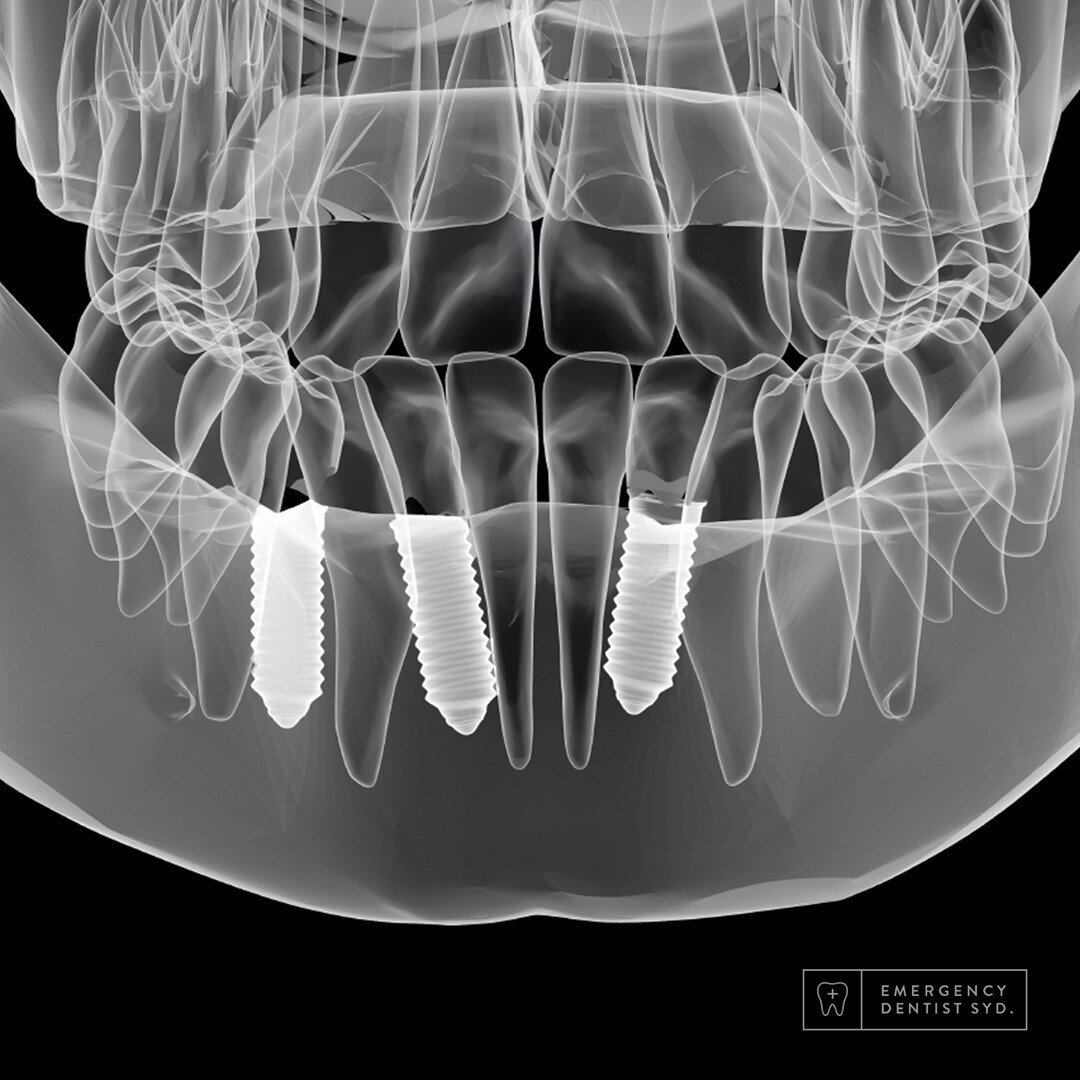
For 15 years, we've had one mission - when Sydney has a dental emergency, Emergency Dentist Sydney is there
We're proud to celebrate 15 years of providing emergency dental services to Sydney CBD and surrounding suburbs.