
Protect Your Teeth From Injuries
The Importance of Wearing a Mouthguard
The Importance of Wearing a Mouth Guard
Taking care of your teeth is very important but it doesn’t mean just brushing your teeth and eating healthy – it means always protecting them, especially when participating in sports and activities that can result in an injury to the face. Mouth guards provide the protection your teeth and gums need during play and practice. To help you decide if you or your child needs this protection, have a read below for a quick guide on mouth guards.
Why Buy a Mouth Guard?
Mouth guards help protect the teeth, gums, tongue and the mouth in general from impact or injury. It minimises the risk of teeth getting chipped or knocked out and helps cushion a blow to the face. Because some sports are extremely physical, you never know what can happen. Rather than losing a tooth or damaging the sensitive tissues of the mouth, it is a good idea to invest in a mouth guard. In the end, you will be saving money and more importantly protecting your mouth.
When Should Kids Wear a Mouth Guard?
Some kids love sport because they can run around with teammates and have a lot of fun. However, some sports can be dangerous and so it is essential to protect every part of their body. Mouth guards should be part of their sport gear from an early age just like knee pads and helmets. If your child plays AFL, any other type of football, hockey, or does boxing, they definitely need a mouth guard.
Why Buy a Custom Made Mouth Guard?
You can buy cheap mouth guards over the counter these days but custom made mouth guards are the way to go. Even though they are quite expensive, treating sport related dental injuries cause a bigger hole in your pocket. Custom mouth guards are a worthwhile investment. They are designed to fit perfectly to the unique shape of you or your child’s mouth and teeth. This means that they’re more comfortable to wear and provide the best protection. A bonus is that you won’t have to argue with your kid about using them if they get to choose a mouth guard to come in their favourite colour.
How Your Dentist Makes the Mouth Guard
Your dentist will make an impression of the mouth and teeth during a visit. The mouth guard will be ready after a week or so. Your dentist will make sure the mouth guard is the right fit and five you tips on how to care and maintain the mouth guard. So simple!
Emergency Dentist Sydney Says:
A custom made mouthguard is the best option if you or your child plays sport. With our custom-made mouth guards, we’ll help you protect your teeth.

The Truth about Temporary Fillings
They're just temporary
They're just temporary
Temporary fillings seem like such a strange idea. After all, if you have a hole in your tooth, why would your dentist only fit it for a short time?
But this is a simplistic view. Temporary fillings can be a very useful tool if used in the right circumstances. They’re a short term solution that eases the pain of damage and makes it possible for you to go about your life as normal until you can get the proper treatment. If you need to get a temporary filling, here is a quick guide to their use and care.
What is a temporary filling?
A temporary filling is a filling that has been placed to seal or build up part of a tooth. It is generally made from softer materials and is not intended as a permanent solution.
What is the procedure for a temporary filling?
The procedure for a temporary filling is similar to the procedure for a normal filling except much shorter. There is hardly ever any drilling or teeth shaving required, because the filling is not meant to be there forever, and so it can be done quickly so the patient can go about their day again. There are usually no needles needed for this procedure either.

Why do temporary fillings fall out?
Temporary fillings are temporary treatments for a number of problems. They aren’t meant to last forever. If you get a temporary filling, and don’t go back for the treatment, the filling will fall out sooner or later. Generally speaking, a temporary filling can last anywhere from a couple of days to a few months depending on where it’s located. This is dependent on other factors of course, such as general mouth health, food intake, and whether you ‘play’ with the filling a lot. But, if you’re careful and you go back to your dentist for the proper treatment, your temporary filling should last until the dentist can put something more permanent in there.
How can I care for my temporary filling?
When you have a temporary filling, mostly you need to be careful what you eat. Biting into hard foods such as nuts or seeds can cause the filing to come loose and fall out. If possible, chew on the side away from the filling. Apart from this, you can brush your teeth as normal without dislodging the filling. Just make sure you keep your tongue away from it as well. When temporary fillings fall out, it’s often because the patient is constantly digging at it with their tongue. With this kind of treatment, it’s no wonder they don’t last.
Emergency Dentist Sydney Says:
If you need professional and compassionate dental care, come and see us here at Paramount Dental Sydney. We’d be happy to work with you towards the best oral health of your life.
Need Advice Or Emergency Dental Care In Sydney CBD?
Contact our friendly team


Resolving Oral Health Problems in Emergencies
Our best advice for when you least expect it...
Our Best Advice
Most people do know that regular dental checkups are a must for the good of their oral health in the same way that a checkup with their GP is for the rest of their body. What they don't always understand is why emergency dentists exist. That is until they need one that is.
Oral health emergencies - broken teeth, knocked out teeth, severe toothache - are no respecters of schedules and appointments. And as 'silly' as it sounds, until it happens to you, tooth pain can be some of the worst there is, especially at midnight on a Sunday evening. That's why emergency dentists exist though, to help people deal with their oral health emergencies as soon as possible to get the best possible results.
What Can an Emergency Dentist Really Do?
If you have yet to ever need the services of an emergency dentist, you might wonder just what they can do, and how taking a trip to one in the middle of the night, or on a big public holiday, can make a difference versus waiting for an appointment during 'normal' business hours. The simple answer is that often prompt treatment can not only help relieve pain - which is the number one reason people seek emergency dental care - but also get treatments started that, if delayed, could lead to poorer outcomes. Here are some examples.
A Knocked-Out Tooth

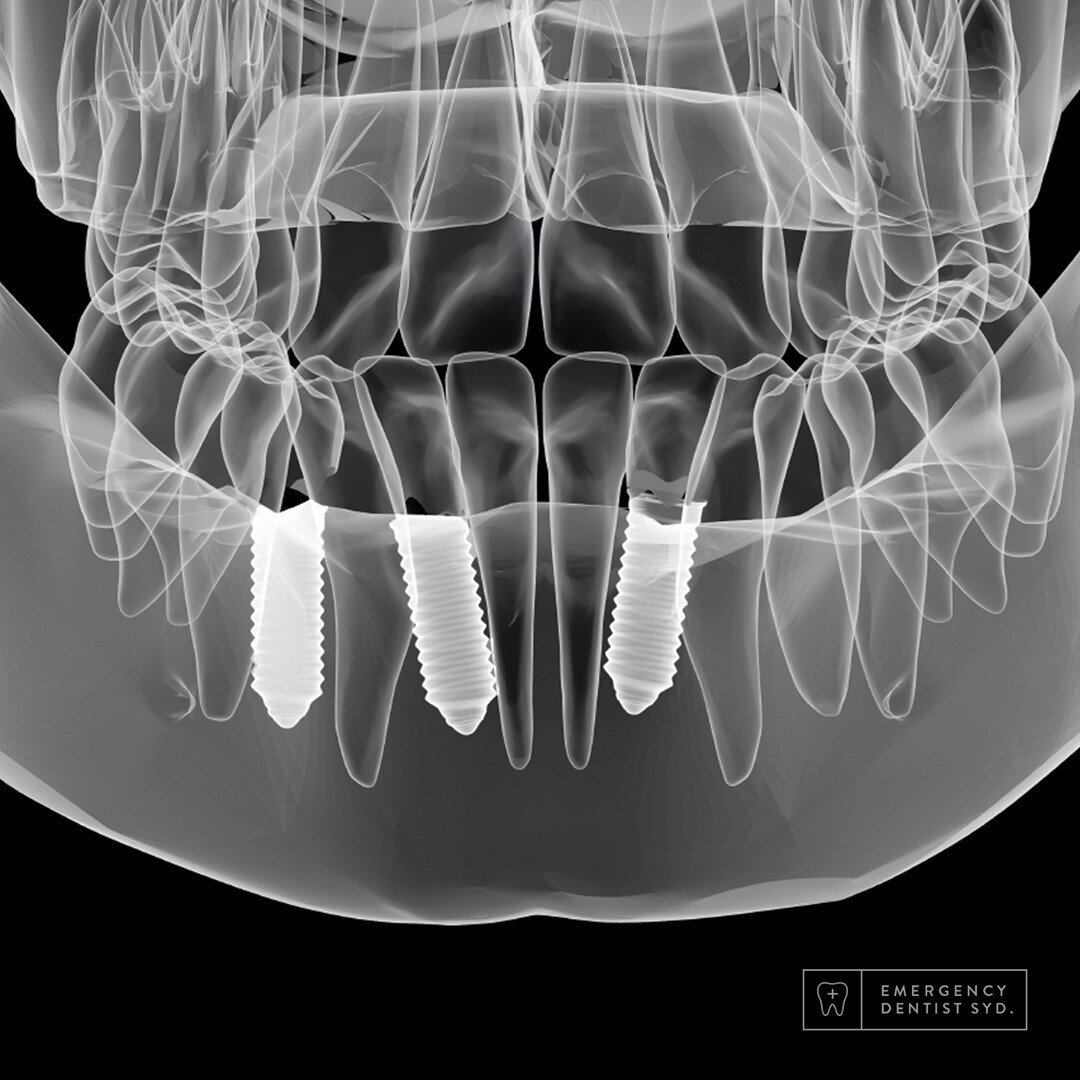
Dental implants have become a popular treatment.
Getting a tooth knocked out is for many one of their worst nightmares, especially if it's one that is in a very visible spot. As shocking and upsetting as it is though, fast action can make all the difference.
What you might not know is that if an adult tooth is intact it can often be saved if action is taken within the hour. So, in this situation, getting yourself - and that tooth - off to the dentist as soon as possible is a must. If the tooth can be re-implanted and it 'takes' you may still need a root canal later but at least you'll still have your natural tooth. And if it can't, it's not the end of the world as your emergency dentist can help get the process of getting an implant or dental bridge to replace it started.
A Painful Chipped Tooth
It's all too easy to chip a tooth. Bite into something a little too hard - a very cold ice lolly, a hard piece of crackling, a very crisp apple - and a piece of your tooth may suddenly be gone.
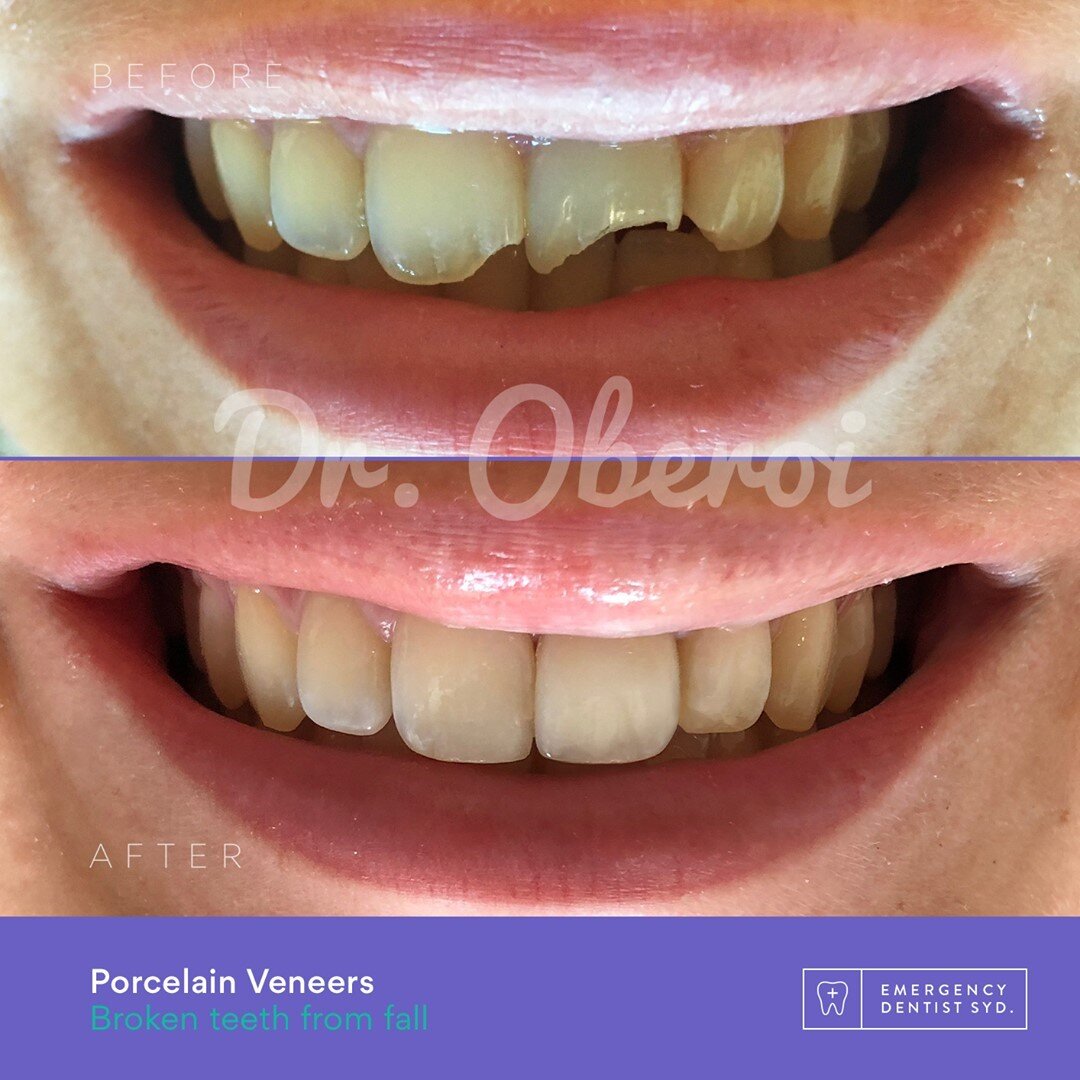
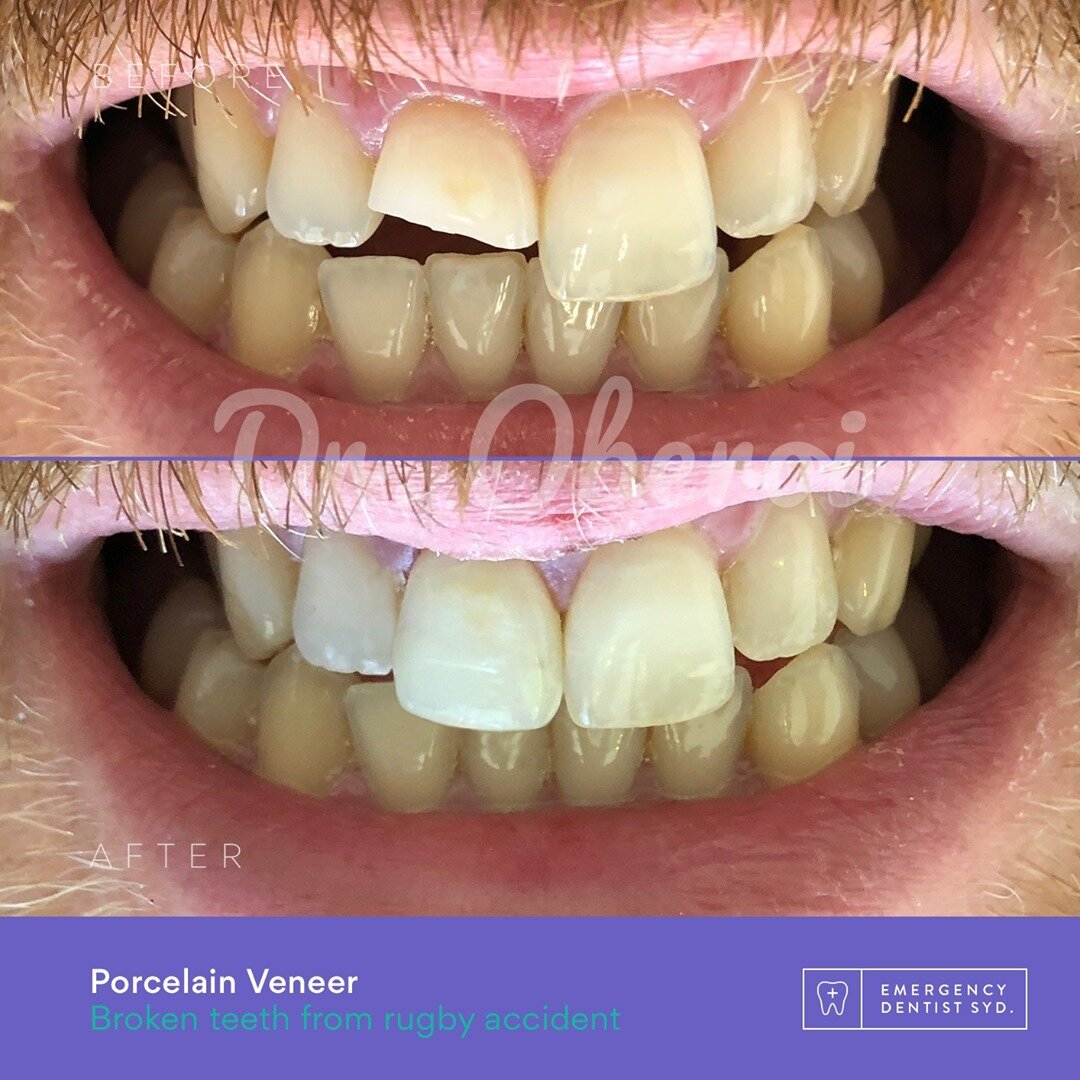
A small chip doesn't always have to be treated after hours but if there is pain present, discomfort or distress from the appearance of the tooth, it should be treated as soon as possible. As a solution there are a few options depending on the damage. Dental composites (bonding), crowns, porcelain veneers and fillings can all be used to treat a chipped tooth.
Abscesses

Traditional and laser root canal treatment.
Some of the most severe toothache people experience is not actually cause by their teeth at all, but by an abscess, either in the gum or the pulpal (soft) matter in a tooth's root. Pain aside - and the pain can be truly excruciating - these abscesses are often infected, and so treating them immediately is a must. The underlying cause of the abscess - gum disease, tooth necrosis - will probably call for additional treatments but an emergency dentist can begin the diagnosis process and get you on the antibiotics that will treat infection and begin killing that terrible pain.
These are just a few of the conditions that warrant a speedy visit to an emergency dentist, there are more. Although not all oral health emergencies can be solved overnight, the faster you get help, the better, a great reason to make sure that you add the number of an emergency dentist to that list of important numbers in your phone (or on your fridge).
The Emergency Dentist Says:
The faster you get help for your oral health emergency the better the outcome is likely to be. And if you're not sure if yours is a real emergency give us a call and we'll help you figure it out.

Hot New Trend: Braces for Adults
The waning of a stereotype as more and more adults embrace teeth straightening treatments...
The Waning of A Stereotype
Not so long ago, for a teenager, hearing a dentist say that they needed braces seemed like the end of the world. Never mind that the end result would be straighter teeth and a better smile. In the short term that meant risking being called 'brace face' - or worse - every time they opened their mouth, delaying dating because they were afraid of ripping someone's lip with their metal brace when kissing, the actual mouth full of metal and more.
The 21st Century Attitude to Braces
Things have certainly changed when it comes to braces over the last decade or so. Improvements in orthodontics mean that braces are now far more discreet, smaller, easier to live with and in many cases even get the job done - the job of straightening teeth that is - faster.
Something else that has changed is most kids' attitude to getting braces. In the age of even seven seconds selfies a beautiful smile is possibly more desirable than ever before, so according to some dentists they actually have to upset younger kids coming into their surgeries by telling them they are not quite old enough for braces yet!
Am I Too Old for Braces?
All of this has left many grown ups, grown ups who fought Mum and Dad tooth and nail back in the day and did not get braces when they were a kid, wishing that they could get them now. They'd like to smile in selfies too. They know that a healthier looking - and actually healthier - straighter smile would be a lovely self confidence booster for starters. But it's all too late now...isn't it?
The simple answer is that no, it's not. People in their 20s and 30s are getting braces. People in their 40s and 50s - including a gent called Tom Cruise - are getting them. There are even a few OAPs who have given braces a shot.
What Will People Think?
While more and more adults are getting braces these days it's still something people are afraid might raise a few eyebrows. And be a pain in the you know what to boot when it comes to actually living with tooth correction devices.
In response to those concerns what can we say? Well, today's braces are far less noticeable than ever before, so most strangers will probably never even notice. They are also easier to wear, easier to remove and easier to clean. You don't even need to see the dentist for check ups anywhere near as often as in the past. And as to what people think? Even if they do notice the braces and snicker a bit who cares? You'll be the one with the big (beautiful) cheesy grin in a few months and then all they'll be is jealous!
The #EmergencyDentist Says:
Modern braces are better than ever and so are the end results, so don't let age get between you and a straighter, healthier smile.

The Effects of Alcohol Abuse on Your Oral Health
Indulging in a few too many alcoholic 'refreshers' can leave you with more than just a banging headache the next day...
Be Aware of The Impact
Some might say hot, sunny Sydney days - and nights - and a cold beer were made for each other, especially if you happen to be out with your mates. And as we have no less than fourteen separate wine regions in NSW, a trip out to a vineyard for a tasting is a tempting way to spend a summer's day too. But did you know that indulging in a few too many alcoholic 'refreshers' can leave you with more than just a banging headache the next day, it can also be very bad for your oral health?
Alcohol and Oral Health - Worst Case Scenarios
A number of research studies conducted all over the world have indicated that those who drink alcohol on a regular basis may be up to six times more likely to develop oral cancers than those who do not. Alcohol abuse is also the cause of a number of oral related accidents - chipped teeth, broken teeth, lost teeth, that kind of thing - because, well, drunk people do tend to fall down far more often than others and they can often get a bit fighty too.
Gum disease is another potentially nasty problem that alcohol abuse can lead too, as is tooth decay. The major reason for this is all of the fermented sugars that alcohol contains coupled with fact that alcohol is actually very dehydrating (no matter how refreshing that cold one seems to be) which leads to a very dry mouth. The perfect 'conditions' for the development of both tooth decay and gum disease.
Drinking Responsibly - for Your Teeth
So, are we suggesting that you spend every single summer's day sipping on a oft drink while all around you crack open a celebratory can of beer? Not necessarily, but we are suggesting you drink in a way that is a lot kinder to your teeth and gums. What's the best way to do that? Here's some pointers:
Drink in moderation This really should be a general rule of thumb anyway. Not only is binge drinking or excessive alcohol consumption bad for your oral and general health is there really much point in spending a fortune on booze when you go out if you get so drunk you won't remember anything the next day?
Watch the Sugar Content of What You Drink People tend to forget just how much sugar there is in alcoholic beverages. And in many cases there's a lot, both in beer and in wine and mixed drinks and cocktails can be even worse. Not only is too much sugar bad for your teeth in general if you are drinking all night it's going to be sitting on your teeth getting ready to do some damage.
To help alleviate the problem alternate every drink with one of water (which helps you drink less anyway) as doing so will keep you better hydrated and help prevent dry mouth while also 'washing away' some of that sugary film on your teeth.
Never Go to Bed Without Cleaning Your Teeth No matter how tired you are when you get in after a night out you should never skip cleaning your teeth, especially if you are fond of highly coloured drinks - red wine, those frothy multi-coloured cocktails - that can also stain your teeth easily.
The #EmergencyDentist Says:
Alcohol and teeth are well-known adversaries, especially during the very social Sydney summer season. However, with a little extra care and attention it's OK to indulge once in a while, just don't make a big habit of it.

The Paleo Diet vs Oral Health
Does following a Paleo diet lead to tooth decay or other oral health problems or does it prevent these things?
Can Eating Like a Caveman Cure Tooth Decay? The Paleo Diet vs Oral Health
By now you've probably heard at least a little bit about the Paleo Diet. It's a diet plan that began, as many of these things do, over in The States, 'pioneered' by Dr. Loren Cordain, a historian by original trade. The idea is that you alter your diet to make it more like one that Stone Age people may have eaten and this, the theory goes, is a far healthier way to eat than 'modern people' are generally used to doing.
Whether or not the Paleo Diet is a good thing or another crazy fad is not something we are really going to get into too far. The 'movement' has its fans and its critics and even noted medical professionals can't quite agree whether eating like a caveman (cave person) is really that good for you. What we do want to get into however, is the question of does following a Paleo diet lead to tooth decay or other oral health problems or does it prevent these things?
Paleo Diet Basics
OK, so the Paleo Diet says you'll be eating like your distant, distant, distant ancestors. But what does that actually mean? In general, apparently that means a diet that's high in fat, moderate in animal protein and low to moderate in carbohydrates. And as few 'over-processed' food items as possible. Calorie counting is not encouraged, neither is strict portion control. Oh and there is no dairy allowed and bread of any kind (actually all grains in general, as caveman supposedly did not have them) is right out too.
Paleo and Your Teeth
So you think you're ready to ditch sandwiches, soda and dairy and give this Paleo stuff a try. But what is the change going to do to your teeth? Well, in some ways chances are that it can only be a good thing. As the diet emphasizes eating far less sugar, then in terms of basic dental health and cavity prevention it has to be a plus.
One potential downside of the Paleo diet as far as your teeth are concerned however is the lack of dairy. You've probably been told since you were a little kid that milk builds strong bones and teeth and research has proved again and again that yes, calcium does build stronger teeth and they are teeth that you are likely to hold onto longer as well. This does not necessarily rule out the Paleo diet though, you'll just need to make sure you eat plenty of nondairy, 'Paleo- Friendly' sources of calcium like broccoli, edamame, salmon (even the canned stuff is OK) and tofu if you still want the stronger teeth (and bones) boost that calcium offers.
The Tooth Decay Cure Claim
lAs is the case for almost every trendy diet plan, there are a lot of wild claims made about the benefits of the Paleo Diet and one is that it can 'cure' tooth decay. The simple answer to this is no, it can't. The diet may cut out some of the things that can cause tooth decay - like all of those added sugars - but only proper oral hygiene and getting regular dental checkups will do that. So go ahead and eat like a caveman if you like, but understand that proper dental care is a must for everyone, even those eating the VERY old-fashioned d way.
The #EmergencyDentist Says:
Whether you prefer a cheese sandwich and a big glass of milk or grass fed beef and broccoli rabe for lunch, everyone needs proper dental care and they need it for life, whether their current diet is based in the 21st century or it's from 10,000 years ago.

Sudden Tooth Pain: The Complete List of Causes & Treatments
Brain Freeze! We are all prone to occasional aches and pains that any kind of tooth pain can be particularly bothersome...
Diagnosing What's Causing It.. And Making it Stop!
Brain Freeze! We are all prone to occasional aches and pains, but it's fair to say, we think, that any kind of tooth pain can be particularly bothersome (to say the least.) Like a headache that just won't go away, tooth pain can be truly miserable and the problem's only made worse by the fact that much of the time you can't even be sure why you are in pain or how to begin treat it.
There are, in fact, all kinds of reasons that a tooth (or teeth) may start giving you gip, but these are the ones most commonly seen at Emergency Dentist Sydney:
Pain after Eating or Drinking Very Cold - of Very Hot - Foods
This can be the kind of sharp pain that really knocks you for six, if only for a minute or so. But it keeps happening and all the joy of eating an ice cream or downing a morning cup of Joe is fading fast.
The problem here is often is what the toothpaste ads often refer to as 'sensitive teeth'. There can be all kinds of causes; a slightly exposed nerve, a forming cavity, weakened tooth enamel or gum damage of some kind. In the short term try switching to a softer toothbrush and trying one of the toothpastes made to help 'desensitise' teeth. If the problem is a long term one however make a not to book a dentist's appointment to discuss a better solution.
Pain When Eating or Drinking Hot and Cold Foods After Dental Work
This particular issue is not unusual, especially if you have had a root canal or a filling recently. It's a temporary sensitivity that should disappear in a few days as things begin to heal up properly. In the meantime aspirin can help and following the dentist's post treatment care instructions is a must. However, if the pain persists for longer than expected, or gets worse rather than improving, you should contact your dentist right away.
Pain When Biting on Food
Eating regular, everyday foods should never be painful. And when and if it is, the chances are good that there is a problem that needs to be addressed and probably as soon as possible. The issue may be a cracked tooth, a loose filling, a cavity or, well, it could be a number of things. In this situation make a dentist's appointment as soon as possible so that the cause of the pain can be diagnosed and treated quickly, before any further damage occurs.
Aching Pressure on Upper Teeth/Sinus Area
This one is hard to even begin to self-diagnose as pain from infected sinuses can feel like terrible upper back tooth pain and vice versa. This is because there are a bunch of shared nerves back there, so really only a doctor's visit or a trip to the dentist can determine the true cause. Whatever you do though, wherever you go first, don't wait, because this is a horrible, nagging pain that very rarely goes away on its own.
Swollen, Painful, Inflamed Gums
Gum disease is all too common and if it's not addressed early then 'simple' gingivitis can progress into periodontitis, a condition in which the gums and even the bone that holds the teeth in place can be severely weakened. Often painful, swollen gums are a sign of infection, something that needs to be treated as soon as possible, not only to potentially save a tooth or two but to prevent the spread of infection through the rest of your body.
The #EmergencyDentist Says:

'Oh it's only a toothache'. Not. Tooth pain sucks. Pure and simple. It sucks even more if it strikes outside of 'business hours'. But you don't have to wait it out like a trooper just to try and be big and brave. The Emergency Dentist Sydney can help you anytime time any day when you need us.

How Much Does a Wisdom Tooth Extraction Cost?
At The Emergency Dentist Sydney we are pretty used to dealing with wisdom teeth and the trouble they can cause...
Wisdom Tooth Extractions Costs Vary: Here's Why

At The Emergency Dentist Sydney we are pretty used to dealing with wisdom teeth and the trouble they can cause. That is not always the case for the patients experiencing those problems, folks who are usually in pain, frustrated and worried, often about the costs of the treatment they might need as much as they are about the pain they're in.
Unfortunately, as helpful as we like to try and be at all times, one of the questions we really can't answer right away is what the treatment for a patient's unique wisdom tooth issues might cost, as every case is different. We can however explain why those costs might vary. Here's a look at some of the factors involved:
The Type of Procedure You Need
There is no one-size-fits-all procedure for wisdom tooth extraction. For some people it can be a pretty straightforward affair, one not too different from a standard extraction. For others though, patients who might be dealing with a severe infection or an odd angled impaction, the treatment involved is usually more complex. And yes, complex costs more.
The Type of Surgeon You Need
In dentistry, just like in standard medicine, different dental surgeons do different things. When it comes to extracting a wisdom tooth, complications can arise that call for a specialist surgeon, usually because wisdom teeth, as a part of their often very pesky nature, will sometimes locate themselves in a very sensitive area of the jawline, one where important nerves could be damaged if someone did not know exactly what they were doing. Obviously if a specialist is called in the pricing will increase, but in reality be worth every penny as a botched job on a wisdom tooth is something no-one should ever have to deal with.
The 'Little' Things
Before getting to the actual extraction of a wisdom tooth, there's usually work to be done. Dentists need x-rays - or sometimes even CT scans - so that they know exactly what is going on where. They also need to talk anaesthesia with a patient. Some of the simpler extractions can be performed very successfully under a local anaesthetic but for the more complex stuff even the bravest, toughest of patients are going to need to be knocked out, aka treated under general anaesthesia, once again hiking the final costs.
The #EmergencyDentist Says:

Fear of costs should never be a reason to leave a painful or infected wisdom tooth untreated. At The Emergency Dentist Sydney we keep our rates as reasonable as possible and won't charge for 'bells and whistles' you don't need. Another reason to get treated as soon as a wisdom tooth problem rears its ugly head? The whole think is likely to be easier - and cheaper - than it would be if you suffer on for weeks until you can't take any more!

What Advice Would You Give Your Younger Self?
When it comes to dental care and oral hygiene we know now how important it is to begin good habits from a young age...
What Advice Would You Give Your Younger Self?

At the Emergency Dentist Sydney we got to talking about our habits as children and what we might say to our younger selves. When it comes to dental care and oral hygiene we know now how important it is to begin good habits from a young age. Not everyone is knowledgable on the effects of poor oral hygiene on quality of life in your later years.
Toothache or pain and loss of teeth, resulting in the inability to chew comfortably can lead to malnutrition, weight loss, weakening of the immune system and infection. As we age we notice the obvious stuff like wrinkles and hair loss but we may not be as aware of changes in our teeth and mouths.
We asked ourselves the question, what advice would you give your younger self about oral hygiene and dental care? These are our top responses:
- Don’t smoke, if you do, stop, yuk!
- Stick to the food pyramid when it comes to eating. Eat a variety of food, eat food which is full of vitamins, minerals and fibres and get lots of variety where you can.
- Visit a dentists regularly for checkups, no excuses.
- Learn how to floss properly and do it daily.
- Brush twice daily, regardless of how tired you are at night or how busy you are in the morning.
- Rinse your mouth with water during the day when you’ve eaten processed foods, sweet foods or foods and drinks that can stain the teeth.
- Don’t put off dental problems. If you have concerns make sure you see your Dentist and avoid long-term complications.
You may think it doesn’t really matter, you can just get dentures, veneers, browns or crewed in teeth when you’re older, but this comes at some loss to your long term health.
Well looked after teeth are a reflection of your general health. Retaining your real teeth means better health long term. The American Journal of Public Health reports that ‘chewing with removable dentures is at least 30 to 40 percent less efficient than chewing with natural teeth. Persons with extensive or complete tooth loss are more likely to substitute easier-to chew foods such as those rich in saturated fast and cholesterol for foods high in carotenes, vitamin C and fibre’. Poorly looked after gums also comes with an array of long term side effects.
These are a few of the more common side effects of poor oral health:
- Loss. To the structure of your jaw and face.
- Cardiovascular Disease. Bacteria from inflamed mums and periodontal disease can enter your bloodstream and travel to your arteries in the heart. This can then cause such things as heart attack or stroke resulting in an endocarditis or myocarditis.
- Dementia. Bacteria from gingivitis may enter the brain and can lead to the development of Alzheimer’s disease.
- Respiratory Infections. The Journal of Periodontology warns gum disease can cause infections in your lungs, including pneumonia. This isn’t always an instant infection but, imagine breathing in bacteria over time from infected teeth and gums.
- Diabetic Complications. Poor oral hygiene can make it harder to control your blood sugar. This can increase the symptoms of diabetes and make them worse.
The #EmergencyDentist Says:
The the beauty of hindsight means we can see how things could be. With the knowledge of what can very well happen, we think sticking to these 7 tips will keep your oral health and your general health kicking strong in to the future.

Oral Health Tip #01 – Brushing
Brushing your teeth effectively is important to making your twice daily brush count. You may have never been shown how or you might be in need a refresher...
Effective bushing
Brushing your teeth effectively is important to making your twice daily brush count. You may have never been shown how or you might be in need a refresher.
When should I brush my teeth?
Simple rule, when you wake up and before you go to sleep.
Mornings. There is debate as to wether you should brush before or after breakfast. The evidence is bacteria grows while your asleep and responds to the food and their production of acids after you have breakfast. As such, the teeth are softened by the reaction taking place in your mouth. Brushing after this process will remove substances however, brushing before eating will remove most bacteria before this takes place. Best practice is to brush before and rinse after if you feel you need to.
Night time. It is very important to brush before you go to sleep. If you don't, particles from food or drink are left in contact with the teeth and have the whole night to cause permanent damage to your teeth and gums. Brushing before sleep ensures the best possible conditions for your mouth to protect your teeth while you sleep.
How do I brush correctly?
Start on top. First brush the insides. Technique: Circular and forward motioning.
Then brush the outside. Technique: Circular motioning with a mix of soft and hard pressure.
Next brush the biting surfaces. Technique: Firm pressure, back and forth motion.
Repeat these three steps.
Lastly brush your tongue. Technique: Side to side, back and forth.
How long do I brush my teeth?
4 minutes. Most dentists, including The #EmergencyDentist Sydney, agrees 4 minutes of brushing is optimum. Be practical, divide your time between your teeth. 2 minutes for the top, 2 for the bottom. Then, 1 minute each for the back and for the front.
Do I brush first or floss?
We say, floss first. Everyone has a different opinion on this, we take a practical approach.
When you floss you are cleaning in between your teeth and, in most cases, you are moving particles of food from between your teeth to the inside of your mouth or the surfaces of your teeth. We therefore would recommend brushing after doing this. We like to compare it to cleaning under your nails vs washing your hands. Most people would want to wash their hands after removing dirt or other nasty things from under their finger nails. That's our theory.
But there is no concrete evidence to support either order of brushing vs flossing. As long as you are disrupting the happy lives of bacteria who build little communities and multiply on and in between your teeth, you are doing the right thing.
If you do prefer to brush before flossing, we recommend thoroughly rinsing after flossing.
The #EmergencyDentist Says:
Brush before breakfast – It doesn't really matter if your brush before or after you floss

Emergency Dental Care Tips: Dislodged Teeth, Tooth
Emergency Dental Care Tips for Dislodged Teeth, Tooth Knocked Out...
The Importance of Cosmetic Dentistry
Wether the tooth or teeth have been knocked out, have become displaced (moved forward or backward or have been pushed in) or have been chipped, there is a risk of permanent damage. Nerves may be exposed and aesthetics may be compromised. As such we may need to see you to reduce sensitivity, minimise or stop bacteria infecting your nerves and restore aesthetics.
What are my treatment options for broken, cracked or dislodged teeth?
The general treatment options available for broken, damaged or cracked teeth are:
Porcelain Crowns or Veneers
Temporary braces or brackets
Teeth Whitening
Removal of the teeth or Extractions
Gum Treatment or Periodontal Treatment
We will discuss your dental history and then have a consultation with you to discuss possible treatment options. X-rays or other tests to your mouth, gums or jaw may need to be performed. Don’t hesitate to contact us at anytime to discuss your emergency.

Emergency Dental Care Tips for Dislodged Teeth, Tooth Knocked Out
1. Gently sit the tooth back in socket it has come out from, do not push it in with force, to avoid touching the root. 2. Alternatively place it between the cheek and teeth, away from the affected area, to keep it warm and moist. 3. You can also place it in a container of milk until you see us. (Note: Avoid touching the socket with your tongue)

Dental Care 101: Playing Sports
Sports and active lifestyles are an important part of many people's lives and proper prevention and protection practices should be number 1...
Mouthguards Are Your Best Friend
One of the most common causes of dental injuries comes from contact sports. Sports and active lifestyles are an important part of many people's lives and proper prevention and protection practices should be number one.
The injuries our beloved contact sports cause are often very painful and can require expensive treatment. Our Dentists can fit you or your family members with custom moulded mouth guards, you can contact us to find out more. These are just some of the benefits of wearing a custom fit mouthguard:
A custom fit will enable the best possible speech and breathing.
The tailored shape means a snug and uniformed fit to your teeth, enabling best possible protection.
The quality of the material we use in the mouthguard are the strongest grade possible, while still being relatively thin.
They come in a range of colours, you can match it to your sporting team or keep it clear or plain.
For more on prevention practices view our TOP 10 Prevention TIPS List.
Patient Care First

Keep Up-To-Date with All Things Oral & General Health
RECENT ARTICLES


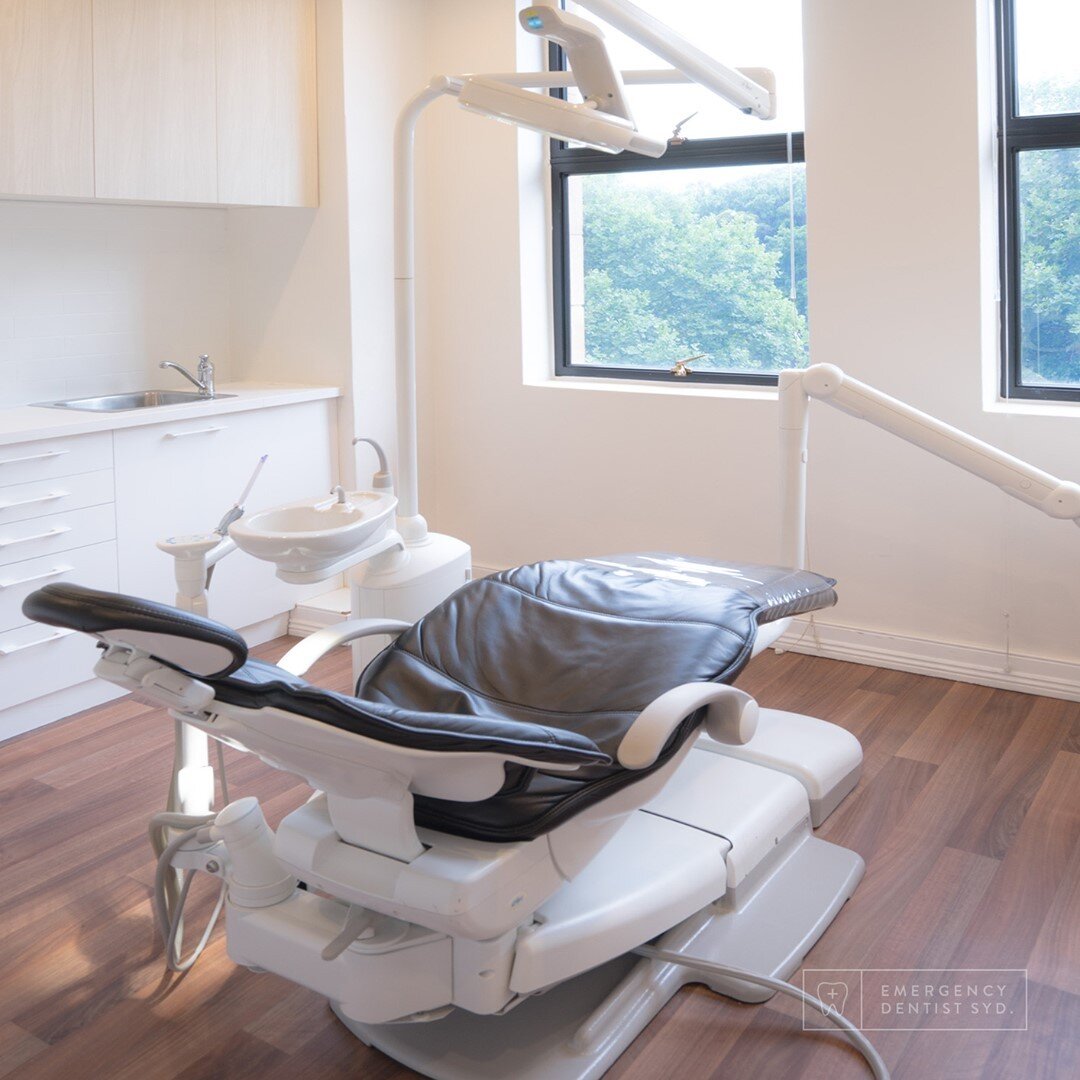
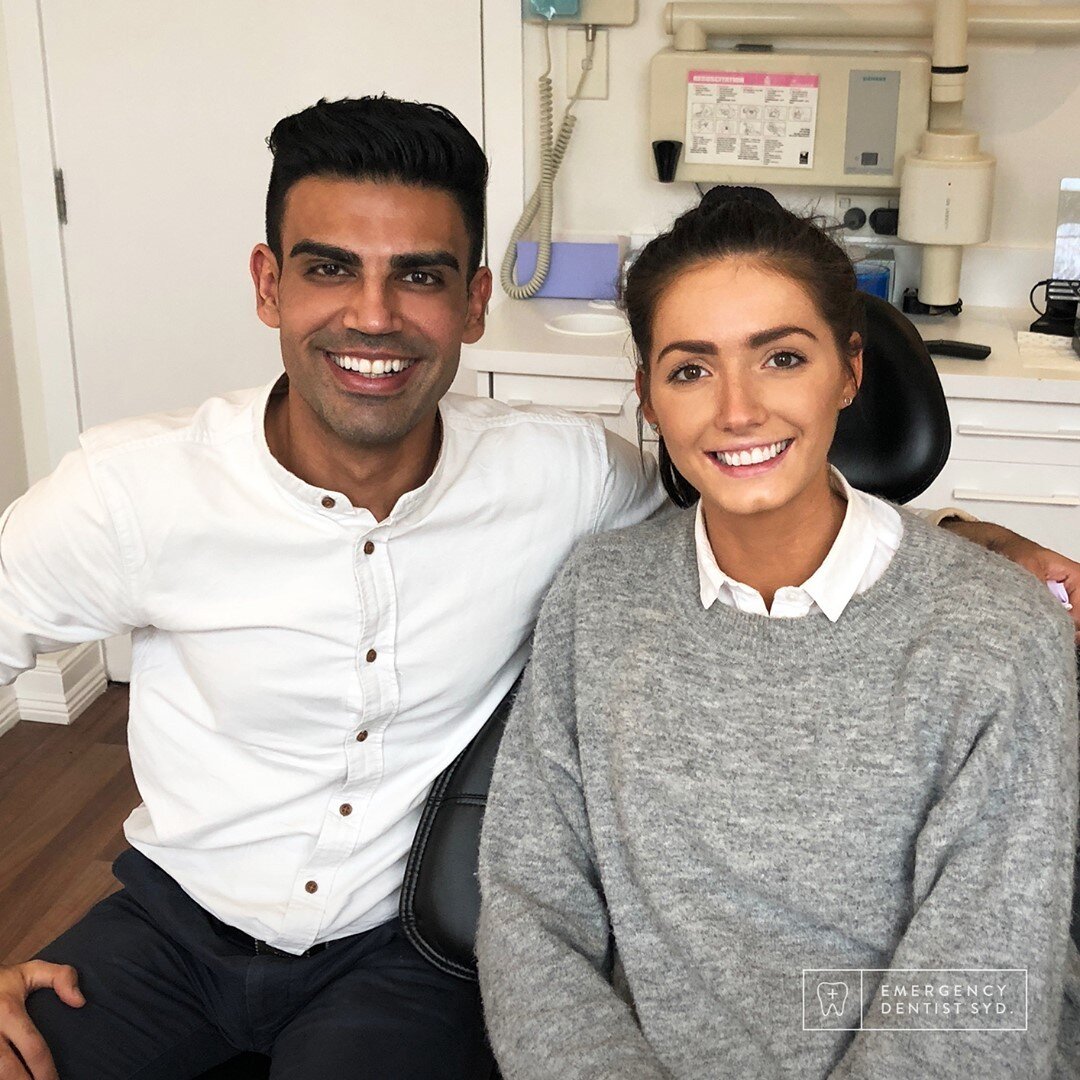




For 15 years, we've had one mission - when Sydney has a dental emergency, Emergency Dentist Sydney is there
We're proud to celebrate 15 years of providing emergency dental services to Sydney CBD and surrounding suburbs.