

Is Immediate Pain Relief Always Possible?
What to Expect When You Visit Your Dentist with a Painful Problem
What to Expect When You Visit Your Dentist with a Painful Problem
If you’ve ever had a toothache then you know how uncomfortable it can be. In fact, this is probably the most common complaint that sends people to an after hours dentist. If you experience dental pain, you might worry about how much your dentist can actually help with it. After all, how much can they do apart from give you painkillers? Well, they can actually do a lot more than give you some tablets. To understand all the ways your dentist can alleviate your dental pain, keep reading.
Causes of Dental Pain
There are a number of things that can cause dental pain and send you to the after hours dentist. Some of the most common are:
Tooth decay or a cavity.
A cracked tooth.
An abscess.
Damaged dental work such as a broken filling or crown.
Gum disease.
Infection.
Damage or strain caused by repetitive movements such as grinding or chewing.
Dental Solutions to Pain
If you’re suffering from dental pain, the first thing your dentist will do is treat the problem. So if you have a cavity, they will put a filling in. If you have an infection, they will treat the cause of the infection and clean the infected tissue. This will help to completely eliminate the cause of the pain, prevent further problems, and return you to normal functioning again. There are a number of options that your dentist can offer for pain relief including oral medication, laughing gas, and IV sedation.
How Long Until You’re Pain Free?
In most cases, your dentist can eliminate your pain almost immediately with the three different pain options available in the clinic. Once the pain is alleviated, the source of the pain can be treated. This will eliminate the pain at its source so you’re comfortable once the painkillers wear off. If the pain returns after the treatment, then it means you need to visit your after hours dentist again.
As Dr. Oberoi from Emergency Dentist Sydney says, “If the pain gets worse or comes back it means that something has gone wrong or the issue hasn’t been addressed.” So talk to your dentist if you experience any further problems.
The only real exception to this is if you have a severe infection. Dr. Oberoi warns that, “In terms of pain relief we try and alleviate the pain straight away, and a lot of times we can. But in the case of severe infection it can take 24 to 48 hours for the pain to go away completely.” Which is all the more reason to visit your dentist before a problem gets to this stage.
What About Surgical Pain?
If you have some kind of dental surgery there will be some pain and discomfort afterwards. This is the case for any type of surgery, and it can usually be treated with over the counter pain medication. But you can also minimise your discomfort by choosing the right dentist for the surgery.
Dr. Oberoi states, “It depends on how the surgery is done. If the surgeon is careful to cause little trauma, then there’s less pain. That’s why it’s important to get the right people for your dental surgery.” So before you have any dental surgery, make sure that your dentist is well trained and experienced. That will help ensure that you have the best outcome possible from the procedure and it will cut down on your recovery time as well.
Emergency Dentist Sydney Says:
If you’re experiencing dental pain, contact Emergency Dentist Sydney. Our caring and expert staff are available 24 hours a day to help you with all your emergency dental needs.

Tooth Extractions
You Have Nothing to be Afraid of
You Have Nothing to be Afraid of
You might have chipped a tooth from a fall or cracked a tooth from accidently biting down on something hard. Whatever the reason for your toothache or pain, a tooth extraction will most likely not be the first procedure your dentist will suggest. Tooth extractions are actually only done as a last resort. However, if you are in a situation where your tooth needs extracting, there is totally nothing to fear!
Tooth Extraction is the Last Resort
Dental treatments and techniques are rapidly advancing. At Emergency Dentist Sydney, our dentists will always discuss with you the right treatment options for your dental emergency. We avoid tooth extraction as there are a number of treatments that can be done first instead and most importantly, we want to save your tooth. This means if you have a broken tooth and are avoiding the dentist because you're fearing the extraction procedure, call your dentist now as an extraction may not be the case. Your dentist will try to fix your damaged tooth with a filling, crown or other treatment.
The Extraction Procedure
Sometimes, there may be too much damage for the tooth to be repaired. This is when the tooth will need to be extracted. The Procedure itself is fairly quick. Dr. Oberoi states that it usually takes under a minute to actually remove the tooth. He says that “I spend more time talking to the patient and making sure they’re comfortable than doing the procedure itself.” The care at Emergency Dentist Sydney is personalised to the patient, to ensure the procedure is as comfortable and stress free as possible.
A Painless Dentist Procedure
What we will always do is make sure that the area we are performing the extraction is completely numb. Even administering the anaesthetic is painless with the help of some numbing cream. At Emergency Dentist Sydney, we also have a number of options for anxious patients including local anaesthesia, happy gas or even IV sedation. Your dentist will discuss with you the best option for your situation and condition.
Tooth Extraction After-Care
Aftercare is almost as important as the extraction itself. Your dentist will stay in touch with you over the days after the procedure. They will be able to answer any questions or concerns you might have and provide assistance in the unlikely case of complications.
Emergency Dentist Sydney Says:
Extractions sound scary but in reality, they’re usually very quick and pain-free. Our dentists always ensure a pain-free and comfortable procedure for all patients so come and see us if you have concerns about your smile.

Dental Implants
A Basic Guide to Replacing Your Tooth
A Basic Guide to Replacing Your Tooth
Dental implants are an effective treatment for cracked or broken teeth. It is a great option for people who have damaged a tooth due to sudden accidents or who have lost teeth due to decay and disease. Here’s everything you need to know if you are in need of a replacement tooth or teeth.
What are Dental Implants?

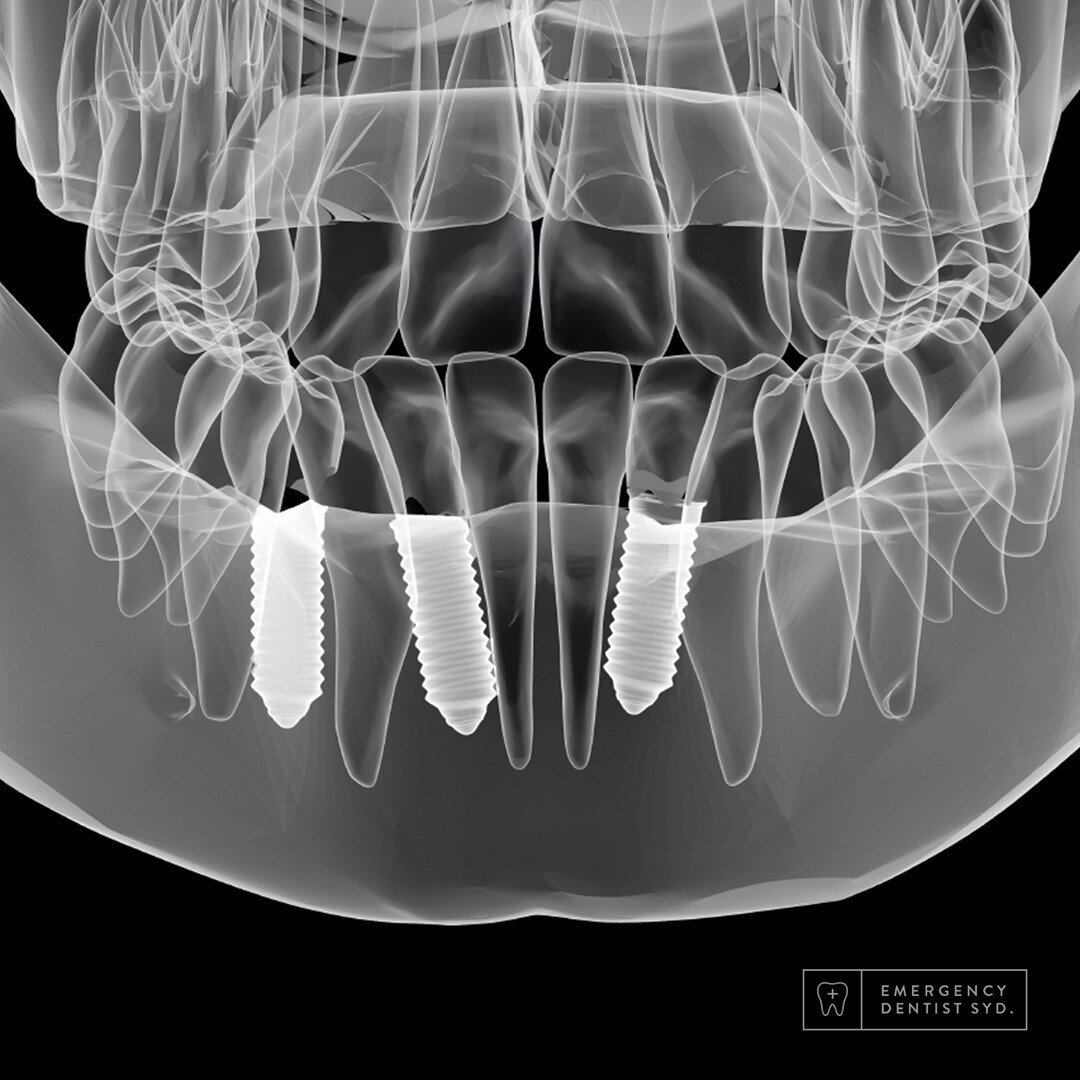
Dental implants are a permanent solution for badly damaged teeth. If you decide to get them or if your dentist suggests this treatment, the first step is to remove your broken teeth roots and replace them with metal posts. They are artificial roots made with strong and long-lasting materials. This procedure is the same whether you’re getting one tooth replaced or all of them. These metal posts can be cylindrical or can be a screw. Once your mouth has healed around these new structures, your dentist can attach brand new teeth to the metal foundation. Dental implants require several treatments, but once they’re in, they feel and look just like normal teeth.
What are the Advantages of Dental Implants?
The main advantage of dental implants is that it creates the most natural as well as durable solution to your missing tooth. They are designed to look like your original teeth. Dental implants also replace loose dentures and partial plates that look fake, fall out, and can be painful to wear. They’re extremely sturdy, and although they can decay if you don’t take care of them, they’re stronger than natural teeth. Getting dental implants will not only improve the look and feel of your mouth, it will also improve your ability to eat because when you have broken teeth, it is difficult to eat and your diet becomes restricted. The end result of dental implant procedures will make it feel like your natural teeth.
The Importance of Avoiding Bone Loss
When you have missing teeth, the bone around the removed tooth root gets partially absorbed into your body. This causes the jaw bone to become thin and weak, causing various problems for your oral health and for your appearance. If you have bone loss, you may need to build up the bone again with a bone grafting procedure and then be able to have dental implants. Your teeth may also become crooked and uneven, because the bone beneath them is uneven. And in the worst cases, the lower third of the face can actually collapse inwards because there isn’t enough bone to support it anymore.
Dental implants can help you avoid this problem as they will protect and strengthen your jaw bone. The screw that is placed into the bone protects the bone from being absorbed by the body. The screw also integrates into the bone, strengthening it and protecting it from future damage.
Single Tooth Implant

A single tooth implant replaces a single missing tooth as well as its root. This is a good procedure to have if you’re missing a single tooth and want to avoid having a gap in your smile, or repair your bite. It has several advantages over other replacement options such as a bridge, which damages the health of your surrounding teeth because they need to be ground down to fit with the new dental work.
Multiple Teeth Implants

Multiple teeth implants are for replacing several missing teeth and their roots. Other replacement options require support from adjacent teeth, which can cause wear and damage and even result in the support teeth themselves becoming loose. But multiple teeth implants don’t require any support, they look and function just like real teeth.
Full Mouth Implants

Full mouth implants are best if you need all of your teeth replaced because of decay or damage. With this procedure, all of your remaining teeth and their roots are removed before the screws are placed into your jaw. While they heal, temporary teeth can be worn. Once your mouth has healed, new teeth are fixed into place using small metal bars. Once the teeth are in place, you can’t see any of the metal work, and you can show off your great new smile.
Emergency Dentist Sydney Says:
If your teeth are cracked or broken, call us immediately and book an appointment. We are here to help you find the best treatment for your damaged teeth.

What Does a Dental Emergency Look Like?
Tooth Pain
Tooth Pain
Pain generally is a sensation, usually protective, that gives the body a warning sign, showing that something is wrong. It could be mild and bearable and sometimes extreme and highly unbearable. For tooth pain, it has been recorded to be the second most painful sensation in the human body. Due to its gradual progression, many people decide to overlook it and don't seem it fit to handle it as an emergency case not until it graduates to being unbearable. It is at this time that they start finding it difficult to sleep at night, the pain wakes them up and causes gross discomfort for them. Then, they decide to consult their dentist.
Symptoms of Tooth Pain
The signs that show that you have tooth pain and not just any other kind of pain are:
Sensitivity to hot or cold food and liquid
Sensitivity to hot or cold foods after dental treatment
Sharp pain when biting down on food
Lingering pain after eating hot or cold foods and liquids
Dull ache and pressure in the upper teeth and sinus area of one or both sides
Acute pain from an area, but difficult to pinpoint the pain location
Causes of Tooth Pain
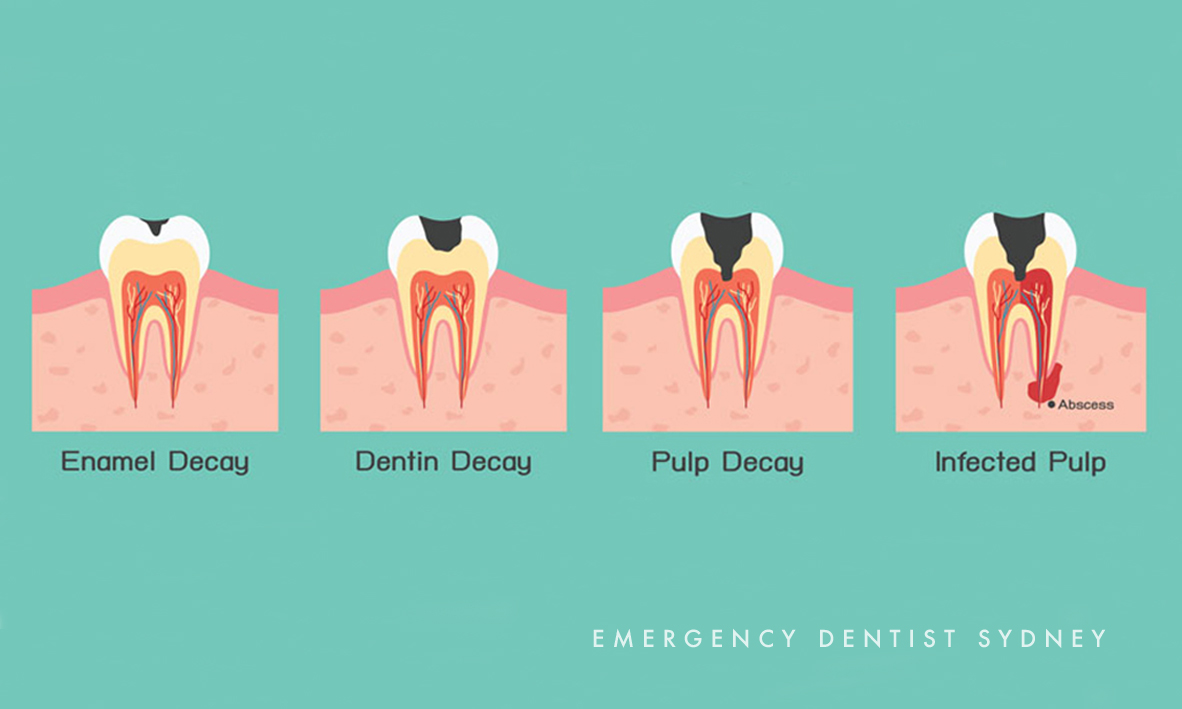
Tooth pain usually result from pain in the tooth or jaws. They can be divided into Dental and Non-Dental causes:
1. Dental Causes
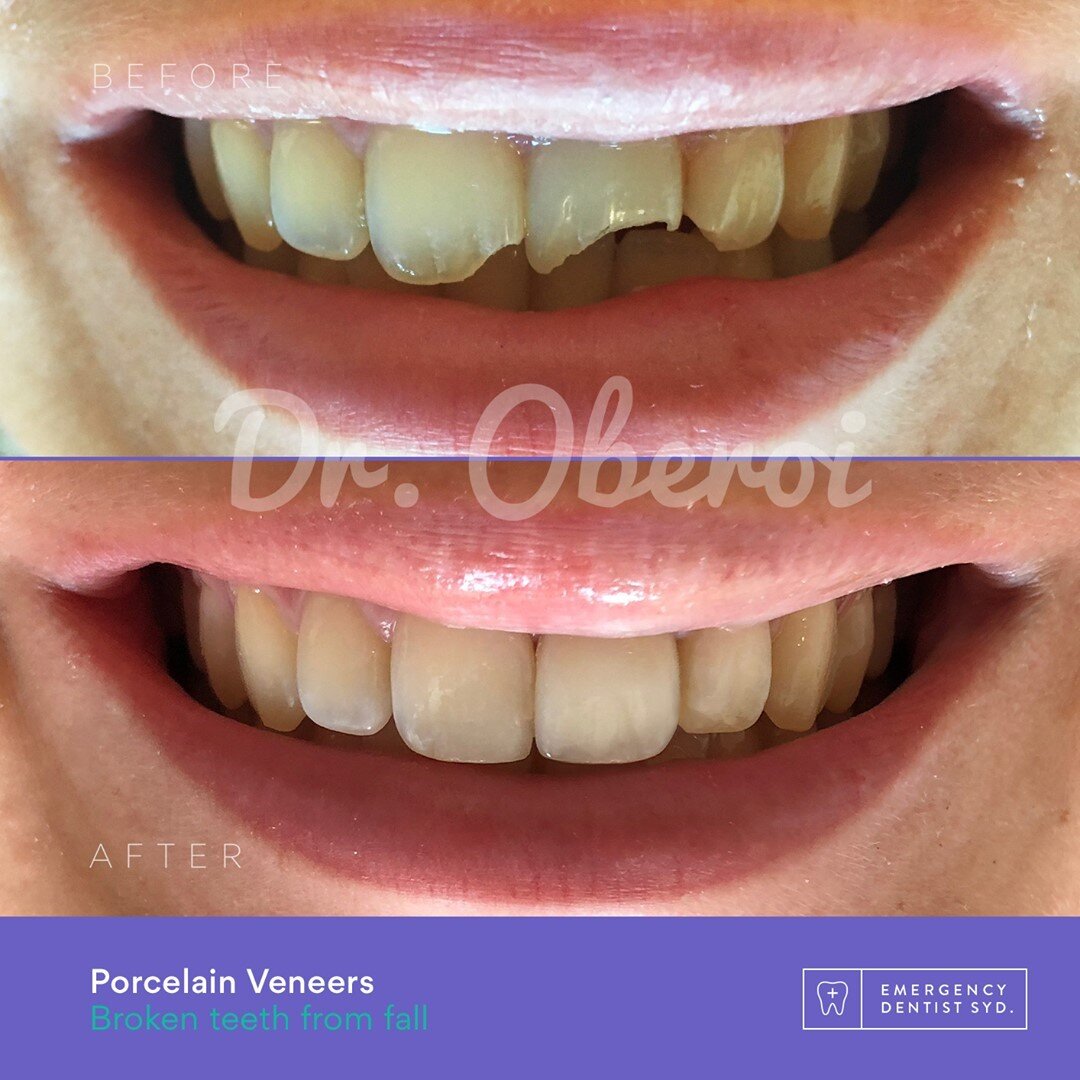
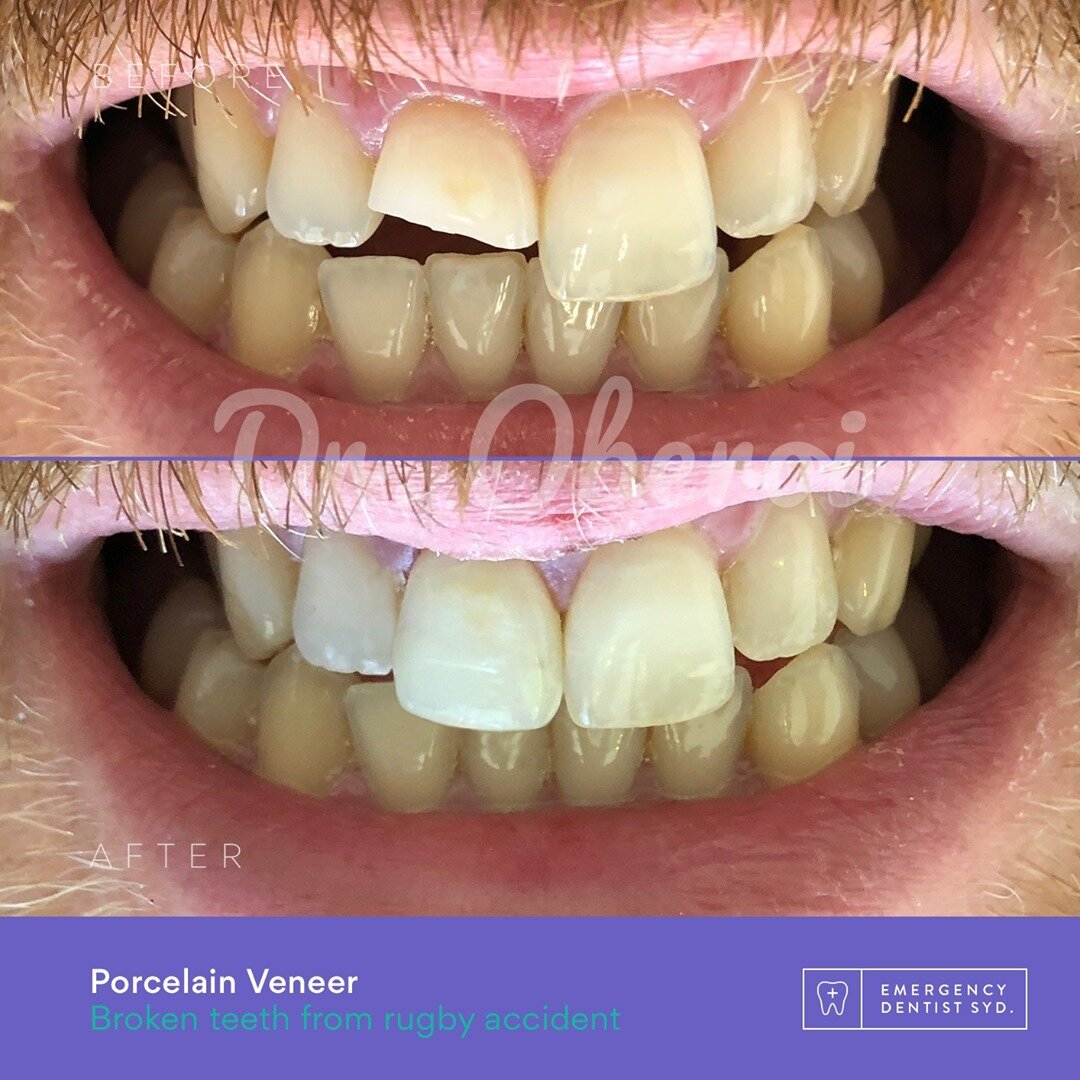
Tooth Damage: It is very common for tooth damage to cause tooth pain. A broken or chipped tooth due to trauma can cause pain to the tooth. A damaged filling, crown or dental implant can also trigger tooth pain. Your dentist will fix this problem with a new crown or filling.
Tooth Decay: This is another common cause of tooth pain with several degrees of seriousness. A cavity can eventually occur in your tooth if you leave your tooth decay untreated. These cavities can grow larger and can be very painful particularly when it gets to the nerve ending. Abscesses happen when the infection reaches the nerve and pulp inside the tooth. Your dentist will usually drain the site to get rid of the pus and give you painkillers and antibiotics to combat the infection.
Gum Disease: Gingivitis left untreated results in periodontitis, also known as gum disease. This is usually associated with redness or swelling of the gum which can be due to plaque accumulation in the area. Tooth pain as well as gum pain are symptoms of gum disease. If you are at the gingivitis stage, your dentist will clean your teeth and gums to remove the plaque buildup. If the gingivitis has led to periodontitis, a root canal treatment may be required.
2. Non-Dental Causes
Sinus Pain Infection: Sinus infection usually causes pain in the tooth, particularly the upper back corners of the mouth. If sinus infections are a regular thing for you, you may have notices a pain in your teeth located near the sinus cavities. Decongestants or other sinus relieving medications may be able to help you, just ask your doctor for advice on these medications.
Heart Attack: Pain from a heart attack can radiate into the lower jaw.
Diabetes: Uncontrolled blood sugar increases your risk for tooth decay which will lead to tooth pain.
Drug Abuse: Abnormal use of some drugs such as Methamphetamine can cause tooth pain.
Vitamin Deficiency: Low level of Vitamin B12 in the body usually causes tooth pain.
Treatment of Tooth Pain
Practising good oral hygiene is always the number one prevention method.
If your tooth pain is unbearable and it is associated with a fever or any other pain, don't delay your visit to the dentist. Do not self-medicate so as not to complicate issues for yourself.
Emergency Dentist Sydney Says:
Tooth pain should be considered an emergency situation and the need to visit a dentist as quickly as possible should not be delayed. Our dentists will help you with a treatment so you walk out pain free.

The Truth about Temporary Fillings
They're just temporary
They're just temporary
Temporary fillings seem like such a strange idea. After all, if you have a hole in your tooth, why would your dentist only fit it for a short time?
But this is a simplistic view. Temporary fillings can be a very useful tool if used in the right circumstances. They’re a short term solution that eases the pain of damage and makes it possible for you to go about your life as normal until you can get the proper treatment. If you need to get a temporary filling, here is a quick guide to their use and care.
What is a temporary filling?
A temporary filling is a filling that has been placed to seal or build up part of a tooth. It is generally made from softer materials and is not intended as a permanent solution.
What is the procedure for a temporary filling?
The procedure for a temporary filling is similar to the procedure for a normal filling except much shorter. There is hardly ever any drilling or teeth shaving required, because the filling is not meant to be there forever, and so it can be done quickly so the patient can go about their day again. There are usually no needles needed for this procedure either.

Why do temporary fillings fall out?
Temporary fillings are temporary treatments for a number of problems. They aren’t meant to last forever. If you get a temporary filling, and don’t go back for the treatment, the filling will fall out sooner or later. Generally speaking, a temporary filling can last anywhere from a couple of days to a few months depending on where it’s located. This is dependent on other factors of course, such as general mouth health, food intake, and whether you ‘play’ with the filling a lot. But, if you’re careful and you go back to your dentist for the proper treatment, your temporary filling should last until the dentist can put something more permanent in there.
How can I care for my temporary filling?
When you have a temporary filling, mostly you need to be careful what you eat. Biting into hard foods such as nuts or seeds can cause the filing to come loose and fall out. If possible, chew on the side away from the filling. Apart from this, you can brush your teeth as normal without dislodging the filling. Just make sure you keep your tongue away from it as well. When temporary fillings fall out, it’s often because the patient is constantly digging at it with their tongue. With this kind of treatment, it’s no wonder they don’t last.
Emergency Dentist Sydney Says:
If you need professional and compassionate dental care, come and see us here at Paramount Dental Sydney. We’d be happy to work with you towards the best oral health of your life.
Need Advice Or Emergency Dental Care In Sydney CBD?
Contact our friendly team


Patient Care First

Keep Up-To-Date with All Things Oral & General Health
RECENT ARTICLES








For 15 years, we've had one mission - when Sydney has a dental emergency, Emergency Dentist Sydney is there
We're proud to celebrate 15 years of providing emergency dental services to Sydney CBD and surrounding suburbs.