

Our Top 5 Emergency Treatments
The Biggest Threats to Your Oral Health After Hours
The Biggest Threats to Your Oral Health After Hours

If you have a problem with your teeth at night or on the weekends, you’ll probably need to see our after-hours dentist. This is more common than you think. It’s normal to want to avoid thinking about a niggling pain in your tooth for as long as possible. But unfortunately, this means that it can flare up just at the wrong time. When this happens you’ll need to see a dentist as soon as possible. At our Emergency Dentist in Sydney, we see all sorts of dental problems after hours, but there are some that are more common than others. To learn about these procedures, and their treatments, keep reading.
1. Extractions
If you have a tooth that’s too damaged to fix then you may need an extraction. This type of damage is usually caused by injury or decay. During an extraction the affected tooth is removed from the socket bone. If the tooth is clearly visible in the mouth, your dentist will loosen it and then remove it with forceps. However, if the tooth is broken off below the gum line or hasn’t come through the gum then it will have to be removed surgically. This is a more complicated procedure during which the gum is opened up to remove the offending tooth.
2. Root Canal Treatment
If you have an infection or inflammation in a tooth then you may need a root canal. This is a very common reason for trips to the after-hours dentist and causes a great deal of pain and discomfort. Tooth infections happen by deep decay, a chip or crack in the tooth, or previous dental surgeries.
If you need to have a root canal your dentist will remove all the infected pulp from inside the tooth. The whole area will be cleaned and sterilised to remove all traces of the infection before a filling is inserted into the tooth to replace the tooth pulp. This procedure can save the affected tooth and help you avoid further surgeries.
3. Fillings & Dental Bonding
If you have a hole in your tooth because of decay, then you’ll probably need a filling. This is a very common procedure and an easy way to alleviate the pain that can occur with decay. During a filling procedure, your dentist will remove the damaged section of the tooth and replace it with a filling. A filling can be made of a number of different types of material depending on the size of the hole and its position in your mouth.
Another common emergency procedure is dental bonding. This is the cheapest and quickest way to improve the appearance of a damaged, broken or decayed tooth. The bonding material is attached to the surface of the tooth and vastly improves its appearance. During this procedure, your dentist will lightly abrade the surface of the affected tooth, apply a conditioning liquid and attach the resin. This is like plastic, so it can be moulded to fit the shape of your tooth. The material is smoothed and then hardened using an ultraviolet light.
4. Wisdom Teeth
Wisdom teeth usually grow in the late teens or early twenties. Unfortunately, not everyone has enough room in their mouth for these extra teeth. If this is the case for you, the new wisdom teeth can push other teeth out of the way or become impacted, causing infection and pain. This can come on quite suddenly and result in a trip to the after-hours dentist.
At the dentist, you will need to have an exam to determine what the problem is and what has to be done to alleviate it. If there isn’t enough room for your wisdom teeth, you will probably need to have them taken out. However, wisdom teeth can also cause pain in the gums and jaw when they’re coming through. So even if they hurt, you won’t necessarily have to have them removed. That’s why it’s important to get them checked so you can plan your next step.
5. Re-cementing of Crowns, Veneers & Bridges
Crowns, veneers and bridges are all used to replace missing or damaged teeth. Crowns are used to encase an entire tooth. They’re most often used when the tooth is decayed or damaged and improve the strength and the appearance of the tooth. Veneers cover the front side of the tooth, the part that faces outward, and improve the appearance of a damaged or broken tooth. And finally, a bridge is an artificial tooth that’s attached to surrounding teeth.
Despite the strength and durability of these dental additions, they can sometimes become damaged or loose. This can occur when the procedure is fairly recent and hasn’t completely set yet, because of injury, or while you’re eating something hard. If you lose a crown, veneer or bridge, your dentist will need to evaluate the area to see if the original addition can be re-applied. If not, you will have to decide what step to take next. If the dental addition can be reapplied your dentist will clean your mouth and the implant and reattach it.
Emergency Dentist Sydney Says:
If you have a toothache after office hours, make sure you contact our Emergency Dentist in Sydney. Our caring and expert staff are available now to take care of all your emergency dental needs.

After the Emergency
Follow Up Treatments Explained
Follow Up Treatments Explained

Our name (sort of) says it all. Emergency Dentist Sydney. We're the people you can turn to at two in the morning on a Saturday night to help get rid of that terrible toothache that is making your life a misery (to say the least).
That is not, however, all we do. While we do everything we can to help you during your first visit to us, very often the real cause of that pain calls for follow-up treatments of a number of different kinds. The good news is that the same friendly, helpful and skilled dentists who helped you out during your emergency visit are ready, willing and able to perform those as well.
Common Emergency Follow Up Treatments Explained

You might be wondering what kinds of follow up treatments are called for after a visit to an emergency dentist. Here's a quick look at some of the most common:
Laser Root Canal
The days when all dentists wanted to do was yank teeth out are long gone. Losing a tooth - even one 'hidden away' at the back of the mouth - can be a very traumatic experience - so these days an extraction is usually only considered as a last resort.
Root canals can be used to save a tooth that has been damaged by decay or infection but of all the dental procedures people can undergo it's the one people are most scared of. Everyone always seems to be able to tell a horror story about the terrible time their Mum/Granny/best friend had with a root canal and those gory tales alone often put people off.
The fact is though that root canal procedures have changed a great deal, and that is especially true of the root canals we perform. We've replaced the scary, noisy drills and sharp pointy things with lasers. The lasers are as effective - often even more so - and most of our patients find that their pretreatment fears were completely unfounded after all.
Crowns and Veneers

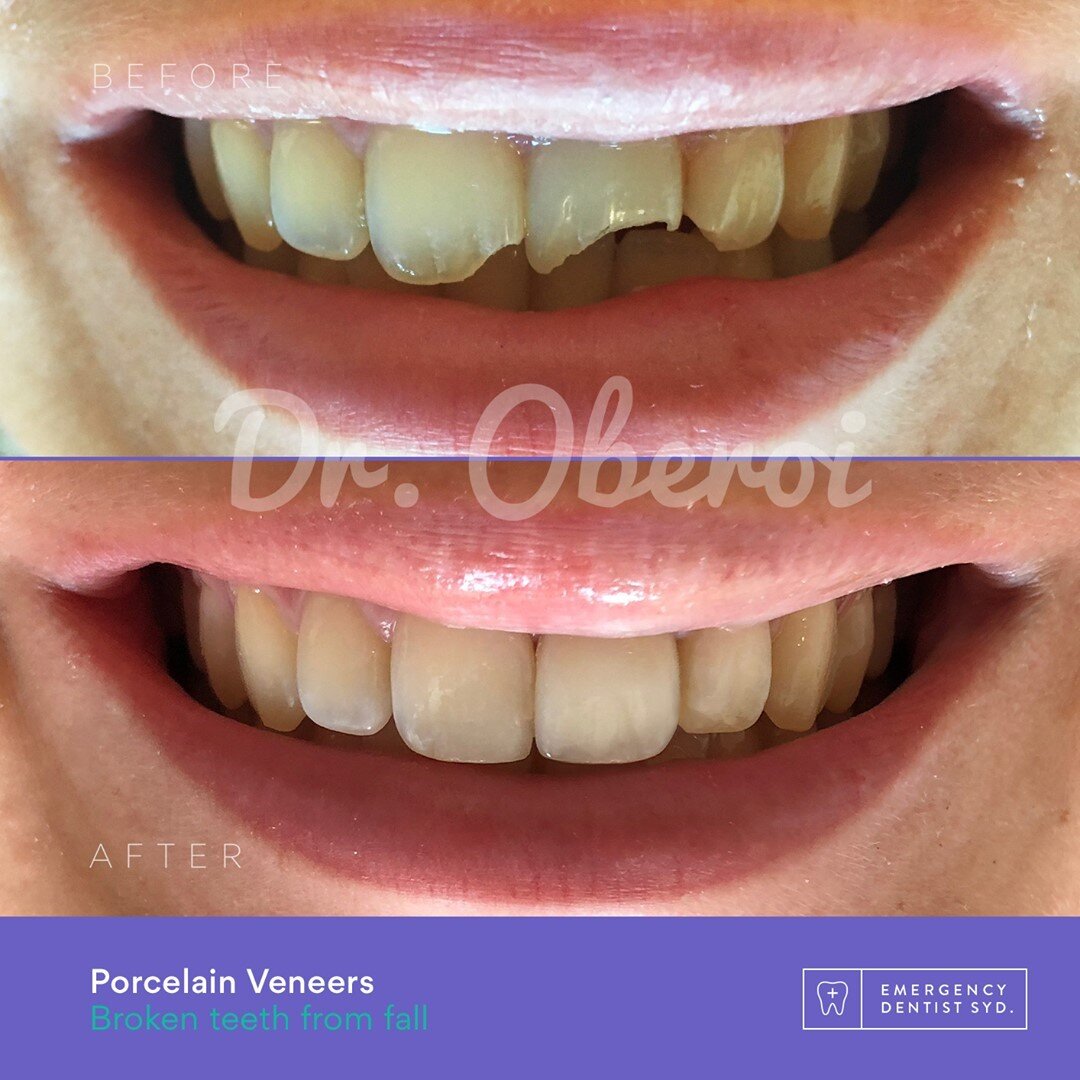
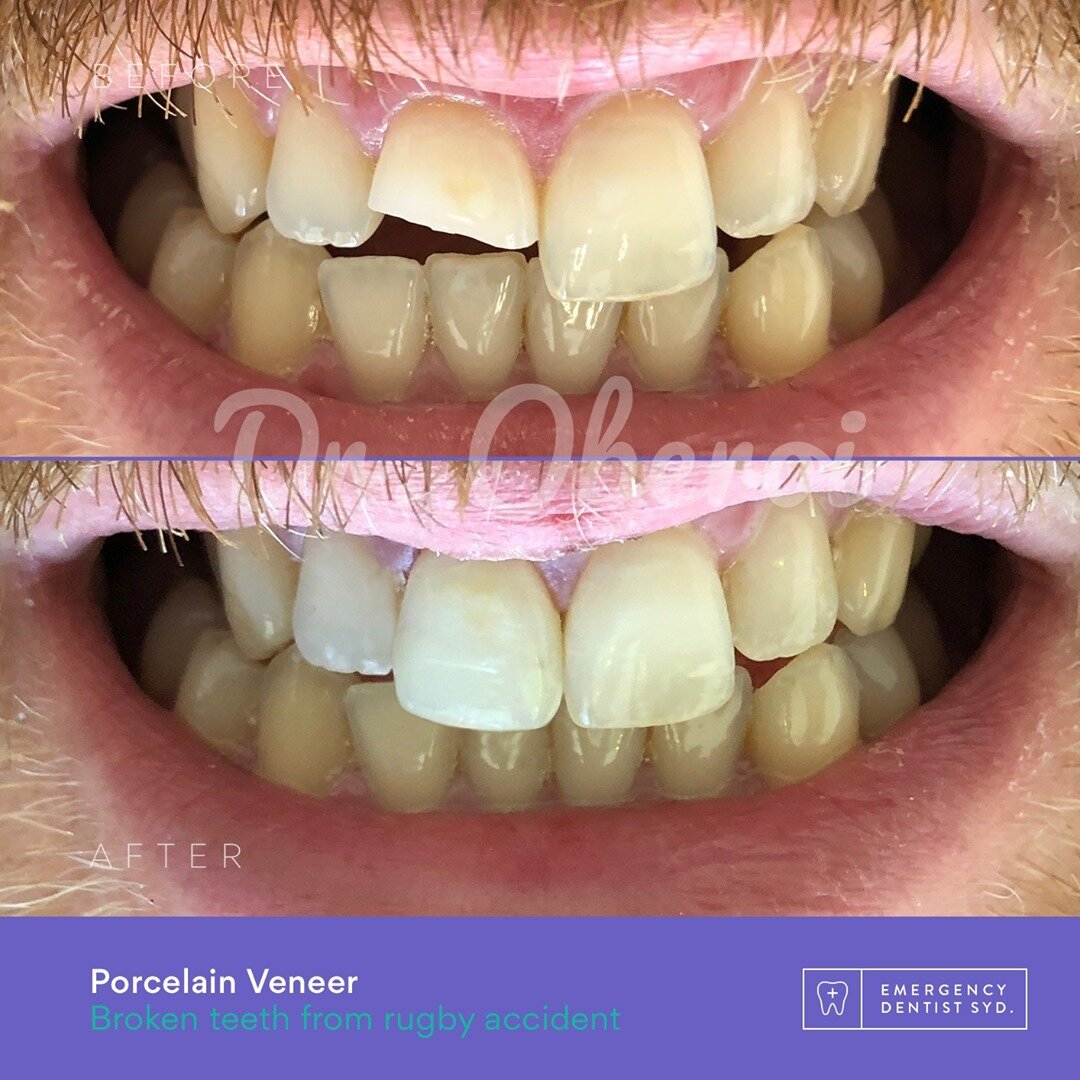
Broken teeth can be a nightmare too. Not only do they usually look less than appealing but a broken or chipped tooth is a magnet for infection and recurring pain. Crowns and veneers can be used to solve this problem and many others, including misshapen teeth and to protect a tooth that has been restored by a root canal.
Veneers and crowns today are a far cry from those used even as little as ten years ago. They look very natural, can be custom fit to suit any mouth.
Other Treatments
Sometimes the causes of the pain that sends a patient to us in the middle of the night are not quite what they expected. For example, did you know how much trouble (and pain) something like gum disease can cause? Or a stubborn wisdom tooth that cannot even be seen with the naked eye? The good news is that we have the expertise to treat these conditions as well.
Whatever the reason you initially come in to see us for there is one thing we can promise you. You'll never leave our office without a plan for future dental treatment and care that has been fully discussed with you, including the costs involved.
Emergency Dentist Sydney Says:
Although many of our patients first come to us as a 'last resort' we're happy to say that lots of them keep coming back. We're committed to providing the best possible oral health care for everyone, not only in their 'hour of need' but for years to come.

The Truth about Temporary Fillings
They're just temporary
They're just temporary
Temporary fillings seem like such a strange idea. After all, if you have a hole in your tooth, why would your dentist only fit it for a short time?
But this is a simplistic view. Temporary fillings can be a very useful tool if used in the right circumstances. They’re a short term solution that eases the pain of damage and makes it possible for you to go about your life as normal until you can get the proper treatment. If you need to get a temporary filling, here is a quick guide to their use and care.
What is a temporary filling?
A temporary filling is a filling that has been placed to seal or build up part of a tooth. It is generally made from softer materials and is not intended as a permanent solution.
What is the procedure for a temporary filling?
The procedure for a temporary filling is similar to the procedure for a normal filling except much shorter. There is hardly ever any drilling or teeth shaving required, because the filling is not meant to be there forever, and so it can be done quickly so the patient can go about their day again. There are usually no needles needed for this procedure either.

Why do temporary fillings fall out?
Temporary fillings are temporary treatments for a number of problems. They aren’t meant to last forever. If you get a temporary filling, and don’t go back for the treatment, the filling will fall out sooner or later. Generally speaking, a temporary filling can last anywhere from a couple of days to a few months depending on where it’s located. This is dependent on other factors of course, such as general mouth health, food intake, and whether you ‘play’ with the filling a lot. But, if you’re careful and you go back to your dentist for the proper treatment, your temporary filling should last until the dentist can put something more permanent in there.
How can I care for my temporary filling?
When you have a temporary filling, mostly you need to be careful what you eat. Biting into hard foods such as nuts or seeds can cause the filing to come loose and fall out. If possible, chew on the side away from the filling. Apart from this, you can brush your teeth as normal without dislodging the filling. Just make sure you keep your tongue away from it as well. When temporary fillings fall out, it’s often because the patient is constantly digging at it with their tongue. With this kind of treatment, it’s no wonder they don’t last.
Emergency Dentist Sydney Says:
If you need professional and compassionate dental care, come and see us here at Paramount Dental Sydney. We’d be happy to work with you towards the best oral health of your life.
Need Advice Or Emergency Dental Care In Sydney CBD?
Contact our friendly team


Gum Disease & Your General Health
Do you happen to know what the leading cause of tooth loss is in Australian adults? Many adults often don't even know they have gum disease until it's almost too late...
Get the Facts Before It’s Too Late
Do you happen to know what the leading cause of tooth loss is in Australian adults? If you (logically) answered tooth decay then you aren't actually quite right. Although decay is responsible for more than its share of damage it is actually gum disease that wrecks the most havoc. And many adults often don't even know they have it until it's almost too late...
What is Gum Disease Anyway?
Gum disease - a condition that is also known by the posh scientific names of gingivitis and periodontitis - is primarily caused by plaque, just like tooth decay is. A plaque build up will damage the teeth but it won't stop there, it will damage the very structures that support the teeth, the gums doing damage that can, at times, be harder to treat than tooth decay is.
Gum disease can progress without ever showing any major symptoms. However all of the following can be big warning signs that all in the Land of Gum is not quite right:
Red, swollen or tender gums
Bleeding after brushing, flossing, or eating hard food
Gums that are recede or pulling away from the teeth, making teeth look longer than before
Teeth that feel looser than they did before
Persistent bad breath
Treating Gum Disease
As is almost always the case, when it comes to gum disease prevention is better than cure. But more about that in a minute. For now let's focus on how it's treated
Gum disease comes in two stages; gingivitis and periodontitis. When caught while it's still gingivitis treatment is relatively straightforward. Your dentists will use a process called scaling - a type of super intense cleaning - and then instruct you on how to improve your oral hygiene to help prevent the problem coming back. Gingivitis is totally reversible and so with prompt treatment your gums will return to their former healthy state.
Periodontitis is a bit of a different matter. It's usually more serious and calls for first more intensive scaling. You may need a local anaesthetic before the treatment and it may have to continue over the course of several treatments. In the most severe cases periodontitis may even need to be surgically treated by a dental specialist called a periodontist, one who has specialist in training in gum disease and its treatment.
Preventing Gum Disease
So we're sure by now that you've figured it out for yourself. Gum disease can be successfully treated by your dentist but it really would be a lot better - and easier - if it never came to that in the first place.
Daily oral hygiene is a big key to the prevention of gum disease. Teeth need to be brushed at least twice a day with a good toothbrush and a fluoride toothpaste. Smoking also increases the chance you'll develop gum disease so that is yet another reason to stop. Consider investing in an antibacterial mouthwash to be used on a regular basis and DO NOT skip those regular cleaning appointments at your dentist's office.
The Emergency Dentist Says:
Gum disease is nasty stuff, but it can be prevented, and if needed treated, very effectively with your dentist's help. You just have to make that first call.

What You Need to Know About Temporomandibular Joint Disorder (TMJ)
If you suffer from facial pain, jaw pain, migraines or even the occasional 'jaw lock’ then you may have had it suggested to you that you are suffering from TMJ...
TMD 101: What You Need to Know About Temporomandibular Joint Disorder (TMJ)
If you suffer from facial pain, jaw pain, migraines or even the occasional 'jaw lock’ then you may have had it suggested to you that you are suffering from TMJ. Or TMD. But the question is which one might it be and what are these conditions anyway?
MJ vs. TMD - Which is Correct?
When various people discuss the symptoms we just described above, they might use the terms TMJ and TMD interchangeably. In fact that happens quite often, but it's actually a mistake, as they are two different things.
TMJ is the abbreviation for temporomandibular joint, the hinge joint that connects the lower jaw to the temporal bone of the skull and it's located right in front of your ear. TMD on the other hand, stands for temporomandibular joint disorder, a blanket term for the problems with the joint a person might develop. So TMD is the correct term, but if you are suffering then the chances are that you really don't care too much about all of this, you just want to know why you are in pain and how to make it stop!
TMD Causes and Symptoms
TMD symptoms vary from person to person, as does their severity. Some of them - facial pain, pain when 'opening up wide', a 'tired' feeling in your face and especially a jaw that 'locks - are all symptoms that can be fairly easily recognised as TMD. Others -like toothaches, headaches, facial swelling, dizziness and hearing problems - can have a number of other causes as well, so are not immediately connected to TMD .
If you are diagnosed with TMD, just what might have caused it? Traumatic injury can do it, as can a habit of grinding your teeth. In some, osteoarthritis or rheumatoid arthritis may be at work and stress can even be a trigger for TMD as those who are 'stressed out' do develop a tendency to over-tighten their facial and jaw muscles and clench their teeth, putting undue pressure on the temporomandibular joint.

Treating TMD
The obvious first step in the successful treatment of TMD for anyone is a proper diagnosis. While you may have diagnosed yourself while consulting with Dr. Google, only a dentist familiar with TMD can tell you for sure.
Once a diagnosis is made, many experts prefer to follow a conservative course of treatment initially. This is because after a patient has been educated about some simple habit and lifestyle changes - things like avoiding very hard foods, relieving pain with icepacks, changing sleeping habits etc. - the condition improves on its own. However, for those not so lucky other treatments, including medications, splints, acupuncture and even surgery, are indicated.
The Locked Jaw Emergency
For most people who suffer from TMD is painful, it’s annoying and can be rather limiting, but they can, for the most part, live with the problem as their treatments begin to take effect. However, if their TMD leads to a locked jaw it's a bit of a different story. It's very scary when you just can't open your mouth and it's hugely uncomfortable - and often painful - too. In this situation waiting until Monday, or even until the morning, to get help really isn't an option. This is one of those times when it's best to seek immediate care from an emergency dentist who will be able to start working on 'unlocking' that troublesome jaw right away.

The #EmergencyDentist Says
Whether you have already been diagnosed with TMD or you just suspect that it may be causing your symptoms, a locked jaw is a problem that needs to be addressed right away, even if a less than helpful pal thinks it's rather funny (or cool) that you suddenly can't even utter a word!
NEED ADVICE OR EMERGENCY DENTAL CARE IN SYDNEY CBD?
Contact our friendly team



Our Specialised Staff
At The Emergency Dentist Sydney our Dentists are the go-to specialists for that extra care required in an emergency situation...
Specialised In Emergency Dentistry

At The Emergency Dentist Sydney our Dentists are the go-to specialists for that extra care required in an emergency situation. They understand the extra level of frustration, pain and anxiety and can easily guide you through your consultation and subsequent follow up treatment.
We have a combined 30 years of Emergency Dental treatment in Sydney and know our community well. We realise unexpected problems happen and we make sure we can help you today so that you can continue on with the rest of your life, today.
Passionate About Patient Care
Being highly skilled in emergency dental care means we have vested interest in the care of our patients. Your experience in an emergency dental situation means everything to us, and especially, our Dentists. We care most about meeting your medical needs and saving your teeth and or relieving your dental pain.
Patient Care First

Keep Up-To-Date with All Things Oral & General Health
RECENT ARTICLES







For 15 years, we've had one mission - when Sydney has a dental emergency, Emergency Dentist Sydney is there
We're proud to celebrate 15 years of providing emergency dental services to Sydney CBD and surrounding suburbs.