
What Advice Would You Give Your Younger Self?
When it comes to dental care and oral hygiene we know now how important it is to begin good habits from a young age...
What Advice Would You Give Your Younger Self?

At the Emergency Dentist Sydney we got to talking about our habits as children and what we might say to our younger selves. When it comes to dental care and oral hygiene we know now how important it is to begin good habits from a young age. Not everyone is knowledgable on the effects of poor oral hygiene on quality of life in your later years.
Toothache or pain and loss of teeth, resulting in the inability to chew comfortably can lead to malnutrition, weight loss, weakening of the immune system and infection. As we age we notice the obvious stuff like wrinkles and hair loss but we may not be as aware of changes in our teeth and mouths.
We asked ourselves the question, what advice would you give your younger self about oral hygiene and dental care? These are our top responses:
- Don’t smoke, if you do, stop, yuk!
- Stick to the food pyramid when it comes to eating. Eat a variety of food, eat food which is full of vitamins, minerals and fibres and get lots of variety where you can.
- Visit a dentists regularly for checkups, no excuses.
- Learn how to floss properly and do it daily.
- Brush twice daily, regardless of how tired you are at night or how busy you are in the morning.
- Rinse your mouth with water during the day when you’ve eaten processed foods, sweet foods or foods and drinks that can stain the teeth.
- Don’t put off dental problems. If you have concerns make sure you see your Dentist and avoid long-term complications.
You may think it doesn’t really matter, you can just get dentures, veneers, browns or crewed in teeth when you’re older, but this comes at some loss to your long term health.
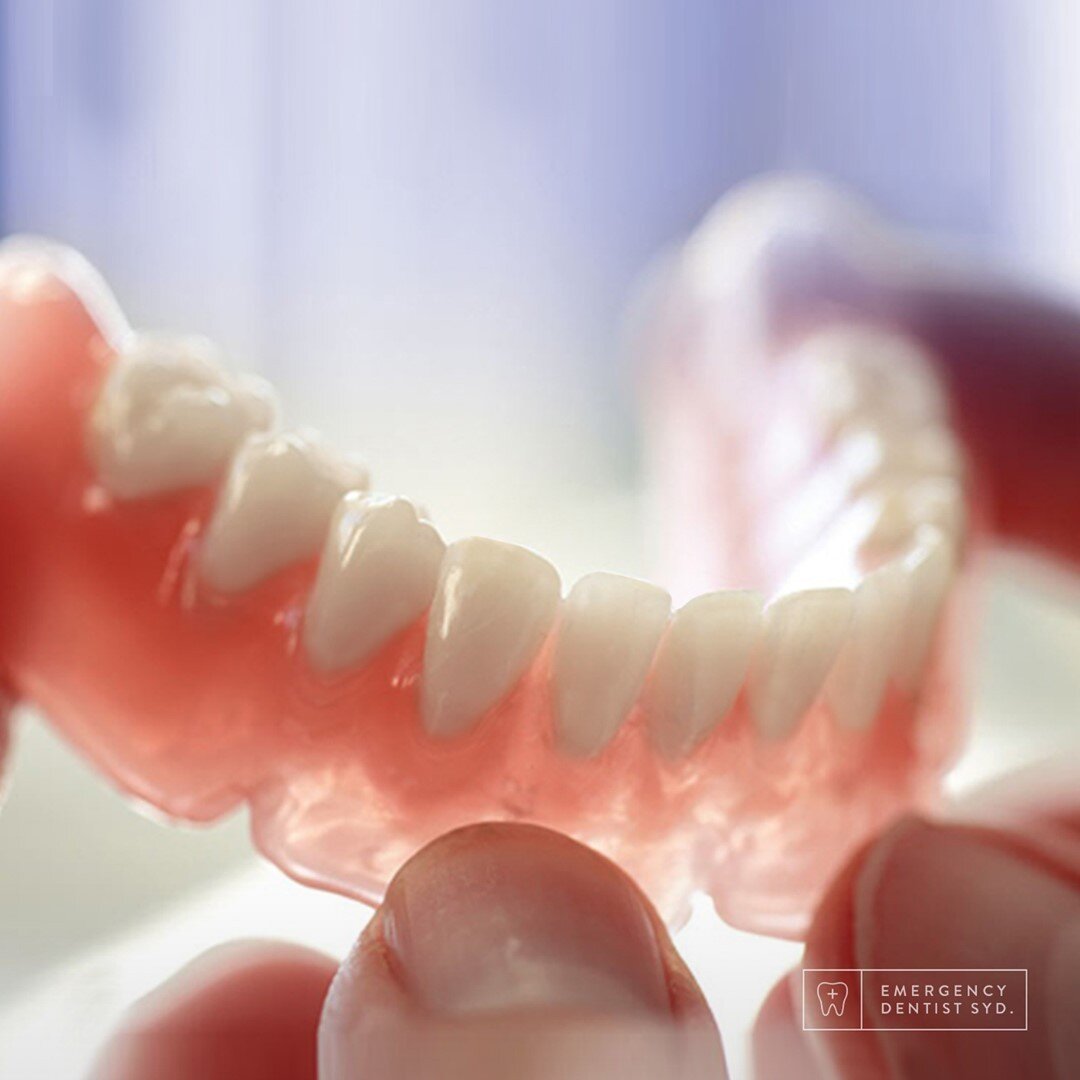
Well looked after teeth are a reflection of your general health. Retaining your real teeth means better health long term. The American Journal of Public Health reports that ‘chewing with removable dentures is at least 30 to 40 percent less efficient than chewing with natural teeth. Persons with extensive or complete tooth loss are more likely to substitute easier-to chew foods such as those rich in saturated fast and cholesterol for foods high in carotenes, vitamin C and fibre’. Poorly looked after gums also comes with an array of long term side effects.
These are a few of the more common side effects of poor oral health:
- Loss. To the structure of your jaw and face.
- Cardiovascular Disease. Bacteria from inflamed mums and periodontal disease can enter your bloodstream and travel to your arteries in the heart. This can then cause such things as heart attack or stroke resulting in an endocarditis or myocarditis.
- Dementia. Bacteria from gingivitis may enter the brain and can lead to the development of Alzheimer’s disease.
- Respiratory Infections. The Journal of Periodontology warns gum disease can cause infections in your lungs, including pneumonia. This isn’t always an instant infection but, imagine breathing in bacteria over time from infected teeth and gums.
- Diabetic Complications. Poor oral hygiene can make it harder to control your blood sugar. This can increase the symptoms of diabetes and make them worse.
The #EmergencyDentist Says:
The the beauty of hindsight means we can see how things could be. With the knowledge of what can very well happen, we think sticking to these 7 tips will keep your oral health and your general health kicking strong in to the future.

Dental Phobia Fears? 'GO TO SLEEP!'
Is Dental Phobia a big fear of yours? Then ask for Dental Sedation at The #EmergencyDentist Sydney...
Dental Phobia Fears? 'GO TO SLEEP!'

Is Dental Phobia a big fear of yours? Then ask for Dental Sedation at The #EmergencyDentist Sydney. Sedation is also known as ‘twilight sedation’ and is a state of being in-between awake and asleep. Sleep or sedation dentistry allows you to 'sleep' whilst undertaking your dental treatment. Sleep dentistry, or sedation dentistry, is a dental solution designed for patients who dread going to the dentist. Many people feel afraid or uncomfortable when they are placed in vulnerable positions like the dental chair, and may experience dental anxiety as a result.
What is it?
Sleep dentistry, or sedation dentistry that allows for pain free dentistry, is a dental solution designed for patients who dread going to the dentist. Many people feel afraid or uncomfortable when they are placed in vulnerable positions like the dental chair, and may experience dental anxiety as a result. Sleep dentistry is requires special skills and a highly trained team. This team consists of the sedationist, the sleep dentist (a pain free dentist) who is a very gentle dentist and specially trained nurses.
What happens during sedation dentistry?
Initially the sedation dentist will put you to sleep. During the procedure, patients aren't unconscious, but mentally "detached" from what's going on, and before they know it, the sedation dentist will be telling them the dental procedure is over and they can go home. The sedative effects of the medication last up to 24 hours, so patients will likely need to relax for the rest of the day after their dental procedure(s) and must be sure not to operate a motor vehicle after the sedation dentistry.
The #EmergencyDentist Says:
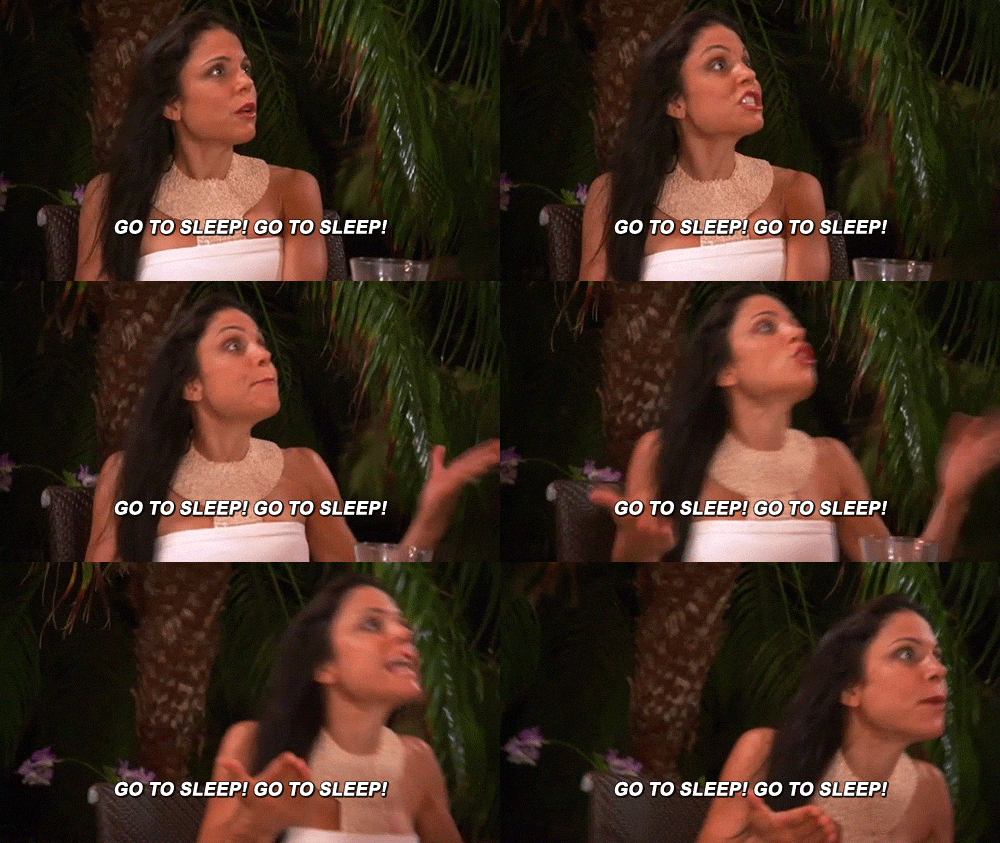
If visiting the dentist is a fear of yours or someone you know, take New York Housewife, Bethenny Frankel's advice. Call us to discuss...

Oral Health Tip #02 – Flossing
Flossing your teeth effectively is important to making your daily oral health routine count. Take a look at our How To refresher on good flossing habits...
Floss once a day
Flossing your teeth effectively is important to making your daily oral health routine count. Take a look at our How To refresher on good flossing habits
When should I floss my teeth?
Simple rule, before you go to sleep.
After you've had dinner, or any late night snacks, make it an automatic ritual to brush and floss. #HotTip If you're starting out as a newbie and you haven't been a regular flosser in the past, try flossing your top teeth one night then your bottom teeth the next. You can alternate between the top and the bottom each night until you get used to it and get a bit faster. This is especially time consuming for people with braces too!
How do I floss correctly?
Start with 'the grab'. Technique: Wrap a long strand around your middle fingers (they're the rude ones), leaving your forefingers free.
Brace position. Technique: Hold the floss between your thumbs and forefingers in both hands.
Start on the Top. Floss the top teeth between each tooth and partly up between the gums and teeth, don't force it too much. Technique: Use your fingers to pull the floss back and forth, working your way from between the teeth to between the teeth and gums in a 'Y' shape.
Repeat step 3.
Do I brush first or floss?
We say, floss first. Everyone has a different opinion on this, we take a practical approach.
When you floss you are cleaning in between your teeth and, in most cases, you are moving particles of food from between your teeth to the inside of your mouth or the surfaces of your teeth. We therefore would recommend brushing after doing this. We like to compare it to cleaning under your nails vs washing your hands. Most people would want to wash their hands after removing dirt or other nasty things from under their finger nails. That's our theory.
But there is no concrete evidence to support either order of brushing vs flossing. As long as you are disrupting the happy lives of bacteria who build little communities and multiply on and in between your teeth, you are doing the right thing.
If you do prefer to brush before flossing, we recommend thoroughly rinsing after flossing.
The #EmergencyDentist Says:
Best practice is a nightly floss after dinner – It doesn't really matter if your brush before or after you floss

The 'White Teeth Diet'
Scrap the Atkins, Raw Food or Paleo Diets, we love the White Teeth Diet. We'd like to share with you how you can eat your self to a whiter smile...
Take It With a (White) Grain of Salt
Scrap the Atkins, Raw Food or Paleo Diets, we love the White Teeth Diet. We'd like to share with you how you can eat your self to a whiter smile.
When considering a diet that is friendly to keeping your teeth white, it is just as important to avoid certain foods as it is to eat others. It's a little crazy but if you want to maintain that healthy white smile you were born with, or paid for, a few simple practices can help you out. There are three factors to keep in mind on this diet, chewing, saliva production and staining They all help to keep teeth healthy and white. Please keep in mind this isn't a whole diet you should live by, it's just a few simple steps you can take to keep teeth white. Let's start:
Do The More Often:
Apples, carrots, cauliflower, green beans and celery. These are the firmer, crunchier foods that require you to chew more. They act similarly to a toothbrush and scrub your teeth while you chew.
Hard cheeses. Similar to crunchy fruit and veg, they help clean the teeth by removing particles and preventing plaque build-up.
Citrus fruits like grapefruit, lime, lemon and oranges help rinse your teeth naturally while you eat, encouraging saliva production which protects the teeth.
Dairy products of course contribute to keeping teeth white. The lactic acid in dairy products will also help to prevent decay.
Water. The purest way to wash away any foods that potentially stain your teeth.
Do These Less Often:
Coffee and tea will stain your teeth.
Soft drink such as Coke and sports drinks will stain your teeth and cause decay.
Red wine is one of the worst for staining your teeth. That red wine smile isn't so cute either.
White wine causes tooth decay. Just like red wine, white wine has higher than normal pH levels which increases your loss of enamel.
Fruits like blackberries, pomegranates and blueberries will obviously stain the teeth.
Sauces like soy or currie will also stain the teeth and aid decay.
- Hot Tip 1. Anything that stains your shirt will stain your teeth.
- Hot Tip 2. If you can't give up your coloured drinks, use a straw.
At The #EmergencyDentist Sydney we couldn't live without wine! #AfterHours of course. Some of us even drink our coffee through a straw, yes it's as weird as it looks. But, drinking in moderation, properly brushing and flossing and regular check-ups will keep your teeth healthy and strong.
The #EmergencyDentist Says:
For those of us who aren't lucky enough to be born with a pearly white smile, and for those who love a diet full of teeth-staining foods and drink, a regular clean or whitening from us can help you out.

Oral Health Tip #01 – Brushing
Brushing your teeth effectively is important to making your twice daily brush count. You may have never been shown how or you might be in need a refresher...
Effective bushing
Brushing your teeth effectively is important to making your twice daily brush count. You may have never been shown how or you might be in need a refresher.
When should I brush my teeth?
Simple rule, when you wake up and before you go to sleep.
Mornings. There is debate as to wether you should brush before or after breakfast. The evidence is bacteria grows while your asleep and responds to the food and their production of acids after you have breakfast. As such, the teeth are softened by the reaction taking place in your mouth. Brushing after this process will remove substances however, brushing before eating will remove most bacteria before this takes place. Best practice is to brush before and rinse after if you feel you need to.
Night time. It is very important to brush before you go to sleep. If you don't, particles from food or drink are left in contact with the teeth and have the whole night to cause permanent damage to your teeth and gums. Brushing before sleep ensures the best possible conditions for your mouth to protect your teeth while you sleep.
How do I brush correctly?
Start on top. First brush the insides. Technique: Circular and forward motioning.
Then brush the outside. Technique: Circular motioning with a mix of soft and hard pressure.
Next brush the biting surfaces. Technique: Firm pressure, back and forth motion.
Repeat these three steps.
Lastly brush your tongue. Technique: Side to side, back and forth.
How long do I brush my teeth?
4 minutes. Most dentists, including The #EmergencyDentist Sydney, agrees 4 minutes of brushing is optimum. Be practical, divide your time between your teeth. 2 minutes for the top, 2 for the bottom. Then, 1 minute each for the back and for the front.
Do I brush first or floss?
We say, floss first. Everyone has a different opinion on this, we take a practical approach.
When you floss you are cleaning in between your teeth and, in most cases, you are moving particles of food from between your teeth to the inside of your mouth or the surfaces of your teeth. We therefore would recommend brushing after doing this. We like to compare it to cleaning under your nails vs washing your hands. Most people would want to wash their hands after removing dirt or other nasty things from under their finger nails. That's our theory.
But there is no concrete evidence to support either order of brushing vs flossing. As long as you are disrupting the happy lives of bacteria who build little communities and multiply on and in between your teeth, you are doing the right thing.
If you do prefer to brush before flossing, we recommend thoroughly rinsing after flossing.
The #EmergencyDentist Says:
Brush before breakfast – It doesn't really matter if your brush before or after you floss

Dental Care 101: Playing Sports
Sports and active lifestyles are an important part of many people's lives and proper prevention and protection practices should be number 1...
Mouthguards Are Your Best Friend
One of the most common causes of dental injuries comes from contact sports. Sports and active lifestyles are an important part of many people's lives and proper prevention and protection practices should be number one.
The injuries our beloved contact sports cause are often very painful and can require expensive treatment. Our Dentists can fit you or your family members with custom moulded mouth guards, you can contact us to find out more. These are just some of the benefits of wearing a custom fit mouthguard:
A custom fit will enable the best possible speech and breathing.
The tailored shape means a snug and uniformed fit to your teeth, enabling best possible protection.
The quality of the material we use in the mouthguard are the strongest grade possible, while still being relatively thin.
They come in a range of colours, you can match it to your sporting team or keep it clear or plain.
For more on prevention practices view our TOP 10 Prevention TIPS List.

The Price of Emergencies
How Much Does It Cost?

This depends on your emergency. There is no additional fee for the time of day or night our Dentist treats you. You will pay for the consultation with the Dentist and then any subsequent treatment required. Payment facilities are available for patients with private health cover to receive instant rebates.
- Standard Consultations - $100
- Extractions - From $250
- Laser Root Canal - From $550
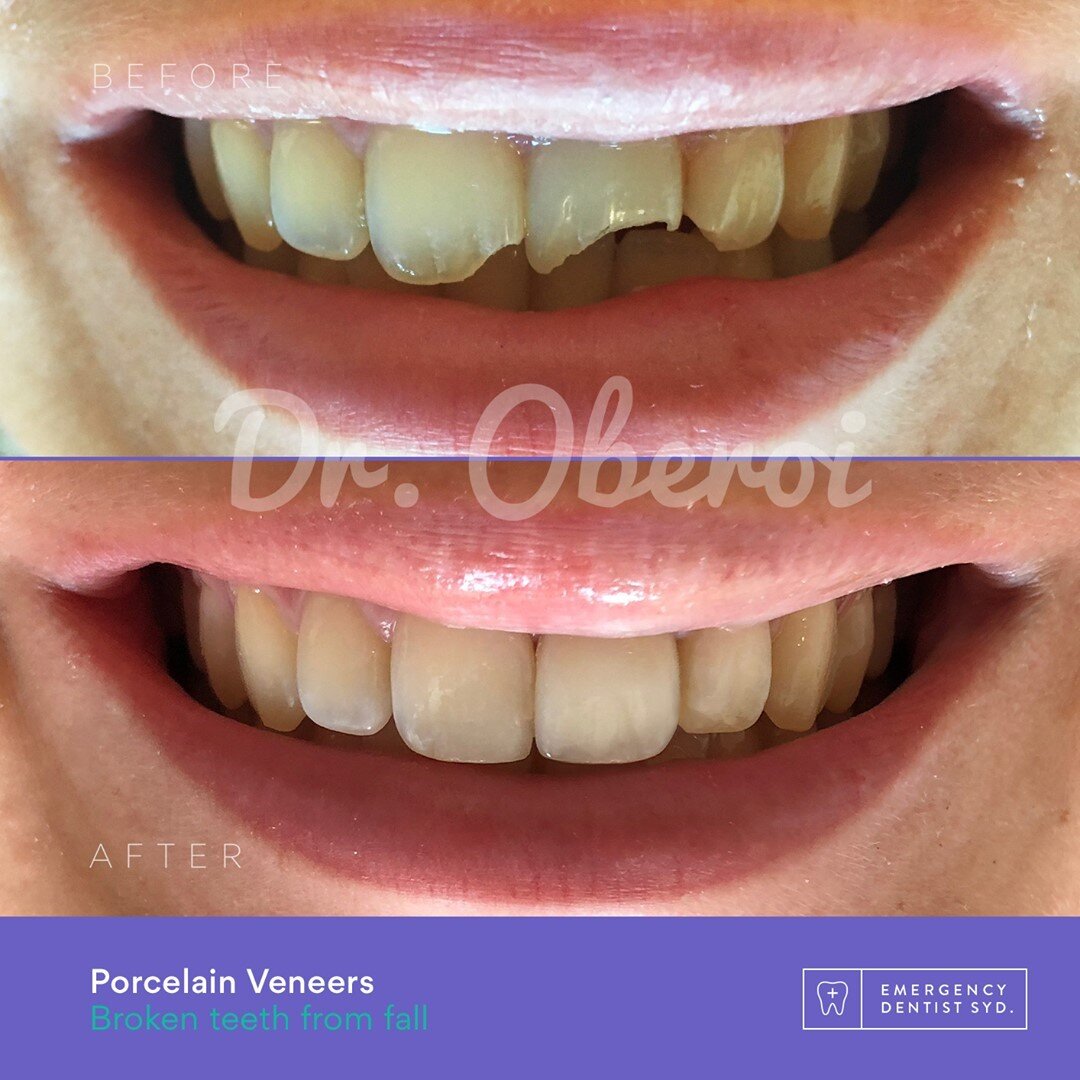
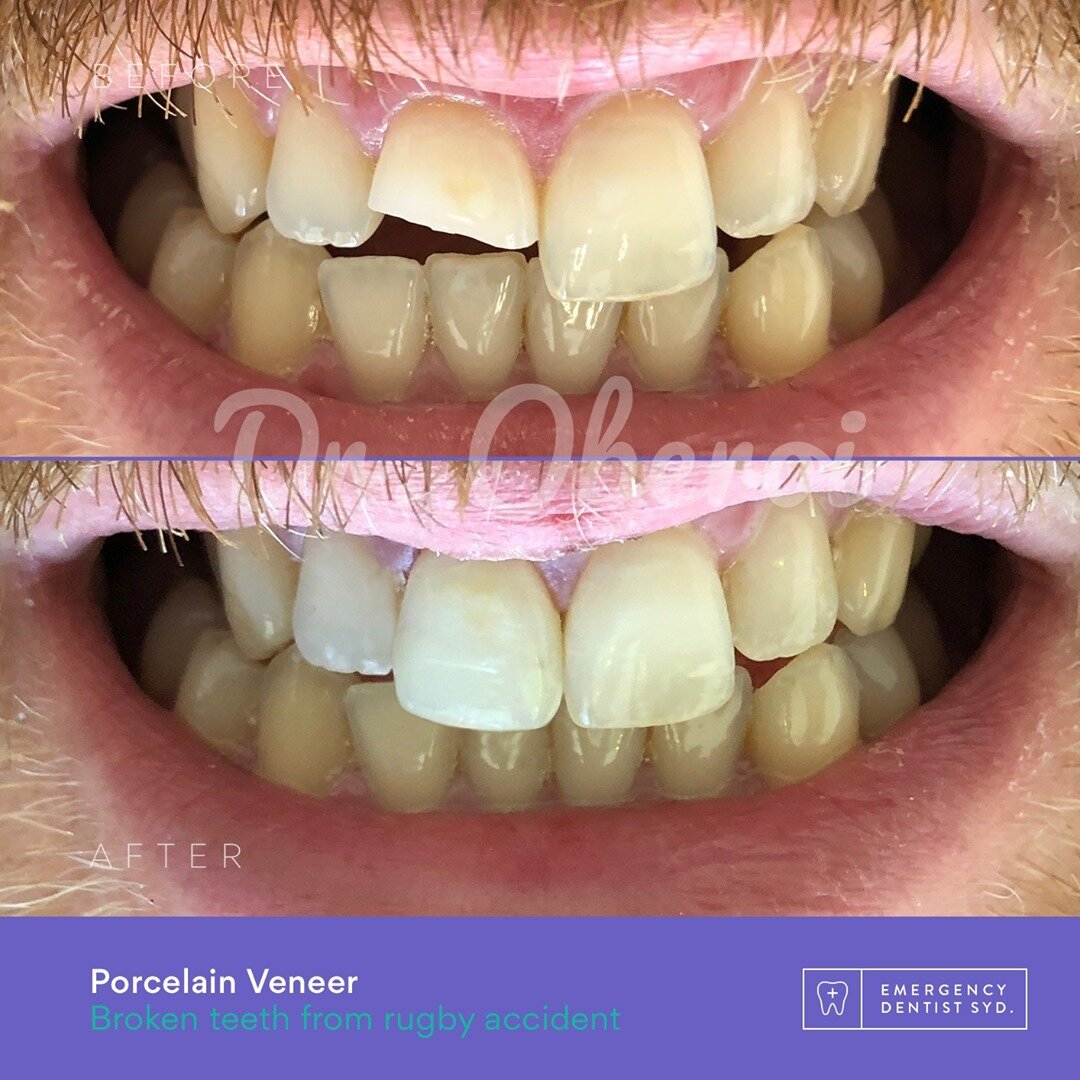
- Dental Bonding (Broken Teeth) - From $250

Dental Care 101: Prevention Tip
Let's get started with a few dental hygiene prevention tips...
Prevention Is Your Best Friend: Here's Our TOP 10 List
Every person's smile is unique and so is their dental care requirements. However, there a few things we can all do, from a young age, to ensure we keep the teeth we have and keep them healthy. Let's get started with a few dental hygiene prevention tips:
Our top tips:
Brush Regular!It's simple but lots of us don't do this most simplest of activities. So, brush twice a day, after meals where possible.
Floss Regular. Twice a day to be exact! A slow sawing motion is the best way to do it. If you're not sure how to do it ask your Dentist at your next visit. If you are a regular 'flosser' you should check your technique at your next check-up, just in case. For detailed info on how to floss right check out our flossing tips page (link to come).
Choose The Right Toothbrush For You. The toothbrush you choose should have a head small enough so that you can reach behind your back teeth. The bristles should also be soft, these will be kinder to your gums long term.
Right. The average adult should brush their teeth for about 3 minutes and combine a technique of up and down on teeth surfaces and soft circular motion where your teeth meet your gums. Anything shorter and you're probably not paying enough attention to where and how you're brushing. If you brush longer than 3 minutes you may be causing gum or plaque damage, so keep it close to 3 minutes. For detailed instructions on how to brush right check out our brushing tips page (link to come).
Limit Acidic Foods & Drinks. These include things like soft drink or fizzie drinks, cordials and fruit juices. The acidic levels in these manufactured foods and drinks are concentrated and above the desired standard levels. They will dissolve the minerals contained in the enamel that coats and protects your teeth, leading to cavities (holes).
Limit Sugary Foods. These include things like lollies and candies, sweeteners, dried fruits, cakes, jams, some cereals and sauces. The bacteria in dental plaque change sugars in to acids and we all know what that does.
Protect Teeth From Injury. Always wear a mouthguard or full-face helmet when playing any contact sports.
Save Dislodged Teeth. Should your teeth be knocked out while playing sport or in an altercation or accident, seek medical advice immediately. Once you have done this you should wrap the tooth in plastic or place it in a container of milk until you are able to seek medical advice.
Use Your Teeth To Chew! Doing things like cracking nuts, opening bottles by popping off the lid with your teeth, or sucking on a hard boiled lollies or candies can crack or chip your teeth. These may not be evident or noticeable at the time they occur but will develop in to bigger problems with time.
Use A Fluoridated Toothpaste. Fluoride hardens your tooth enamel and helps greatly to reduce the risk of tooth decay.
Patient Care First

Keep Up-To-Date with All Things Oral & General Health
RECENT ARTICLES


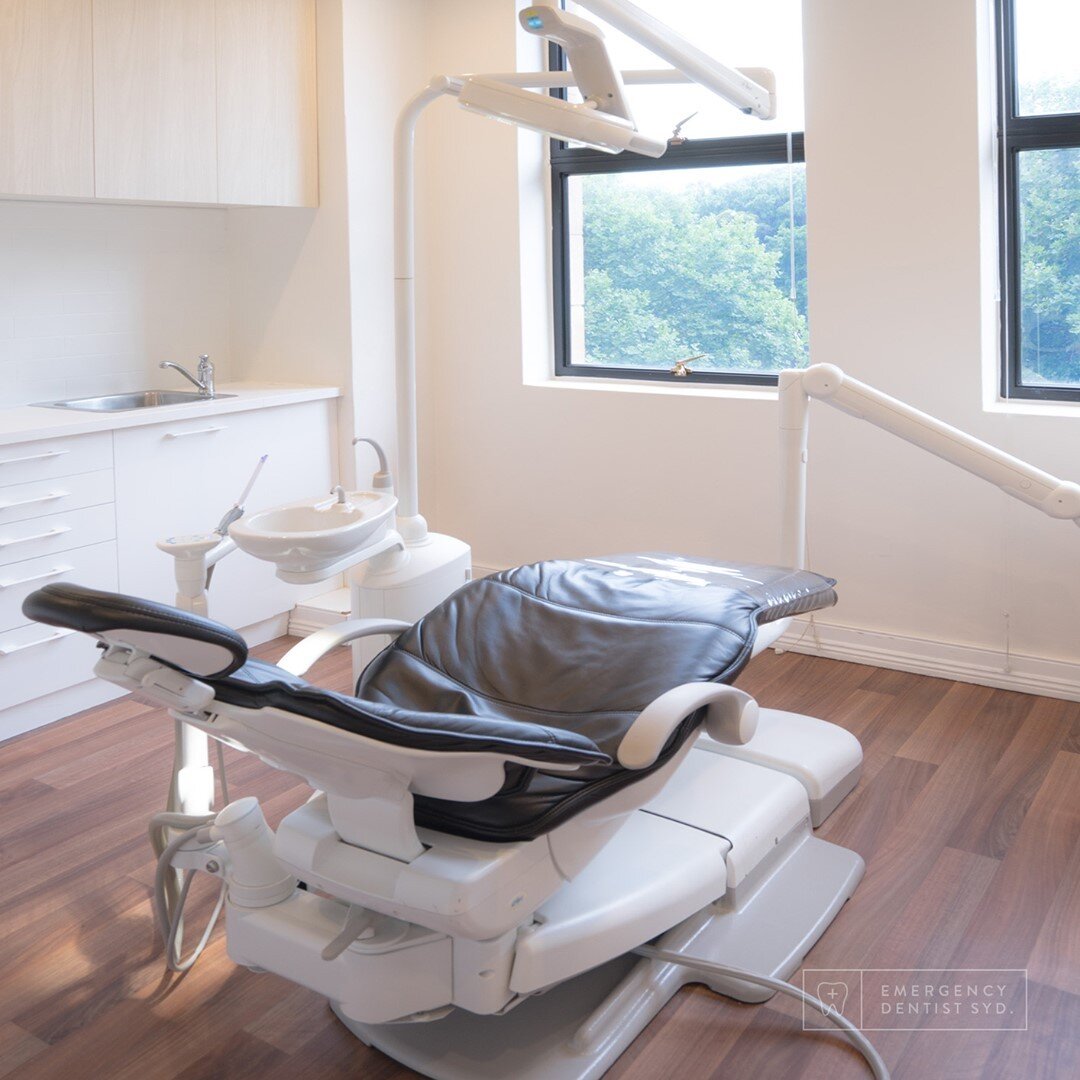
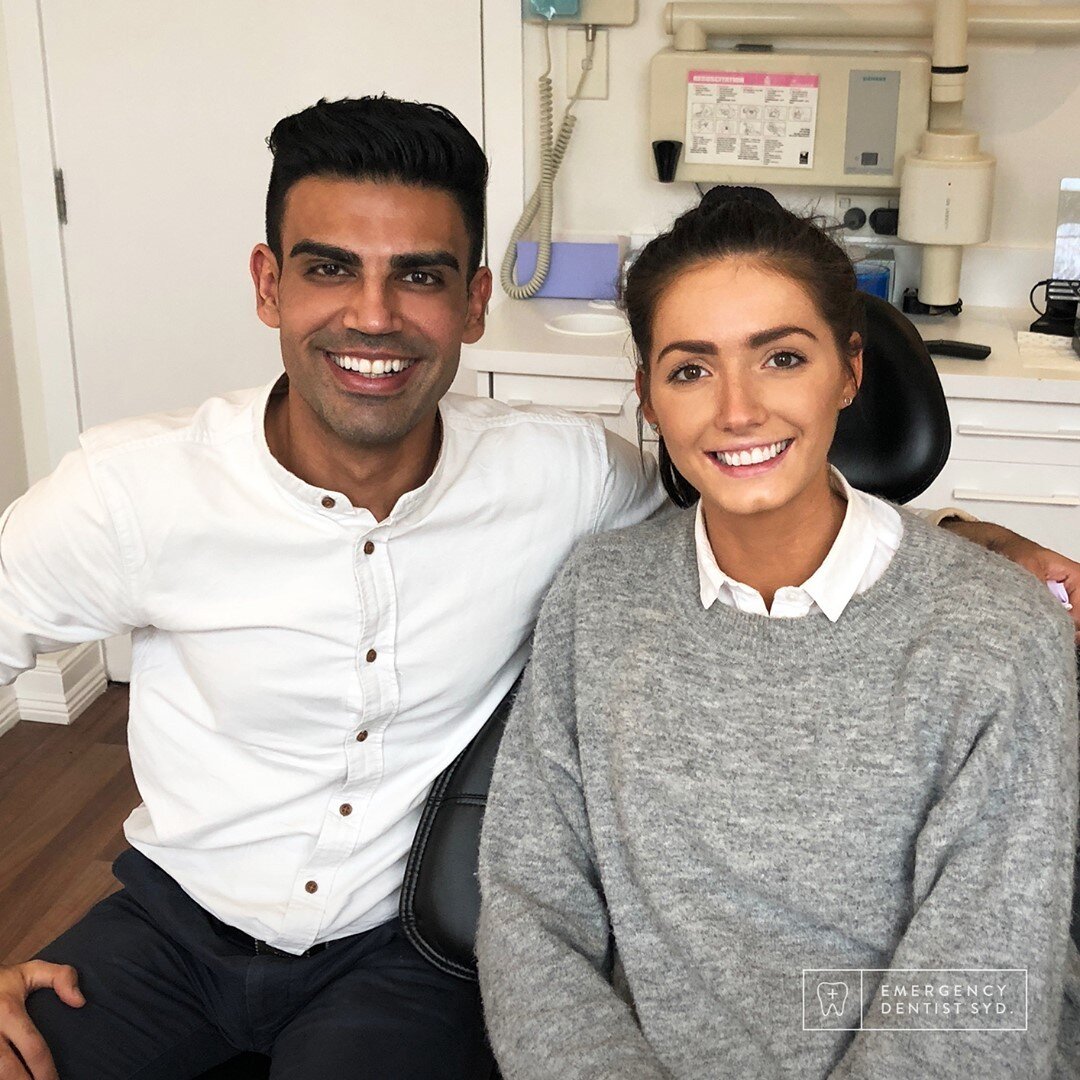



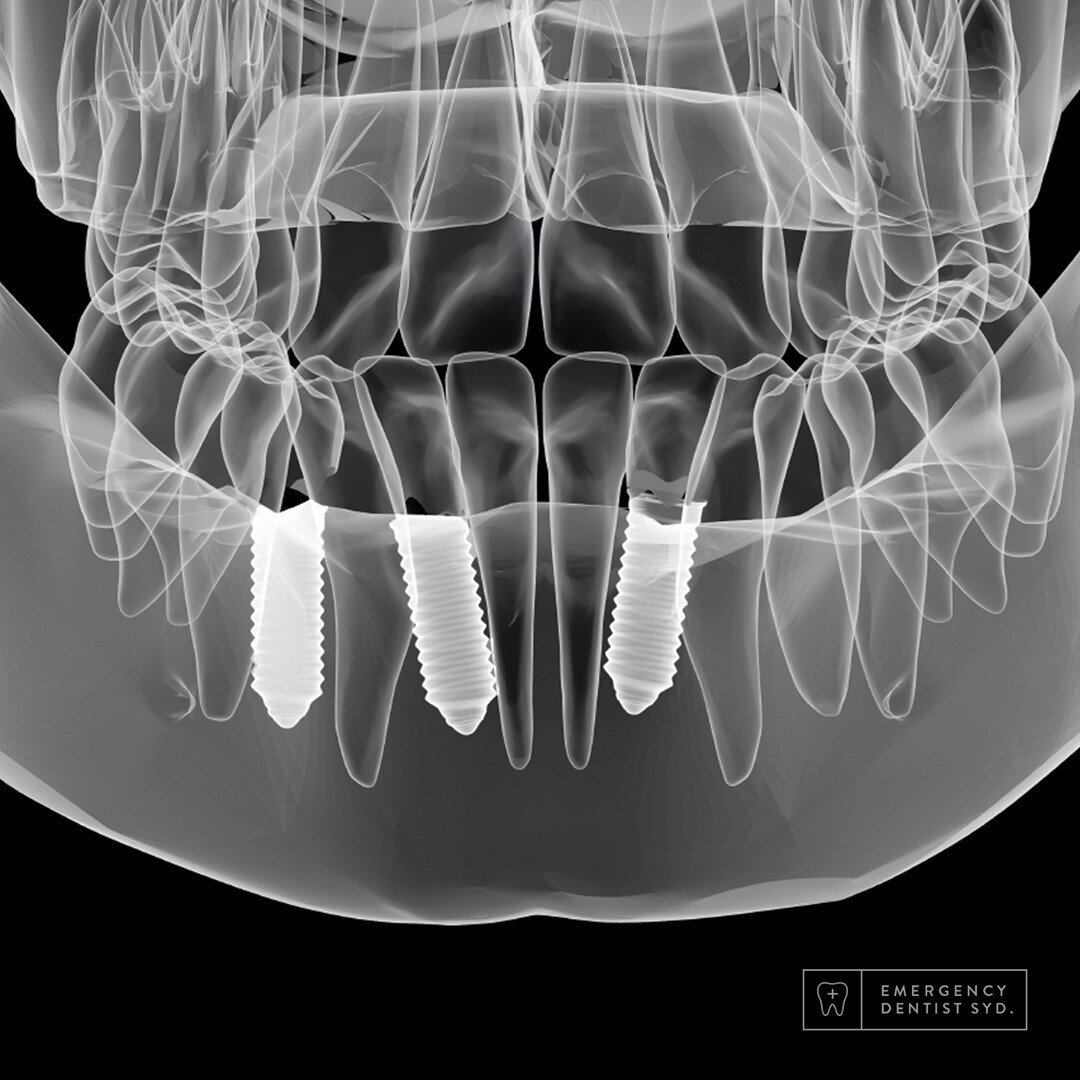
For 15 years, we've had one mission - when Sydney has a dental emergency, Emergency Dentist Sydney is there
We're proud to celebrate 15 years of providing emergency dental services to Sydney CBD and surrounding suburbs.