
Dental Hypersensitivity
Why Are My Teeth so Sensitive?
Why Are My Teeth so Sensitive?

Dental Hypersensitivity is a common problem for a lot of people aged between 20 and 50. Have you ever had a hot or cold drink and as soon as you started drinking, felt a sharp pain on your tooth/teeth? Does it also happen when you eat or drink something sweet or acidic? You are experiencing this kind of pain because you have hypersensitive teeth. Here are the top two reasons why you may have dental hypersensitivity.
What Causes Tooth Sensitivity?
Gum Recession
The most highest leading cause of tooth sensitivity is gum recession and there are many reasons why you can have receding gums. It can be a result of aggressive tooth brushing, using a hard toothbrush, gum disease, a very acidic diet and even ageing.
Each tooth has a layer of enamel and the root of each tooth has a soft layer called cementum. When the cementum wears off because of gum recession, the underlying dentin layer (the layer that surrounds the nerve) is exposed. The dentin contains thousands of channels that run from the surface of the tooth to the central nerve and when these channels are stimulated by certain foods or drinks, it travels to the nerves inside the tooth causing a sharp sensation.
Enamel Wear
Enamel, which is the layer on the surface of your teeth, is actually the hardest substance in the human body. However, it can still wear away over time, slowly exposing the underlying dentin layer which leads to dental hypersensitivity. There are a few causes of enamel wear such as: bruxism (teeth grinding), aggressive and improper brushing, using abrasive tooth pastes, or having too much acidic foods and drinks. A chipped or cracked tooth can also expose the dentin, which is why it is extremely important to visit the dentist when this happens
How to Prevent Tooth Sensitivity?
You can do a number of things at home to prevent painful tooth sensitivity.
Maintain good oral hygiene – brushing correctly
Use a soft bristle tooth brush
Using a non abrasive tooth paste or one that reduces sensitivity
Avoid acidic foods and drinks
More importantly, it is best to have regular dental visits because your dentist can detect early signs of enamel wear. Your dentist can also teach you proper brushing techniques and let you know which tooth pastes to use, as well as provide other prevention methods
Emergency Dentist Sydney Says:
Dental hypersensitivity should not be ignored no matter how short or low the pain is. Ignoring your sensitive teeth can lead to other oral health problems so make sure to have regular dental check ups with your dentist.

I Have an Abscess
So You Have an Abscess. What Does That Mean?
So You Have an Abscess. What Does That Mean?
Your mouth is a sensitive and delicate area which is why there are so many things that can go wrong if poorly treated. Dental hygiene is vitally important as well as visiting your dentist regularly. One very major mouth problem is abscesses. If your mouth or jaw is aching and there is swelling and pain, you may have an abscessed tooth. Here is a guide on everything you need to know about abscesses.
What is an Abscess?
An abscessed tooth is an infection within a tooth. It is a pocket of pus that forms at different regions of the tooth and for different reasons. A gingival abscess (gum abscess) occurs on the surface of the tissue at the gum line of the teeth. If left untreated, it can lead to a periodontal abscess which the abscess on the tissue of the gum line drives deeper into the gum pockets. A periapical abscess commences in the soft pulp of the tooth, which later on will travel down to the nerves of the tooth.
Wherever the location of your abscess, it will become inflamed and can swell severely, obstructing your ability to chew or swallow properly. The abscess will keep growing and causing more pain so it is important to visit your dentist as soon as these symptoms occur.
Other symptoms of an abscess usually include:
A reddened area around the site
A bad taste in your mouth
Swollen face
Sensitive teeth to hot or cold food and drinks
Swollen glands in the neck
A pea-sized bump inside the mouth
As your condition advances, you may experience other symptoms such as a fever, vomiting, chills or nausea.
Where Do They Come From?
An abscess usually occurs because of poor dental health. Your mouth naturally contains bacteria but when your teeth are not regularly cleaned well, plaque will form on your teeth and gums, resulting in infections and decay. Other possible causes include:
Gum disease (gingivitis)
Dental injury (cracked tooth)
A poor diet
Some medications
Neglecting small wounds in the mouth or surgical sites from previous dental visits.
How Can They Be Treated?
If you have an abscess, you need to visit your dentist immediately. This is especially important if you feel sick or have any other symptoms of an advanced infection. The treatment depends on the seriousness of your condition but usually your dentist will drain the site to get rid of the pus and give you painkillers and antibiotics to combat the infection. A root canal treatment can also be carried out. A tooth extraction only happens if it is a severe infection of the tooth that cannot be saved.
If your abscess ruptures at home, before you can get to the dentist, rinse with warm water to help clear out all the pus and see your dentist as soon as possible.
Why You Shouldn't Delay Treatment
Waiting for the pain to subside or delaying treatment is the last thing you want to do. The pain may stop but that doesn’t stop the infection. The infection will continue to spread, leading to bigger problems. Early treatment can cure the infection and save the tooth.
Emergency Dentist Sydney Says:
If you suspect an abscessed tooth, it is crucial to visit a dentist as soon as possible, even if you are not in any more pain.

Bleeding or Tender Gums
What You Should Expect
What You Should Expect
Are you noticing a bit of blood on your toothbrush and in your sink after you brush your teeth? Are your gums red and tender? If this is the case, you may have gingivitis as its most common symptom is bleeding gums. Gingivitis is the early stage of gum disease and luckily, it is reversible at this stage so there is no need to panic. However, please do not ignore it, you will need to take prompt action in order to prevent it from worsening.
Gingivitis
Gingivitis happens when the plaque and bacteria on your gum line is not removed properly, in other words, poor dental hygiene. Without regular and proper brushing and flossing, the healthy tissue around the teeth become weak and the buildup of plaque causes the gums to become inflamed and irritated. If you practice daily brushing and flossing, your gums will return to its healthy state. However, if you ignore your oral care, the plaque will harden, worsening gingivitis and over time, will lead to periodontitis. Periodontitis is the infection of the gums and will even damage the jawbone. It may cause your teeth to loosen or fall out.
What Should You Do?
As soon as you notice bleeding of the gums, here are some tips to change up your oral care before you visit the dentist.
Brush twice a day and floss at least once a day.
Use a soft toothbrush or an electric toothbrush. A soft toothbrush is good for your delicate gums and an electric toothbrush will help you reach the gum line easily.
Maintain a healthy diet consisting of low sugar and high nutrients. Eat sweets and sugary snacks in moderation.
Some medications like aspirin can increase the chance of your gums bleeding as it thins the blood so speak to your doctor about this side effect.
If you have changed your dental habits and you are eating a healthy diet but your gums are still bleeding, book an appointment with your dentist.
Visiting Your Dentist
Your dentist will evaluate your condition and let you know what the next steps are. You will be advised to visit every six months for a cleaning. Your dentist will also teach you how to brush your teeth properly to stop bleeding gums from happening again.
Emergency Dentist Sydney Says:
Bleeding gums can be a surprise but it can be prevented straight away. Don’t be afraid to talk to your dentist about ways to fix your oral care habits. Our dentists are here to help and with proper treatment, you will soon enjoy healthy gums.

Loose Teeth
What to Expect from a Visit to an Emergency Dentist
What to Expect from a Visit to an Emergency Dentist
When you are a little kid a loose tooth is actually kind of fun. The adults think it's cute - there are probably at least one or two shots in the family album of a younger you wiggling a loose tooth for the camera - and as a kid, you know that when the tooth falls out it's time for the Tooth Fairy to pay up. And what child wouldn't look forward to that little windfall?
When you are an adult, however, and have the set of teeth that are now supposed to last for the rest of your life, it is no longer a laughing matter when a tooth is loose. It's not funny or sweet and, as far as we know, the Tooth Fairy isn't a big fan of grown-ups. Instead, a loose tooth in an adult is a cause for concern and often, for the person the tooth belongs to, a bit of a cause for panic.
The first thing we can say, as emergency dentists, is DON'T PANIC. There are many reasons why an adult might have a loose tooth, but with the right, prompt dental care there is a very good chance that the tooth can be saved.
What Causes Loose Teeth in Adults?
There can be all kinds of reasons why a tooth 'comes loose' in an adult's mouth but some of the most common include:
An accident in which the tooth has been hit or damaged
Gum disease surrounding the tooth which has loosened it over time
Decay that has become advanced enough to destabilise the tooth
Other factors, such as grinding your teeth in your sleep.
What Should You do if You Have a Loose Tooth?
See Your Dentist as Soon as Possible
This really should be something of a 'no-brainer' but many people actually avoid calling the dentist when they have a loose tooth because they are sure that it's a sign that they are going to need extensive dental work and sometimes the fear of that almost outweighs the fear of losing the tooth.
However, that may not be the case and by delaying dental treatment you could be throwing away any chance that the tooth can be saved. And even if it cannot a dentist can help ensure that the area surrounding the tooth is kept clean and free of infection and that the right ongoing treatments to deal with the situation are then planned. So, the basic advice here? Make that call as soon as you can.
Don't Play With it
While you wait to see a dentist resist the temptation to 'play' with the loose tooth. Don't wiggle it, don't pick and it and certainly never attempt to pull it yourself, even if it feels 'really loose'. As an adult doing so increases the risk of both infection and excessive bleeding and neither of those things could ever be described as fun (and could have serious implication for both your oral health and your general health overall)
Eat Soft Foods
If you are not heading to the dentist right away, you don't have to starve yourself while you wait but you should be careful. Avoid hard or sticky foods and keep that loose tooth as clean as possible but do so carefully. The best plan of action? Stick to soft foods and clean all off your teeth gently, being especially careful with the one that is loose.
What Will a Dentist do for Your Loose Tooth?
As you will discover when you get to their office your dentist will have a number of options for treating your loose tooth, and which one they choose will depend upon the unique situation at hand. However, some of the most common treatments include:
Tooth Splinting - This is a procedure in which the loose tooth is bonded to the teeth surrounding it to give it a chance to stabilise and re-implant firmly
Gum Treatments - Gum disease often leads to the gum 'losing its grip’ on a tooth, making it feel very loose. Treating the gum, with deep cleaning and other techniques can often begin healing the damaged gum tissue and, as the healing process proceeds the newly healthy gum will tighten around the loose tooth, securing it where it should be once more.
Extraction - Sometimes a loose tooth can't be saved. After it has been safely extracted and the socket and gum area has been thoroughly cleaned and treated discussions can begin between dentist and patient about preparing for an implant to be placed to replace it.
Emergency Dentist Sydney Says:
A loose tooth is concerning but should not be a cause for undue panic. Seeing a dentist as soon as possible can significantly increase the chances that the tooth can be saved while also helping to ensure the health of all your other teeth as well.

Smokers vs. The Dentist
The Tough Truth
The Tough Truth
There's been a lot of good news about smoking in Australia recently. According to the Australian Bureau of Statistics the number of smokers in the country has decreased by nearly 10% over the last two decades. Back in 1994 one in four Aussie adults smoked. By 2015 that had been cut to one in seven, and the numbers are still dropping.
However, that's still plenty of people lighting up on a regular basis. Do most of those people probably want to quit? More than likely. But it's tough, we know that. Lots of folks have to try, try and try again before they finally manage to kick the habit for good, so if you're struggling, you're not alone.
The one thing we do know as dentists is that whether they are actively trying to stop smoking or not, lots of smokers avoid coming to see us. And even if they do, they are often embarrassed, because they know that the lingering 'smoker's breath' and the discolouration years of nicotine causes on the teeth isn't attractive at all.
There are however, even bigger oral health concerns that smokers should be aware of. Smokers are at an increased risk for all of the following:
A dulled sense of taste and smell, even if they don’t know it. Often, when a person stops smoking it's the first time they realise all of the wonderful taste experiences and everyday scents they've been missing!
Slow healing after a tooth extraction or other dental surgery. This can seriously impact the effectiveness of what can be rather helpful and sometimes even transformative oral health treatments.
Gum disease. Gum disease is nasty stuff. It does not just affect smokers of course but it does tend to be a little worse, and harder to treat effectively, if the patient being treated smokes.
Oral cancer. This is obviously the biggie. Not to be overly heavy but smoking seriously increases the risk that you will develop some form of oral cancer.
By the way, we should point out that it is not just cigarette smokers who are at an increased risk for these oral health problems. Cigar smoking and tobacco chewing can be just as bad. And the bad news for vapers is that an increasing number of dental case studies and research projects are finding that vaping can potentially be as bad for your oral health as smoking regular cigarettes.
The one thing you should not do as you try to kick your habit though? Avoid seeing the dentist on a regular basis. Dentists, although yes, we will try and encourage you to stop smoking/vaping are not overly judgmental people. We get that it's hard and what we'd like to do is to address any damage you've already suffered to your oral health as a smoker while helping you learn to minimise future problems.
If you are still smoking, try all of the following, starting today:
Cut down as far as you are able. Every little step counts!
Pay particular attention to brushing your teeth at least twice a day
Try making use of a smoker's toothpaste (but make sure it's one that contains fluoride too)
Keep trying to quit. It really is better for your oral health, your overall health and even all the people around you.
Emergency Dentist Sydney Says:
Smoking is not good for your health, including your oral health. But it should not be a reason to skip dental treatment. Sticking to your regular checkup schedule - and seeking help right away if you experience tooth pain - can help minimize the damage smoking does to your teeth and gums.

Recognising the Connection Between Nutrition and Health
The Dental Diet
The Dental Diet
Weston A. Price D.D.S died over 70 years ago, but he remains a legend in the worldwide dental community. Although mild-mannered and almost nerdy looking in the photos that remain of the Cleveland, Ohio, USA native Dr. Price is regarded by many as the “Isaac Newton of Nutrition" and one of the pioneers of modern dentistry.
Price spent most of his working life seeking to solve the puzzle behind a question that had haunted him since dental training school; what were the "factors responsible for fine teeth among the people who had them?" After decades of travel to the four corners of the world and the endless study of all kinds of people (and their teeth) Price concluded that nutritional deficiencies had a far bigger part to play in poor dental health and even in dental deformities (crooked teeth, overcrowded teeth, cavities) than had ever been thought before.
Fast forward to the 21st century and one Australian dentist has revisited these older theories and added some of his own, resulting in the publication of a new book, The Dental Diet.
Dr. Steven Lin, who trained in dentistry at the University of Sydney but also had a previous background in biomedical sciences, first became interested in Price's theories on the connection between nutrition and dental health several years ago but was skeptical of them at first as they did not quite match what he had been taught in dental school.
Delving further into them, he found himself beginning to agree. He now practices as a preventative dental health consultant, espousing his belief to the masses both via his practice and his book.
One of the biggest reasons that Lin changed his mind was the fact that he, to a certain degree, experimented on himself. Believing he consumed too much sugar (despite telling his own patients to cut down) he cut it out altogether. Feeling better he quickly realised that the sugar had seemingly been doing more than just endangering his own teeth.
He surmises that certain nagging health conditions - getting colds and flus several times a year, low energy levels, insomnia and the slow healing of injuries - which he personally experienced an improvement in - could all be chalked up to his excessive sugar consumption.
In his book, Lin argues that all kinds of dental health problems, including crooked and rotten teeth, and inflamed gums may be caused or worsened by poor dietary choices and even basic oral health measures such as twice daily brushing and flossing may not be enough to overcome the damage a poor diet does to the teeth and gums.
Whatever you may think of Dr. Lin's theories one thing is for sure; sugar is terrible for dental health and yes, the poor diet and dental health connection does make sense. Will adopting the kind of diet Lin suggests help prevent visits to the emergency dentist? It certainly can't hurt to try. Combine a better diet - there is a focus on fruits, veggies and vitamins in Lin's book - with good accepted oral health practices and it only makes sense that you - and your teeth and gums - will be at least a little healthier, especially if you can avoid the accepted 'dental demon' that is sugar as often as possible!
Emergency Dentist Sydney Says:
If you are interested in these theories you can pick up The Dental Diet here. And don't forget, another accepted part of maintaining good oral health are regular dental checkups so if you haven't seen a dentist for a while don't forget that we're here whenever you need us, whether you have an immediate emergency or not.

The Truth about Temporary Fillings
They're just temporary
They're just temporary
Temporary fillings seem like such a strange idea. After all, if you have a hole in your tooth, why would your dentist only fit it for a short time?
But this is a simplistic view. Temporary fillings can be a very useful tool if used in the right circumstances. They’re a short term solution that eases the pain of damage and makes it possible for you to go about your life as normal until you can get the proper treatment. If you need to get a temporary filling, here is a quick guide to their use and care.
What is a temporary filling?
A temporary filling is a filling that has been placed to seal or build up part of a tooth. It is generally made from softer materials and is not intended as a permanent solution.
What is the procedure for a temporary filling?
The procedure for a temporary filling is similar to the procedure for a normal filling except much shorter. There is hardly ever any drilling or teeth shaving required, because the filling is not meant to be there forever, and so it can be done quickly so the patient can go about their day again. There are usually no needles needed for this procedure either.

Why do temporary fillings fall out?
Temporary fillings are temporary treatments for a number of problems. They aren’t meant to last forever. If you get a temporary filling, and don’t go back for the treatment, the filling will fall out sooner or later. Generally speaking, a temporary filling can last anywhere from a couple of days to a few months depending on where it’s located. This is dependent on other factors of course, such as general mouth health, food intake, and whether you ‘play’ with the filling a lot. But, if you’re careful and you go back to your dentist for the proper treatment, your temporary filling should last until the dentist can put something more permanent in there.
How can I care for my temporary filling?
When you have a temporary filling, mostly you need to be careful what you eat. Biting into hard foods such as nuts or seeds can cause the filing to come loose and fall out. If possible, chew on the side away from the filling. Apart from this, you can brush your teeth as normal without dislodging the filling. Just make sure you keep your tongue away from it as well. When temporary fillings fall out, it’s often because the patient is constantly digging at it with their tongue. With this kind of treatment, it’s no wonder they don’t last.
Emergency Dentist Sydney Says:
If you need professional and compassionate dental care, come and see us here at Paramount Dental Sydney. We’d be happy to work with you towards the best oral health of your life.
Need Advice Or Emergency Dental Care In Sydney CBD?
Contact our friendly team




The Dental Diet
The Tooth Friendly Foods You Should be Eating Now
The Tooth Friendly Foods You Should be Eating Now
Oral health is far more important than many people realise. It's certainly nice to have sparkly white teeth and a filling free mouth, but there are even more important reasons to make your oral health more of a priority.
The state of a person's teeth and gums can cause more than toothache (not that that is anything to be taken lightly). Numerous research studies have found that poor oral health can be directly linked to an increase in the incidence of cardiovascular disease, celiac disease, diabetes, sinus infection, rheumatoid arthritis, irritable bowel disease, and gastroesophageal reflux in some people. In fact, there are times when a dentist spots the signs of these serious health issues before a traditional medical doctor does.
Like any other aspect of our health, nutrition plays a key role in your overall oral health. Many are familiar with the common enemies that teeth have; sugary snacks and sugary drinks. But did you know that certain foods and beverages are actually oral health friendly, and consuming them more often will not only boost your oral health but help support your overall well-being as well?
Dental Friendly Foods
Here's a look at some of the best of these dental friendly foods and the benefits they offer your teeth and gums as well as the rest of you:
Probiotics
The term probiotics has become something of a dietary buzzword over the past few years, but the benefits of these 'gut friendly' bacteria are usually associated with improving digestive health.
However, as researchers explored that connection they discovered another possible benefit; a decrease in the risk of gingivitis and cavities thanks to the fermenting nature of these bacteria slowing the growth of bacteria in the oral cavity.
Live yoghurt is the best source of additional probiotics, and the calcium it contains can also help strengthen teeth as well.
Cheese
If you are a cheese lover, here's another reason why your preference isn't a bad one at all. In addition to the calcium it contains several studies have found that when you eat it the PH in the mouth is raised, lowering the risk of tooth decay.
Leafy Greens
You'll find leafy greens on almost any list of healthy foods you should be eating, and this one is no exception. Basically, the original 'superfoods', leafy greens - spinach, kale, Swiss chard, romaine lettuce etc. - are high in calcium, which helps strengthen tooth enamel and in folic acid, which has been shown to help prevent gum disease, especially in pregnant women.
Apples
Yes, apples are sweet and sticky. But as far as your teeth are concerned, in this instance that can be a good thing. They have a very high water content, so eating an apple can help wash away bacteria in the mouth rather effectively until you can get to a bathroom to brush your properly. Celery is great for your teeth for the same reasons, but perhaps not quite as much fun to eat.
Green Tea
Green tea is clever stuff as it has all kinds of potential overall health benefits. It can help improve oral health thanks to the polyphenols it contains that have been shown to help fight plaque causing bacteria rather effectively.
Water
Again, drinking plenty of water is almost always included in any healthy diet advice. In terms of your oral health not only is a big glass of water a lot better for you than soda or juice it will help rinse away bacteria as well.
Emergency Dentist Sydney Says:
By eating these foods more frequently you'll be healthier overall, and your oral health will get a big boost too. Couple that with regular dental checkups and you can do big things to improve your oral health in 2018 with very little effort at all.

The Charcoal Toothpaste Trend
Should You Try It?
Should You Try It?
Health fads and trends come and go. Remember last year, when half your mates were declaring they were going to change their lives by eating like a caveman on the Paleo diet? Or when that girl at work told you that she was getting ready for summer bikini season by squishing herself into an elastic corset belt because Kim Kardashian does and swears it works?
Fortunately, these kinds of very questionable health trends do tend to die out quickly. Your Paleo eating mate gave that up when he realised that life without meat pies, pizza and a nice big sandwich occasionally was pretty sad. And the waist trainer woman went back to working out at the gym to get a beach bod rather than suffocating herself with Kardashian approved underwear after the third time she passed out at her desk because she couldn't breathe.
Charcoal Toothpaste. Black = White?
One very questionable 'trend' that is still going strong however is the idea of using charcoal toothpaste to get bright, white teeth. If you haven't tried it (and we hope you haven’t, but we'll get to that in a minute) you've seen it on your Facebook or Instagram feed. Someone with a mouthful of what looks like black tar and a big grin on their face because they can assure you that this rather gross looking toothpaste is going to give you the whitest, brightest smile possible.
If you do a quick Google search, you'll see that everyone and his Aunty is selling their own version of this new 'wonder; toothpaste. Some of it is even mixed with other 'miracle' ingredients like clay, 'minerals' and coconut shells (!??) And none of it's cheap. But it is vegan. So, here's the big question; should you hop on the charcoal toothpaste bandwagon and plonk down your $20 (and up) for a little tube of black gloop? After all, summer's coming and you do want to look your best from head to toe.
The Truth About Charcoal Toothpaste
Now, the idea of using charcoal to clean your teeth is not new, whatever that nice hipster lady on YouTube says in her 'infomercial'. The Ancient Romans used charcoal to clean their teeth over two thousand years ago. But that's not really much of an endorsement, as they also used urine as a mouthwash, washed their faces with gladiator blood to get a clearer complexion and made a habit of vomiting half way through a big meal just so they could eat more. So not exactly the health experts you want to follow, to say the least.
The fact is not only will charcoal toothpaste not make your teeth any whiter, prolonged use will actually destroy them. Activated charcoal is hugely abrasive, so yes, it may get some stains off your teeth, but it will also begin to take the enamel off as well. Once your enamel is gone, you can never get it back. At that point the next 'layer' of the tooth, dentin, will be exposed, and as that has a natural yellow tinge you'll be left with teeth that look yellower than ever before and that are at a much greater risk for decay and damage.
The lesson here is sometimes the boring old ways just work. However uncool it is, a good old-fashioned fluoride toothpaste is still the best way to clean your teeth. And if you are concerned about the colour of your teeth, a professional whitening treatment at your dentist's office won't cost you too much more than that trendy charcoal toothpaste and it'll actually work.
Emergency Dentist Sydney Says:
Should you try it? No. Why use charcoal toothpaste to whiten your teeth when we already have medical grade, safe, dental board approved products that do that for you and don't destroy your teeth in the process.
Many of the odd health trends out there are pretty harmless, but charcoal toothpaste isn't one of them. It's not worth potentially damaging your teeth for good for the sake of being trendy, so stick to your tried and tested toothpaste and save all that extra cash for something that might actually benefit the appearance of your teeth, like visiting us for a good clean and polish.

Easy Ways To Improve Your Dental Health in 2018
Avoid Needing Emergency Dental Care
Avoid Needing Emergency Dental Care

Most of us make resolutions for each new year and chances are at least a few of them are still in effect right now. Sticking to those promises you have made to yourself can be tough, but not impossible if you are serious about them. Take a resolution to keep your teeth healthier for example. Sticking to that need not be hard at all, especially if you follow these basic tips...
Cut Back the Sugar, For Real This Time
Yes, we sound like a broken record on this issue sometimes, but we're OK with that as it is such an important piece of advice for the good of your teeth and gums. And the good of your body overall.
Unlike calcium, or proteins, or even carbohydrates, no-one's body actually needs sugar, we just really like it. It's also very hard to avoid sometimes as it is included in all kinds of processed foods that you'd usually consider savory. But it's terrible for your teeth and pretty bad for your body overall as well.
If you can't imagine life without the occasional sweet treat we do understand; neither can we. But make it just that, occasional, and get into the habit of checking food labels when shopping for added extra sugars that could be avoided by making a different choice.
Commit to Flossing Daily
In case you are questioning if we even need to floss anymore, check out our myth busting article 'The Great Flossgate Debate'. With that out of the way, we know flossing can seem annoying but it doesn't taken that long once you get the hang of it.
To make it easier to do, consider investing in some purse and wallet friendly pre-made flossers from the chemists or, if you want to push the boat out a bit further (and are a bit of a tech head anyway) you can pick up an electric flosser for around $50 from your chemist or dentist.
Learn to Love Your Dentist

Very few people will tell you that a visit to the dentist is at the top of their list of favourite pastimes. But it really isn't as scary, or as much of a hassle, as you think. Modern dentistry focuses around providing great oral care with a minimum of pain and as little fuss and extra expense as possible.
In addition to a six-month regular checkup you could consider making this the year you invest in your smile in a bigger way, whether that means a few whitening treatments or a bit of cosmetic dentistry that makes a bigger difference.
Emergency Dentist Sydney Says:
Resolving to take better care of your teeth in 2018 is a great idea to maintain or improve your oral and general health and to avoid unnecessary dental expenses, such as emergency dentistry. If you are looking for dental advice or considering cosmetic dental treatment, get in touch with us today.

Festive Season Dental Emergencies
We've Seen It All
We've Seen It All
The Christmas holidays are usually a fabulous time for everybody. Family! Fun! Friends! Pressies! Food! Booze! Lots of food and booze normally. Santa surprises all the kiddies and then we get to ring in a New Year with even more parties, even more fun and, you got it, even more food and booze.
It might surprise you to learn that while most companies have a quieter time during the Christmas holidays, at Emergency Dentist Sydney it’s one of our busiest periods. Why? Because the festive season is fun, but not always very tooth friendly. Which is what we want to discuss today; the dangers that might be facing your teeth this Christmas and what you can do about them.
The Stress Catches Up
It's been a long year for all of us. Busy at work. Or busy at school. Certainly, busy at home and usually busy outside the home as well. The world has certainly been a strange place this year as well, and many of us are heading into the holidays feeling more than a little bit stressed.
What you may not know is that all that stress can affect your teeth. Those under a great deal of it are more prone to developing pericoronitis, inflammation in the soft tissues surrounding the crown of a tooth that is only partially erupted, usually a wisdom tooth.
This can cause pain, swelling, difficulty eating, even fever and fainting at times. In most cases it is a final signal that it is time to plan on finally getting those wisdom teeth properly accessed and removed, so that the patient can go into a new year pain free and with a much happier smile.
Eating Emergencies
As we mentioned, food plays a huge part in the festive season. All kinds of extra goodies are around to tempt us and lots of them are the sticky, sugary kind that are far from friendly to teeth. Combine this with a tendency to consume more sugary beverages - and that includes those colourful Christmas cocktails most of which are loaded with the stuff - and possibly poorer than usual oral hygiene, thanks to being too tired or 'tired' (drunk) to remember to brush and floss at bedtime and you often have a recipe for future disaster for your teeth.
New Year's Disasters
New Year's is a very strange time. Full of hope for the new year and nostalgia for the old many adults venture out to have a great night partying ahead of the big countdown at midnight. And all too often a few (a lot) more drinks than usual leads to falls, fights and broken - or knocked out - teeth. And even if you do stay in control and in good spirits once again you are quite likely to forget to start the new year with a good tooth brushing before bed as you may not actually remember how you got there!
Seasonal Oral Health Safety Tips
Don't slack on your oral healthcare routine- No matter how busy (or 'tired') you are twice daily brushing is a must and you shouldn't slow down the flossing either. With all the work you'll be asking them to do your teeth deserve a little extra pampering and TLC at this time of year, and that should always begin by making sure they are clean.
Cut down on the sweet stuff - Yes there are tons of cakes, puddings, sweeties and choccies around during the Christmas holidays but there is lots of other good stuff as well. Try to include more savoury snacks than sweet on your buffet plate and if possible find a way to brush your teeth after eating, or at the very least chew on a piece of sugar free gum and have a glass of water to help wash some of that nasty decay causing bacteria away.
Don't suffer in silence - If you do find that your wisdom teeth flare up, or that near cavity is becoming a real cavity now that it’s been exposed to too many sweets, or you have tooth pain for reasons you don't understand, you do not have to spend the holidays suffering in silence. Call an emergency dentist, they'll be there to help.
And if the 'worst' should occur and you fall (or fight) and crack, break or even lose a tooth don't panic. There are lots of things an emergency dentist can do to help in these understandably upsetting situations that will still allow you to start a new year with a smile.
Emergency Dentist Sydney Says:
We hope you have a lovely festive season and that dental problems are the last thing on your mind. But if they do crop up we're here to help and we'll even put the Christmas films on the telly for you if you must come in and see us, so that you don't lose too much of that festive vibe!

"I Haven't Been To The Dentist In 10 Years"
Here's What To Expect When You Do
Here's What To Expect When You Do
It does happen. Life gets busy. Work is crazy and you barely have a free minute at home either, and when you do, you like to spend that precious spare time doing something happy and fun. Next thing you know, you wake up one morning with a bit of a nagging toothache and you realise it's been 2, 5, maybe even ten years since you actually visited a dentist. How the heck did that happen? And what is a dentist going to say when you have to tell them you've been so remiss?
In this situation, some people would be tempted to put off a visit to a dentist, even though they now seem to actually need one. They are simply a bit too embarrassed to consider having to admit that , although they really do do the whole brushing and flossing daily thing, and haven't had a problem with their teeth at all - they are even pretty white - they have neglected what they know is the most important part of oral health care; a regular dental checkup.
The fact is though, if you haven't made it to the dentist in a while, and yes, even if it's been ten years, we won't judge you. Life happens. As good dentists we will be glad you're there now and that you are finally taking proper charge of your oral health, even if it's taken a bad toothache to get you to see us.
The other thing that makes people in this situation very nervous is not really knowing what to expect once they do make it to the dentist's chair. Although it will of course vary from patient to patient, here's a little about how it'll generally go.
The Paperwork

We don't do paper anymore! Emergency Dentist Sydney is almost completely digital. New patients simply fill in a digital form on our iPad upon arrival and sit in our comfy reception until we are ready to see you – which won't be long we promise!
The Examination

If you haven't been to a dentist in ten years, chances are you'll be rather surprised by how much things have changed around a dentist's office in general. TVs with Netflix in the waiting rooms? That's new. Free tea, coffee or water? Well that didn't used to happen before. They do laser root canals now? Well isn't that some Star-Treky stuff!
Once you've got past the pleasant surprises in the waiting room your appointment will begin with a basic checkup and a chat with the doctor about your oral health history and any issues you seem to be having right now (like that toothache) No lectures, no looks of shocked horror, and no patient shaming when you admit just how long it's taken you to get there, just a chat about starting afresh!
The X-Rays

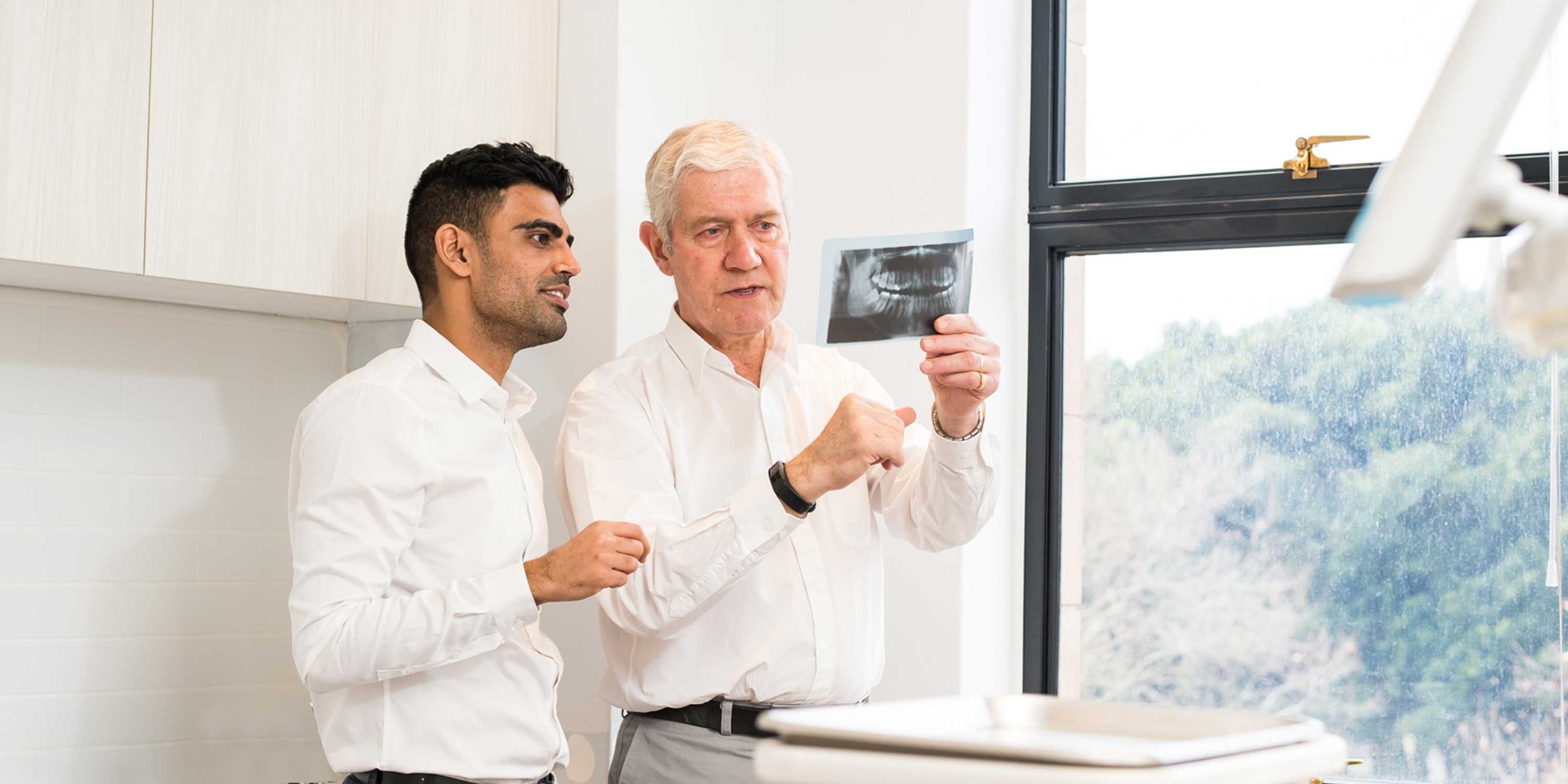
Even if you did manage to dig up old x-rays, you'll need some new ones. Ideally, dental x-rays should be repeated on an annual basis, as a lot can change, even for an adult. We know that x-rays can be uncomfortable, but they don't hurt and they'll be over in a flash and give your dentist the below the gum line view they need to ensure that any and all oral health issues you might be experiencing, even if you don't know they exist (yet), can be properly addressed.
Treatment

A lot can happen in ten years in terms of anyone's oral health. That toothache? It might be caused by a cavity, it might be caused by gum disease, it may even be caused by pesky wisdom teeth still lurking below the gum line. And now's the time you'll find out, and, if there are problems, talk with the dentist about the plan going forward to sort them out.
If you are one of the lucky ones, you might not even need that much work done at all. But a proper, professional cleaning is certainly a must and gosh will you be surprised by how clean your teeth look and feel once that's over. Then, if we're completely honest, it might be time for a little lecture. A really little, gentle one, that emphasises the importance of keeping up the good work you've started and making the time - and the effort - to make going to the dentist a part of your life again.
Emergency Dentist Sydney Says:
If the last time you saw the dentist was a decade ago, don't be shy, come on back. It really is never too late to take full charge of your dental health and in ten years from now, you'll be really glad you did. And you might even have learned to like us by then!
Need Advice Or Emergency Dental Care In Sydney CBD?
Contact our friendly team
Patient Care First

Keep Up-To-Date with All Things Oral & General Health
RECENT ARTICLES









For 15 years, we've had one mission - when Sydney has a dental emergency, Emergency Dentist Sydney is there
We're proud to celebrate 15 years of providing emergency dental services to Sydney CBD and surrounding suburbs.