
What To Expect From Pulp Extirpation
How this treatment will benefit your oral health
How this treatment will benefit your oral health
Tooth pain is a very common reason to visit an after hours dentist. Most of the time, when you experience tooth pain, it will be because of a large cavity that has caused an infection.
And when this occurs you may need a root canal, which means that your dentist will perform a pulp extirpation first. This might sound scary, but it’s a fairly simple procedure that will save your tooth and almost immediately alleviate your pain. So if you need this procedure, here’s what to expect.
A Pulp Extirpation is part of a root canal treatment procedure
What is a Root Canal?
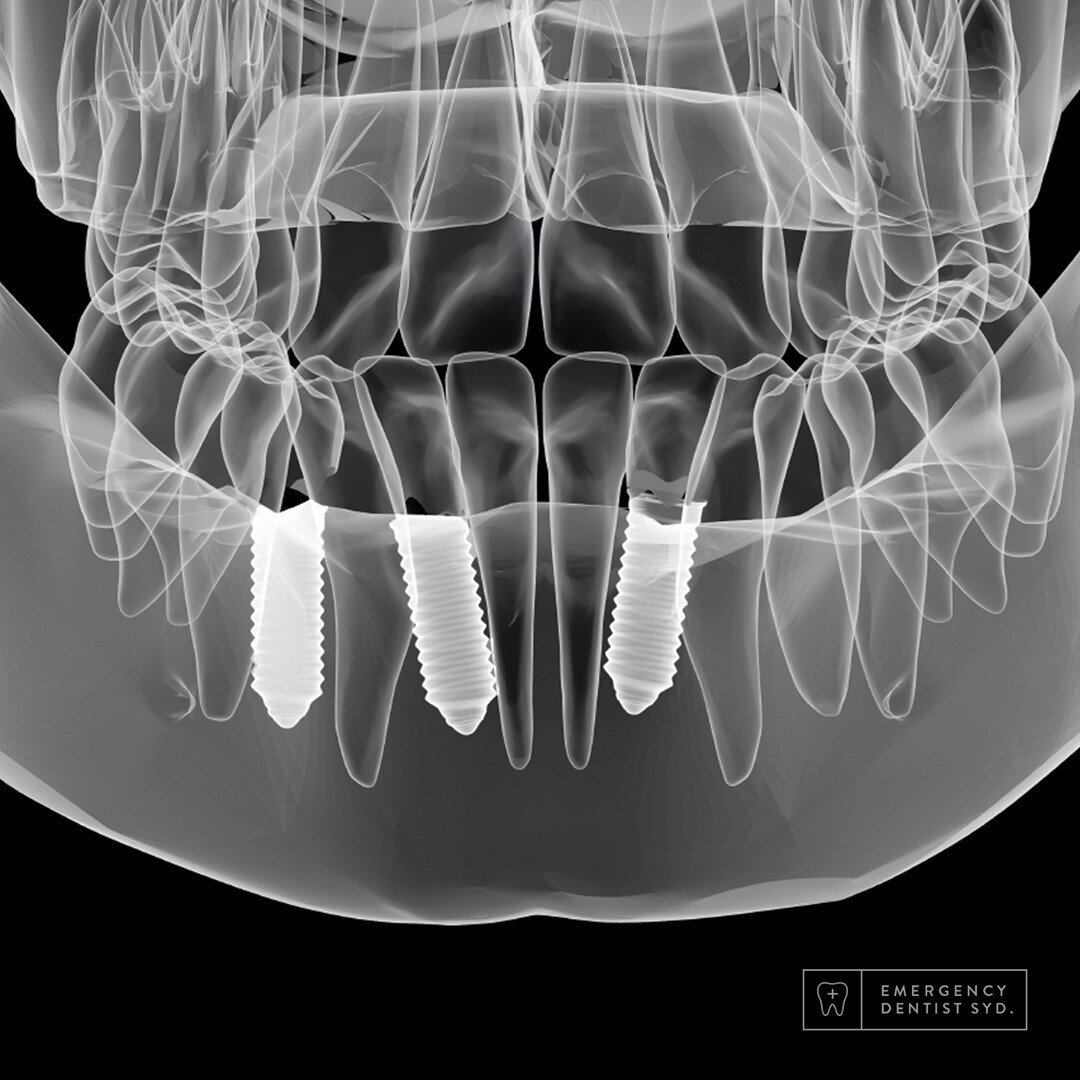
Root canals are usually performed when you have a tooth that’s so badly damaged from infection or injury that it can’t be fixed. This procedure will save the infected tooth. This is important because if you have the tooth removed, it can lead to further problems. When you have missing teeth, it can cause bone loss and make other teeth cave in towards the gap. To avoid this, you will need to have additional dental surgery to get a dental implant, which is a replacement tooth that’s attached to a titanium rod your dentist will surgically implant in your gum. The best way to avoid these problems is to have a root canal, which involves scooping out the pulp and replacing it with inert material. .
What is Pulp Extirpation?
Pulp extirpation involves removing the pulp from inside the tooth as part of the root canal procedure. You may need to have this treatment if you experience the following symptoms:
Pain or discomfort when biting down.
Pain that ranges from dull to severe in the roots and gum.
Discolouration on the gum that excretes pus.
Gum swelling around the infected tooth or teeth.
As part of the root canal procedure, your dentist will need to remove the pulp of your tooth or teeth. The pulp is a soft material that includes blood vessels and nerves. It’s often referred to as the nerve and extends from the root of the tooth nearly all the way to the tip. The pulp allows you to sense hot and cold and is the part of the tooth that feels pain when it becomes infected. Without the pulp, the tooth is basically dead and can’t feel anything, though the outer shell can still function perfectly well without the inner living matter.
During a pulp extirpation, your dentist will basically remove all of the infected inner tissue of the affected tooth. This will remove all the bacteria that’s causing the pain and infection and prevent it from travelling into the tooth. After the pulp is removed, it can be replaced with an inert material that preserves the strength of the tooth, saves it from extraction, and allows it to function as normal.
The Pulp Extirpation Procedure
If you need to have this procedure performed, here’s what to expect from the treatment:
You will be given a local anaesthetic.
Your dentist will make a hole in your tooth using the laser.
The pulp extirpation is performed and the infected pulp is removed.
The inside of the tooth is cleaned to prepare for the next stage of the root canal.
Inert material is put into the tooth.
The hole in the tooth is sealed and a crown is placed on the tooth.
The pulp extirpation can be performed on one visit. However, if the infection is severe you may need to make several trips to the dentist before the infection is cleared completely.
Emergency Dentist Sydney Says:
If you have a dental emergency, contact our Emergency Dentist in Sydney. Our caring and expert staff are available 24 hours a day to help you with all your emergency dental needs.
Need Advice Or Emergency Dental Care In Sydney CBD?
Contact our friendly team


How Much Bacteria Is in My Mouth?
The Problems and Solutions
The Problems and Solutions

You might look in the mirror and think your teeth are clean but it’s the things you can’t see that matter. Bacteria are tiny organisms that live in every organ in your body and over every inch of your skin. And most of the time they’re absolutely harmless as well as essential to your continued health and wellbeing. But when it comes to your oral health, there are a few bacteria that can do a lot of damage.
Tooth Decay Bacteria


Bacteria can be found all through your mouth and can build up depending on what you eat and do. The most common type of bacteria that causes tooth decay is called Streptococcus mutans. This bacteria is always found in the mouth and feeds on the sugars and starches that you eat. The worst bit is that it secretes acids that attack the enamel of your teeth, causing cavities and gum disease.
Gum Disease Bacteria


Gum disease can cause a lot of damage to your mouth. There are two types of bacteria that usually cause gum disease, known as Treponema denticola and Porphyromonas gingivalis. These bacteria can increase in number and secrete toxins that disrupt the normal balance of bacteria in your mouth. When this occurs, the bacteria attack the gums and cause infection, pain, and even tooth loss. Gum disease can be a serious problem, so if you think you have it make sure you seek professional help as soon as possible as it must be treated by a qualifies dentist to ensure the best outcome possible.
How to Keep Your Mouth Healthy

It’s impossible to get rid of all the bacteria in your mouth, and if you managed to do so you would be extremely sick. However, you need to be aware of the problems that some of these bacteria can cause and take measures to control their numbers and keep your mouth healthy. The following steps will help you do that:
Brush at least twice a day, especially after meals.
Floss your teeth every time you brush.
Make sure you see your dentist regularly for check-ups and cleans.
Chew sugarless gum after meals to encourage saliva
Use an anti-bacterial mouthwash regularly.
Avoid sugary foods and drinks.
Emergency Dentist Sydney Says:
For the best general and emergency dental care, contact our Emergency Dentist in Sydney. Our caring and expert staff are available 24 hours a day to help you with all your emergency dental needs.

How Nail Biting Will Hurt Your Teeth
Why You Should Stop for the Sake of Your Oral Health
Why You Should Stop for the Sake of Your Oral Health
Nail biting is a very common habit that can start in childhood and continue throughout your life.
If you have this habit, you probably worry about the damage that it does to your nails and how it affects the appearance of your hands. But nail biting can do more than make it hard to wear nail polish. It can also impact your oral health and make you more likely to need a trip to an after hours dentist to repair the damage.
Why Bite Your Nails?
There is no clear cause of nail biting, but most of the time it’s associated with stress. This is a habit that often starts in childhood as a natural progression from finger or thumb sucking. Chewing your nails can help relieve tension, anxiety, stress or boredom. So when you find yourself in a situation that prompts these reactions, you’ll probably find yourself biting your nails. Unfortunately, this can be a difficult habit to break, even if you know that you’re damaging your oral health every time you bite.
How Nail Biting Affects Your Oral Health
Biting your nails can seriously affect the health of your gums and your teeth in a number of ways. Here are some of the problems that you might encounter if you bite your nails:
The grinding action can wear away the enamel on your teeth and cause cracked or chipped teeth.
Your nails get harder when you constantly bite them, which means that chewing them is even more difficult and will cause more damage the longer you have the habit.
Biting your nails puts pressure on your teeth, which can cause them to shift and leave gaps in your smile.
Biting your nails can weaken the roots of your teeth and cause your jaw bone to reabsorb them, which means that the affected tooth or teeth will fall out.
There is a lot of bacteria under your nails and every time you bite them you’re transferring it to your mouth, which can lead to gum disease.
Nail biting can do damage to your temporomandibular joint or TMJ, which can result in jaw pain or chewing difficulties.
If you chew your nails you’re more likely to develop Bruxism, which is a chronic teeth grinding habit that causes oral health problems as well as headaches and muscle pain.
How to Break the Habit
Breaking any habit is difficult and nail biting is no different. However, it’s also essential to break this habit if you want to protect and maintain your oral health. If you’re ready to get rid of this habit, here are some strategies that will help:
Find something else to do with your hands when you’re nervous, such as playing with a stress ball.
Keep your nails cut short and neat or get a manicure so they look too nice to ruin.
Get bad tasting nail polish from the chemist and put it on your nails.
Identify activities or experiences that set off the nail biting and plan to do something else instead.
Ask the people around you to stop you every time you start to bite your nails.
All of these strategies will help you find a better way to deal with negative emotions. And they will also help you avoid a late night visit to an after hours dentist with a serious dental problem.
Emergency Dentist Sydney Says
If you have a dental emergency, contact our Emergency Dentist in Sydney. Our caring and expert staff are available 24 hours a day to help you with all your emergency dental needs.
Need Advice Or Emergency Dental Care In Sydney CBD?
Contact our friendly team


Is Tooth Enamel Loss Really Permanent?
Keep it Healthy
Keep it Healthy
Your tooth enamel is pretty tough and it has to be. It’s under constant assault from foods and drinks, not to mention the bacteria that grows in between brushing. Plus, every time you drink a soft drink or eat something sugary, it makes your enamel weaker. And that’s a problem because your enamel defends your teeth against decay, and when it gets damaged you’ll probably end up having to make an emergency trip to an after hours dentist. If you want to avoid that, here’s what you need to know about this essential part of your teeth.
What is Enamel?
Enamel is the hard coating over the softer parts of your teeth. It’s made primarily of a mix of minerals, and is the hardest substance in the body, harder even than your bones. However, once your enamel is damaged or worn away, it doesn’t grow back. Though your dentist can repair small lesions that weaken enamel, once it’s gone you’re going to have serious problems with your teeth for the rest of your life.
There are a number of things that can damage the enamel on your teeth. The most problematic are:
Soft drinks, because the high sugar content eats away at the enamel and weakens it overall.
Sugary foods, which have the same effect as soft drinks.
Certain medications can soften the enamel.
Conditions like Bruxism or teeth grinding, because the constant motion wears the enamel away.
Diseases like Acid Reflux Disease, where stomach acids rise from the gut and can wear away the teeth.
Genetics.
How to Tell if Your Enamel is Worn
It’s usually pretty easy to tell if your enamel has been damaged or worn away in any areas. With the enamel gone, the soft inner surfaces of your teeth will be exposed to the open air and to any food and drink that you consume. This means that the affected teeth will become discoloured or stained more easily. Your teeth will also become more sensitive to hot and cold foods or drinks.
Enamel is very strong, which is why your teeth are fairly hard to break. But when the enamel wears away, you will also notice that your teeth chip or break more easily. This is why you need to visit your dentist if you notice any changes in your teeth. Because once your teeth start to break, fixing the problem becomes much more difficult.
Strengthening and Repairing Enamel
Once your enamel is gone, it can’t be replaced. However, if you know ahead of time that your enamel is thinning then you can take steps to try and boost its health. That’s one reason why you need to make regular trips to the dentist for check-ups, because they’ll be able to tell you if you have a problem with your enamel.
Products that contain fluoride can be very helpful in keeping your enamel strong. Fluoride acts as a barrier between food and drinks and your enamel, preventing damage or degradation. You can also find toothpastes that contain minerals that will help to strength enamel weak spots by inundating them with calcium. This will help prevent further damage to the enamel and hopefully prevent it from being completely worn away from your tooth or teeth.
How to Prevent Enamel Loss
You can’t replace enamel that’s been lost, that’s why the best strategy to preserve your oral health is to avoid things that cause damage. So if you grind your teeth, talk to your dentist about a mouth guard. Try to avoid medications such as aspirin which cause enamel erosion. Avoid sugary foods and drinks as much as possible. And most of all, take a proactive role in your oral health. This means informing yourself about the health of your enamel and talking to your dentist about any issues before they become serious problems.
Emergency Dentist Sydney Says:
If you have a dental emergency, contact our Emergency Dentist in Sydney. Our caring and expert staff are available 24 hours a day to help you with all your emergency dental needs.

Use It or Lose It
Health Insurance Benefits Are About to Expire
Health Insurance Benefits Are About to Expire
If you have health insurance that includes dentistry, then you need to make sure you get the most from it. Unfortunately, not everyone knows that their dental benefits may run out at the end of the year. So if you want to get the most from your insurance, here’s what you need to know.
About Health Funds
Every health insurance fund is different and offers different benefits and rules. Generally speaking, these funds usually cover all or part of your regular dental check-ups. This means that you should probably get two visits to your dentist a year that are covered by your insurance. Unfortunately, if you forget about this, put it off, or don’t understand the rules, you’ll miss out.
The majority of health funds have a benefit year that starts on the 1st of January and ends on the 31st of December. Of course, this doesn’t mean that your fund runs out on New Year’s, leaving you uninsured. Instead, it means that if you don’t use your dental benefits before the end of the year, they will expire. So basically, you’ll be paying for dental visits that you aren’t using. This is both a waste of money and a missed opportunity, because having regular dental check-ups is essential for your oral health.
Use Your Dental Benefits
Check your policy
Every health fund and policy is different. So check with your provider and learn about the dental benefits that you should be getting from them. Also, make sure that you make note of any expiry dates and keep them in mind, particularly at this time of the year.
Make an appointment
If you have benefits that are about to expire, make an appointment with your dentist before the New Year. This will improve your oral health over the Christmas period, when you really want your pearly whites to look their absolute best. It will also help you to avoid pain, discomfort, and a visit to the after hours dentist during the festive season.
Emergency Dentist Sydney Says:
So make sure you’re getting what you paid for this Christmas Season. Contact our Emergency Dentist in Sydney and get your teeth in the best health possible. Our caring and expert staff are available 24 hours a day to help you with all your emergency dental needs.

Do All Toothaches Come From Bad Hygiene?
The Truth About Your Sore Tooth
The Truth About Your Sore Tooth

If you have a toothache you might worry that it’s because of bad hygiene. This worry could make you embarrassed to visit your dentist, because you don’t want to be told that you aren’t taking care of your teeth properly. But there are a number of reasons why your tooth might hurt and send you to the after hours dentist, and some of them have nothing to do with your oral hygiene. If you want to understand why your tooth is hurting, here are some of the most common causes.
The Effects of Bad Dental Hygiene
As Dr. Oberoi from Emergency Dentist Sydney says, “Toothaches are caused by nerve pain, gum infection, trauma, wisdom teeth, grinding, or extreme sensitivity. There are a lot of reasons why your teeth may hurt.”
However, problems associated with toothache are most commonly caused by bad dental hygiene. That’s why it’s so important that you brush and floss regularly and visit your dentist for regular check-ups. This will prevent any problems from getting worse and help you avoid getting a toothache.
The most common dental problems caused by bad dental hygiene are:
Tooth decay or cavities.
If you have a toothache, it’s very likely that it’s because you have tooth decay because this is the most common cause of dental pain. Tooth decay is caused by poor oral hygiene. So make sure you brush and floss regularly if you want to avoid a trip to the after hours dentist with a hole in your tooth.
An abscessed tooth
If you ignore tooth decay for a long time it may result in an abscessed tooth. This is an infection within the tooth that occurs when a cavity penetrates down to the pulp of the tooth. It can result in severe pain, infected and swollen gums, and can even result in the loss of a tooth.
Gum disease
If you neglect your oral health it will do more than make you more likely to get a cavity. It can also cause gum disease. Gum disease occurs when plaque builds up on your teeth and isn’t regularly removed. Plaque contains millions of bacteria which attack the gums, causing redness, swelling and bleeding. If gum disease is left untreated it can cause tooth loss and other serious problems.
Toothaches That Aren’t Related to Hygiene
There are also a number of common dental problems that can cause a toothache and aren’t related to your dental hygiene. These include:
Injury or trauma
This is a very obvious cause of pain. If you fall or hurt yourself during sports you can crack a tooth or damage your gums, both of which cause pain. If this occurs, see an after hours dentist as soon as possible to avoid further damage.
Wisdom teeth
Most people just don’t have room in their mouth for their wisdom teeth. This doesn’t stop them growing however, and if there isn’t room for them they can become impacted. This can result in infection or it can push your other teeth out of alignment. When wisdom teeth become impacted they’re very painful, and the pain is usually centred at the back of the mouth. So if you experience this pain, visit your dentist as soon as possible to avoid further problems.
Teeth grinding
If you grind your teeth at night you probably won’t know it until your teeth start to hurt. Grinding can wear down the enamel on your teeth, causing pain and trauma as well as other dental problems. So if you think that you grinding your teeth then you need to talk to your dentist about it as soon as possible.
A number of dental problems can cause pain and some of them are caused by poor oral hygiene. But this isn’t all bad, because it means that you can avoid these problems by taking care of your mouth and teeth and by visiting your dentist for regular check-ups.
Emergency Dentist Sydney Says:
If you have a dental emergency, contact our Emergency Dentist in Sydney. Our caring and expert staff are available 24 hours a day to help you with all your emergency dental needs.

What To Do When You Have Gingivitis
Prevent the Next Stages of Gum Disease
Prevent the Next Stages of Gum Disease
We only get one set of permanent teeth, so it is important to take good care of them. Having good oral health means you are taking care of your overall health. Unfortunately, this is not the case for some people. Without daily brushing and flossing, the bacteria that forms on our teeth builds up and causes an inflammation of the gums. This is called gingivitis, the first stage of gum disease. Here is a brief guide on what you need to know about gingivitis, so you don’t progress to the next stages that can cause infected bone and tooth loss.
There Are Three Stages of Gum Disease:

1. Gingivitis: this is the earliest stage of gum disease where the plaque build-up causes an inflammation of the gums. Your gums will be red and swollen and may bleed while brushing and flossing. Good news is that gingivitis can be reversed at this stage as it is still early and the bone that supports your teeth are not yet affected.
2. Periodontitis: This stage of gum disease is irreversible. The supporting bone that holds your teeth are affected to the point where your gums may begin to form a pocket below the gum line, trapping food and plaque.
3. Advanced Periodontitis: In this final stage of gum disease, the fibers and bone supporting your teeth are destroyed, which can cause your teeth to shift or loosen.
Gingivitis Symptoms
As mentioned above, your gums will become red and inflamed and will probably bleed during brushing. The area will be sore or tender and may actually recede (pull away from the teeth). It can also cause gaps to form between the teeth and the gums, which can collect food as well as plaque. As well as these less obvious problems, people with gingivitis often suffer from bad breath, even if the condition isn’t very advanced.
Treating Gingivitis
Gingivitis can be treated easily and simply only if it’s caught early. Your dentist will perform a deep clean to remove the hardened plaque. If your gingivitis is left untreated, it will worsen and progress to the next stage, Periodontitis. If the problem gets to this stage you will probably lose some of your teeth and cause permanent damage to your gums, teeth and other tissues in the mouth. That’s why it’s so essential that you make regular visits to your dentist to treat any problems as soon as they appear.
How to Avoid Gingivitis
To avoid gingivitis you need to see your dentist regularly for a professional cleaning. Your dentist will remove any plaque buildup and let you know of any problems before they become serious. Other than that, you have to make sure you maintain good oral hygiene, which means twice daily brushing, flossing, eating well, and avoiding substances that can cause damage such as smoking. If you make these habits a priority, you will enjoy good oral health throughout your life.
Emergency Dentist Sydney Says:
If it’s been a while since your last dental check-up and you are experiencing red and swollen gums, visit a dentist as soon as possible. It may be gingivitis and you won’t want it to progress to the next stage.

Don't Ignore Your Dental Health
Your Teeth and Gums are Important
Your Teeth and Gums are Important
What most people don’t know is that it is dangerous to ignore your oral health because it actually impacts your overall health. There could be a number of reasons why people ignore their dental health, such as fear of visiting the dentist or being too lazy to regularly brush your teeth. Poor dental care can lead to a number of big problems such as infection, tooth loss, and pain. We want to let you know the importance of treating your teeth and gums so that you don’t come across these big problems.
Signs of Poor Dental Care
When your dental health is being neglected, it will show in a number of ways including:
Bad breath
Receding gums
Stained or rotten teeth
Loose or broken teeth
Avoiding the dentist
Not brushing and flossing regularly
If left ignored and untreated, these conditions will eventually lead to bigger problems affecting your overall health.
The Dangers of Poor Dental Care
Neglecting your dental health can lead to more than rotten teeth and bad breath. If teeth aren’t thoroughly cleaned and checked regularly they can get infected. This can lead to pain and inflammation, and even to tooth loss. The infection from your mouth can even get into the bloodstream and infect other parts of the body, including the heart. In cases like this, the consequences can be very serious. You may only suffer from sore gums and sensitive teeth at first, but over time a lack of dental hygiene can negatively affect your entire system and overall health. It is vital to visit your dentist before it gets to this stage.
What You Can Do
If you’ve been neglecting your dental health for whatever reason it’s important that you take measures to ensure it doesn’t get worse. See your dentist as soon as you can and establish good hygiene habits. This means brushing twice a day and flossing.
Emergency Dentist Sydney Says:
Taking care of your teeth and gums should be your top priority. Don’t ignore your dental health and you will have a smile you’re proud to show off.

The Truth About Tooth Enamel
Tooth Enamel Facts You Need to Know
Tooth Enamel Facts You Need to Know
Tooth enamel is the hard, outer layer covering each tooth. It is the hardest substance in the human body and protects the sensitive inner layers from the discomfort of foods and drinks that are really hot and cold. You are also probably familiar with its vital role in protecting our teeth from damage and decay. What other tooth enamel facts do you know? Check out these common tooth enamel facts and tips below.
1. The Difference Between Abrasion and Erosion
There are two types of tooth enamel damage. Abrasion occurs when something brushes against your teeth, for example, using a hard-bristled toothbrush or scraping your teeth with a hard object. Erosion is caused by certain foods and drinks that are sugary and acidic. These foods and drinks are most damaging because when they interact with the bacteria in your mouth, lactic acid is produced, and this is something that can lead to the start of a cavity. When your teeth are eroding, you will notice that your teeth are becoming sensitive and are appearing slightly yellow.
2. Tooth Enamel Doesn't Come Back

Once your tooth enamel has eroded, it will not regrow. Enamel is made from minerals so it does not contain any living cells, making it impossible for it to repair itself. However, there are ways you can prevent this from happening and ways to treat the damage. Dental bonding can be used, or crowns can be applied but your dentist will be able to recommend you the right treatment option for you. In terms of prevention methods, you can start by eliminating certain foods and drinks out of your diet. When you have that craving for your favourite soda, use a straw. Another great tip is to gently rinse your mouth with water after eating because if you brush your teeth too soon after eating acidic food, that can actually make it worse. You can also start chewing sugarless gum.
3. Don't Neglect the Damage
Ignoring the damage or avoiding the dentist will not only cause more pain to your eroded teeth but will make treatments more expensive. As your teeth enamel erodes, your teeth will become overly sensitive as it will expose the inner sensitive layer underneath called ‘dentin’. Because your teeth won’t have the protection it needs from enamel, they will be susceptible to decay quickly. Your teeth will also be stained, giving your teeth a yellow appearance. Always make sure to have 6 monthly check ups so your dentist knows the state of your teeth.
Enamel is so important for our teeth and we need to take care and protect them as they protect us. It is vital to follow some of the tips mentioned above to prevent your enamel from eroding. It may sound difficult to give up your favourite sugary snacks and soft drinks, but the damage is way worse. If you do consume sugary and acidic foods and drinks, always remember to maintain good oral hygiene.
Emergency Dentist Sydney Says:
Protect your enamel and your overall dental health by practicing good oral hygiene habits like twice daily brushing and flossing. And don’t forget to visit your dentist every 6 months!

Sci-Fi Nano Tech Becomes Real
The Challenge of Oral Surgery
The Challenge of Oral Surgery
Over the years, patients who have issues with their dentition that particularly requires surgery have been on the rise, yet, people no longer want to get their oral cavity operated. This is not particularly their fault as the operation of the oral cavity can be quite challenging and painful.
In the recent record by American Association of Orthodontists, it has been recorded that over 5 million people come to visit the Orthodontist each year in the U.S. They all come with varying degrees of abnormal tooth arrangement. Most of them end up requiring surgery before getting to fix them up with braces. Surgeries are performed in order to cut the collagen fibres under the gum, so as to be able to enable the quick and easy alignment of the tooth when the braces are fixed on them. Many people however shy away from this procedure and decide to remain in their state because of the painful process involved.
The Solution
As the quest to seek for a solution to reduce the pain and discomfort became paramount, scientists have evolved in getting drugs delivered to a particular location using the knowledge of nanotechnology. Liposomes, which are empty nanoscale vesicles can now be used to target therapeutics to specific locations. Collagenase enzymes have been found out to be capable of remodelling the fibres connecting tooth to bone and so transporting this enzyme to the targeted tooth with the aid of the Liposomes helps to reduce the stress of having to use a scalpel.
This procedure, however, have been found out to be very challenging because it’s very difficult to deliver the enzyme, using the Liposomes. In a bid to resolve this, Avi Schroeder and his colleagues have been able to develop a specialised nanotechnology, capable to delivering the work precisely with less discomfort. They have been able to develop liposomal nanoparticles containing Collagenase. They performed the experiment on rats and the result indicated that it was far better than the other earlier methods used. The calcium naturally found in the mouth activated the Collagenase as they diffused out of the particle and this weakened the collagen fibres and thus made it easier to shift the tooth while using braces.
Also, from their result, they observed that the rats they performed this experiment on recovered faster by getting bigger, earlier than the other rats. This indicated that they had lesser discomfort and they were less pained. This is really a breakthrough to the body of science, to orthodontists and a good news to patients requiring the services of an orthodontists.
We Have the Solution!
We are happy to announce to you that Emergency Dentist Sydney has been able to speedily adapt to the use of this method in carrying out surgeries. We successfully operate countless dental cases each year and having this technology at hand now helps us to operate faster and most especially gives our customers more comfort and less pain. As customer satisfaction is our main aim, we carefully mastered the art of the right application of this technology and are actively using already.
Emergency Dentist Sydney Says:
You have no reason to panic anymore, book an appointment and enjoy the best!

Dental Hypersensitivity
Why Are My Teeth so Sensitive?
Why Are My Teeth so Sensitive?

Dental Hypersensitivity is a common problem for a lot of people aged between 20 and 50. Have you ever had a hot or cold drink and as soon as you started drinking, felt a sharp pain on your tooth/teeth? Does it also happen when you eat or drink something sweet or acidic? You are experiencing this kind of pain because you have hypersensitive teeth. Here are the top two reasons why you may have dental hypersensitivity.
What Causes Tooth Sensitivity?
Gum Recession
The most highest leading cause of tooth sensitivity is gum recession and there are many reasons why you can have receding gums. It can be a result of aggressive tooth brushing, using a hard toothbrush, gum disease, a very acidic diet and even ageing.
Each tooth has a layer of enamel and the root of each tooth has a soft layer called cementum. When the cementum wears off because of gum recession, the underlying dentin layer (the layer that surrounds the nerve) is exposed. The dentin contains thousands of channels that run from the surface of the tooth to the central nerve and when these channels are stimulated by certain foods or drinks, it travels to the nerves inside the tooth causing a sharp sensation.
Enamel Wear
Enamel, which is the layer on the surface of your teeth, is actually the hardest substance in the human body. However, it can still wear away over time, slowly exposing the underlying dentin layer which leads to dental hypersensitivity. There are a few causes of enamel wear such as: bruxism (teeth grinding), aggressive and improper brushing, using abrasive tooth pastes, or having too much acidic foods and drinks. A chipped or cracked tooth can also expose the dentin, which is why it is extremely important to visit the dentist when this happens
How to Prevent Tooth Sensitivity?
You can do a number of things at home to prevent painful tooth sensitivity.
Maintain good oral hygiene – brushing correctly
Use a soft bristle tooth brush
Using a non abrasive tooth paste or one that reduces sensitivity
Avoid acidic foods and drinks
More importantly, it is best to have regular dental visits because your dentist can detect early signs of enamel wear. Your dentist can also teach you proper brushing techniques and let you know which tooth pastes to use, as well as provide other prevention methods
Emergency Dentist Sydney Says:
Dental hypersensitivity should not be ignored no matter how short or low the pain is. Ignoring your sensitive teeth can lead to other oral health problems so make sure to have regular dental check ups with your dentist.

I Have an Abscess
So You Have an Abscess. What Does That Mean?
So You Have an Abscess. What Does That Mean?
Your mouth is a sensitive and delicate area which is why there are so many things that can go wrong if poorly treated. Dental hygiene is vitally important as well as visiting your dentist regularly. One very major mouth problem is abscesses. If your mouth or jaw is aching and there is swelling and pain, you may have an abscessed tooth. Here is a guide on everything you need to know about abscesses.
What is an Abscess?
An abscessed tooth is an infection within a tooth. It is a pocket of pus that forms at different regions of the tooth and for different reasons. A gingival abscess (gum abscess) occurs on the surface of the tissue at the gum line of the teeth. If left untreated, it can lead to a periodontal abscess which the abscess on the tissue of the gum line drives deeper into the gum pockets. A periapical abscess commences in the soft pulp of the tooth, which later on will travel down to the nerves of the tooth.
Wherever the location of your abscess, it will become inflamed and can swell severely, obstructing your ability to chew or swallow properly. The abscess will keep growing and causing more pain so it is important to visit your dentist as soon as these symptoms occur.
Other symptoms of an abscess usually include:
A reddened area around the site
A bad taste in your mouth
Swollen face
Sensitive teeth to hot or cold food and drinks
Swollen glands in the neck
A pea-sized bump inside the mouth
As your condition advances, you may experience other symptoms such as a fever, vomiting, chills or nausea.
Where Do They Come From?
An abscess usually occurs because of poor dental health. Your mouth naturally contains bacteria but when your teeth are not regularly cleaned well, plaque will form on your teeth and gums, resulting in infections and decay. Other possible causes include:
Gum disease (gingivitis)
Dental injury (cracked tooth)
A poor diet
Some medications
Neglecting small wounds in the mouth or surgical sites from previous dental visits.
How Can They Be Treated?
If you have an abscess, you need to visit your dentist immediately. This is especially important if you feel sick or have any other symptoms of an advanced infection. The treatment depends on the seriousness of your condition but usually your dentist will drain the site to get rid of the pus and give you painkillers and antibiotics to combat the infection. A root canal treatment can also be carried out. A tooth extraction only happens if it is a severe infection of the tooth that cannot be saved.
If your abscess ruptures at home, before you can get to the dentist, rinse with warm water to help clear out all the pus and see your dentist as soon as possible.
Why You Shouldn't Delay Treatment
Waiting for the pain to subside or delaying treatment is the last thing you want to do. The pain may stop but that doesn’t stop the infection. The infection will continue to spread, leading to bigger problems. Early treatment can cure the infection and save the tooth.
Emergency Dentist Sydney Says:
If you suspect an abscessed tooth, it is crucial to visit a dentist as soon as possible, even if you are not in any more pain.
Patient Care First

Keep Up-To-Date with All Things Oral & General Health
RECENT ARTICLES







For 15 years, we've had one mission - when Sydney has a dental emergency, Emergency Dentist Sydney is there
We're proud to celebrate 15 years of providing emergency dental services to Sydney CBD and surrounding suburbs.