
Do Redheads Experience Less Pain?
And how this could affect your dental appointments
And how this could affect your dental appointments
Could the colour of your hair affect how much you feel pain? There have been a lot of rumours going around about the idea that redheads don’t feel pain as much as other people. This might sound like a ridiculous idea, after all how can hair colour affect your nerves? But there is actually some evidence to support it.
About Red Hair
Red is the rarest hair colour and occurs in less than 2 percent of the world’s population. To have a child with red hair, both parents need to pass on a specific, recessive gene trait. This trait causes mutations in the melanocortin 1 receptor (MC1R), which is responsible for producing skin pigment melanin. This gene contributes to eye colour, hair colour, and skin tone, which is why so many redheads have very pale skin.
But the differences that come along with being a redhead may be deeper than the skin. Evidence suggests that there’s also a significant different in how they experience and respond to pain.
More Pain, Less Analgesics
Contrary to general opinion, redheads don’t feel less pain. In fact, the opposite may be true. The MC1R gene which causes red hair also has receptors in the midbrain where pain perception is regulated. And this may indicate that the gene could influence how people respond to pain and injury. Studies that explore this link have found conflicting results. Here are just some of the conclusions of these studies:
To sedate them, you need 20 percent more anaesthesia.
Redheads may be able to tolerate 25 percent more pain than other people.
They need lower doses of pain killing analgesics.
They also need more topical anaesthetics, which explains why many redheads have a fear of dental pain and avoid dentists.
These results are contradictory. They indicate that redheads both feel more pain and less, that they’re more tolerant to pain and feel it more intensely. Further research is needed before the true extent of the link between hair colour and pain tolerance is clear. However, what comes out of these studies is the simple fact that hair colour can indicate a different way of processing and experiencing pain. And this means that dentists need to take an individual approach when managing the pain of dental treatments.
Proactive Pain Management
If you have red hair, then what can you do? Should you just avoid the dentist because you might have trouble coping with the pain? Obviously, this isn’t a helpful strategy and it could lead to more pain and trips to your after hours dentist in the long term. A better idea is to be proactive about pain during your regular dental appointments. Here are some ideas for how to do that:
Make sure that your dentist is aware that you might react different to pain and painkillers than other patients.
If you need anaesthesia for a dental treatment, address the issue before the procedure and let your dentist know that you might need more or be more sensitive to it.
Be wary of taking prescription medications, particularly opioids.
Emergency Dentist Sydney Says:
If you have a dental emergency, contact our Emergency Dentist in Sydney. Our caring and expert staff are available 24 hours a day to help you with all your emergency dental needs.

How Stress Impacts Your Oral Health
Another reason to visit your dentist regularly
Another reason to visit your dentist regularly
Stress is a very common complaint in the modern world and this is troubling because it’s linked to a number of problems and diseases. You probably already know that stress can contribute to heart disease, stroke, diabetes, mental health issues and certain types of cancer, but you probably don’t know that it can also negatively impact your oral health in a number of ways.
Stress and Bad Habits
If you’re stressed you might feel as if you don’t have the time to look after yourself. This can result in lifestyle habits that will directly impact your oral health. Some of the most damaging habits that result from stress are:
Poor eating habits
If you’re stressed, it might be tempting to reach for comfort foods. Unfortunately, these types of foods are usually high in sugar or fat. This will not only affect your waistline, it will also impact your oral health. The sugar in food contributes to tooth decay and cavities, which is why you need to be aware of what you eat if you want your mouth to stay healthy.
Bruxism
If you’re stressed, you’re more likely to grind your teeth or clench your jaw while you sleep. This is known as bruxism and it can wear down the enamel on your teeth, cause your teeth to chip, or do damage to your jaw muscles. The damage caused by this bad habit can be permanent, so if you think that you’re grinding your teeth at night then you need to see your dentist as soon as possible.
Poor dental habits
Do you ever skip brushing your teeth at the end of a long day because you’re tired? Do you put off flossing because you just don’t have the time? These simple habits are absolutely vital to your oral health and yet it’s easy to forget them when you’re busy. And this can result in cavities, decay and gum disease.
Neglecting appointments
If you don’t have enough time for everything you need to do, your dental appointments are probably one of the first things you remove from your list. It can be difficult to take time out of your schedule every six months to see your dentist, but it’s also essential for your oral health. Your dentist can identify any signs of a dental problem before it becomes a big problem and give your teeth a really good clean. And if you want to avoid serious problems such as toothaches, gingivitis, cavities and infection, this is the best way to do it.
Stress and Your Body
Stress can cause changes in your body that will negatively impact your oral health. Some of these changes include:
Hormonal imbalances
Certain hormonal imbalances can cause dry mouth. This encourages the growth of plaque and can result in more cavities as well as general discomfort in the mouth and tongue.
Decreased immunity
Stress depresses your immune system, which can result in more infections throughout your body. This can cause mouth ulcers, which can be very painful and make it more difficult for you to keep your mouth and teeth clean. Mouth ulcers can also be slow to heal, particularly if your immune system is really struggling.
Slower healing
If you’re stressed then it can decrease your ability to heal. As a result, you may experience infections or mouth sores that just won’t go away. And if you have a dental procedure during this time, you will probably heal less efficiently and be more susceptible to infection.
The Takeaway
Stress is a very common complaint in the modern world. If you experience stress, whether because of your lifestyle or because of dental fear, then you need to be aware of how this could impact your dental health.
Here at Emergency Dentist Sydney, our staff specialise in helping anxious patients face and overcome their dental stress. We’ll help improve your oral health and work with you to ensure that you have the most pleasant and stress free dental experience possible.
Emergency Dentist Sydney Says:
If you have a dental emergency, contact our Emergency Dentist in Sydney. Our caring and expert staff are available 24 hours a day to help you with all your emergency dental needs.

Payment Plans At Emergency Dentist Sydney
Why you don’t have to avoid the dentist if you’re a little short on cash
Why you don’t have to avoid the dentist if you’re a little short on cash

Interest-Free Payment Plans & Afterpay
Going to the dentist can be expensive, particularly if you need more than just a check-up and clean. In fact, this is probably one of the most common reasons people use to put off or neglect their oral health. But when you have a dental emergency, you don’t always have the option of delaying a treatment, at least not without damaging your oral health. To help you cope with these unexpected expenses, Emergency Dentist Sydney has payment plans that will suit every situation.
Emergency Dentist Sydney Payment Plans
At Emergency Dentist Sydney, payment plans are available for any treatment that results from your dental emergency. These loans are essential when you have an unexpected dental expense and will allow you to protect or maintain your oral health without breaking the bank.
We provide interest free payment plans from MySmilePlan and Afterpay.
Here are some of the features of the payment plans:
They’re available for treatments that cost between $10 and $9,000.
0% interest.
Manageable, fortnightly payments.
The payments are spread over 16 weeks or 15 months.
With these terms in mind, there really is no reason to avoid a dental procedure if you don’t have the cash on hand. With the help of these plans, you can take care of your oral health and your bank balance at the same time.
When to Use a Payment Plan
Payment plans can be used for almost every type of procedure and treatment. This means that if you need a treatment because of a dental emergency, you don’t have to put it off because of the cost. Here are some of the treatments that are available under the payment plans at Emergency Dentist Sydney:
Wisdom teeth extraction.
Laser root canal.
Crowns or veneers.
Dental implants to fix broken teeth.
Other Payment Options
If you don’t want to use a the payment plan when you have an emergency treatment, we have a lot of other payment options available. Here are just some of the financial advantages of visiting Emergency Dentist Sydney for all of your oral health needs:
Afterpay - Available from April 2019!
Upfront, affordable treatment costs.
You can claim on the spot from any Health Fund.
Eftpos and other cash options available.
Emergency Dentist Sydney Says:
If you have a dental emergency, contact our Emergency Dentist in Sydney. Our caring and expert staff are available 24 hours a day to help you with all your emergency dental needs.

Your Child’s First Lost Tooth
How to make it a positive experience
How to make it a positive experience
Losing that first tooth is an important experience for any child. It’s a sign that they’re growing up. And it’s also a sign that they need to take better care of their oral health because adult teeth don’t grow back if they’re lost. However, losing that first tooth isn’t always a positive experience. It can be painful, involve some blood, and even traumatise children, which can affect how they feel about their overall oral health. If you want to make this experience a positive one for your child, there are a number of things you can do.
The Impact of a Lost Tooth
For children, life is full of new experiences both positive and negative. And every experience influences their emotional development and how they feel about related events in the future. This is particularly true when it comes to their first lost tooth. According to research, about one in five children experience negative emotions like fear or pain with the loss of a tooth. This event is often paired with a trip to the dentist as well, which can negatively influence how they feel about dentists as well as how they feel about their oral health.
This combination of experiences can result in dental fear or a reluctance to visit the dentist that can last well into adulthood. And this is a problem because having regular dental check-ups is essential if you want good oral health over the long term. That’s why it’s so important that you make this important experience as positive as possible for your children.
Making a Tooth Loss Positive
There are a number of strategies that you can try to make the loss of a tooth a positive experience for children. Some of the most effective are as follows:
Build the anticipation
Research indicates that the longer children anticipate the loss of a tooth, the more exciting it is for them. So as soon as your child’s tooth starts to wiggle, start building their excitement about the day when it finally comes loose. This will give them a sense of pride and accomplishment.
Focus on the rite of passage
Most children want to grow up and be a ‘big kid’, and nothing proves how big they’re growing like a lost baby tooth. So help them focus on how grown up they’ll be once the baby tooth falls out rather than on the more negative aspects of the event.
Don’t use tools.
Never use tools like pliers to remove your child’s tooth. Baby teeth fall out when they’re ready and if you try to pull them out more quickly it will cause dental pain and bleeding.
Let your child take the lead.
Encourage your child to wiggle the tooth with a clean finger or with their tongue, but don’t make them do it. Let them lead the way and do as much as they’re comfortable with. This puts the control in their hands and will really help them feel the importance of this rite of passage.
Talk about the Tooth Fairy
The Tooth Fairy was created to remove the fear of losing baby teeth and for good reason. Promising a reward, monetary or otherwise, for every lost tooth is a great way to make the whole experience a positive one.
Emergency Dentist Sydney Says:
If you have any concerns about your child’s lost or loose teeth, contact our Emergency Dentist in Sydney. Our caring and expert staff are available 24 hours a day to help you with all your emergency dental needs.

Why Sleep Is More Important Than Food
The absolute best way to improve your health and wellbeing
The absolute best way to improve your health and wellbeing
If you want to keep your mouth healthy, then you need to take steps to improve the health of your entire body. It isn’t enough to have a clean mouth if your body is unhealthy because this will affect your oral health in numerous ways. There is a lot of advice out there on how to keep your mouth healthy, but most of it ignore the most vital tip of all.
Sleep vs Food
There is a lot of advice out there on the importance of your diet in determining your health. And most of this advice is quite correct. The quality of your diet determines your weight, your energy levels, and whether your body has the nutrients it needs to function correctly. And if you go without food for a prolonged period you feel weak, foggy in the head, and lose weight. That’s why most eating plans suggest that you eat regularly and avoid fasting so you can avoid these negative effects.
However, there are a lot of sources that claim you should cut down on the amount that you sleep in order to be more productive. This might seem like an ideal suggestion at first thought, after all you can survive just fine with one hour less of sleep a night and it could help you get ahead of your To Do list. But this practice could be more detrimental than you think.
You can go without food for up to 70 days without dying (don’t try this at home). However, if you try to go without sleep for even a week, you will notice immediate and severe side effects. This is made obvious by the case of Randy Gardener, who holds the world record for going the longest time without sleep. He went 11 days and 25 minutes without sleeping and the people around him noticed a number of negative effects including moodiness, paranoia, hallucinations, and problems with his concentration and short term memory.
The Effects of Not Sleeping
Even mild sleep deprivation can have a noticeable and negative effect on every part of your life. Here are some of the effects that sleep deprivation can have:
It hinders your ability to store new knowledge, affecting your memory.
It slows down your reaction speed, which makes driving more dangerous.
Your cognitive speed decreases.
Your decision making abilities are negatively impacted.
It may cause physical problems such as high blood pressure and obesity.
Sleeping for Good Health
No matter what any productivity plan or guru tells you, your body and your brain need a certain amount of sleep to function at their best. This can be difficult in our busy modern world, where people are expected to ‘burn the midnight oil’, do shift work, or take their work home with them and work well into the night. However, doing this will only damage your health and your performance at work.
Studies show that only 2.5 percent of people feel fully rested on less than 7 hours of sleep. 95 percent of people need between 7 and 8 hours of sleep, with another 2.5 percent sleeping more than eight hours. This means that if you want good health, you need to listen to your body and give it plenty of sleep. This will not only improve your thinking and productivity at work, it will also impact your oral health as well.
Emergency Dentist Sydney Says:
If you have a dental emergency, contact our Emergency Dentist in Sydney. Our caring and expert staff are available 24 hours a day to help you with all your emergency dental needs

Does Poor Oral Hygiene Cause Depression?
How your dentist could improve your mental health
How your dentist could improve your mental health
Mental health is a serious concern for a lot of people. Disorders such as depression or anxiety are becoming more common these days, or perhaps they’re just becoming more visible as the people involved realise that they have nothing to be ashamed or embarrassed about. This issue is also relevant in dentistry, as there are a number of studies that suggest that your oral health could be important in your mental health as well.
Depression and Oral Health
Depression is a serious and debilitating problem and now there is evidence to suggest that your oral health could affect your chances of suffering from this condition. The study, performed by Deakin University, found that poor dental health increased the likelihood of depression. This information was taken from a health survey of more than 10,000 people aged between 20 and 75 and measured dental health based on the number of reported dental conditions.
This study also found that there is a link between oral health and the severity of depression. Basically, they found that the more dental conditions a participant had, the greater the severity of their depression. This strong link may be because of inflammation. Factors that cause inflammation in the body such as obesity or other medical conditions can contribute to the biological processes that cause depression. And because dental infections and poor oral health also cause inflammation, it may be exacerbating or causing depression in the same way.
A lot more research is needed before this connection is fully understood. However, it again highlights the importance of taking care of your oral health in every way possible if you want to live a healthy and happy life.
Anxiety and Oral Health
Anxiety is a common problem here at Emergency Dentist Sydney. It can range from a general preference to stay away from the dentist to full blown phobia and can seriously affect your oral health.
People with dental anxiety are far more likely to neglect their regular check-ups and ignore dental pain in the hope that it will go away. They’re also much more likely to have to make a trip to an after hours dentist with a painful cavity that’s been ignored for far too long. In fact, a recent study showed that people with dental phobias are more likely to have missing teeth and cavities than people who don’t have phobias. This means that anxiety not only affects your oral health, it can also makes your dental visits more involved and unpleasant, which will probably just worsen your phobia.
Emergency Dentist Sydney on Phobias and Depression
Here at Emergency Dentist Sydney, our staff are trained and experienced in helping patients overcome their fears and achieve better oral health. We offer a range of options and services to make your dental appointments more pleasant, from calming medications to distraction techniques and caring, sympathetic staff.
We’re focused on your oral health, which is why we welcome everyone without judgement, and will do our best to help you overcome any barriers to the best dental health of your life.
Emergency Dentist Sydney Says:
If you have a dental emergency, contact our Emergency Dentist in Sydney. Our caring and expert staff are available 24 hours a day to help you with all your emergency dental needs.

What To Expect From Pulp Extirpation
How this treatment will benefit your oral health
How this treatment will benefit your oral health
Tooth pain is a very common reason to visit an after hours dentist. Most of the time, when you experience tooth pain, it will be because of a large cavity that has caused an infection.
And when this occurs you may need a root canal, which means that your dentist will perform a pulp extirpation first. This might sound scary, but it’s a fairly simple procedure that will save your tooth and almost immediately alleviate your pain. So if you need this procedure, here’s what to expect.
A Pulp Extirpation is part of a root canal treatment procedure
What is a Root Canal?
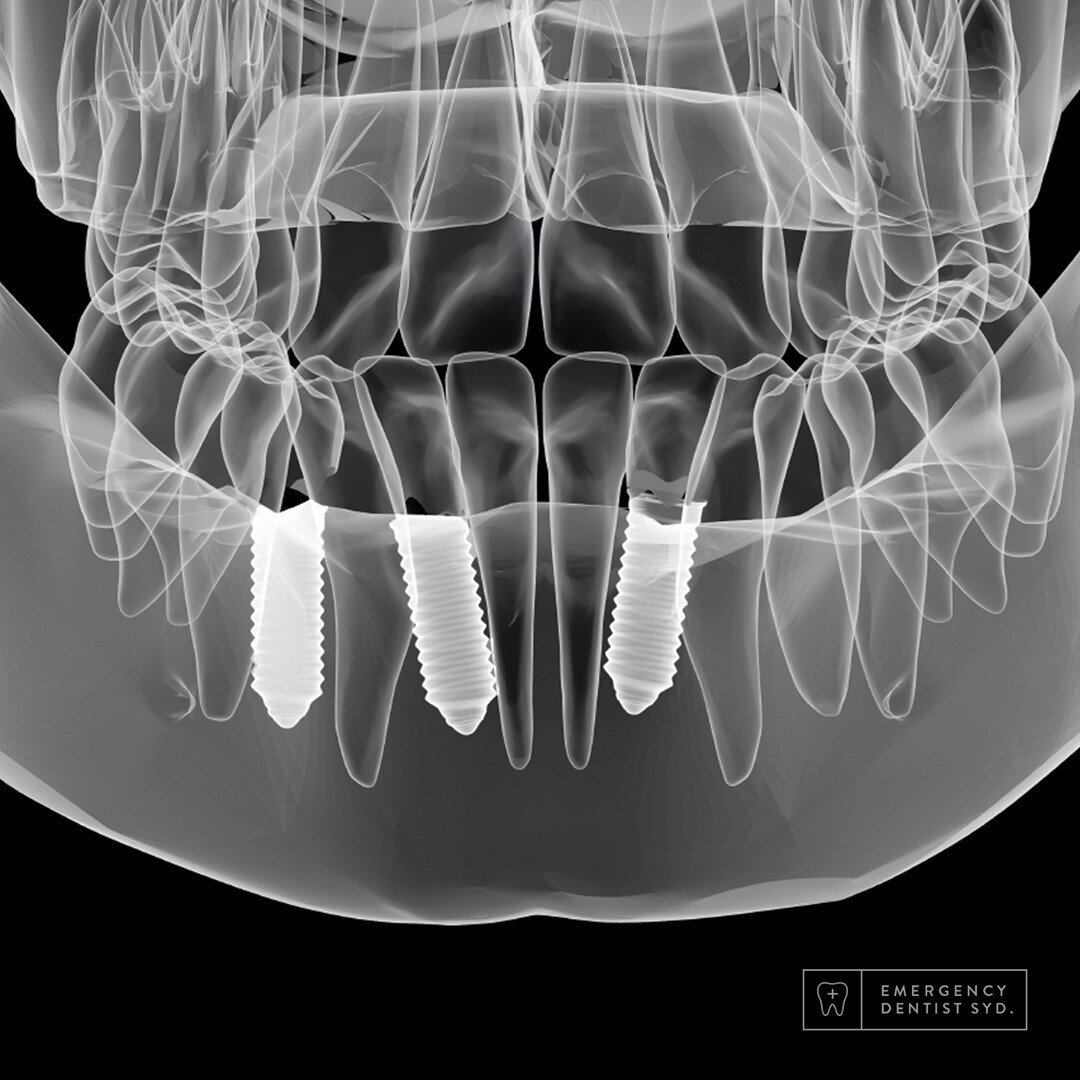
Root canals are usually performed when you have a tooth that’s so badly damaged from infection or injury that it can’t be fixed. This procedure will save the infected tooth. This is important because if you have the tooth removed, it can lead to further problems. When you have missing teeth, it can cause bone loss and make other teeth cave in towards the gap. To avoid this, you will need to have additional dental surgery to get a dental implant, which is a replacement tooth that’s attached to a titanium rod your dentist will surgically implant in your gum. The best way to avoid these problems is to have a root canal, which involves scooping out the pulp and replacing it with inert material. .
What is Pulp Extirpation?
Pulp extirpation involves removing the pulp from inside the tooth as part of the root canal procedure. You may need to have this treatment if you experience the following symptoms:
Pain or discomfort when biting down.
Pain that ranges from dull to severe in the roots and gum.
Discolouration on the gum that excretes pus.
Gum swelling around the infected tooth or teeth.
As part of the root canal procedure, your dentist will need to remove the pulp of your tooth or teeth. The pulp is a soft material that includes blood vessels and nerves. It’s often referred to as the nerve and extends from the root of the tooth nearly all the way to the tip. The pulp allows you to sense hot and cold and is the part of the tooth that feels pain when it becomes infected. Without the pulp, the tooth is basically dead and can’t feel anything, though the outer shell can still function perfectly well without the inner living matter.
During a pulp extirpation, your dentist will basically remove all of the infected inner tissue of the affected tooth. This will remove all the bacteria that’s causing the pain and infection and prevent it from travelling into the tooth. After the pulp is removed, it can be replaced with an inert material that preserves the strength of the tooth, saves it from extraction, and allows it to function as normal.
The Pulp Extirpation Procedure
If you need to have this procedure performed, here’s what to expect from the treatment:
You will be given a local anaesthetic.
Your dentist will make a hole in your tooth using the laser.
The pulp extirpation is performed and the infected pulp is removed.
The inside of the tooth is cleaned to prepare for the next stage of the root canal.
Inert material is put into the tooth.
The hole in the tooth is sealed and a crown is placed on the tooth.
The pulp extirpation can be performed on one visit. However, if the infection is severe you may need to make several trips to the dentist before the infection is cleared completely.
Emergency Dentist Sydney Says:
If you have a dental emergency, contact our Emergency Dentist in Sydney. Our caring and expert staff are available 24 hours a day to help you with all your emergency dental needs.
Need Advice Or Emergency Dental Care In Sydney CBD?
Contact our friendly team


How Much Bacteria Is in My Mouth?
The Problems and Solutions
The Problems and Solutions

You might look in the mirror and think your teeth are clean but it’s the things you can’t see that matter. Bacteria are tiny organisms that live in every organ in your body and over every inch of your skin. And most of the time they’re absolutely harmless as well as essential to your continued health and wellbeing. But when it comes to your oral health, there are a few bacteria that can do a lot of damage.
Tooth Decay Bacteria


Bacteria can be found all through your mouth and can build up depending on what you eat and do. The most common type of bacteria that causes tooth decay is called Streptococcus mutans. This bacteria is always found in the mouth and feeds on the sugars and starches that you eat. The worst bit is that it secretes acids that attack the enamel of your teeth, causing cavities and gum disease.
Gum Disease Bacteria


Gum disease can cause a lot of damage to your mouth. There are two types of bacteria that usually cause gum disease, known as Treponema denticola and Porphyromonas gingivalis. These bacteria can increase in number and secrete toxins that disrupt the normal balance of bacteria in your mouth. When this occurs, the bacteria attack the gums and cause infection, pain, and even tooth loss. Gum disease can be a serious problem, so if you think you have it make sure you seek professional help as soon as possible as it must be treated by a qualifies dentist to ensure the best outcome possible.
How to Keep Your Mouth Healthy

It’s impossible to get rid of all the bacteria in your mouth, and if you managed to do so you would be extremely sick. However, you need to be aware of the problems that some of these bacteria can cause and take measures to control their numbers and keep your mouth healthy. The following steps will help you do that:
Brush at least twice a day, especially after meals.
Floss your teeth every time you brush.
Make sure you see your dentist regularly for check-ups and cleans.
Chew sugarless gum after meals to encourage saliva
Use an anti-bacterial mouthwash regularly.
Avoid sugary foods and drinks.
Emergency Dentist Sydney Says:
For the best general and emergency dental care, contact our Emergency Dentist in Sydney. Our caring and expert staff are available 24 hours a day to help you with all your emergency dental needs.
How Nail Biting Will Hurt Your Teeth
Why You Should Stop for the Sake of Your Oral Health
Why You Should Stop for the Sake of Your Oral Health
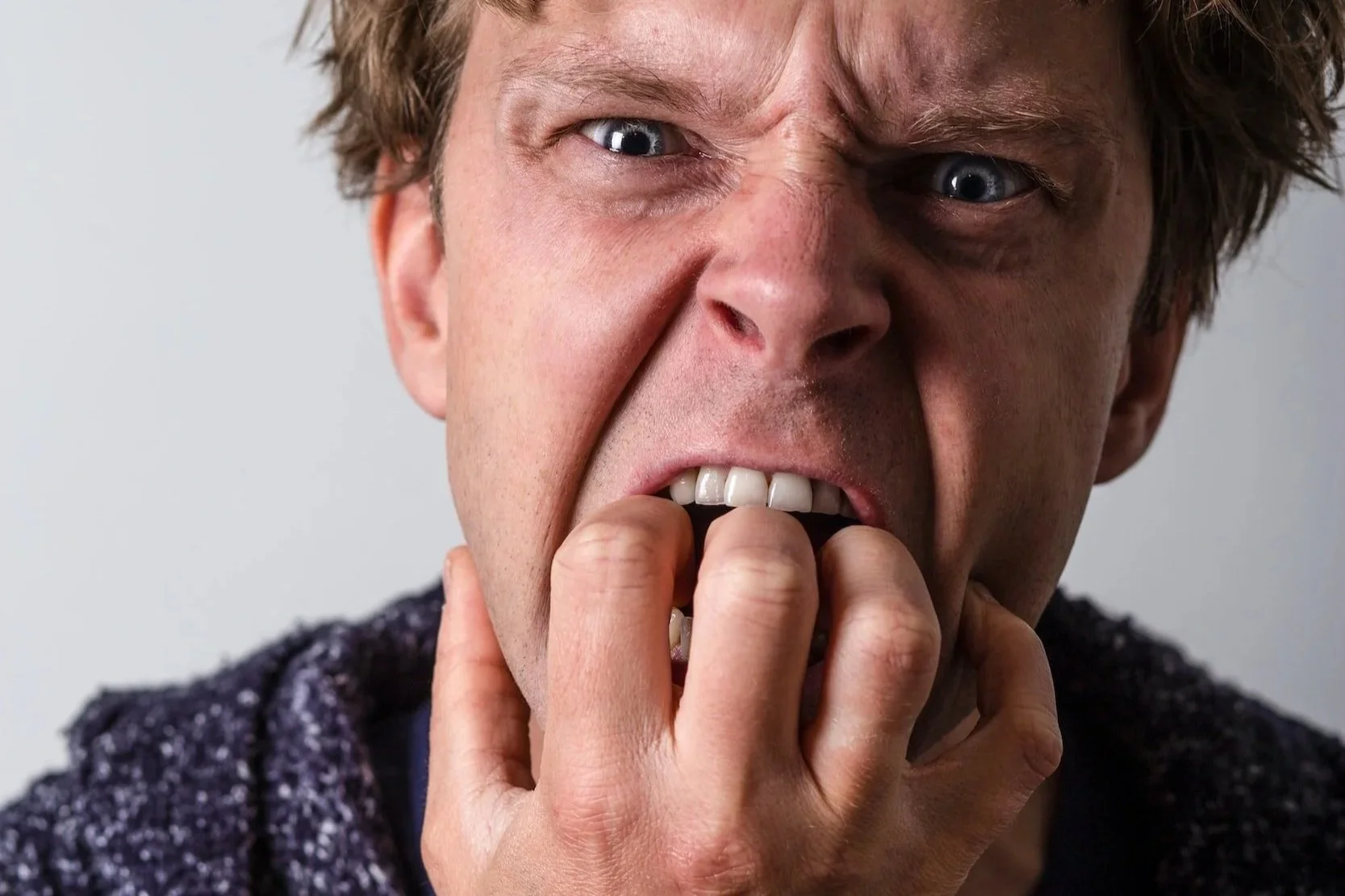
Nail biting is a very common habit that can start in childhood and continue throughout your life.
If you have this habit, you probably worry about the damage that it does to your nails and how it affects the appearance of your hands. But nail biting can do more than make it hard to wear nail polish. It can also impact your oral health and make you more likely to need a trip to an after hours dentist to repair the damage.
Why Bite Your Nails?
There is no clear cause of nail biting, but most of the time it’s associated with stress. This is a habit that often starts in childhood as a natural progression from finger or thumb sucking. Chewing your nails can help relieve tension, anxiety, stress or boredom. So when you find yourself in a situation that prompts these reactions, you’ll probably find yourself biting your nails. Unfortunately, this can be a difficult habit to break, even if you know that you’re damaging your oral health every time you bite.
How Nail Biting Affects Your Oral Health
Biting your nails can seriously affect the health of your gums and your teeth in a number of ways. Here are some of the problems that you might encounter if you bite your nails:
The grinding action can wear away the enamel on your teeth and cause cracked or chipped teeth.
Your nails get harder when you constantly bite them, which means that chewing them is even more difficult and will cause more damage the longer you have the habit.
Biting your nails puts pressure on your teeth, which can cause them to shift and leave gaps in your smile.
Biting your nails can weaken the roots of your teeth and cause your jaw bone to reabsorb them, which means that the affected tooth or teeth will fall out.
There is a lot of bacteria under your nails and every time you bite them you’re transferring it to your mouth, which can lead to gum disease.
Nail biting can do damage to your temporomandibular joint or TMJ, which can result in jaw pain or chewing difficulties.
If you chew your nails you’re more likely to develop Bruxism, which is a chronic teeth grinding habit that causes oral health problems as well as headaches and muscle pain.
How to Break the Habit
Breaking any habit is difficult and nail biting is no different. However, it’s also essential to break this habit if you want to protect and maintain your oral health. If you’re ready to get rid of this habit, here are some strategies that will help:
Find something else to do with your hands when you’re nervous, such as playing with a stress ball.
Keep your nails cut short and neat or get a manicure so they look too nice to ruin.
Get bad tasting nail polish from the chemist and put it on your nails.
Identify activities or experiences that set off the nail biting and plan to do something else instead.
Ask the people around you to stop you every time you start to bite your nails.
All of these strategies will help you find a better way to deal with negative emotions. And they will also help you avoid a late night visit to an after hours dentist with a serious dental problem.
Emergency Dentist Sydney Says
If you have a dental emergency, contact our Emergency Dentist in Sydney. Our caring and expert staff are available 24 hours a day to help you with all your emergency dental needs.
Need Advice Or Emergency Dental Care In Sydney CBD?
Contact our friendly team


Is Tooth Enamel Loss Really Permanent?
Keep it Healthy
Keep it Healthy
Your tooth enamel is pretty tough and it has to be. It’s under constant assault from foods and drinks, not to mention the bacteria that grows in between brushing. Plus, every time you drink a soft drink or eat something sugary, it makes your enamel weaker. And that’s a problem because your enamel defends your teeth against decay, and when it gets damaged you’ll probably end up having to make an emergency trip to an after hours dentist. If you want to avoid that, here’s what you need to know about this essential part of your teeth.
What is Enamel?
Enamel is the hard coating over the softer parts of your teeth. It’s made primarily of a mix of minerals, and is the hardest substance in the body, harder even than your bones. However, once your enamel is damaged or worn away, it doesn’t grow back. Though your dentist can repair small lesions that weaken enamel, once it’s gone you’re going to have serious problems with your teeth for the rest of your life.
There are a number of things that can damage the enamel on your teeth. The most problematic are:
Soft drinks, because the high sugar content eats away at the enamel and weakens it overall.
Sugary foods, which have the same effect as soft drinks.
Certain medications can soften the enamel.
Conditions like Bruxism or teeth grinding, because the constant motion wears the enamel away.
Diseases like Acid Reflux Disease, where stomach acids rise from the gut and can wear away the teeth.
Genetics.
How to Tell if Your Enamel is Worn
It’s usually pretty easy to tell if your enamel has been damaged or worn away in any areas. With the enamel gone, the soft inner surfaces of your teeth will be exposed to the open air and to any food and drink that you consume. This means that the affected teeth will become discoloured or stained more easily. Your teeth will also become more sensitive to hot and cold foods or drinks.
Enamel is very strong, which is why your teeth are fairly hard to break. But when the enamel wears away, you will also notice that your teeth chip or break more easily. This is why you need to visit your dentist if you notice any changes in your teeth. Because once your teeth start to break, fixing the problem becomes much more difficult.
Strengthening and Repairing Enamel
Once your enamel is gone, it can’t be replaced. However, if you know ahead of time that your enamel is thinning then you can take steps to try and boost its health. That’s one reason why you need to make regular trips to the dentist for check-ups, because they’ll be able to tell you if you have a problem with your enamel.
Products that contain fluoride can be very helpful in keeping your enamel strong. Fluoride acts as a barrier between food and drinks and your enamel, preventing damage or degradation. You can also find toothpastes that contain minerals that will help to strength enamel weak spots by inundating them with calcium. This will help prevent further damage to the enamel and hopefully prevent it from being completely worn away from your tooth or teeth.
How to Prevent Enamel Loss
You can’t replace enamel that’s been lost, that’s why the best strategy to preserve your oral health is to avoid things that cause damage. So if you grind your teeth, talk to your dentist about a mouth guard. Try to avoid medications such as aspirin which cause enamel erosion. Avoid sugary foods and drinks as much as possible. And most of all, take a proactive role in your oral health. This means informing yourself about the health of your enamel and talking to your dentist about any issues before they become serious problems.
Emergency Dentist Sydney Says:
If you have a dental emergency, contact our Emergency Dentist in Sydney. Our caring and expert staff are available 24 hours a day to help you with all your emergency dental needs.

Use It or Lose It
Health Insurance Benefits Are About to Expire
Health Insurance Benefits Are About to Expire
If you have health insurance that includes dentistry, then you need to make sure you get the most from it. Unfortunately, not everyone knows that their dental benefits may run out at the end of the year. So if you want to get the most from your insurance, here’s what you need to know.
About Health Funds
Every health insurance fund is different and offers different benefits and rules. Generally speaking, these funds usually cover all or part of your regular dental check-ups. This means that you should probably get two visits to your dentist a year that are covered by your insurance. Unfortunately, if you forget about this, put it off, or don’t understand the rules, you’ll miss out.
The majority of health funds have a benefit year that starts on the 1st of January and ends on the 31st of December. Of course, this doesn’t mean that your fund runs out on New Year’s, leaving you uninsured. Instead, it means that if you don’t use your dental benefits before the end of the year, they will expire. So basically, you’ll be paying for dental visits that you aren’t using. This is both a waste of money and a missed opportunity, because having regular dental check-ups is essential for your oral health.
Use Your Dental Benefits
Check your policy
Every health fund and policy is different. So check with your provider and learn about the dental benefits that you should be getting from them. Also, make sure that you make note of any expiry dates and keep them in mind, particularly at this time of the year.
Make an appointment
If you have benefits that are about to expire, make an appointment with your dentist before the New Year. This will improve your oral health over the Christmas period, when you really want your pearly whites to look their absolute best. It will also help you to avoid pain, discomfort, and a visit to the after hours dentist during the festive season.
Emergency Dentist Sydney Says:
So make sure you’re getting what you paid for this Christmas Season. Contact our Emergency Dentist in Sydney and get your teeth in the best health possible. Our caring and expert staff are available 24 hours a day to help you with all your emergency dental needs.

Do All Toothaches Come From Bad Hygiene?
The Truth About Your Sore Tooth
The Truth About Your Sore Tooth

If you have a toothache you might worry that it’s because of bad hygiene. This worry could make you embarrassed to visit your dentist, because you don’t want to be told that you aren’t taking care of your teeth properly. But there are a number of reasons why your tooth might hurt and send you to the after hours dentist, and some of them have nothing to do with your oral hygiene. If you want to understand why your tooth is hurting, here are some of the most common causes.
The Effects of Bad Dental Hygiene
As Dr. Oberoi from Emergency Dentist Sydney says, “Toothaches are caused by nerve pain, gum infection, trauma, wisdom teeth, grinding, or extreme sensitivity. There are a lot of reasons why your teeth may hurt.”
However, problems associated with toothache are most commonly caused by bad dental hygiene. That’s why it’s so important that you brush and floss regularly and visit your dentist for regular check-ups. This will prevent any problems from getting worse and help you avoid getting a toothache.
The most common dental problems caused by bad dental hygiene are:
Tooth decay or cavities.
If you have a toothache, it’s very likely that it’s because you have tooth decay because this is the most common cause of dental pain. Tooth decay is caused by poor oral hygiene. So make sure you brush and floss regularly if you want to avoid a trip to the after hours dentist with a hole in your tooth.
An abscessed tooth
If you ignore tooth decay for a long time it may result in an abscessed tooth. This is an infection within the tooth that occurs when a cavity penetrates down to the pulp of the tooth. It can result in severe pain, infected and swollen gums, and can even result in the loss of a tooth.
Gum disease
If you neglect your oral health it will do more than make you more likely to get a cavity. It can also cause gum disease. Gum disease occurs when plaque builds up on your teeth and isn’t regularly removed. Plaque contains millions of bacteria which attack the gums, causing redness, swelling and bleeding. If gum disease is left untreated it can cause tooth loss and other serious problems.
Toothaches That Aren’t Related to Hygiene
There are also a number of common dental problems that can cause a toothache and aren’t related to your dental hygiene. These include:
Injury or trauma
This is a very obvious cause of pain. If you fall or hurt yourself during sports you can crack a tooth or damage your gums, both of which cause pain. If this occurs, see an after hours dentist as soon as possible to avoid further damage.
Wisdom teeth
Most people just don’t have room in their mouth for their wisdom teeth. This doesn’t stop them growing however, and if there isn’t room for them they can become impacted. This can result in infection or it can push your other teeth out of alignment. When wisdom teeth become impacted they’re very painful, and the pain is usually centred at the back of the mouth. So if you experience this pain, visit your dentist as soon as possible to avoid further problems.
Teeth grinding
If you grind your teeth at night you probably won’t know it until your teeth start to hurt. Grinding can wear down the enamel on your teeth, causing pain and trauma as well as other dental problems. So if you think that you grinding your teeth then you need to talk to your dentist about it as soon as possible.
A number of dental problems can cause pain and some of them are caused by poor oral hygiene. But this isn’t all bad, because it means that you can avoid these problems by taking care of your mouth and teeth and by visiting your dentist for regular check-ups.
Emergency Dentist Sydney Says:
If you have a dental emergency, contact our Emergency Dentist in Sydney. Our caring and expert staff are available 24 hours a day to help you with all your emergency dental needs.
Patient Care First

Keep Up-To-Date with All Things Oral & General Health
RECENT ARTICLES


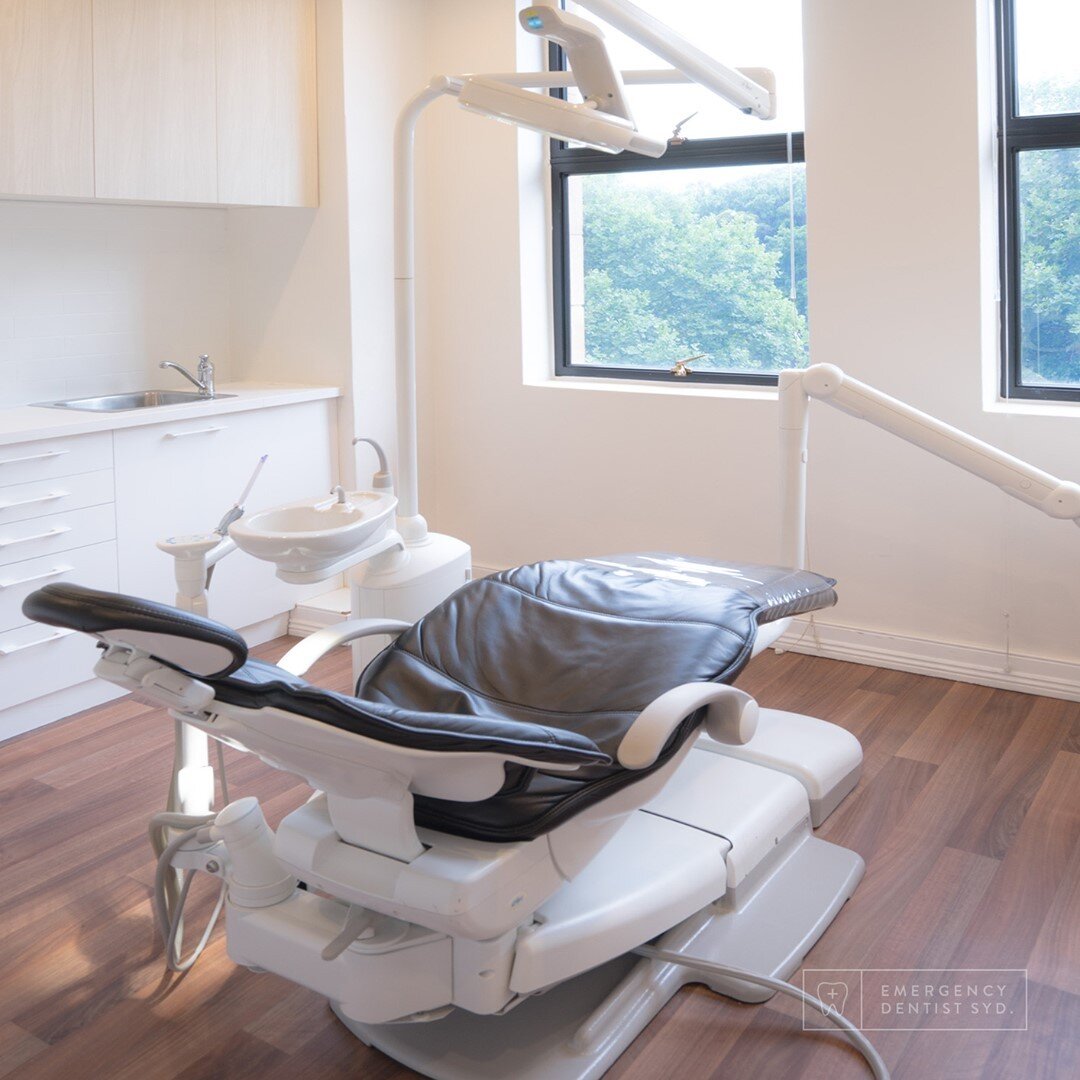
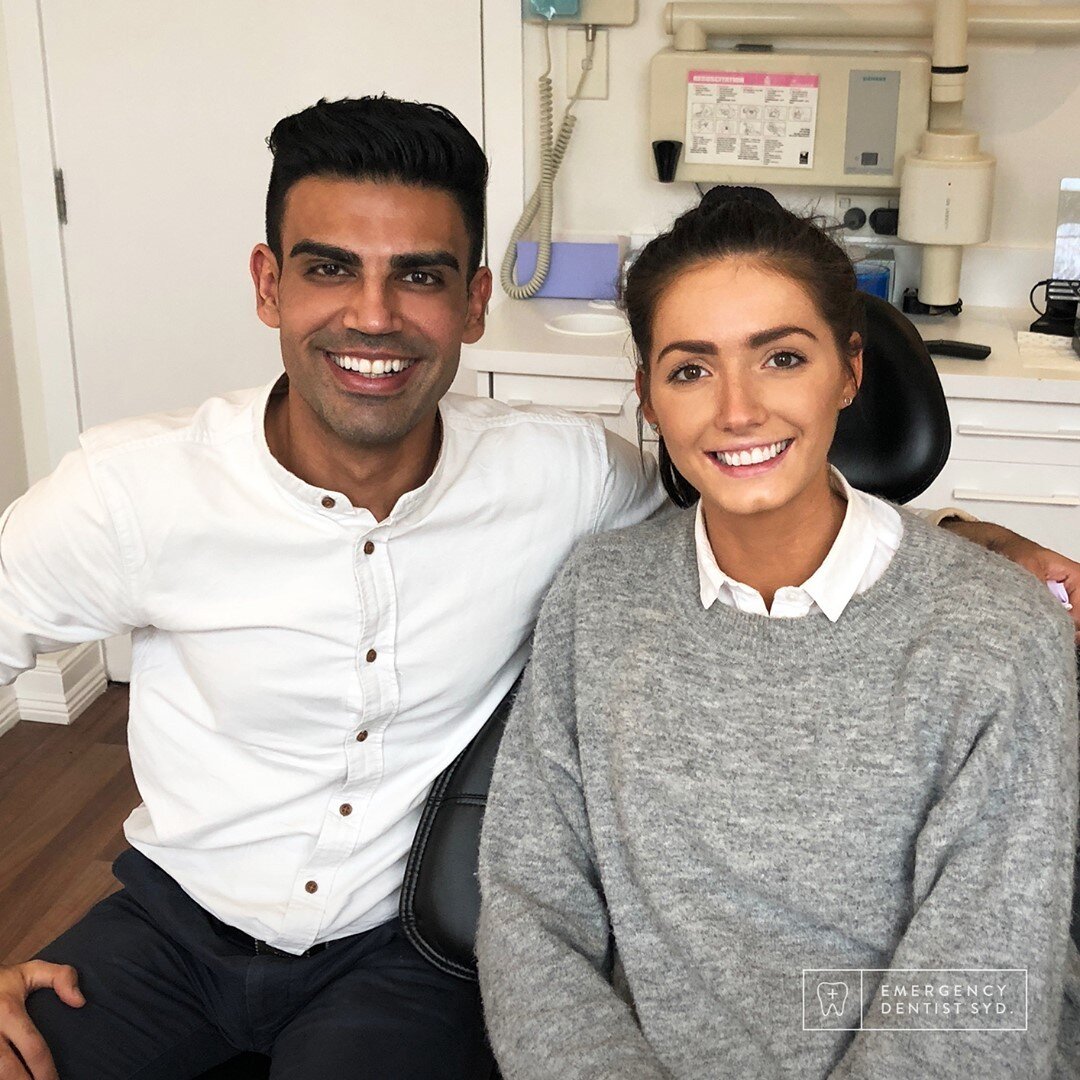



For 15 years, we've had one mission - when Sydney has a dental emergency, Emergency Dentist Sydney is there
We're proud to celebrate 15 years of providing emergency dental services to Sydney CBD and surrounding suburbs.