
Why You Should Never Just Assume You Need a Filling
Toothache
Toothache

Even if you are usually fairly fastidious about your oral healthcare routine, and you try your best to keep up with those recommended regular dental checkups there may very well come a time when you are blindsided by a sudden toothache. Not fun, and often not easy to soothe.
It's at this point that many people assume that, despite all of their best efforts, they have a cavity and it's time to steel their nerves to head into the dentist's office for a filling. However, although often that does turn out to be the case (and modern fillings are painless and very natural looking by the way, so it's not the end of the world) it is not always a cavity causing that pain, and other forces may be at work.
Here's a look at some of the other possibilities...
Sensitive Teeth
If the pain occurred - or occurs - after eating or drinking something very hot, or very cold, then it may be caused by a fairly simple case of sensitivity. While there are lots of toothpastes available that are designed to help ease this the best first course of action is a visit to the dentist. There he or she will be able to rule out things like excessively thinning tooth enamel or receding gums, conditions which have to be treated in a different way, and then recommend a suitable daily oral health care routine to follow in the future to minimise the problem.
Cracked or Chipped Tooth


Even if you can't quite see it a crack or chip in one of your tooth may be the cause of your discomfort, as even the smallest of these can expose a nerve, leading to a surprising amount pain. Your dentist has a number of methods at their disposal to repair these defects, but they can't do that until you go in and see them!
Gum Disease
Sometimes the pain you assume is radiating from a tooth gone bad is actually coming from the gum surrounding it instead. A gum infection, which can be caused by a number of different things, can be excruciatingly painful and does need to be treated as soon as possible. Often a course of dental laser treatment and cleaning, along with medication to clear up the current infection, is extremely effective and you can be out of pain very quickly.
TWhen You Need More than a Filling
Some tooth decay cannot be effectively treated with just a filling. If a tooth is significantly damaged by decay its root is often affected as well, and in this case slightly more treatment is called for, often in the form of a root canal, if the tooth is to be saved. This is a scary prospect for many, as they have heard nightmarish tales of pain and agony that lasts for days. This is not the case at all in the 21st century. A root canal can be performed quickly and efficiently using dental lasers and the pain and discomfort is minimal (really).
Emergency Dentist Sydney Says:
It's easy to try to treat a toothache at home because you don't have the time/patience/guts to head to the dentist's to get it properly diagnosed and treated. But even if a toothache seems fairly minor, or it comes and goes, tooth pain is always a sign of a problem of some kind, and the faster you get it treated the better off you - and your oral health in general - will be.

Soft Teeth
Is there really such a thing?
Is there really such a thing?

If you haven't said it yourself chances are that you've heard someone say it; I have soft teeth. But exactly what is that supposed to mean and is there really such a thing? The simple answer is no.
The Soft Teeth Myth
People often use the term 'soft teeth' to describe teeth that seem 'naturally susceptible' to tooth decay and cavities. When using the term people believe that such things are caused by some genetic flaw, as bad teeth do seem to run in their family. However, they are mistaken. Everyone is 100% in control of their dental destiny. No matter how many cavities your Dad has had fixed, or how many times your Mum has been in the dentist's chair to get bleeding gums looked at their oral health problems cannot be passed on to you.
There may be something that you have in common with your parents and other family members that may be contributing towards oral health problems; poor oral hygiene, and you are the only person who can change that.
Preventing 'Soft Teeth' Problems
Having established that there really is no such thing as soft teeth all of the problems that people associate with them are very real and do need to be addressed. Tooth decay - which leads to those fillings - is primarily caused by bacteria, and maintaining a good daily oral health routine will go a long way towards preventing it. Brush twice a day - at least - with a good toothbrush, floss at least once a day and avoid consuming too many sugary foods; it's not hard at all, but such a routine is still very effective.
There are of course other factors that can contribute to tooth decay. Those who still smoke are at greater risk and some medications can cause problems as well. The best way to address these issues is to discuss them with your dentist, so they can help you come up with a better way to care for your teeth. And speaking of the dentist, they are the other big part of the puzzle, as those regular checkups are also a must in the 'battle' against tooth decay and other oral health problems.
Setting a Good Example
The one time you can influence someone else's oral health destiny is when you are raising your kids. It's important that kids are taught about good oral health practices as early as possible, even when they still have their first set of teeth. All too often parents feel that toddler tooth problems are less serious and less worthy of treatment as the teeth kids have at this point are not permanent. Another myth. 'First tooth problems' can indeed impact the growth and development of permanent teeth and so establishing a good oral health routine right from the start, including dental checkups, is essential, and the one time it is a family issue!
Emergency Dentist Sydney Says:
It's time to face facts; ‘soft teeth’ ae a myth. They’re just teeth that need better care, and the responsibility for that care begins with you (and your dentist of course.)

Toothache: What to Do When the Pain is Too Much
An expert opinion...
An Expert Opinion
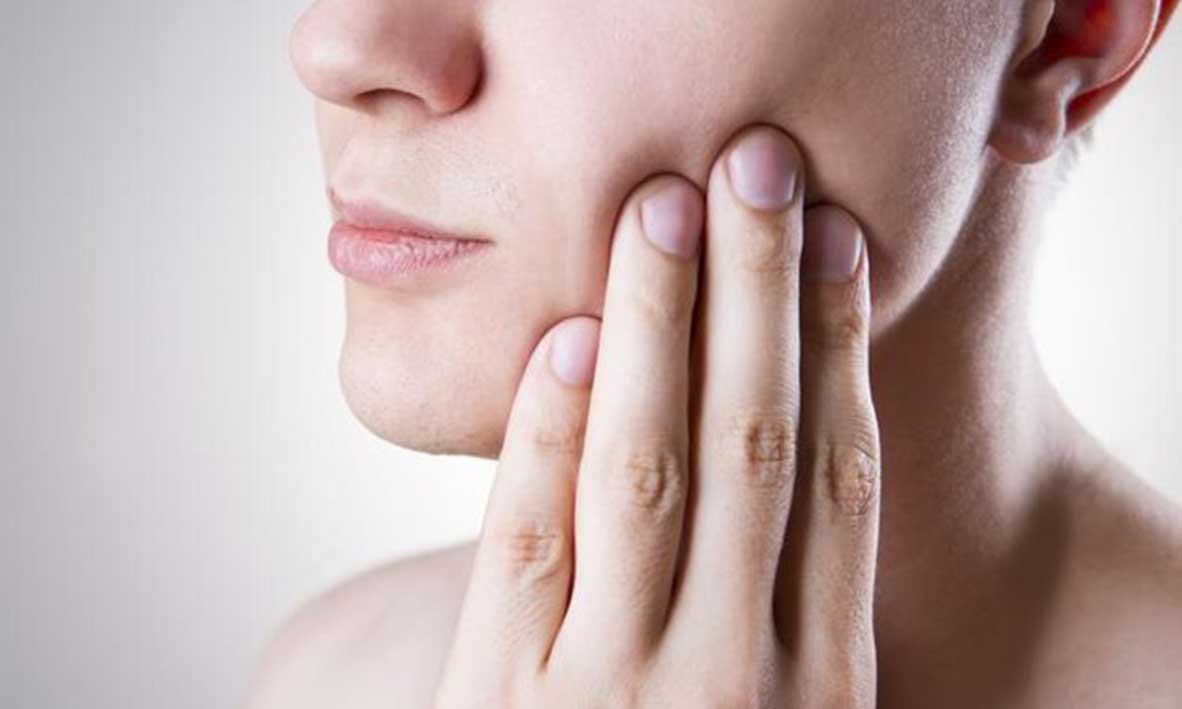
A severe toothache can, as many know, be a real nightmare. The pain can be horrible and, at its worst, it can be unbearable. And when pain is unbearable, people do silly things. If you Google toothache you'll quickly find page after page of advice on how to cope with it. Some of it's good, but an alarming majority of it isn't and can even make things worse.
Why Does a Toothache Hurt So Bad?
In many ways, a toothache is a unique form of pain unlike any other you might experience in your body. For starters, this is literally a pain in your head, so it's almost impossible to find a comfortable position that might help alleviate the pain in the way you might for, for example, a sprained ankle.
Secondly, a tooth does not respond to trauma in the way other parts of your body do. If you hit your arm hard it bruises, because the injury is being mitigated by a rush of blood to the damaged area that is the beginning of the healing process. But because a tooth is a solid, closed container - even though it's full of soft tissues and a surprisingly large number of nerves - the blood supply is not as plentiful and the healing process is not as effective.
Finally, often a toothache has an underlying, hidden to the untrained eye cause. If you have a broken or cracked tooth then the reason for the agony you're in is a little more obvious, as that sensitive soft pulp is usually exposed to the world and it's easy to understand why it hurts. However, if a tooth is infected or decayed, or perhaps there's an underlying gum problem, it's harder to see and harder to understand. In fact, all you know is that you're in pain and you want that pain to stop as soon as possible.
The Wrong Ways to Deal with Tooth Pain
As we mentioned, some people get pretty desperate when they are stuck with a toothache that just won't quit. Two aspirins didn't work, so they take four. Four don't work either so they take four more. That, however, is a terrible idea. The correct dosage of an anti-inflammatory OTC pain reliever might provide some relief - hopefully it does - but if it doesn't, taking so many more that you start to rattle a bit is not going to help.
It also won't help to try to booze away the pain. Well, it might for a little while, if you drink enough, but within a couple of hours you'll have a banging hangover AND a terrible toothache to contend with and, if you were also popping Advil, you could seriously have damaged your health.
Then there are those weird home remedies that Google's thrown up for you. A few temporary pain killing home remedies do work (more about that in a moment) but most are nonsense. Some suggest gobbling garlic over a visit to a dentist asap, but unless you are also dealing with a vampire infestation or something, that really won't help. And don't even think about trying something daft like pulling your own tooth, whatever Grandpa might say.
The Right Ways to Deal with Tooth Pain
A toothache almost never goes away on its own. And even if it does dissipate for a little while, it's usually back pretty quickly. For tooth pain you really do need to see a dentist and you need to see one asap. If, while you are waiting for your dentist to open, or for an emergency dentist to have you come in, you want to try rinsing with warm salt water or dabbing the painful tooth with clove oil (dabbing, not swallowing, the stuff can really burn) these are things that might provide a little temporary relief. However, in the end, even if you're not a big fan of them, a trip to the dentist is your best chance at finally getting rid of a toothache, and the sooner you get there, the faster you'll feel better.
Emergency Dentist Sydney Says:
Toothache is horrible and it's one of the biggest reasons emergency dentists exist in the first place. 'Toughing out' a toothache isn't being brave, it's being silly. So when toothache strikes at the wrong time, give us a ring, it's the only sensible thing to do.
Need Advice Or Emergency Dental Care In Sydney CBD?
Contact our friendly team


Mending A Broken Smile
Cosmetic Dentistry in the 21st Century...
Cosmetic Dentistry in the 21st Century
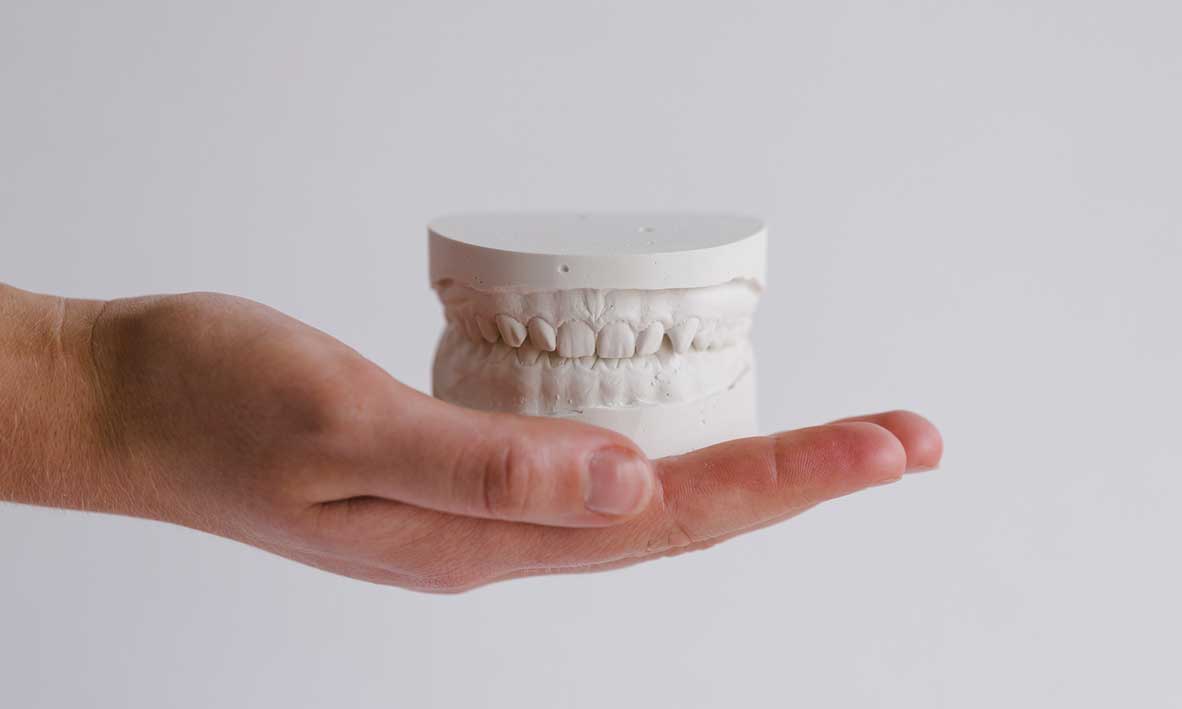
There is no doubt that the way your teeth look is important. And if they are damaged it's often hard to hide that fact, something that many find more than a little distressing.
The good news is that cosmetic dentistry has come a long way over the last few decades and it is continuing to get better and more innovative every day. This often means that even teeth that a person thought were beyond repair can not only be fixed but restored to their former glory in terms of aesthetics as well.
There are lots of ways teeth can be damaged and there are also a number of other cosmetic dental issues that simply develop to spoil your smile. Here's a look at some of the most common and how they are treated.
Missing Teeth
Losing a tooth as a kid is exciting. It means you are growing up AND you're likely to be waking up to a few extra dollars left in the night by the elusive tooth fairy (no, before you ask, even dentists have no idea what she wants all those teeth for) Losing a tooth as an adult is a very different matter. It's traumatic, shocking and ultimately very upsetting. How are you supposed to the face the world with that big embarrassing gap in what was once a nice smile?
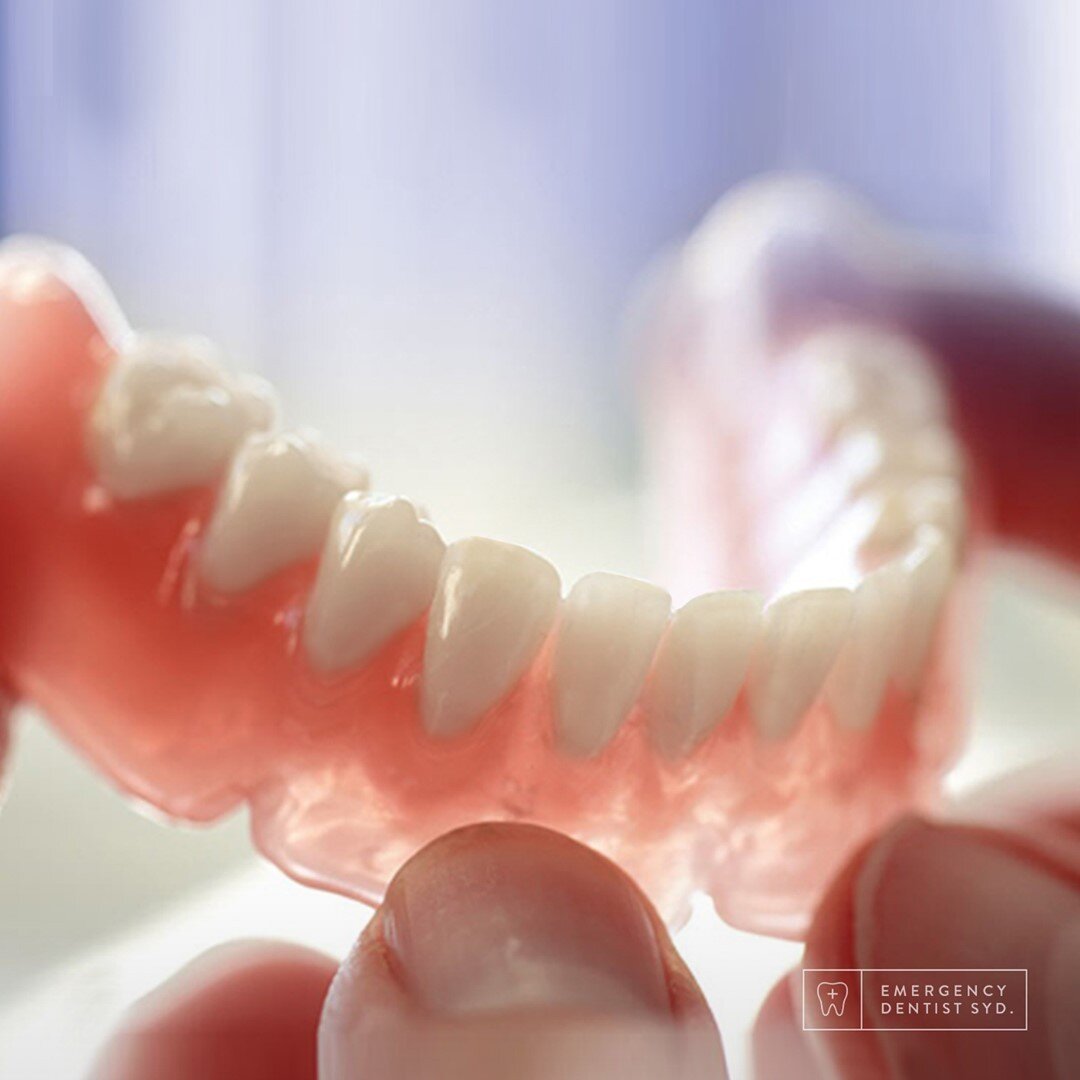
Thanks to the skill of a good cosmetic dentist a missing tooth does not have to be the end of the world (or the end of that nice smile anyway) The treatments used vary according to the location and size of the missing tooth but bridges, crowns and implants are all ways that a 'gappy' smile can be restored to its former glory with relative ease.
Cracked/Broken Teeth
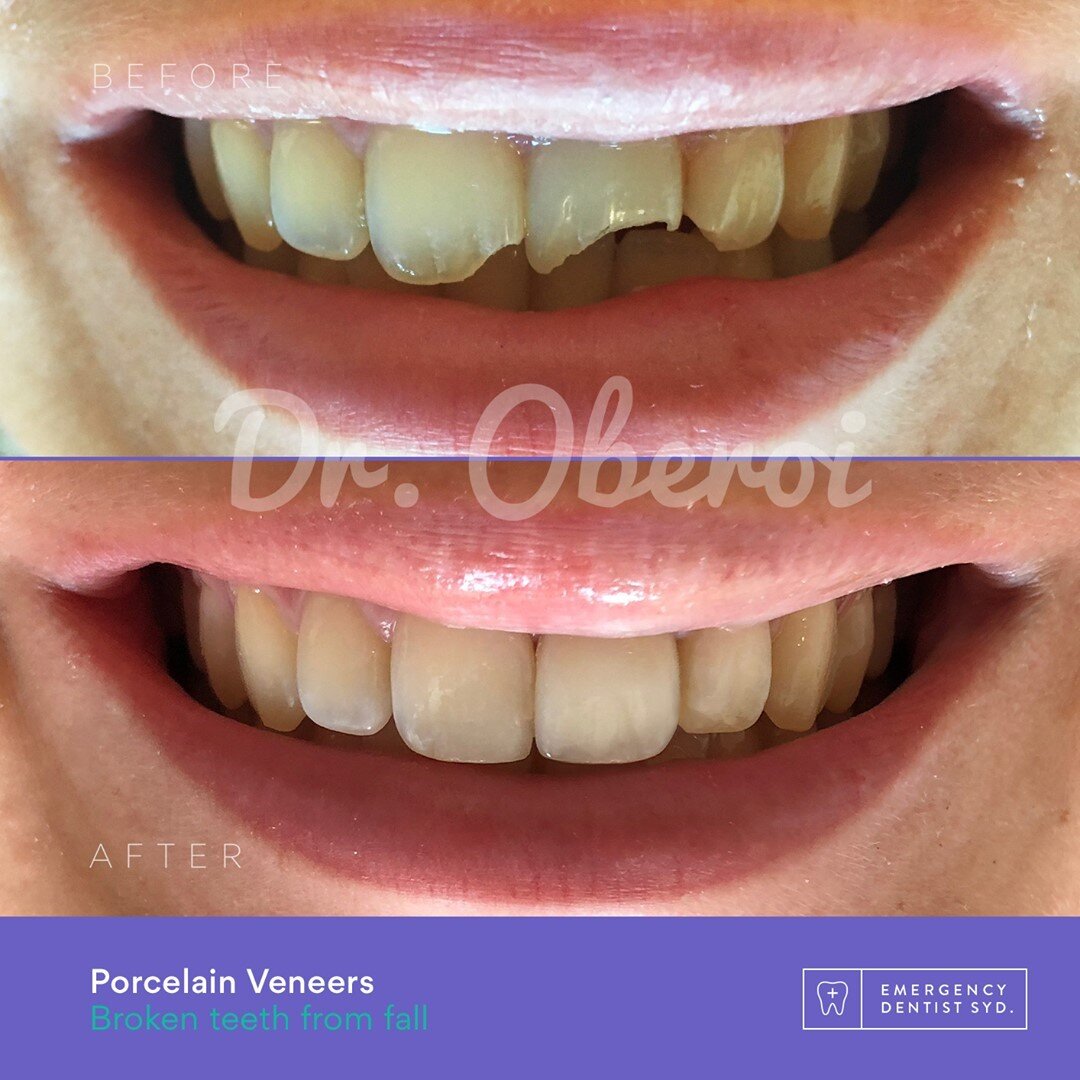
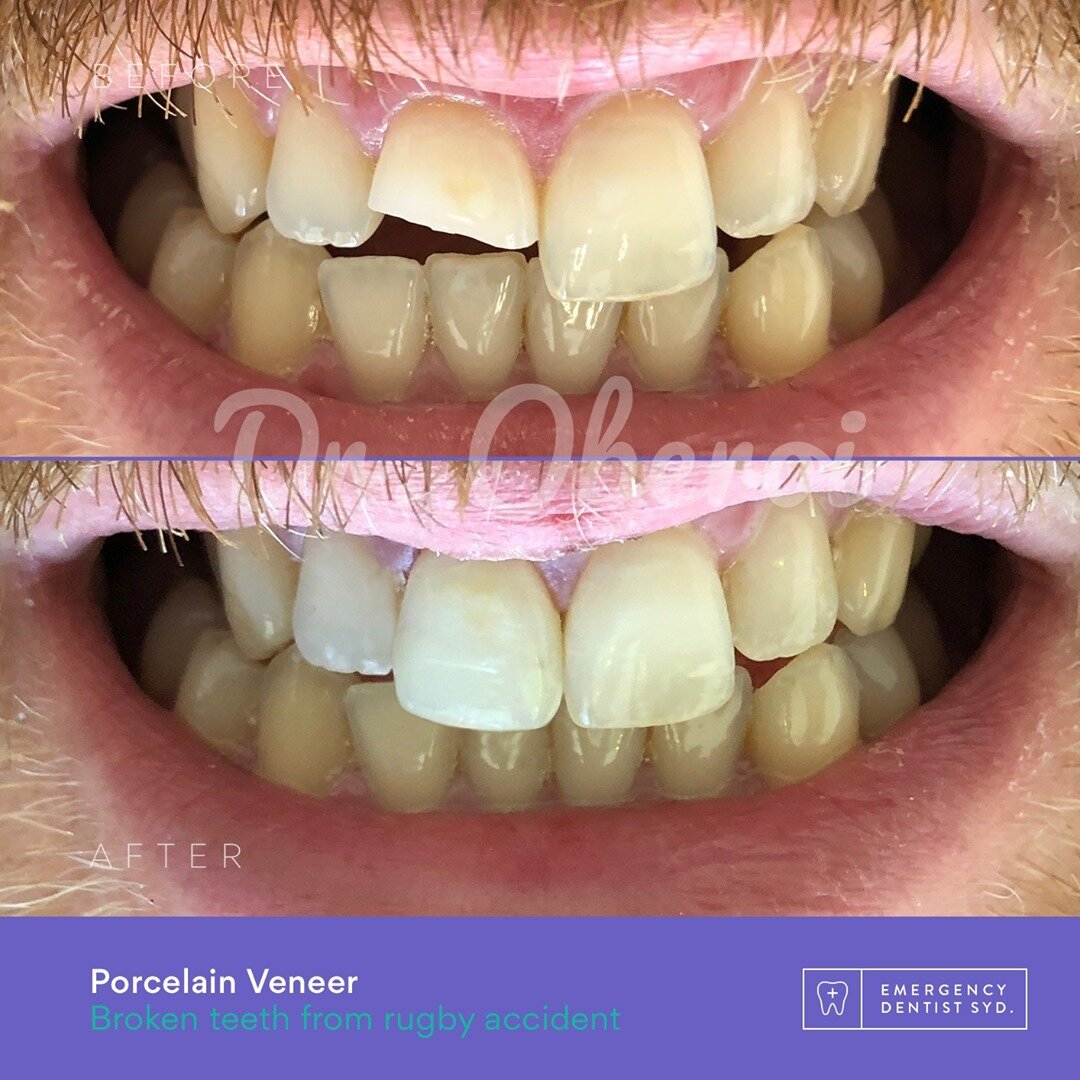
It's easier than you might think to crack, chip or break a tooth. They may seem tough but a particularly crispy apple, an argument with a pavement or a dozen other accidental scenarios are more than a match for tooth sometimes, and even though it survives the trauma it doesn't do so intact, leaving you with a damaged tooth that not only looks pretty bad but is also now prone to decay, infection and further collapse if not treated promptly.
Natural looking fillings, a treatment known as bonding, crowns and other cosmetic dental innovations can be used to correct all kinds of cracks, breaks and similar damage to teeth, but for them to be most effective you will need to see your dentist asap after the damage is first done.
Discoloured Teeth
Seems like everyone is in pursuit of that dazzling white smile these days. The chemist's is not really the best place to begin your quest though. Most over the counter whitening kits are both pretty ineffective and often contain harsh chemicals that can actually damage teeth. Your dentist, on the other hand, has the safe, effective and long lasting whitening solutions you are looking for, as well as a few tips for how changing the way you eat, drink and care for your teeth can keep them that way.
Emergency Dentist Sydney Says:
Cosmetic dentistry can work wonders, but don't overlook the fact that preventive care can also help keep teeth stronger, healthier and less prone to damage in the first place.

What's The Point of Wisdom Teeth Anyway
The evolution of wisdom teeth...
The Evolution of Wisdom Teeth

With such a grand sounding name you'd think that wisdom teeth served a grand purpose in the scheme of things related to your oral health. And, once upon a time, it's believed they certainly did. These days, however, for many people, they are nothing more than a big pain, literally.
What are Wisdom Teeth Anyway?
Although you may not have ever actually seen yours very clearly, everyone has two sets of wisdom teeth, one at the top, one at the bottom, at the very back of your mouth, behind the molars. These teeth often appear last, sometimes when a person is in their teens, occasionally not until some time later.

Why Do Wisdom Teeth Exist?
Wisdom teeth were once something of a puzzle to dentists and other medical professionals. It's now generally agreed however that they are evolutionary throwbacks that no longer serve the purpose they were designed for.
You see, back when prehistoric man - and woman - roamed the Earth their primary diet was, obviously, very different to ours. Lacking a cave-based Woolworths to food shop in they ate a lot of pretty tough, chewy stuff, including sticks and reed plants. This usually led to teeth falling out and wearing down, so wisdom teeth could move in as replacements.
As we all know eat much softer foods, and (should) practice much better oral hygiene wisdom teeth no longer have a purpose. The human mouth is designed to accommodate 28 teeth, so if the wisdom teeth come in, that goes up to 32 and then there's a problem, often a rather painful one.
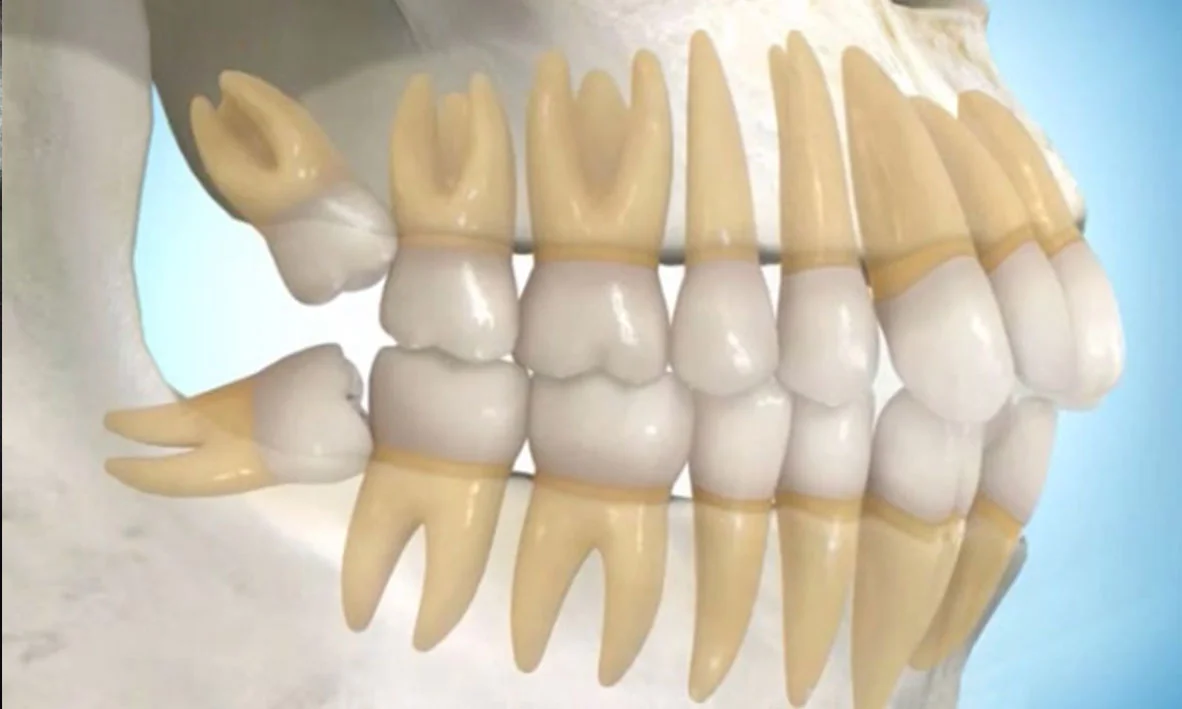
Partially impacted wisdom teeth.
Wisdom Tooth Eruption Problems
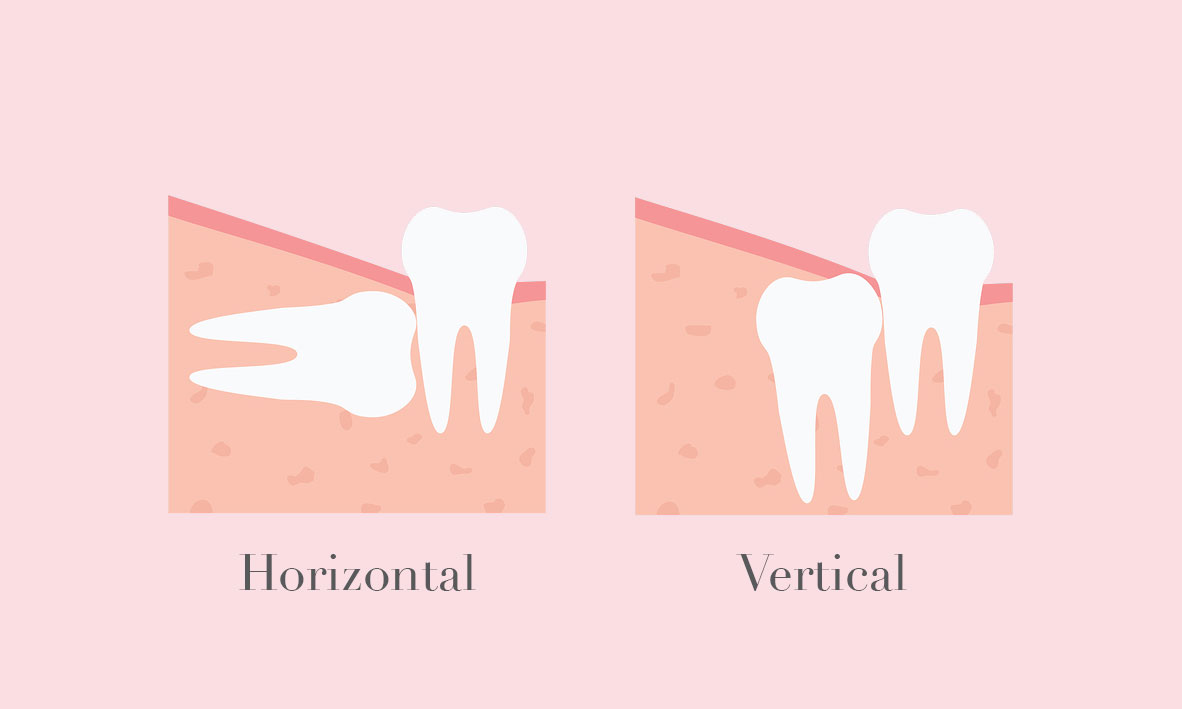
As there is no room for them to exist, it is not very common for a wisdom tooth to erupt nice and straight and then slide in without a problem. Instead, they usually impact, or partially impact, in the gum. There are four common types of wisdom tooth eruption (or lack of) and they break down as follows:
Angular - The wisdom tooth impacts into the gum, behind the molar, at an angle.
Vertical - The wisdom tooth is still straight, but it simply sits in the gum.
Partial Eruption - The tooth partially erupts from the gum and can be seen with the naked eye if you look hard enough.
Horizontal - The tooth 'falls over' and impacts sideways against the adjoining molar.
Wisdom Tooth Problems and What to Do About Them
In any of the scenarios mentioned above the potential for painful problems exists at all times, but sadly it's often at the most inconvenient times that they really become a nuisance. Signs that you probably need to see a dentist about a wisdom tooth can include all the following:
Pain, often centered at the back of the mouth
Swelling in the gum
Bad taste in the mouth
Redness
As an impacted wisdom tooth can cause all kinds of problems, including nasty infections, the usual course of action when one does begin to cause problems is to remove it asap. If the tooth has erupted it is an easier procedure than if it has become impacted but either way, in the hands of good dentist wisdom tooth removal is not anywhere near as bad as some might have you believe, and living with a wisdom tooth gone bad can be much, much worse.
The Emergency Dentist Says:
Did you know that these days it's often better to take a proactive, rather than a reactive approach to wisdom tooth problems? Discussing wisdom tooth extraction as a preventative measure, and then getting on with having it done now, can save you, and the rest of your teeth, a lot of pain and hassle later.

Is It a Dental Emergency?
When to Ask for Help Out of Hours
When to Ask for Help Out of Hours

When does a dental problem become a dental emergency? And where should you go if it is? These are questions many people have asked themselves, when in pain, often at three in the morning, or on a Sunday afternoon when they assume that every dentist in town is closed.
When we think of health emergencies in general, the place we tend to think of heading is the local hospital emergency department. For oral health emergencies, not so much. In amongst the broken bones, fevers and other cases waiting to be attended to it can be very hard to get someone to come and help you with that broken tooth.
The good news these days is that emergency dentists exist. Like hospital emergency departments, they are open seven days a week. This means that not having to suffer through hours of pain and agony waiting for the sun to come up and 9 am to roll around is an option.
To Call or Not to Call?
So, you've determined that yes, an emergency dentist exists in your area. But do you really need to call, or will they think you're just being a wimp? And if you do, is the trip going to cost you extra money that you could have saved yourself by toughing things out until regular business hours?
The fact is that some oral health conditions really are emergencies. If you were fine at 5 pm when you left work but have now been fighting oral pain since 8pm that's a good sign that you'll need help sooner rather than later.
Alternately, if you've had an accident or injury - anything from getting hit while playing footie to awkwardly biting a juicy apple - and you have broken, or even knocked out a tooth - an emergency dental appointment is probably your best bet too. There is only a very limited time to work with to save a knocked out tooth and a big crack can go from unsightly annoyance to serious dental health problem more quickly than you might think too.
On the other hand, if you think your jaw is broken or your lips, gums or tongue are severely severed or damaged it's the hospital you should be headed for.
The best advice we can offer is if you are in oral pain, give the emergency dentist a call. Our staff are trained to help patients determine what is and isn't something they need to be seen for right away and if they should be seeing an emergency dentist or an emergency department doctor. The one thing you shouldn't do? Suffer in silence - or whimper quietly in the corner. Even if your dental problem can wait the emergency dental staff will be able to offer you advice about what to do in the meantime.
The Emergency Dentist Says:
No one should be in pain if they don't have to be. Calling the Emergency Dentist for help isn't silly, it's sensible and it also may be the best way to avoid a serious oral health problem.

Resolving Oral Health Problems in Emergencies
Our best advice for when you least expect it...
Our Best Advice
Most people do know that regular dental checkups are a must for the good of their oral health in the same way that a checkup with their GP is for the rest of their body. What they don't always understand is why emergency dentists exist. That is until they need one that is.
Oral health emergencies - broken teeth, knocked out teeth, severe toothache - are no respecters of schedules and appointments. And as 'silly' as it sounds, until it happens to you, tooth pain can be some of the worst there is, especially at midnight on a Sunday evening. That's why emergency dentists exist though, to help people deal with their oral health emergencies as soon as possible to get the best possible results.
What Can an Emergency Dentist Really Do?
If you have yet to ever need the services of an emergency dentist, you might wonder just what they can do, and how taking a trip to one in the middle of the night, or on a big public holiday, can make a difference versus waiting for an appointment during 'normal' business hours. The simple answer is that often prompt treatment can not only help relieve pain - which is the number one reason people seek emergency dental care - but also get treatments started that, if delayed, could lead to poorer outcomes. Here are some examples.
A Knocked-Out Tooth

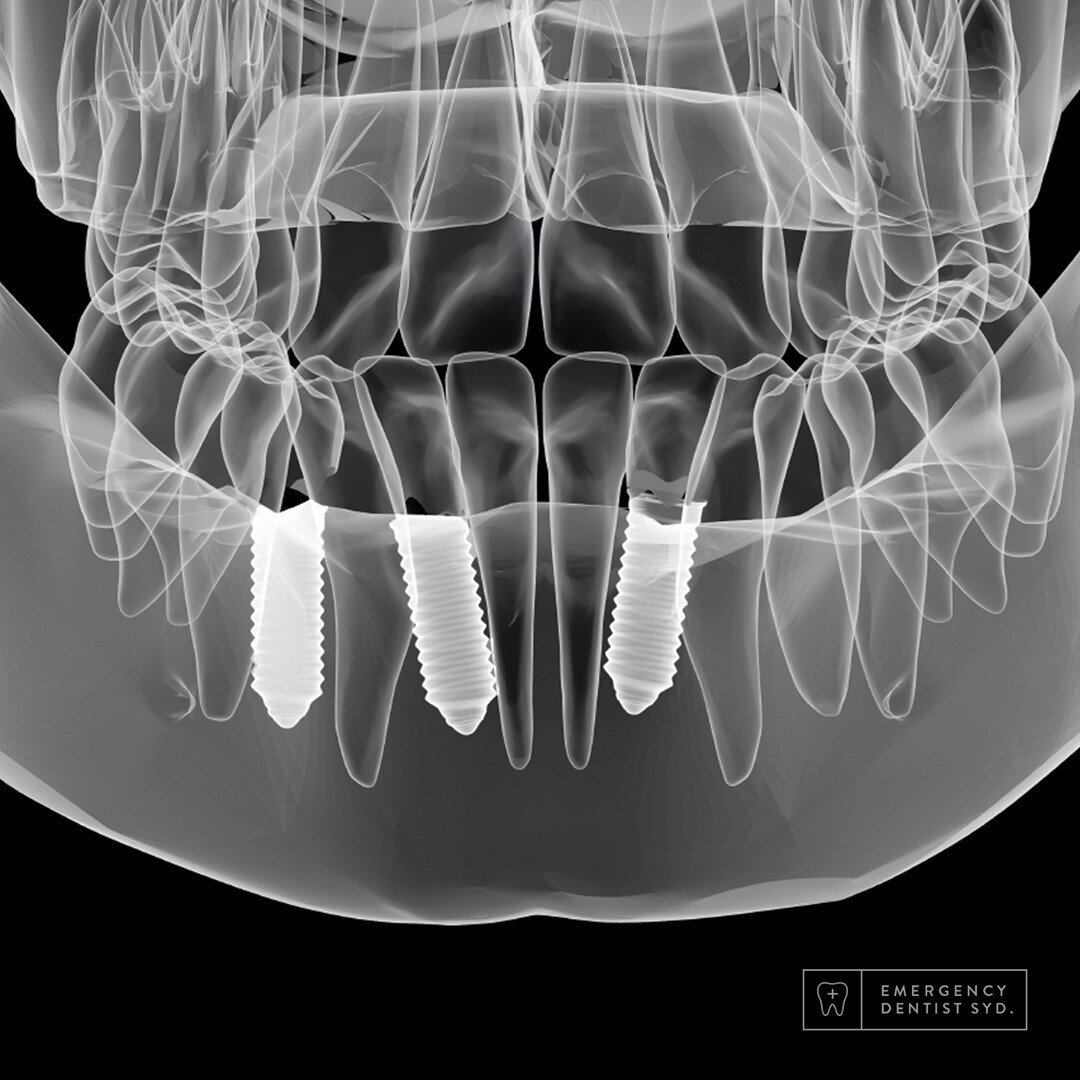
Dental implants have become a popular treatment.
Getting a tooth knocked out is for many one of their worst nightmares, especially if it's one that is in a very visible spot. As shocking and upsetting as it is though, fast action can make all the difference.
What you might not know is that if an adult tooth is intact it can often be saved if action is taken within the hour. So, in this situation, getting yourself - and that tooth - off to the dentist as soon as possible is a must. If the tooth can be re-implanted and it 'takes' you may still need a root canal later but at least you'll still have your natural tooth. And if it can't, it's not the end of the world as your emergency dentist can help get the process of getting an implant or dental bridge to replace it started.
A Painful Chipped Tooth
It's all too easy to chip a tooth. Bite into something a little too hard - a very cold ice lolly, a hard piece of crackling, a very crisp apple - and a piece of your tooth may suddenly be gone.
A small chip doesn't always have to be treated after hours but if there is pain present, discomfort or distress from the appearance of the tooth, it should be treated as soon as possible. As a solution there are a few options depending on the damage. Dental composites (bonding), crowns, porcelain veneers and fillings can all be used to treat a chipped tooth.
Abscesses

Traditional and laser root canal treatment.
Some of the most severe toothache people experience is not actually cause by their teeth at all, but by an abscess, either in the gum or the pulpal (soft) matter in a tooth's root. Pain aside - and the pain can be truly excruciating - these abscesses are often infected, and so treating them immediately is a must. The underlying cause of the abscess - gum disease, tooth necrosis - will probably call for additional treatments but an emergency dentist can begin the diagnosis process and get you on the antibiotics that will treat infection and begin killing that terrible pain.
These are just a few of the conditions that warrant a speedy visit to an emergency dentist, there are more. Although not all oral health emergencies can be solved overnight, the faster you get help, the better, a great reason to make sure that you add the number of an emergency dentist to that list of important numbers in your phone (or on your fridge).
The Emergency Dentist Says:
The faster you get help for your oral health emergency the better the outcome is likely to be. And if you're not sure if yours is a real emergency give us a call and we'll help you figure it out.

Got A Chipped Tooth?
A trip, a fall, biting into a harder than you expected apple, even knocking your tooth a bit too hard on a coffee mug can all quite easily result in a chipped tooth...
It's Now an Easy Fix, Here’s How
It's not hard to chip a tooth. In fact it's a lot easier than you might think. A trip, a fall, biting into a harder than you expected apple, even knocking your tooth a bit too hard on a coffee mug can all quite easily result in a chipped tooth.
The aesthetic effect is what upsets many people most. All that time spent brushing and flossing, going for regular dental checkups and doing just what the dentist said in order to get the best smile possible is now, in their minds, ruined because of a Granny Smith that was more like a rock than a healthy addition to their diet.
But there are other reasons why a chipped tooth can be a problem too. A chip allows bacteria to get into the tooth, where it will eventually erode away the dentine, which is a soft layer that lies directly beneath the tooth enamel. This will eventually result in the soft pulp of the tooth being compromised too, leading to cavities and tooth decay.
Dealing with a Chipped Tooth
So, by now you will have figured out that dealing with a chipped tooth, and doing so as quickly as possible, really is a must. And there is some very good news here. Advances in dental technology have made it possible for a good dentist to treat and fix a chipped tooth more effectively than ever before.
The reason for this is that these days nasty metal fillings - as fillings are often the best solution for a chipped tooth - really are a thing of the past. Today's fillings are not only more durable and somewhat easier for a dental professional to place but they are also tooth coloured.
Not tooth coloured in the way that a plaster is flesh coloured, in that the colour matches someone's flesh somewhere but certainly not yours, but in that the fillings can be mixed to match your unique tooth colour for a finished effect that is not only wonderfully durable but also pretty darn good looking as well.
The Techie Stuff
The way that dentists can do all of this is pretty impressive as well. Using a composite quartz resin - basically a really tough plastic - and a special LED light - once it's in place a filling can be hardened in about ten seconds and within minutes you and your newly repaired tooth will basically be good to go. The new part of the tooth can be brushed and cared for usual and it will be as tough as the 'real' tooth it replaced. Don't forget we're always here after hours during the Christmas season to help you out.
The #EmergencyDentist Says:
We get more incidents of chipped teeth during the December January silly season than any other time. Watch yourself at those christmas parties, new years parties and sprints across the hot sand or cement at the beach ;)
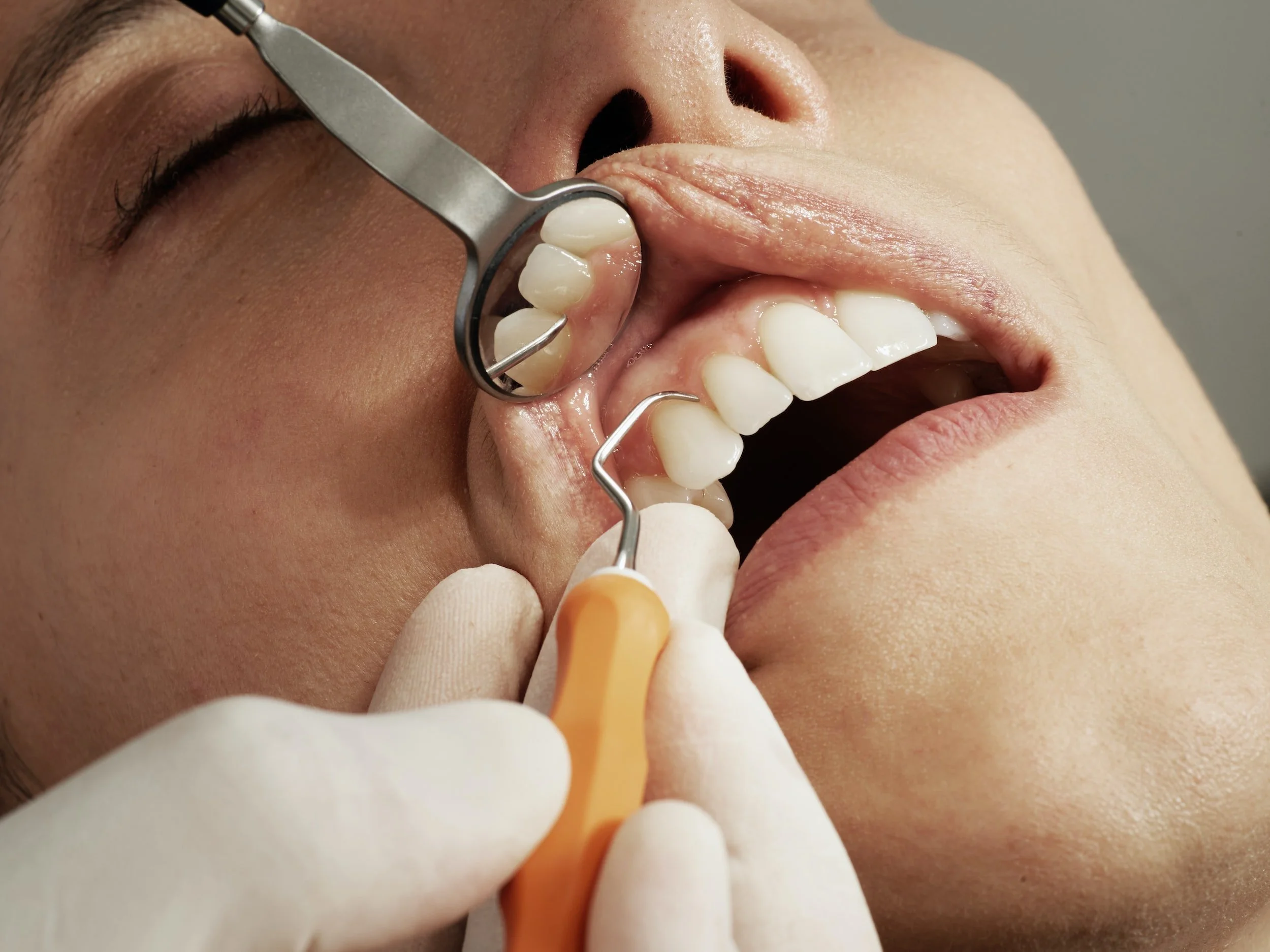
Does a Toothache Always Equal an Extraction?
Does toothache equal extraction automatically? The answer is a little more complicated than you might think...
Here's The Rundown
You've been up half the night thanks to the pain from that nagging aching tooth. Come to think of it, you were up half of the night before as well. Painkillers from the local chemists aren't even touching the pain anymore and you know you really should book an appointment with a dentist ASAP. But you don't like needles and pain, you're not even that fond of dentists and you really don't want to go through a tooth extraction. So you're stalling...
But does toothache equal extraction automatically? The answer is a little more complicated than you might think...
What's Causing the Pain?
Before you start ringing around dentists in Sydney asking about tooth extraction pricing it's important to understand one thing; tooth pain has lots of different causes and they don't all mean that the first thing a dentist is going to want to do is yank the offending tooth out. In fact, it's probably the last thing they want to do as they actually spent all of those years in dental school learning to save teeth rather than just do extraction after extraction.
Alternatives to Tooth Extraction
Because there are lots of different reasons a tooth might be giving you trouble, there are also lots of ways to treat these problems. If a cavity is the culprit then a simple filling may be the answer. If it's actually a gum infection - something that's more common than you might think - then a good deep cleaning and a course of antibiotics often works wonders. A tooth extraction is not even the automatic recommendation when the pain involves wisdom teeth, whatever you might have been told. And the pain may not really even be coming from a tooth at all.
Getting to the Root of the Problem
As we mentioned, the real key to getting to the root of the problem when it comes to a toothache is a careful, considered dental examination. This will often involve taking x-rays and a chat about your past dental history as well as a routine exam. Only then can a dentist figure out what's really going on and present a patient with their treatment recommendations and options.
Isn't It Just Easier to Get a Bad Tooth Out?
In some cases, the problem that's really been causing a nasty toothache may come along with several different possible treatments options and yes, one of them might be extraction and that may sound like it's the quickest, easiest and possibly least expensive way to go.
However, before you choose that option based on time or money, listen carefully to what your dentist as to say. Every tooth in your head is there for a reason, even those pesky wisdom teeth, and if it's no longer there may very well be downsides you don't really won't 'get' until it's too late and the tooth is gone for good.
The #EmergencyDentist Says:

Don't automatically assume that an aching tooth is one that's going to have to come out. Give us a ring, come in for an appointment after hours, or when needed, and we'll work out the best course of treatment for you and your tooth.
Don't forget to checkout our Dental Emergency Care Tips if you're experiencing discomfort.

Sudden Tooth Pain: The Complete List of Causes & Treatments
Brain Freeze! We are all prone to occasional aches and pains that any kind of tooth pain can be particularly bothersome...
Diagnosing What's Causing It.. And Making it Stop!
Brain Freeze! We are all prone to occasional aches and pains, but it's fair to say, we think, that any kind of tooth pain can be particularly bothersome (to say the least.) Like a headache that just won't go away, tooth pain can be truly miserable and the problem's only made worse by the fact that much of the time you can't even be sure why you are in pain or how to begin treat it.
There are, in fact, all kinds of reasons that a tooth (or teeth) may start giving you gip, but these are the ones most commonly seen at Emergency Dentist Sydney:
Pain after Eating or Drinking Very Cold - of Very Hot - Foods
This can be the kind of sharp pain that really knocks you for six, if only for a minute or so. But it keeps happening and all the joy of eating an ice cream or downing a morning cup of Joe is fading fast.
The problem here is often is what the toothpaste ads often refer to as 'sensitive teeth'. There can be all kinds of causes; a slightly exposed nerve, a forming cavity, weakened tooth enamel or gum damage of some kind. In the short term try switching to a softer toothbrush and trying one of the toothpastes made to help 'desensitise' teeth. If the problem is a long term one however make a not to book a dentist's appointment to discuss a better solution.
Pain When Eating or Drinking Hot and Cold Foods After Dental Work
This particular issue is not unusual, especially if you have had a root canal or a filling recently. It's a temporary sensitivity that should disappear in a few days as things begin to heal up properly. In the meantime aspirin can help and following the dentist's post treatment care instructions is a must. However, if the pain persists for longer than expected, or gets worse rather than improving, you should contact your dentist right away.
Pain When Biting on Food
Eating regular, everyday foods should never be painful. And when and if it is, the chances are good that there is a problem that needs to be addressed and probably as soon as possible. The issue may be a cracked tooth, a loose filling, a cavity or, well, it could be a number of things. In this situation make a dentist's appointment as soon as possible so that the cause of the pain can be diagnosed and treated quickly, before any further damage occurs.
Aching Pressure on Upper Teeth/Sinus Area
This one is hard to even begin to self-diagnose as pain from infected sinuses can feel like terrible upper back tooth pain and vice versa. This is because there are a bunch of shared nerves back there, so really only a doctor's visit or a trip to the dentist can determine the true cause. Whatever you do though, wherever you go first, don't wait, because this is a horrible, nagging pain that very rarely goes away on its own.
Swollen, Painful, Inflamed Gums
Gum disease is all too common and if it's not addressed early then 'simple' gingivitis can progress into periodontitis, a condition in which the gums and even the bone that holds the teeth in place can be severely weakened. Often painful, swollen gums are a sign of infection, something that needs to be treated as soon as possible, not only to potentially save a tooth or two but to prevent the spread of infection through the rest of your body.
The #EmergencyDentist Says:

'Oh it's only a toothache'. Not. Tooth pain sucks. Pure and simple. It sucks even more if it strikes outside of 'business hours'. But you don't have to wait it out like a trooper just to try and be big and brave. The Emergency Dentist Sydney can help you anytime time any day when you need us.

Emergency Dental Care Tip #006
Injury to the soft-tissue, which includes your tongue, cheek, gum and lips will result in bleeding. There are some basic things you can do to help control the bleeding...
How To Treat Severed Gums, Lips or Mouth
Injury to the soft-tissue, which includes your tongue, cheek, gum and lips will result in bleeding. There are some basic things you can do to help control the bleeding. Follow this treatment guide:
1. Rinse your mouth. Where possible, use warm water with salt and gently rinse. This process will help cleanse the injured not stop the bleeding.
2. Apply pressure by holding a moistened cloth to the area for 15 minutes. Ideally use a gauze or even a tea bag for this. This will help stop bleeding.
3. Next hold a cold compress to the outside of your face on the opposing side to the injury for 5 to 10 minutes. This will help control bleeding and relieve pain.
4. If the bleeding doesn't stop please call The #EmergencyDentist Sydney on 02 8283 6493. Repeat steps 2. and 3. until you are treated.
The #EmergencyDentist Says:
Handle with care and call us!

Emergency Dental Care Tips: Dislodged Teeth, Tooth
Emergency Dental Care Tips for Dislodged Teeth, Tooth Knocked Out...
The Importance of Cosmetic Dentistry
Wether the tooth or teeth have been knocked out, have become displaced (moved forward or backward or have been pushed in) or have been chipped, there is a risk of permanent damage. Nerves may be exposed and aesthetics may be compromised. As such we may need to see you to reduce sensitivity, minimise or stop bacteria infecting your nerves and restore aesthetics.
What are my treatment options for broken, cracked or dislodged teeth?
The general treatment options available for broken, damaged or cracked teeth are:
Porcelain Crowns or Veneers
Temporary braces or brackets
Teeth Whitening
Removal of the teeth or Extractions
Gum Treatment or Periodontal Treatment
We will discuss your dental history and then have a consultation with you to discuss possible treatment options. X-rays or other tests to your mouth, gums or jaw may need to be performed. Don’t hesitate to contact us at anytime to discuss your emergency.

Emergency Dental Care Tips for Dislodged Teeth, Tooth Knocked Out
1. Gently sit the tooth back in socket it has come out from, do not push it in with force, to avoid touching the root. 2. Alternatively place it between the cheek and teeth, away from the affected area, to keep it warm and moist. 3. You can also place it in a container of milk until you see us. (Note: Avoid touching the socket with your tongue)
Patient Care First

Keep Up-To-Date with All Things Oral & General Health
RECENT ARTICLES


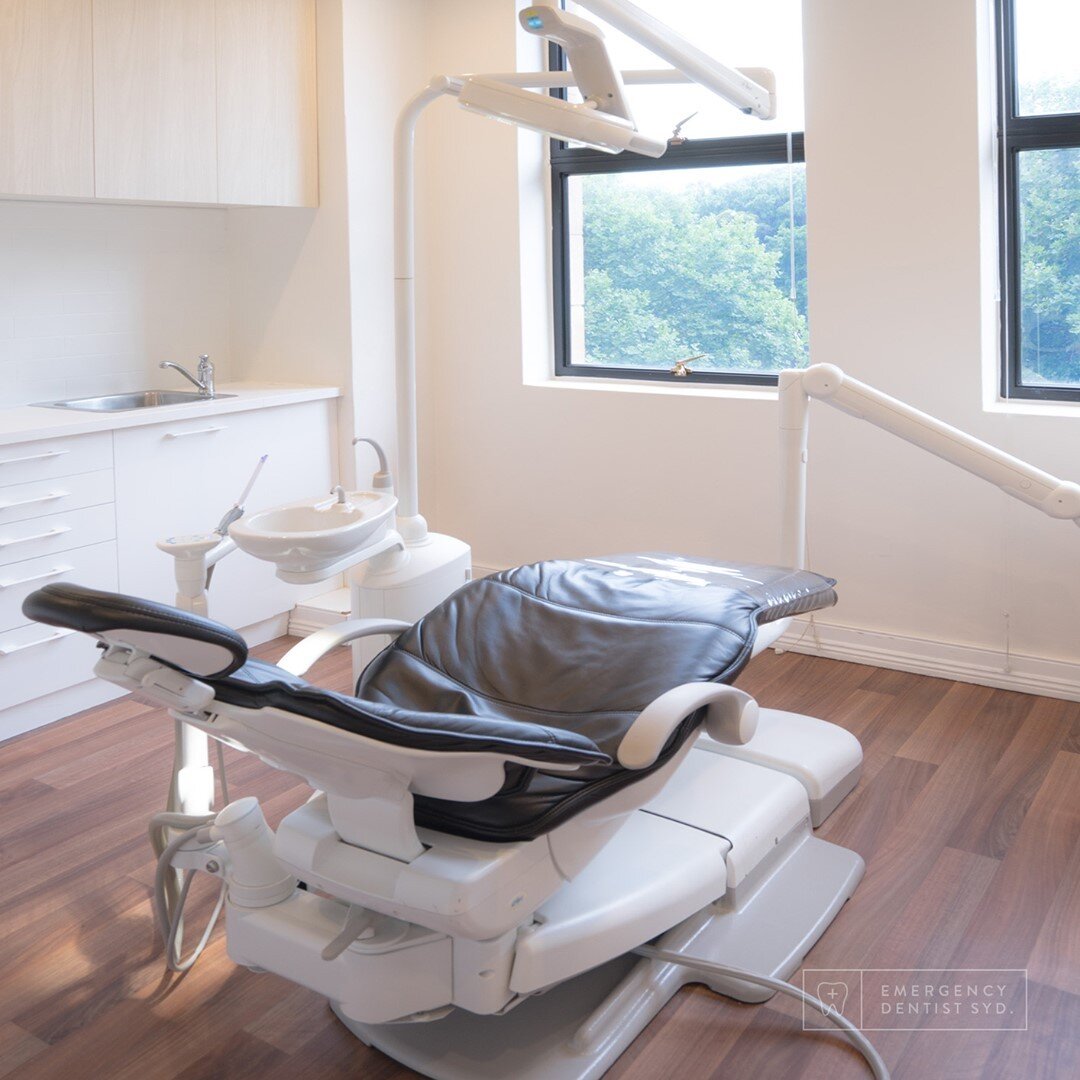





For 15 years, we've had one mission - when Sydney has a dental emergency, Emergency Dentist Sydney is there
We're proud to celebrate 15 years of providing emergency dental services to Sydney CBD and surrounding suburbs.