
Can Dentists Always Save Cracked Teeth?
We'll Tell You!
Cracking a tooth is a very worrying thing. It’s usually painful and accompanied by bleeding and pain in the mouth and gums. You might also worry about whether the cracked tooth will need to be extracted. The most important thing to remember is to seek expert help immediately, no matter what time of day it is. An after-hours dentist will be able to evaluate the damage and suggest treatments that should save your cracked tooth and return your mouth to good health once more.
What Causes Cracked Teeth
It’s actually fairly easy to crack a tooth. Any type of mouth injury can cause it, including physical injuries and accidents as well as eating hard food. If you tend to grind your teeth or clench your jaw you’re more likely to suffer from cracked teeth as well. These activities tend to damage the enamel and weaken the tooth overall.
It’s usually immediately obvious when you crack a tooth. Once minute you’re eating and the next there’s a sharp pain caused by the sudden exposure of the nerves inside the tooth. If you’re eating something hot or cold, the pain can be quite severe. However, it is possible to crack a tooth and not realise it, which is why you need to check your teeth regularly for problems.
Cracking a tooth can cause other damage as well, such as lacerations and wounds to the gums or lips. These problems can also worsen over time, which is why it’s so important that you see your emergency dentist as soon as possible to discuss your treatment options.
What to Do if You Crack a Tooth
According to Dr. Oberoi, our Emergency Dentist in Sydney, “Cracked teeth can be saved most of the time.” However, it’s really important that you contact your dentist immediately and tell them what has happened. The longer you ignore the problem, the more likely it is that you will experience further issues. For example, cracked teeth are extremely prone to infection because the opening can allow bacteria into the vulnerable inner parts of the tooth. If this occurs, the tooth can die, which means that it has to be extracted.
As Dr. Oberoi says, “The whole idea is to be more proactive and get treatment as quickly as possible so the tooth can be saved.”
If you can’t get to a dentist right away, make sure you keep the area as clean as possible. Use a soft toothbrush to gently clean the cracked tooth and use bacteria killing mouthwash to further preserve your oral health.
Cracked Tooth Treatments
Once you do get to your dentist, they will be able to decide the best way to treat and save your tooth. This all depends on the severity of the damage. Some of the treatment options are as follows:
If the chip is small, a filling or bonding material can be used to fill in the missing section.
A dental crown can be used to cover a larger break as long as part of the tooth remains intact.
If the break goes down into the pulp then a root canal or extraction may be the best option.
The longer you leave a cracked tooth, the more likely it is that the damage will get worse and result in a tooth extraction. So make sure you visit your dentist as soon as possible after the injury.
Emergency Dentist Sydney Says:
If you have a cracked tooth after office hours, make sure you contact our Emergency Dentist in Sydney. Our caring and expert staff are available now to take care of all your emergency dental needs.
Need Advice Or Emergency Dental Care In Sydney CBD?
Contact our friendly team


The Truth About 24 hour Dental Care
What You Can Expect From Your 24 Hour Dentist
What You Can Expect From Your 24 Hour Dentist
Our emergency dentist in Sydney is on call 24 hours a day. This means that you can get emergency dental care no matter what time of the day or night it is. This can be an incredible comfort if you break a tooth late at night or wake up with a toothache on a Sunday morning. To understand more about this service, see what one of our dentists, Doctor Oberoi, has to say about the dedication of the staff who perform this valuable service.
What is An After Hours Dentist?

Dr. Amrinder Oberoi
Dental emergencies don’t always happen between 9 and 5 on weekdays. They’re equally likely to happen after hours or on the weekend, and this is when you need access to a 24 hour dentist.
Here at our Emergency Dentist in Sydney, we can provide the comfort of knowing that expert help is only a phone call away. As Dr. Oberoi points out, “It’s a 24 hour on call service, so the phone lines are open 24 hours for emergencies. We also have online booking so patients can make an appointment on their computer the night before and come in first thing.”
These services allow patients to be proactive and to act immediately to safeguard their oral health and general wellbeing.
What You Can Expect from a 24 Hour Dentist

Dr. David Graham
If you have a dental emergency at night or on the weekends, you can call and get the help and support that you need. According to Dr. Oberoi here at our Emergency Dentist in Sydney, “We have an on-call dentist to see to the emergency if it really can’t wait. This is usually the case when you’re dealing with knocked out teeth or other problems that need to be fixed immediately.”
The dedicated staff at our 24 hour dentist can provide support for patients with unexpected dental emergencies, assess the situation, and give advice. If the on-call needs to be fixed as quickly as possible, they can make that happen. However, if it can wait until business hours they can schedule appointments and advise the patient what to do in the meantime. This kind of support and expert advice can be extremely comforting when you have a dental emergency and you’re in pain, frightened, and don’t know what the best course of action is.
Emergency Dentist Sydney Says:
So if you have a toothache or other dental problem after office hours, make sure you contact our Emergency Dentist in Sydney. Our caring and expert staff are available now to take care of all your emergency dental needs.

Our Top 5 Emergency Treatments
The Biggest Threats to Your Oral Health After Hours
The Biggest Threats to Your Oral Health After Hours

If you have a problem with your teeth at night or on the weekends, you’ll probably need to see our after-hours dentist. This is more common than you think. It’s normal to want to avoid thinking about a niggling pain in your tooth for as long as possible. But unfortunately, this means that it can flare up just at the wrong time. When this happens you’ll need to see a dentist as soon as possible. At our Emergency Dentist in Sydney, we see all sorts of dental problems after hours, but there are some that are more common than others. To learn about these procedures, and their treatments, keep reading.
1. Extractions
If you have a tooth that’s too damaged to fix then you may need an extraction. This type of damage is usually caused by injury or decay. During an extraction the affected tooth is removed from the socket bone. If the tooth is clearly visible in the mouth, your dentist will loosen it and then remove it with forceps. However, if the tooth is broken off below the gum line or hasn’t come through the gum then it will have to be removed surgically. This is a more complicated procedure during which the gum is opened up to remove the offending tooth.
2. Root Canal Treatment
If you have an infection or inflammation in a tooth then you may need a root canal. This is a very common reason for trips to the after-hours dentist and causes a great deal of pain and discomfort. Tooth infections happen by deep decay, a chip or crack in the tooth, or previous dental surgeries.
If you need to have a root canal your dentist will remove all the infected pulp from inside the tooth. The whole area will be cleaned and sterilised to remove all traces of the infection before a filling is inserted into the tooth to replace the tooth pulp. This procedure can save the affected tooth and help you avoid further surgeries.
3. Fillings & Dental Bonding
If you have a hole in your tooth because of decay, then you’ll probably need a filling. This is a very common procedure and an easy way to alleviate the pain that can occur with decay. During a filling procedure, your dentist will remove the damaged section of the tooth and replace it with a filling. A filling can be made of a number of different types of material depending on the size of the hole and its position in your mouth.
Another common emergency procedure is dental bonding. This is the cheapest and quickest way to improve the appearance of a damaged, broken or decayed tooth. The bonding material is attached to the surface of the tooth and vastly improves its appearance. During this procedure, your dentist will lightly abrade the surface of the affected tooth, apply a conditioning liquid and attach the resin. This is like plastic, so it can be moulded to fit the shape of your tooth. The material is smoothed and then hardened using an ultraviolet light.
4. Wisdom Teeth
Wisdom teeth usually grow in the late teens or early twenties. Unfortunately, not everyone has enough room in their mouth for these extra teeth. If this is the case for you, the new wisdom teeth can push other teeth out of the way or become impacted, causing infection and pain. This can come on quite suddenly and result in a trip to the after-hours dentist.
At the dentist, you will need to have an exam to determine what the problem is and what has to be done to alleviate it. If there isn’t enough room for your wisdom teeth, you will probably need to have them taken out. However, wisdom teeth can also cause pain in the gums and jaw when they’re coming through. So even if they hurt, you won’t necessarily have to have them removed. That’s why it’s important to get them checked so you can plan your next step.
5. Re-cementing of Crowns, Veneers & Bridges
Crowns, veneers and bridges are all used to replace missing or damaged teeth. Crowns are used to encase an entire tooth. They’re most often used when the tooth is decayed or damaged and improve the strength and the appearance of the tooth. Veneers cover the front side of the tooth, the part that faces outward, and improve the appearance of a damaged or broken tooth. And finally, a bridge is an artificial tooth that’s attached to surrounding teeth.
Despite the strength and durability of these dental additions, they can sometimes become damaged or loose. This can occur when the procedure is fairly recent and hasn’t completely set yet, because of injury, or while you’re eating something hard. If you lose a crown, veneer or bridge, your dentist will need to evaluate the area to see if the original addition can be re-applied. If not, you will have to decide what step to take next. If the dental addition can be reapplied your dentist will clean your mouth and the implant and reattach it.
Emergency Dentist Sydney Says:
If you have a toothache after office hours, make sure you contact our Emergency Dentist in Sydney. Our caring and expert staff are available now to take care of all your emergency dental needs.

Can Toothache Be Prevented?
How to Avoid Toothaches by Protecting Your Oral Health
How to Avoid Toothaches by Protecting Your Oral Health
Toothaches are fairly common but also extremely unpleasant. There are a number of problems that can cause toothaches including infection and abscesses. However, the most common cause is tooth decay. When this occurs, it means you will have to make an expensive trip to the dentist for a filling. Fortunately, it’s also fairly easy to avoid this kind of toothache. You just need to take better care of your oral health with the following steps.
1. Regular Brushing
You should brush your teeth at least twice a day for at least 2-3 minutes if you want to avoid emergency trips to the dentist with a toothache. And don’t guess at the timing either, make sure you take a watch with you, at least while you’re getting used to your new habit.
2. Floss Every Day
Brushing is good but it can’t get rid of the small particles of food that get stuck between your teeth. Flossing at least once a day will help you avoid the build-up of food and bacteria between your teeth that causes cavities.
3. Avoid Sugar and Sticky Foods
The bacteria in your mouth need sugars to survive and multiply. This means that your diet is incredibly important in determining the health of your teeth. Try to avoid sugary foods like soft drink and juice. You should also cut down on the amount of sticky foods you eat because they can easily become stuck to and between your teeth. This means cutting down on candy and caramels, or at least brushing and flossing well when you do eat them.
4. Eat Vegetables
If you want healthy teeth and a healthy body you need to eat lots of raw, healthy vegetables. Vegetables are packed with essential vitamins and nutrients and they also contain lots of water, which can help to clean the bacteria from your teeth.
5. Drink Lots of Water
Water is essential for every system in your body and that applies to your teeth as well. Drinking water helps to wash bacteria away from your teeth and it also encourages saliva production, which protects your teeth in between brushing.
6. Have Regular Check-Ups
If you want to keep your mouth healthy, you need to visit your dentist twice a year for a check-up. Your dentist will be able to see signs of problems early, which is key to quick and easy treatments. This will help you avoid late night visits to your after hours dentist. Your dentist will also give your teeth a complete and thorough cleaning, which will improve your overall oral health.
Emergency Dentist Sydney Says:
If you have a toothache after office hours, make sure you contact our Emergency Dentist in Sydney. Our caring and expert staff are available now to take care of all your emergency dental needs.

Our Smile Makeovers
Giving You the Perfect Smile
Giving You the Perfect Smile
At Emergency Dentist Sydney, we don’t only treat dental emergencies, but we also do general and cosmetic dentistry. We are interested in the aesthetics of your face and can provide advice and treatments to give you the smile of your dreams using cosmetic dentistry. If you have a serious dental problem and you think your teeth are beyond repair, don’t worry at all and come visit us for a consultation. Your teeth can not only be fixed but restored to their former glory in terms of aesthetics as well. Here’s a look at what cosmetic dentistry can do for the following issues:
Cracked/Broken Teeth
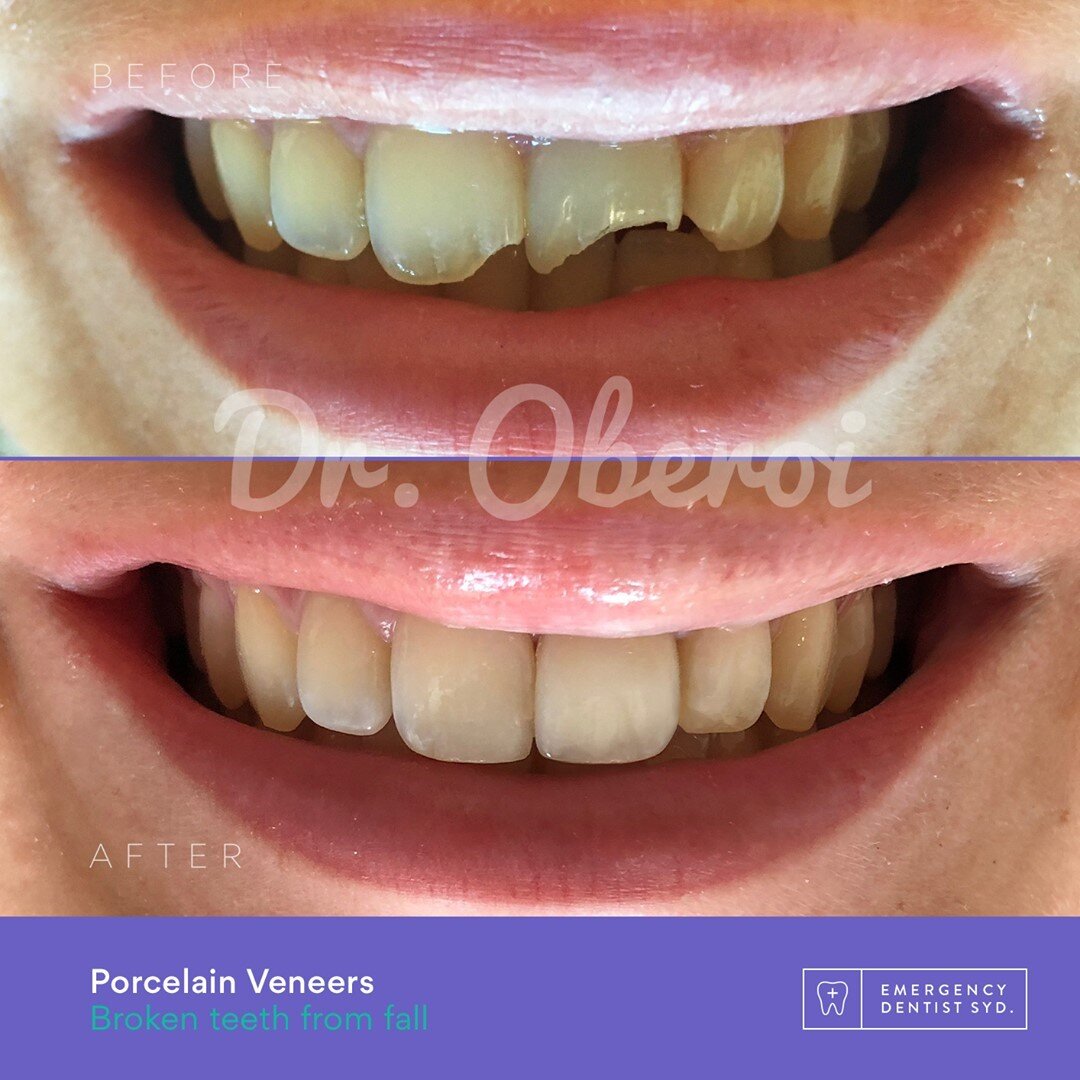
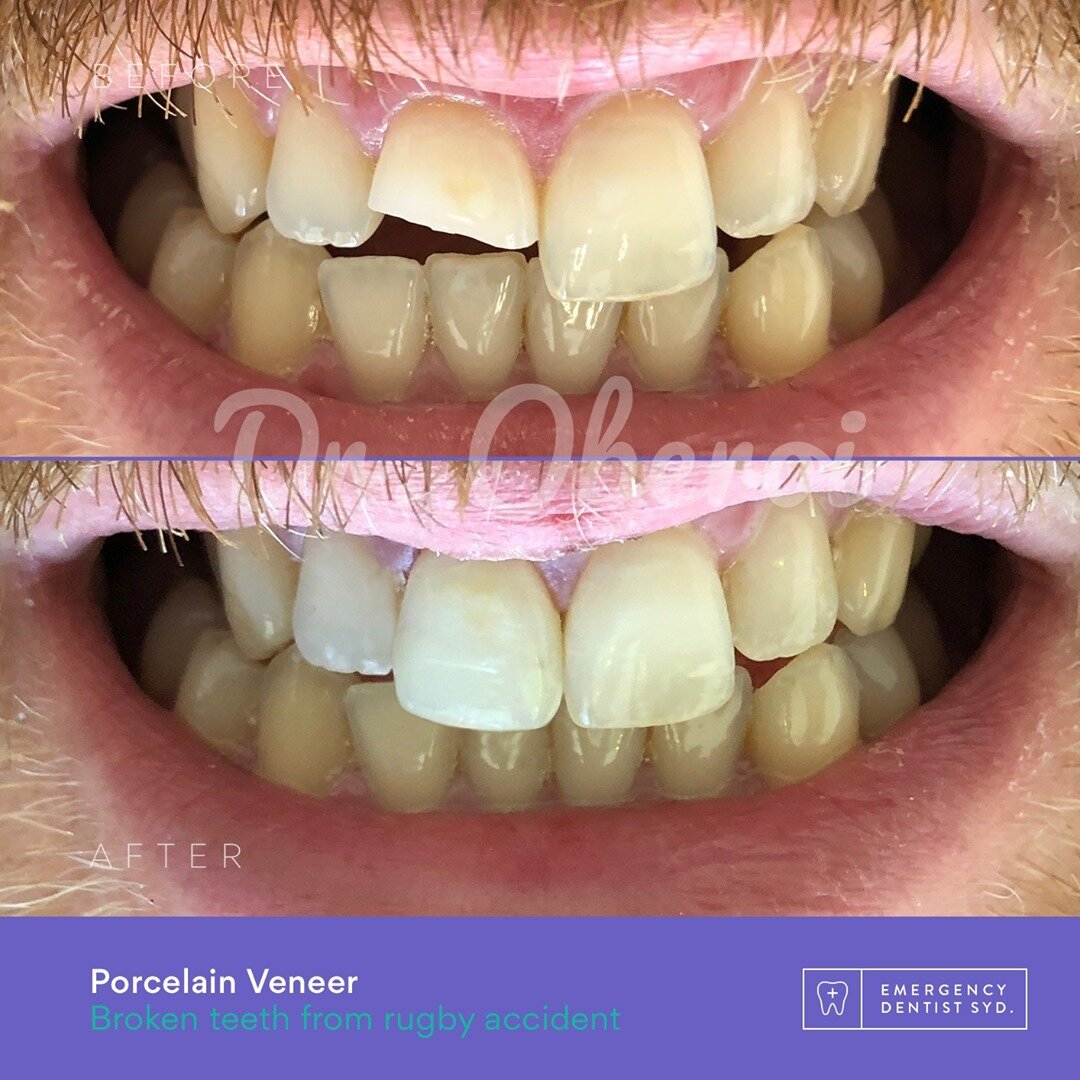
It’s easier than you might think to crack, chip or break a tooth. Your broken tooth may have survived the trauma, but it leaves you with a damaged tooth that not only looks pretty bad but is also now prone to decay, infection and can further collapse if not treated promptly. There are quite a few treatment options for cracked or broken teeth including bonding, fillings, crowns, and veneers.
Missing Teeth
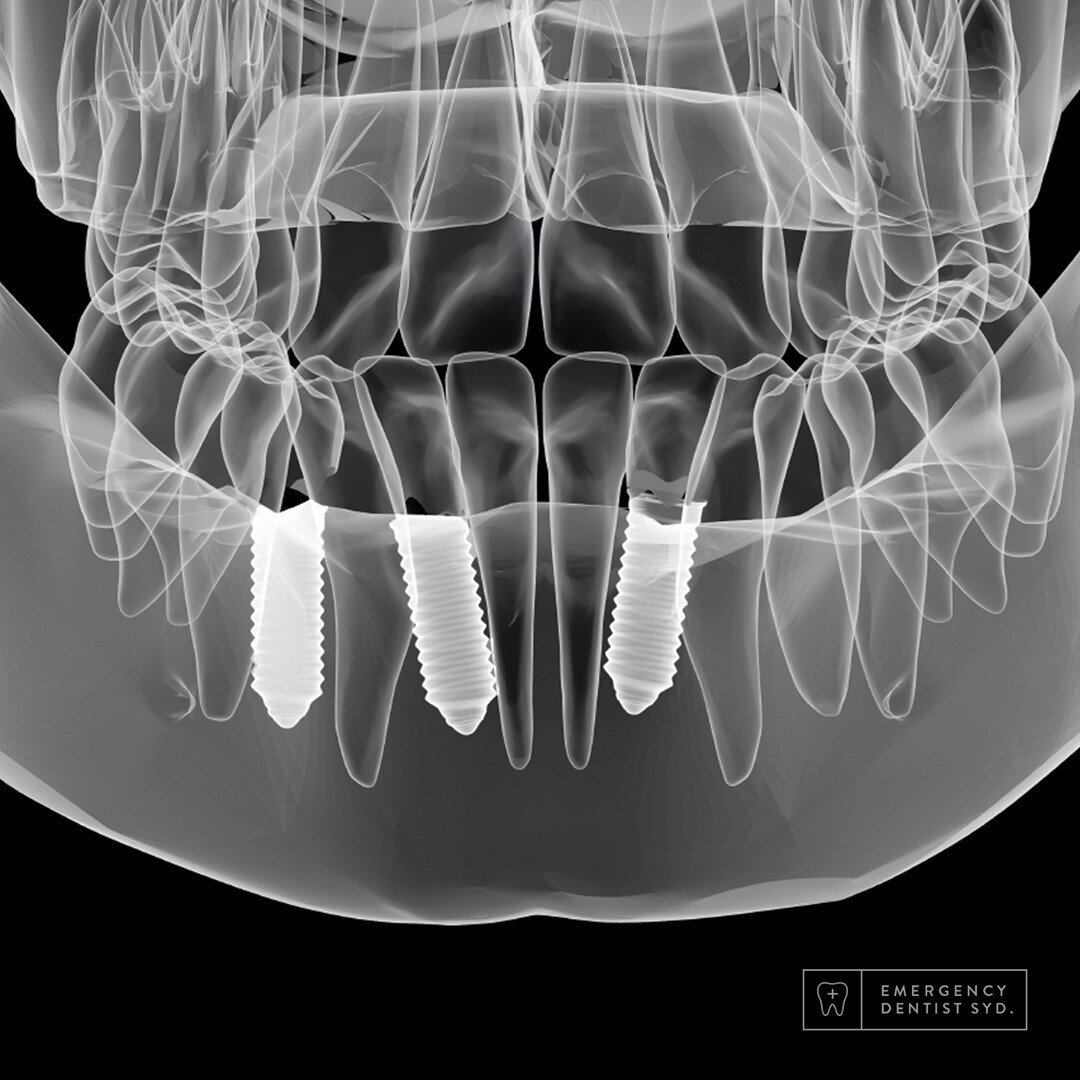
Losing a tooth or teeth can be really upsetting and stressful. Whether you lost your teeth in an accident or had them extracted by the dentist, there are many ways for replacement teeth. The treatment options vary according to the location and size of the missing tooth, but bridges, crowns and implants are all different ways to replace your missing tooth/teeth and restore that smile of yours. It can also improve your chewing, speaking and overall dental health.
Worn Teeth
We need to be careful of the foods and drinks we consume as they may contain harmful and corrosive acids that wear our enamel. Behavioural habits such as teeth grinding, biting fingernails or chewing on hard objects also wear our teeth down. There are many treatment options for worn teeth including veneers, crowns, bonding, and implants. We also have advice and ways we can fix those behavioural problems such as teeth grinding.
Crooked Teeth
Having crooked, spaced or crowded teeth is no fun especially because it makes it hard to brush, floss and keep your teeth clean. As you get older the long-term effects for these conditions can be very harmful for not only your oral health but your overall health. Orthodontics may be the best method to treat those crooked teeth. There is a variety of orthodontic treatments which your dentist can help you with.
Emergency Dentist Sydney Says:
If you have concerns about your smile and want to makeover your smile, don’t hesitate to call us. Our expert team will help you design a treatment plan that gives you a smile that you’re proud to show off.

What To Do When You Have Gingivitis
Prevent the Next Stages of Gum Disease
Prevent the Next Stages of Gum Disease
We only get one set of permanent teeth, so it is important to take good care of them. Having good oral health means you are taking care of your overall health. Unfortunately, this is not the case for some people. Without daily brushing and flossing, the bacteria that forms on our teeth builds up and causes an inflammation of the gums. This is called gingivitis, the first stage of gum disease. Here is a brief guide on what you need to know about gingivitis, so you don’t progress to the next stages that can cause infected bone and tooth loss.
There Are Three Stages of Gum Disease:

1. Gingivitis: this is the earliest stage of gum disease where the plaque build-up causes an inflammation of the gums. Your gums will be red and swollen and may bleed while brushing and flossing. Good news is that gingivitis can be reversed at this stage as it is still early and the bone that supports your teeth are not yet affected.
2. Periodontitis: This stage of gum disease is irreversible. The supporting bone that holds your teeth are affected to the point where your gums may begin to form a pocket below the gum line, trapping food and plaque.
3. Advanced Periodontitis: In this final stage of gum disease, the fibers and bone supporting your teeth are destroyed, which can cause your teeth to shift or loosen.
Gingivitis Symptoms
As mentioned above, your gums will become red and inflamed and will probably bleed during brushing. The area will be sore or tender and may actually recede (pull away from the teeth). It can also cause gaps to form between the teeth and the gums, which can collect food as well as plaque. As well as these less obvious problems, people with gingivitis often suffer from bad breath, even if the condition isn’t very advanced.
Treating Gingivitis
Gingivitis can be treated easily and simply only if it’s caught early. Your dentist will perform a deep clean to remove the hardened plaque. If your gingivitis is left untreated, it will worsen and progress to the next stage, Periodontitis. If the problem gets to this stage you will probably lose some of your teeth and cause permanent damage to your gums, teeth and other tissues in the mouth. That’s why it’s so essential that you make regular visits to your dentist to treat any problems as soon as they appear.
How to Avoid Gingivitis
To avoid gingivitis you need to see your dentist regularly for a professional cleaning. Your dentist will remove any plaque buildup and let you know of any problems before they become serious. Other than that, you have to make sure you maintain good oral hygiene, which means twice daily brushing, flossing, eating well, and avoiding substances that can cause damage such as smoking. If you make these habits a priority, you will enjoy good oral health throughout your life.
Emergency Dentist Sydney Says:
If it’s been a while since your last dental check-up and you are experiencing red and swollen gums, visit a dentist as soon as possible. It may be gingivitis and you won’t want it to progress to the next stage.

Don't Ignore Your Dental Health
Your Teeth and Gums are Important
Your Teeth and Gums are Important
What most people don’t know is that it is dangerous to ignore your oral health because it actually impacts your overall health. There could be a number of reasons why people ignore their dental health, such as fear of visiting the dentist or being too lazy to regularly brush your teeth. Poor dental care can lead to a number of big problems such as infection, tooth loss, and pain. We want to let you know the importance of treating your teeth and gums so that you don’t come across these big problems.
Signs of Poor Dental Care
When your dental health is being neglected, it will show in a number of ways including:
Bad breath
Receding gums
Stained or rotten teeth
Loose or broken teeth
Avoiding the dentist
Not brushing and flossing regularly
If left ignored and untreated, these conditions will eventually lead to bigger problems affecting your overall health.
The Dangers of Poor Dental Care
Neglecting your dental health can lead to more than rotten teeth and bad breath. If teeth aren’t thoroughly cleaned and checked regularly they can get infected. This can lead to pain and inflammation, and even to tooth loss. The infection from your mouth can even get into the bloodstream and infect other parts of the body, including the heart. In cases like this, the consequences can be very serious. You may only suffer from sore gums and sensitive teeth at first, but over time a lack of dental hygiene can negatively affect your entire system and overall health. It is vital to visit your dentist before it gets to this stage.
What You Can Do
If you’ve been neglecting your dental health for whatever reason it’s important that you take measures to ensure it doesn’t get worse. See your dentist as soon as you can and establish good hygiene habits. This means brushing twice a day and flossing.
Emergency Dentist Sydney Says:
Taking care of your teeth and gums should be your top priority. Don’t ignore your dental health and you will have a smile you’re proud to show off.

Tooth Extractions
You Have Nothing to be Afraid of
You Have Nothing to be Afraid of
You might have chipped a tooth from a fall or cracked a tooth from accidently biting down on something hard. Whatever the reason for your toothache or pain, a tooth extraction will most likely not be the first procedure your dentist will suggest. Tooth extractions are actually only done as a last resort. However, if you are in a situation where your tooth needs extracting, there is totally nothing to fear!
Tooth Extraction is the Last Resort
Dental treatments and techniques are rapidly advancing. At Emergency Dentist Sydney, our dentists will always discuss with you the right treatment options for your dental emergency. We avoid tooth extraction as there are a number of treatments that can be done first instead and most importantly, we want to save your tooth. This means if you have a broken tooth and are avoiding the dentist because you're fearing the extraction procedure, call your dentist now as an extraction may not be the case. Your dentist will try to fix your damaged tooth with a filling, crown or other treatment.
The Extraction Procedure
Sometimes, there may be too much damage for the tooth to be repaired. This is when the tooth will need to be extracted. The Procedure itself is fairly quick. Dr. Oberoi states that it usually takes under a minute to actually remove the tooth. He says that “I spend more time talking to the patient and making sure they’re comfortable than doing the procedure itself.” The care at Emergency Dentist Sydney is personalised to the patient, to ensure the procedure is as comfortable and stress free as possible.
A Painless Dentist Procedure
What we will always do is make sure that the area we are performing the extraction is completely numb. Even administering the anaesthetic is painless with the help of some numbing cream. At Emergency Dentist Sydney, we also have a number of options for anxious patients including local anaesthesia, happy gas or even IV sedation. Your dentist will discuss with you the best option for your situation and condition.
Tooth Extraction After-Care
Aftercare is almost as important as the extraction itself. Your dentist will stay in touch with you over the days after the procedure. They will be able to answer any questions or concerns you might have and provide assistance in the unlikely case of complications.
Emergency Dentist Sydney Says:
Extractions sound scary but in reality, they’re usually very quick and pain-free. Our dentists always ensure a pain-free and comfortable procedure for all patients so come and see us if you have concerns about your smile.

The Truth About Tooth Enamel
Tooth Enamel Facts You Need to Know
Tooth Enamel Facts You Need to Know
Tooth enamel is the hard, outer layer covering each tooth. It is the hardest substance in the human body and protects the sensitive inner layers from the discomfort of foods and drinks that are really hot and cold. You are also probably familiar with its vital role in protecting our teeth from damage and decay. What other tooth enamel facts do you know? Check out these common tooth enamel facts and tips below.
1. The Difference Between Abrasion and Erosion
There are two types of tooth enamel damage. Abrasion occurs when something brushes against your teeth, for example, using a hard-bristled toothbrush or scraping your teeth with a hard object. Erosion is caused by certain foods and drinks that are sugary and acidic. These foods and drinks are most damaging because when they interact with the bacteria in your mouth, lactic acid is produced, and this is something that can lead to the start of a cavity. When your teeth are eroding, you will notice that your teeth are becoming sensitive and are appearing slightly yellow.
2. Tooth Enamel Doesn't Come Back

Once your tooth enamel has eroded, it will not regrow. Enamel is made from minerals so it does not contain any living cells, making it impossible for it to repair itself. However, there are ways you can prevent this from happening and ways to treat the damage. Dental bonding can be used, or crowns can be applied but your dentist will be able to recommend you the right treatment option for you. In terms of prevention methods, you can start by eliminating certain foods and drinks out of your diet. When you have that craving for your favourite soda, use a straw. Another great tip is to gently rinse your mouth with water after eating because if you brush your teeth too soon after eating acidic food, that can actually make it worse. You can also start chewing sugarless gum.
3. Don't Neglect the Damage
Ignoring the damage or avoiding the dentist will not only cause more pain to your eroded teeth but will make treatments more expensive. As your teeth enamel erodes, your teeth will become overly sensitive as it will expose the inner sensitive layer underneath called ‘dentin’. Because your teeth won’t have the protection it needs from enamel, they will be susceptible to decay quickly. Your teeth will also be stained, giving your teeth a yellow appearance. Always make sure to have 6 monthly check ups so your dentist knows the state of your teeth.
Enamel is so important for our teeth and we need to take care and protect them as they protect us. It is vital to follow some of the tips mentioned above to prevent your enamel from eroding. It may sound difficult to give up your favourite sugary snacks and soft drinks, but the damage is way worse. If you do consume sugary and acidic foods and drinks, always remember to maintain good oral hygiene.
Emergency Dentist Sydney Says:
Protect your enamel and your overall dental health by practicing good oral hygiene habits like twice daily brushing and flossing. And don’t forget to visit your dentist every 6 months!

5 Tips To Keep Cavities At Bay
Protect and Prevent
Protect and Prevent
Our teeth have outer coatings called enamel. They are a hard, protective layer but once it is weakened by the different types of foods and drinks we consume, especially junk and acidic foods, a pit forms in or on the tooth surface. This is called a cavity and is the result of tooth decay. Children are very prone to cavities, as they are more likely to miss spots while brushing their teeth. Because of this, many people think only children can get cavities, which is not true. Adults get cavities for the exact same reason but don’t worry, there are many ways to prevent them! Have a read below for our top 5 tips to keep these cavities away for good.
1. Twice Daily Brushing and Flossing
This is a no-brainer, however, what most people don’t know is that the way you brush and what you use to brush are extremely important. Proper brushing includes using short, gentle strokes and paying extra attention to the back teeth. Don’t forget to brush your tongue too! We recommend a toothbrush with soft bristles or an electric toothbrush. Hard bristles will continue to take away the enamel on your teeth. Flossing is also really important as it is the best tool to remove trapped food from in between teeth. Your oral hygiene routine is a very simple yet effective way to prevent tooth decay and it only takes 2 minutes!
2. Mouth Wash
To reduce the amount of bacteria in your mouth after eating or drinking, use an antibacterial mouth rinse. A mouthwash containing fluoride is also another option as it is a natural mineral that strengthens tooth enamel and prevents cavities.
3. Drink More Water
Water is the healthiest drink and staying hydrated helps your body in many ways including your oral health. It’s hard not to drink your favourite soft drink or a fruit juice with your meals. Sorry to say but drinks that are high in sugar or very acidic are bad for your teeth. They take away the enamel on your teeth which will eventually lead to cavities. Our best tip for you is to drink a glass of water after having a cup of coffee, tea or any drink so that it can wash away the acid lingering in your mouth. It can also keep your saliva from becoming too sugary so that the sugars won’t transfer onto your teeth. Another great tip is to use a straw when drinking soft drinks and juices as it will keep the sugar off your teeth and out of your saliva.
4. No Smokes
The health risks related to smoking cigarettes such as cancer are plastered all over cigarette packets and tv ads, however, most people are still unaware of the damages it can cause on your teeth. Smoking cigarettes not only stain your teeth and give you bad breath but can lead to gum disease, tooth loss, and even oral cancer. Cigar smoking and tobacco chewing can also be just as bad. So even though it is difficult to quit, keep trying as it really is better for your health and the people around you.
5. Regular Check-Ups
It is super important to visit your dentist every 6 months for a deep clean. All the built-up plaque and tartar will be removed leaving your teeth and gums feeling fresh but more importantly to prevent any diseases such as gingivitis. For those who can feel a cavity on the way, there are also treatments for that including dental sealants.
Cavity prevention starts at home. Just follow the above tips and you can prevent tooth decay. If you already have a cavity or feel like you do, do not hesitate to call your dentist and make an appointment.
Emergency Dentist Sydney Says:
Your oral health is important so don’t delay any dental check ups and continue brushing your teeth everyday – the proper way.

Our Top Tips Handling Dental Emergencies
What To Do When You Can't See Your Dentist Right Away
What To Do When You Can't See Your Dentist Right Away
Dental emergencies happen all the time, like breaking a tooth from a fall or a painful toothache that won’t go away. Nobody wants to experience these dental situations…especially when it happens outside of business hours. Knowing what to do when you’re in a situation where you can’t see the dentist right away, will help you reduce the risk of further complications. Here are some tips you can use to protect your teeth and gums until you can see an emergency dentist.
Broken Tooth:
Gently clean the area in your mouth with warm water and protect the tooth from exposure to germs by covering it with a sterile gauze. Apply a cold compress to the face if swelling.
Knocked Out Tooth: Pick up the tooth by the crown and do not touch the roots. Rinse off any dirt with water but make sure not to remove any attached tissue fragments. If possible, gently insert the tooth in its socket. If you cannot insert the tooth back in, put the tooth in a cup of milk and take it to your dentist.
Cracked Tooth: Gently clean the area by rinsing with warm water and use a cold compress on your face to reduce any swelling.
Severe Toothache: Rinse your mouth with warm water and gently use a dental floss to ensure there is nothing caught between the teeth. Never put aspirin or any other painkiller against the gums near the aching tooth because it may burn the gum tissue. Visit the dentist even if the ache goes away.
Sore Gums:
This may be a sign of gum disease so immediate treatment is required. Before you contact your dentist, quickly but gently floss and ensure there is nothing caught between the teeth. Rinse gently with warm salt water and never put any painkillers against the infected gums as it may burn the gum tissue.
Broken Braces and Wires: If your wires and brackets are broken, use a soft object like an eraser to gently push the wire back into spot where it doesn’t cause any more discomfort. If you can’t reposition the wire, cover the end with orthodontic wax or a piece of gauze so that it doesn’t bother your gums or soft tissue. Never cut the wire as you could end up swallowing it or breathing it in. Make an appointment to see the dentist so that a more permanent solution will be given.
Objects Caught Between Teeth: Gently use dental floss to remove the object. If object does not come out, call your emergency dentist. Never use a sharp object like a pin to try and get the stuck object out.
Lost Filling: If your filling has fallen out, part of the interior of your tooth will be exposed so temporarily stick a piece of sugarless gum into the cavity. Do not use a sugar filled gum as this will cause immense pain. Another option is to use a dental cement which can be purchased over the counter.
Lost Crown: Temporarily replace the crown by coating the inside of the crown with denture adhesive or toothpaste to help it stay in place. Never use super glue. If you can’t position it in there properly, leave it and take it to your dentist.
Soft Tissue Injuries: Soft tissue injuries include the tongue, cheeks, gums and lips. These injuries can be cuts or swelling and can result in bleeding. To control the bleeding, gently rinse your mouth with salt water to disinfect the cuts. Then use a piece of damp gauze to apply pressure to the areas that are bleeding for 15 – 20 minutes. You can also hold a cool compress on your face to control the swelling. If you are still bleeding badly after 20 minutes, please call your emergency dentist. Continue to hold pressure on the affected area.
A dental emergency can occur at any time and at any place. It is helpful to know these tips just in case these situations arise. Always have an emergency dentist’s contact handy especially when you are travelling abroad. It will definitely save you time while you are trying not to panic. You can also check out our emergency dental care tips on our website.
Emergency Dentist Sydney Says:
Always contact your dentist when you have or think you have a dental emergency. It will make a huge difference to know what to do while you wait to see them.

Protect Your Teeth From Injuries
The Importance of Wearing a Mouthguard
The Importance of Wearing a Mouth Guard
Taking care of your teeth is very important but it doesn’t mean just brushing your teeth and eating healthy – it means always protecting them, especially when participating in sports and activities that can result in an injury to the face. Mouth guards provide the protection your teeth and gums need during play and practice. To help you decide if you or your child needs this protection, have a read below for a quick guide on mouth guards.
Why Buy a Mouth Guard?
Mouth guards help protect the teeth, gums, tongue and the mouth in general from impact or injury. It minimises the risk of teeth getting chipped or knocked out and helps cushion a blow to the face. Because some sports are extremely physical, you never know what can happen. Rather than losing a tooth or damaging the sensitive tissues of the mouth, it is a good idea to invest in a mouth guard. In the end, you will be saving money and more importantly protecting your mouth.
When Should Kids Wear a Mouth Guard?
Some kids love sport because they can run around with teammates and have a lot of fun. However, some sports can be dangerous and so it is essential to protect every part of their body. Mouth guards should be part of their sport gear from an early age just like knee pads and helmets. If your child plays AFL, any other type of football, hockey, or does boxing, they definitely need a mouth guard.
Why Buy a Custom Made Mouth Guard?
You can buy cheap mouth guards over the counter these days but custom made mouth guards are the way to go. Even though they are quite expensive, treating sport related dental injuries cause a bigger hole in your pocket. Custom mouth guards are a worthwhile investment. They are designed to fit perfectly to the unique shape of you or your child’s mouth and teeth. This means that they’re more comfortable to wear and provide the best protection. A bonus is that you won’t have to argue with your kid about using them if they get to choose a mouth guard to come in their favourite colour.
How Your Dentist Makes the Mouth Guard
Your dentist will make an impression of the mouth and teeth during a visit. The mouth guard will be ready after a week or so. Your dentist will make sure the mouth guard is the right fit and five you tips on how to care and maintain the mouth guard. So simple!
Emergency Dentist Sydney Says:
A custom made mouthguard is the best option if you or your child plays sport. With our custom-made mouth guards, we’ll help you protect your teeth.
Patient Care First

Keep Up-To-Date with All Things Oral & General Health
RECENT ARTICLES







For 15 years, we've had one mission - when Sydney has a dental emergency, Emergency Dentist Sydney is there
We're proud to celebrate 15 years of providing emergency dental services to Sydney CBD and surrounding suburbs.